
Post
Understanding the Differences Between Structural Realignment and Symptom-Based Management
Hello. I am Dr. Song Jung-hyun, a practitioner dedicated to the science of structural restoration at Bonecure.
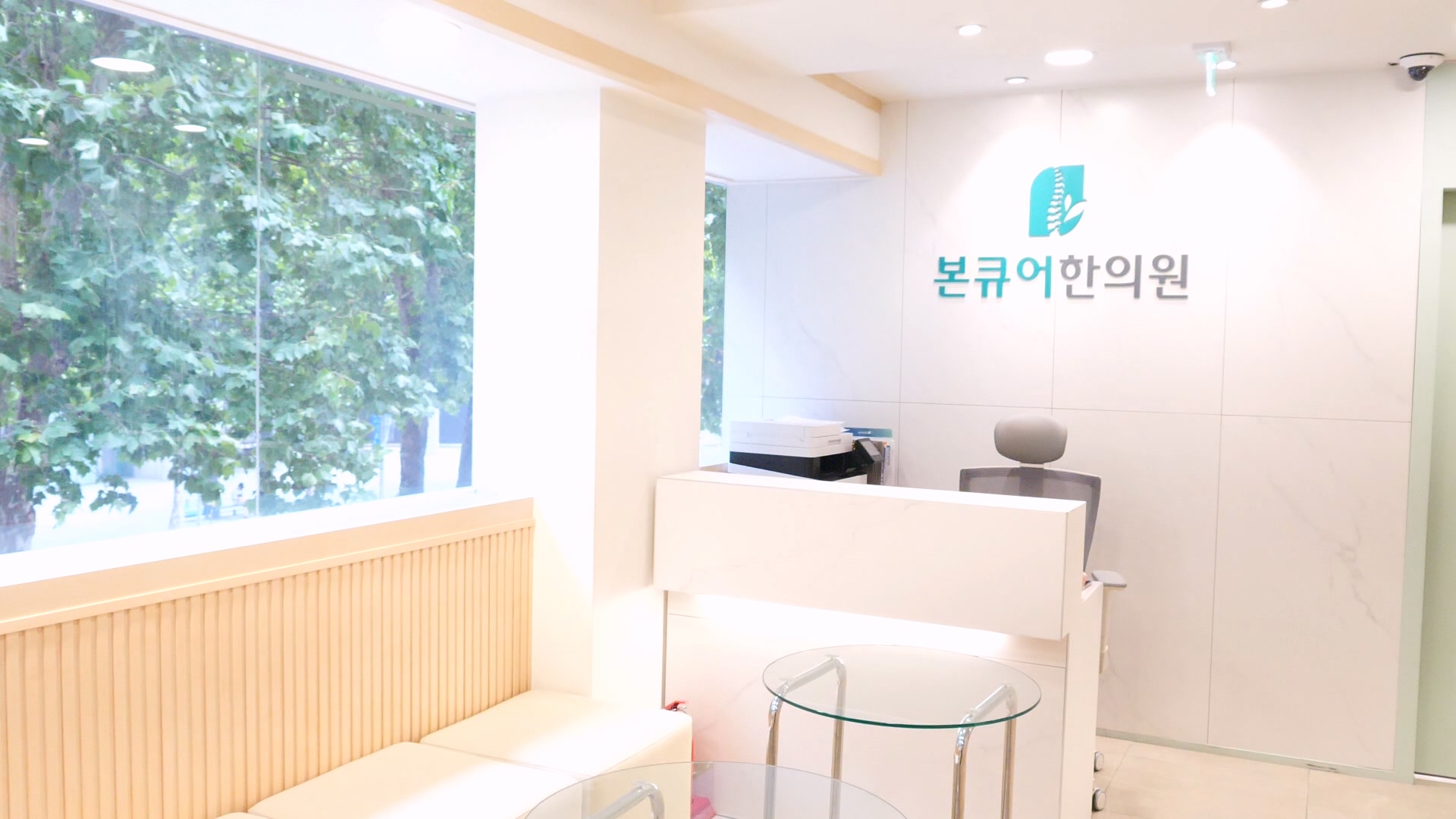
My clinical journey has shown me that the foundation of health lies in the alignment of our bones, and addressing the root cause is the only way to achieve lasting wellness. This guide explores how structural realignment serves as an approach focused on structural causes for chronic pain in 2026.
Understanding Structural Realignment vs. Symptom-Based Pain Management
Structural realignment is the medical philosophy of addressing the body's skeletal architecture to fix the primary source of dysfunction, contrasting with symptom-based treatments that focus on masking pain signals.
Defining Structural Realignment in Korean Traditional Medicine
Structural realignment in the context of traditional Korean medicine is a therapeutic philosophy that views the human body as an integrated mechanical system rather than a collection of isolated parts. At Bonecure, we prioritize the restoration of the skeletal foundation because it serves as the scaffolding for all other physiological functions. This approach involves identifying subtle deviations in bone position that may compromise nerve paths or vascular health. Unlike localized treatments, this methodology employs techniques like Chuna manual therapy and specialized acupuncture to address the kinetic chain of the body. By correcting the tilt of the pelvis or the curvature of the cervical spine, we aim to redistribute weight and tension evenly across the joints. This process requires a thorough diagnostic phase, often utilizing whole-spine imaging through collaborative diagnostic partners to map out specific misalignments. The goal is to create a sustainable environment where the body can perform its natural healing processes without mechanical interference or constant obstruction.
The Limitations of Masking Symptoms with Temporary Relief
Relying on symptom-based pain management often means addressing only the alarm signal while ignoring the fire itself. Many patients come to Bonecure after utilizing pharmacological interventions or nerve blocks that provide temporary relief. While these methods can manage acute distress, we focus on identifying the underlying structural reasons why the pain occurred in the first place. For instance, a patient might receive localized treatment for a lumbar disc issue, but if the underlying cause is a misaligned pelvic structure, the pressure will eventually return. This cycle of temporary relief often leads to the progression of degenerative conditions as the mechanical stress continues to erode healthy tissue. Furthermore, long-term reliance on pain medication can mask the worsening of structural integrity, potentially leading to more complex neurological or functional deficits over time. Transitioning to a structural focus allows for the identification of these hidden mechanical failures that perpetuate chronic discomfort.
Why the Root Cause Often Lies in Bone and Spinal Alignment
The root cause of persistent pain frequently originates from the misalignment of the spinal column and the surrounding bony structures. When the spine loses its natural curvature, it creates a cascade of compensatory patterns in the muscles and ligaments. At Bonecure, we observe that even a minor deviation in the atlas or axis of the neck can trigger systemic issues, including dizziness or chronic tension headaches. This skeletal imbalance places uneven pressure on intervertebral discs and restricts the space available for nerve roots to function correctly. In clinical observations, such as cases involving chronic tinnitus, we have seen that structural corrections in the upper cervical region can influence neurological symptoms, resulting in clinically significant improvements on subjective scales for those specific patients. However, results may vary depending on the individual's condition. Addressing the skeletal frame is essential because muscles will always follow the position of the bone. If the bone is not centered, the muscles will remain in a state of chronic contraction.
Scientific Advantages of Realignment for Chronic Pain
The scientific benefits of skeletal correction involve the normalization of biomechanical loads on the spinal cord and the restoration of efficient vascular circulation throughout the central nervous system.
Improving Nerve Flow and Blood Circulation Through Symmetry
Symmetry is a fundamental requirement for optimal neurological and circulatory function within the human body. When the skeletal frame is properly aligned, the central nervous system can transmit signals without the interference of bone-on-nerve compression or excessive soft tissue tension. At Bonecure, our clinical focus includes restoring the natural 'S' curve of the spine to ensure that blood flow to the brain and peripheral limbs remains unobstructed. This is particularly relevant for conditions like autonomic nervous system dysfunction, where structural distortions can lead to symptoms like palpitations or digestive distress. By achieving skeletal symmetry, we help the body maintain homeostatic balance, which is vital for long-term health. For example, in documented clinical cases where patients experienced improvements in hearing after a series of structural adjustments, the objective was to decompress the pathways that support cranial nerve health. These results are based on specific case reports and do not guarantee the same outcome for every patient. This scientific approach treats the body as a holistic circuit where alignment determines the quality of every internal communication.
The Relationship Between Curvature and Muscle Adhesion
Muscle adhesion and spinal curvature are inextricably linked in the development of chronic pain syndromes. When a patient presents with an abnormal curvature, the soft tissues must adapt by shortening or lengthening, which often results in the formation of dense scar tissue known as adhesions. At Bonecure, we utilize acupotomy to release these deep adhesions that have formed over years of poor posture or injury. These adhesions effectively act as tethers, pulling the bones further out of alignment and making traditional stretching or exercise ineffective. By releasing these restrictive tissues, we allow the bones to move back into their correct positions more easily. This release is a critical step in the structural realignment process, as it removes the physical barriers to skeletal balance. While these procedures may involve temporary soreness, minor bruising, or rarely, localized infection, they are intended to restore the elasticity needed for the spine to hold a healthier configuration for long-term management.
Comparative Analysis: Structural Correction vs. Localized Pain Relief
| Feature | Symptom-Based Management | Structural Realignment (Bonecure) |
|---|---|---|
| Primary Focus | Immediate pain suppression | Root cause skeletal correction |
| Methodology | Medications, localized injections | Chuna therapy, Acupotomy, Collaborative Imaging |
| Sustainability | Often temporary, requires repetition | Long-term stability and recurrence prevention |
| Systemic Impact | Targeted to specific pain site | Holistic impact on nerve and vascular flow |
| Recovery Type | Functional masking | Functional restoration and structural change |
Bonecure Methodology: Integrating Acupuncture and Realignment
The treatment protocol at Bonecure utilizes an integrative approach where specialized acupuncture techniques and manual spinal adjustments work synergistically to repair chronic structural deviations.
Acupuncture for Back Pain and Decompressing Compressed Tissues
Acupuncture for back pain at Bonecure goes far beyond simple needle insertion for temporary analgesia. We utilize specialized needle techniques, including acupotomy, which are designed to mechanically decompress tissues that have become tight and restrictive due to structural imbalances. These procedures target the deep fascia where nerves and blood vessels are often trapped by fibrotic tissue. By creating micro-releases in these areas, we can effectively lower the internal pressure within the spinal canal and around the joint capsules. This mechanical decompression provides a window of opportunity for the spine to be realigned through Chuna therapy or postural correction. It is important to note that while this approach is highly targeted, patients may experience some initial discomfort or local inflammation as the body begins to repair the previously stagnant tissues. However, this is a necessary part of the regenerative phase, as it stimulates the blood flow required for long-term structural stability and relief.
The Role of Chuna and Special Needle Therapies in Bone Health
Chuna manual therapy serves as a primary tool for skeletal restoration by applying controlled force to specific bony segments. At Bonecure, we integrate this traditional Korean manual therapy with a modern understanding of biomechanics to reposition joints that have become restricted or subluxated. This is not merely a 'cracking' of the joints, but a precise adjustment aimed at restoring the functional range of motion and correcting pelvic tilts or spinal rotations. When combined with specialized acupuncture, Chuna helps to retrain the body's proprioceptive system to recognize a balanced alignment as the new normal. This retraining is vital because the body often tries to return to its previous, albeit unhealthy, patterns of movement. By consistently applying these structural corrections, we help the skeletal frame support the body's weight efficiently, which reduces the overall wear and tear on the cartilage and ligaments. This comprehensive methodology ensures that the bone health is addressed from both a structural and functional perspective.
Monitoring Structural Changes Through Whole-Spine X-ray Evidence
Objectivity is a cornerstone of the treatment philosophy at Bonecure, which is why we utilize whole-spine imaging to track progress. Unlike symptom-based clinics that may rely solely on a patient's self-reported pain levels, we believe in providing visual evidence of structural improvement. Through collaboration with specialized imaging centers, we monitor specific changes in spinal curvature or pelvic alignment to ensure that our manual and needle therapies are having the intended effect. This evidence-based approach allows us to adjust our clinical strategy based on the actual physical changes occurring in the patient's skeletal frame. For instance, we can observe improvements in the degree of a scoliosis curve or the symmetry of a pelvic tilt to verify anatomical restoration. While individual results vary and structural change can take time, this monitoring process ensures that we are moving toward a measurable goal of anatomical restoration rather than just temporary comfort.
Traditional Korean Medicine for Chronic Pain: A 2026 Guide to Structural Recovery at BonCure
Long-Term Health Benefits of a Balanced Skeletal Frame
Maintaining a balanced skeletal frame provides a sustainable foundation for physiological stability, helping to manage the risk of degenerative changes and supporting the health of the autonomic nervous system.
Prevention of Recurrence and Degenerative Joint Disorders
The ultimate goal of structural realignment is to prevent the recurrence of pain and the development of degenerative joint disorders. When the body is out of alignment, certain joints are forced to bear excessive loads, leading to premature aging and conditions like osteoarthritis. By restoring a balanced frame at Bonecure, we reduce the uneven mechanical stress that causes this tissue breakdown. This preventative approach is particularly important for individuals who spend long hours in sedentary positions, as it helps counteract the structural damage caused by modern lifestyles. A balanced skeleton ensures that the weight-bearing forces are distributed through the centers of the joints as nature intended. Over time, this stabilization helps to maintain the integrity of the intervertebral discs and the cartilage, significantly lowering the risk of future injury or the need for more invasive surgical interventions. Investing in structural health today provides the foundation for a more active and pain-free life as we age.
Autonomic Nervous System Stability Through Spinal Alignment
The relationship between spinal alignment and the autonomic nervous system is a key focus of the restorative treatments at Bonecure. The spinal column houses the delicate neural pathways that control involuntary functions, such as heart rate, digestion, and the body's stress response. When structural misalignments occur, particularly in the upper cervical and thoracic regions, they can cause irritation to these pathways, leading to systemic instability. My clinical experience, supported by numerous clinical case reports regarding autonomic dysfunction, suggests that addressing these structural issues can help alleviate symptoms of systemic irritation, such as persistent dizziness or sleep disturbances, in those specific instances. Individual results vary, and chronic conditions may require multiple sessions. For example, a patient suffering from long-term neurological symptoms might find relief only after the structural pressure on the spinal cord is removed. By stabilizing the skeletal frame, we create an environment where the nervous system can operate without interference, leading to improved mental clarity and emotional resilience. This holistic improvement demonstrates that structural health is not just about bones.
Restoring Functional Movement in Daily Life
Restoring functional movement is the practical outcome of achieving a balanced skeletal frame and healthy structural alignment. Many patients who visit Bonecure find that their range of motion has been severely limited by years of chronic tension and bone misalignment. As we realign the spine and release the associated muscle adhesions, patients often report an immediate improvement in their ability to perform daily tasks, such as bending, lifting, or simply walking with a more upright posture. This restoration of movement is vital for psychological well-being, as it allows individuals to re-engage with the activities they enjoy. A body that moves efficiently consumes less energy and experiences less fatigue, leading to a general increase in vitality and life satisfaction. By focusing on the structural foundation, we enable the body to move as a unified and harmonious unit. This functional recovery, which can lead to a significant improvement in the range of motion in specific joints, represents the true measure of success in our commitment to helping patients regain their health.
Chimdo (Acuknife) Therapy Benefits: A 2026 Guide to Structural Recovery at Bonecure
Frequently Asked Questions
Q. What is the primary difference between structural realignment and typical pain management?
Symptom-based management often focuses on temporary chemical or physical relief of localized pain, whereas structural realignment at Bonecure targets the underlying skeletal imbalance. This ensures the cause of pain is addressed by restoring the body's anatomical foundation. The goal is to provide a sustainable solution rather than a recurring cycle of temporary fixes.
Q. Can acupuncture for back pain really help with structural issues?
Yes, specialized acupuncture techniques help release deep muscle adhesions and tension that pull the spine out of alignment. By decompressing these tissues, we create the necessary space for effective and lasting structural correction. At Bonecure, we use these methods to prepare the body for the repositioning of bones and joints.
Q. Is structural realignment painful or risky?
While some specialized procedures like acupotomy may involve temporary discomfort during the release of deep adhesions, they are designed to relieve pressure. Minor bruising, local soreness, or temporary inflammation may occur as part of the healing process. These risks are minimal and are managed through professional clinical oversight to ensure patient safety.
Q. How long does it take to see visible results in spinal curvature?
At Bonecure, we focus on treatments that produce immediate improvement you can feel from the first session, rather than mandating a long-term course before seeing results. While chronic or complex conditions may require multiple sessions for full stability, our priority is providing impact and relief during every visit, with changes eventually observable through imaging.
Q. Why should I choose a Korean traditional medicine clinic for this?
Clinics like Bonecure integrate traditional wisdom with modern diagnostic tools like whole-spine imaging. This provides a comprehensive approach that includes Chuna therapy and specialized needle treatments tailored to modern lifestyle-induced misalignments. This integration allows for a higher degree of precision in correcting skeletal imbalances.
Q. Does structural realignment help with non-musculoskeletal issues like dizziness?
Many autonomic nervous system issues, including dizziness and tinnitus, can be linked to cervical spine misalignment. Correcting the structure restores normal neurological pathways and improves blood flow to the brain. We have seen significant improvements in these systemic symptoms after the mechanical pressure on the spine is relieved.
Q. Is it possible to maintain the results without frequent visits?
The goal of structural realignment is to restore the body's natural balance so it can support itself efficiently. Once the skeletal frame is stabilized, maintaining proper posture and participating in occasional check-ups helps prevent the recurrence of chronic pain. Our objective is to empower your body to maintain its own health through a balanced foundation.
Key Takeaways
- Root Cause Focus: Structural realignment addresses the skeletal foundation, which is the true source of most chronic pain conditions.
- Integrated Techniques: Bonecure utilizes a combination of Chuna manual therapy and specialized acupotomy to achieve lasting balance.
- Objective Evidence: The use of whole-spine imaging through collaborative diagnostics ensures that progress is measured by physical structural changes.
- Systemic Benefits: Proper alignment improves nerve flow, blood circulation, and the stability of the autonomic nervous system.
- Sustainability: By correcting the mechanical source of pain, we prevent recurrence and the progression of degenerative joint diseases.
Bonecure / Dr. Song Jung-hyun
FAQ
- What is the primary difference between structural realignment and typical pain management?
- Symptom-based management often focuses on temporary chemical or physical relief of localized pain, whereas structural realignment at Bonecure targets the underlying skeletal imbalance. This ensures the cause of pain is addressed by restoring the body's anatomical foundation. The goal is to provide a sustainable solution rather than a recurring cycle of temporary fixes.
- Can acupuncture for back pain really help with structural issues?
- Yes, specialized acupuncture techniques help release deep muscle adhesions and tension that pull the spine out of alignment. By decompressing these tissues, we create the necessary space for effective and lasting structural correction. At Bonecure, we use these methods to prepare the body for the repositioning of bones and joints.
- Is structural realignment painful or risky?
- While some specialized procedures like acupotomy may involve temporary discomfort during the release of deep adhesions, they are designed to relieve pressure. Minor bruising, local soreness, or temporary inflammation may occur as part of the healing process. These risks are minimal and are managed through professional clinical oversight to ensure patient safety.
- How long does it take to see visible results in spinal curvature?
- The timeline varies per individual based on the chronicity of the condition. While some patients experience immediate ease in movement, structural changes verified by X-ray typically require a series of consistent treatments to stabilize. We usually monitor progress over a course of 10 to 20 sessions depending on the severity of the misalignment.
- Why should I choose a Korean traditional medicine clinic for this?
- Clinics like Bonecure integrate traditional wisdom with modern diagnostic tools like whole-spine X-rays. This provides a comprehensive approach that includes Chuna therapy and specialized needle treatments tailored to modern lifestyle-induced misalignments. This integration allows for a higher degree of precision in correcting skeletal imbalances.
- Does structural realignment help with non-musculoskeletal issues like dizziness?
- Many autonomic nervous system issues, including dizziness and tinnitus, can be linked to cervical spine misalignment. Correcting the structure restores normal neurological pathways and improves blood flow to the brain. We have seen significant improvements in these systemic symptoms after the mechanical pressure on the spine is relieved.
- Is it possible to maintain the results without frequent visits?
- The goal of structural realignment is to restore the body's natural balance so it can support itself efficiently. Once the skeletal frame is stabilized, maintaining proper posture and participating in occasional check-ups helps prevent the recurrence of chronic pain. Our objective is to empower your body to maintain its own health through a balanced foundation.