
Post
Non-Surgical Treatment for Deep Fascia Adhesion in the Spine: A 2026 Clinical Guide
Non-surgical treatment for deep fascia adhesion in the spine refers to a specialized set of clinical interventions designed to release thickened, restrictive connective tissues without the need for invasive surgical procedures. By targeting the root causes of structural stiffness and misalignment, these therapies help patients restore natural movement patterns and achieve long-term relief from chronic discomfort. Hello. I am Dr. Song Jung-hyun, a Korean medicine doctor who has dedicated my practice at Bonecure to structural restoration through Acupotomy and integrative medicine.
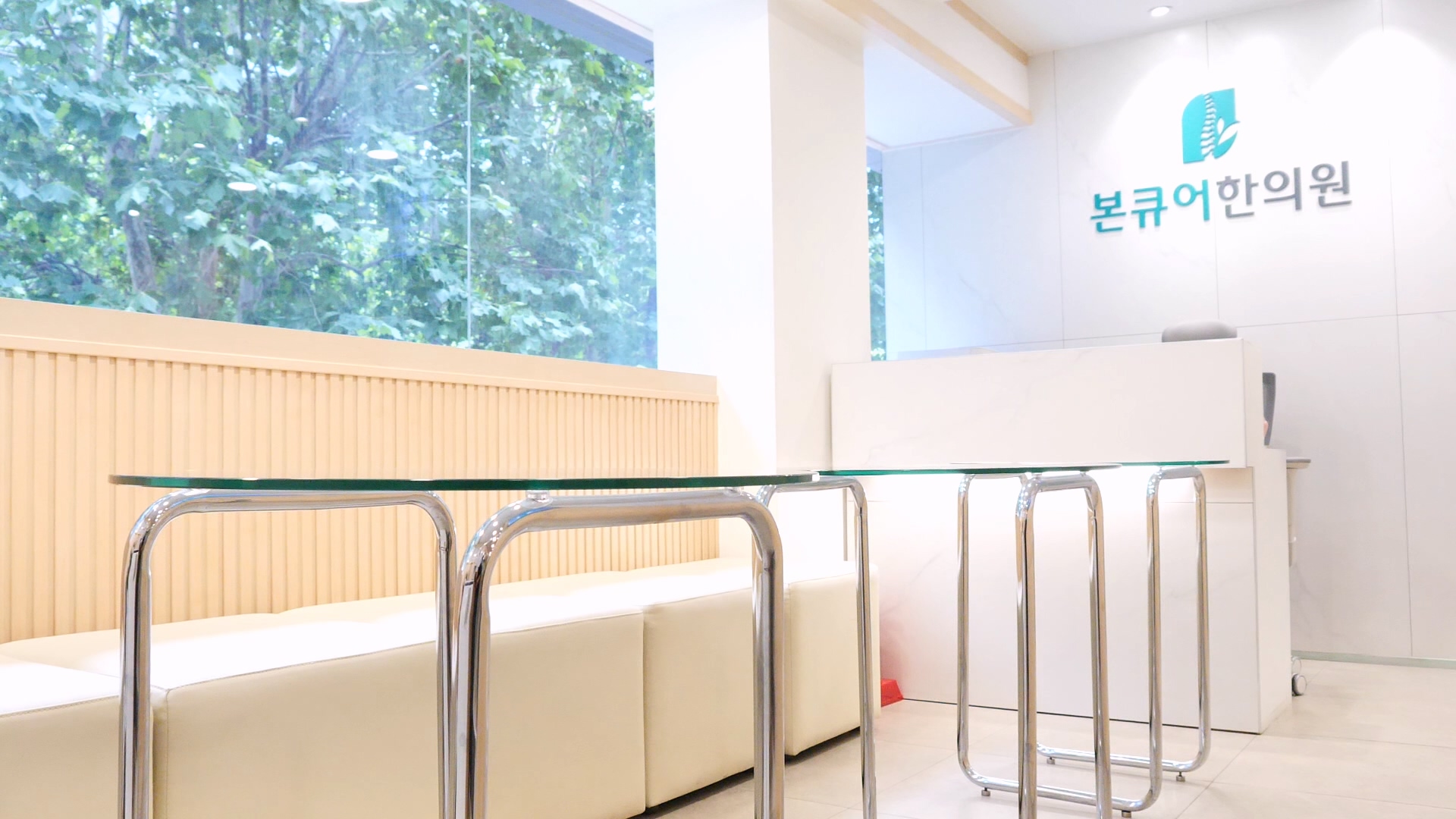
In this guide, we will explore the science of fascial release and how our evidence-based approach addresses persistent spinal issues.
Understanding Deep Fascia Adhesion and Chronic Spinal Pain
Deep fascia is a dense, organized layer of connective tissue that surrounds muscles, bones, and nerves, providing structural integrity and allowing for smooth gliding between internal layers. Adhesion occurs when this tissue becomes thickened, scarred, or stuck due to chronic inflammation, repetitive strain, or acute trauma, which restricts the natural movement of the musculoskeletal system. In the spinal region, these adhesions can create a chain reaction of tension that compromises the integrity of the vertebral column. While the body attempts to repair damaged fibers, the resulting scar tissue often lacks the elasticity of healthy fascia. This lack of flexibility may lead to persistent stiffness and localized discomfort that resists standard stretching routines. At Bonecure, we observe that these adhesions often act as invisible constraints, pulling the spine into suboptimal positions. Understanding the biological nature of these restrictions is the first step toward implementing an effective non-surgical strategy for structural restoration.
The Role of Fascial Restriction in Chronic Back Pain
Fascial restriction plays a significant role in chronic back pain by creating focal points of tension that alter the body's biomechanics and neurological signaling. When the fascia surrounding spinal muscles loses its ability to slide, it can compress small nerve endings and blood vessels, leading to a state of chronic ischemia and heightened pain sensitivity. Over time, these restrictions may contribute to compensatory patterns, where other muscle groups overwork to maintain posture, leading to a significant increase in secondary muscle fatigue. Clinical observations suggest that chronic fascial tension can substantially elevate muscle workload, though individual fatigue levels vary based on the patient's overall physical condition. In many chronic cases involving long-standing symptoms, the fascia becomes a rigid container that prevents the spine from returning to its neutral alignment. This structural confinement often explains why pain persists even after localized inflammation has subsided. By identifying these specific zones of restriction, we can move beyond symptom management and address the mechanical barriers that prevent true functional recovery for the patient.
Limitations of Conventional Non-Surgical Approaches
Conventional non-surgical approaches for spinal pain often rely on superficial modalities such as heat therapy, electrical stimulation, or standard manual massage to alleviate symptoms. While these methods provide temporary relief by increasing blood flow to the skin and surface muscles, they frequently fail to reach the deep fascia layers where chronic adhesions reside. Standard physical therapy may address muscle weakness, yet if the underlying connective tissue is physically bound, the muscle cannot function optimally regardless of its strength. In some cases, patients undergo months of conservative care that may provide surface-level relief, yet the deep-seated mechanical glue of scar tissue can remain intact. While conventional therapies are beneficial for superficial muscle relaxation, they may be complemented by more targeted interventions to address deeper adhesions. This is why many individuals find that their stiffness returns shortly after a session. Without a mechanism to physically release these deep-seated restrictions, the structural integrity of the spine may remain compromised. Bonecure focuses on identifying these specific depths to provide a more targeted intervention for those who have not found success elsewhere.
Acupotomy: A Targeted Non-Surgical Solution for Fascial Release
Acupotomy is a specialized therapeutic technique that combines the diagnostic precision of traditional acupuncture with the mechanical release capabilities of modern surgical concepts. This method utilizes a unique tool featuring a flat, blade-like tip designed to safely penetrate the skin and reach the deep fascial planes of the spine. Unlike a standard filiform needle, the Acupotomy tool allows the practitioner to physically detach microscopic adhesions and fibrotic tissues that have formed over time. By creating minute mechanical releases, the procedure encourages the body to initiate a natural healing response and reorganize the local tissue structure. Research into this modality suggests it may effectively reduce internal pressure on nerves and blood vessels within the spinal canal. At Bonecure, we utilize this science to address the physical barriers to movement that traditional needles might miss. This integration of ancient wisdom and mechanical precision offers a sophisticated pathway for patients seeking structural restoration.
Mechanical Adhesion Removal vs. Traditional Acupuncture
The primary distinction between mechanical adhesion removal and traditional acupuncture lies in the physical interaction with the tissue and the intended clinical outcome. Traditional acupuncture focuses on stimulating nervous system responses and improving energy flow, whereas Acupotomy is designed to physically break down structural barriers within the fascia. While a standard acupuncture needle is less than 0.3 millimeters thick, the specialized Acupotomy tool is built to handle the resistance of dense scar tissue, aiming for a more efficient release of deep-seated adhesions. This approach is designed to target the physical structure of the adhesion directly to facilitate a more thorough mechanical release compared to traditional filiform needles. This physical detachment is crucial for patients with chronic conditions where the tissue has become functionally fused. For a more detailed comparison of these methods, you can read our guide on Acupotomy vs. Traditional Acupuncture for Chronic Scar Tissue. This structural approach ensures that we are treating the physical anatomy of the pain rather than just providing neurological distraction.
Structural Restoration: How Bonecure Approaches Spinal Alignment
Structural restoration at Bonecure involves a comprehensive assessment of the entire vertebral column to ensure that fascial release leads to sustainable spinal alignment. We do not look at the spine as a collection of isolated segments but as an integrated system where the neck, mid-back, and lower back influence one another. When the deep fascia is released, the spine is no longer pulled into distorted curves, allowing for a gradual return to its natural physiological state. This process is often supported by specialized Korean medical techniques that reinforce the new, balanced posture. By addressing the deep layers that maintain misalignment, we aim to prevent the recurrence of pain that often follows more superficial treatments. Each plan is tailored to the individual's unique X-ray findings and biomechanical needs. You can learn more about this philosophy in our article about Non-surgical Spinal Treatment in Korean Medicine at Bonecure, which highlights our commitment to root-cause recovery.
Comparative Analysis: Acupotomy vs. Traditional Physical Therapy
| Feature | Acupotomy (Bonecure) | Physical Therapy | Conventional Surgery |
|---|---|---|---|
| Mechanism | Mechanical release of deep fascia | Exercise and surface modalities | Tissue removal or fusion |
| Invasiveness | Minimally invasive (needle-based) | Non-invasive | Highly invasive |
| Focus | Structural restoration of layers | Strength and mobility | Pathological correction |
| Typical Sessions | 5 to 20 (case-dependent) | Long-term ongoing | Single event with rehab |
| Recovery | Brief soreness (1-3 days) | Immediate to gradual | Weeks to months |
Comparison of Treatment Mechanism and Depth of Penetration
The depth of penetration and the specific mechanism of action are critical factors in deciding between Acupotomy and standard physical therapy. While physical therapy focuses on external manipulation and strengthening, it often cannot reach the necessary depth required to access the deepest spinal ligaments and fascial attachments. Acupotomy, however, is specifically designed to reach these depths safely and effectively. By accessing the exact site of the adhesion, we can initiate a change that external pressure simply cannot achieve. This precision allows us to address the root mechanical cause of stiffness in patients who have plateaued with other conservative measures. For those interested in the specialized practitioners behind these techniques, please see our guide on Structural Restoration by Dr. Song Jeonghyeon at Bonecure. This depth-focused approach ensures that every session contributes to a measurable change in the internal tissue environment, rather than just providing temporary relief.
Typical Recovery Timelines and Success Indicators
Recovery timelines for deep fascia release vary depending on the chronicity of the condition, but many patients begin to notice changes in range of motion within the first three to five sessions. In clinical observations involving chronic conditions, significant structural shifts have been observed following targeted Acupotomy protocols, demonstrating the importance of consistency in severe cases. We utilize objective success indicators, such as significant reduction in pain scores on standardized scales, to track the patient's progress over time. Please note that these results are specific to individual cases; treatment outcomes are not guaranteed and can vary significantly depending on the patient's unique condition and medical history. Furthermore, a meaningful increase in spinal flexibility is often a clear sign that the adhesions are successfully being released. While individual results may vary, these metrics provide a scientific basis for evaluating the effectiveness of the treatment plan. At Bonecure, we prioritize these measurable outcomes to ensure that each patient is moving toward a functional, pain-free life through documented clinical improvements.
Choosing the Right Therapy for Persistent Spinal Adhesion
Choosing the right therapy requires a thorough understanding of whether your pain is driven by muscle weakness, joint inflammation, or deep-seated fascial adhesion. If you have tried months of stretching and standard massage without lasting success, it is likely that the restriction lies in the deeper connective tissues that require a more direct intervention. Acupotomy is particularly suited for individuals who experience a deep, gnawing stiffness that feels unreachable by human hands. By consulting with a specialist who understands structural restoration, you can avoid the frustration of ineffective treatments and move straight to a modality that addresses the physical scar tissue. Bonecure provides a professional clinical setting where we evaluate your specific history and radiological data to determine if you are a candidate for this advanced non-surgical procedure. Taking the time to select a targeted approach can save months of unproductive therapy and set the stage for a more complete and lasting recovery journey.
Clinical Observations and Evidence-Based Recovery
Clinical observations at our facility emphasize the use of objective data to validate the progress of structural recovery in the spine. By combining subjective patient feedback with radiological evidence, we can see how the release of fascia allows the skeletal system to reorganize itself. Our evidence-based framework ensures that every clinical decision is grounded in observed results rather than just theory. We have seen cases where patients with long-standing spinal issues achieve improvements that were previously thought impossible without surgical intervention. This commitment to data-driven care allows us to refine our techniques and provide the most effective treatment for each unique case. Bonecure remains at the forefront of integrating these clinical insights to better serve our patients in their pursuit of health. We believe that by documenting every step of the recovery process, we provide our patients with the confidence and clarity they need to stay committed to their long-term structural health goals.
Objective Measurement: Utilizing Whole Spine X-ray and Pain Scales
Objective measurement is the cornerstone of our clinical practice, allowing us to see what is happening beneath the surface of the skin. We utilize Whole Spine X-ray imaging to assess the curvature and alignment of the vertebrae before and after the treatment series. This allows us to track positive shifts in spinal alignment as the pulling forces of the fascia are neutralized. Additionally, we use validated pain and functional scales to quantify the patient's experience, aiming for a substantial reduction in symptom severity. Our goal is to achieve significant functional improvement, which we monitor through objective clinical metrics to ensure the treatment plan is progressing effectively. These tools transform the subjective feeling of being better into a set of concrete, scientific facts. By reviewing these metrics with the patient, we can provide a clear roadmap for their recovery and make informed adjustments to their personalized plan at Bonecure. This rigorous approach ensures that we are always focused on achieving tangible, structural results.
Case Study Insight: Improving Range of Motion in Chronic Patients
Case studies provide valuable insight into how structural restoration can transform the lives of chronic patients, such as individuals struggling with severe neck and back stiffness. After several years of unsuccessful treatments, patients often undergo targeted fascial release protocols that focus on the deep spinal adhesions identified through physical examination. Following a series of sessions, patients typically report significant improvements in their range of motion, allowing them to return to daily activities without the constant sensation of being locked. While these individual cases demonstrate the potential for improvement, it is important to remember that results vary and some patients may experience temporary soreness or minor bruising. These clinical snapshots help us understand the diversity of patient needs and the specific ways that Acupotomy can intervene in complex structural cases. At Bonecure, we celebrate these milestones while maintaining a realistic, evidence-based perspective on the complexities of chronic spinal pain and the recovery process.
Patient-Centered Care at Bonecure in Cheongdam
Patient-centered care at Bonecure in Cheongdam is built on the foundation of deep listening and clinical excellence. We understand that every patient comes to us with a unique story and a specific set of challenges related to their spinal health. Our facility is designed to provide a calm, professional environment where patients feel heard and supported throughout their recovery journey. We take the time to explain the science behind our treatments and the specific goals of each session, ensuring that there are no surprises. This collaborative approach fosters a sense of trust and empowers patients to take an active role in their own healing process. By focusing on the individual rather than just the diagnosis, we can provide more effective and compassionate care. At Bonecure, your well-being is our highest priority, and we are dedicated to helping you achieve a state of balance and vitality where your bones truly smile.
What to Expect During Your Recovery Journey
During your recovery journey, it is essential to understand the typical progression of healing as the body adapts to the release of deep fascia. The initial phase often involves a physical recalibration where the body may feel different or more mobile almost immediately after a session. However, the long-term goal is to allow the tissues to heal in their new, tension-free state, which requires time and specific post-procedure care. At Bonecure, we guide you through each stage, providing the necessary support to ensure that your progress is stable and sustainable. We also place a strong emphasis on educating our patients about the subtle signs of improvement, such as better sleep quality or increased energy levels. By knowing what to expect, you can navigate your recovery with confidence and patience, trusting in the body's natural ability to restore itself when the right conditions are provided. This journey is a partnership between the practitioner and the patient toward lasting structural health.
Safety Protocols and Potential Side Effects Management
Safety is our paramount concern, and we adhere to strict clinical protocols to minimize risks during every Acupotomy procedure. While the technique is minimally invasive, it is important to disclose potential side effects such as temporary localized soreness, minor bruising, or light bleeding at the site of the intervention. In very rare cases, there is a risk of infection or temporary nerve irritation, which is why we maintain a sterile environment and utilize high-quality clinical tools. Most patients find that the brief discomfort during the procedure is manageable and is followed by a distinct sense of release. We provide clear aftercare instructions to help manage any post-treatment sensitivity and ensure a smooth recovery. If you have any concerns or underlying health conditions, we discuss them thoroughly during your initial consultation at Bonecure to ensure that the treatment is appropriate for your specific needs. Balancing the benefits of deep tissue release with rigorous safety standards is how we maintain a high standard of care.
Post-Procedure Care for Maximizing Structural Stability
Post-procedure care is vital for maximizing structural stability and ensuring that the newly released fascia does not return to its previous state of tension. We often recommend a period of gentle movement and adequate hydration to support the reorganization of the connective tissue. Avoiding strenuous activities for 24 to 48 hours after a session allows the body to settle into its new alignment without the risk of re-injury. In some cases, we may provide specific exercises designed to strengthen the muscles that support the corrected spinal position. This comprehensive approach ensures that the mechanical releases achieved during the session are reinforced by functional habits in daily life. At Bonecure, we view the time between treatments as just as important as the sessions themselves, providing you with the tools to maintain your results. By following these guidelines, you can significantly enhance the longevity of your recovery and enjoy the benefits of improved spinal health for years to come.
Long-Term Maintenance: When Your Bones Smile, Life Smiles
Long-term maintenance is the final step in the journey toward a life free from the constraints of chronic spinal pain. Once the initial adhesions are released and structural balance is achieved, periodic check-ups can help identify and address minor tensions before they become significant restrictions. We believe that when your bones smile, life smiles, reflecting the profound connection between structural health and overall well-being. This philosophy encourages a proactive approach to wellness, where you listen to your body and provide it with the care it needs to stay in alignment. By maintaining the health of your fascia and spine, you can prevent the gradual accumulation of stress that leads to chronic issues in the future. Bonecure is committed to being your long-term partner in health, providing the expertise and support needed to keep your skeletal system functioning at its best. Embracing this lifestyle of structural awareness ensures that you can continue to move through life with ease, grace, and vitality.
Frequently Asked Questions
Q. What is deep fascia adhesion in the spine?
Deep fascia adhesion refers to the process where the connective tissue surrounding spinal muscles and nerves becomes thickened or stuck together due to chronic inflammation or injury. This creates physical barriers that lead to stiffness and chronic pain, often resisting traditional treatments. At Bonecure, we focus on releasing these adhesions to restore structural balance.
Q. How does Acupotomy differ from regular acupuncture for back pain?
While traditional acupuncture focuses on energy flow and nerve stimulation using very thin needles, Acupotomy uses a specialized flat-headed tool to physically detach adhesions. This allows for a deeper, mechanical release of the scar tissue that traditional needles cannot reach. It is a more structural approach to chronic pain management.
Q. Is the procedure for spinal fascia release painful?
Patients may feel a distinct sensation of pressure or a momentary sharp feeling as the adhesions are physically released during the session. However, this discomfort is typically brief and managed within a professional clinical setting. Most patients report a feeling of immediate lightness and relief once the session is completed.
Q. How many sessions are typically required for chronic pain relief?
While some patients experience immediate improvements in mobility, chronic or severe cases may require a series of 5 to 20 sessions to achieve lasting structural restoration. The exact number depends on the duration and severity of the adhesion. Each plan at Bonecure is personalized based on your unique clinical findings.
Q. Are there any side effects to non-surgical fascia release?
Potential side effects include temporary soreness at the site, minor bruising, or light bleeding, which generally resolve within a few days. While rare, more significant risks like infection are managed through strict sterile protocols. We provide comprehensive aftercare instructions to ensure your recovery is as comfortable as possible.
Q. Can Acupotomy help with spinal alignment issues shown on X-rays?
Yes, by releasing the tight fascial structures that pull the spine out of alignment, Acupotomy can help the body return to a more natural, balanced posture. We often see objective improvements in spinal curvature on follow-up Whole Spine X-rays. This structural shift is a key part of our long-term recovery strategy.
Q. Who is a good candidate for this treatment at Bonecure?
Individuals suffering from persistent neck or back pain, restricted movement, or those who have not found relief through conventional physical therapy are often ideal candidates. If your stiffness feels deep-seated and mechanical, you may benefit from a fascial release. We recommend a consultation to evaluate your specific case and needs.
Key Takeaways
- Deep Fascia Adhesion: Thickened connective tissue in the spine can cause chronic pain and stiffness that resists standard therapy.
- Acupotomy Approach: A specialized non-surgical tool physically detaches these adhesions to restore movement and structural alignment.
- Objective Evidence: Bonecure uses Whole Spine X-rays and pain scales to track measurable improvements in spinal curvature and comfort.
- Safety First: While minimally invasive, potential side effects include brief soreness or bruising, managed through professional clinical protocols.
- Long-Term Health: Structural restoration leads to sustainable recovery, allowing for a return to daily activities and improved quality of life.
Hello. I am Dr. Song Jung-hyun, a Korean medicine doctor who has specialized in Acupotomy for many years. The process of restoring spinal structure and resolving deep adhesions is not merely about temporary pain relief, but a vital step toward reclaiming your quality of life. If you require a more detailed consultation or would like to schedule an appointment, please feel free to contact us at any time.
Bonecure / Director Song Jung-hyun
FAQ
- What is deep fascia adhesion in the spine?
- Deep fascia adhesion refers to the process where the connective tissue surrounding spinal muscles and nerves becomes thickened or stuck together due to chronic inflammation or injury. This creates physical barriers that lead to stiffness and chronic pain, often resisting traditional treatments. At Bonecure, we focus on releasing these adhesions to restore structural balance.
- How does Acupotomy differ from regular acupuncture for back pain?
- While traditional acupuncture focuses on energy flow and nerve stimulation using very thin needles, Acupotomy uses a specialized flat-headed tool to physically detach adhesions. This allows for a deeper, mechanical release of the scar tissue that traditional needles cannot reach. It is a more structural approach to chronic pain management.
- Is the procedure for spinal fascia release painful?
- Patients may feel a distinct sensation of pressure or a momentary sharp feeling as the adhesions are physically released during the session. However, this discomfort is typically brief and managed within a professional clinical setting. Most patients report a feeling of immediate lightness and relief once the session is completed.
- How many sessions are typically required for chronic pain relief?
- While some patients experience immediate improvements in mobility, chronic or severe cases may require a series of 5 to 20 sessions to achieve lasting structural restoration. The exact number depends on the duration and severity of the adhesion. Each plan at Bonecure is personalized based on your unique clinical findings.
- Are there any side effects to non-surgical fascia release?
- Potential side effects include temporary soreness at the site, minor bruising, or light bleeding, which generally resolve within a few days. While rare, more significant risks like infection are managed through strict sterile protocols. We provide comprehensive aftercare instructions to ensure your recovery is as comfortable as possible.
- Can Acupotomy help with spinal alignment issues shown on X-rays?
- Yes, by releasing the tight fascial structures that pull the spine out of alignment, Acupotomy can help the body return to a more natural, balanced posture. We often see objective changes in spinal curvature on follow-up Whole Spine X-rays. This structural shift is a key part of our long-term recovery strategy.
- Who is a good candidate for this treatment at Bonecure?
- Individuals suffering from persistent neck or back pain, restricted movement, or those who have not found relief through conventional physical therapy are often ideal candidates. If your stiffness feels deep-seated and mechanical, you may benefit from a fascial release. We recommend a consultation to evaluate your specific case and needs.