
Post
Addressing the Root Cause of Sciatica Through Structural Realignment and Acupotomy
Hello, I am Dr. Song Jung-hyun, a Korean Medicine doctor who has dedicated many years to treating chronic pain through acupotomy and structural correction.
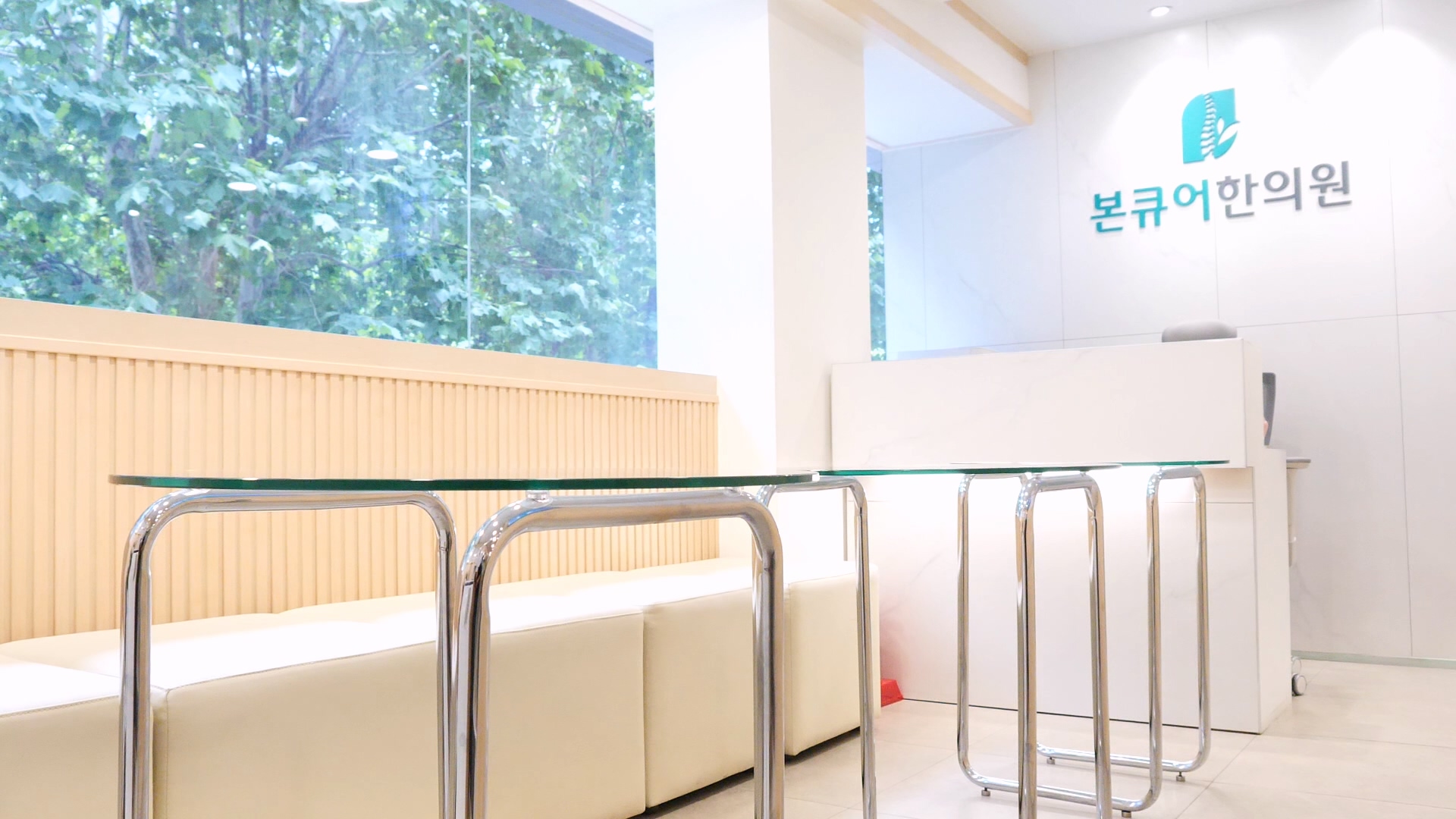
Sciatica is a debilitating condition where pain radiates along the sciatic nerve, often originating from structural imbalances in the spine. Rather than simply masking symptoms, I focus on identifying the physical triggers to restore the body’s overall balance for a lasting recovery.
What is Sciatica and How Conventional vs. Korean Medicine Approach the Root Cause
Sciatica represents a clinical syndrome characterized by pain, tingling, or numbness that originates in the lower back and travels through the hips and down the legs. This condition typically arises when the sciatic nerve becomes compressed or irritated by structural shifts, necessitating a diagnostic approach that identifies the specific structural trigger rather than treating the leg pain in isolation.
Understanding Sciatic Nerve Pain and Its Underlying Structural Triggers
Sciatic nerve pain often stems from mechanical pressure exerted on the nerve roots in the lumbar spine. While many patients initially seek relief for leg discomfort, my clinical observations at Bonecure suggest that the primary issue usually lies in the misalignment of the vertebrae. When these segments lose their natural curvature, the resulting protrusion can lead to persistent neural inflammation. Utilizing whole spine X-ray data to identify these structural shifts is essential for developing a precise plan. Research into spinal mechanics indicates that even a minor deviation in pelvic tilt can significantly increase the load on the lower discs. Therefore, a comprehensive evaluation must look beyond the localized pain to assess the entire kinetic chain. Addressing these triggers early can prevent the progression from mild tingling to severe functional limitations.
The Role of Adhesion and Compression in Chronic Leg Pain
Chronic leg pain associated with sciatica is frequently exacerbated by internal tissue adhesions that develop over months or years of inflammation. When the body experiences repetitive stress, it may create fibrous scar tissue around the nerve sheath as a protective mechanism, which eventually leads to further compression. At Bonecure, I have observed that these adhesions act like internal tethers, restricting the natural glide of the sciatic nerve. This lack of mobility explains why some patients find that traditional stretching increases their pain levels. In chronic cases, the thickening of surrounding soft tissues often contributes to spinal stenosis. By focusing on the release of these specific adhesions, we can restore the necessary space for the nerve to function, stopping the cycle of recurring inflammation.
Comparing Oriental Medicine for Chronic Pain with Standard Physical Therapy
Comparing specialized Korean Medicine to standard physical therapy involves looking at the depth of tissue intervention. Traditional physical therapy often focuses on strengthening muscles and improving range of motion through external exercises. However, in cases of severe sciatica, structural misalignment may be too rigid for exercise alone to correct. At Bonecure, I utilize Chuna therapy to physically realign the vertebrae and acupotomy to dissect deep-seated adhesions. Unlike protocols that demand a fixed number of sessions before results appear, my goal is immediate improvement. Patients should feel a tangible change in symptoms as the structure is corrected. While stabilization requires consistency, the focus remains on high-impact, efficient treatment that addresses both musculoskeletal alignment and deep soft tissue obstructions simultaneously.
Spinal Decompression and Chuna Manual Therapy: Restoring Structural Balance
Spinal decompression refers to the therapeutic process of creating space between the vertebrae to alleviate pressure on the nerve roots. In my practice, this is achieved through Chuna manual therapy, a specialized technique that realigns the skeletal system to restore the body's natural symmetry.
The Science of Chuna Therapy for Spinal Realignment and Nerve Decompression
Chuna therapy applies controlled force to specific joints to correct structural imbalances. This method leverages biomechanics to reduce intradiscal pressure and promote the retraction of herniated material. By realigning the spine, Chuna therapy facilitates the restoration of the autonomic nervous system's balance. Clinical evidence suggests that structural adjustments can improve the flow of cerebrospinal fluid and reduce systemic inflammation. For patients experiencing severe nerve entrapment, the reduction in pressure provided by skilled Chuna can be a turning point. This method does not merely mask pain; it actively works to restore the physical integrity of the spinal column, allowing the body to heal itself effectively.
How Bonecure Focuses on Structural Integrity to Relieve Pressure
Bonecure emphasizes the philosophy that when your bones are in their proper place, your overall health naturally improves. My approach to sciatica involves a meticulous assessment of the entire spine from the atlas to the sacrum, as misalignment in the neck can influence tension in the lower back. I prioritize the restoration of structural integrity by customizing each Chuna session to the patient's unique X-ray profile. Many patients find that their sciatica is a secondary symptom of a misaligned pelvis. By focusing on these root causes, Bonecure provides a non-surgical alternative for those seeking to avoid invasive procedures. Our clinic follows three core values: fundamental treatment, immediate improvement, and scientific proof. I utilize objective metrics, such as measuring spinal curvature degrees, to track progress and ensure every adjustment contributes to a stable musculoskeletal system.
Clinical Notes on Improving Spinal Curvature and Nerve Function
Improving the natural curvature of the spine is a primary objective for restoring long-term nerve function. Clinical experience shows that a loss of lumbar lordosis significantly increases the risk of disc issues. Even for patients who have struggled with chronic symptoms for over a decade, restoring a healthy spinal curve through consistent Chuna and acupotomy can lead to a significant reduction in neurological discomfort. However, individual results may vary. I focus on ensuring that the patient can feel a difference almost immediately after treatment. These improvements are verified by tracking physical changes and range of motion. As the structural environment improves, the nerves are better able to transmit signals without interference, resulting in improved muscle strength and reflex responses.
Minimally Invasive Interventions: Acupotomy and Acupuncture for Back Pain
Acupotomy is a specialized minimally invasive procedure that uses a small, flat-headed tool to release adhered tissues and scar tissue. This technique is particularly effective for sciatica because it directly addresses physical obstructions that traditional acupuncture cannot reach.
Acupotomy: Detaching Adhered Tissues to Promote Natural Nerve Regeneration
Acupotomy serves as a bridge between conservative care and surgery by offering a way to physically dissect chronic adhesions without large incisions. For a patient with sciatica, these adhesions often wrap around the nerve root, causing constant irritation. By carefully detaching these fibrous bands, we allow the nerve to receive the blood flow and nutrients it needs to repair. While the procedure can cause temporary soreness or minor bruising for 1 to 2 days, the long-term benefits of tissue release are significant. At Bonecure, I maintain a strictly sterile environment to minimize the very rare risk of infection. Patients often report a sensation of lightness in their legs almost immediately after the pressure is released. This micro-dissection technique is a powerful tool for restoring the natural elasticity of the spinal ligaments.
Traditional Korean Medicine Treatment Protocols for Sciatic Relief
The protocols at Bonecure are designed to be both comprehensive and individualized. I typically begin with intensive sessions focused on acute pain reduction using specialized acupuncture to improve circulation. Once the initial inflammation is managed, the focus shifts toward structural correction using Chuna and acupotomy. For chronic cases, a personalized plan is designed to ensure the structural changes become stable. This synergy between manual therapy and micro-dissection creates a robust environment for healing. While I emphasize immediate improvement, stabilizing the spine is a cumulative process that requires consistency. Each protocol is reviewed regularly and adjusted based on real-time feedback and objective improvements in neurological tests.
Therapeutic Benefits and Comparative Outcomes of Integrated Korean Medicine
| Treatment Method | Primary Focus | Recovery Mechanism | Recommended Frequency | Potential Side Effects |
|---|---|---|---|---|
| Chuna Therapy | Structural Alignment | Vertebral Realignment | Personalized (Immediate Focus) | Mild muscle soreness |
| Acupotomy | Tissue Adhesion | Micro-dissection | 5-10 sessions (Avg) | Temporary bruising |
| Traditional Acupuncture | Pain Modulation | Endorphin Release | 2-3 times per week | Minor localized swelling |
| Spinal Decompression | Disc Pressure | Mechanical Stretching | As needed for stabilization | Temporary stiffness |
Expected Recovery Timelines and Individual Variability in Treatment Results
Recovery timelines vary based on the chronicity of the condition and the extent of structural damage. For acute episodes, patients may experience significant relief within a few sessions. For chronic sciatica involving stenosis, a more prolonged treatment plan may be necessary to achieve lasting stability. It is important to note that individual results vary, and factors such as age and lifestyle play a significant role. At Bonecure, I provide a realistic assessment to manage expectations. Some patients may require ongoing maintenance, especially if their daily activities involve prolonged sitting. While our treatments are highly effective for most, they are not a 100% guarantee of total cure, and severe cases may still require surgical consultation. My goal is to provide a safe, non-surgical alternative that maximizes functional improvement.
Signs Your Chronic Pain is Caused by Structural Bone Misalignment: A 2026 Guide
A 2026 Clinical Guide to Non-surgical Spinal Treatment in Korean Medicine at Bonecure
Frequently Asked Questions
Q. What exactly is sciatica and how does it differ from simple back pain?
Sciatica refers specifically to pain that radiates along the path of the sciatic nerve, branching from the lower back through the hips and down the legs. While general back pain stays localized, sciatica involves nerve compression affecting the lower extremities, requiring a diagnostic approach to identify the specific nerve root impingement.
Q. How does Chuna manual therapy help in treating the root cause of sciatica?
Chuna therapy realigns the spine and balances the musculoskeletal structure through controlled adjustments. By correcting vertebral alignment, it reduces physical pressure on the sciatic nerve, addressing the structural root cause rather than just masking symptoms with medication.
Q. What is the cost of sciatica treatment at Bonecure?
Treatment costs vary depending on the procedures required, such as acupotomy or Chuna therapy, and the duration of your personalized plan. We do not offer fixed pricing, as each case is unique. A personalized consultation is recommended to determine the exact value required for your recovery.
Q. Are there any side effects to acupotomy or intensive acupuncture?
As with any minimally invasive procedure, there can be temporary soreness, minor bruising, or very rare cases of infection. At Bonecure, I prioritize sterile environments to minimize these risks. Symptoms usually resolve within 24 to 48 hours without additional intervention.
Q. How many sessions are typically required to see results for chronic sciatica?
I focus on providing immediate improvement that patients can feel from the first session. While acute relief is often immediate, chronic cases involving severe adhesion or spinal curvature issues usually require a consistent plan of 10 to 20 sessions to achieve long-term structural stability.
Q. Can I receive Korean traditional medicine treatments if I have already had spinal surgery?
Yes, many patients seek Chuna and acupuncture to manage post-surgical adhesions or residual pain. A thorough examination of your surgical history and current X-ray alignment is necessary to ensure the treatment is safe for your specific case.
Q. What are the alternatives to surgery for severe sciatic nerve compression?
Non-surgical alternatives include Chuna manual therapy and acupotomy, which focus on releasing physical impingement. These treatments aim to restore the body's natural healing capacity through structural correction. Many patients find they can avoid surgical risks by improving the physical environment of the spine.
Key Takeaways
- Sciatica is a structural issue often caused by nerve compression from spinal misalignment and tissue adhesions.
- Bonecure utilizes Chuna therapy and acupotomy to provide a non-surgical solution addressing the root cause.
- We prioritize immediate improvement, though chronic stabilization involves a personalized sequence of treatments.
- Personalized care and objective X-ray analysis are essential for tracking structural recovery and ensuring long-term nerve health.
If you are experiencing persistent leg pain or numbness, seek a professional consultation. At Bonecure, I am committed to helping you regain your vitality through precise structural restoration.
Bonecure / Dr. Song Jung-hyun
FAQ
- What exactly is sciatica and how does it differ from simple back pain?
- Sciatica refers specifically to pain that radiates along the path of the sciatic nerve, which branches from your lower back through your hips and down each leg. While general back pain stays localized to the lumbar region, sciatica involves nerve compression often caused by a herniated disk or bone spurs that affects the lower extremities. This condition requires a different diagnostic approach to identify which specific nerve root is being impinged.
- How does Chuna manual therapy help in treating the root cause of sciatica?
- Chuna therapy is a Korean manual medicine that realigns the spine and balances the musculoskeletal structure through controlled adjustments. By correcting the alignment of the vertebrae, it reduces the physical pressure on the sciatic nerve, addressing the structural root cause rather than just masking the pain with medication. This mechanical shift is essential for long-term recovery and preventing further disc damage.
- What is the cost of sciatica treatment at Bonecure?
- The cost of treatment at our clinic varies depending on the specific procedures required, such as acupotomy or Chuna therapy, and the duration of your personalized treatment plan. We do not offer fixed pricing as each case of sciatica is unique in its complexity and required intervention. We recommend a personalized consultation to determine the exact value and investment required for your structural recovery.
- Are there any side effects to acupotomy or intensive acupuncture?
- As with any minimally invasive procedure, there can be temporary soreness at the site of the needle-knife insertion, minor bruising, or very rare cases of infection. At Bonecure, we prioritize sterile environments and specialized techniques to minimize these risks, though individual recovery experiences may vary. These symptoms usually resolve within 24 to 48 hours without additional intervention.
- How many sessions are typically required to see results for chronic sciatica?
- While some patients experience relief after just 1 or 2 sessions, chronic cases involving severe adhesion or spinal curvature issues often require a consistent plan of 10 to 20 sessions to stabilize the spine. Achieving a permanent change in bone alignment and tissue elasticity takes time and repetitive stimulus. Your specific timeline will be discussed during your initial evaluation.
- Can I receive Korean traditional medicine treatments if I have already had spinal surgery?
- Yes, many patients seek Chuna and acupuncture to manage post-surgical adhesions or residual pain that surgery did not fully resolve. However, a thorough examination of your surgical history and current X-ray alignment is necessary to ensure the treatment is safe and effective for your specific case. We take extra precautions to work around surgical hardware or previously operated areas.
- What are the alternatives to surgery for severe sciatic nerve compression?
- Non-surgical alternatives include spinal decompression, Chuna manual therapy, and acupotomy, which focus on releasing the physical impingement of the nerve. These treatments aim to restore the body's natural healing capacity through structural correction and tissue regeneration. By improving the physical environment of the spine, many patients find they can avoid the risks and downtime associated with traditional back surgery.