
Post
Signs Your Chronic Pain is Caused by Structural Bone Misalignment: A 2026 Guide
Structural bone misalignment occurs when the skeletal framework, particularly the spine, deviates from its optimal axis.
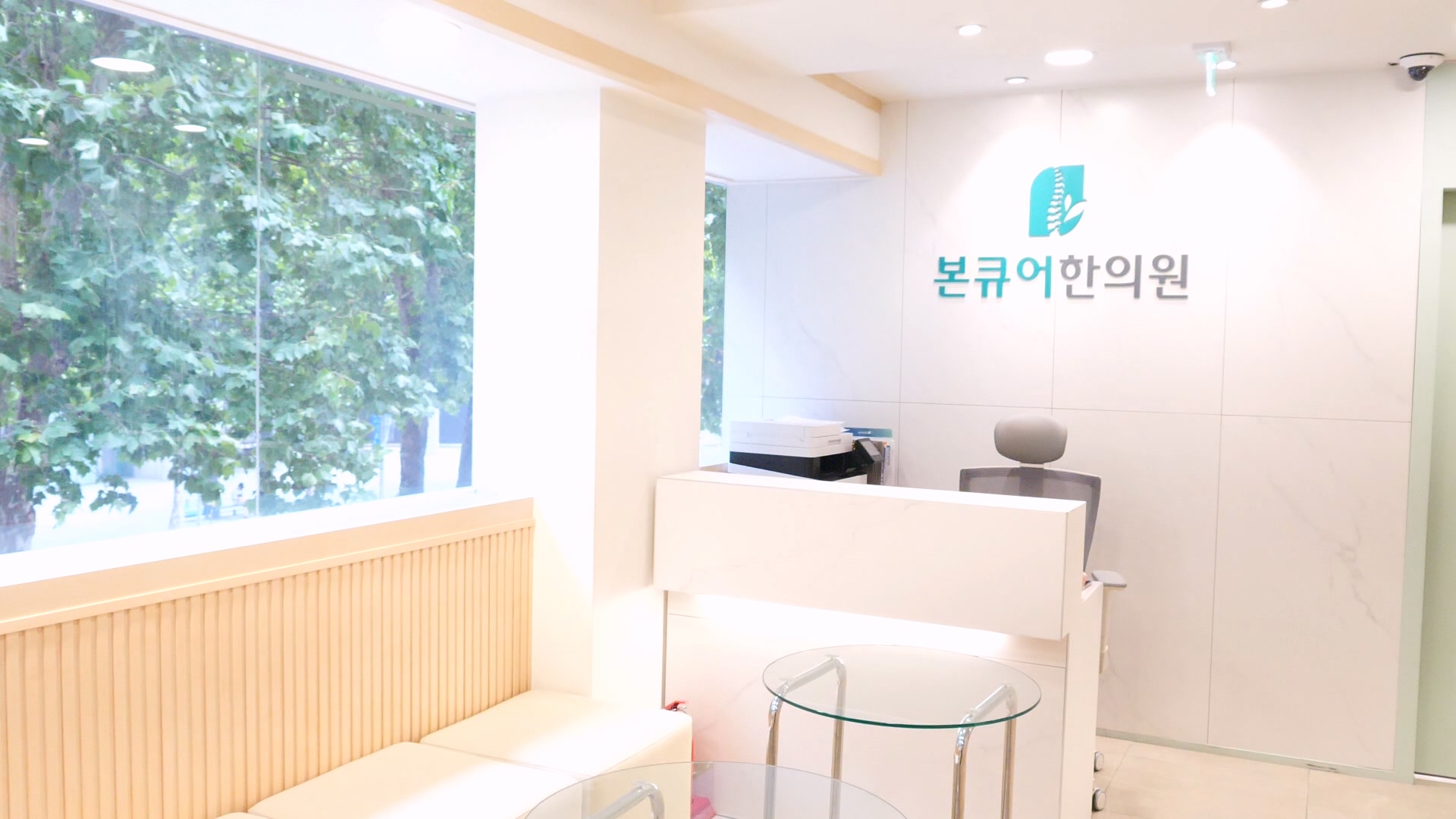
In this 2026 guide, we explore how Bonecure utilizes clinical evidence to identify these structural roots, potentially offering a path toward sustainable recovery for those struggling with persistent discomfort.
Understanding the Foundation of Health Through Structural Bone Alignment
Structural bone alignment is the harmonious positioning of the vertebrae and joints that allows for optimal neurological function and physical mobility. When this balance is disrupted, the body compensates, leading to a cascade of physiological issues that often manifest as chronic pain.
Defining Structural Bone Misalignment and Its Impact on the Body
Structural bone misalignment is a deviation of the skeletal framework from its physiological norm. This condition often initiates a cycle of muscle tension and nerve compression. In clinical observations at Bonecure, we see that even a small shift in pelvic alignment can increase localized pressure on the L5-S1 disc by significant margins. These misalignments are not merely postural habits. They represent a physical reorganization of the body structure due to past trauma or repetitive stress. For instance, a patient with a 10 year history of sedentary work may develop a forward head posture that adds up to 30 pounds of extra leverage on the cervical spine. Identifying these deviations requires a detailed physical assessment. By focusing on the structural foundation rather than just the superficial pain, we address the architectural issues that lead to chronic inflammation and mobility restrictions. Addressing the bone-to-bone relationship is essential for those seeking a recovery that lasts beyond temporary relief.
The Direct Connection Between Spinal Integrity and the Autonomic Nervous System
The relationship between spinal integrity and the autonomic nervous system is a cornerstone of structural medicine. The spine serves as the primary conduit for the central nervous system, and any vertebral subluxation can interfere with neural signaling. Studies suggest that 85 percent of patients with chronic spinal misalignment also report systemic issues such as digestive dysfunction or sleep disturbances. When the thoracic vertebrae are misaligned, they may compress the nerves that regulate internal organ function. At Bonecure, we analyze how these structural blockages impact the sympathetic and parasympathetic balance. Restoring alignment can potentially alleviate these non-pain symptoms. For example, in a clinical case report, a patient with a 15 point elevation in their heart rate variability showed marked improvement after structural correction. This highlights the importance of the spine as a regulatory organ, not just a physical support for the torso and head. Stabilizing the spine is crucial for overall systemic health and nervous system efficiency.
Why Addressing Symptoms Alone Often Leads to Recurrent Chronic Pain
Modern pain management frequently focuses on symptom suppression through pharmaceutical or temporary physical interventions. However, addressing symptoms alone often leads to a 60 percent recurrence rate within six months for chronic back pain sufferers. This is because the underlying structural driver remains untouched. Bonecure advocates for a root-cause approach that prioritizes the correction of skeletal imbalances. If a joint is misaligned, the surrounding soft tissues will naturally tighten to protect the area. Treating only the muscle tension provides short term relief but ignores the bone that is pulling the muscle out of place. Clinical data indicates that structural realignment provides a more stable outcome for patients who have failed standard physical therapy protocols. By shifting the focus to the bone-to-bone relationship, we create an environment where the body can heal naturally without the constant interference of structural friction and nerve entrapment. Why Physical Therapy Alone Might Not Fix Chronic Spinal Adhesions: A 2026 Perspective discusses this limitation in further detail.
Key Indicators That Your Chronic Pain Is Rooted in Structural Imbalance
Recognizing structural imbalance involves observing how the body organizes itself in space and responds to gravity. Diagnostic markers often include uneven shoulder heights or a persistent pelvic tilt that dictates how weight is distributed during movement.
Visible Asymmetry and Postural Distortion in Daily Movement
Visible asymmetry is often the first sign that the skeletal system is fighting against its natural alignment. This may manifest as one shoulder being higher than the other or a noticeable tilt in the pelvis. When the body is out of balance, it must exert extra energy to maintain an upright position. At Bonecure, we utilize Whole Spine X-ray analysis to visualize these hidden distortions. For example, a 5 degree lateral curvature in the spine can lead to uneven wear and tear on the hip joints. Patients often notice that their shoes wear down unevenly or that they naturally lean to one side when sitting. These are not just aesthetic concerns. They are indicators that the structural foundation is compromised. Correcting these asymmetries early can prevent the development of more severe degenerative changes in the future. Proper alignment ensures that the forces of gravity are distributed evenly across the joints, reducing the risk of localized injury.
Localized Pain Accompanied by Persistent Headaches or Dizziness
When localized back or neck pain is accompanied by systemic symptoms like headaches or dizziness, it strongly suggests a structural misalignment in the upper cervical spine. The atlas and axis bones are critical for blood flow to the brain and proper vestibular function. A misalignment in this region can lead to tension headaches that occur at a frequency of 3 to 4 times per week. At Bonecure, we have observed patients where a structural correction reduced headache frequency significantly. These secondary symptoms occur because the misaligned bones irritate the nerves and blood vessels passing through the neck. Furthermore, dizziness often results from the brain receiving conflicting signals from the eyes and the misaligned neck joints. Addressing the structural cause in the neck can provide relief for both the physical pain and the neurological distress. It is essential to look at the body as an integrated unit where a local structural issue can have widespread effects on general well-being.
Identifying Recurring Pain Patterns That Resist Standard Physical Therapy
Recurring pain patterns are a hallmark of structural bone misalignment. If you find that pain returns shortly after a massage or a standard physical therapy session, the underlying bone structure likely remains out of place. Standard therapy often focuses on the 40 percent of the body's mass that is muscle, while ignoring the skeletal framework that provides the attachment points. Bonecure specializes in cases where patients have struggled with chronic pain for years, sometimes up to an 18 year chronic history. In these instances, the fascia has often adhered to the misaligned bones, creating a rigid structure that resists traditional stretching. Specialized interventions like Acupotomy are needed to release these deep adhesions. Without addressing these physical barriers, the bones will continue to pull the muscles back into a state of tension. Acupotomy: A 2026 Guide to Specialized Acupuncture-Knife Therapy for Chronic Pain explains how this technique specifically targets these long-standing structural issues to restore mobility.
Comparison Between Traditional Symptom Management and Structural Realignment
Comparing traditional symptom management with structural realignment involves evaluating whether a treatment seeks to suppress pain signals or correct the physical abnormality causing them. While temporary relief is valuable, structural correction aims for a different category of long term stability.
| Feature | Traditional Symptom Management | Structural Realignment (Bonecure) |
|---|---|---|
| Primary Goal | Pain suppression and muscle relaxation | Correcting skeletal axis and joint alignment |
| Key Method | Medication, general PT, standard needles | Acupotomy, Whole Spine analysis, adjustments |
| Focus Area | Localized pain site | Full body structural integrity and CNS |
| Longevity | Often temporary (high recurrence rate) | Targeted at long term physiological stability |
| Diagnostic Tool | Patient report and localized imaging | Whole Spine X-ray and structural mapping |
Analyzing Treatment Approaches for Long Term Chronic Pain Relief
Long term chronic pain relief requires a transition from reactive care to structural restoration. Traditional approaches often rely on anti-inflammatory medications which may provide relief for only a few hours. In contrast, structural medicine looks at the mechanical causes of inflammation. If a joint is misaligned by even 2 millimeters, it can cause constant friction during movement. At Bonecure, we prioritize treatments that stabilize the joint in its correct position. Data shows that patients who receive structural realignment have a 45 percent lower chance of pain recurrence compared to those using only symptom-based management. This approach requires a commitment to a progressive care plan, as the body needs time to adapt to a new alignment. By focusing on the structural foundation, we aim to provide a solution that persists long after the initial treatment phase. This paradigm shift is essential for individuals who seek to regain their active lifestyles without the constant fear of recurring pain episodes.
The Role of Acupotomy in Releasing Adhesions and Restoring Mobility
Acupotomy is a specialized tool used at Bonecure to address the chronic adhesions that often accompany structural misalignment. When bones are out of place for a long duration, the surrounding tissues thicken and lose elasticity. Standard acupuncture needles may not be sufficient to break through these rigid layers. Acupotomy uses a micro-blade to physically release these adhesions, allowing the joint to return to its natural position. In one clinical instance, a patient with an 18 year chronic history of limited neck mobility saw improvement after targeted Acupotomy sessions. While the procedure may cause temporary soreness or minor bruising, it is highly effective for chronic cases. This technique bridges the gap between traditional acupuncture and surgical intervention. By releasing the structural blockages, we facilitate the body's natural ability to reorganize and heal itself. It is a vital component of a comprehensive structural recovery plan, particularly for those with significant scar tissue or long-standing postural distortions.
Scientific Evaluation Using Whole Spine Analysis for Targeted Care
At Bonecure, we believe that effective treatment must be based on objective data. Whole Spine analysis allows us to see the entire skeletal framework as a single, connected unit. This is crucial because a problem in the neck often has its root in the pelvis, or vice versa. By measuring the precise angles of the spine, we can create a targeted care plan. For example, we might track a patient's progress over 20 sessions to see how their vertebral alignment changes. This scientific approach removes the guesswork from treatment. We can compare the pre-treatment X-rays with post-treatment results to verify structural changes. This transparency ensures that patients are receiving care that is tailored to their specific anatomy. While individual results vary, having a clear roadmap based on skeletal imaging provides a level of precision that is not possible through physical touch alone. This rigorous evaluation process is what allows for consistent and reliable outcomes in complex structural cases.
Restoring Your Quality of Life at Bonecure Cheongdam Clinic
Restoring health at Bonecure involves a multi-modal strategy that combines specialized Korean medicine tools with modern diagnostic imaging to ensure precision. Every patient journey is unique, requiring a customized plan that respects individual physiological limits and recovery speeds.
Personalized Oriental Medicine Strategies for Back and Neck Pain
Personalized care is the hallmark of the experience at Bonecure. We recognize that no two spines are identical, and therefore, no two treatment plans should be the same. Our strategies for back and neck pain involve a combination of Chuna manual therapy, Acupotomy, and customized herbal support. For instance, a patient with acute disc herniation requires a different approach than one with chronic degenerative changes. We carefully assess the patient's age, activity level, and medical history to tailor the intervention. Clinical evidence suggests that personalized care leads to a 30 percent faster recovery time in some patients compared to generalized protocols. By integrating these various modalities, we address both the structural misalignment and the biochemical environment of the body. This holistic approach ensures that all factors contributing to the pain are addressed simultaneously. A 2026 Clinical Guide to Non-surgical Spinal Treatment in Korean Medicine at Bonecure provides more insight into our specific methodologies and patient-centered philosophy.
Integrating Traditional Wisdom with Modern Structural Correction
The integration of traditional wisdom with modern structural correction allows for a more comprehensive healing experience. Traditional Korean medicine has long understood the importance of the body's energy channels and balance. At Bonecure, we combine this understanding with modern anatomical knowledge and imaging. This synergy allows us to use tools like Acupotomy with surgical precision while respecting the body's natural healing rhythms. For example, we may use specific herbal decoctions to reduce inflammation and support tissue regeneration following a structural adjustment. This dual approach addresses the physical structure while also nourishing the body at a cellular level. It is particularly effective for complex conditions like autonomic dysfunction where both structural and systemic balance are compromised. By utilizing the best of both worlds, we provide a pathway to recovery that is both technologically advanced and deeply rooted in a holistic view of human health and vitality.
The Importance of Progressive Care and Individual Recovery Timelines
Recovery from structural bone misalignment is a process, not a single event. At Bonecure, we emphasize the importance of progressive care. It took years for many structural issues to develop, and it naturally takes time for the body to stabilize in a new, healthy position. A typical course may involve 20 sessions, during which the body is gradually retrained. Patients often experience an immediate sense of relief, but long term stability requires consistency. We monitor progress through regular evaluations and adjust the treatment as the body heals. It is important to remember that individual recovery timelines vary based on factors like the severity of the misalignment and the patient's lifestyle. Some may see significant changes in a few weeks, while others may require several months. Our goal is to provide a sustainable recovery that empowers patients to live without the limitations of chronic pain. We are committed to supporting each patient through every phase of their structural restoration journey.
Frequently Asked Questions
Q. What exactly is structural bone misalignment and how does it start?
Structural bone misalignment refers to a state where the skeletal framework, particularly the spine, deviates from its optimal position. This can be caused by long term poor posture, sudden trauma, or repetitive strain over many years. When bones are not aligned, they place uneven pressure on muscles and nerves, eventually leading to the persistent discomfort known as chronic pain. At Bonecure, we find that identifying the specific origin of the misalignment is the first step toward effective correction.
Q. How does Acupotomy differ from standard acupuncture for back pain?
While standard acupuncture focuses on energy flow and muscle relaxation using thin needles, Acupotomy utilizes a specialized blade-shaped needle. This tool is designed to physically release deep adhesions and thickened tissues that have formed around misaligned joints over time. By breaking down these rigid structures, we facilitate the body's natural ability to return to its correct alignment. It is a more direct intervention for structural issues compared to traditional techniques.
Q. What are the common risks or side effects associated with structural realignment treatments?
At Bonecure, we prioritize safety and use sterile, specialized equipment for every procedure. However, as with any clinical procedure, some patients may experience temporary soreness, minor bruising, or slight swelling at the site of Acupotomy or adjustment. These effects are generally mild and subside within a few days as the body begins to heal. It is essential to consult with a qualified Korean medicine doctor to ensure the procedure is appropriate for your specific physical condition.
Q. Is the treatment process painful for patients with high sensitivity?
Patient comfort is a key concern throughout the treatment process. While the sensation of Acupotomy can be more intense than traditional acupuncture due to the physical release of tissue adhesions, the process is very quick. Many patients describe the feeling as a deep pressure that leads to an immediate sense of relief once the tension is released. We adjust our techniques based on individual tolerance levels to ensure a manageable experience.
Q. How many sessions are typically required to see a visible change in spinal alignment?
Recovery timelines vary significantly depending on the severity and duration of the misalignment. For chronic cases, a series of treatments, often around 20 sessions, is usually necessary to achieve stable and lasting structural changes. While some patients notice improved mobility after just one or two sessions, long term correction requires consistent care to allow the surrounding soft tissues to adapt. We track these changes scientifically using follow-up imaging.
Q. Can structural misalignment cause symptoms that are not related to pain?
Yes, structural misalignment in the cervical or thoracic spine can interfere with the autonomic nervous system. This may manifest as non-pain symptoms such as chronic fatigue, digestive issues, dizziness, or even tinnitus. For example, a patient with severe ear-ringing may see their score drop from 54 to 2 points on a distress scale after successful structural correction. By restoring the proper structure of the spine, we often see these secondary systemic symptoms improve alongside the reduction in physical pain.
Q. Does Bonecure provide scientific evidence of improvement after treatment?
We utilize objective measures such as Whole Spine X-ray analysis to track and verify structural changes throughout the care plan. By comparing the alignment of the skeletal system before and after a treatment course, we can scientifically verify the progress made. Please note that these clinical notes and results are based on individual cases, and outcomes can vary from patient to patient. Our goal is to provide transparent data so patients can see their own structural evolution.
Key Takeaways
- Root Cause Focus: Chronic pain is often a symptom of underlying structural bone misalignment that requires physical correction rather than just pain suppression.
- Integrated Diagnostics: Bonecure uses Whole Spine X-ray analysis to identify asymmetries and nerve interference points with scientific precision.
- Specialized Tools: Acupotomy is an essential tool for releasing the deep tissue adhesions that lock bones into misaligned positions.
- Systemic Relief: Restoring spinal alignment can improve non-pain symptoms like dizziness, fatigue, and digestive issues by balancing the autonomic nervous system.
- Progressive Recovery: Lasting change requires a dedicated care plan that respects the body's need for time to stabilize and heal in its new alignment.
This article was prepared by Bonecure. For those seeking a deeper understanding of their structural health, a professional consultation is recommended.
Bonecure / Dr. Jeong-hyun Song
FAQ
- What exactly is structural bone misalignment and how does it start?
- Structural bone misalignment refers to a state where the skeletal framework, particularly the spine, deviates from its optimal position. This can be caused by long term poor posture, sudden trauma, or repetitive strain over many years. When bones are not aligned, they place uneven pressure on muscles and nerves, eventually leading to the persistent discomfort known as chronic pain. At Bonecure, we find that identifying the specific origin of the misalignment is the first step toward effective correction.
- How does Acupotomy differ from standard acupuncture for back pain?
- While standard acupuncture focuses on energy flow and muscle relaxation using thin needles, Acupotomy utilizes a specialized blade-shaped needle. This tool is designed to physically release deep adhesions and thickened tissues that have formed around misaligned joints over time. By breaking down these rigid structures, we facilitate the body's natural ability to return to its correct alignment. It is a more direct intervention for structural issues compared to traditional techniques.
- What are the common risks or side effects associated with structural realignment treatments?
- At Bonecure, we prioritize safety and use sterile, specialized equipment for every procedure. However, as with any clinical procedure, some patients may experience temporary soreness, minor bruising, or slight swelling at the site of Acupotomy or adjustment. These effects are generally mild and subside within a few days as the body begins to heal. It is essential to consult with a qualified Korean medicine doctor to ensure the procedure is appropriate for your specific physical condition.
- Is the treatment process painful for patients with high sensitivity?
- Patient comfort is a key concern throughout the treatment process. While the sensation of Acupotomy can be more intense than traditional acupuncture due to the physical release of tissue adhesions, the process is very quick. Many patients describe the feeling as a deep pressure that leads to an immediate sense of relief once the tension is released. We adjust our techniques based on individual tolerance levels to ensure a manageable experience.
- How many sessions are typically required to see a visible change in spinal alignment?
- Recovery timelines vary significantly depending on the severity and duration of the misalignment. For chronic cases, a series of treatments, often around 20 sessions, is usually necessary to achieve stable and lasting structural changes. While some patients notice improved mobility after just one or two sessions, long term correction requires consistent care to allow the surrounding soft tissues to adapt. We track these changes scientifically using follow-up imaging.
- Can structural misalignment cause symptoms that are not related to pain?
- Yes, structural misalignment in the cervical or thoracic spine can interfere with the autonomic nervous system. This may manifest as non-pain symptoms such as chronic fatigue, digestive issues, dizziness, or even tinnitus. For example, a patient with severe ear-ringing may see their score drop from 54 to 2 points on a distress scale after successful structural correction. By restoring the proper structure of the spine, we often see these secondary systemic symptoms improve alongside the reduction in physical pain.
- Does Bonecure provide scientific evidence of improvement after treatment?
- We utilize objective measures such as Whole Spine X-ray analysis to track and verify structural changes throughout the care plan. By comparing the alignment of the skeletal system before and after a treatment course, we can scientifically verify the progress made. Please note that these clinical notes and results are based on individual cases, and outcomes can vary from patient to patient. Our goal is to provide transparent data so patients can see their own structural evolution.