
Post
The Clinical Philosophy of Dr. Song Jeong-hyun at BonCure Clinic
Song Jeong-hyun, an oriental medical doctor, is a dedicated specialist in structural medicine who focuses on restoring the body's natural alignment through advanced acupotomy and Chuna therapy.
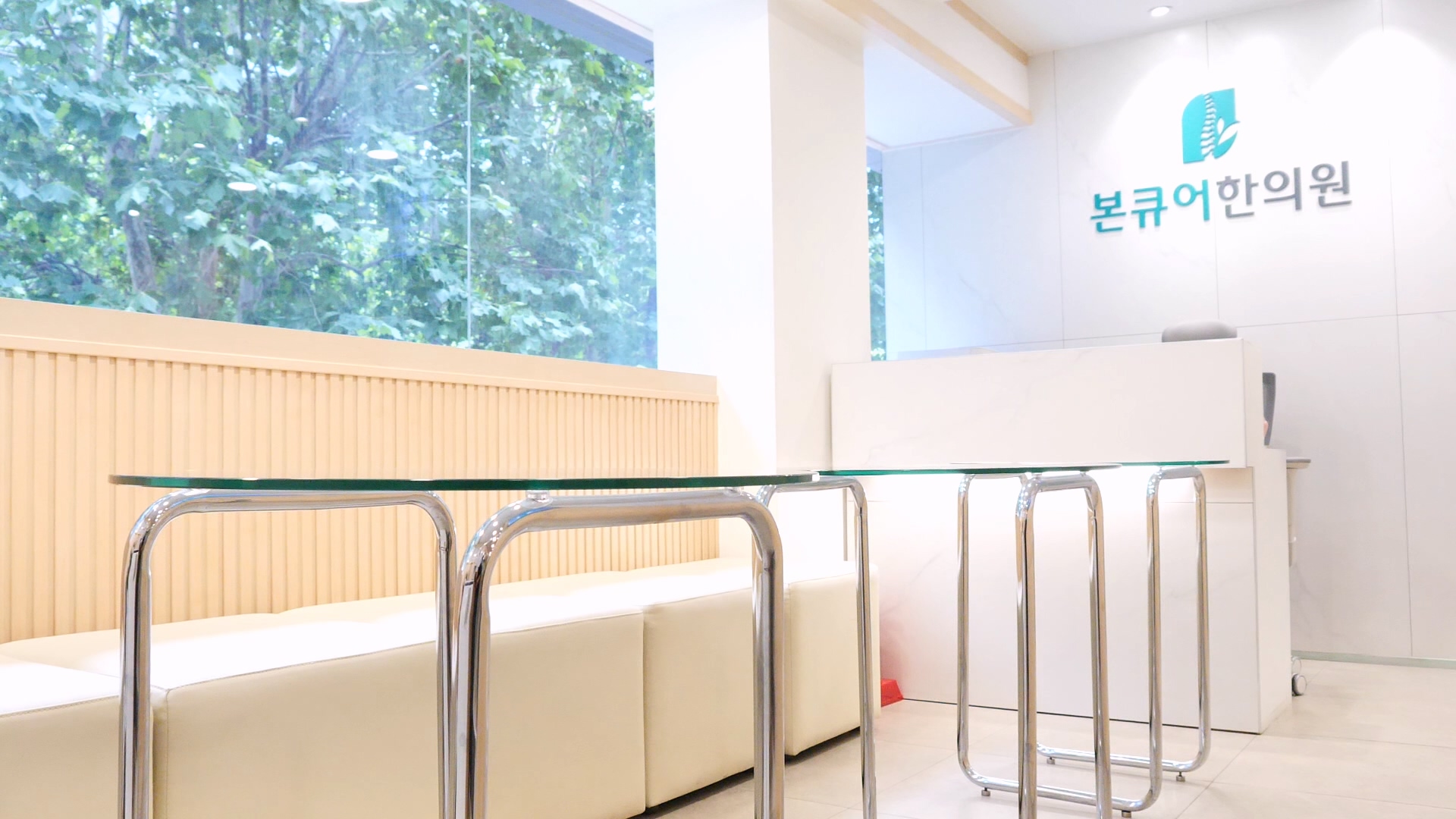
This clinical guide explores how his work at BonCure provides evidence-based solutions for patients suffering from intractable chronic pain and autonomic nervous system imbalances.
Who is Song Jeong-hyun? Defining a Modern Philosophy of Korean Medicine
Song Jeong-hyun is a focused clinician and the chief director of a specialized clinic where traditional Korean medicine is merged with contemporary biomechanical analysis to treat structural disorders. By prioritizing the physical space within the musculoskeletal system, he aims to release the pressure on nerves and blood vessels that often leads to chronic disease. This approach moves beyond simply masking symptoms, focusing instead on the underlying anatomical imbalances that prevent the body from healing itself effectively. Rather than offering passive care, he provides highly compressed and efficient sessions designed to produce tangible changes in the body’s structure.
A Visionary Approach to Restoring Structural Balance
As an oriental medical doctor, Song Jeong-hyun's clinical vision centers on the concept that structural integrity is the foundation of physiological health. At BonCure, every patient undergoes a detailed assessment to identify where the skeleton and soft tissues have deviated from their optimal positions. This visionary approach acknowledges that the spine and joints are not just support structures but are dynamic systems that influence the entire nervous system. By utilizing whole-spine X-ray analysis alongside traditional diagnostic methods, Dr. Song provides a clear roadmap for recovery. Clinical experience suggests that even in cases where symptoms have persisted for many years, focused structural realignment can help facilitate the body's natural recovery process. This method emphasizes that when the physical framework is balanced, the body's internal systems, including circulation and nerve signaling, can function without interference. Consequently, his practice has become a destination for those seeking a more rigorous, evidence-based application of traditional manual therapies in a modern clinical setting.
The Science Behind BonCure and the 'Smiling Bone' Philosophy
Inside the clinical practice of BonCure, the 'Smiling Bone' philosophy represents the ultimate goal of achieving a pain-free, functionally optimal skeletal state. Song Jeong-hyun believes that when bones are properly aligned, the surrounding muscles and ligaments are no longer under excessive tension, allowing the patient to experience a sense of physical ease. This is not merely a metaphor; it is backed by clinical observations of improved mobility and reduced tension. For instance, spinal curvature correction is monitored using objective metrics, showing significant deviations returning to healthy ranges over a series of controlled sessions. By integrating these scientific measurements, the clinic ensures that every adjustment is precise and tailored to the individual's unique anatomy. This commitment to objectivity helps bridge the gap between clinical wisdom and modern medical standards. Patients are encouraged to view their recovery as a partnership where data-driven corrections lead to long-term vitality, ensuring that the results are both measurable and sustainable for years to come.
Clinical Experience in Treating Chronic and Intractable Conditions
Treating intractable conditions requires a deep understanding of how long-term structural neglect affects the body's regulatory systems. Song Jeong-hyun has extensive experience managing patients who have failed to find relief through conventional physical therapy or medication. At BonCure, his focus extends to complex issues like cervical-related vertigo and chronic fatigue, which are often rooted in spinal adhesions. Clinical observations suggest that targeted cervical alignment may help improve auditory discomfort and related symptoms by addressing structural imbalances in the upper neck. Such cases demonstrate the profound connection between the upper neck structure and sensory nerve function. By focusing on precisely identifying and releasing deep-seated adhesions in the soft tissues, Dr. Song provides a specialized approach for those with complex, multi-systemic complaints. His practice also utilizes standardized scales to monitor how physical pain relief correlates with improved functional outcomes. This holistic yet scientifically grounded approach ensures that even the most difficult cases are handled with high clinical rigor.
Core Specialties: Acupotomy and Structural Alignment for Chronic Pain
Acupotomy is a specialized procedure in Korean medicine that uses a blade-shaped needle to physically dissect and release rigid adhesions in the soft tissues. This technique is particularly effective for treating areas where ligaments have become thickened or stuck to nearby nerves, causing persistent pain and restricted movement.
Acupotomy vs. Traditional Acupuncture: Precision Adhesion Release
While traditional acupuncture primarily targets energy points to stimulate a healing response, acupotomy as practiced by Song Jeong-hyun functions as a specialized intervention for the physical release of fibrotic tissues. The specialized tool used at BonCure allows for the mechanical release of adhesions that have formed due to chronic inflammation or past injuries. This precision is vital for conditions like spinal stenosis or chronic muscle hardening, where standard needles cannot provide enough mechanical force to break down dense adhesions. By creating space between the compressed tissues, acupotomy helps alleviate nerve irritation and supports the restoration of healthy blood flow. Although the procedure can be slightly more intense than regular acupuncture, the therapeutic outcome is often more immediate for structural issues. It is important to note that because this is a specialized intervention, patients may experience temporary localized soreness or minor bruising. However, these minor side effects are a natural part of the tissue recovery process that leads to the eventual regeneration of healthy fibers.
Scientific Evidence and Case Reports on Spinal Curvature Correction
The efficacy of structural correction at BonCure is supported by multiple case reports published by Dr. Song, including studies on idiopathic scoliosis and post-concussion syndrome. Song Jeong-hyun utilizes these reports to demonstrate that spinal alignment is not just about posture, but about the functional health of the central nervous system. In his research on idiopathic scoliosis, objective X-ray data showed measurable improvements in structural angles after consistent intervention. Furthermore, clinical case reports indicate that correcting the alignment of the atlas and axis bones in the neck can lead to improvements on standardized tinnitus assessment scales, though results vary by individual. These numbers provide the reliable evidence necessary to substantiate the benefits of structural Korean medicine. By documenting these outcomes, Dr. Song contributes to the growing body of literature that supports the use of manual and needle-based therapies for complex neurological and musculoskeletal disorders, providing a high level of transparency for his patients.
Immediate Results and Personalized Recovery Processes
One of the hallmarks of the treatment provided by Song Jeong-hyun is the potential for immediate symptomatic improvement. Unlike traditional approaches that may require weeks to show progress, Dr. Song focuses on treatments that allow patients to feel immediate changes in their movement and pain levels. Many patients at BonCure report a significant reduction in sharp pain or numbness after their very first acupotomy session, as the pressure on the affected nerve is physically lifted. Dr. Song emphasizes that he does not require patients to commit to a fixed 10-session minimum before seeing results; instead, the focus is on achieving an immediate impact. For chronic conditions, while the first session often brings relief, follow-up care is tailored to the individual to ensure the structure remains stable. This involves transitioning from immediate relief to a stabilization phase where Chuna therapy reinforces the structural changes. The goal is always to achieve a stable state where the patient can return to daily activities with a structural foundation that supports long-term health.
Beyond Musculoskeletal Issues: Autonomic and Sensory Nerve Recovery
Autonomic and sensory nerve recovery focuses on restoring the balance of the nervous system by correcting structural impingements that interfere with the brain's communication with the rest of the body. This approach is often applied to conditions like tinnitus, dizziness, and digestive issues that have not responded to organ-specific treatments.
Traditional Korean Medicine for Tinnitus and Meniere's Disease
Song Jeong-hyun has gained recognition for his work in treating sensory disorders such as chronic tinnitus and Meniere's disease. At BonCure, the treatment focuses on the upper cervical spine, where misalignments can impede blood flow to the inner ear and irritate the vestibulocochlear nerve. By combining acupotomy to release tight suboccipital muscles with precise Chuna adjustments, Dr. Song has successfully helped patients who had previously found no relief through conventional treatments. His case reports include individuals who experienced a return to improved hearing thresholds after a course of intensive structural therapy. This suggests that some sensory issues are not purely otological but are actually secondary to cervical spine dysfunction. It is crucial to understand that these results are case-specific, and a thorough initial diagnosis is required to determine if a patient’s tinnitus is structurally related. For those who qualify, this evidence-based approach offers a non-drug alternative to managing debilitating ear symptoms and improving quality of life.
Managing Autonomic Dysfunction Through Cervical Realignment
Autonomic nervous system (ANS) disorders, such as heart palpitations and chronic indigestion, can often be traced back to structural communication issues. Song Jeong-hyun treats these symptoms by focusing on the vagus nerve and the sympathetic chain, which run close to the spinal column. At BonCure, correcting the alignment of the neck and upper back helps to normalize the signals sent between the brain and the internal organs. When the spine is misaligned, it can keep the body in a constant state of tension, leading to persistent stress and physiological imbalance. By physically relaxing the tissues around the spinal nerves, Dr. Song helps patients transition back into a balanced state. Clinical improvements are often tracked using subjective and objective scales, providing a clear picture of how structural health influences physiological stability. This comprehensive view of the ANS ensures that patients receive care that addresses both their physical discomfort and their overall internal regulatory health.
Clinical Observations in Concussion and Post-Traumatic Syndrome
Patients suffering from post-concussion syndrome often experience a lingering fog, headaches, and sensitivity to light that can last for months or even years. Song Jeong-hyun has observed that many of these symptoms are exacerbated by undiagnosed 'micro-misalignments' in the skull and upper neck occurring at the moment of impact. At BonCure, he applies specialized cervical techniques to address these subtle structural shifts. His clinical reports on concussion patients show that restoring proper alignment can significantly support recovery. For example, addressing the structural causes of post-traumatic headaches through specialized therapy can help facilitate a more efficient recovery for those suffering from long-term symptoms. While these interventions are effective, Dr. Song always maintains a safety-first protocol, ensuring that more serious traumatic brain injuries are ruled out before structural work begins. This careful, evidence-based approach to trauma recovery helps patients regain their clarity and return to their professional and personal lives with renewed energy and focus.
Comparing Treatment Modalities at BonCure Clinic
Choosing the right treatment modality depends on the specific nature of the patient's condition, whether it is a chronic adhesion, an acute structural shift, or a general functional imbalance. Each method used by Song Jeong-hyun has specific indications and expected outcomes, ensuring a customized path to healing.
| Modality | Primary Focus | Mechanism of Action | Ideal For |
|---|---|---|---|
| Acupotomy | Deep tissue adhesions | Mechanical release with blade-needle | Chronic stenosis, disc issues, scars |
| Chuna Manual Therapy | Skeletal alignment | Hand-based joint manipulation | Pelvic tilt, posture, joint dysfunction |
| Traditional Acupuncture | Muscle relaxation | Nerve stimulation with thin needles | Mild muscle tension, stress reduction |
| Herbal Medicine | Internal environment | Biochemical support & inflammation control | Chronic fatigue, recovery, inflammation |
At BonCure, these modalities are integrated into a holistic protocol that addresses both the structure and the function of the body. For international patients visiting the Samseong-ro area, Dr. Song provides high-efficiency plans that maximize the benefits of these treatments within a shorter timeframe. Safety is always a priority, and while procedures like acupotomy are generally safe, we disclose that temporary pain, localized swelling, or very rarely, minor infection can occur, which are managed through strict clinical hygiene and post-care guidance.
Patient-Centered Care: Clinical Notes and Transformation Stories
The journey from chronic pain to active daily life is a profound transformation that requires both clinical skill and patient dedication. Song Jeong-hyun emphasizes a patient-centered model where the individual is fully informed and involved in their recovery process. By integrating whole-spine X-ray analysis with traditional diagnostic methods at BonCure, the clinic provides a transparent view of the patient's progress. This evidence-based approach has shown measurable improvements in pain scores and functional mobility. Professional Guide to Structural Alignment and Acupotomy in Gangnam (2026) provides further context on how these methods are applied in a clinical setting. Furthermore, Advanced Acupotomy Techniques for Loosening Rigid Spinal Ligaments in 2026 offers deep insights into the technical aspects of the procedures used by Dr. Song. Ultimately, the goal is to ensure that every patient leaves the clinic not just feeling better, but with a structural foundation that supports a healthy and vibrant life for years to come.
Frequently Asked Questions
Q. Who is Song Jeong-hyun and what is his medical background?
Song Jeong-hyun is a Korean medicine doctor and the chief director of BonCure Clinic. He specializes in acupotomy and structural correction, focusing on treating intractable chronic pain and autonomic nervous system disorders through evidence-based traditional medicine. His work is recognized for bridging the gap between traditional manual therapies and modern diagnostic tools like X-rays.
Q. What is acupotomy and how does it differ from regular acupuncture?
Acupotomy uses a specialized blade-shaped needle to perform a minimally invasive procedure that releases adhesions in stiffened tissues. Unlike traditional acupuncture which focuses on energy flow through thin needles, acupotomy physically restores the space between tissues by dissecting fibrotic adhesions. This makes it particularly effective for chronic structural issues like spinal stenosis and old scar tissue.
Q. Can Song Jeong-hyun's treatments help with chronic tinnitus or Meniere's disease?
Yes, Song Jeong-hyun has documented significant improvement in patients with chronic tinnitus and Meniere's symptoms. The treatment focuses on correcting cervical spine alignment to improve blood flow and nerve function to the ears, addressing the structural root cause of the discomfort. In many clinical cases, patients have reported significant improvements following a course of cervical alignment therapy.
Q. What should I expect during my first visit to BonCure Clinic?
Your first visit involves a comprehensive analysis, often including a whole-spine X-ray and objective diagnostic scales. Dr. Song then develops a personalized plan combining acupotomy, Chuna therapy, or herbal medicine based on your specific structural needs. This thorough diagnostic phase ensures that the treatment targets the actual cause of the discomfort rather than just the symptoms.
Q. Are there any side effects to the treatments provided by Dr. Song?
As with any clinical procedure, acupotomy may cause temporary localized pain, minor bruising, or swelling at the site of the intervention. In very rare cases, minor infection could occur, though strict clinical protocols are in place to prevent this. These effects are usually mild and resolve within a few days as the body begins the natural healing process.
Q. How many sessions are typically required for chronic pain?
Dr. Song focuses on immediate results rather than requiring a set number of sessions (like a standard 10nd or 20-session package). Many patients feel immediate improvement after the first session. However, the total number of visits depends on the individual's condition and how well their body maintains the structural changes. A personalized plan will be discussed after the initial evaluation.
Q. Does Song Jeong-hyun treat international patients?
Yes, BonCure Clinic is located in Gangnam, Seoul, and frequently treats international patients. Dr. Song provides high-efficiency structural treatment plans for those with limited stay durations, focusing on intensive acupotomy and Chuna therapy sessions to achieve tangible results quickly.
Key Takeaways
- Evidence-Based Approach: Song Jeong-hyun utilizes whole-spine X-ray and standardized scales to ensure measurable recovery.
- Immediate Improvement: The clinic focuses on treatments that provide immediate changes rather than requiring long-term commitment before results are felt.
- Structural Focus: BonCure prioritizes releasing physical adhesions through acupotomy to restore nerve flow and musculoskeletal balance.
- Safety Protocols: While highly effective, treatments are conducted under strict protocols to manage side effects like temporary soreness or bruising.
For personalized consultation and to start your journey toward structural health, please contact our clinical team.
BonCure / Chief Director Song Jeong-hyun
FAQ
- Who is Song Jeong-hyun and what is his medical background?
- Song Jeong-hyun is a Korean medicine doctor and the chief director of Bonecure Clinic. He specializes in acupotomy and structural correction, focusing on treating intractable chronic pain and autonomic nervous system disorders through evidence-based traditional medicine. His work is recognized for bridging the gap between traditional manual therapies and modern diagnostic tools like X-rays.
- What is acupotomy and how does it differ from regular acupuncture?
- Acupotomy uses a specialized blade-shaped needle to perform a minimally invasive procedure that releases adhesions in stiffened tissues. Unlike traditional acupuncture which focuses on energy flow through thin needles, acupotomy physically restores the space between tissues by dissecting fibrotic adhesions. This makes it particularly effective for chronic structural issues like spinal stenosis and old scar tissue.
- Can Song Jeong-hyun's treatments help with chronic tinnitus or Meniere's disease?
- Yes, Song Jeong-hyun has published case reports demonstrating significant improvement in patients with chronic tinnitus and Meniere's symptoms. The treatment focuses on correcting cervical spine alignment to improve blood flow and nerve function to the ears, addressing the structural root cause of the ringing. In some clinical cases, hearing has even normalized after a series of 20 sessions.
- What should I expect during my first visit to Bonecure Clinic in Cheongdam?
- Your first visit involves a comprehensive analysis, often including a whole-spine X-ray and objective diagnostic scales for pain and mental health. Dr. Song then develops a personalized plan combining acupotomy, Chuna therapy, or herbal medicine based on your specific structural needs. This thorough diagnostic phase ensures that the treatment targets the actual cause of the discomfort rather than just the symptoms.
- Are there any side effects to the treatments provided by Dr. Song?
- As with any medical procedure, acupotomy may cause temporary localized pain, minor bruising, or swelling at the site of the intervention. In very rare cases, minor infection could occur, though strict clinical protocols are in place to prevent this. These effects are usually mild and resolve within a few days as the body begins the natural tissue remodeling and healing process.
- How many sessions are typically required for chronic back pain?
- The duration of treatment varies significantly depending on the severity and chronicity of the condition. While some patients report immediate relief after one session due to the release of nerve pressure, chronic structural issues generally require multiple sessions (often 10 to 20) to achieve stable alignment. Long-term tissue regeneration and postural habit changes take time to become permanent.
- Does Song Jeong-hyun treat international patients?
- Yes, Bonecure Clinic is located in Cheongdam, Seoul, and frequently treats international patients who travel for specialized care. Dr. Song provides high-efficiency structural treatment plans for those with limited stay durations, focusing on intensive acupotomy and Chuna therapy sessions. The clinic staff is experienced in coordinating care for those coming from abroad seeking advanced Korean medical interventions.