
Post
Professional Guide to Structural Alignment and Acupotomy in Cheongdam-dong (2026)
A Korean medicine clinic in Cheongdam-dong provides more than just symptom relief; it offers a path to structural recovery through the integration of clinical experience and modern diagnostic insights.
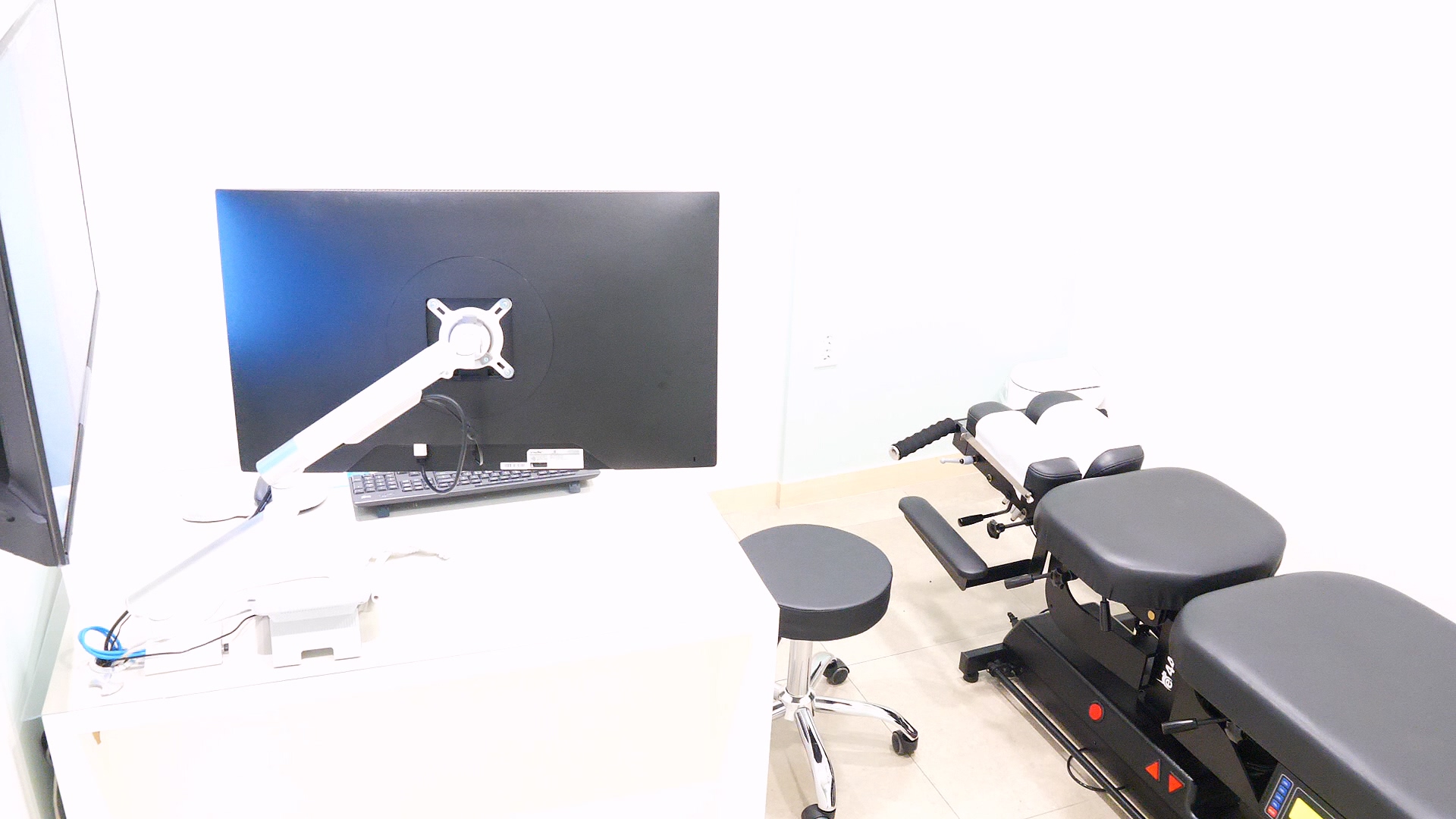
This article serves as a guide for individuals seeking to understand how specialized spinal alignment and acupotomy can improve daily vitality and musculoskeletal health in 2026.
What is Korean Traditional Medicine at Bonecure Cheongdam?
Integrated Korean medicine treatment at Bonecure refers to a streamlined healthcare approach that combines manual structural correction (Chuna), specialized needle-knife therapy (Acupotomy), and pharmacopuncture to address the root causes of physical dysfunction. By focusing on the body's structural integrity and skeletal symmetry, Director Song Junghyun aims to restore balance to the nervous and musculoskeletal systems with impactful, high-efficiency interventions.
The Core Philosophy: When Your Bones Smile, Life Smiles
At Bonecure, the guiding principle is that physical structure directly dictates the quality of a person's life and overall well-being. This philosophy, encapsulated in the phrase 'When your bones smile, life smiles,' suggests that when the skeletal frame is aligned, the body’s internal systems can function without interference. Director Song Junghyun emphasizes that chronic pain is often not just a localized issue but a symptom of a deeper structural imbalance within the spine and jaw joints. By focusing on the fundamental alignment of the body, this approach seeks to restore the natural vitality that is lost when bones are misaligned. Patients in Cheongdam-dong often seek this type of care to move beyond temporary relief and work toward a more sustainable form of health. While the process requires patience and individual adjustment, the goal remains a harmonious state where the body can heal itself through proper structural integrity and balanced nerve flow. It is important to note that results vary, and maintaining alignment often requires multiple sessions.
Specialized Acu-puncture and Structural Realignment
Specialized acupuncture techniques, specifically acupotomy or the needle-knife method, are designed to release rigid adhesions within the spinal ligaments and deep muscle tissues. Unlike standard acupuncture that focuses primarily on meridian points, this structural approach targets physical obstructions that prevent proper bone movement and nerve conduction. By micro-dissecting these chronic adhesions, the treatment allows for a more effective structural realignment through manual Chuna therapy. In many clinical cases, patients presenting with long-standing spinal stiffness have noted significant improvements in their range of motion after targeted sessions. It is important to note that while some individuals may experience a noticeable reduction in tension early in the process, chronic conditions generally require a systematic series of treatments to stabilize the new alignment. This integrated method ensures that the muscles and bones work in concert, reducing the likelihood of recurring pain while promoting a more resilient physical foundation. Potential risks include temporary soreness, bruising, or localized infection, which are managed through sterile protocols.
Core Therapies for Structural Recovery and Pain Management
Structural recovery and pain management involve the use of targeted manual techniques and pharmacopuncture to alleviate pressure on nerves and improve tissue regeneration. These methods are designed to be highly efficient, focusing on the specific spinal curvature and muscle tension levels to rehabilitate chronic injuries or postural imbalances caused by modern lifestyle habits.
Acupotomy for Back Pain and Chronic Discomfort
Acupotomy serves as a primary tool for managing chronic back pain by physically breaking down fibrotic tissue and adhesions that trap nerves. For those suffering from chronic discomfort, particularly in the lower back or neck, the application of the needle-knife can help reset the structural environment that often keeps the body in a state of perpetual tension. Clinical observations suggest that stimulating specific points along the spine can improve the local micro-environment of the discs and surrounding tissues by releasing pressure. Many individuals seeking care in the Cheongdam-dong area find that this method provides a valuable alternative to invasive procedures, focusing instead on structural recovery. However, the effectiveness of acupotomy depends heavily on the patient's age and the severity of their structural degeneration. While it may help provide significant relief from acute spasms, long-term chronic pain management usually involves a combination of therapy and postural maintenance to ensure the underlying structural issues are addressed and maintained over time. Typical side effects include post-treatment aching which usually subsides within a few days.
Pharmacopuncture and Physical Therapy for Targeted Recovery
Pharmacopuncture and modern physical therapy are utilized to enhance the healing of soft tissues and support structural corrections. Pharmacopuncture involves injecting refined herbal extracts directly into acupoints or areas of chronic inflammation to provide rapid relief and promote tissue regeneration. This is often combined with specialized physical therapy modalities that prepare the muscles for Chuna manual therapy. These treatments are designed to be impactful and time-efficient, ensuring that patients receive necessary care without prolonged downtime. In a modern Seoul clinic setting, these procedures are performed with precision to ensure patient safety and comfort. While these methods are generally safe, patients should be aware that pharmacopuncture may cause temporary swelling or mild allergic reactions in rare cases. These typical reactions are discussed during the consultation to ensure a transparent treatment experience. By focusing only on essential interventions, Bonecure ensures a highly concentrated treatment process aimed at resolving deep-seated structural issues.
Comparing Traditional Approaches vs. Bonecure's Structural Restoration
Understanding the differences between standard symptom-based treatments and structural restoration is vital for choosing the right path toward recovery. While many traditional methods focus on alleviating pain in the short term, Bonecure emphasizes the long-term stability of the skeletal system, which may help reduce the risk of symptom recurrence. Individual results may vary depending on the patient's condition. By combining acupotomy with precise spinal adjustments, the clinic addresses the physical adhesions that often make standard treatments less effective for chronic sufferers. For instance, a patient with an 18-year history of chronic tinnitus may find that addressing the cervical spine alignment yields different results than treating the ear alone. Understanding the Characteristics of Structural Realignment and Symptom-Based Management can help patients set realistic expectations for their health journey. The following table highlights the distinct features of these two approaches to health management:
| Feature | Symptom-Based Management | Bonecure Structural Restoration |
|---|---|---|
| Primary Goal | Immediate pain reduction | Long-term structural alignment |
| Focus Area | Localized pain site | Whole-body spinal balance |
| Technique | General acupuncture / medication | Acupotomy / Precise Chuna therapy |
| Duration | Short-term relief | Multi-session stabilization |
| Outcome | Temporary comfort | Improved systemic function |
Scientific Evidence and Clinical Notes from Bonecure
Scientific evidence and clinical notes provide a data-driven foundation for Director Song Junghyun’s treatments, utilizing objective measurements to track patient progress. By documenting changes in spinal curvature through X-rays and monitoring autonomic function, the clinic demonstrates the physiological impact of structural realignment on both musculoskeletal and systemic health conditions.
Traditional Medicine Clinical Notes on Spine Health
Clinical notes on spine health frequently document the relationship between spinal alignment and the function of the peripheral nervous system. In various case reports, correcting a misaligned atlas or improving the natural curve of the lumbar spine has been associated with the reduction of secondary symptoms such as tension headaches or sciatica. For example, clinical observations in specific cases of chronic tinnitus or Parkinsonism have shown that a dedicated treatment plan focused on cervical and thoracic restoration can lead to clinical improvement in reported symptom scales. These clinical records emphasize that the spine is a conduit for vital communication between the brain and the rest of the body. While these results represent specific individual outcomes and do not guarantee identical success for all, they provide a framework for understanding how physical adjustments can influence neurological symptoms. For those interested in deeper tissue work, reading about Acupotomy: A 2026 Guide to Specialized Acupuncture-Knife Therapy for Chronic Pain offers further insight into these clinical methods.
Korean Medicine for Autonomic Balance and Systemic Health
Bonecure offers a specialized approach to systemic health by focusing on the balance of the autonomic nervous system through structural correction. Many conditions, such as chronic fatigue, digestive issues, and autonomic dysfunction, can be exacerbated by structural pressures on the spinal cord. By improving the alignment of the cervical spine and the pelvic girdle, Director Song Junghyun aims to optimize nerve signaling to the internal organs. This view considers how physical stressors lead to systemic imbalances, such as the burning sensations associated with dorsal burning syndrome (Baeryeol-jeung). Clinical sessions focus on reducing the tension in the thoracic spine, which is frequently associated with an overactive sympathetic nervous system. While individual results vary based on lifestyle factors, many patients report improved vitality and reduced systemic tension after addressing their structural health. This method focuses on restoring the body’s innate regulatory mechanisms through precise physical interventions and acupotomy, avoiding the need for unnecessary testing or lengthy consultations.
Understanding Individual Results and Treatment Limitations
It is essential for patients to understand that Korean medicine is an individualized practice, and clinical case reports do not constitute a guarantee of recovery for everyone. Factors such as the duration of the condition, the patient's age, and daily habits all play a significant role in the speed of recovery. For instance, a patient with mild postural issues may see improvements within a few sessions, whereas someone with chronic degenerative changes may require multiple treatments to achieve stability. Furthermore, structural realignment is a collaborative process that requires patients to maintain ergonomic habits outside the clinic. Potential side effects, though generally mild, can include localized soreness, minor bruising at the acupotomy sites, or temporary fatigue as the body adjusts. Disclosing these limitations and risks is a fundamental part of the professional process at Bonecure, ensuring that every patient is fully informed. Effectiveness may be limited by the severity of pre-existing structural damage or individual physiological responses.
Personalized Care at our Korean Medicine Doctor Blog
Personalized care at Bonecure involves an efficient and impactful analysis of an individual's unique physical history to create a customized treatment roadmap. This process ensures that every intervention—from the type of acupotomy used to the specific Chuna adjustments performed—is optimized for the patient's current state and desired outcomes.
Efficient Consultation Process in Cheongdam-dong
The professional consultation process in Cheongdam-dong is designed to be highly efficient, focusing on identifying the root cause of pain through rapid structural analysis. Director Song Junghyun utilizes modern diagnostic tools alongside movement and autonomic function evaluations to pinpoint areas of adhesion and skeletal deviation. During this initial phase, the patient’s health history is assessed quickly to form a precise clinical hypothesis, typically taking 10 to 20 minutes to ensure a high-impact treatment session. This streamlined approach is crucial for focusing energy on the actual 시술 (procedure) rather than prolonged discussion. Patients are given clear explanations of how their structural issues contribute to their symptoms, fostering a transparent environment. This impactful diagnostic phase ensures that the subsequent treatments are not generic but are precisely targeted to the individual’s unique spinal and muscular needs for optimal recovery and balance.
Post-Treatment Care and Long-term Vitality
Long-term vitality is achieved not only through clinical intervention but through consistent post-treatment care and lifestyle modifications. After a structural realignment session, the body undergoes a period of adaptation where the muscles must learn to support the corrected bone positions. Patients are typically provided with guidance on ergonomic sitting positions and specific stretching routines to support tissue regeneration. Maintaining the benefits of a session at Bonecure requires a commitment to these daily habits. Regular follow-up appointments are often scheduled to monitor progress and make micro-adjustments as the body stabilizes. This proactive approach helps prevent the recurrence of adhesions and ensures that the spinal column remains flexible and resilient. By viewing health as a continuous process, patients can work toward a higher quality of life, characterized by better mobility and reduced chronic discomfort, allowing them to remain active throughout their lives.
Safety Protocols and Side Effect Disclosures
Safety is the foremost priority in every procedure, and clear disclosure of potential side effects is a mandatory part of the ethical guidelines at Bonecure. While acupotomy and Chuna therapies are generally well-tolerated, they are not without minor risks. Common reactions include localized tenderness, temporary bruising, or a sensation of heaviness in the treated limbs, which typically resolve within 24 to 48 hours. In rare cases, more significant soreness or light bleeding at the needle site may occur, but these are managed through strict sterile protocols and expert needle-knife technique. Patients with specific medical conditions, such as bleeding disorders, are given special consideration to minimize any discomfort. It is also important to note that the effectiveness of treatment can be limited by the severity of pre-existing structural damage. By maintaining open communication regarding these risks and realistic expected outcomes, the clinic ensures a safe environment. Every procedure is performed with the highest standards of hygiene to promote healing while minimizing adverse effects.
Frequently Asked Questions
Q. What should I expect during my first visit to Bonecure in Cheongdam-dong?
Your initial visit involves an efficient and precise structural analysis by Dr. Song Junghyun. We examine your spinal alignment and autonomic balance to identify root causes quickly, focusing on preparing for an impactful treatment session. The consultation is streamlined to be highly time-efficient, typically lasting 10-20 minutes.
Q. Does acupotomy for back pain provide immediate results?
Many patients experience a noticeable change in range of motion and tension after their first session of specialized acupotomy. However, for chronic conditions, multiple sessions are required for sustained structural recovery. As results vary by individual, a personalized plan is established during the initial assessment.
Q. Is pharmacopuncture used instead of traditional needle therapy?
At Bonecure, we use pharmacopuncture as a targeted tool to reduce inflammation and support tissue repair alongside acupotomy and Chuna therapy. It is selected based on its efficiency in delivering herbal extracts directly to the site of concern to enhance the structural restoration process.
Q. What are the common side effects of acupotomy?
Acupotomy may cause minor bruising, temporary soreness at the site, or a feeling of fatigue as the body adjusts to structural changes. These are typically self-limiting and resolve within a couple of days. We disclose all potential risks, including the rare possibility of infection, during the consultation.
Q. How do I book an efficient consultation at Bonecure?
You can schedule a consultation through our Cheongdam clinic's contact line. We focus on impactful, high-efficiency sessions to ensure your structural issues are addressed promptly. Our team is dedicated to providing a professional experience that respects your time while delivering targeted structural care.
Key Takeaways
- Bonecure focuses on structural alignment as the foundation for resolving chronic pain and autonomic dysfunction.
- Integrated treatments emphasize high-efficiency acupotomy and Chuna therapy to release deep-seated adhesions.
- Consultations are designed to be impactful and time-efficient, typically lasting 10 to 20 minutes to focus on treatment.
- Safety protocols are strictly followed, with clear disclosure of potential side effects like bruising, soreness, or post-treatment aching.
- Long-term recovery is a collaborative effort involving clinical sessions and patient adherence to ergonomic and post-treatment guidance.
Hello. I am Song Junghyun, a Korean medicine doctor who has specialized in acupotomy for a long time. I hope this article helps you understand the importance of structural alignment and Bonecure's efficient treatment philosophy. If you are struggling with chronic pain or physical imbalances, I encourage you to establish a recovery plan through a precise and impactful consultation at our clinic.
Bonecure / Director Song Junghyun
FAQ
- What should I expect during my first visit to Bonecure in Cheongdam-dong?
- During your initial visit, Dr. Song Junghyun conducts a comprehensive structural analysis. We examine your spinal alignment and overall balance to create a personalized plan using traditional medicine clinical notes and modern diagnostic tools. This session typically involves a detailed discussion of your symptoms and a physical assessment to identify the root cause of your discomfort.
- Does acupuncture for back pain really provide immediate relief?
- Many patients experience a noticeable reduction in tension after their first session of specialized acu-puncture. However, chronic conditions often require multiple sessions for sustained structural recovery, and results vary by individual. The goal is to provide both short-term relief and long-term stabilization of the musculoskeletal system.
- Is moxibustion therapy Seoul clinics offer safe for sensitive skin?
- At Bonecure, we prioritize safety above all else. While moxibustion is effective for circulation, we monitor skin sensitivity closely throughout the process. Mild redness or temporary warmth is common, but we adjust the intensity to prevent burns or irritation, ensuring a comfortable experience for those with sensitive skin.
- What are the common side effects of traditional Korean medicine treatment?
- Acupuncture and cupping may cause minor bruising, temporary soreness, or light bleeding at the site. These are typically self-limiting and resolve within a couple of days. We disclose all material risks during the initial consultation to ensure a safe and transparent experience for every patient who visits us.
- How does Bonecure handle women's health issues like autonomic dysfunction?
- We utilize integrated Korean medicine for women's health, focusing on balancing the autonomic nervous system. By correcting structural misalignments that affect nerve flow along the spine, we aim to improve overall systemic function and hormonal balance. This approach targets the root cause rather than just managing peripheral symptoms.
- Are the clinical results mentioned in your blog guaranteed for all patients?
- No, clinical case reports represent specific patient outcomes and do not guarantee the same results for everyone. Individual factors such as age, lifestyle, and the severity of the condition will influence the final outcome. We emphasize that results are highly individual and vary from one patient to another.
- How do I book a consultation with the Korean medicine doctor at Bonecure?
- You can schedule a private consultation through our Cheongdam clinic's contact line. We focus on one-on-one sessions to ensure deep structural analysis and tailored treatment for your specific pain or health goals. Our team is dedicated to providing a professional and personalized experience for every visitor.