
Post
Advanced Acupotomy Techniques for Loosening Rigid Spinal Ligaments in 2026
Hello. I am Dr. Song Jeong-hyun, a practitioner of Korean Medicine who has dedicated years to mastering acupotomy for structural rehabilitation. Advanced acupuncture techniques for loosening rigid spinal ligaments represent a sophisticated evolution in pain management, focusing on the mechanical release of deep tissue adhesions.
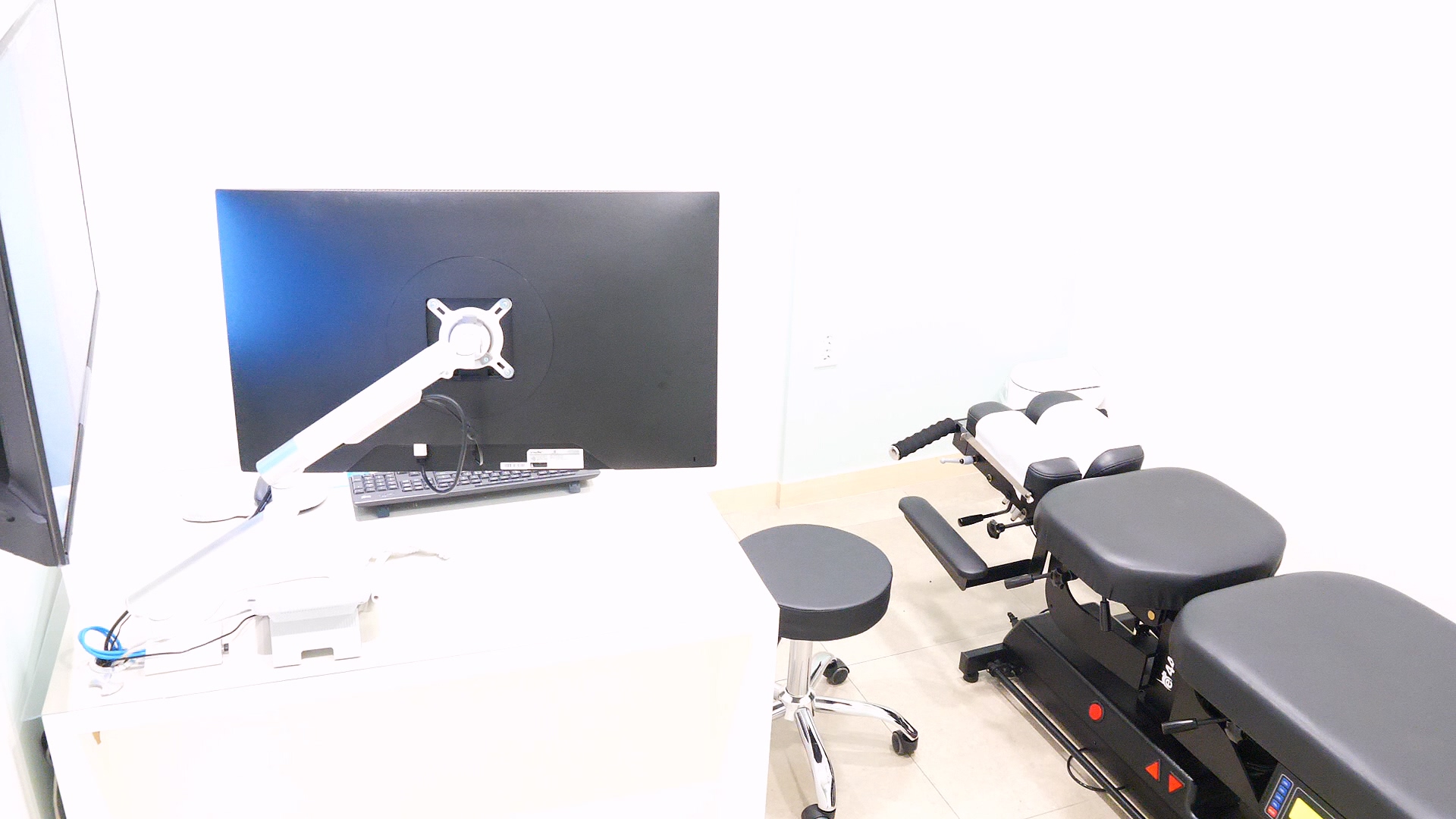
At Bonecure, we utilize acupotomy to directly target these deep-seated structural restrictions that may be difficult to reach through superficial treatments. I prioritize a structural approach that moves beyond temporary relief to address the underlying rigidity affecting your mobility. This guide outlines how precision-guided interventions can facilitate the recovery of spinal health and functional vitality in 2026.
Understanding Advanced Acupuncture Techniques for Rigid Spinal Ligaments
Spinal ligament rigidity is a condition characterized by the loss of elasticity in the connective tissues that support the vertebral column, often resulting in restricted movement and chronic pain. This loss of flexibility usually stems from years of postural stress or injury, causing the fascia and ligaments to adhere to the surrounding bone. When these tissues become stuck, they create a cycle of inflammation and structural misalignment that can radiate pain throughout the entire body. Identifying the specific site of these adhesions is the first step toward effective treatment.
The Science of Spinal Ligament Adhesion and Rigidity
Spinal ligament adhesion refers to the physiological process where soft tissues surrounding the vertebrae lose their natural elasticity due to chronic inflammation or repetitive strain. When these ligaments become rigid, they restrict the micro-movements of the spinal joints, leading to a cascade of mechanical failures in the musculoskeletal system. At Bonecure, we observe that this rigidity often stems from long-term postural imbalances that cause the fascia to thicken and stick to adjacent structures. This pathological bonding, or adhesion, prevents proper nutrient flow and nerve signaling, effectively locking the spine in a state of dysfunction. Understanding this science is critical because acupotomy is specifically designed to reach these deep-seated structural blocks by targeting the site of adhesion directly. By identifying the specific vectors of tension within the ligamentous network, we can develop targeted strategies to restore mobility. While individual responses to treatment vary, addressing these adhesions is a foundational step in rehabilitating chronic spinal conditions that have resisted conventional physical therapy or medication.
Defining Acupotomy: The Integration of Traditional Wisdom and Modern Structural Repair
Acupotomy is an advanced therapeutic modality that synthesizes traditional acupuncture theory with modern surgical anatomy to physically release structural adhesions in the body. Unlike standard acupuncture, which utilizes thin needles for energetic regulation, acupotomy employs a specialized tool with a flat, blade-like tip designed for micro-dissection of rigid tissues. At Bonecure, this technique is utilized to precisely target and loosen thickened spinal ligaments that have become chronically adhered to the bone. By creating microscopic releases in the fibrotic tissue, we stimulate the body’s natural healing response to remodel the area with healthy, flexible fibers. It is important to note that while this procedure is highly effective for structural restoration, it requires a deep understanding of neuroanatomy to ensure safety. In my clinical experience, patients often find that this direct physical intervention provides a different level of relief compared to therapies that only address muscle tension, although results remain dependent on individual health status.
How Precision Replaces General Needling for Chronic Spinal Issues
Precision in advanced acupuncture is achieved by focusing on the specific anatomical layers where ligamentous adhesions occur. General needling often targets broad trigger points, which may relax superficial muscles but rarely resolves the deep, rigid bonds of a chronic spinal condition. By utilizing tools like the acupotomy needle, a practitioner can navigate the complex architecture of the spine to reach the exact point of ligamentous restriction. This targeted approach minimizes trauma to surrounding healthy tissue while maximizing the therapeutic impact on the problematic area. For instance, in cases involving the cervical spine, precision is paramount to avoid neurovascular structures while effectively releasing the ligaments that contribute to tension headaches or vertigo. Clinical observations suggest that this level of specificity allows for significant improvements in range of motion. However, because this is an invasive technique, patients undergo a thorough diagnostic phase to map out their unique structural requirements before any intervention is performed.
Innovative Korean Traditional Medicine Approaches to Chronic Back Pain
Korean Traditional Medicine encompasses a holistic system of diagnosis and treatment that utilizes acupuncture, herbal remedies, and structural adjustments to restore the body's natural balance. In the context of chronic back pain, this approach integrates internal medicine with external structural manipulation to provide a comprehensive recovery path. By viewing the spine not just as a series of bones but as a dynamic structural pillar, we can address both the symptoms and the systemic factors contributing to ligamentous rigidity. This synergy ensures that the physical releases achieved through acupuncture are supported by the body's internal healing environment.
Synergy Between Pharmacopuncture and Advanced Acupotomy
The integration of pharmacopuncture with advanced acupotomy techniques provides a dual-action approach to rigid spinal ligaments. While the acupotomy tool provides the mechanical release of adhesions, pharmacopuncture—which involves the injection of purified herbal extracts into specific points—helps to reduce inflammation and nourish the surrounding tissues. This combination is particularly effective for chronic conditions where the tissue has become fibrotic and poorly vascularized over time. The medicinal extracts used in pharmacopuncture help to soothe the site of the mechanical release, potentially accelerating the removal of inflammatory byproducts and promoting the regeneration of healthy connective tissue. At Bonecure, I often recommend this synergistic approach for patients with long-standing spinal stiffness, as it addresses both the physical blockage and the biochemical environment of the tissue. While this combined therapy is highly beneficial, it is tailored specifically to each patient's diagnostic profile to ensure safety and efficacy.
Clinical Benefits of Structural Realignment in Korean Medicine
Structural realignment within the framework of Korean Medicine involves more than just adjusting bones; it focuses on balancing the tension across the entire musculoskeletal system. When spinal ligaments are rigid, they often pull the vertebrae into abnormal positions. By combining acupotomy to release the tension and Chuna manual therapy to guide the bones back into alignment, we can achieve a more stable and lasting result. This comprehensive realignment helps to normalize the distribution of weight across the spine, reducing the wear and tear on intervertebral discs. In clinical practice, we observe that structural realignment can help improve the overall musculoskeletal environment, which may assist in managing various symptoms related to spinal health. While individual results vary, our goal is to support the body's functional balance through precise structural correction. Maintaining these improvements requires consistent postural awareness following the clinical intervention.
Comparing Conventional Acupuncture vs. Advanced Acupotomy for Tissue Regeneration
Understanding the differences between standard acupuncture and advanced acupotomy is essential for choosing the right path for tissue regeneration. While both utilize needles, their mechanisms of action and clinical goals differ significantly. Conventional acupuncture primarily aims to modulate the nervous system, whereas acupotomy is designed for mechanical structural repair. In my practice at Bonecure, I find that patients with deep, chronic adhesions require the specialized blade of the acupotomy needle to physically break down the fibrotic tissue that filiform needles cannot penetrate. This mechanical disruption acts as a catalyst for the body to replace old, rigid tissue with new, functional ligaments. Choosing the right method depends on the degree of structural involvement. Below is a comparison table to help illustrate these differences.
| Feature | Conventional Acupuncture | Advanced Acupotomy |
|---|---|---|
| Primary Tool | Thin, flexible filiform needle | Blade-tipped specialized needle |
| Mechanism | Neurological modulation | Mechanical adhesion release |
| Target Tissue | Muscles, nerves, meridians | Rigid ligaments, fascia, adhesions |
| Ideal For | Acute pain, energy flow | Chronic stiffness, scar tissue, rigidity |
| Sensation | Dull ache or tingling | Intense pressure or structural release |
| Recovery | Immediate | 1-3 days of mild soreness |
The Therapeutic Process at a Korean Medicine Clinic in Samseong-ro
The therapeutic process for spinal rehabilitation involves diagnostic imaging, functional assessment, and targeted interventions designed to address the root cause of musculoskeletal dysfunction. This organized approach ensures that each patient receives a treatment plan tailored to their specific structural abnormalities. By following a rigorous clinical protocol, we can monitor progress objectively and make necessary adjustments throughout the recovery journey. This process begins with a deep dive into the patient's history and current physical state, ensuring that the intervention is both safe and effective.
Patient Assessment: Whole Spine X-ray and Structural Analysis
A comprehensive assessment is the foundation of any successful structural intervention. At Bonecure, this begins with a functional structural analysis to assess the range of motion and identify specific points of ligamentous rigidity. When necessary, we collaborate with partner clinics for X-ray imaging to visualize the current alignment of the vertebrae. This data allows me to map out the adhesions that are restricting movement and contributing to the patient's pain profile. By understanding exactly where the structural imbalances lie, I can plan the most effective vectors for the acupotomy procedure. It is important to note that diagnostic imaging is a tool for clinical guidance and does not replace the physical examination. This thorough assessment ensures that we are treating the root cause rather than just chasing symptoms in the dark.
Personalized Treatment Plans for Efficient Recovery
No two spines are identical, which is why personalized treatment plans are essential. Unlike clinics that offer generic, long-term packages, Bonecure focuses on providing highly compressed, impactful sessions designed to achieve immediate structural change. A custom plan takes into account the patient's age, occupation, and history of injury. I prioritize efficiency, aiming for patients to feel a distinct difference after their sessions rather than promising results only after a lengthy predetermined course. My goal is to work with patients who seek a professional, results-oriented environment where each intervention is necessary and effective. While chronic cases may require follow-up to stabilize changes, the focus remains on the quality and immediate impact of each treatment. Signs Your Chronic Pain is Caused by Structural Bone Misalignment: A 2026 Guide can help you determine if your condition requires this type of specialized attention.
Acupuncture for Back Pain: What to Expect During the Procedure
When undergoing advanced acupotomy, patients should expect a procedure that is more intensive than a standard wellness treatment. After the target areas are identified, the skin is thoroughly sterilized. During the insertion of the acupotomy tool, you may feel a localized sensation of pressure or a brief, sharp discomfort as the rigid ligament is released. This sensation is often followed by a feeling of decompression in the spine. I focus on providing immediate, perceptible results during the clinical encounter. The procedure itself is relatively quick, but the precision required means I must work carefully around the spinal structures. Following the treatment, it is common to experience mild soreness or bruising at the site, which typically resolves within a few days. We provide detailed aftercare instructions to minimize these risks. While the procedure is generally safe, rare complications like infection or minor bleeding can occur, and results vary by individual.
Restoring Mobility through Structural and Functional Balancing
Restoring mobility is the clinical objective of re-establishing the full range of motion while ensuring the optimal function of the nervous system. This goes beyond the absence of pain; it is about the body's ability to move with ease. When the spine is balanced, the nervous system can communicate effectively with the rest of the body. This final stage of therapy focuses on integrating the structural changes into the patient's daily functional movements, ensuring that the benefits of treatment are sustained over the long term.
Addressing Autonomic Nervous System Balance via Spinal Alignment
There is a connection between spinal alignment and the function of the autonomic nervous system. The nerves that control internal organs and stress response pass near the spinal column. When ligaments are rigid and vertebrae are misaligned, they can create mechanical irritation that disrupts these neural signals, potentially leading to symptoms like anxiety, digestive issues, or chronic fatigue. By releasing these physical obstructions at Bonecure, we aim to normalize the environment for the central nervous system. Correcting the alignment of the cervical and thoracic spine can help restore balance between the sympathetic and parasympathetic systems. For example, a patient with chronic stress may notice a calmer baseline after their thoracic alignment is improved. It is important to understand that while spinal health supports nervous system balance, individual results vary. Can Spinal Realignment Improve Symptoms of Anxiety and Chronic Stress? A 2026 Guide offers more insight into this connection.
Case Observations: Changes in Spinal Curvature and Pain Scales
In my clinical experience, documenting objective changes is crucial for monitoring progress. I have observed cases where patients with spinal curvature or chronic symptoms like tinnitus showed signs of improvement as their structural rigidity was addressed. These clinical observations highlight the importance of structural intervention in supporting systemic health. However, these are individual case reports and do not guarantee the same outcome for every patient. Acupotomy may cause temporary pain or minor bruising, and results depend on the severity of the condition. Factors such as the degree of bone degeneration and the patient's compliance with recovery guidelines play a significant role. We use standardized pain scales to provide an objective record of each patient's journey toward their health goals.
Safety Guidelines and Potential Side Effects for Advanced Acupuncture
Safety is the highest priority when performing advanced acupotomy for rigid ligaments. Because these methods involve mechanical release, they must only be performed by professionals who understand spinal anatomy. At Bonecure, we follow strict sterilization protocols to minimize risks. However, there are potential side effects. The most common include temporary soreness, localized swelling, or mild bruising at the site of the release. These typically resolve within 48 to 72 hours. In rare instances, minor bleeding or infection could occur, which is why proper post-treatment care is essential. Patients are advised to keep the site clean and avoid strenuous activity immediately after the procedure. It is also important to recognize that while acupotomy is highly effective for many, it may not be suitable for individuals with certain bone density issues. Why Physical Therapy Alone Might Not Fix Chronic Spinal Adhesions: A 2026 Perspective explains why a structural approach is sometimes necessary.
Frequently Asked Questions
Q. What exactly is acupotomy and how does it differ from regular acupuncture?
Acupotomy uses a specialized, blade-tipped needle to physically release adhesions in rigid spinal ligaments and muscles. While regular acupuncture focuses on energy flow or simple muscle relaxation, acupotomy is a structural intervention designed to restore the physical space between tissues, addressing chronic conditions at their root.
Q. Is the treatment for rigid spinal ligaments painful?
Patients may experience a temporary sensation of pressure or sharp discomfort during the release of adhesions. This is often described as an impactful sensation followed by a sense of decompression and increased mobility. While we prioritize patient comfort, a level of sensation is usually necessary for the effective release of rigid tissues.
Q. How many sessions are typically required to see results for chronic back pain?
At Bonecure, we do not prescribe generic long-term packages. Our treatment is highly compressed and efficient, aiming for immediate results that the patient can feel. While the number of visits depends on the complexity of the structural misalignment, our goal is to achieve perceptible improvement as quickly as possible without unnecessary standard courses.
Q. Are there any side effects associated with advanced acupuncture techniques?
As with any invasive procedure, there are minor risks including temporary soreness, mild bruising, or localized swelling. These are typically part of the healing process. In rare cases, infection could occur if aftercare protocols are not followed. We follow strict sterilization standards to ensure patient safety.
Q. Can advanced acupuncture help with conditions like tinnitus or autonomic dysfunction?
Yes, systemic issues are often linked to spinal health. By correcting the alignment of the spine and releasing tension in the surrounding ligaments, we can improve nerve function, which has shown positive outcomes in managing symptoms of tinnitus and autonomic nervous system imbalances in various clinical case reports. Individual results, however, may vary.
Q. Is this treatment suitable for elderly patients with degenerative disc disease?
Advanced acupotomy can be beneficial for elderly patients by improving range of motion. However, a thorough functional analysis is required to ensure the treatment is safe for their specific health status. We take a cautious, personalized approach to ensure the procedure is appropriate for each individual's bone and tissue health.
Q. How do I know if my spinal ligaments are 'rigid' or 'adhered'?
Common indicators include chronic stiffness that doesn't improve with simple stretching and localized pain that feels 'deep' within the spine. A professional evaluation at Bonecure involving structural analysis is the most accurate way to diagnose these issues and determine if acupotomy is the right choice for your recovery.
Key Takeaways
- Structural Focus: Acupotomy targets deep ligamentous adhesions and structural misalignments that standard acupuncture cannot reach.
- Efficiency and Impact: Bonecure focuses on compressed, high-impact sessions designed for immediate, perceptible results rather than long-term packages.
- Comprehensive Care: Combining mechanical release with Chuna therapy and pharmacopuncture addresses both structural and inflammatory factors.
- Personalized Results: While clinical observations show significant improvements, outcomes depend on the specific severity of the structural condition and individual healing responses.
For those struggling with chronic stiffness resistant to conventional care, addressing the rigidity of spinal ligaments may be the missing piece of the puzzle. If you are seeking a structural approach to your health, I invite you to explore how we can help you regain your mobility.
Bonecure / Dr. Song Jeong-hyun
FAQ
- What exactly is acupotomy and how does it differ from regular acupuncture?
- Acupotomy uses a specialized, blade-tipped needle to physically release adhesions in rigid spinal ligaments and muscles. While regular acupuncture focuses on energy flow or simple muscle relaxation, acupotomy is a structural intervention designed to restore the physical space between tissues, promoting fundamental healing of chronic conditions.
- Is the treatment for rigid spinal ligaments painful?
- Patients may experience a temporary sensation of pressure or sharp discomfort during the release of adhesions. However, this is often followed by a sense of immediate relief and increased mobility. We prioritize patient comfort and adjust the intensity based on individual tolerance, but a level of sensation is necessary for the tissue release.
- How many sessions are typically required to see results for chronic back pain?
- The duration of treatment varies significantly based on the severity and chronicity of the condition. While some patients report improved flexibility after a single session, chronic or severe spinal misalignments typically require multiple sessions to achieve stable structural changes and long-term symptom relief. A standard course may range from 10 to 20 sessions.
- Are there any side effects associated with advanced acupuncture techniques?
- As with any invasive procedure, there are minor risks including temporary soreness at the site, mild bruising, or occasional bleeding. In rare cases, infection could occur if proper aftercare is not followed. We strictly follow sterilization protocols to minimize these risks and provide detailed recovery instructions for every patient.
- Can advanced acupuncture help with conditions like tinnitus or autonomic dysfunction?
- Yes, many systemic issues are linked to spinal health. By correcting the alignment of the cervical and thoracic spine and releasing tension in the surrounding ligaments, we can improve nerve function, which has shown positive outcomes in managing symptoms of tinnitus and autonomic nervous system imbalances in various clinical case reports. However, individual results may vary.
- Is this treatment suitable for elderly patients with degenerative disc disease?
- Advanced acupuncture can be highly beneficial for elderly patients by improving range of motion and reducing the rigidity associated with aging. However, a thorough consultation and imaging analysis are required to ensure the treatment is safe and appropriate for their specific bone density and health status. We take a very cautious approach with fragile structures.
- How do I know if my spinal ligaments are 'rigid' or 'adhered'?
- Common indicators include chronic stiffness that doesn't improve with stretching, a significant reduction in your range of motion, and localized pain that feels 'deep' within the spine. A professional evaluation at Bonecure involving structural analysis and imaging is the most accurate way to diagnose these issues and determine if acupotomy is the right choice.