
Post
Can Spinal Realignment Improve Symptoms of Anxiety and Chronic Stress? A 2026 Clinical Perspective
Greetings. I am Song Jung-hyun, the Director of Bonecure and a practitioner of Korean medicine who has long specialized in Acupotomy and structural restoration.
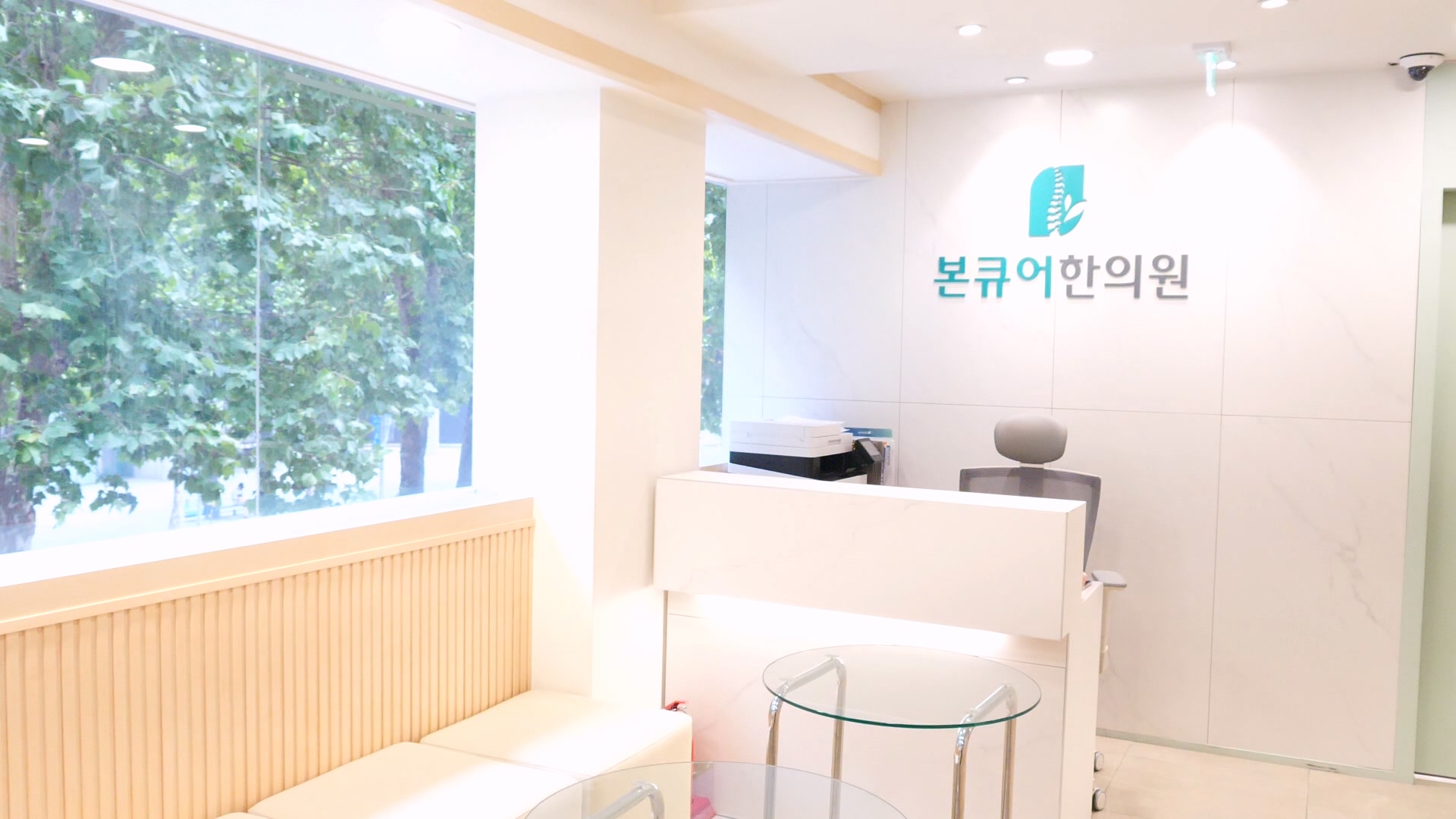
Many patients come to our clinic in Cheongdam suffering from persistent emotional distress, often unaware that the root of their tension lies not in their minds, but in the misalignment of their skeletal structure. Physical alignment is the foundation of neurological health, and when the spine is compromised, the brain remains in a state of high alert. This article explores the clinical relationship between spinal integrity and emotional regulation. Unlike traditional approaches that may delay results, our methodology prioritizes immediate structural change that the patient can feel during the very first visit. By addressing the physical architecture of the body, we create a stable foundation for lasting mental tranquility and neurological recovery.
Understanding the Connection Between Spinal Realignment and Emotional Wellbeing
Emotional wellbeing is defined as a state of psychological health where an individual can manage stress effectively, a process that is biologically dependent on the seamless communication between the brain and the body via the spinal cord. When the spine is properly aligned, the central nervous system functions without mechanical interference, allowing for balanced emotional responses. Conversely, structural deviations can create a state of internal physiological dissonance that manifests as generalized anxiety or chronic irritability. At Bonecure, we focus on identifying these physical stressors to facilitate a more sustainable path toward mental tranquility and overall systemic health. Our diagnostic process is designed to uncover the hidden mechanical triggers of emotional distress, ensuring that we move beyond mere symptom management to address the core structural imbalances that keep the nervous system in a state of perpetual hyper-arousal and fatigue.
The Biological Link Between the Spine and the Autonomic Nervous System
The spinal column serves as the primary conduit for the autonomic nervous system, which governs our involuntary responses to the environment. When vertebrae are misaligned, they can exert mechanical pressure on nerve roots, particularly those associated with the sympathetic nervous system, causing a persistent state of physiological arousal. This structural irritation sends continuous distress signals to the brain, mimicking the sensations of external danger even in safe environments. Clinical observations at Bonecure suggest that correcting these misalignments can significantly reduce the 'noise' within the nervous system. By restoring the physical space required for nerve conduction, we help the body transition from a reactive state to one of homeostasis. This biological recalibration is essential for patients who find that traditional talk therapy or medication provides only partial relief. Our approach recognizes that the mind cannot be at peace if the body is signaling a state of structural emergency through the spinal pathways, necessitating a physical intervention to restore internal peace.
How Spinal Misalignment Triggers Persistent Stress Responses
Persistent stress responses are often the result of a feedback loop where physical tension and neural irritation reinforce one another. When the cervical or thoracic spine loses its natural curvature, the surrounding soft tissues become chronically tight, leading to the formation of adhesions that further restrict movement and compress nerves. This compression triggers the release of stress-related neurotransmitters, effectively locking the patient into a cycle of chronic anxiety. In my clinical experience, patients with an exaggerated thoracic kyphosis or a 'straight neck' often report higher levels of baseline cortisol and a diminished ability to relax. At Bonecure, we utilize structural analysis to pinpoint these mechanical triggers, addressing the physical 'stuckness' that prevents the nervous system from de-escalating. By physically releasing the tension held in the spinal architecture through Acupotomy, we provide the nervous system with the mechanical freedom it needs to exit the fight-or-flight mode, allowing for a natural reduction in the symptoms of chronic stress.
Defining the Role of Structural Restoration in Mental Health
Structural restoration in the context of mental health involves the systematic realignment of the skeletal system to ensure optimal neurological flow and hormonal balance. This process goes beyond simple posture correction; it is about restoring the integrity of the housing that protects our most vital regulatory systems. When the atlas bone or the sacrum is out of position, it can influence the flow of cerebrospinal fluid and the function of the pituitary-adrenal axis, both of which are critical for emotional stability. At Bonecure, we view the spine as the physical anchor of the psyche. In my clinical experience, addressing long-standing structural imbalances has shown that even for patients with chronic symptoms, structural interventions can support a significant shift in emotional resilience. However, individual results may vary depending on the patient's specific condition. By addressing the bones, we provide a stable foundation for the mind to recover, ensuring that we resolve the underlying structural imbalances that contribute to long-term emotional dysregulation.
The Physiological Impact of Correcting Spinal Posture on Anxiety
The physiological impact of correcting spinal posture refers to the cascade of positive biological changes, such as reduced heart rate and lower cortisol levels, that occur when the body's structural frame is returned to its neutral, optimal position. Proper posture allows for deeper diaphragmatic breathing, which is the body's natural mechanism for calming the nervous system. When the spine is aligned, the brain receives signals of safety and stability, leading to a measurable shift in autonomic balance. This structural harmony is a prerequisite for any long-term recovery from stress-related conditions. By focusing on the spine, we are able to influence the most fundamental regulatory centers of the body, providing a sense of physical and mental ease that is often unattainable through psychological intervention alone, particularly when the root cause is a mechanical impingement of the neural pathways that govern emotional health.
Vagus Nerve Activation and the Parasympathetic Nervous System
The vagus nerve is the primary component of the parasympathetic nervous system, responsible for the 'rest and digest' response that counterbalances stress. This nerve travels close to the upper cervical spine, meaning that even slight misalignments in the neck can impede its function. By performing precise spinal realignments, Bonecure helps to decompress the vagus nerve, immediately enhancing its ability to send calming signals to the heart, lungs, and digestive tract. Clinical data suggests that improved vagal tone is directly correlated with reduced anxiety and better emotional regulation. For many patients, the sensation of a 'tight chest' or 'racing heart' is actually a symptom of vagal inhibition caused by poor cervical alignment. Once the structure is corrected, the parasympathetic nervous system can once again perform its regulatory duties, providing a sense of calm that is often described by patients as a profound physical relief during their initial visit. This mechanical activation is a cornerstone of our structural approach.
Reducing Cortisol Levels Through Mechanical Realignment
Cortisol, often known as the stress hormone, is frequently elevated in individuals with chronic spinal tension and poor postural habits. The physical strain of maintaining a misaligned body acts as a constant low-grade stressor, prompting the adrenal glands to produce excess cortisol. Over time, this leads to adrenal fatigue and a heightened state of anxiety. At Bonecure, we have observed that mechanical realignment of the spine reduces the overall load on the musculoskeletal system, which in turn signals the endocrine system to scale back cortisol production. Unlike conventional therapies that might require months of adherence, our goal is to provide immediate physiological feedback to the body. By removing the physical requirement for the body to 'brace' against gravity in an inefficient way, we lower the threshold for stress activation. This hormonal stabilization is a vital benefit of structural therapy, as it allows the body to finally move out of a state of chronic inflammation and into a state of active healing.
Case Observations: Changes in Heart Rate Variability Post-Treatment
Heart Rate Variability (HRV) is a key indicator of autonomic nervous system health and the body's ability to handle stress. Low HRV is commonly associated with anxiety, reflecting a nervous system that is rigid and over-stressed. During my clinical practice at Bonecure, I have utilized HRV monitoring to track the progress of patients. We often see a significant increase in HRV scores following the release of spinal adhesions and the correction of pelvic tilts. For instance, in individual clinical observations, patients with chronic neurological tension and associated anxiety have shown measurable improvements in their physiological distress levels following targeted Acupotomy and realignment sessions. These outcomes highlight the potential for structural work to impact the heart-brain axis immediately, though results are specific to each case. These objective changes in heart rhythm patterns provide clear evidence that structural work has a direct impact on the heart-brain axis. Increased HRV indicates a more flexible, resilient nervous system that is better equipped to handle emotional challenges.
Clinical Approaches to Spinal-Stress Syndrome at Bonecure
Bonecure clinical approaches are specialized protocols that combine traditional Korean medicine with modern structural science to treat the complex interplay between spinal health and chronic stress. We recognize that spinal-stress syndrome is a multifaceted condition that requires more than just a surface-level massage or temporary medication. Our methodology involves deep-tissue micro-dissection using Acupotomy to release long-standing physical adhesions that trap the body in a stress state. By integrating these techniques, we offer a comprehensive solution for patients who have struggled with conventional treatments for their anxiety. Our focus is on achieving immediate, tangible results that patients can perceive as a reduction in internal pressure. By targeting the specific points of neural entrapment along the spinal column, we facilitate a rapid restoration of neurological flow, which is the essential first step in resolving the systemic effects of chronic stress and autonomic dysfunction in the modern patient.
Acupuncture for Back Pain and Its Neurological Benefits
Acupuncture is a sophisticated tool for modulating the nervous system and is particularly effective when applied to the structural landmarks of the spine. At Bonecure, we use specialized acupuncture techniques to target the paraspinal muscles, inducing a deep relaxation response that extends far beyond the site of insertion. This stimulation triggers the release of endorphins, the body's natural painkillers and mood stabilizers. Furthermore, by addressing the back pain that often accompanies chronic stress, we remove a major source of neurological irritation. Patients often report that as their physical pain subsides, their mental fog and anxiety also begin to lift. This is because the brain is no longer being bombarded by nociceptive (pain) signals, allowing it to reallocate resources toward higher-level cognitive and emotional processing. Our clinical focus on the spine ensures that the neurological benefits are maximized, providing a dual-action relief for both physical discomfort and psychological tension, leading to a more balanced and vibrant lifestyle.
Integrating Traditional Korean Medicine Treatment with Structural Correction
The integration of Traditional Korean Medicine (TKM) with structural correction involves a holistic assessment of the patient's vital energy alongside their physical anatomy. At Bonecure, we understand that structural misalignment often leads to energy stagnation, which manifests as emotional heaviness or anxiety. By combining herbal decoctions that support the adrenal glands with manual Chuna therapy and bone alignment, we address the patient on both a biochemical and mechanical level. This synergistic approach is particularly effective for complex cases where both the structure and the internal environment are compromised. For example, cranial-sacral adjustments can influence the entire nervous system by resolving subtle shifts in the skull and spine. By harmonizing the body's internal chemistry with its external structure, we provide a more robust and enduring recovery process. This comprehensive care ensures that the patient’s body is not only aligned but also internally nourished to maintain that alignment and resist the negative effects of future stressors.
The Bonecure Methodology: Structural Alignment and Nervous System Balance
The Bonecure methodology is centered on the principle that the skeletal system is the master regulator of the body's physiological and emotional states. We utilize advanced diagnostic tools, including whole-spine X-rays, to visualize the exact nature of a patient's misalignment before initiating treatment. Our primary intervention, Acupotomy, allows us to precisely target and release the calcified adhesions that hold the spine in a distorted position. This is followed by structural correction to reset the joints and bones into their proper orientation. Our unique combination of micro-dissection and realignment distinguishes Bonecure from general clinics that focus on temporary relief. We prioritize immediate, palpable improvements in the patient's range of motion and internal comfort. By focusing on the 'Structural Medicine' aspect, we provide a clear, evidence-based pathway to recovery. Our goal is to ensure that every patient experiences the profound sense of ease that comes when the bones are finally aligned, allowing for a life free from structural tension.
Comparing Structural Realignment with Conventional Stress Management
Comparing structural realignment with other stress management approaches highlights the focus on the physical and structural aspects of neural health. While various methods target chemical or psychological factors, our structural approach emphasizes the importance of skeletal alignment in supporting the nervous system. While pharmaceuticals and cognitive therapies are valuable, they may not be fully effective if the body is in a constant state of mechanical irritation. A comprehensive approach often requires the stabilization of the physical frame to allow other therapeutic interventions to take hold and provide lasting benefits. By addressing the 'hardware' of the body first, we create a physiological environment where the 'software' of the mind can function correctly. This perspective shift is vital for patients who have plateaued in their recovery through traditional means, as it offers a tangible, mechanical explanation for their persistent symptoms and a clear, physical method for resolving them through targeted structural intervention.
Structural Balancing vs. Pharmaceutical Anxiety Management
Pharmaceutical anxiety management typically involves the use of SSRIs or benzodiazepines to alter brain chemistry. While these can be life-saving, they do not address the physical reality of a misaligned spine that may be continuously triggering a stress response. Structural balancing at Bonecure seeks to remove the mechanical cause of the anxiety by correcting the skeletal deviations that irritate the nervous system. This is a non-pharmacological approach that aims for long-term physiological stability. In many clinical cases, we have found that patients achieve a more sustainable sense of calm by fixing their posture than by relying solely on medication. This is not to say that medication should be avoided, but rather that structural health should be considered a vital component of any treatment plan. By balancing the bones, we provide a natural way for the body to regulate its own chemistry, reducing the need for external chemical intervention and fostering a deeper, more organic sense of internal peace.
Long-term Stability: Realignment vs. Symptomatic Relief
Symptomatic relief, such as an occasional massage, offers a brief respite from stress but often fails to prevent the symptoms from returning because the underlying structural issue remains. Realignment therapy at Bonecure is designed for stability by physically changing the body's architectural foundation. Unlike clinics that suggest long, mandatory treatment blocks, we focus on the fact that structural improvement should be immediate. If a treatment is effective, the patient should feel the change in their body instantly. We release deep-seated adhesions and reset the vertebrae to create a new physical baseline. This structural change is more permanent because it addresses the physical hardware of the nervous system. While chronic cases require individualized follow-up to stabilize the new alignment, our priority is ensuring that each session provides a clear pre-treatment and post-treatment difference. By investing in mechanical integrity, patients gain a level of resilience that symptomatic treatments simply cannot provide, leading to a definitive end to the cycle of tension.
Comparative Table: Modalities of Stress and Pain Intervention
| Feature | Structural Realignment (Bonecure) | Conventional Pharmaceutical | Standard Physical Therapy |
|---|---|---|---|
| Primary Focus | Skeletal alignment & Nerve flow | Neurochemical balance | Muscle strengthening |
| Target Issue | Deep adhesions & Bone position | Symptom suppression | Soft tissue flexibility |
| Mechanism | Acupotomy & Structural Reset | Chemical modulation | Exercise & Stretching |
| Durability | High (Addresses root cause) | Moderate (Requires ongoing use) | Moderate (Requires daily effort) |
| Neurological Impact | Direct ANS regulation | Indirect brain chemistry shift | Peripheral nerve relief |
Therapeutic Modalities for Comprehensive Recovery in Cheongdam
Therapeutic modalities for comprehensive recovery in Cheongdam include a range of supportive treatments like moxibustion and cupping that enhance the effects of structural realignment by improving circulation and soothing the mind. These therapies are used at Bonecure to provide a multi-layered healing experience, ensuring that every aspect of the patient's stress response is addressed. By combining these traditional methods with modern structural correction, we create an environment where the body can heal deeply and thoroughly, leading to a state of complete restoration. We believe that true health is achieved when the physical structure and the internal energetic state are in perfect harmony. Our clinic provides a serene, professional atmosphere where patients can undergo these transformative treatments with the confidence that they are receiving the highest level of specialized care, tailored specifically to their unique structural needs and their goals for long-term emotional and physical wellbeing in a stressful world.
Moxibustion Therapy and Its Calming Effects on the Mind
Moxibustion involves the application of thermal heat from burning mugwort on specific acupoints to stimulate blood flow. In our clinic, we find that this therapy is particularly beneficial for patients who experience stagnation in their abdomen due to chronic stress. The gentle, penetrating heat of moxibustion has a profound grounding effect, helping to draw the patient's energy away from a hyper-active mind and back into the physical body. This helps to quiet the 'monkey mind' often associated with anxiety. At Bonecure, moxibustion is often used as a follow-up to structural realignment, as it helps to soften the tissues and enhance the body's receptivity to correction. The calming scent and warmth provide an immediate sensory signal to the brain that it is safe to relax. For many, this therapy provides the first moment of true stillness they have experienced in years, making it an essential tool in our comprehensive stress-management protocol for restoring autonomic balance.
Cupping Therapy and Myofascial Release for Tension Reduction
Cupping therapy is a powerful method for myofascial release, using suction to lift the skin and muscle layers, thereby increasing circulation and breaking up stagnant fluids. When the body is under chronic stress, the fascia becomes tight, essentially 'shrink-wrapping' the muscles and bones into a distorted state. At Bonecure, we use cupping to physically pull this tension out of the body, providing immediate relief from the heavy, constricted feeling that anxiety produces. This process complements our structural work by ensuring that the soft tissues do not pull the bones back into misalignment. The visible marks left by cupping are a sign of the increased blood flow to the area, indicating that the body's natural healing mechanisms have been activated. By combining cupping with our core realignment techniques, we ensure a more thorough and comfortable recovery. This dual approach of addressing both the hard (bone) and soft (fascia) components allows us to achieve significant and lasting results in stress reduction.
Safety Guidelines and Potential Side Effects of Clinical Interventions
While our treatments at Bonecure are designed to be safe and effective, it is important to acknowledge that every clinical intervention carries certain limitations and potential side effects. Patients may experience temporary soreness, fatigue, or localized bruising following an Acupotomy or cupping session, as these are natural parts of the body's healing response. In rare cases, minor infections or prolonged sensitivity may occur, though these risks are minimized through our strict sterilization protocols and the use of disposable needles. It is also vital to understand that results vary significantly between individuals; while many feel immediate relief, chronic conditions may require tailored follow-up care to fully stabilize. We always conduct a thorough medical history review to ensure that our structural treatments are appropriate for your specific health status. Patients taking blood thinners must be particularly careful. By maintaining open communication and following our post-treatment care guidelines, you can ensure a safe and successful journey toward structural and emotional balance.
Frequently Asked Questions
Q. Can spinal realignment truly help reduce chronic anxiety symptoms?
Yes, it can. Misalignment in the cervical and thoracic spine can irritate the sympathetic nervous system, keeping the body in a constant 'fight or flight' state. By restoring internal structural balance at Bonecure, we help normalize nervous system signals, often leading to a significant reduction in physiological anxiety markers. We focus on providing immediate improvement that you can feel after your treatment. However, individual results vary depending on your specific condition.
Q. How many sessions are typically required to see an improvement in stress levels?
Our philosophy at Bonecure is built on immediate results. Unlike conventional clinics that might suggest a fixed course of 10 or 20 sessions before seeing changes, we prioritize treatments that produce noticeable shifts in tension and alignment from the very first visit. While long-term stability for chronic issues may require periodic follow-up care, the initial improvement should be palpable and immediate. A personalized consultation is necessary to determine your specific needs.
Q. Is acupuncture for back pain safe for someone with severe anxiety?
Acupuncture is widely recognized for its ability to induce a relaxation response. In our clinic, we use specialized, gentle techniques to ensure comfort. While the process is generally calming, some patients may experience minor, temporary bruising or localized sensitivity. We prioritize a quiet environment to help anxious patients feel at ease, ensuring that the physical release of tension directly supports a reduction in psychological distress.
Q. Are there any side effects to the spinal realignment procedures?
Minor side effects can include temporary soreness, fatigue as the body adjusts, or localized tenderness. Rare risks such as minor infection or bruising are mitigated by our strict sterilized protocols. It is important to discuss your full medical history with your Korean medicine doctor before starting treatment to ensure the safest possible outcome, as individual responses to structural correction can vary.
Q. How does moxibustion therapy in Seoul differ from Western stress treatments?
Moxibustion utilizes thermal stimulation on specific acupoints to enhance blood circulation. Unlike purely psychological interventions, it addresses the physical 'coldness' or stagnation often found in patients with chronic stress, providing a holistic somatic grounding effect. It works physically to calm the nervous system, providing a complementary path to relief compared to talk therapy by focusing on the body's internal energetic balance.
Q. What is the cost of a comprehensive spinal and anxiety consultation?
Our treatment approach focuses on structural integrity as a foundation for health. For specific pricing and details regarding the diagnostic process, we recommend contacting Bonecure directly. This allows us to provide a cost estimate tailored to your specific diagnostic results and the complexity of your structural needs, ensuring you receive the most efficient and effective care possible for your situation.
Q. Can I receive these treatments if I am already taking anti-anxiety medication?
Traditional Korean medicine treatments are generally compatible with Western medications. Our goal at Bonecure is to provide complementary structural support that may improve your overall resilience and the effectiveness of your current management plan. Always inform your practitioner of all medications you are currently taking to ensure a balanced, safe, and well-coordinated treatment strategy that addresses both your chemical and structural health.
Key Takeaways
- Neurological Link: Spinal misalignment acts as a constant physical stressor; realignment helps restore parasympathetic balance immediately.
- Hormonal Balance: Correcting posture can lead to a measurable reduction in cortisol levels and an increase in Heart Rate Variability (HRV), signaling a calmer body.
- Immediate Improvement: Unlike long-term fixed treatment plans, Bonecure focuses on tangible pre-and-post-treatment changes that patients can feel from the first visit.
- Holistic Integration: Combining structural correction with moxibustion and TKM ensures that both the 'hardware' (bones) and 'software' (energy) of the body are treated.
- Patient-Centered Safety: While treatments are generally safe, individual results vary, and minor side effects like soreness are a normal part of the structural healing process.
For those seeking a path out of chronic stress through structural integrity, please contact us for a detailed assessment.
Bonecure / Director Song Jung-hyun
FAQ
- Can spinal realignment truly help reduce chronic anxiety symptoms?
- Yes, it can. Misalignment in the cervical and thoracic spine can irritate the sympathetic nervous system, keeping the body in a constant 'fight or flight' state. By restoring internal structural balance at Bonecure, we help normalize nervous system signals, often leading to a significant reduction in physiological anxiety markers. However, it is important to remember that individual results vary depending on the chronicity of the condition.
- How many sessions are typically required to see an improvement in stress levels?
- While some patients show immediate relief in physical tension after a single session, chronic stress-related structural issues usually require a cumulative approach. A typical course involves around 20 sessions to ensure the spine maintains its new alignment and the nervous system fully stabilizes. A personalized consultation with Director Song Jung-hyun is necessary to determine a specific timeline for your recovery.
- Is acupuncture for back pain safe for someone with severe anxiety?
- Acupuncture is widely recognized for its ability to induce a relaxation response by stimulating specific neuroanatomical points. In our clinic, we use specialized, gentle techniques to ensure patient comfort. While the process is generally calming, some patients may experience minor, temporary bruising or localized sensitivity at the insertion site. We prioritize a quiet, supportive environment to help anxious patients feel at ease.
- Are there any side effects to the spinal realignment procedures?
- Minor side effects can include temporary soreness, fatigue as the body adjusts to its new alignment, or localized tenderness. Rare risks such as minor infection or bruising are mitigated by our strict sterilized protocols and use of disposable tools. It is important to discuss your full medical history with your Korean medicine doctor before starting treatment to ensure the safest possible outcome.
- How does moxibustion therapy in Seoul differ from Western stress treatments?
- Moxibustion utilizes thermal stimulation on specific acupoints to enhance blood circulation and energy flow. Unlike purely psychological interventions, it addresses the physical 'coldness' or stagnation often found in patients with chronic stress, providing a holistic somatic grounding effect. It works physically to calm the nervous system, providing a different but complementary path to relief compared to talk therapy.
- What is the cost of a comprehensive spinal and anxiety consultation?
- The value of our treatment lies in addressing the root structural cause rather than just masking symptoms. For specific pricing and details regarding the diagnostic process, we recommend contacting Bonecure directly for a consultation. This allows us to provide a cost estimate tailored to your specific diagnostic results and the complexity of your structural needs.
- Can I receive these treatments if I am already taking anti-anxiety medication?
- Traditional Korean medicine treatments are generally compatible with Western medications. Our goal at Bonecure is to provide complementary structural support that may improve your overall resilience and the effectiveness of your current management plan. Always inform your practitioner of all medications you are currently taking to ensure a balanced, safe, and well-coordinated treatment strategy.