
Post
A 2026 Clinical Guide to Korean Traditional Medicine and Structural Alignment of the Skull and Spine
Hello. I am Dr. Song Jeong-hyun, an oriental medical doctor who has focused on acupotomy and structural correction for many years. Korean Traditional Medicine is a holistic healthcare system that prioritizes the balance of the body's internal and external structures to facilitate natural healing and long-term vitality.
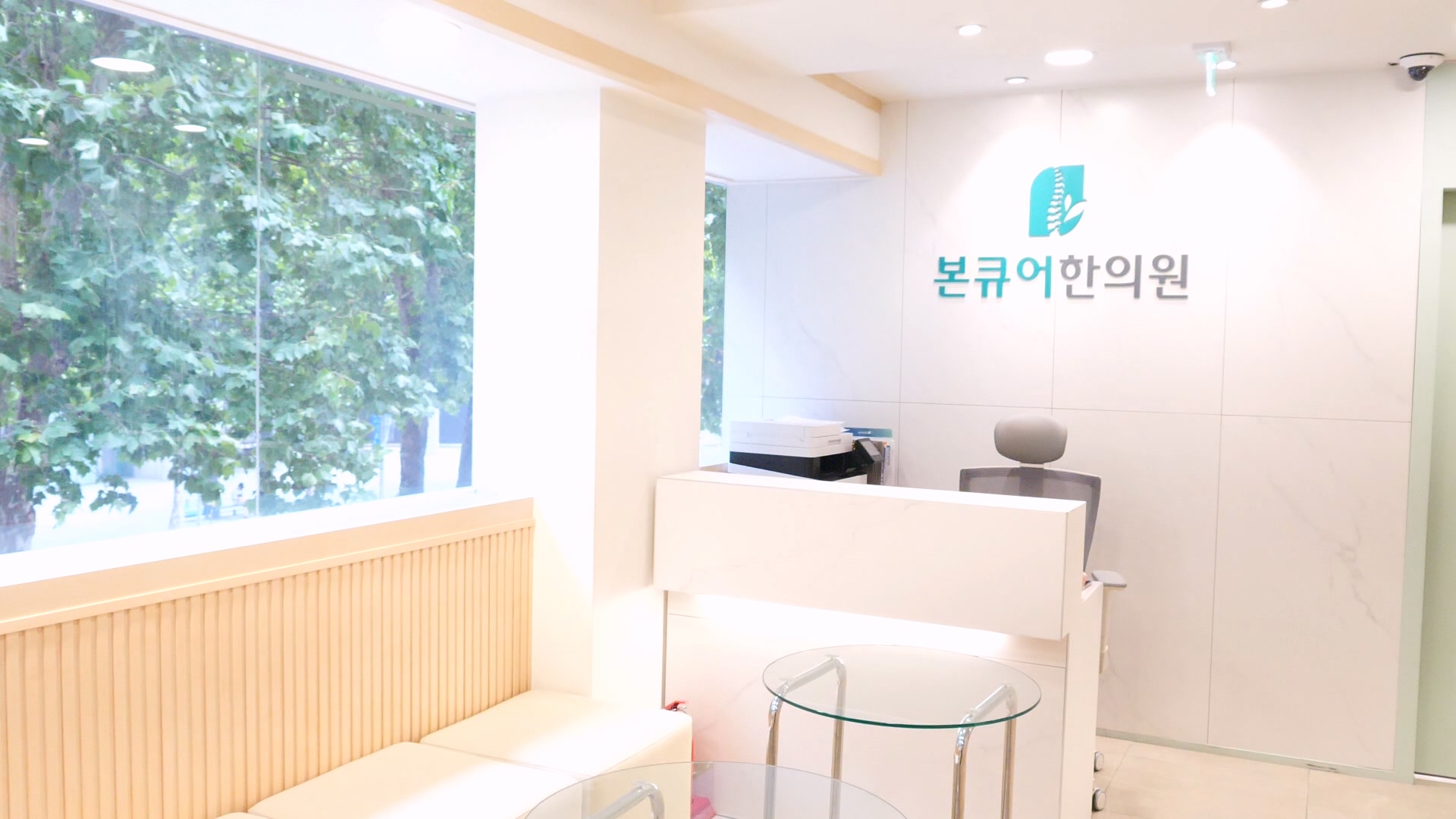
In this guide, we will examine how modern structural analysis and traditional techniques work together to address complex musculoskeletal and systemic disorders.
Understanding the Foundations of Korean Traditional Medicine (KTM)
Korean Traditional Medicine (KTM) is defined as a comprehensive medical approach that views the human body as a unified system where structural integrity and internal physiological functions are deeply interconnected. This system utilizes diagnostic methods such as pulse examination and structural palpation to identify the root causes of disease rather than simply treating isolated symptoms on the surface.
The Philosophy of Structural Balance and Bone Health
The philosophy of structural balance in Korean Traditional Medicine centers on the belief that a well-aligned skeletal system is the fundamental pillar of overall health. When the spine and joints are properly positioned, the flow of energy and blood remains unobstructed, allowing the body to maintain its own equilibrium. At BonCure, we believe that structural deviations are not just physical misalignments but indicators of systemic stress that can lead to chronic inflammation. By focusing on the alignment of the skull and spine, our practice aims to restore the natural symmetry that supports healthy nerve function and organ vitality. This holistic view recognizes that even a minor misalignment in the upper cervical region or the pelvis can cause a ripple effect, leading to systemic issues or functional imbalances. Therefore, our clinical approach prioritizes the stabilization of the central axis to ensure that every internal system can function at its highest possible capacity without interference from mechanical constraints or structural pressure.
How BonCure Integrates Tradition with Modern Structural Analysis
At BonCure, we combine traditional wisdom with modern diagnostic technologies to provide a more precise and evidence-based treatment experience. While traditional pulse diagnosis offers insights into the internal state of the organs, we utilize whole-spine X-ray analysis to objectively measure the degree of spinal curvature and joint misalignment. This integration allows us to see exactly how structural issues correlate with the patient’s symptoms, which may help in managing chronic conditions by addressing underlying physical imbalances. By mapping these physical findings against traditional meridian points, we develop a personalized treatment plan that is both scientifically sound and culturally rooted. Our clinic uses digital analysis to track progress over multiple sessions, providing patients with visual proof of their structural changes. This dual approach ensures that we are not relying on intuition alone, but rather on a rigorous combination of clinical observation and modern imaging to guide our acupotomy and Chuna therapy interventions effectively.
The Core Principle: When Your Bones Smile, Life Smiles
The core principle of our practice is encapsulated in the phrase "When your bones smile, life smiles," which reflects the profound connection between physical alignment and emotional well-being. This philosophy suggests that when the physical body is free from the constraints of pain and structural distortion, the individual can experience a higher quality of life and greater mental clarity. At BonCure, we observe that patients who achieve better spinal alignment often report improved mood and reduced levels of systemic anxiety. This is not a coincidence; rather, it is the result of reducing the constant stress that chronic pain places on the nervous system. Our goal is to move beyond temporary relief and work toward a state of lasting physical harmony. By restoring the natural curves of the neck and back, we help our patients regain the freedom of movement necessary for a vibrant life. We view structural health as the foundation upon which all other aspects of wellness are built for long-term resilience.
Specialized Acupuncture for Back Pain and Chronic Conditions
Specialized acupuncture techniques for back pain involve the use of precision tools to target deep-seated adhesions and structural blockages that contribute to persistent discomfort. These advanced methods go beyond superficial needle insertion to actively release the tension held within the ligaments and tendons surrounding the spinal column.
Acupotomy (Do-chim): Releasing Adhesions for Nerve Decompression
Acupotomy, also known as Do-chim, is a specialized form of acupuncture that utilizes a small, chisel-like needle to physically break down internal adhesions and fibrotic tissue. This technique is particularly effective for chronic conditions where standard acupuncture may not provide sufficient relief. By targeting the stiffened ligaments that compress nerves, BonCure can help facilitate a reduction in pain and an increase in range of motion. For instance, in clinical observations, releasing adhesions around the upper cervical spine has helped alleviate symptoms of bradykinesia (slow movement) in certain patients by reducing structural interference. It is important to note that because this procedure involves the mechanical separation of tissues, patients may experience temporary soreness or minor bruising at the site of treatment. However, these effects are typically transient, and the long-term benefit of decompressing the nervous system often outweighs the initial discomfort. Acupotomy represents a bridge between traditional needle therapy and minor surgical intervention, offering a non-surgical alternative for structural recovery.
Integrating Chronic Pain Management Acupuncture with Chuna Therapy
To achieve optimal results, we often combine chronic pain management acupuncture with Chuna manual therapy to address both soft tissue tension and skeletal misalignment. Chuna therapy is a traditional Korean manipulative technique that involves the hand-guided realignment of the spine and joints. When paired with acupotomy, it helps the body adapt to the structural changes initiated by the release of adhesions. At BonCure, we have found that this synergy is essential for patients suffering from complex structural disorders. For example, a series of integrated therapy sessions may assist in improving spinal curvature, though the exact number of treatments required depends on the individual's specific condition and response to care. This combined approach ensures that we are treating the muscles, ligaments, and bones simultaneously, creating a more stable and lasting correction. By addressing the soft tissue tension first through acupuncture, the subsequent manual adjustments in Chuna therapy become more effective and are better retained by the body over time.
Scientific Clinical Notes on Restoring Spine Alignment
Clinical data and case reports provide the foundation for our structural correction protocols, showing how specific interventions lead to measurable improvements in patient health. In my own clinical practice, I have documented cases where patients with spinal curvature issues experienced relief from systemic symptoms like dizziness or dorsal burning sensations (Baeyeoljeung) after structural realignment. Clinical observations have shown that targeted treatments can lead to a measurable reduction in tinnitus symptoms on standardized evaluation scales for certain individuals. These results are achieved by focusing on the relationship between the skull, the cervical spine, and the flow of cerebrospinal fluid. While individual results can vary and no specific outcome is guaranteed for every person, these clinical notes highlight the potential of KTM to address intractable conditions. We prioritize the collection of objective data, such as X-ray changes and pain scale metrics, to ensure that our treatments remain consistent with the highest standards of professional care.
Comprehensive Diagnosis at BonCure Clinic Cheongdam-dong
Comprehensive diagnosis at our clinic involves a multi-dimensional assessment of the patient’s physical structure, internal vitality, and metabolic health. This process ensures that every treatment plan is tailored to the unique physiological needs and structural requirements of the individual.
Pulse Diagnosis Consultation for Systemic Health Assessment
A pulse diagnosis consultation is a traditional diagnostic method where I evaluate the rhythm, strength, and quality of the arterial pulse to gain insight into the state of the internal organs. This procedure allows us to identify underlying imbalances, such as blood stasis or energy deficiency, that may be hindering the healing process. At BonCure, we use this information to determine whether a patient requires internal support, such as herbal medicine, in addition to structural therapy. For many, structural pain is exacerbated by internal inflammation or poor circulation, which can be detected through careful pulse palpation. By understanding the systemic environment, we can better predict how a patient will respond to physical treatments like acupotomy. This diagnostic step is essential for creating a holistic map of the patient’s health, ensuring that we are not just fixing a joint, but supporting the entire biological system.
Personalized Herbal Medicine Consultation in Seoul
During a personalized herbal medicine consultation, we formulate specific prescriptions to reduce systemic inflammation and support the regeneration of tissues. These herbal remedies are designed to complement the structural work performed in the clinic, helping to maintain the results of Chuna therapy and acupuncture. At BonCure, we select high-quality herbs based on the patient’s specific constitution and current symptoms. For individuals with chronic pain, we may focus on herbs that improve microcirculation and clear metabolic waste from the joints. The integration of herbal medicine is particularly useful for patients undergoing metabolic support programs. By cleansing the internal environment, we make the physical structure more receptive to correction and reduce the likelihood of recurring inflammation. This internal-external approach is a hallmark of Professional Guide to Structural Alignment and Acupotomy in Cheongdam-dong (2026), where we strive to provide the most comprehensive care possible for our international and local patients in Seoul.
Synergy Between Structural Realignment and Internal Recovery
The synergy between structural realignment and internal recovery is the key to resolving chronic, long-term health issues that have not responded to conventional treatments. When the body's structure is aligned, the internal organs have the space and neurological support they need to function optimally. Conversely, when the internal organs are healthy and inflammation is low, the muscles and ligaments are less likely to pull the skeleton out of alignment. At BonCure, we focus on this feedback loop to ensure comprehensive healing. We have observed that patients who address their Non-Surgical Herniated Disc Treatment through both physical alignment and nutritional support tend to recover more efficiently. This dual focus is especially important for complex cases like autonomic nervous system disorders, where the relationship between the spine and internal regulation is critical. By balancing both the "container" (the bones) and the "contents" (the organs and nerves), we help our patients achieve a state of health that is both profound and sustainable.
Comparing Traditional Approaches: KTM vs. Conventional Physical Therapy
When choosing a treatment path, it is important to understand how different modalities approach the body. While both KTM and physical therapy aim to restore function, their methodologies and focus areas differ significantly.
| Feature | Korean Traditional Medicine (BonCure) | Conventional Physical Therapy |
|---|---|---|
| Core Focus | Holistic skull, spine, and internal balance | Mobility and strength-based rehabilitation |
| Primary Tools | Acupotomy, Chuna, Herbal Medicine | Exercise, Ultrasound, Manual Therapy |
| Adhesion Treatment | Mechanical release via specialized tools | Stretching and soft tissue mobilization |
| Diagnostic Method | Pulse diagnosis + X-ray analysis | Physical exams + Imaging (MRI/X-ray) |
| Internal Support | Customized herbal formulas for recovery | Focus on physical exercises and modalities |
| Treatment Goal | Root cause resolution and systemic harmony | Pain management and functional restoration |
Frequently Asked Questions
Q. What is the primary difference between Korean Traditional Medicine and standard acupuncture?
Korean Traditional Medicine (KTM) emphasizes the holistic balance of the entire body structure rather than just symptom relief. At BonCure, we focus on structural alignment of the skull and spine and the release of tissue adhesions through advanced techniques like Acupotomy, ensuring that the internal flow of energy and blood is supported by a healthy skeletal frame.
Q. Is acupuncture for back pain effective for chronic conditions?
Yes, specialized acupuncture is utilized for chronic pain management. At our Cheongdam clinic, we specifically use Acupotomy to treat stubborn adhesions that standard needles may not reach. However, results are not typical for every patient, and the number of sessions required depends on the severity and chronicity of the condition. We always conduct a thorough initial assessment to determine the most appropriate approach for your specific needs.
Q. What should I expect during a Pulse Diagnosis Consultation at BonCure?
During a Pulse Diagnosis, Dr. Song Jeong-hyun evaluates the state of your internal organs and overall vitality by checking the arterial pulse. This diagnostic step allows us to tailor a specific treatment plan, which may include structural therapy or customized herbal medicine, to address the root cause of your discomfort. It is a painless process that provides a deep understanding of your body's current physiological state.
Q. Are there any side effects associated with specialized acupuncture treatments?
While generally safe when performed by a licensed professional, some patients may experience temporary soreness, minor bruising, or light bleeding at the insertion site. In very rare cases, infection can occur, though we maintain strict sterile procedures to minimize these risks. We provide detailed aftercare instructions to ensure your recovery process is as smooth as possible after every session.
Q. How long does a Typical Herbal Support Program take?
The duration of our herbal programs varies based on individual health goals and constitutional types. Most programs range from one to four weeks and are designed to support the metabolic system and reduce systemic inflammation. A personal consultation is required to determine the best path for your body, as the intensity and focus of the program will be customized to your specific needs.
Q. Does BonCure provide scientific evidence for its clinical results?
Dr. Song Jeong-hyun has authored various clinical case reports on conditions such as spinal misalignment, tinnitus, and autonomic nervous system disorders. While these reports demonstrate improvements in specific patients, please note that these are individual case studies and results may vary. They provide evidence of clinical experience but do not guarantee the same outcome for all individuals.
Q. Where is BonCure located, and do I need an appointment?
BonCure is a clinic located in Cheongdam-dong (767 Samseong-ro), Seoul. To ensure quality care and personalized attention, we operate on a consultation basis and require appointments. You can contact our office to discuss the value of our treatments and schedule a session for a comprehensive structural and herbal medicine assessment.
Key Takeaways
- Holistic Balance: KTM focuses on the deep connection between the alignment of the skull and spine and internal organ health.
- Advanced Techniques: BonCure utilizes specialized Acupotomy (Do-chim) to mechanically release internal adhesions that cause nerve compression and pain.
- Integrated Diagnostics: Treatments are guided by a combination of traditional pulse diagnosis and modern whole-spine X-ray analysis for precise structural mapping.
- Clinical Efficacy: Clinical observations have shown that releasing adhesions can alleviate symptoms like bradykinesia and dorsal burning sensations in specific cases.
- Patient-Centered Care: Every plan is tailored to the individual, recognizing that the recovery journey is unique to each patient's specific health status.
For those seeking a deeper resolution to chronic pain and structural issues, I invite you to experience the integration of tradition and science.
BonCure Korean Medicine Clinic / Dr. Song Jeong-hyun
FAQ
- What is the primary difference between Korean Traditional Medicine and standard acupuncture?
- Korean Traditional Medicine (KTM) emphasizes the holistic balance of the entire body structure rather than just symptom relief. At Bonecure, we focus on structural alignment and the release of tissue adhesions through advanced techniques like Acupotomy, ensuring that the internal flow of energy and blood is supported by a healthy skeletal frame. This means we look at how your neck alignment might be affecting your digestion, whereas standard acupuncture might only focus on the local area of pain.
- Is acupuncture for back pain effective for chronic conditions?
- Yes, specialized acupuncture is widely utilized for chronic pain management. At our Cheongdam clinic, we specifically use Acupotomy to treat stubborn adhesions that standard needles may not reach. However, results are not typical for every patient, and the number of sessions required depends on the severity and chronicity of the condition. We always conduct a thorough initial assessment to determine the most appropriate approach for your specific chronic issues.
- What should I expect during a Pulse Diagnosis Consultation at Bonecure?
- During a Pulse Diagnosis, Dr. Song Jeong-hyun evaluates the state of your internal organs and overall vitality by checking the arterial pulse. This diagnostic step allows us to tailor a specific treatment plan, which may include structural therapy or customized herbal medicine, to address the root cause of your discomfort. It is a painless process that provides a deep understanding of your body's current physiological state and energy levels.
- Are there any side effects associated with specialized acupuncture treatments?
- While generally safe when performed by a licensed professional like Dr. Song Jeong-hyun, some patients may experience temporary soreness, minor bruising, or light bleeding at the insertion site. In very rare cases, infection can occur, though we maintain strict sterile procedures to minimize these risks. We provide detailed aftercare instructions to ensure that your recovery process is as smooth and comfortable as possible after every session.
- How long does the Traditional Korean Detox Program take?
- The duration of our detox program varies based on individual health goals and constitutional types. Most programs range from one to four weeks and are designed to reset the metabolic system and reduce systemic inflammation through herbal support and dietary guidance. A personal consultation is required to determine the best path for your body, as the intensity and focus of the detox will be customized to your specific needs.
- Does Bonecure provide scientific evidence for its clinical results?
- Dr. Song Jeong-hyun has authored various clinical case reports on conditions such as spinal misalignment, tinnitus, and autonomic nervous system disorders to provide a foundation for our methods. While these reports demonstrate significant improvements in specific patients—such as reducing chronic pain scales significantly—please note that these are individual case studies. They provide evidence of what is possible but do not guarantee the same outcome for all individuals due to the unique nature of each body.
- Where is Bonecure located, and do I need an appointment for a consultation?
- Bonecure is a premier Wellness Clinic located in Cheongdam-dong, Seoul. To ensure quality care and personalized attention for every patient, we operate strictly on a consultation basis and require appointments. You can contact our office to discuss the value of our treatments and schedule a session for a comprehensive structural and herbal medicine assessment with our professional medical staff.