
Post
Dr. Song Jeong-hyeon: Advanced Structural Recovery and Acupotomy at Bonecure 2026
Dr. Song Jeong-hyeon is a specialized Oriental Medical Doctor in Seoul dedicated to restoring structural integrity through integrative Korean medicine.
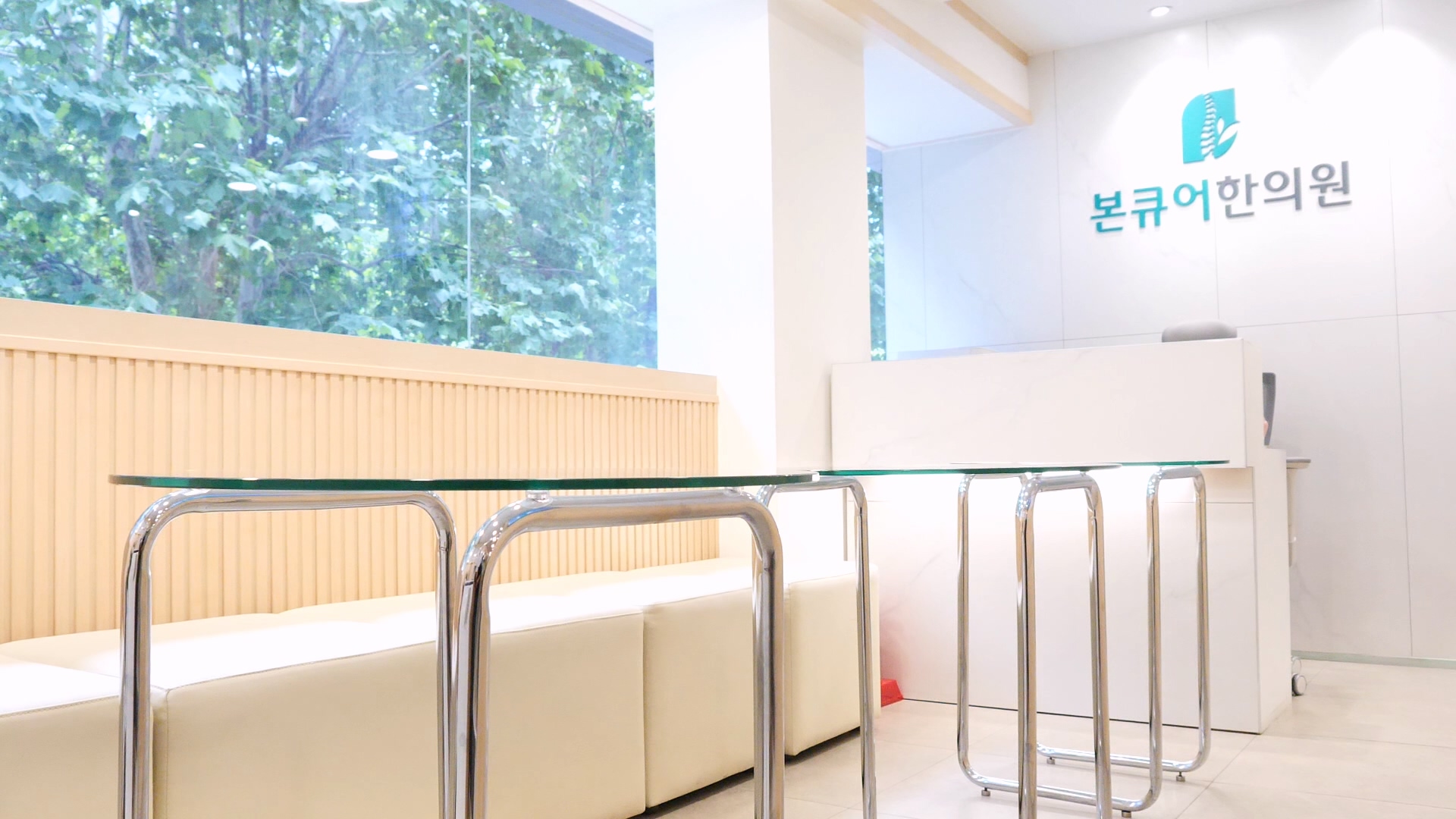
By combining advanced acupotomy techniques with comprehensive spinal alignment, Bonecure offers a scientific pathway to recovery for patients suffering from chronic pain and autonomic dysregulation. This 2026 guide highlights the clinical philosophy and evidence-based treatments provided at our Gangnam-based medical center.
Who is Dr. Song Jeong-hyeon and the Bonecure Philosophy
Dr. Song Jeong-hyeon represents a new generation of integrative medical practitioners who prioritize the objective restoration of physical structures to improve overall health outcomes. His approach focuses on the realization that musculoskeletal misalignment often serves as the hidden root of both localized pain and systemic internal disorders.
A Specialized Oriental Medical Doctor in Seoul Dedicated to Structural Recovery
Dr. Song Jeong-hyeon is widely recognized for his clinical expertise in treating intractable disorders through structural restoration and specialized acupotomy. At Bonecure, he applies a rigorous scientific framework to traditional practices, ensuring that every intervention is grounded in measurable data. His professional journey is marked by numerous published clinical case reports, including documented improvements in idiopathic scoliosis and complex autonomic dysregulation. By utilizing Whole Spine X-ray analysis, he provides patients with visual evidence of their structural changes, moving beyond subjective reports of feeling better. This focus on objective verification is a hallmark of his practice in Seoul, where he serves both local residents and international patients seeking high-impact recovery. At Bonecure, the focus is on releasing deep-seated tissue adhesions to support the body's long-term healing process and structural integrity. Each treatment plan is customized based on a thorough physical assessment and evaluation of internal organ function to ensure the highest standard of personalized care for every individual who enters the clinic.
The Core Principle: When Your Bones Smile, Life Smiles
Inside the clinical environment of Bonecure, the central philosophy is encapsulated by the phrase, "When your bones smile, life smiles." This mantra reflects the deep connection between physical alignment and emotional well-being, suggesting that a balanced body is the foundation for a fulfilling life. Dr. Song Jeong-hyeon believes that chronic pain does more than just hurt; it restricts a person's ability to engage with the world, leading to psychological distress and reduced vitality. By restoring the natural curves of the spine and ensuring the skull is correctly positioned, the clinic aims to optimize the flow of nerve signals. This structural harmony often results in a significant reduction in stress markers, as observed in several clinical case reports involving post-concussion syndrome and chronic fatigue. While individual results may vary, the goal is always to empower patients to reclaim their daily activities without the burden of constant physical discomfort. This holistic perspective ensures that treatment addresses the whole person rather than just a collection of symptoms.
Introduction to Bonecure Integrative Medical Center in Gangnam
Bonecure is a contemporary medical center located in the heart of Cheongdam-dong, Gangnam, designed to provide a serene and professional atmosphere for healing. The facility integrates modern diagnostic tools with traditional therapeutic modalities to create a unique healthcare experience. Dr. Song Jeong-hyeon has established a sterile and focused environment where patients feel respected and heard during their recovery journey. The center is particularly noted for its expertise in Chuna manual therapy and pharmacopuncture, which support the structural adjustments made during acupotomy sessions. Many professionals in the Seoul metropolitan area seek out this clinic for its reputation in handling complex cases that have not responded to conventional treatments elsewhere. Whether it is an international patient needing rapid relief before a flight or a local resident managing a long-term spinal condition, the clinic provides a sustainable vitality plan through personalized herbal medicine and structural correction, ensuring that the body’s internal environment supports its structural improvements effectively over time.
The Clinical Philosophy of Dr. Song Jeong-hyun at BonCure Clinic
Scientific Approach to Chronic Pain Management Acupuncture
Acupotomy is a specialized form of acupuncture that utilizes a small, blade-like needle to perform micro-surgery on hardened tissues and adhesions that traditional needles cannot reach. This procedure aims to physically release trapped nerves and restore blood flow to areas of chronic inflammation, facilitating natural tissue regeneration.
| Feature | Traditional Acupuncture | Advanced Acupotomy (Bonecure) |
|---|---|---|
| Tool Type | Filiform Needle (Thin) | Specialized Blade-tipped Needle |
| Primary Goal | Qi Balance / Muscle Relaxation | Adhesion Release / Structural Decompression |
| Tissue Impact | Superficial / Point-based | Deep Tissue / Mechanical Release |
| Case Suitability | Acute Pain / Stress Relief | Chronic Pain / Rigid Ligaments / Scar Tissue |
| Recovery Focus | Energetic Flow | Structural Alignment & Regeneration |
Understanding Acupotomy: Adhesion Release and Tissue Regeneration
At Bonecure, acupotomy is employed as a precise tool for decompressing the spine and joints by targeting rigid ligaments and fibrotic tissues. Dr. Song Jeong-hyeon explains that chronic inflammation often leads to the formation of adhesions, which act like internal glue, restricting movement and causing persistent pain. By carefully releasing these structures, the procedure allows for immediate improvements in mobility and a reduction in pressure on sensitive nerve roots. It is important to note that while this treatment is highly effective, it may cause temporary localized pain, minor bruising, or very rarely, infection at the site, all of which are managed within our sterile clinical setting. The mechanical stimulation also triggers a regenerative response, encouraging the body to replace damaged fibers with healthy, flexible tissue. Patients often report a sensation of reduced pressure or lightness in the affected area following the release of long-standing adhesions, though individual experiences may vary. However, for chronic conditions that have persisted for years, a series of treatments is typically required to achieve lasting structural stability and functional recovery.
Evidence-Based Traditional Medicine Clinical Notes and Case Studies
Dr. Song Jeong-hyeon maintains a strong commitment to evidence-based practice, documenting successes in treating intractable disorders. Clinical case reports, such as those involving chronic tinnitus, suggest that targeted structural treatment may assist in managing persistent symptoms by addressing underlying physical tensions. However, results are specific to each case and do not guarantee the same outcome for all patients. In certain clinical observations involving Meniere's disease, patients have reported improvements in their condition following a structured course of integrated cervical alignment and acupotomy. Bonecure also utilizes objective indicators such as the Beck Anxiety Scale and gastrointestinal function tests to monitor systemic improvements. By publishing these clinical observations, the clinic contributes to the broader understanding of how spinal health influences complex conditions like sudden hearing loss or idiopathic scoliosis. This data-driven approach ensures that each patient receives a treatment plan based on clinical outcomes and rigorous structural analysis.
A 2026 Clinical Guide to Acupotomy and Structural Recovery for Chronic Disorders at Bonecure
Treating Complex Conditions at Korean Traditional Medicine Clinic Cheongdam
Structural correction at Bonecure extends beyond simple back pain to address the complex interplay between the spine and the autonomic nervous system. By realigning the cervical and thoracic vertebrae, Dr. Song Jeong-hyeon helps restore the balance of the sympathetic and parasympathetic systems.
Addressing Autonomic Nervous System Dysregulation and Tinnitus
Many patients visit Bonecure complaining of symptoms like dizziness, heart palpitations, and tinnitus, which are often manifestations of autonomic nervous system dysregulation. Dr. Song Jeong-hyeon has found that misalignment in the upper cervical spine can interfere with the vagus nerve and blood flow. Clinical observations suggest that structural correction aimed at skull and neck alignment may help stabilize symptoms associated with Meniere's disease in some individuals. The treatment involves a combination of acupotomy to release tension in the suboccipital muscles and Chuna therapy to restore proper joint mechanics. By normalizing the environment around the cranial nerves, the body can often resolve sensations that have resisted other forms of therapy. While these complex conditions require patience, the focus on structural causes offers a unique alternative to pharmacological interventions alone. Each case is carefully monitored using standardized symptom scales to ensure that the treatment remains effective and tailored to the patient's specific neurological profile.
Structural Correction for Idiopathic Scoliosis and Spinal Alignment
Treating idiopathic scoliosis requires a deep understanding of the three-dimensional imbalances present in the spine. Dr. Song Jeong-hyeon utilizes diagnostic imaging to create a precise map of the patient's spinal curvature before beginning structural correction. At Bonecure, the goal is not just to straighten the spine but to ensure that the entire musculoskeletal system is balanced and capable of supporting a healthy posture. Clinical case reports from the clinic have shown measurable improvements in spinal angles through consistent Chuna therapy and targeted acupotomy. These procedures help to loosen the rigid ligaments that often hold the spine in a distorted position, allowing for more effective manual realignment. It is essential to recognize that individual results vary based on the severity and duration of the condition, and long-term maintenance is often necessary to prevent regression.
Managing Dorsal Burning Sensation and Spasmodic Torticollis
Bonecure specializes in treating sensory abnormalities like "Dorsal Burning Sensation" (baeyeoljeung), where patients feel an intense heat or burning feeling in their back despite no visible skin issues. This condition is often linked to the entrapment of the dorsal scapular nerve or thoracic dorsal rami due to muscle adhesion and autonomic imbalance. Dr. Song Jeong-hyeon uses acupotomy to release the specific tissue entrapments causing these abnormal sensations. Similarly, for Spasmodic Torticollis (cervical dystonia), the clinic focuses on releasing fibrotic neck muscles that have lost their normal length and elasticity. By combining acupotomy with structural correction, patients can experience a significant reduction in involuntary muscle contractions and sensory discomfort. While results vary, addressing the underlying structural entrapment provides a clear path for recovery in these often misunderstood conditions.
Key Takeaways
- Structural Focus: Dr. Song Jeong-hyeon at Bonecure focuses on the root cause of pain by restoring the natural alignment of the bones and spine.
- Scientific Acupotomy: The use of specialized blade-tipped needles allows for the effective release of deep tissue adhesions and rigid ligaments.
- Evidence-Based Care: Treatment plans are supported by objective data, including X-rays and published clinical case reports on conditions like tinnitus and scoliosis.
- Integrated Treatment: Recovery is enhanced through verified methods such as Chuna therapy, pharmacopuncture, and personalized herbal medicine.
- Patient Safety: All procedures are performed in a professional Gangnam clinic, with a clear understanding of potential side effects and the necessity of individualized treatment durations.
Frequently Asked Questions
Q. What defines the medical expertise of Dr. Song Jeong-hyeon at Bonecure?
Dr. Song Jeong-hyeon is an expert in structural restoration who utilizes advanced acupotomy to resolve chronic pain by releasing tissue adhesions. His practice is distinguished by a strong commitment to evidence-based medicine, supported by his published clinical case reports and the use of objective diagnostic tools like Whole Spine X-rays. He focuses on treating the structural root causes of illness rather than just managing symptoms.
Q. What are the primary benefits of receiving treatment for back pain at the Cheongdam clinic?
Patients at the Cheongdam clinic often experience immediate improvements in mobility and a significant reduction in chronic pain levels through targeted structural interventions like Chuna and acupotomy. By addressing the underlying imbalances in the spine, the treatment helps to decompress nerves and restore natural movement. While many notice relief after the first session, long-term stability typically requires multiple treatments.
Q. Is the acupotomy procedure painful?
Because acupotomy involves releasing hardened tissues with a specialized blade-tipped needle, patients may experience some temporary discomfort or a sensation of pressure during the procedure. However, this is usually followed by a significant feeling of lightness and improved function in the treated area. The procedure is performed with precision to minimize discomfort while maximizing the therapeutic release of adhesions.
Q. Why do I feel a burning sensation in my back even though my skin is normal?
This is a condition often called "Dorsal Burning Sensation," which is typically caused by nerve entrapment or autonomic nervous system dysregulation. When the muscles or fascia around the dorsal scapular nerve become rigid, they can trigger abnormal heat sensations. Dr. Song Jeong-hyeon treats this by using acupotomy to release the tissue adhesions and normalize the sensory signals.
Q. Are there any side effects associated with acupotomy treatments?
Acupotomy and other structural treatments may occasionally cause temporary localized pain, minor bruising, or very rarely, infection at the site of the needle insertion. These side effects are generally mild and are managed within our sterile, professional clinical environment to ensure patient safety and comfort. Results and treatment durations vary based on individual health status.
Q. How does Dr. Song Jeong-hyeon verify the effectiveness of his treatments?
Dr. Song Jeong-hyeon utilizes objective indicators to monitor patient progress, moving away from purely subjective feedback. This includes using Whole Spine X-ray analysis to track changes in bone alignment and standardized scales to measure improvements in pain, anxiety, and gastrointestinal function. These metrics allow for precise adjustments to the treatment plan and provide patients with clear evidence of their recovery journey.
Q. Can integrative medical treatments help with complex neurological issues like spasmodic torticollis?
Yes, Dr. Song Jeong-hyeon addresses spasmodic torticollis by releasing the fibrotic neck muscles and correcting the structural alignment of the upper cervical spine. By improving the length and elasticity of the affected muscles through acupotomy, patients can see significant improvements in their head position and muscle control, though individual results depend on the severity of the condition.
If you are seeking a fundamental recovery for chronic pain or complex structural issues, please contact our clinic for a consultation.
Bonecure / Dr. Song Jeong-hyeon
FAQ
- What defines the medical expertise of Dr. Song Jeong-hyeon at Bonecure?
- Dr. Song Jeong-hyeon is an expert in structural restoration who utilizes advanced acupotomy to resolve chronic pain by releasing tissue adhesions. His practice is distinguished by a strong commitment to evidence-based medicine, supported by his published clinical case reports and the use of objective diagnostic tools like Whole Spine X-rays. He focuses on treating the structural root causes of illness rather than just managing symptoms.
- What are the primary benefits of receiving acupuncture for back pain at the Cheongdam clinic?
- Patients at the Cheongdam clinic often experience immediate improvements in mobility and a significant reduction in chronic pain levels through targeted structural interventions. By addressing the underlying imbalances in the spine, the treatment helps to decompress nerves and restore natural movement. While many notice relief after the first session, long-term stability for chronic conditions typically requires a structured course of multiple treatments.
- Is the acupotomy procedure performed by an Oriental Medical Doctor in Seoul painful?
- Because acupotomy involves releasing hardened tissues with a specialized blade-tipped needle, patients may experience some temporary discomfort or a sensation of pressure during the procedure. However, this is usually followed by a significant feeling of lightness and improved function in the treated area. The procedure is performed with precision and care to minimize discomfort while maximizing the therapeutic release of adhesions.
- What should I expect during a Traditional Korean Detox Program at Bonecure?
- During the detox program, you will undergo a comprehensive evaluation of your autonomic nervous system and structural alignment to identify systemic imbalances. Dr. Song Jeong-hyeon will then create a personalized plan involving herbal teas and therapies designed to remove toxins and reduce internal stress. This program aims to revitalize your metabolism and provide a foundation for long-term health and vitality.
- Are there any side effects associated with advanced traditional Korean medicine treatments?
- Acupotomy and other structural treatments may occasionally cause temporary localized pain, minor bruising, or very rarely, infection at the site of the needle insertion. Moxibustion can sometimes result in mild skin redness or heat sensitivity in the targeted area. These side effects are generally mild and are managed within our sterile, professional clinical environment to ensure patient safety and comfort.
- How does Dr. Song Jeong-hyeon verify the effectiveness of his treatments?
- Dr. Song Jeong-hyeon utilizes objective indicators to monitor patient progress, moving away from purely subjective feedback. This includes using Whole Spine X-ray analysis to track changes in bone alignment and standardized scales to measure improvements in pain, anxiety, and gastrointestinal function. These metrics allow for precise adjustments to the treatment plan and provide patients with clear evidence of their recovery journey.
- Can integrative medical treatments in Gangnam help with non-musculoskeletal issues like tinnitus?
- Yes, Dr. Song Jeong-hyeon has successfully treated non-musculoskeletal conditions like chronic tinnitus and Meniere’s disease by addressing cervical spine alignment and nerve function. His published case reports document significant symptom reduction, such as a tinnitus score dropping from 54 to 2, by restoring the structural environment of the cranial nerves. While results vary for each individual, this structural approach offers a promising path for complex sensory disorders.