
Post
A 2026 Clinical Guide to Acupotomy and Structural Recovery for Chronic Disorders at Bonecure
Hello. I am Dr. Song Jeong-hyun, an oriental medical doctor who has focused on acupotomy and structural correction for many years. At Bonecure Korean Medicine Clinic, our specialized approach centers on restoring the natural alignment of the skull and spine to resolve pain and functional disorders.
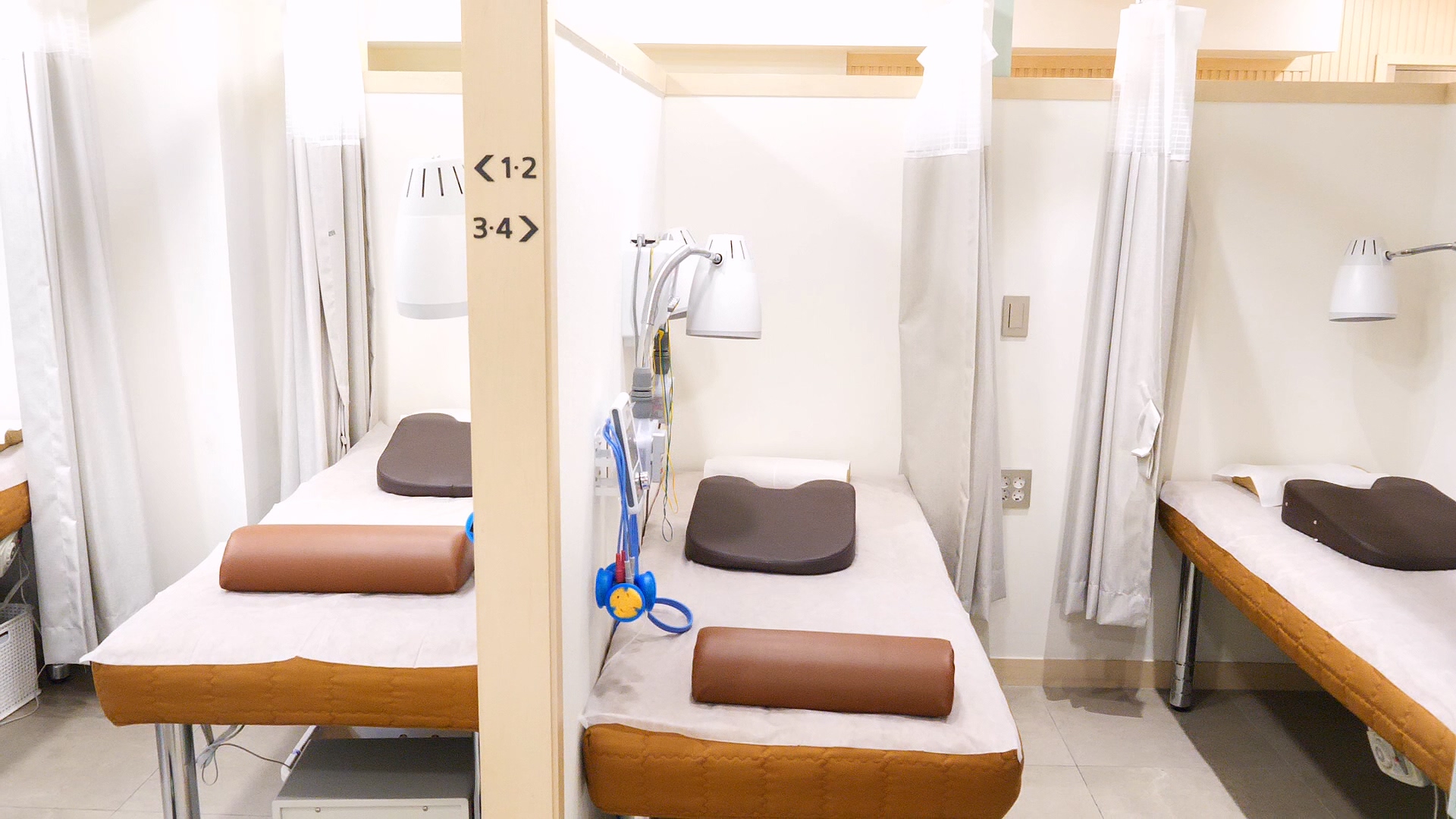
We believe that when the structural foundation of the body is balanced, overall health and vitality follow naturally. Rather than masking symptoms, we identify the root causes of dysfunction—specifically structural misalignments—to help patients regain a healthy daily life through targeted, efficient clinical procedures.
Defining Acupotomy and Structural Recovery at Bonecure
Acupotomy at Bonecure is a specialized clinical procedure where specialized blade-like needles are used to physically release fascial adhesions and restore the body's natural architecture. This method is built on the philosophy that "When bones smile, life smiles," ensuring that the nervous system and tissues receive adequate circulation and structural support.
The Core Principles of Structural Balance and Functional Recovery
Defining structural balance involves understanding that chronic pain is often an architectural issue rather than just a localized symptom. At Bonecure, we view the body as a complex system where the skull, cervical spine, and pelvis must align to maintain neurological health. Acupotomy focuses on releasing deep-seated adhesions within the fascia that cause nerve compression and restricted movement. By targeting specific structural points, we encourage the body to restore normal circulation and tissue function naturally. In my clinical experience, addressing the deep alignment of the spine and craniofacial structure is essential for restoring health. We do not just target the surface; we work on the deep tissue layers to ensure the structural foundation is sound. This method aims to improve both function and form, providing immediate and significant improvement in bodily alignment. While this approach is effective for many, it requires a precise understanding of the skeletal framework to ensure results that address the root cause of chronic dysfunction.
The Bonecure Approach to Refractory Neurological Symptoms
Approaching refractory conditions as an Oriental Medical Doctor in Seoul requires a shift from managing symptoms to restoring structural integrity. Many neurological symptoms, including those associated with Parkinsonism or autonomic dysfunction, are linked to the loss of structural balance and the thickening of connective tissues. At Bonecure, I utilize clinical protocols that recognize these internal changes, focusing on the relationship between the upper cervical spine and the brainstem. We observe that when the spine is misaligned, it often restricts neurological signaling and blood flow, leading to various functional disorders. By integrating structural correction with acupotomy, we aim to release the physical pressure on the nervous system. Data from our clinical case reports suggests that patients who receive integrated care for both the spine and craniofacial alignment show more stable recovery patterns. It is important to note that individual outcomes depend on various factors like the severity of the misalignment, and while we aim for immediate impact, stability is the ultimate goal.
Defining the Holistic Scope of Structural Korean Medicine
Structural Korean Medicine offers a holistic scope that transcends simple symptomatic improvement. This treatment focuses on the flow of nerve signals and blood, aiming to improve the structural environment that allows tissues to heal. At Bonecure, we believe that external physical comfort is a reflection of internal structural integrity. Our treatments encompass not just the area of pain but the entire musculoskeletal system to balance the body's structural load. For instance, addressing pelvic tilt can often resolve chronic neck issues that manifest as headaches or dizziness. We utilize specialized acupotomy needles to perform precise adhesions release, which helps in reducing chronic tension and restoring mobility. However, patients should be aware that structural correction is a physical process, and expectations must be managed based on individual skeletal health. Each treatment plan is customized, and I personally oversee the diagnostic process to ensure that the treatment is both compressed and highly impactful for each unique patient case.
The Science of Structural Balance and Nerve Decompression
Structural balance and nerve decompression refer to the method of aligning the skeletal framework while releasing the soft tissue adhesions that trap nerves and blood vessels. This integrated approach ensures that the body's communication pathways are clear, leading to more resilient health and improved functional capacity over time.
Addressing Autonomic Dysfunction and Thoracic Tension
Addressing autonomic dysfunction at Bonecure is a cornerstone for achieving long-term systemic health. This often involves treating 'Baeyeol-jeung' (dorsal burning sensation), which manifests as heat or pain in the back due to thoracic tension and nerve entrapment. By releasing the adhesions in the multifidus and erector spinae muscles, we can improve the function of the autonomic nervous system. I often recommend structural evaluation for patients experiencing unexplained fatigue or digestive issues, as these are frequently linked to spinal rigidity. Clinical observations indicate that patients who receive targeted acupotomy for thoracic adhesions see significant improvements in their autonomic symptoms. Based on my clinical experience, restoring the mobility of the thoracic spine plays a vital role in balancing the body's internal environment. It is important to understand that this is a structural release process, and we prioritize using precise techniques to address the specific nerve pathways, such as the thoracic dorsal rami, to ensure the most effective relief from chronic burning or tension.
Acupotomy for Adhesion Release in Chronic Cases
Acupotomy serves as a powerful treatment to improve circulation and tissue elasticity in chronic cases. By physically breaking down rigid adhesions, we stimulate the micro-circulation of the tissues, which is vital for nutrient delivery and waste removal. This mechanical stimulation helps to soften fibrotic muscles that have lost their normal length and tension. In my practice, I have seen that patients with long-term chronic pain often suffer from significant tissue adhesions that standard acupuncture cannot reach. The release of these adhesions promotes the normalization of muscle function and reduces the pressure on underlying nerves. While the procedure involves a localized release, patients often feel an immediate reduction in the 'heaviness' or 'tightness' of the treated area. We ensure that all acupotomy is performed with the highest level of proficiency to maximize the therapeutic benefits for those dealing with chronic musculoskeletal rigidity. It is particularly effective for those who have not found success with conventional physical therapy or general acupuncture treatments.
Case Insights: Addressing 18 Years of Chronic Tinnitus
One of our most significant clinical case reports involves a patient suffering from chronic tinnitus for 18 years. While many assume that such long-standing symptoms are irreversible, our structural approach yielded profound results. By correcting the alignment of the upper cervical spine and releasing deep tissue adhesions around the skull base, we were able to restore normal nerve signaling and blood flow. This case exemplifies the Bonecure principle: that even 'refractory' or chronic conditions often stem from structural neglect. It is not about a magical cure, but about removing the mechanical interference that has persisted for decades. In my experience, addressing these deep-seated adhesions through acupotomy can lead to improvements that conventional treatments often overlook. This specific case report highlights that structural integrity is the foundation of sensory health, illustrating how restoring the balance of the spine can positively impact complex neurological conditions like hearing loss or chronic ear ringing. We emphasize that such results, while encouraging, are part of an individual clinical record and represent the potential of structural medicine.
Comparison: Acupotomy versus General Acupuncture
A comparison between acupotomy and general acupuncture involves examining the different tools and depths used to achieve clinical goals. While general acupuncture focuses on meridian stimulation, acupotomy focuses on the physical release of fibrotic tissues and structural realignment to create immediate, harmonious change.
| Feature | Acupotomy (Bonecure) | General Acupuncture |
|---|---|---|
| Tool Type | Specialized blade-like needle | Fine filiform needle |
| Primary Goal | Physical adhesion release/structural correction | Energy flow and pain management |
| Immediate Effect | High (Impactful release of tension) | Moderate (Cumulative stimulation) |
| Target Tissue | Deep fascia, fibrotic adhesions, ligaments | Skin, superficial muscles, acupoints |
| Treatment Style | Compressed and highly efficient | Gentle and relaxation-focused |
Comparing Biological Response Mechanisms and Recovery Times
Comparing biological response mechanisms reveals that acupotomy works by creating a controlled release of fibrotic tissue, which triggers a natural regenerative response. This process physically restores the length and elasticity of muscles that have been shortened by chronic tension. In contrast, general acupuncture provides neurological stimulation to modulate pain signals. The recovery time for acupotomy is typically short, though patients may feel localized soreness as the tissues begin to heal in their new, relaxed state. Some minor bruising or temporary tenderness may occur at the release sites, but these are signs of the body beginning to reorganize its structure. Based on our clinical experience, the improvement in tissue quality and mobility is often perceived immediately after the session. It is important to realize that because we are addressing the physical structure, the results are deeply integrated with the body's functional movement. However, patients should follow post-treatment care instructions to ensure the released tissues stabilize correctly within the newly aligned framework.
Why Bonecure Prioritizes Structural Recovery for Chronic Pain
Why Bonecure in Gangnam prioritizes structural recovery is rooted in the belief that the physical foundation must be stable for the body to remain pain-free. Many chronic issues, such as spasmodic torticollis or facial tension, are directly linked to the misalignment of the craniofacial structure and the cervical spine. By focusing on structural recovery, we address the root cause of the imbalance rather than just treating the symptom. This approach involves techniques like Chuna manual therapy to ensure the entire skeletal system is aligned. We have found that when the structural pressure is removed, the nervous system naturally calms, and symptoms subside. Our clinical data indicates that patients who undergo structural realignment report higher levels of satisfaction and immediate changes in their mobility. We do not demand long-term 10-session packages; instead, we focus on making each visit count through impactful, necessary treatments. We prioritize a safe, professional environment to ensure that every structural adjustment is performed with the utmost precision and care.
The Benefits of Non-Surgical Structural Realignment
The benefits of non-surgical structural realignment are numerous, particularly for those who wish to avoid the risks associated with invasive procedures. At Bonecure, we utilize specialized acupotomy needles to perform precise tissue releases that would otherwise be difficult to achieve. This method allows us to reposition misaligned structures and improve the contour of the spine and jaw by addressing muscle adhesions. Because there are no incisions, the risk of significant scarring or long-term nerve damage is minimized. This approach is particularly beneficial for patients who want to maintain their natural function while resolving chronic pain. I have observed that non-surgical realignment also improves the functional health of the internal organs by reducing spinal tension. However, it is essential to manage expectations; while we can achieve significant structural improvement, we must work within the limits of the patient's existing anatomy. For patients interested in a root-cause alternative, we recommend a personal consultation to discuss how these techniques can be tailored to their specific structural needs.
Clinical Protocols and Safety at our Cheongdam Clinic
Clinical protocols and safety procedures represent the systematic approach we take to ensure that every patient receives effective and risk-minimized care in our Cheongdam facility. These protocols include rigorous diagnostic steps and adherence to sterile techniques to protect the patient's health while maximizing the benefits of structural treatment.
Traditional Medicine Clinical Notes on Structural Longevity
Traditional medicine clinical notes on structural longevity emphasize the importance of identifying the root cause early. In my clinical experience at Bonecure, I have documented that patients who address their structural misalignments immediately upon the onset of pain see the fastest recovery. These notes indicate that the body's ability to maintain health is closely tied to the integrity of the spine and skull. My case reports show that long-term results are most stable when the patient addresses the mechanical barriers—the adhesions—that prevent normal movement. While some immediate relief is expected, the stabilization of the structure depends on the patient's commitment to maintaining proper posture and following clinical advice. It is vital to understand that acupotomy is a partnership where I provide the structural release, and the patient provides the environment for the body to stay aligned. We continually update our protocols based on our latest clinical findings to ensure the best possible care for chronic and refractory cases.
Addressing Chronic Pain Management and Acupotomy Synergy
Addressing chronic pain management and acupotomy synergy is a unique aspect of our treatment philosophy. At Bonecure, we believe that systemic tension is a primary driver of functional decline. We often see that patients who suffer from chronic neck pain also exhibit symptoms of autonomic dysfunction or facial tension. By utilizing specialized acupotomy for pain relief, we can resolve these deep-seated tensions simultaneously. This synergy allows for a more profound relaxation of the entire body, as the physical barriers to health are removed. In my practice, I have observed that treating the upper cervical spine can lead to a noticeable reduction in systemic anxiety and tension. This interconnected approach is based on the reality that the nervous system travels through the structural framework of the spine. While treating chronic issues requires precision, the comprehensive relief often results in a more vibrant and healthy daily life. Individual treatment plans are designed to address these systemic connections to ensure that pain relief and structural recovery go hand in hand.
Essential Safety Guidelines and Potential Side Effect Disclosures
Essential safety guidelines and potential side effect disclosures are a mandatory part of our clinical consultation process at Bonecure. While acupotomy is generally safe when performed by a specialist, it is important to acknowledge that every medical procedure carries some risks. Common side effects include temporary pain at the needle insertion sites, minor bruising, or slight swelling, which typically resolve within 72 hours. In rare cases, localized infection or small hematomas may occur, which is why we maintain strict sterilization protocols. Patients with bleeding disorders or those taking certain medications should disclose this information during their initial assessment. It is also important to note that results may vary depending on the individual's age, structural condition, and health history. We do not guarantee 100% recovery for every case, as the body's regenerative response is unique. Chronic or severe structural issues may require focused, multiple treatments to achieve full stability. By prioritizing transparency and patient education, we ensure that our patients are well-informed and comfortable throughout their journey toward structural balance.
Frequently Asked Questions
Q. What exactly is acupotomy and how does it work at Bonecure?
Acupotomy is a specialized clinical procedure using blade-like needles to release fibrotic adhesions and restore structural balance. Unlike general acupuncture, it physically addresses the root cause by breaking down tissue that traps nerves and restricts skeletal alignment. At Bonecure, we use this to restore the natural architecture of the skull and spine.
Q. Do I need to book a 10-session package to see results?
No. At Bonecure, we focus on compressed and efficient treatment. We prioritize seeing immediate changes in your symptoms and structure. While some chronic cases require follow-up visits for stability, we do not force patients into long-term packages, believing that the treatment should show its impact from the start.
Q. Are there any side effects associated with acupotomy?
Potential side effects include temporary localized soreness, minor bruising, or slight swelling at the treatment site. These are typical responses as the body heals the released tissues and usually resolve within a few days. We use strict sterile protocols and expert techniques to minimize any risk of infection or complications.
Q. Can structural correction help with neurological symptoms like tremors?
Yes, in many cases. If symptoms like tremors or autonomic dysfunction are linked to structural compression in the cervical spine or skull base, correcting that alignment can help. We focus on 'Parkinsonism' or functional disorders where structural release can improve nerve signaling and blood flow to the brain.
Q. How is this different from conventional surgery for pain?
Acupotomy is non-surgical and requires no incisions. It performs precise tissue release without the risks associated with general anesthesia or long-term scarring. It focuses on the body's natural ability to reorganize and heal once the mechanical interference of adhesions and misalignment is removed.
Q. What is 'Baeyeol-jeung' and how do you treat it?
Baeyeol-jeung refers to a burning sensation in the back, often linked to autonomic dysfunction and thoracic spine tension. We treat it by releasing the deep adhesions in the back muscles (multifidus) that compress the nerves, thereby cooling the 'heat' by restoring normal nerve and blood circulation.
Q. Is the treatment painful?
Patients may feel a momentary sharp sensation or pressure during the release of adhesions. While it can be more intense than general acupuncture, most patients find the immediate relief from chronic tension far outweighs the temporary discomfort during the procedure. We work closely with you to ensure your comfort.
Key Takeaways
- Bonecure focuses on structural recovery and acupotomy to treat chronic pain and functional disorders at their root.
- Acupotomy physically releases deep-seated adhesions to restore skeletal alignment and decompress nerves.
- We prioritize immediate, impactful results and efficient treatment plans rather than unnecessary long-term packages.
- Potential side effects are minor and temporary, such as localized soreness or bruising, with individual results varying by case.
Bonecure / Dr. Song Jeong-hyun
FAQ
- What exactly is facial rejuvenation acupuncture and how does it work?
- Facial rejuvenation acupuncture is a traditional medicine technique where specialized needles are used to stimulate acupoints and release adhesions in facial tissues. This process encourages natural collagen production and improves blood flow to restore vitality. At Bonecure, we focus on the principle that when the underlying skeletal and muscular structures are balanced, the skin reflects that health naturally.
- How much does a session of facial rejuvenation acupuncture cost?
- The cost of treatment varies depending on the specific needs of the patient and the complexity of the structural issues being addressed. While we focus on providing high value through root cause treatment, we recommend a personal consultation with our Oriental Medical Doctor in Seoul to receive an accurate quote tailored to your clinical requirements. We do not provide fixed pricing without an assessment.
- Are there any side effects or risks associated with this treatment?
- As with any needle-based procedure, potential side effects may include temporary pain at the insertion site, minor bruising, or very rarely, localized infection. It is important to note that results may vary depending on the individual condition of the patient. We prioritize a sterile environment and precise techniques to minimize these risks at our Korean traditional medicine clinic in Cheongdam.
- How many sessions are typically required to see visible results?
- The number of sessions required is highly individual. While some patients report feeling a sense of improved circulation and tension relief after a single session, chronic conditions or significant structural imbalances usually require a series of treatments. A typical course may involve 10 to 12 visits to achieve stable, long-term structural improvement and skin health.
- Can I receive acupuncture for back pain during my facial treatment?
- Yes. At Bonecure, we often integrate chronic pain management acupuncture with facial procedures. We believe the body is an interconnected system. Addressing spinal alignment or back pain often helps reduce the systemic tension that contributes to facial aging and poor circulation, providing a more comprehensive and holistic recovery for the patient.
- How does this differ from conventional fillers or botulinum toxin injections?
- Unlike fillers that add volume or toxins that paralyze muscles, facial rejuvenation acupuncture works by stimulating the body's own regenerative capabilities. It focuses on the Traditional Korean Detox Program principles to clear internal stagnation and restore the natural elasticity of the tissues through structural realignment, rather than using external chemicals or synthetic substances.
- Who is the ideal candidate for this type of traditional Korean medicine treatment?
- This treatment is suitable for individuals seeking a natural, non-surgical approach to aging and stress relief. It is particularly effective for those who want to address facial tension, fine lines, and overall skin dullness by improving their internal health and structural balance. However, a professional consultation is necessary to determine if there are any contraindications for your specific health profile.