
Post
Clinical Insights into Structural Care: Essential Guide to Bonecure Treatments
Traditional clinic treatment notes at Bonecure reflect a highly focused and efficient approach to structural restoration and functional balance. At Bonecure, we believe that when the skeletal foundation is properly aligned, the body’s innate vitality returns.
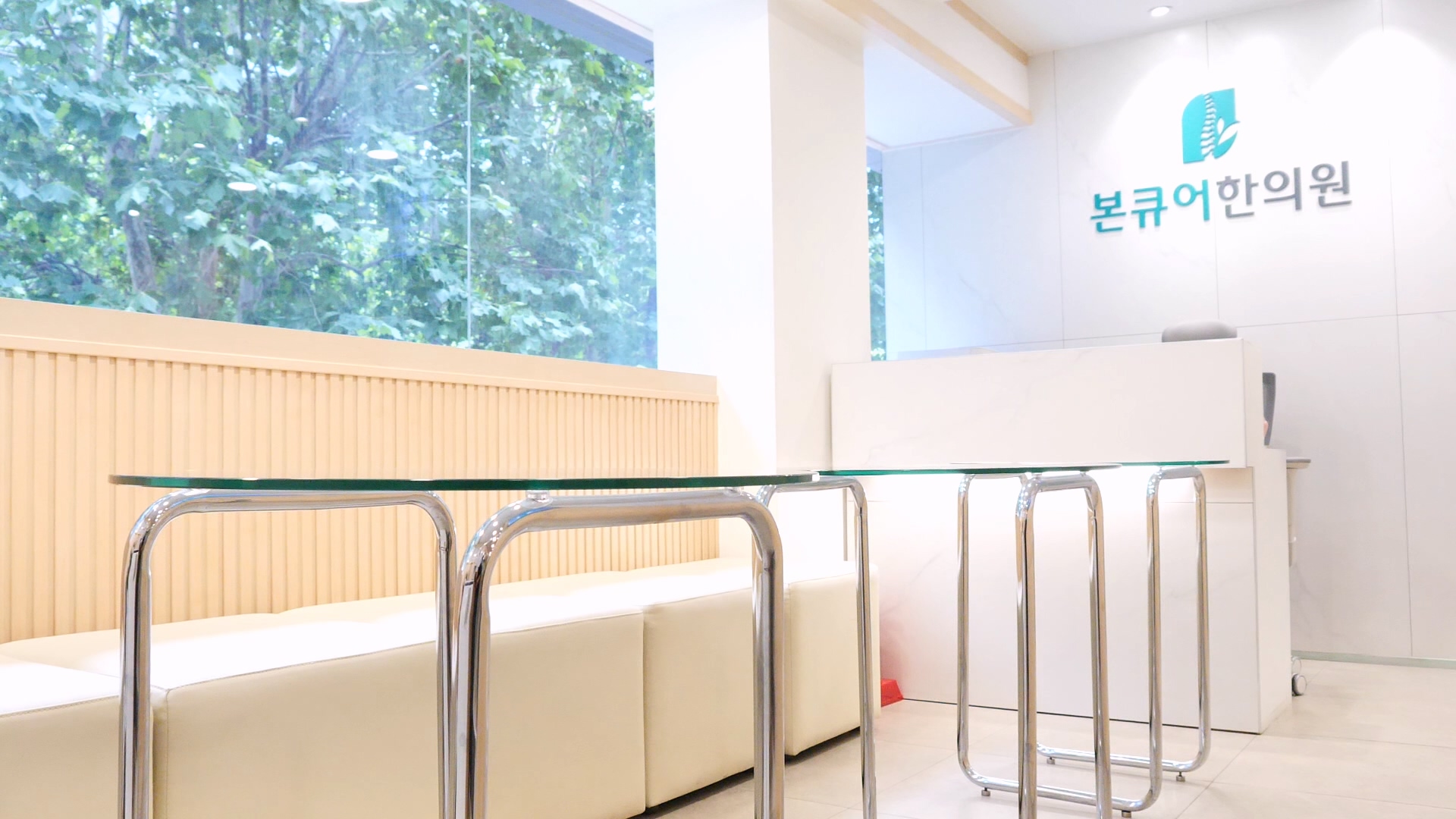
This article provides a detailed look into our high-impact clinical philosophy and how we guide patients toward recovery through evidence-based care.
Understanding Bonecure Clinical Philosophy
Bonecure defines health as the dynamic equilibrium between physical structure and physiological function, where the integrity of the spine dictates the wellness of the entire system. Our clinical approach is designed to be highly focused, prioritizing effective and immediate structural corrections over long, generalized consultations.
Defining the Core Philosophy of Bonecure
Bonecure operates on the foundational principle that "When your bones smile, life smiles," emphasizing the critical link between skeletal alignment and overall quality of life. Our clinical philosophy focuses on structural restoration, which posits that many chronic ailments stem from misaligned vertebrae, compressed nerves, and thickened soft tissue adhesions. We utilize a root-cause approach that ensures every session targets the underlying structural defect with precision.
Unlike traditional settings that may focus on lengthy symptomatic counseling, Bonecure provides efficient, high-impact treatments where the practitioner directly manages the patient's structural assessment and correction. Our goal is to move beyond simple pain management by focusing on restoring structural balance. While results vary—particularly in progressive conditions like Parkinson's disease where the goal is symptom management and slowing progression—we strive to provide visible relief quickly. We prioritize the restoration of natural movement and the release of internal tension using a streamlined system where physical changes are quantified through rigorous observation.
The Science Behind Modern Acupuncture and Spine Alignment
The integration of traditional principles with modern anatomical understanding is central to the efficacy of treatments at Bonecure. We utilize the science of bio-tensegrity to understand how fascia and muscle groups interact with the skeletal frame to maintain stability. Modern acupotomy techniques, specifically those focusing on the autonomic nervous system and neuro-structural pathways, help in recalibrating the body's stress response and improving microcirculation. This is particularly crucial for managing conditions like tinnitus or autonomic dysfunction, where nerve signals are disrupted by physical pressure. By documenting these physiological shifts, we optimize the body's natural healing mechanisms through targeted interventions. Our approach bridges the gap between historical wisdom and current biomechanical research, providing a framework where traditional methods are validated by modern diagnostic tools.
Core Treatment Modalities for Structural Recovery
Structural recovery at Bonecure involves a multi-faceted approach where targeted manual therapies and specialized acupotomy work in synergy to restore the body's natural alignment. These modalities are designed to address both the hard skeletal structures and the soft tissues that support them.
Dochim Therapy: Releasing Adhesions for Functional Relief
Dochim therapy (acupotomy) is a specialized technique using a blade-shaped needle to perform adhesiolysis, which is essential for patients with chronic tissue hardening. At Bonecure, this procedure is employed to release microscopic adhesions in soft tissues that have become fibrotic due to injury or poor posture. By breaking these restrictive bands, we promote the regeneration of healthy tissue and restore localized blood flow.
One of the primary characteristics of our Dochim treatment is the pursuit of immediate improvement; many patients feel a distinct change in their symptoms and mobility within a single session. While some may experience temporary soreness or minor bruising, the resulting increase in range of motion is a critical step in recovery. In cases of chronic tinnitus or cervical tension, Dochim therapy is utilized to release tension in the cervical fascia, aiming to support improved nerve function by addressing structural imbalances in the neck.
Chuna Manual Therapy and Spinal Realignment Techniques
Chuna manual therapy involves the skilled manipulation of the spine and joints to correct postural imbalances that lead to chronic structural strain. At Bonecure, we combine this traditional technique with modern spinal realignment strategies to ensure the skeletal system supports the nervous system effectively. This structural correction is vital for patients suffering from idiopathic scoliosis or nerve-related pain, where spinal tension inhibits the body's natural processes. By applying controlled pressure and traction, we help the vertebrae return to their optimal positions, reducing nerve compression. Each session is tailored to the patient's unique biomechanical needs identified through serial imaging and physical evaluation. This manual approach provides impactful relief from tension and works to retrain the body's proprioception.
Personalized Herbal Medicine for Internal Balance
Personalized herbal medicine at Bonecure serves as the internal support system for the physical structural recovery achieved through manual therapies. We prescribe specific formulations to reduce systemic inflammation and nourish the ligaments and tendons that support the newly aligned spine. By balancing the internal environment, we enhance the body's ability to maintain the structural changes achieved during Chuna and Dochim sessions. These decoctions are prepared using standardized, high-quality ingredients, providing a holistic bridge between physical manipulation and internal wellness. Our treatment protocols track the patient's response to these formulations, ensuring that the herbs support the recovery cycle effectively.
Clinical Evidence and Objective Assessment Methods
Objective assessment is the cornerstone of the Bonecure clinical methodology, ensuring that every treatment plan is based on verifiable data rather than subjective impressions. We use a combination of advanced imaging and standardized metrics to track the physical transformation of our patients.
Visualizing Progress Through Whole Spine X-ray Analysis
To ensure objective progress, Bonecure utilizes Whole Spine X-ray analysis as a primary diagnostic tool. By comparing skeletal alignment before and after treatments, we can visually demonstrate significant shifts in spinal curvature, such as the restoration of a natural cervical curve. For example, patients with postural imbalances may see a measurable improvement in pelvic alignment. This data-driven approach allows for precise adjustments to the treatment plan, ensuring that the recovery path remains aligned with the patient's actual physiological reality. Visualizing the structure allows both the practitioner and the patient to see the concrete changes occurring within the body.
Quantifying Recovery with Standardized Evaluation Scales
Objective assessment at Bonecure also involves the use of standardized clinical evaluation scales to quantify the patient’s experience. We measure indicators such as the Visual Analogue Scale (VAS) for pain or scales for anxiety and dizziness to provide a clear metric of progress. By translating patient sensations into numerical data, we maintain a transparent and rigorous clinical standard. This quantification is essential for determining the trajectory of recovery. These metrics are recorded to allow for a longitudinal view of the patient’s health that goes beyond verbal feedback during a single session.
Case Report Insights: Specialized Treatment Records
Our clinical records are enriched by insights from specialized case reports documenting the recovery of patients with complex disorders. These reports, involving conditions like sudden hearing loss or chronic tinnitus, demonstrate how targeted cervical alignment plays a pivotal role in sensory recovery. For instance, clinical records showing improvements in hearing levels through targeted therapy provide valuable insights into how structural care can support recovery for auditory symptoms. While results vary and no single outcome is guaranteed for every individual, these case reports offer evidence of the potential for recovery when structural and functional issues are addressed simultaneously.
Characteristics of Bonecure Structural Restoration
Bonecure’s approach focuses on functional recovery by addressing the whole spinal and nervous system. We utilize objective assessment tools such as X-rays and standardized clinical scales to monitor progress, ensuring that Dochim (Acupotomy) and Chuna therapy are applied precisely to meet the unique structural needs of each patient.
Dr. Song Jeong-hyeon: Advanced Structural Recovery and Acupotomy at Bonecure 2026
A 2026 Clinical Guide to Acupotomy and Structural Recovery for Chronic Disorders at Bonecure
A 2026 Clinical Guide to Structural Realignment and Treatment of Complex Disorders at BonCure
Frequently Asked Questions
Q. What is the primary focus of Bonecure treatments?
Our treatments focus on structural restoration and the release of soft tissue adhesions using Dochim therapy and Chuna manipulation. We aim to identify the root cause of pain and provide efficient, impactful corrections to the spine and nervous system for long-term functional improvement.
Q. Is Dochim therapy painful, and how fast are the results?
While some patients feel brief pressure during the release of chronic adhesions, the treatment is designed to be highly effective. A key distinction of Bonecure is the pursuit of immediate improvement; patients often feel a noticeable difference in their symptoms and range of motion after just one session. Any minor soreness typically resolves within a few days.
Q. How many sessions are required for chronic conditions?
We do not mandate a fixed number of sessions (such as 10 or 20) as a standard rule. Instead, we focus on high-impact treatments where the patient can feel the improvement immediately. The total number of treatments is determined by the individual's specific spinal state and the speed of their functional recovery.
Q. Are there any side effects associated with acupotomy?
Potential side effects may include temporary soreness at the treatment site, minor bruising, or very rarely, localized infection. We minimize these risks through strict hygiene protocols and precise anatomical targeting by a specialist.
Q. How is treatment progress objectively measured at Bonecure?
We utilize Whole Spine X-ray imaging to track skeletal changes and standardized clinical scales for symptoms like pain or autonomic dysfunction. This ensures that the recovery process is monitored with measurable accuracy rather than just subjective feeling.
Q. Can structural treatment help with conditions like Parkinson's or Tinnitus?
While progressive diseases like Parkinson's are focused on symptom management rather than a complete cure, structural care can be highly effective for functional issues. For conditions like tinnitus or sudden hearing loss, our director has published case reports showing how cervical spine alignment and autonomic nervous system stability contribute to significant improvements.
Key Takeaways
- Bonecure focuses on "Structural Restoration" to address the root causes of chronic pain and autonomic dysfunction.
- The clinic prioritizes high-impact, efficient treatments where patients often experience immediate relief.
- We avoid fixed treatment packages, focusing on the patient's immediate response to structural correction.
- Dochim therapy (acupotomy) is used to release deep tissue adhesions, promoting regeneration and better mobility.
- Clinical success is verified through objective data, including Whole Spine X-rays and standardized evaluation scales.
I am Song Jeong-hyeon, a doctor of Korean medicine who has focused on acupotomy and structural recovery for many years. If you are struggling with chronic pain that hasn't responded to other treatments, I invite you to experience how targeted structural alignment can immediately impact your quality of life. Please contact our clinic for a consultation to begin your recovery.
Bonecure / Director Song Jeong-hyeon
FAQ
- What is the primary focus of Bonecure treatment notes?
- Our treatment notes focus on documenting structural alignment and the release of soft tissue adhesions using Dochim therapy to restore fundamental body balance. We track changes in the spine and nervous system to ensure that every session contributes to long-term functional recovery rather than just temporary symptom relief.
- Is the Dochim therapy procedure painful for new patients?
- While some patients may feel a brief sensation of pressure or sharpness during the release of chronic adhesions, many describe it as a 'refreshing' type of discomfort that leads to immediate ease of movement. Any temporary soreness or minor bruising typically resolves within a few days as the tissue begins to regenerate.
- How many sessions are typically required for chronic conditions?
- For chronic or severe cases, multiple sessions are usually necessary to achieve lasting structural change. While the exact number depends on an individual's specific condition and spinal state, a typical course might involve 10 to 20 sessions to ensure the body adopts and maintains its new, healthy alignment.
- Are there any side effects associated with acupuncture treatments?
- Potential side effects may include temporary soreness at the treatment site, minor bruising, or very rarely, localized infection. These risks are minimized through strict hygiene protocols and professional care, and any discomfort is usually a normal part of the body's inflammatory response to healing.
- How is treatment progress objectively measured at Bonecure?
- We utilize Whole Spine X-ray imaging to track physical skeletal changes and use standardized clinical scales for symptoms like headaches or anxiety to ensure objective monitoring. This data-driven approach allows us to see exactly how the structure is improving regardless of daily fluctuations in how a patient feels.
- Can I see typical results from other patients in the notes?
- We share anonymized case reports with patient consent to illustrate potential paths to recovery and to provide clinical evidence for our methods. However, it is important to remember that medical results always vary depending on the individual's age, health history, and severity of the condition.
- Does the clinic treat conditions like tinnitus or sudden hearing loss?
- Yes, our director has published case reports on these conditions, focusing on cervical spine alignment and autonomic nervous system stability as part of the recovery process. By treating the structural issues in the neck, we often see improvements in auditory function and related neurological symptoms.