
Post
A 2026 Clinical Guide to Structural Realignment and Treatment of Complex Disorders at BonCure
Structural health and neurological recovery are achieved by synchronizing the body's internal physiological balance with its external skeletal integrity. In 2026, this methodology emphasizes the vital link between spinal alignment and the autonomic nervous system, ensuring that recovery begins by addressing root structural causes rather than merely masking symptoms. By identifying the specific origins of systemic dysfunction—such as nerve entrapment or fascial adhesions—BonCure Korean Medicine Clinic provides a pathway to restored vitality and daily comfort.
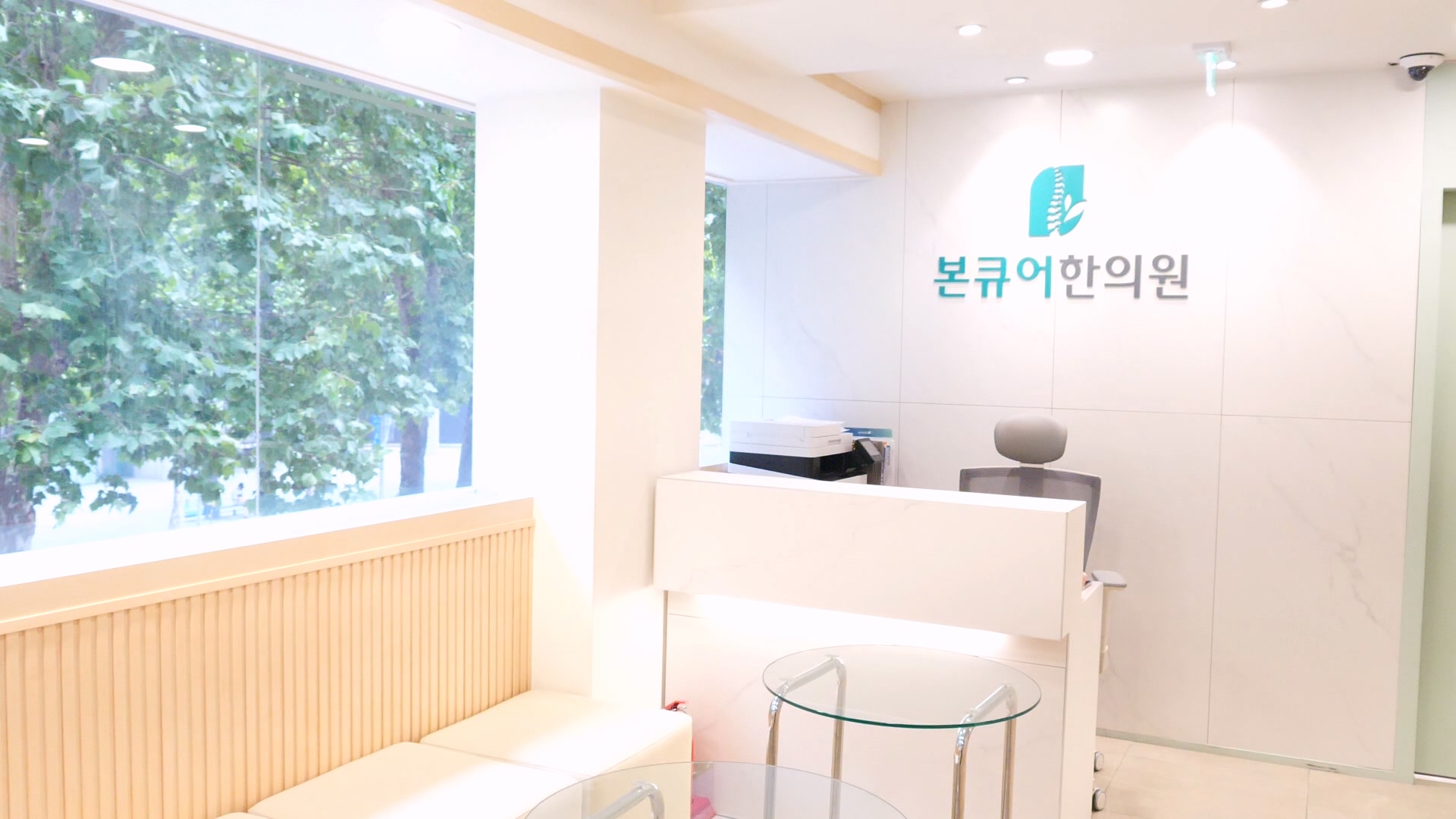
This approach honors the body's innate healing capacity by focusing on the precise correction of the skull and spinal column to resolve functional impairments and chronic pain patterns that have failed to respond to conventional treatments.
Understanding Structural Wellness and Neurological Balance
Structural wellness is defined as the clinical practice of restoring the body's natural alignment through advanced Chuna therapy and acupotomy, focusing on the synergy between skeletal positioning and nervous system efficiency. This approach recognizes that chronic pain is often not an isolated event but a reflection of structural misalignments that impede blood circulation and nerve signaling. By utilizing these principles, practitioners aim to improve the biological resilience of the body against degenerative changes and chronic stressors. At BonCure, we focus on identifying the root causes of pain rather than simply relieving superficial symptoms, ensuring that every treatment plan is personalized to the individual's unique anatomical needs for long-term health.
The Core Philosophy of Structural Recovery
At BonCure, our philosophy is rooted in the belief that "when your bones smile, life smiles." We believe that external physical health is a direct reflection of internal structural stability. In the context of 2026 clinical practices, this involves a deep investigation into how spinal misalignments influence the entire body's functional harmony. Rather than prescribing long, unnecessary treatment packages, we prioritize impactful, efficient care where patients can often feel immediate changes in their symptoms. It is important to note that results may vary based on an individual's constitution; however, our goal is to achieve visible improvement from the very first session. By utilizing specific techniques to harmonize the skeletal system, we aim to restore the natural balance that is often lost due to poor posture or chronic injury.
How Spinal Alignment Influences Autonomic Health
Spinal alignment serves as the foundational architecture for the autonomic nervous system, which regulates everything from digestion to sensory perception. We observe that misalignments in the cervical and thoracic spine can create physical pressure on nerve pathways, leading to conditions like autonomic dysfunction or chronic burning sensations. Clinical observations suggest that while individual results vary, consistent structural correction can help support the body's natural circulation and nerve flow, which contributes to a significant reduction in systemic stress. By ensuring that the spine is correctly positioned, we facilitate an unobstructed flow of vital energy throughout the body, addressing the root cause of functional stagnation. However, it is essential to recognize that chronic conditions may require focused care to overcome long-standing structural rigidities and nerve compressions.
Treating Complex Disorders: Parkinsonism and Dystonia
In our clinical practice, we distinguish between Parkinson's Disease (PD) and Parkinsonism (atypical Parkinson's). While PD is a progressive neurodegenerative condition, Parkinsonism often responds dramatically to structural interventions that address upper cervical misalignments. By utilizing acupotomy to release adhesions in the suboccipital muscles and C1 transverse processes, we have observed improvements in symptoms such as bradykinesia and tremors. Similarly, for spasmodic torticollis (dystonia), we focus on resolving the fibrosis of neck muscles that have lost their normal length and elasticity due to abnormal nerve signaling. Releasing these deep adhesions helps restore the structural balance of the head and neck. While we strive for significant improvement, patients should understand that these are complex conditions, and individual recovery rates will vary depending on the degree of pre-existing nerve damage.
Advanced Acupotomy and Adhesion Release at BonCure
Advanced structural therapy at BonCure involves the application of acupotomy—a specialized needle therapy with a flat, blade-like tip—designed to release rigid adhesions and fibrosis. Rather than relying on temporary measures, this method focuses on physically decompressing trapped nerves and restoring the natural mobility of the fascia. This evidence-based approach ensures that the body regains its natural range of motion and functional integrity. By targeting the exact points of structural constraint, we provide a more comprehensive solution for chronic pain that has become resistant to standard acupuncture or physical therapy protocols.
Acupotomy for Neurological Decompression
Acupotomy utilizes specialized instruments to perform micro-adhesiolysis in the deep tissue layers, triggering a natural healing response and releasing trapped nerve endings. At BonCure, we apply these techniques to specific entrapment points, such as the middle scalene or the thoracic dorsal rami, to enhance localized blood flow and resolve abnormal sensations. This process helps to "unlock" tissues that have become pathologically adhered due to chronic inflammation. While many patients notice immediate relief, potential side effects include temporary soreness, minor bruising, or a small risk of infection at the insertion site. The precision of this technique allows us to address deep-seated problems that are often invisible on standard imaging tests. Each session is tailored to the patient's specific anatomy to ensure maximum safety and clinical efficacy.
Resolving Baeyeoljeung: The Dorsal Burning Sensation
Baeyeoljeung is a condition where patients experience a distressing burning sensation in the back, often without any visible skin changes. This is frequently a symptom of autonomic imbalance or entrapment of the dorsal scapular nerve and thoracic spinal nerves. When these nerves are compressed by tight muscles or fascial adhesions, they send "heat" signals to the brain, even in the absence of an external heat source. By using acupotomy and Chuna to release the surrounding myofascial structures, we can reduce the nerve irritation and resolve the burning sensation. It is important to note that this procedure requires high precision and an expert understanding of anatomy. Patients often report that their chronic back pain and autonomic symptoms improve simultaneously as the structural tension is resolved. Results are individualistic and depend on the severity of the nerve entrapment.
Customized Herbal Support for Structural Healing
Herbal medicine plays a critical role in the recovery process by reducing inflammation and supporting the regeneration of soft tissues. During a consultation at BonCure, we analyze the patient's internal state to identify imbalances that may be slowing the healing of structural injuries. By prescribing customized herbal formulas, we aim to nourish the blood and tendons, facilitating the recovery of tissues released during acupotomy. These formulas are tailored to the patient's specific constitution to ensure they support the liver and kidneys, which are vital for musculoskeletal health in traditional Korean medicine. This internal support ensures that the benefits of structural treatment are sustained over a longer period. While herbal medicine provides a powerful foundation, it is essential to follow the prescribed regimen and maintain proper posture for optimal long-term results.
Comparison: Structural Realignment vs. Symptomatic Care
Traditional structural realignment offers a holistic alternative to conventional pain management by focusing on the underlying mechanical causes of dysfunction. While modern medicine often provides rapid symptomatic relief through medication or injections, the approach at BonCure aims for long-term stability by physically restoring the body's alignment. Understanding these differences allows patients to make informed decisions about their health, prioritizing sustainable wellness over temporary suppression of pain.
Structural Correction vs. Temporary Pain Suppression
While many conventional treatments focus on blocking pain signals, the methodology at BonCure emphasizes the structural alignment of the spine and the release of internal adhesions. By focusing on postural balance, we aim to support the circulatory and neurological foundations of the entire body. Our structural approach is designed to enhance the body's innate ability to heal itself, leading to improvements supported by healthy nerve function rather than chemical dependence. This comparison highlights the difference between a reactive approach and a proactive, cause-oriented strategy. While medication is effective for acute crises, the holistic nature of structural care provides a more comprehensive long-term recovery experience. As with any clinical intervention, the choice of treatment should be discussed with a qualified professional to ensure safety.
Comparative Analysis of Recovery and Sustainability
The sustainability of results differs significantly between cause-based structural treatment and temporary symptomatic fixes. Conventional injections like steroids may show immediate results but often carry risks of tissue weakening and require frequent repetition. Conversely, BonCure sessions focus on permanent structural change through manual release and alignment, with recovery periods for acupotomy usually ranging from 24 to 72 hours. The longevity of our treatments is rooted in the physical removal of adhesions, meaning the benefits often accumulate as the body readapts to its correct alignment. Patients who maintain their structural integrity report more sustainable improvements in mobility compared to those relying solely on temporary surface treatments. However, it is important to understand that chronic cases may require multiple sessions to fully remodel long-standing fibrosis.
| Feature | Structural Realignment (BonCure) | Conventional Symptomatic Care |
|---|---|---|
| Primary Focus | Root Structural Cause & Adhesions | Immediate Symptom Suppression |
| Treatment Method | Acupotomy & Chuna Therapy | Medication, Injections, Steroids |
| Recovery Period | 24 to 72 hours (minor soreness) | Varies (Immediate relief to 1 week) |
| Longevity | Long-term structural stability | Temporary (requires repeated doses) |
| Side Effects | Mild bruising or localized soreness | Risks of systemic effects or tissue damage |
Personalized Care at BonCure Clinic in Samseong-ro
Personalized wellness at BonCure in Gangnam is centered around an individualized diagnostic process that looks beyond the surface to identify structural imbalances. By combining traditional assessment techniques with modern structural analysis, we create a bespoke treatment plan for every patient. This tailored approach ensures that every session contributes to the overall goal of achieving a balanced and pain-free life, providing a truly unique clinical experience in the heart of Seoul.
The Importance of Comprehensive Physical Assessment
At BonCure, we utilize a combination of motion testing, internal organ function assessment, and structural palpation to identify the specific site of dysfunction. This information is vital for creating a customized acupotomy and Chuna protocol that addresses the specific needs of the patient. By understanding the root of a patient's movement restriction or neurological symptoms, we can target the treatment more effectively and avoid unnecessary procedures. This diagnostic step ensures that we are not just treating symptoms but are working towards a systemic restoration of health. It is a highly specialized skill that requires deep clinical experience to master. While these assessments provide deep insight, they are used in conjunction with modern diagnostic concepts for a comprehensive evaluation. This personalized phase is essential for ensuring that every patient receives the most appropriate care.
Impactful and Efficient Treatment Protocols
Efficiency is a hallmark of BonCure’s approach. We believe that if a treatment is correct, the patient should feel a change quickly. We avoid the "wait and see" approach common in clinics that require dozens of sessions before seeing results. Our protocols are designed to be high-impact, focusing on the most critical structural blockages first. By clearing these primary blockages, we improve the overall vitality of the body, which is naturally reflected in better mobility and reduced pain. Each program is tailored to the patient’s constitution, ensuring that the recovery process is both effective and sustainable. Patients are encouraged to follow specific corrective exercises to maintain the alignment achieved during the sessions. Our goal is to help patients achieve a state of balance that supports lifelong health.
Case Study: Resolving Chronic Nerve Pain through Alignment
In our clinical experience at BonCure, we observe that structural health and nerve vitality are intrinsically linked. By focusing on the alignment of the cervical spine and releasing muscular fibrosis, we aim to support the body's natural nerve flow and circulation. Improving structural integrity can help create an internal environment conducive to total wellness. For example, patients suffering from chronic headaches or radiating arm pain often find that their symptoms resolve once the specific adhesions in the neck and upper back are released via acupotomy. It is important to note that every patient's condition is unique, and the degree of improvement depends on individual physiological factors. This holistic approach demonstrates that true recovery is not just about the local area of pain, but about the health of the entire musculoskeletal system.
Professional Guide to Structural Alignment and Acupotomy in Cheongdam-dong (2026) The Relationship Between Pelvic Tilt and Recurring Knee Pain: A 2026 Structural Guide The 'Bone Smiles' Philosophy: How Physical Alignment Aims to Enhance Life Satisfaction in 2026
Key Takeaways
- Structural health at BonCure focuses on the root cause of pain by correcting spinal and skull misalignments.
- Acupotomy (specialized needle therapy) is used to physically release rigid fascial adhesions and decompress trapped nerves.
- We distinguish between Parkinson's Disease and Parkinsonism, offering structural support that can significantly improve movement symptoms in the latter.
- Baeyeoljeung (dorsal burning sensation) is treated by releasing nerve entrapments in the thoracic and scapular regions.
- Treatment is designed to be impactful and efficient, aiming for immediate results rather than long-term, vague treatment packages.
Frequently Asked Questions
Q. How does acupotomy differ from standard acupuncture?
Standard acupuncture uses very thin needles to stimulate energy points, whereas acupotomy uses a slightly thicker, blade-tipped needle to physically release adhesions and fibrosis in the muscles and fascia. It is specifically designed to treat chronic structural issues and nerve entrapment by resolving physical blockages that standard needles cannot reach.
Q. Can structural alignment help with Parkinsonism symptoms?
While it is not a cure for neurodegenerative diseases, structural alignment—particularly of the upper cervical spine—can help manage symptoms of Parkinsonism by improving nerve signaling and circulation to the brain. Many patients experience improved mobility and reduced stiffness after the release of suboccipital adhesions.
Q. What is Baeyeoljeung, and can it be cured?
Baeyeoljeung is a burning sensation in the back caused by nerve entrapment or autonomic dysfunction. By correcting spinal alignment and using acupotomy to release the fascia around the dorsal nerves, the abnormal heat sensation can be significantly reduced or eliminated. Results depend on the degree of underlying structural damage.
Q. Are there any side effects to acupotomy?
Common side effects include mild localized soreness, minor bruising, or temporary swelling, which usually resolve within 24 to 72 hours. Because it involves micro-incisions in the fascia, there is a very small risk of infection, but this is minimized by using sterile, single-use instruments and expert clinical techniques.
Q. How many sessions will I need to see results?
At BonCure, we prioritize immediate improvement. Many patients feel a change in their symptoms after just one session. While chronic or complex conditions like dystonia or Parkinsonism may require ongoing management, we do not force patients into long-term treatment packages; we only perform the procedures necessary for recovery.
Q. Is the treatment painful?
Acupotomy can be slightly more intense than standard acupuncture because it involves the release of deep adhesions. However, the sensation is temporary, and most patients describe a "refreshing" feeling of release immediately following the procedure. We always prioritize patient comfort during the treatment.
Q. What should I expect during my first visit to BonCure?
Your first visit will involve a detailed evaluation of your posture, movement patterns, and internal organ function. Director Song Jeong-hyun will personally assess your condition to identify the root cause of your pain or dysfunction and provide a targeted treatment plan involving Chuna or acupotomy for immediate impact.
Greetings. I am Dr. Song Jeong-hyun, a practitioner of Korean medicine who has long focused on acupotomy. I hope this article has helped you understand the clinical focus on structural alignment and root-cause treatment that BonCure Clinic pursues. We invite you to experience the relief that comes from healthy bones and correct posture.
BonCure / Dr. Song Jeong-hyun
FAQ
- What is anti-aging oriental skin care and how does it differ from Western methods?
- Anti-aging oriental skin care focuses on the body's internal balance and structural integrity rather than just surface-level treatments. By improving circulation and spinal alignment, we stimulate natural regeneration, whereas Western methods often rely on chemical or surgical interventions. This holistic approach at Bonecure aims to address the root causes of aging through systemic wellness.
- Does acupuncture help with wrinkles and sagging skin?
- Yes, acupuncture can stimulate collagen production and improve muscle tone in the face. By targeting specific points, it enhances blood flow and helps release tension that contributes to aging lines, leading to a more natural and revitalized appearance. The procedure creates micro-stimuli that trigger the body's own repair mechanisms.
- How long does it take to see results from a traditional Korean detox program?
- Results vary depending on the individual's constitution and condition. While some notice improved skin clarity and energy within a week, more significant structural and anti-aging benefits typically require a consistent program over several weeks. A standard course of treatment often involves 10 to 12 sessions for stable results.
- Are there any side effects to specialty needle therapies used for anti-aging?
- Minor side effects such as temporary soreness, slight bruising, or minimal swelling at the site of application may occur. These symptoms are generally mild and resolve within 24 to 72 hours as the tissue begins its natural recovery process. It is important to receive these treatments from an experienced practitioner to minimize risks.
- Can spinal alignment really improve the look of my skin?
- Absolutely. Spinal misalignments can disrupt the autonomic nervous system and blood circulation, which are vital for skin health. Correcting these structural issues at Bonecure helps ensure nutrients reach the skin effectively, promoting a healthy glow and better resilience. Improved posture also reduces systemic stress, which can clear up the complexion.
- Is an herbal medicine consultation necessary for skin rejuvenation?
- While not always mandatory, an herbal consultation allows for a personalized approach. Traditional herbs help clear internal toxins and support organ functions that are directly linked to skin elasticity and overall vitality. This internal support ensures that the external treatments are more effective and the results are longer-lasting.
- What should I expect during my first visit to Bonecure in Cheongdam?
- Your first visit involves a comprehensive pulse diagnosis and structural assessment. We look beyond the skin to identify root causes of aging, such as poor posture or internal imbalances, to create a tailored treatment plan for long-term health. The session is designed to establish a baseline for your personalized rejuvenation journey.