
Post
The Relationship Between Pelvic Tilt and Recurring Knee Pain: A 2026 Structural Guide
The relationship between pelvic tilt and recurring knee pain is a fundamental concept in biomechanics that explains how structural imbalances in the hips can manifest as chronic discomfort in the lower limbs.
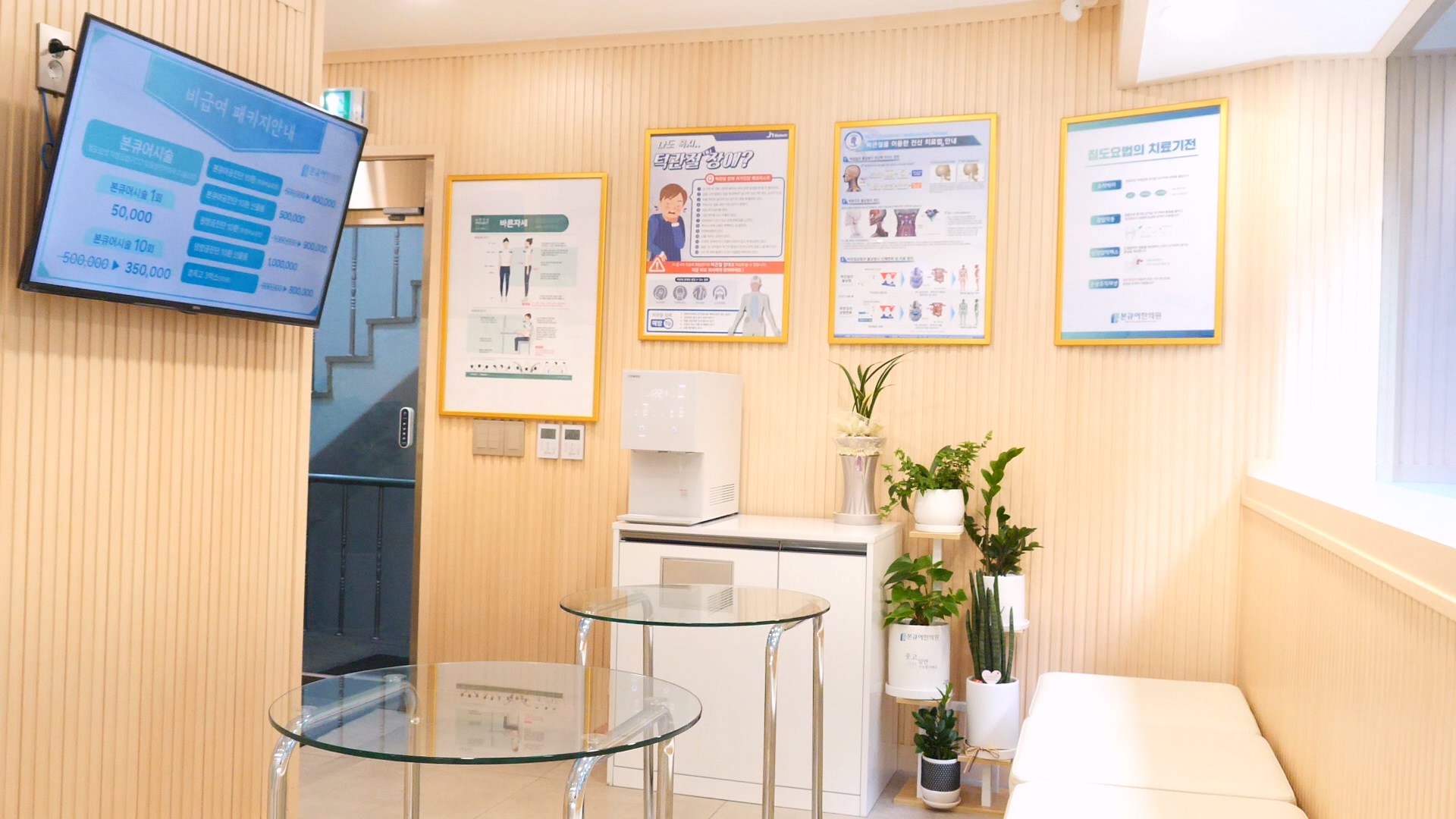
This article explores the kinetic chain connection and how specialized structural restoration at Bonecure aims for long-term structural recovery by addressing the body's foundational alignment. At Bonecure Korean Medicine Clinic, we focus on identifying the root causes of pain rather than simply relieving symptoms, helping each patient regain a healthy and balanced daily life through personalized treatment plans tailored to each individual's unique musculoskeletal needs.
Understanding Pelvic Tilt and Its Structural Impact on Knee Pain
Pelvic tilt is defined as the deviation of the pelvic bowl from its neutral horizontal alignment, typically occurring in either an anterior (forward) or posterior (backward) direction. When the pelvis is not level, it acts as an unstable foundation for the entire skeletal system, forcing the spine and legs to adapt to unnatural weight distributions. This imbalance is a primary driver of chronic musculoskeletal issues that often seem unrelated to the hip area at first glance, leading to long-term joint wear if left unaddressed.
What is Pelvic Tilt and Why Does it Matter?
Pelvic tilt refers to the orientation of the pelvis relative to the femurs and the rest of the body, which can significantly deviate from a neutral alignment. In a healthy individual, the pelvis serves as the foundation of the skeletal structure, supporting the spine and distributing weight evenly to the lower limbs. When the pelvis shifts into an anterior or posterior tilt, it alters the tension in the surrounding myofascial chains, particularly the iliopsoas and gluteal groups. This misalignment is not merely a localized postural issue but a foundational disruption that forces the entire kinetic chain to compensate. Clinical observations at Bonecure indicate that even a minor tilt can significantly increase the mechanical load and rotational stress on the knee joint during daily activities. Understanding these mechanics is vital because it reveals why focusing solely on the knee joint often fails to resolve recurring pain effectively without addressing the foundation.
How Anterior and Posterior Tilt Affect Lower Limb Kinematics
Anterior pelvic tilt occurs when the front of the pelvis drops and the back of the pelvis rises, often leading to an increased lumbar curve known as lordosis. This forward shift forces the femur to rotate internally, which places significant strain on the medial aspect of the knee and the patellar tendon. Conversely, a posterior pelvic tilt involves the pelvis tucking under, which flattens the lower back and can lead to knee hyperextension or 'bowed legs.' These kinematic changes are not static; they influence every step a person takes, leading to repetitive micro-trauma. In cases where patients have suffered for many years with chronic symptoms, the persistent misalignment of the pelvic girdle is often the hidden culprit. Correcting these kinematics requires a precise understanding of how the hip, knee, and ankle operate as a single, integrated unit during movement, ensuring that the structural arrangement is restored to its natural, pain-free state.
The Bonecure Approach: Seeing the Body as a Linked Structural System
The Bonecure approach to treating recurring knee pain involves a comprehensive assessment of the body’s structural integrity rather than focusing on the site of pain alone. By viewing the body as a linked system, we recognize that a knee issue is frequently a symptom of a pelvic or spinal imbalance. Our methodology utilizes modern diagnostic approaches to identify where the kinetic chain has been broken, whether due to myofascial adhesions or bone displacement. In many clinical instances, addressing the adhesions within the pelvic ligaments and surrounding tissues can lead to a significant reduction in knee pressure. We emphasize the importance of restoring the natural curvature of the spine and the neutral position of the pelvis to ensure that the knee joints are no longer subjected to compensatory forces. This holistic perspective is essential for achieving recovery and preventing the recurrence of inflammatory conditions that hinder daily mobility and quality of life.
The Biomechanical Link: How Pelvic Misalignment Causes Recurring Knee Issues
Biomechanical linkage refers to the physical connection between different joints where the movement or position of one directly influences the functional capacity and stress levels of another. In the context of the lower body, the pelvis serves as the primary regulator of force transmission between the upper torso and the legs. When this regulator is misaligned, the mechanical efficiency of the knee is compromised, leading to premature wear and chronic pain cycles.
Kinetic Chain Disruption: From the Hip to the Patella
A disruption in the kinetic chain occurs when one segment of the body fails to perform its role, causing a ripple effect of dysfunction throughout the connected joints. When the pelvis is tilted, the hip socket is repositioned, which changes the angle at which the femur meets the tibia at the knee. This change can lead to patellar tracking issues where the kneecap does not glide smoothly within its groove. Over time, this mechanical friction results in localized inflammation and pain that traditional rest and ice protocols cannot permanently resolve. At Bonecure, we have observed that restoring pelvic stability helps alleviate significant compensatory strain placed on the patella in patients with chronic misalignment. This recovery is possible because the knee is finally allowed to operate in its intended anatomical track without the constant pull of displaced pelvic muscles, though individual results may vary based on health status.
Common Symptoms: Chronic Inflammation and Meniscus Strain
Recurring knee pain caused by pelvic tilt often manifests as chronic inflammation of the soft tissues, including the bursae and tendons surrounding the joint. Furthermore, the uneven weight distribution can lead to excessive strain on the meniscus, the fibrocartilage that acts as a shock absorber. When the pelvis is misaligned, one side of the knee may bear more weight than the other, leading to asymmetrical thinning of the cartilage. Patients often report a dull ache that worsens with activity or a feeling of instability within the joint. These symptoms are signs that the joint is struggling to cope with structural forces it was not designed to handle. For those seeking lasting relief, understanding the difference between simple inflammation and structural strain is key. You may find further insights in our guide on Structural Imbalance as a Root Cause for Failed Back Surgery Syndrome: A 2026 Clinical Perspective.
Comparing Pelvic Tilt Types and Their Corresponding Knee Stress Patterns
The following table summarizes the different types of pelvic tilt and how they specifically impact the knee joint and surrounding structures.
| Feature | Anterior Pelvic Tilt | Posterior Pelvic Tilt | Lateral Pelvic Tilt |
|---|---|---|---|
| Pelvic Position | Tilted forward | Tilted backward | One side higher than other |
| Primary Knee Stress | Medial (inner) strain | Posterior (back) strain | Asymmetrical lateral strain |
| Associated Condition | Patellar tendonitis | Knee hyperextension | IT band syndrome |
| Femoral Rotation | Internal rotation | External rotation | Unilateral displacement |
| Treatment Focus | Hip flexor release | Hamstring lengthening | Side-to-side balancing |
Traditional Korean Medicine Solutions for Structural Realignment
Traditional Korean Medicine (TKM) solutions for structural realignment involve the use of specialized tools and manual techniques designed to release internal tension and physically reposition the skeletal framework. Unlike purely pharmacological approaches, TKM focuses on the physical barriers to healing, such as fibrotic tissue and joint subluxation. By combining traditional treatments with modern anatomical knowledge, these procedures offer a non-surgical path to restoring the body's natural balance and function.
Acupuncture for Back Pain and Pelvic Stability
Acupuncture serves as a vital tool for balancing the neuromuscular system that supports the pelvis and lower back. By targeting specific points, practitioners can modulate the muscle tone of the deep stabilizers, such as the multifidus and gluteus medius, which are often inhibited in cases of pelvic tilt. This process not only reduces the immediate sensation of back pain but also creates the necessary environment for structural realignment to take hold. When these muscles are activated correctly, they provide the tension required to keep the pelvis in a neutral position. At Bonecure, we integrate acupuncture to facilitate the body’s self-regulatory mechanisms, ensuring that the structural changes achieved through other therapies are supported by a balanced muscular system. This foundational stability is a prerequisite for any patient looking to resolve recurring knee issues that stem from a weak or misaligned pelvic core.
Minimally Invasive Acupotomy: Releasing Adhesion for Better Alignment
Acupotomy, also known as Acu-knife therapy, is a specialized treatment that uses a small, flat-headed needle to release deep-seated adhesions in the fascia and ligaments. When a pelvic tilt becomes chronic, the surrounding soft tissues often become fibrotic, effectively 'locking' the bones into a misaligned state. Acupotomy allows the practitioner to precisely target these tissue adhesions, breaking the cycle of restriction without the need for invasive surgery. This release is crucial for restoring the range of motion in the hip joint, which in turn reduces the torsional forces transmitted to the knee. While the procedure is minimally invasive, it may cause temporary soreness, minor bruising, or rare instances of infection at the site of treatment. These are potential risks to consider during the healing process, and patients are advised to consult with a specialist. For more details, see our guide on Non-Surgical Treatment for Deep Fascia Adhesion in the Spine: A 2026 Clinical Guide.
Clinical Notes: Why Structural Correction Outlasts Temporary Pain Relief
Structural correction is distinct from symptom-based management because it addresses the physical 'why' behind the pain rather than just the 'where.' While some treatments focus on immediate symptom relief through medication, our approach emphasizes structural restoration to address the underlying pelvic misalignment that contributes to knee joint stress. We focus on providing treatment that results in immediate changes that the patient can feel during the session. Unlike clinics that demand a fixed number of sessions upfront, we prioritize impactful, efficient care where the patient experiences immediate improvement in movement and comfort. By correcting the structural foundation, the body no longer needs to produce inflammatory signals as a warning of mechanical stress. This approach is particularly effective for patients who have tried conventional treatments without success, providing a pathway to long-term joint health and functional freedom through precise manual and needle-based interventions.
Restoring Balance: The Bonecure Treatment Protocol for Chronic Pain
The Bonecure treatment protocol for chronic pain is a structured, evidence-based process that combines multiple therapeutic modalities to achieve comprehensive structural recovery. This protocol is designed to address both the physical displacement of bones and the physiological state of the surrounding soft tissues. By following a customized plan, patients can move through the phases of release, realignment, and stabilization to ensure a return to pain-free movement.
Integrative Therapy: Combining Chuna Manual Therapy and Moxibustion
Bonecure utilizes an integrative approach that pairs Chuna manual therapy with moxibustion to maximize the efficacy of structural realignment. Chuna is a specialized manual technique where the practitioner uses their hands to physically manipulate the spine and pelvis back into their correct positions. This is complemented by moxibustion, which applies thermal stimulation to enhance blood circulation and soften rigid tissues. The heat from moxibustion helps to relax the deep pelvic muscles, making the Chuna adjustments more comfortable and effective. This combination is particularly beneficial for treating the recurring knee pain associated with chronic pelvic tilt, as it addresses both the bony misalignment and the circulatory stasis often found in chronic cases. Our clinical focus remains on identifying the root causes of pain and restoring the body's overall balance through these personalized and highly efficient treatment methods.
Case Study Insight: Improving Spinal Alignment and Knee Function
Clinical case studies at our clinic have demonstrated the profound impact that spinal and pelvic realignment can have on peripheral joint health. Clinical observations show that structural realignment can lead to improved pelvic leveling and reduced discomfort immediately following treatment. By focusing on the pelvic and spinal foundation, many individuals experience relief in the lower extremities as the mechanical load is redistributed more naturally. These results illustrate that by focusing on the 'root'—the pelvis and spine—the 'branches'—the knees and ankles—can find relief. While each case is unique, and individual results may vary, the objective data from Whole Spine X-ray analysis consistently points to a correlation between improved structural alignment and the reduction of chronic pain symptoms. We ensure that our patients feel the difference in their posture and movement through immediate, tangible clinical improvements.
Safety and Precautions: Understanding the Recovery Process
While structural restoration is highly effective, it is important for patients to understand the recovery process and potential side effects. Treatments such as Acupotomy and Chuna therapy involve physical changes to the body’s tissues, which can lead to temporary inflammatory responses. Common side effects include localized soreness, minor bruising, or a temporary feeling of fatigue as the body adapts to its new alignment. It is also important to note that while we aim for immediate results, chronic conditions may require follow-up sessions to achieve stable, long-term results depending on individual health status. Patients are encouraged to maintain proper posture to support the clinical work. At Bonecure, we prioritize patient safety by conducting thorough initial evaluations and adjusting the intensity of treatment based on the individual's response to therapy, ensuring a balanced and safe recovery journey focused on structural integrity.
Frequently Asked Questions
Q. Can pelvic tilt really cause pain in my knees if my hips don't hurt?
Yes, because the human body operates as a kinetic chain. When the pelvis tilts, it forces the femur to rotate, which creates abnormal pressure on the knee joint even if the hip itself feels fine. This is a common phenomenon where the site of the symptom is not the site of the cause.
Q. How do I know if my knee pain is caused by my pelvis or a local injury?
If your knee pain recurs without a specific traumatic event or persists after local treatment, it often indicates a structural misalignment in the pelvis or spine. A professional diagnosis using structural assessments is necessary to determine if the pelvic orientation is the primary driver of your recurring discomfort.
Q. What is the Bonecure method for treating structural pelvic tilt?
At Bonecure, we utilize Acupotomy to release internal adhesions and Chuna therapy to physically realign the bones, focusing on the fundamental cause rather than just the symptoms. We focus on providing immediate, impactful treatment that the patient can feel during the first visit.
Q. Is acupuncture for back pain effective for knee issues as well?
Acupuncture helps balance the muscles surrounding the pelvis and lower back, such as the gluteals and iliopsoas. By stabilizing these foundational areas, we reduce the compensatory strain placed on the knees, promoting holistic recovery through the modulation of the neuromuscular system.
Q. Are there any side effects to the structural correction treatments?
Mild soreness, temporary bruising, or minor bleeding at the site of Acupotomy or Chuna therapy may occur. Rare instances of infection are possible with needle-based procedures. Most patients find these symptoms resolve within a few days as their body adapts to the new alignment.
Q. How many sessions are typically required to see an improvement in pelvic alignment?
At Bonecure, we do not require a fixed set of sessions like '10 sessions to see results.' We prioritize immediate structural changes that patients can feel from the very first treatment. While chronic cases may benefit from a personalized follow-up plan to ensure stability, the goal is immediate and tangible improvement.
Q. Can I prevent recurring knee pain through posture alone?
Posture awareness is helpful, but if the connective tissues have already become fibrotic or adhered in a tilted position, clinical intervention is often necessary. Specialized treatments like those at Bonecure are designed to restore a neutral range of motion that posture alone cannot achieve once structural changes have set in.
Key Takeaways
- Pelvic Foundation: The pelvis acts as the structural base for the lower limbs; a tilt significantly increases knee mechanical stress.
- Kinetic Chain: Knee pain is often a secondary symptom of hip or pelvic misalignment due to the rotational forces placed on the femur.
- Immediate Results: Bonecure focuses on treatments that provide immediate structural changes and symptom relief that patients can feel.
- Personalized Care: Recovery varies by individual, but our goal is efficient, root-cause treatment rather than long, repetitive therapy packages.
Greetings. I am Dr. Song Jeong-hyun, a Korean medicine doctor who has long focused on Acupotomy and structural restoration. If you are struggling with recurring knee pain that hasn't responded to local treatments, it may be time to look at your pelvic alignment and restore your body's balance.
Bonecure / Dr. Song Jeong-hyun
FAQ
- Can pelvic tilt really cause pain in my knees if my hips don't hurt?
- Yes, because the human body operates as a kinetic chain. When the pelvis tilts, it forces the femur to rotate, which creates abnormal pressure on the knee joint even if the hip itself feels fine. This is a common phenomenon where the site of the symptom is not the site of the cause.
- How do I know if my knee pain is caused by my pelvis or a local injury?
- If your knee pain recurs without a specific traumatic event or persists after local treatment, it often indicates a structural misalignment in the pelvis or spine. A professional diagnosis using structural assessments is necessary to determine if the pelvic orientation is the primary driver of your recurring discomfort.
- What is the Bonecure method for treating structural pelvic tilt?
- At Bonecure, we utilize Acupotomy to release internal adhesions and Chuna therapy to physically realign the bones, focusing on the fundamental cause rather than just the symptoms. We combine these with acupuncture and moxibustion to stabilize the surrounding muscles and improve circulation for long-term recovery.
- Is acupuncture for back pain effective for knee issues as well?
- Acupuncture helps balance the muscles surrounding the pelvis and lower back, such as the gluteals and iliopsoas. By stabilizing these foundational areas, we reduce the compensatory strain placed on the knees, promoting holistic recovery through the modulation of the neuromuscular system.
- Are there any side effects to the structural correction treatments?
- Mild soreness, temporary bruising, or minor bleeding at the site of Acupotomy or Chuna therapy may occur. These are typical inflammatory responses as the tissue begins to heal and realign. Most patients find these symptoms resolve within a few days as their body adapts to the new alignment.
- How many sessions are typically required to see an improvement in pelvic alignment?
- While some patients experience immediate relief in mobility, chronic cases generally require a series of 10 to 20 sessions to achieve lasting stability. The exact duration depends on the severity of the tilt, the duration of the condition, and the patient's individual health status and healing rate.
- Can I prevent recurring knee pain through posture alone?
- Posture awareness is helpful, but if the connective tissues have already become fibrotic or adhered in a tilted position, clinical intervention is often necessary. Specialized treatments like those at Bonecure are designed to restore a neutral range of motion that posture alone cannot achieve once structural changes have set in.