
Post
Structural Imbalance as a Root Cause for Failed Back Surgery Syndrome: A 2026 Clinical Perspective
Greetings. I am Dr. Song Jung-hyun, a Korean medicine doctor who has dedicated my career to structural restoration and specialized Dochim therapy.
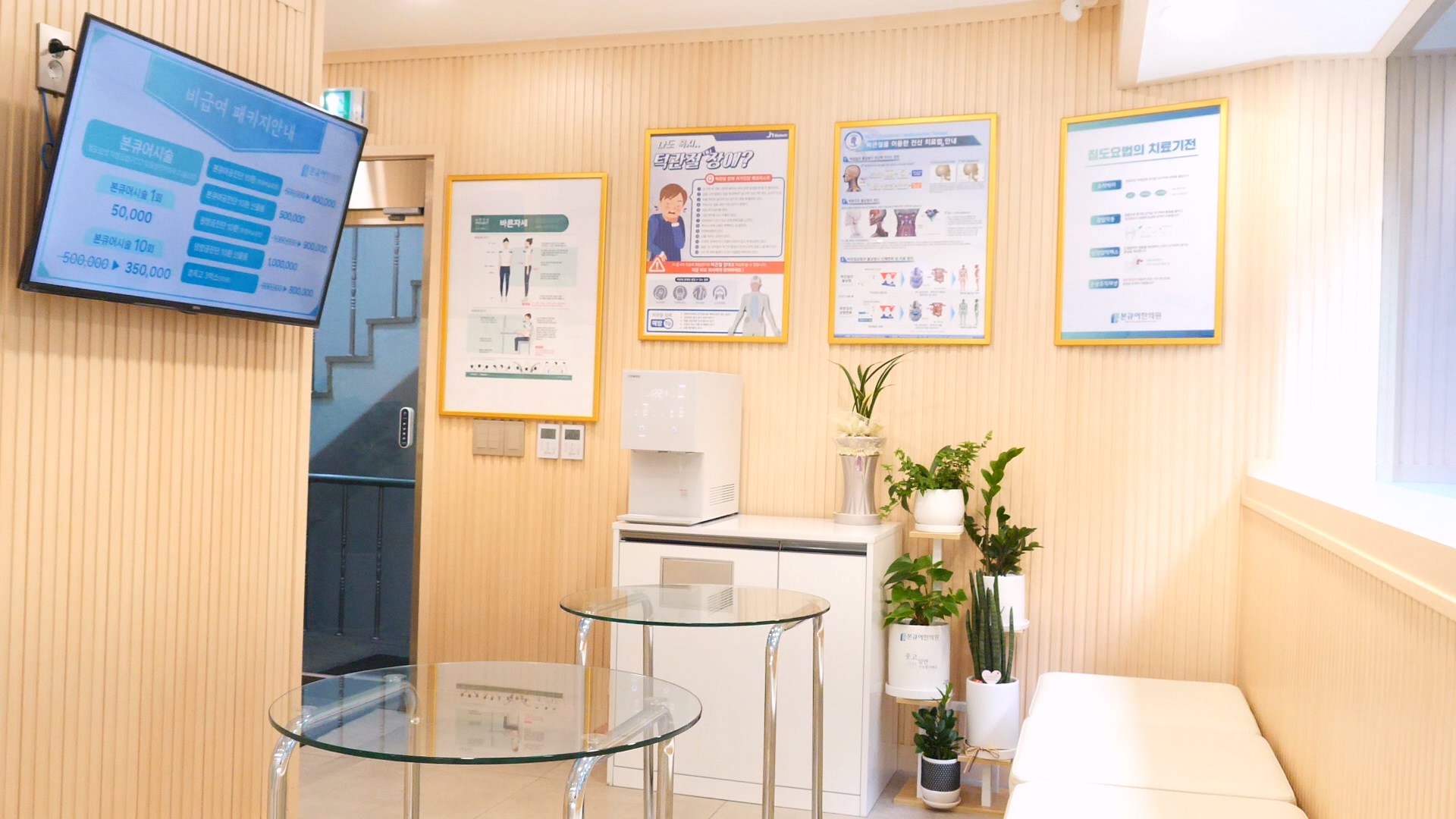
When patients come to my clinic after spinal surgery, they are often at their most frustrated, seeking answers for pain that was supposed to disappear. Understanding the relationship between skeletal alignment and surgical failure is the first step toward reclaiming your quality of life.
Understanding Failed Back Surgery Syndrome (FBSS) Through Structural Imbalance
Failed Back Surgery Syndrome describes persistent or recurring pain after spinal procedures, where the clinical outcome does not meet the patient or surgeon's expectations. While the surgery may have successfully removed a specific obstruction, such as a herniated disc, it often fails to account for the overall mechanical environment of the spine. At Bonecure, we recognize that FBSS is a complex condition that requires a whole-body structural perspective rather than a localized focus.
Defining FBSS: Why Pain Remains After Surgery
Failed Back Surgery Syndrome, or FBSS, refers to a condition where a patient continues to experience significant pain in the back or limbs despite undergoing one or more spinal surgeries. While the surgery may have successfully addressed a specific anatomical issue like a herniated disc, the clinical outcome is often complicated by persistent discomfort. At Bonecure, we observe that FBSS affects a notable percentage of surgical cases, with literature suggesting rates between 10% and 40% depending on the procedure. The syndrome is not a single diagnosis but rather a cluster of symptoms resulting from various factors, including recurrent disc herniation, spinal stenosis, or structural instability. Identifying why the procedure did not provide relief is the first step toward recovery. We focus on assessing the patient's current functional state and neurological health to determine if a structural imbalance was overlooked during the initial surgical planning or developed as a post-operative complication.
The Critical Role of Spinal Alignment in Surgical Outcomes
Spinal alignment plays a foundational role in the long-term success of any surgical intervention, and at Bonecure, we emphasize its importance alongside conventional care. When a surgeon fuses a segment of the spine, the mechanical load is redistributed to the levels above and below the surgical site. If the global alignment of the spine, such as the cervical curve or pelvic tilt, is already distorted, this redistribution places excessive stress on these adjacent areas. This phenomenon, often called adjacent segment disease, can lead to new pain patterns shortly after the recovery phase. At Bonecure, our clinical observations indicate that many post-surgical patients still present with significant pelvic rotation or forward head posture that compromises their healing. By addressing these global structural issues rather than focusing solely on the operated segment, we aim to stabilize the entire musculoskeletal framework. This integrated approach helps in reducing the mechanical friction that often contributes to the failure of the original surgical goal.
How Bonecure Identifies Root Structural Causes
Identifying the root structural causes of persistent pain requires a comprehensive evaluation that goes beyond a localized MRI. At Bonecure, we utilize Whole Spine X-ray analysis to visualize how the entire skeletal system interacts, allowing us to see compensations that a localized scan might miss. Our diagnostic process also involves functional movement tests and detailed clinical histories to understand the patient’s unique biomechanical narrative. For instance, we may find that a patient's lower back pain persists because a cranial bone misalignment is affecting their overall posture, a concept explored in our guide on How Does Cranial Bone Misalignment Affect the Central Nervous System?. By mapping these interconnections, we can pinpoint whether the pain stems from residual nerve compression or a new structural distortion caused by post-surgical scarring. This objective evidence-based approach ensures that the treatment plan we develop is tailored to the specific anatomical realities of the patient, providing a clear roadmap for their restoration journey.
The Biomechanics of Persistent Pain: Structural Misalignment Mechanisms
Biomechanics refers to the study of the mechanical laws relating to the movement or structure of living organisms, particularly how force affects the spine. When the structural integrity of the back is compromised by surgery, the body’s mechanical efficiency changes, often leading to chronic pain cycles. Understanding these mechanisms is crucial for developing an effective restoration plan that addresses more than just the surface-level symptoms.
Adjacent Segment Disease and Compensatory Imbalance
Adjacent Segment Disease (ASD) represents one of the most common biomechanical challenges following spinal fusion surgery. When one joint is immobilized to provide stability, the neighboring joints must compensate by increasing their range of motion and load-bearing capacity. This compensatory imbalance often accelerates the degeneration of healthy discs, leading to secondary stenosis or herniation. In my clinical experience at Bonecure, I have treated many individuals where the surgery was technically successful at the L4-L5 level, yet the patient developed severe pain at L3-L4 within two years. Statistics suggest that nearly 20% of fusion patients may require additional surgery for ASD within ten years. To mitigate this risk, we focus on restoring the natural curvature of the spine, which allows for a more even distribution of weight across all vertebral segments. This realignment is essential for preventing the cycle of repetitive surgeries that characterizes many FBSS cases, offering a path toward sustainable physical stability.
Soft Tissue Adhesion and Deep Nerve Entrapment
Soft tissue adhesions and deep nerve entrapment are frequent culprits in post-surgical pain that is often missed by standard diagnostic imaging. During the healing process following a back operation, the body naturally forms scar tissue. However, in many patients, this tissue becomes excessive and binds to nerves or muscles. These adhesions, often referred to as fibrosis, restrict the sliding motion of nerves, causing sharp pain or numbness even if the initial disc pressure was removed. At Bonecure, we focus on identifying these tight spots that create a mechanical pull on the spinal structure. When scar tissue tethers a nerve root, even slight movements can trigger a pain response, mimicking the original symptoms of a herniated disc. By addressing these adhesions through specialized techniques like Dochim, we can release the physical tension that traps these nerves. Restoring the elasticity of the surrounding fascia is a critical step in allowing the spine to move freely without triggering the inflammatory pathways associated with FBSS.
Bonecure's Restoration Strategy: Dochim Acupotomy and Structural Correction
A restoration strategy at Bonecure involves the integration of specialized acupotomy and manual therapy to correct skeletal deviations and soft tissue dysfunction. By combining these modalities, we can address both the rigid scar tissue and the underlying bone misalignments that contribute to chronic post-surgical pain. This holistic approach is designed to restore functional movement and reduce the neurological burden on the body.
Acupotomy (Dochim) for Releasing Deep Structural Adhesions
Acupotomy, specifically the use of the specialized Dochim, is a primary tool for releasing deep structural adhesions in post-surgical patients. Unlike standard acupuncture needles, the Dochim tool features a small, flat blade at the tip, designed to physically separate fibrotic tissues and scar formations that contribute to nerve entrapment. This procedure is particularly effective for FBSS because it targets the chronic adhesion that occurs deep within the spinal musculature. At Bonecure, we apply this method to restore the functional length of muscles and the mobility of the joints. While the procedure involves minor discomfort, many patients report a significant reduction in the sensation of tightness immediately following the session. However, it is important to note that Dochim is a medical procedure and can result in temporary localized pain, minor bruising, or, in very rare cases, infection. We maintain strict sterilized protocols to ensure safety while helping patients regain the movement they lost after their surgeries.
Restoring Balance with Corrective Chuna and Bone Alignment
Corrective Chuna and bone alignment therapies are essential for stabilizing the spine once soft tissue restrictions have been addressed. In my practice at Bonecure, I utilize specialized manual techniques to guide the vertebrae and pelvis back into their optimal positions. This is not merely a manipulation of the joints but a precise structural realignment based on the patient's X-ray data and biomechanical profile. For those seeking comprehensive care, we often integrate these techniques as part of a specialized Acupuncture Clinic Gangnam Seoul experience. By correcting the foundation of the body, the pelvis and the cranium, we reduce the abnormal torque placed on the lumbar and thoracic spine. This realignment allows the nervous system to function more efficiently, as evidenced by improvements in various clinical scales. For instance, we track changes in pain levels and functional capacity to ensure that each adjustment moves the patient closer to a balanced state. Restoring this symmetry is the key to preventing the recurrence of pain.
Objective Evidence: Analyzing Structural Change via X-ray and Clinical Notes
Analyzing structural changes via objective evidence is a hallmark of the clinical process at Bonecure. We do not rely solely on patient testimonials. Instead, we prioritize measurable data such as Whole Spine X-rays and validated clinical notes. By comparing X-ray images taken before and after the treatment course, we can visualize the actual shift in spinal degrees and pelvic angles. This data-driven approach allows us to quantify the restoration of the spinal curves, which is vital for patients who have lost hope after multiple failed surgeries. We also use standardized assessment tools, such as the Beck Anxiety or Depression scales, to monitor the psychological impact of chronic pain recovery. Clinically, we utilize tools like the Beck scales to monitor the correlation between a patient's physical alignment restoration and their overall psychological well-being, as individual responses to chronic pain recovery can vary. By documenting these changes, we provide our patients with a clear, objective understanding of their progress, moving away from the ambiguity that often surrounds chronic pain management and toward a transparent recovery model.
Comparative Analysis: Traditional Symptomatic Care vs. Fundamental Structural Restoration
Comparative analysis involves evaluating the differences between managing symptoms and addressing the underlying structural causes of chronic spinal pain. While traditional methods focus on immediate relief, structural restoration looks at the long-term stability of the musculoskeletal system. Understanding these differences helps patients make informed decisions about their ongoing care and recovery pathways.
Comparing Approaches: Symptomatic Management vs. Alignment Correction
Comparing the outcomes of symptomatic management versus alignment correction highlights the different focus areas of various care models for FBSS. Traditional treatments often focus on suppressing inflammation through medication or temporary nerve blocks, which may provide short-term relief but do not address the mechanical imbalances that caused the pain. In contrast, the structural restoration approach at Bonecure aims to fix the physical hardware issue by realigning the spine and releasing adhesions. While symptomatic care might be necessary for acute flare-ups, relying on it long-term can lead to a cycle of dependency and further degeneration. Our goal is to shift the focus from merely managing the pain to actively restoring the body’s mechanical efficiency. By comparing the two, it becomes clear that structural correction offers a more sustainable path for those who have already undergone surgery without success. This approach recognizes that unless the physical misalignment is corrected, the patient remains at high risk for ongoing discomfort and further surgical interventions.
| Feature | Traditional Symptomatic Care | Structural Restoration (Bonecure) |
|---|---|---|
| Primary Focus | Symptomatic management | Global skeletal realignment |
| Mechanism | Medication, blocks, or steroid injections | Dochim (adhesion release) & Chuna (alignment) |
| Diagnosis | Localized MRI / Symptom mapping | Whole Spine X-ray / Biomechanical analysis |
| Long-term Goal | Pain management | Mechanical efficiency & stability |
| Patient Involvement | Passive recipient | Active recovery through postural correction |
Clinical Application and Patient Considerations at Bonecure Cheongdam
Clinical application refers to the practical implementation of personalized recovery protocols within a specialized medical environment like Bonecure. Every patient brings a unique history of surgery and physical trauma, necessitating a highly individualized approach to treatment. By focusing on the specific needs of post-surgical patients, we ensure that the restoration process is both safe and effective for long-term health.
Personalized Treatment Plans for Chronic Post-Surgical Patients
Personalized treatment plans are vital for post-surgical patients because no two cases of FBSS are identical. At Bonecure, we consider the specific type of surgery performed, whether it was a laminectomy, discectomy, or fusion, as well as the patient’s lifestyle and current physical limitations. A patient who has had multiple surgeries requires a more cautious and layered approach compared to one who is experiencing their first post-operative complication. We develop a comprehensive roadmap that may include Dochim for scar tissue, Chuna for alignment, and even Non-surgical Spinal Treatment protocols tailored to their needs. This individualized focus ensures that we are not just treating a diagnosis but a person with unique anatomical challenges. By tailoring the frequency and intensity of the sessions, we can maximize the potential for recovery while minimizing the stress on the patient’s body. This level of customization is what allows us to achieve meaningful results in complex cases that have not responded to standard protocols.
Safety Protocols and Managing Potential Side Effects of Dochim
Safety protocols and the management of potential side effects are central to the patient experience at Bonecure. We believe in complete transparency regarding the risks associated with specialized Korean medicine techniques like Dochim. While highly effective for releasing adhesions, Dochim can cause temporary localized pain, minor bruising, or slight bleeding at the site of insertion. In very rare instances, there is a risk of infection, which is why we strictly adhere to medical-grade sterilization and single-use needle protocols. We also educate our patients on what to expect during the healing phase, such as temporary muscle soreness that typically resolves within a few days. By maintaining a balance between the benefits and the risks, we provide a safe environment for structural restoration. We monitor each patient closely for any adverse reactions, adjusting the treatment plan as needed to ensure their comfort and safety. This commitment to clinical excellence and patient safety is the foundation of our reputation in treating chronic and complex spinal conditions.
Key Takeaways
- Structural imbalance is a leading contributor to Failed Back Surgery Syndrome (FBSS).
- Bonecure utilizes specialized Dochim therapy to release deep adhesions and scar tissue that trapped nerves post-surgery.
- Objective measurement through Whole Spine X-rays ensures that progress is quantified and evidence-based.
- Treatment plans are highly personalized to account for individual surgical histories and biomechanical needs.
- Individual results vary, and Bonecure follows strict safety protocols to manage potential minor side effects of treatment.
Frequently Asked Questions
Q. What exactly is structural imbalance in the context of Failed Back Surgery Syndrome?
Structural imbalance refers to the misalignment of the spine or pelvis that persists or develops after surgery. Even if a specific disc or bone was addressed surgically, if the overall skeletal framework remains distorted, it continues to place abnormal stress on nerves and muscles. At Bonecure, we find that these imbalances are often the primary reason pain returns after an initially successful surgery.
Q. Is Dochim acupuncture effective for chronic back pain after surgery?
Yes, Dochim (acupotomy) is a specialized Korean medicine technique designed to release adhesions in soft tissues that have become fibrotic or scarred post-surgery. By breaking down these physical restrictions, it helps restore mobility and reduce nerve pressure. However, it is important to remember that results are based on individual clinical cases and vary by patient.
Q. Are there any risks or side effects associated with Dochim therapy at Bonecure?
As with any invasive procedure, Dochim may cause temporary localized pain, minor bruising, or light bleeding at the insertion site. In very rare cases, infection could occur if proper protocols are not followed. At Bonecure, we follow strict sterilized protocols to minimize these risks while addressing deep structural issues effectively.
Q. How many sessions of treatment are typically required for FBSS patients?
Chronic and severe cases of FBSS usually require multiple sessions to achieve significant structural improvement. While some patients may feel immediate relief, a comprehensive plan involving Dochim and Chuna is typically necessary for long-term stability. A specific duration is determined after a professional consultation and thorough diagnostic review.
Q. Does Bonecure provide pharmacopuncture for pain management?
Yes, we integrate pharmacopuncture, which combines the stimulation of acupuncture with the pharmacological benefits of herbal extracts injected into specific points. This is used to reduce inflammation and support the healing of tissues damaged by chronic structural strain or prior surgeries.
Q. How does Bonecure scientifically verify the progress of structural correction?
We utilize objective measures such as Whole Spine X-ray comparisons and validated clinical scales, including the Beck Anxiety or Depression scales, to track alignment changes and functional recovery. This ensures our approach is grounded in observable data rather than just subjective reports.
Q. Can structural correction help if I have already had multiple back surgeries?
Even in complex cases with multiple surgical histories, improving the global alignment of the spine can reduce the mechanical load on compromised segments. Our goal at Bonecure is to find the remaining functional balance to alleviate pain. However, individual anatomical limitations caused by previous surgeries must always be considered.
Bonecure / Dr. Song Jung-hyun
FAQ
- What exactly is structural imbalance in the context of Failed Back Surgery Syndrome?
- Structural imbalance refers to the misalignment of the spine or pelvis that persists or develops after surgery. Even if a specific disc or bone was addressed surgically, if the overall skeletal framework remains distorted, it continues to place abnormal stress on nerves and muscles. At Bonecure, we find that these imbalances are often the primary reason pain returns after an initially successful surgery.
- Is Dochim acupuncture effective for chronic back pain after surgery?
- Yes, Dochim is a specialized Korean medicine technique designed to release adhesions in soft tissues that have become fibrotic or scarred post-surgery. By breaking down these physical restrictions, it helps restore mobility and reduce nerve pressure. However, it is important to remember that results are based on individual clinical cases and vary by patient.
- Are there any risks or side effects associated with Dochim therapy at Bonecure?
- As with any invasive procedure, Dochim may cause temporary localized pain, minor bruising, or light bleeding at the insertion site. In very rare cases, infection could occur if proper protocols are not followed. At Bonecure, we follow strict sterilized protocols to minimize these risks while addressing deep structural issues effectively.
- How many sessions of treatment are typically required for FBSS patients?
- Chronic and severe cases of FBSS usually require multiple sessions to achieve significant structural improvement. While some patients may feel immediate relief, a comprehensive plan involving Dochim and Chuna is typically necessary for long-term stability. A specific duration is determined after a professional consultation and thorough diagnostic review.
- Does Bonecure provide moxibustion therapy for pain management?
- Yes, we integrate traditional moxibustion therapy at our clinic to improve circulation and support the healing of tissues damaged by chronic inflammation or prior surgeries. This therapy complements our structural correction methods by promoting blood flow to areas that have undergone surgical trauma.
- How does Bonecure scientifically verify the progress of structural correction?
- We utilize objective measures such as Whole Spine X-ray comparisons and validated pain scales, including the VAS or Beck scales, to track alignment changes and functional recovery. This ensures our approach is grounded in observable data rather than just subjective reports of feeling better.
- Can structural correction help if I have already had multiple back surgeries?
- Even in complex cases with multiple surgical histories, improving the global alignment of the spine can reduce the mechanical load on compromised segments. Our goal at Bonecure is to find the remaining functional balance to alleviate pain. However, individual anatomical limitations caused by previous surgeries must always be considered.