
Post
The 'Bone Smiles' Philosophy: How Physical Alignment Aims to Enhance Life Satisfaction in 2026
Hello. I am Dr. Song Jung-hyun, a Korean medicine practitioner who has focused on acupotomy for many years. Structural alignment is the cornerstone of physical health and mental clarity.
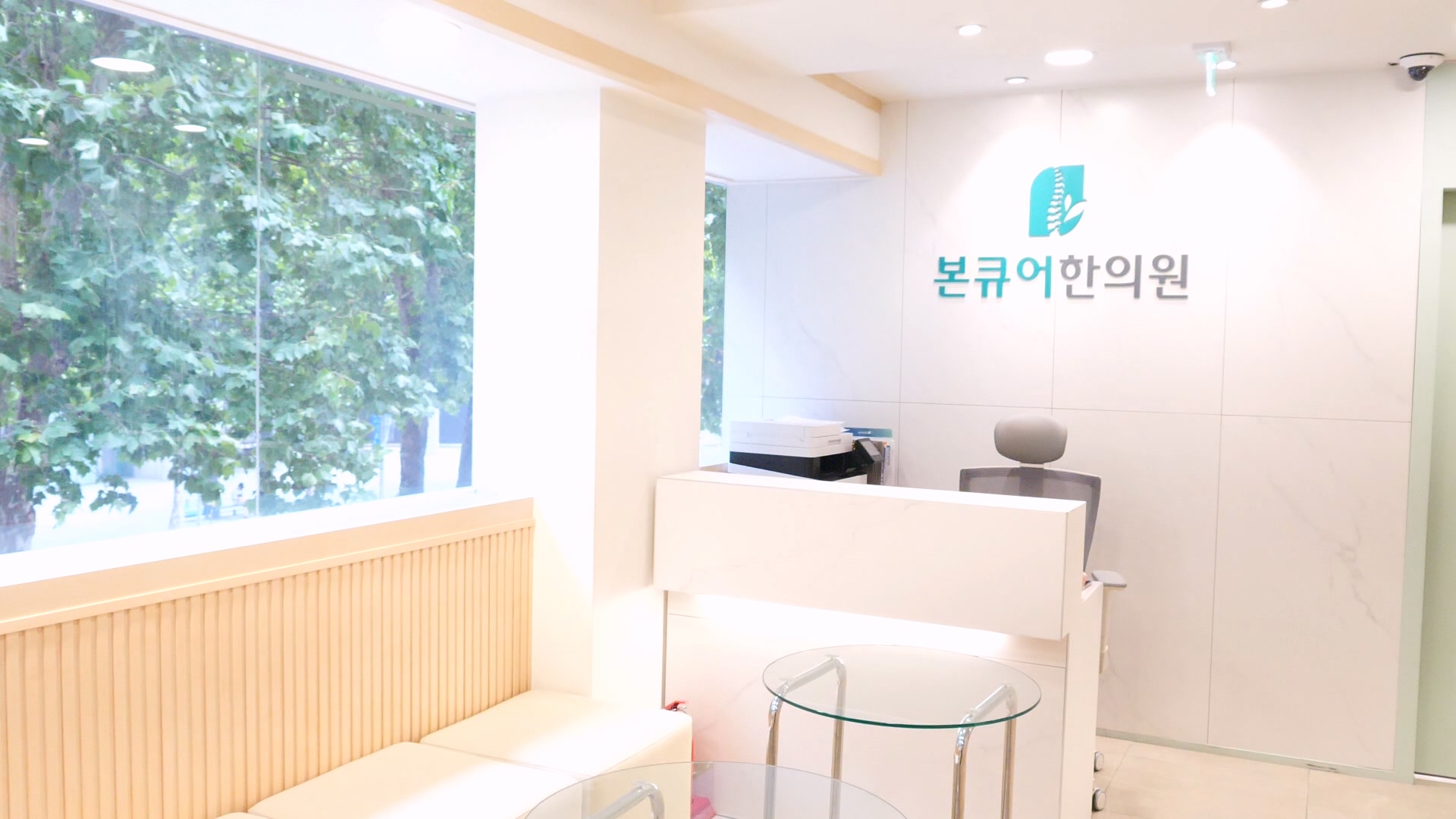
This guide explores the 'Bone Smiles' philosophy, which posits that when your skeletal structure is correctly aligned and functioning without pain, your overall quality of life and happiness can improve significantly. By addressing the root causes of physical tension, we aim to unlock a higher state of vitality and life satisfaction in 2026.
The Core of the Bone Smiles Philosophy: Alignment and Life Satisfaction
Structural alignment refers to the harmonious positioning of the skeletal system, particularly the spine and joints, to facilitate optimal nerve flow and functional movement. This balance is not merely a physical state but a foundational requirement for systemic health, as it ensures that the nervous system communicates effectively with every organ and muscle in the body. When the bones are in their proper places, the body consumes less energy to maintain posture, reducing the chronic fatigue often associated with misalignments. This efficiency allows the body to redirect its resources toward healing and daily activities, creating a sense of lightness and ease. At the clinical level, achieving this alignment requires a deep understanding of the relationship between the skull, the spine, and the pelvis. A 'smiling' bone structure represents a state where joints move freely and the spine supports the body's weight without localized stress, leading to a sustainable sense of well-being.
Defining Structural Alignment in Korean Medicine
In the context of traditional clinical practice, structural alignment is viewed as the physical manifestation of balanced energy. While modern diagnostics utilize whole-spine X-rays to measure degrees of curvature, Korean medicine focuses on how these deviations affect the flow of vital signals through the body. Misalignment is often treated as a precursor to stagnant circulation, which causes localized inflammation and persistent pain. By correcting the skeletal frame, we essentially clear the path for the body's self-healing mechanisms to function at their peak. This approach recognizes that the spine is not just a stack of bones but a protective conduit for the central nervous system. When we speak of alignment, we are referring to the vertebrae and their associated discs, ligaments, and fascia working in concert. This holistic view ensures that treatment does not just target a single painful joint but restores the integrity of the entire musculoskeletal chain, which is essential for long-term recovery.
The Psychological Impact of Physical Balance
There is a profound connection between the physical state of the spine and our psychological resilience. Research into the autonomic nervous system shows that chronic structural tension can keep the body in a constant state of stress. When a patient achieves physical balance, the pressure on the spinal nerves is relieved, often leading to a reduction in perceived stress levels. In my clinical experience, patients who undergo structural realignment frequently report improved mood and a more positive outlook on life, a phenomenon we call the 'Bone Smile' effect. This is the result of stabilized nervous system activity and improved oxygenation of the brain. When the body is no longer preoccupied with managing chronic pain, the mind is free to engage with the world more fully. This mental clarity is a direct byproduct of physical symmetry, highlighting why structural health is a vital component of any comprehensive wellness strategy in 2026.
Why Modern Living Compromises Our Natural Alignment
Modern lifestyles are inherently hostile to the natural curvature of the human spine. The prevalence of sedentary work and the constant use of handheld devices have led to a global increase in conditions like 'turtle neck' syndrome and lumbar disc compression. These habits force the body into a state of 'locked' tension, where the fascia thickens and creates adhesions that pull the bones out of their optimal positions. Observations from 2026 indicate that a vast majority of office workers suffer from some form of postural deviation that impacts their daily productivity. These structural shifts are often subtle at first but eventually lead to significant health challenges, including chronic headaches and digestive issues. By understanding that our environment is constantly pushing us out of balance, we can take proactive steps to intervene. Structural medicine provides the tools to counteract these environmental stressors, using precision techniques to release the deep tissue adhesions that keep us trapped in poor postural habits.
Innovative Korean Traditional Medicine Treatment at BoneCure
Innovative treatment protocols represent the synthesis of centuries-old clinical wisdom and modern diagnostic accuracy to address deep-seated musculoskeletal pathologies. At BoneCure, we integrate specialized evaluation with acupotomy techniques to provide a level of precision that focuses on immediate structural change. This methodology focuses on the 'Acupotomy' or acupuncture-knife, which is designed to micro-dissect hardened scar tissue and adhesions surrounding the spine. By targeting these specific structural obstructions, we allow the bones to return to their natural alignment. This evidence-based approach is supported by clinical data and case reports that document improvements in both structural symmetry and patient-reported pain scores. Our goal is to provide a treatment experience that is scientifically grounded, ensuring an efficient and intensive path to recovery for every patient.
Acupotomy for Back Pain and Chronic Discomfort
Traditional therapy is evolved at our clinic into a structural intervention known as acupotomy. This technique utilizes a specialized tool that combines the benefits of a needle and a scalpel, allowing for the release of deep fascial adhesions that cause chronic back pain. In cases involving spinal stenosis or herniated discs, the surrounding soft tissues often become fibrotic, effectively 'gluing' the vertebrae in a misaligned position. Acupotomy allows us to perform a micro-dissection of these tissues. Clinical observations show that releasing these adhesions can significantly improve the range of motion. While patients may experience temporary soreness or minor bruising, the long-term benefit is a reduction in the mechanical pressure on the nerves. Acupotomy: A 2026 Guide to Specialized Acupuncture-Knife Therapy for Chronic Pain provides further insight into how this precision tool addresses chronic tissue damage.
Moxibustion Therapy in Seoul: Revitalizing Internal Flow
To complement structural releases, we utilize moxibustion therapy to enhance the body's internal circulation. This process involves the burning of dried mugwort near specific acupoints to generate therapeutic heat that penetrates deep into the muscle layers. This heat serves to soften the fascia and increase blood flow to areas that have been starved of nutrients due to chronic tension. In the fast-paced environment of Seoul, many patients present with circulation issues that exacerbate musculoskeletal stiffness. Moxibustion acts as a catalyst for the healing process, helping to stabilize the results achieved through structural alignment. By warming the meridians, we support the internal flow, which is essential for maintaining the elasticity of the soft tissues surrounding the spine. This dual approach ensures that the body does not simply revert to old, painful patterns, but instead builds a new foundation of warmth and movement.
Traditional Medicine Clinical Notes: Evidence-Based Approaches
In my practice at BoneCure, I prioritize the use of objective data to track patient progress. We utilize Whole-Spine X-ray analysis (in collaboration with Harrison Hospital) to measure the precise angles of spinal curvature before and after the treatment cycles. For instance, in cases of chronic tinnitus or Parkinsonian symptoms, clinical observations suggest that correcting cervical spine imbalances may help reduce symptom intensity. However, individual results vary depending on the chronicity and underlying cause. In cases of idiopathic scoliosis, consistent structural therapy can assist in improving symmetry. The duration of treatment and the degree of improvement depend on the patient's specific curvature and overall health status. These clinical notes are vital for validating the 'Bone Smiles' philosophy. We also monitor autonomic nervous system stability through heart rate variability (HRV) testing. This evidence-based framework allows us to refine our techniques continuously and provide patients with clear, quantifiable milestones on their journey toward optimal physical alignment.
Comprehensive Care at our Korean Traditional Medicine Clinic in Cheongdam
Comprehensive clinical care involves an intensive approach that targets the root causes of systemic discomfort. BoneCure is situated at Samseong-ro, Gangnam-gu, providing a professional environment for those seeking structural healing. Our clinic is designed for efficiency, beginning with a detailed assessment of body type, movement, and internal organ function. We recognize that chronic pain is a multifaceted issue involving physical and environmental factors. Therefore, our care plans are highly personalized, integrating modalities such as acupotomy, Chuna manual therapy, and physical therapy. We provide a treatment-focused environment where every minute is dedicated to structural restoration and clinical excellence. By focusing on the structural integrity of the body, we help our patients regain the vitality needed to thrive in their professional and personal lives in 2026.
Personalized Oriental Medicine for Chronic Pain
Every patient at our clinic receives a customized treatment plan based on their unique structural profile. We do not believe in a one-size-fits-all approach to chronic pain. Our diagnostic phase includes a systematic evaluation of body structure, movement dynamics, and internal organ function. This allows us to identify the specific adhesions driving the symptomatic pain. Signs Your Chronic Pain is Caused by Structural Bone Misalignment: A 2026 Guide explains how to recognize these underlying structural issues. Once a diagnosis is established, we may prescribe herbal formulas to reduce internal inflammation and support tissue regeneration. This internal support is crucial for patients with long-standing chronic conditions. By addressing both the internal environment and the external structural frame, we provide an efficient path toward pain relief and stability.
Cupping Therapy and Structural Release Techniques
Cupping therapy is utilized as a secondary tool to facilitate structural release by creating negative pressure on the skin and muscle layers. This vacuum effect helps to pull stagnant circulation and inflammatory byproducts from the deep tissues to the surface. In structural medicine, we use cupping to 'lift' the fascia away from the underlying muscle, creating space for improved circulation. This is particularly effective for patients with chronic lower back stiffness where the layers of tissue have become stuck together. When used in conjunction with acupotomy, cupping helps to flush out the inflammatory markers released during the micro-dissection of adhesions. Patients often describe a feeling of immediate 'lightness' following a session. While the circular marks left by cupping are temporary, the increase in local blood flow provides benefits for tissue health and flexibility, reinforcing the primary structural corrections.
Holistic Korean Medicine for Women's Health and Wellness
Structural alignment plays a critical role in women's health, particularly concerning pelvic balance and systemic stability. The position of the pelvis directly influences the health of the reproductive organs and the efficiency of the digestive system. At BoneCure, we address the specific structural shifts that occur during various life stages. Misalignments in the lower spine can lead to persistent pelvic pain and autonomic imbalances. Our approach ensures that the skeletal frame provides a stable environment for the internal organs to function optimally. By restoring the 'Bone Smile' to the pelvic region, we often see improvements in systemic symptoms like chronic fatigue. We utilize precision structural correction techniques combined with targeted herbal therapy to support the unique physiological needs of our female patients. This focus on structural integrity helps maintain vitality and resilience through all stages of life.
Comparing Structural Treatment Modalities for Lasting Recovery
Structural treatment modalities are categorized by their specific mechanical interventions to restore biomechanical integrity. Choosing the right modality is essential for achieving a 'Bone Smile' that lasts. While some methods focus on superficial muscles, others penetrate deep into the structural adhesions that hold the bones in place. These treatments are often most effective when used in combination, as they target different layers of the musculoskeletal system. The following comparison highlights the distinct characteristics of the primary structural therapies used in 2026. This transparency allows patients to understand that while results may vary, a structured approach is the most reliable way to achieve physical realignment and systemic health improvements.
| Treatment Modality | Primary Focus | Depth of Intervention | Key Benefit |
|---|---|---|---|
| Traditional Acupuncture | Nerve stimulation | Superficial to Moderate | Pain modulation and relaxation |
| Acupotomy (Acu-knife) | Releasing deep adhesions | Deep (Fascial/Ligament) | Physical release of 'stuck' joints |
| Chuna Manual Therapy | Bone and joint alignment | Moderate to Deep | Restoring joint range of motion |
| Cupping Therapy | Myofascial decompression | Superficial to Moderate | Improved local circulation |
| Herbal Medicine | Internal balance | Systemic | Reduced inflammation and repair |
Traditional Acupuncture vs. Modern Acupotomy Methods
While traditional acupuncture is excellent for managing acute pain, modern acupotomy is specifically designed for structural correction. Traditional needles are very thin and are meant to stimulate responses. In contrast, the acupotomy tool has a small flat blade at the tip, allowing the practitioner to physically separate the microscopic fibers of an adhesion. This is the difference between sending a signal to a muscle to relax and physically releasing the 'rope' that is tying a joint in a twisted position. For chronic conditions where the tissue has actually changed structure, traditional acupuncture may only provide temporary relief. Acupotomy aims to provide recovery by addressing mechanical obstructions directly. In my clinical experience, patients who have failed to see progress with standard treatments often find that acupotomy is the missing piece, providing immediate changes in symptoms and movement.
Manual Alignment vs. Chuna Manual Therapy Benefits
Chuna manual therapy is a specialized form of manipulative medicine, focusing on the dynamic relationship between the spine and the nervous system. Chuna involves a specific diagnostic protocol that looks for subluxations or misalignments that interfere with function. The practitioner uses their hands to apply controlled force to specific vertebrae. This helps to 're-educate' the nervous system and the surrounding muscles to hold the bone in its correct position. The benefit of Chuna is its ability to provide immediate feedback to the body's proprioceptors. When combined with the deep tissue release of acupotomy, Chuna becomes even more effective, as the bones are no longer being pulled back into misalignment by tight adhesions. This synergy is a hallmark of the care provided at BoneCure, leading to sustainable structural improvements that allow the patient to move with comfort.
Clinical Observations: Restoring Vitality through Realignment
Clinical observations in structural medicine involve the systematic recording of patient outcomes following precision realignment. Over the years, I have documented cases where patients have transformed their lives by prioritizing their skeletal health. These observations reveal that structural issues are rarely confined to a single area; a problem in the neck often reflects an imbalance in the pelvis. By treating the body as an integrated unit, we can achieve results that go beyond simple pain relief. Structural Medicine Approach to Chronic Fatigue and Autonomic Dysfunction: A 2026 Clinical Guide details how structural changes impact energy levels. The following insights represent the core findings from my practice, emphasizing the importance of maintaining long-term alignment for a satisfying life. While every journey is unique, a well-aligned body is a prerequisite for a joyful mind.
Case Study: Improving Quality of Life through Spinal Balance
In my clinical experience, many patients suffering from chronic migraines and neck stiffness often present with structural deviations, such as a 'reverse C' curve in the cervical spine. By utilizing a combination of acupotomy and Chuna therapy to release deep fascial adhesions, it is possible to improve cervical alignment and reduce the frequency of tension-related headaches. At BoneCure, we focus on treatments where patients can feel the change immediately rather than requiring dozens of sessions to notice a difference. Please note that acupotomy may cause temporary soreness, minor bruising, or localized bleeding. Clinical results depend on the severity of the misalignment and individual healing responses.
Managing Nervous System Stability through Physical Correction
Physical correction is one of the most effective ways to stabilize a dysregulated nervous system. The vagus nerve, which controls much of the body's 'rest and digest' functions, passes through the neck. If the atlas bone (the first cervical vertebra) is misaligned, it can place mechanical pressure on this vital nerve, leading to heart palpitations and chronic anxiety. By precisely realigning the upper cervical spine, we aim to 'unblock' the nerve, leading to a calming effect on the patient's physiology. Clinical data shows that structural realignment can lead to a measurable increase in heart rate variability. This is why many patients feel a sense of profound relaxation after a session; it is the physical sensation of their nervous system finally coming out of high alert. Maintaining this stability is essential for navigating the stresses of modern life with confidence.
Maintaining Long Term Alignment in Daily Life
Achieving alignment is a significant milestone, but maintaining it requires a commitment to healthy daily habits. I often advise my patients that their daily posture is just as important as the treatment. This involves ergonomic adjustments, such as ensuring monitors are at eye level. Additionally, specific exercises are prescribed to keep the fascia supple and prevent new adhesions. At BoneCure, we believe that efficiency and results-oriented care are vital. We teach our patients to recognize the early signs of tension before they become full-blown misalignments. Regular check-ups can help catch and correct minor shifts before they cause pain. By integrating these practices into your life, you can ensure that your 'Bone Smile' remains bright, supporting your physical health and life satisfaction for years to come.
Key Takeaways
- Structural Health Equals Mental Wealth: Physical alignment aims to reduce neurological stress, supporting improved mood and resilience.
- Immediate Results Focus: BoneCure focuses on acupotomy and Chuna to provide structural changes that patients can feel immediately after treatment.
- Professional Intensity: Our clinic prioritizes efficient, clinical excellence and compressed, high-impact treatment sessions over long, repetitive consultation.
- Comprehensive Assessment: Each plan is based on a detailed evaluation of body type, movement, and internal organ function to find the root cause.
- Personalized Frequency: Treatment duration is tailored to individual progress and immediate response rather than standardized long-term packages.
Frequently Asked Questions
Q. What exactly does the 'Bone Smiles' philosophy represent?
The 'Bone Smiles' philosophy reflects the belief that when the skeletal system is properly aligned, the body functions with maximum efficiency and minimal pain. This physical harmony allows the nervous system to operate without interference, which enhances an individual's overall quality of life. When your bones are in balance, your life can smile.
Q. How does acupuncture for back pain differ at BoneCure?
At BoneCure, we focus on 'acupotomy' (acu-knife), a specialized structural technique. Unlike traditional needles that focus on surface stimulation, acupotomy targets deep adhesions and scar tissue that physically pull the spine out of alignment. We focus on achieving immediate structural change through high-impact, professional treatment.
Q. Are there any side effects to the structural treatments used?
As with any clinical intervention, patients may experience temporary soreness, minor bruising, or light bleeding at the site of the acupotomy. These typically resolve within a few days. We conduct a thorough assessment of your body type and movement to ensure the treatment is tailored to your specific condition and safety.
Q. What makes your Korean traditional medicine clinic in Cheongdam unique?
Our clinic provides a professional, treatment-focused environment in the heart of Gangnam. We avoid long, inefficient consultations in favor of intensive, results-oriented care. By using objective tools like whole-spine X-rays and focusing on immediate structural 호전 (improvement), we offer a path to health that respects the time and needs of modern urban professionals.
Q. Is moxibustion therapy in Seoul effective for systemic health?
Yes, moxibustion is an excellent secondary tool. By applying therapeutic heat, we improve circulation and soften the fascia, which supports the physical alignment of the bones. This is particularly effective for those who suffer from stiffness and poor internal flow due to high-stress, sedentary lifestyles.
Q. How many sessions are typically required for chronic pain relief?
At BoneCure, we do not prescribe fixed long-term packages like 'you must do 10 sessions.' We focus on providing results you can feel from the very first treatment. The frequency of visits is determined by your immediate symptomatic response and structural needs, ensuring the most efficient path to recovery.
Q. Can Korean medicine for women's health help with structural issues?
Absolutely. We specialize in addressing pelvic and lumbar shifts that impact women's health. By restoring alignment to the pelvic region, we support internal organ function and hormonal balance. Our treatment-focused approach ensures that physical health supports a high quality of life through every life stage.
I hope this guide helps you understand how structural alignment can transform your health. For professional evaluation or to begin your journey toward alignment, please consult with a qualified practitioner.
BoneCure Korean Medicine Clinic / Dr. Song Jung-hyun
FAQ
- What exactly does the 'Bone Smiles' philosophy represent?
- The 'Bone Smiles' philosophy is a clinical perspective which suggests that when the skeletal system is perfectly aligned, the body functions with maximum efficiency and minimum pain. This physical harmony allows the nervous system to operate without interference, which significantly enhances an individual's overall quality of life and happiness. It is the belief that a healthy spine is the foundation of a joyful life.
- How does acupuncture for back pain differ at Bonecure?
- At Bonecure, we move beyond superficial symptom relief by utilizing acupotomy, a specialized structural acupuncture technique. This method targets the deep-seated adhesions and scar tissue that physically pull the spine out of alignment. While traditional acupuncture focuses on energy flow, our approach is focused on the mechanical release of tissue to address the root cause of chronic pain.
- Are there any side effects to the structural treatments used?
- As with any medical intervention, patients may experience temporary side effects such as localized soreness, minor bruising, or light bleeding at the site of the acupotomy. These are generally mild and resolve within a few days. It is important to note that results vary by individual, and we always conduct a thorough assessment to ensure the treatment is appropriate for your specific condition.
- What makes your Korean traditional medicine clinic in Cheongdam unique?
- Our clinic in Cheongdam combines the ancient wisdom of Korean medicine with modern, objective diagnostic tools like whole-spine X-rays. We provide a professional and tranquil environment where patients receive scientifically grounded, personalized care. We focus on 'structural' recovery rather than just managing symptoms, providing a more permanent path to health for the urban professional.
- Is moxibustion therapy in Seoul effective for systemic health?
- Yes, moxibustion is a vital component of our holistic strategy. By applying therapeutic heat to specific points, we improve systemic circulation and soften the fascia, which supports the physical realignment of the bones. This is particularly effective for patients in Seoul who suffer from stiffness and poor circulation due to high-stress, sedentary lifestyles.
- How many sessions are typically required for chronic pain relief?
- While many patients report a feeling of lightness after just one or two sessions, chronic and severe structural issues often require a more sustained effort. Typically, a course of 10 to 20 sessions is recommended to achieve stable and lasting structural correction. The exact number depends on the individual's history, the severity of the adhesions, and their overall health status.
- Can Korean medicine for women's health help with structural issues?
- Absolutely. We specialize in addressing structural shifts that impact women's health, particularly in the pelvic and lumbar regions. Correcting the alignment of the pelvis can improve hormonal balance and digestive efficiency by ensuring that the internal organs are not under mechanical stress. This holistic approach supports a woman’s health through all stages of life.