
Post
A 2026 Clinical Guide to Structural and Functional Recovery: Personalized Care at Bonecure
Greetings. I am Dr. Song Jeong-hyeon, a Korean medicine doctor who has focused on acupotomy and structural recovery for many years.
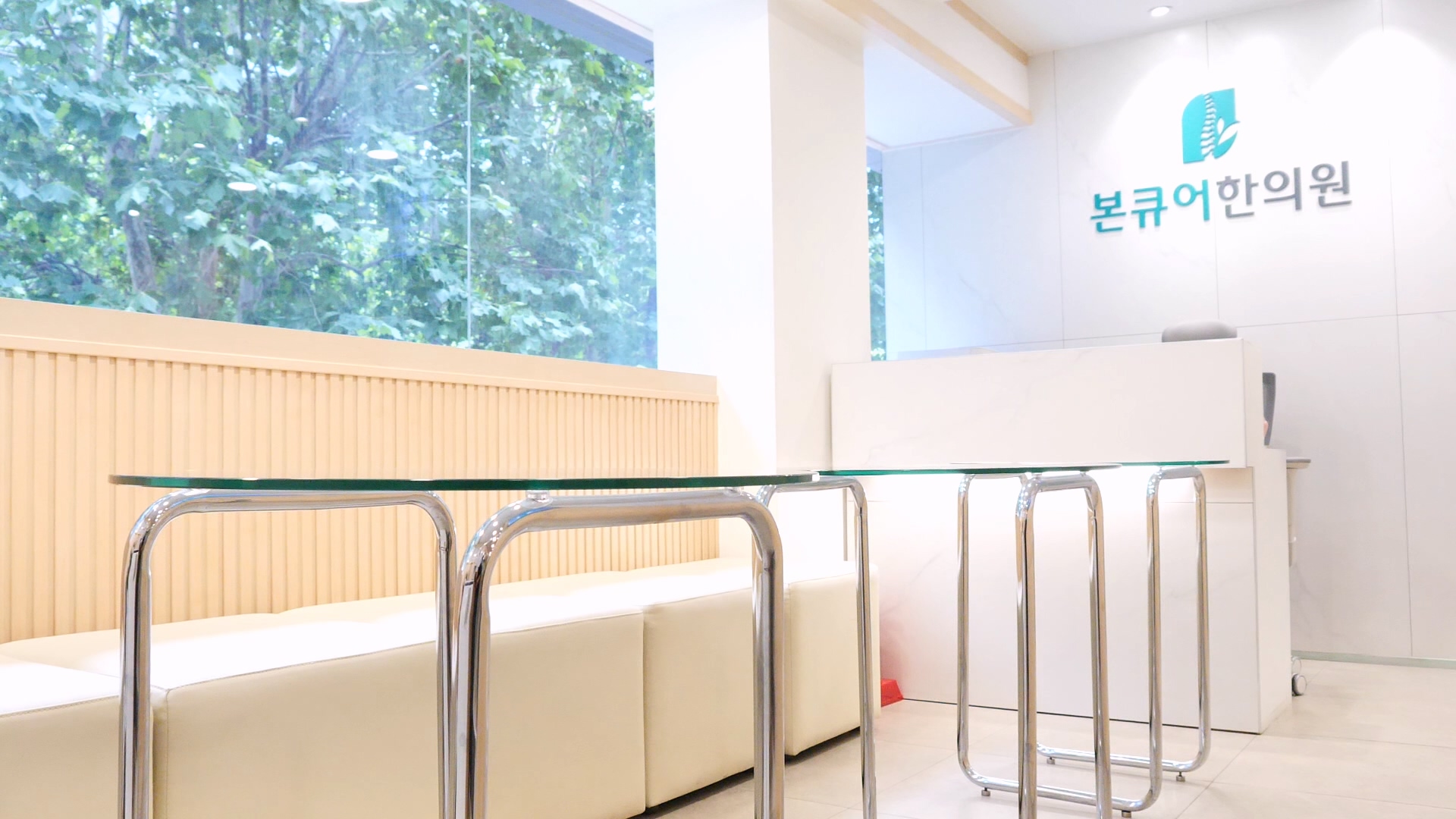
At Bonecure, we view every patient's body as a unique landscape of structural and physiological traits. Rather than simply suppressing symptoms, our goal is to identify the root causes of dysfunction through a deep understanding of your body’s individual alignment and functional tendencies. In this guide, I will share how focusing on your unique physical structure can lead to a more profound and lasting recovery.
Defining Individual Structural and Functional Assessment at Bonecure
At Bonecure, what we call a "constitutional" approach refers to the systematic identification of an individual’s innate physiological and structural tendencies. It is not just about identifying a disease but understanding the biological foundation in which that disease develops. By evaluating the specific structural predispositions and organ functions of each patient, we can create a highly targeted roadmap for health restoration.
Identifying Individual Health Patterns
Identifying individual health patterns requires a deep understanding of how physical structure and internal function interact to create a unique physiological profile. At Bonecure, we believe that every patient presents a distinct biological narrative that dictates how they respond to stress, injury, and treatment. This process involves evaluating not only physical symptoms but also the inherent balance of the body's internal systems. Historically, we look at how the body’s structural arrangement—specifically the skull and spine—influences overall health. By identifying these traits, we can predict potential health issues before they manifest as chronic conditions. This preemptive approach is essential for maintaining long-term vitality and preventing the recurrence of structural misalignments. We utilize physical evaluations, movement assessments, and internal organ function analysis to create a comprehensive map of your health. Understanding these patterns allows us to move away from a one-size-fits-all model, ensuring that every therapeutic intervention is aligned with your body’s specific requirements. This foundational step is what makes our approach so effective for complex, multifaceted health issues that defy standard localized treatments.
The Core Principles of Personalized Recovery
The core principles of personalized recovery at Bonecure are rooted in the belief that true healing occurs when the body’s structural and internal environment is harmonized. We focus on the principle of treating the person rather than the disease, which means addressing the underlying imbalances that lead to symptom expression. Recovery is not a linear path, and by acknowledging your unique physical makeup, we can adjust the intensity and frequency of treatments like Chuna and acupotomy to suit your specific healing pace. Our protocols emphasize the restoration of self-regulatory mechanisms, allowing the body to maintain its own balance after the intervention phase is complete. This philosophy integrates the wisdom of personalized assessment with the precision of modern clinical practice. By focusing on these principles, we help patients achieve a state of structural and functional integrity that supports daily activities without pain. Personalized recovery plans often include a combination of structural correction, herbal support, and lifestyle modifications tailored to your specific needs and current health status. This approach ensures that we address the root cause of dysfunction while providing the body with the necessary tools for self-repair.
The Connection Between Spinal Alignment and Internal Health
Structural alignment refers to the physical orientation of the skeletal system and its profound impact on the body’s internal balance. When the spine is properly positioned, it facilitates the optimal flow of physiological signals and fluids. A misalignment in the structural frame can impede the function of internal organs, leading to systemic issues that affect the entire body.
How Structural Balance Influences Internal Health
Structural balance refers to the optimal alignment of the musculoskeletal system, which serves as the physical framework for all internal functions. When the spine and joints are properly aligned, the nervous system can communicate effectively with internal organs, facilitating healthy metabolism and immune responses. At Bonecure, we observe that structural deviations often lead to internal weaknesses, creating a cycle of dysfunction. For instance, a misaligned cervical spine can disrupt blood flow to the head, potentially exacerbating issues like tinnitus or dizziness. In my clinical experience, addressing underlying structural imbalances through techniques like acupotomy can be a significant factor in managing chronic symptoms, as structural health often influences sensory functions. By correcting the physical alignment, we remove the mechanical stress that hinders the body’s natural healing processes. This integrated view ensures that we are not just masking pain but are actively improving the operational efficiency of your internal physiological systems. Proper alignment is a key pillar of long-term health and systemic stability.
Bonecure Philosophy: When Your Bones Smile, Life Smiles
The Bonecure philosophy, summarized by the phrase "When Your Bones Smile, Life Smiles," reflects our commitment to the idea that physical structural health is the foundation of emotional and systemic well-being. We believe that a body in alignment is a body that can experience joy and vitality to its fullest extent. Chronic pain and structural deformity do more than just limit movement; they drain mental energy and reduce the overall quality of life. By focusing on the "smile" of the bones, we refer to the ease of movement and the absence of inflammatory tension within the skeletal system. Our clinical goal is to restore this internal harmony so that patients can return to their daily routines with renewed vigor. This holistic perspective recognizes that the skeletal system is a dynamic, living structure that responds to care and attention. Through our specialized treatments, we aim to transform the physical experience of our patients, leading to a profound improvement in their daily life and happiness.
Acupotomy for Restoring Structural Harmony
Acupotomy is a specialized treatment used at Bonecure to release deep-seated adhesions and restore the flow of circulation within the body. This technique involves the use of a unique blade-like tool designed to physically detach tight tissues that have become fused due to chronic inflammation or trauma. By targeting these specific points of tension, we can influence the overall structural balance, clearing blockages that traditional needles might not reach. This method is particularly effective for individuals who suffer from dense muscle fibrosity or chronic joint stiffness. While the procedure involves localized intensity, it is designed to trigger a regenerative response that leads to long-term structural freedom. It is important to note that patients may experience temporary soreness or minor bruising for 1 to 2 days following the session. However, these effects are typically mild compared to the relief of chronic tension. Every session is customized based on the patient's structural profile to ensure safety and effectiveness. This treatment is a vital component of our strategy to restore harmony and structural integrity.
A Modern Diagnostic Approach to Individual Recovery
A modern diagnostic approach integrates medical technology with the qualitative observations of physical assessment and functional analysis. This synergy provides a balanced view of both the physical structure and the internal functional state. At Bonecure, we combine these methodologies to ensure a precise understanding of the patient's current condition.
Objective Assessment Tools and Physical Evaluation
Objective assessment tools at Bonecure bridge the gap between traditional wisdom and modern medical science, providing a clear picture of a patient's health. We utilize specialized physical evaluations and advanced imaging, such as X-rays, to quantify the signs of structural imbalance. These tools allow us to measure musculoskeletal health and identify areas of spinal tension with high precision. By combining these findings with functional diagnostic methods, we can develop a highly accurate treatment plan that addresses the root cause of dysfunction. This evidence-based approach helps us track progress over time, ensuring that each phase of treatment is producing the desired physiological changes. In clinical practice, these assessments are vital for identifying patients who may require more intensive structural correction or specific herbal prescriptions. Using objective data ensures that our clinical decisions are based on measurable facts rather than subjective impressions. This creates a transparent and reliable environment for patients seeking comprehensive care for chronic health conditions.
Identifying Root Causes for Tinnitus and Autonomic Disorders
Identifying the root causes of tinnitus and autonomic disorders requires a multi-faceted diagnostic approach that looks beyond the localized symptoms. At Bonecure, we investigate how individual structural patterns influence the severity and persistence of these issues. Many patients suffering from chronic ringing in the ears often have underlying spinal misalignments that affect the nerves. In my clinical practice, I utilize objective assessment scales to monitor progress, aiming for a significant reduction in symptom severity through integrated herbal medicine and acupotomy. This shift highlights the importance of addressing the systemic environment rather than just the localized symptom. Autonomic disorders, such as heart palpitations or digestive issues, are also frequently linked to structural tension along the spine. By identifying these connections during the diagnosis, we can implement targeted strategies that stabilize the nervous system. Our focus remains on uncovering the hidden triggers that sustain these debilitating conditions.
The Role of Whole Spine Imaging in Structural Analysis
The role of Whole Spine X-ray imaging (conducted through our partner facilities) is to provide a literal blueprint of the patient's structural health. This imaging allows us to see the exact degree of curvature and alignment in the spine, which often correlates with specific health patterns. For example, a flat back or increased kyphosis can indicate specific internal organ pressures. At Bonecure, we use these images to guide our structural correction techniques, ensuring that every adjustment—such as Chuna therapy—is precise and safe. This visual evidence is also helpful for patients to understand the physical basis of their symptoms. We analyze the alignment of the skull and spine to ensure the structural frame supports the nervous system properly. In complex cases, Whole Spine imaging is indispensable for monitoring the effectiveness of our structural interventions. This integration of radiological data into our clinical practice ensures a high level of rigor and patient safety throughout the recovery process.
Comparing Individualized Care with Symptom-Based Medicine
Comparing individualized care with symptom-based medicine highlights the difference between treating the root cause of a patient's imbalance and merely suppressing localized pain. Personalized care seeks to stabilize the entire system for sustainable health.
| Feature | Personalized Structural Care (Bonecure) | Localized Symptom-Based Medicine |
|---|---|---|
| Primary Focus | The whole person and structural root causes | The specific site of pain or symptom |
| Diagnostic Method | Structural exam, Whole Spine X-ray, Function | Physical exam and localized imaging |
| Treatment Scope | Acupotomy, Chuna, and Systemic Herbal Support | Painkillers, injections, or local therapy |
| Goal | Long-term restoration and prevention | Immediate symptom suppression |
| Customization | Highly tailored to individual physical profile | Standardized protocols per symptom |
Advantages of Tailored Herbal and Structural Prescriptions
Tailored herbal and structural prescriptions offer a distinct advantage by addressing the specific biochemical and mechanical needs of the individual. Rather than using standard formulas, we customize herbal medicine at Bonecure to support the patient's unique metabolism and organ function. This ensures that the herbs are not only effective but also well-tolerated by the patient's digestive system. Similarly, structural prescriptions are designed to address the unique points of tension identified during the diagnosis. For individuals with complex sensory concerns, a consistent treatment plan involving multiple sessions may be necessary to achieve stable improvements in physiological function. This dual approach ensures that the body has the internal resources and the external alignment necessary for healing. The synergy between herbal and structural care accelerates recovery and helps maintain results over the long term. By focusing on the individual, we can achieve outcomes that are often difficult to reach with generalized treatment strategies.
The Clinical Philosophy of Dr. Song Jeong-hyun at BonCure Clinic
Safety Protocols and Clinical Expectations
Safety protocols and clinical expectations ensure patient well-being while providing a realistic roadmap for recovery. We prioritize transparency so that every patient can navigate their health journey with confidence.
Understanding Potential Side Effects and Treatment Limits
Understanding potential side effects is a crucial part of patient safety at Bonecure. While our methods are non-surgical, treatments like acupotomy involve specialized tools to release tissue adhesions. Patients should be aware that mild pain, slight bleeding, or temporary swelling at the site of treatment are possible. In rare instances, there is a risk of infection or temporary nerve irritation, although we adhere to strict sterilization and safety protocols to minimize these occurrences. It is also important to recognize that specialized 한의원 (Korean medicine) treatments have limits; severe degenerative conditions or acute surgical emergencies may require different medical interventions. We ensure that every patient is fully informed of these possibilities before beginning. Recovery is a collaborative process, and we encourage open communication regarding any discomfort experienced.
Individual Variability in Recovery Outcomes
Individual variability in recovery outcomes is natural, as no two bodies respond to treatment in the same way. Factors such as age, the duration of the condition, and the patient's overall structural strength play a significant role in determining the speed of healing. At Bonecure, we emphasize that results are not typical for everyone and that chronic conditions often require sustained effort. While some patients may report immediate relief, others may need a series of treatments to achieve stable structural changes. This variability is why we emphasize the importance of the initial diagnostic phase to set realistic health goals. We monitor each patient’s progress closely and adjust the treatment plan as needed. Understanding that your healing journey is unique helps in maintaining the patience and consistency required for lasting health.
A 2026 Clinical Guide to Acupotomy and Structural Recovery for Chronic Disorders at Bonecure
Key Takeaways
- Personalized medicine focuses on the individual's unique structural and biological landscape rather than isolated symptoms.
- Structural alignment is directly linked to internal health; a balanced spine supports optimal organ and nervous system function.
- Bonecure utilizes modern diagnostic tools like Whole Spine X-rays and movement assessments to create precise treatment plans.
- Acupotomy effectively releases deep adhesions to restore mobility, though mild side effects like temporary soreness may occur.
- Recovery is a personalized process, and individual outcomes vary based on constitutional health and the chronicity of the condition.
Frequently Asked Questions
Q. What exactly is a personalized structural diagnosis?
It is a comprehensive assessment that identifies your unique physiological and skeletal blueprint to determine the root cause of health issues. By understanding how your physical frame interacts with your internal functions, we can tailor treatments to your specific needs.
Q. How does this diagnosis improve treatment for chronic pain?
By identifying specific structural misalignments, we can customize treatments like acupotomy or Chuna therapy to effectively release tissue adhesions that are unique to your body. This ensures that interventions are precisely targeted to the source of the mechanical tension.
Q. Is the diagnostic process at Bonecure based on objective data?
Yes. We combine clinical physical evaluations with objective tools such as Whole Spine X-ray analysis and validated symptom assessment scales. This ensures that our clinical decisions are rooted in measurable data and structural evidence.
Q. What are the common side effects of acupotomy treatments?
Patients may experience temporary localized soreness, minor bruising, or slight swelling for approximately 1 to 2 days following a session. These are normal signs of the body’s regenerative response and are typically mild.
Q. How much does the initial diagnosis cost at Bonecure?
The cost depends on the specific evaluations required for your condition, such as specialized imaging or functional testing. We recommend a consultation for a transparent breakdown of the fees and the value included in your customized plan.
Q. Can this approach help with dizziness or tinnitus?
Yes. In my clinical practice, many sensory and autonomic issues are linked to structural imbalances in the cervical spine and skull. Addressing these misalignments through acupotomy and structural correction is a key strategy for managing these complex conditions, though individual results vary.
Q. How long does it take to see results after treatment begins?
While some patients experience immediate improvements in mobility and pain, chronic cases often require multiple sessions to achieve lasting stability. Because every body heals differently, results are not typical for everyone and depend on your individual health status.
For more information or to schedule a consultation regarding structural health, please contact our clinic.
Bonecure / Dr. Song Jeong-hyeon
FAQ
- What exactly is a constitutional medicine diagnosis?
- It is a comprehensive assessment that identifies your unique physiological and structural blueprint to determine the root cause of health issues rather than just treating symptoms. By understanding your specific body type, we can predict risks and tailor treatments to your body's inherent needs.
- How does constitutional diagnosis improve treatment for chronic pain?
- By understanding your specific body type, we can customize treatments like acupotomy or structural correction to effectively release adhesions that are unique to your constitutional layout. This ensures that the mechanical interventions are perfectly aligned with your physical structure.
- Is the diagnostic process at Bonecure based on scientific evidence?
- Yes, I combine traditional diagnostic methods with modern objective tools such as Whole Spine X-ray and validated assessment scales for conditions like anxiety and tinnitus. This dual approach ensures that our clinical decisions are rooted in measurable and verifiable data.
- What are the common side effects of treatments following a diagnosis?
- Patients may experience temporary soreness at the site of acupotomy or minor bruising for approximately 1 to 2 days. These are typically short-lived and mild, but individual responses vary depending on one's general health status and the intensity of the treatment.
- How much does a constitutional medicine diagnosis cost at Bonecure?
- The cost varies based on the specific diagnostic tests required for your condition, such as specialized imaging or pulse analysis. We recommend a consultation to discuss a transparent breakdown of the value and the specific fees involved in your customized plan.
- Can this diagnosis help with non-musculoskeletal issues like dizziness or tinnitus?
- Absolutely. My clinical experience and case reports show that many autonomic and sensory issues are linked to constitutional and structural imbalances. For example, addressing spinal misalignments has been shown to improve the management of chronic tinnitus and metabolic dysfunction.
- How long does it take to see results after a diagnosis and treatment plan?
- While some patients experience immediate relief, chronic or severe cases may require multiple sessions to achieve lasting structural stability. Results are not typical for everyone and depend heavily on your individual health status and constitutional strength.