
Post
Traditional Korean Medicine for Insomnia: A 2026 Clinical Guide to Sleep Recovery at Bonecure
Hello. I am Dr. Song Jung-hyun, a practitioner who has long focused on the clinical application of Acupotomy (Chimdo) and structural restoration at Bonecure. Traditional Korean medicine for insomnia is a comprehensive therapeutic approach that addresses sleep disturbances by identifying systemic disharmony and structural misalignments that interfere with the body's natural rest-recovery cycle.
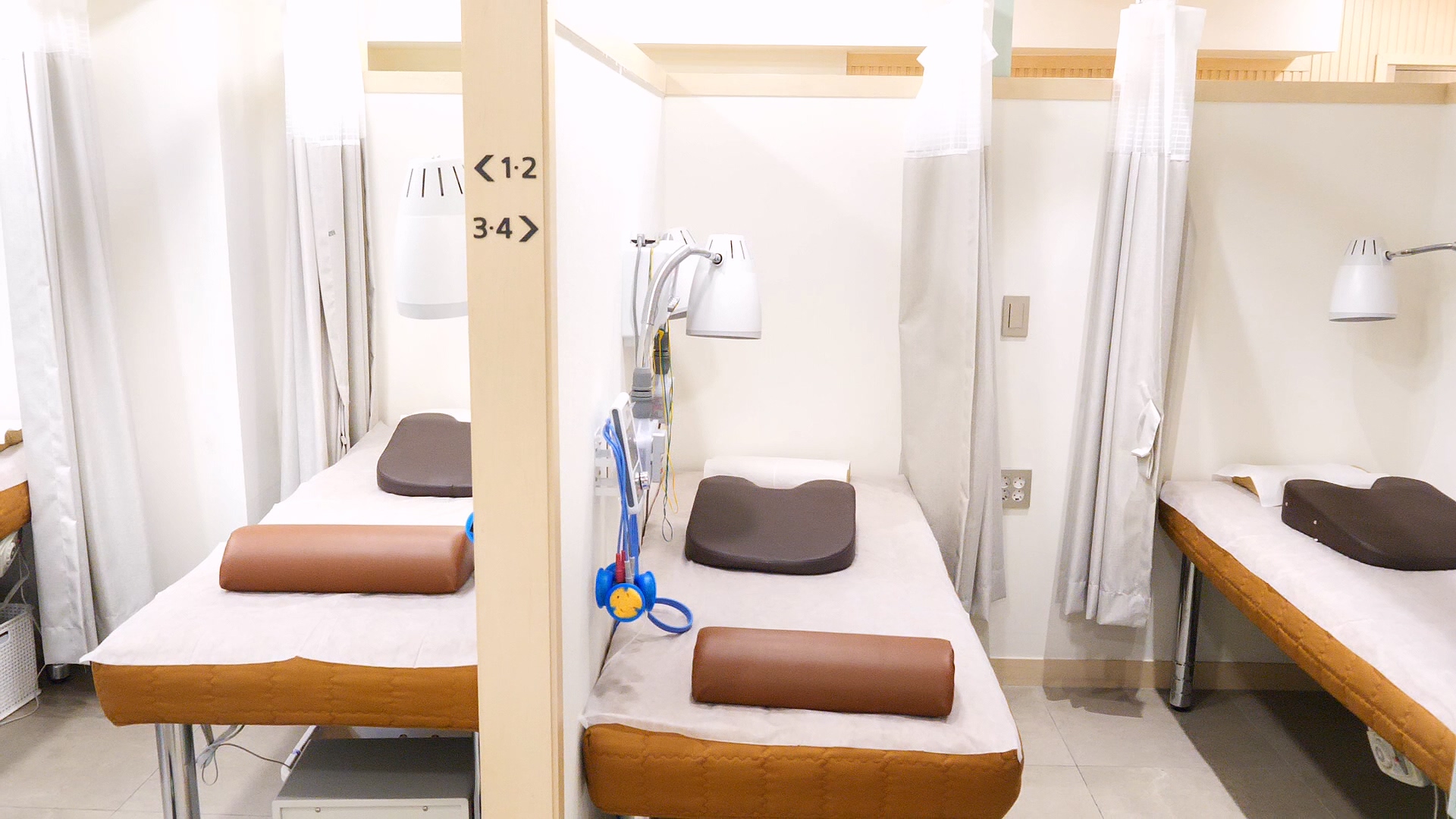
In this guide, I will explore how restoring balance can lead to improved sleep quality.
Understanding Traditional Korean Medicine for Insomnia
Traditional Korean Medicine (TKM) defines insomnia as a state of 'Bu-myeon,' which typically arises from an imbalance between the 'Heart' energy, which governs the spirit, and the 'Kidney' energy, which supports the body's physical foundation. Unlike modern approaches that may focus solely on neurochemical sedation, TKM seeks to harmonize these internal systems to allow the mind to settle naturally. At Bonecure, I integrate this traditional wisdom with modern structural analysis to identify how physical blockages contribute to persistent wakefulness.
Core Philosophy of Balance in Sleep Disorders
The fundamental philosophy of Traditional Korean Medicine regarding sleep is rooted in the concept of Yin and Yang harmony. Sleep is considered a 'Yin' activity where energy retracts inward to nourish the organs, while wakefulness is a 'Yang' activity of outward expression. When the body's Yang energy cannot transition smoothly into the Yin phase due to internal heat or blood deficiency, chronic insomnia often develops. In my clinical experience, restoring this transition involves more than just herbs; it requires stabilizing the nervous system through targeted meridian therapy. I focus on achieving immediate structural and functional changes from the very first session rather than mandating a long, fixed number of treatments. While many patients report feeling more grounded and experiencing noticeable shifts after initial sessions, individual metabolic rates and the severity of the imbalance will lead to varying results, necessitating a customized treatment plan tailored to each patient's unique constitution.
Acupuncture for Insomnia and Nervous System Regulation
Acupuncture serves as a vital tool for regulating the autonomic nervous system, which is frequently stuck in a 'fight or flight' state in those suffering from insomnia. By stimulating specific acupoints, we can encourage the release of natural neurotransmitters that promote relaxation and reduce cortisol levels. In a clinical case report involving a patient with 18 years of chronic symptoms, including tinnitus which often disrupts sleep, systematic acupuncture and structural alignment were used to stabilize the internal environment. This suggests that the impact of acupuncture extends beyond simple relaxation, potentially influencing deep-seated neurological patterns. Rather than following a rigid session count, I design treatment cycles that prioritize immediate improvement and adjust the frequency based on the patient's real-time recovery progress. While acupuncture is generally considered safe, some patients may experience minor, temporary side effects such as localized bruising, a sense of fatigue, or, in rare cases of invasive techniques like Acupotomy, a risk of infection at the site. These reactions are typically managed through proper clinical protocols and resolve as the body adjusts to the treatment.
Defining Structural Causes of Sleep Disturbance
At Bonecure, I emphasize that the structure of the spine, particularly the cervical and thoracic regions, plays a critical role in sleep quality. Misalignments in the upper cervical spine can create mechanical pressure on the nerves and blood vessels that serve the brain, potentially triggering a state of hyperarousal. By utilizing X-ray analysis to observe the whole spine, I can identify specific areas where structural restoration is needed to relieve this tension. My clinical observations indicate that patients who undergo structural correction often see a reduction in physical discomfort that previously prevented deep sleep. For instance, in cases of idiopathic spinal curvature, restoring even a few degrees of proper alignment can significantly reduce the physical stress markers that keep the brain awake at night. However, structural recovery is a process that requires patient compliance with therapeutic exercises and clinical visits determined by the severity of the misalignment. It is important to note that while structural improvement can enhance sleep, it is one component of a broader health strategy.
Clinical Approaches to Chronic Sleep Issues in Cheongdam
Clinical approaches in the Cheongdam area often prioritize efficient, evidence-based interventions that address the high-stress lifestyles of urban professionals. By combining traditional methods with precise structural diagnostics, I provide a pathway for patients to manage sleep debt without relying solely on temporary fixes. These treatments are designed to address both the physical symptoms of stress and the underlying systemic imbalances that prevent restorative rest.
Acupuncture for Back Pain and Its Link to Sleep Quality
Physical discomfort, particularly chronic back pain, is a leading contributor to sleep fragmentation and poor sleep efficiency. When the body is in pain, the sympathetic nervous system remains active, making it difficult for the brain to enter the deeper stages of REM and non-REM sleep. At Bonecure, I treat back pain not just as a localized issue but as a barrier to total systemic recovery. By utilizing specialized techniques to release muscle adhesion and improve blood flow, I help reduce the pain signals that wake patients throughout the night. I have seen patients who reported a significant decrease in sleep interruptions following the successful management of their spinal tension. As with all medical interventions, the speed of recovery depends on the duration of the pain and the patient's overall physical resilience, meaning each individual's roadmap to recovery is unique and monitored closely for immediate feedback.
Moxibustion Therapy in Seoul for Restoring Circadian Rhythms
Moxibustion therapy involves the application of heat to specific acupoints, which helps to warm the meridians and dispel 'cold' or 'stagnation' that can disrupt the sleep cycle. This thermotherapeutic approach is particularly effective for patients who suffer from cold extremities or a 'cold' digestive system, both of which are linked to sleep issues in Traditional Korean Medicine. The gentle, penetrating heat helps to stimulate circulation and promote a sense of deep physical warmth that encourages the body to relax. According to clinical observations, regular moxibustion can help stabilize the body's internal temperature, which is a key factor in maintaining a healthy circadian rhythm. It is vital to perform this therapy under the guidance of a licensed practitioner to avoid the risk of minor skin burns or irritation. Chimdo (Acuknife) Therapy Benefits: A 2026 Guide to Structural Recovery at Bonecure provides additional insights into how these traditional heat-based therapies integrate with modern structural restoration for optimal health outcomes.
Cupping Therapy at Korean Clinics for Stress Relief
Cupping therapy is a widely recognized method for relieving muscular tension and improving microcirculation, which are essential for physical stress reduction. By creating a vacuum on the skin, cupping helps to draw out metabolic waste from deep muscle tissues and encourages the flow of fresh, oxygenated blood. This process often results in an immediate feeling of lightness and relaxation, which can be highly beneficial for those whose insomnia is triggered by physical anxiety or stiffness. In my practice, I often combine cupping with acupuncture to maximize the sedative effect on the nervous system. Clinical feedback suggests that reducing physical tension in the shoulders and neck through cupping can lead to improved breathing patterns during sleep. While the marks left by cupping are temporary, patients should be aware that the intensity of the treatment is adjusted based on individual sensitivity. This therapy is most effective when used as part of a comprehensive plan that addresses the root causes of stress.
Comparison of Traditional vs Modern Sleep Interventions
Comparing traditional and modern interventions allows patients to make informed decisions about their sleep health by understanding the different mechanisms of action. Traditional Korean Medicine focuses on long-term systemic regulation, while modern pharmacological aids often target immediate symptom relief.
| Feature | Traditional Korean Medicine (Bonecure) | Modern Pharmacological Aids |
|---|---|---|
| Primary Goal | Restore systemic balance & structural alignment | Induce sedation via neurochemical modulation |
| Mechanism | Acupuncture, Herbal Decoction, Structural Restoration | GABA receptor agonists or Melatonin ligands |
| Side Effects | Minor bruising, temporary soreness, rare risk of infection (low risk) | Dizziness, dependency, daytime grogginess |
| Treatment Focus | Addressing root causes (stress, pain, structure) | Managing the symptom of sleeplessness |
| Long-term Impact | Promotes natural circadian rhythm restoration | May lead to tolerance or rebound insomnia |
Oriental Medicine for Chronic Pain Related Sleep Debt
Sleep debt caused by chronic pain requires a specialized approach that addresses the neurological 'wind-up' phenomenon, where the nervous system becomes hypersensitive to pain signals. Bonecure utilizes Oriental medicine techniques to desensitize these pathways and restore the body’s ability to rest. By focusing on the structural integrity of the spine and the health of the surrounding soft tissues, I aim to reduce the constant barrage of sensory input that keeps the brain in a state of alert. Clinical case studies have shown that integrating structural restoration with traditional acupuncture can provide synergistic effects. For example, a patient with a history of severe spinal misalignment showed significant improvements in their Beck Anxiety Inventory scores alongside their sleep recovery. Traditional Korean Medicine for Chronic Pain: A 2026 Guide to Structural Recovery at BonCure explains this synergy in greater detail.
Traditional Korean Medicine Treatment Success Factors
The success of TKM for insomnia depends on several factors, including the patient's commitment to the treatment plan and the identification of the correct diagnostic pattern. Consistency is important as we retrain the body's nervous system and structural alignment. Patients who follow a comprehensive protocol involving both clinical visits and lifestyle modifications see the most sustainable results. This often includes dietary changes and practicing specific relaxation techniques. Furthermore, the integration of structural diagnostics at Bonecure allows for a more targeted approach that addresses physical barriers missed by traditional diagnosis alone. While many see improvement from the first session, the total duration of care is adjusted based on individual response. It is essential to manage expectations, as the healing process for the nervous system is often non-linear and requires regular adjustments.
Advanced Integrative Techniques for Better Rest
Advanced integrative techniques offer new possibilities for those who have not found relief through conventional sleep hygiene or medication. By combining the precision of Acupotomy with the holistic insights of TKM, I target the physical and energetic obstructions that prevent the body from entering a deep, restorative state.
The Role of Acupotomy in Structural Sleep Barriers
Acupotomy, or Chimdo, is a specialized technique using a needle with a small flat blade at the tip to release stubborn adhesions in the fascia and ligaments. For insomnia patients, these adhesions are often found in the deep muscles of the neck and upper back, creating a constant state of tension that mimics a stress response. By releasing these 'knots,' I help to physically reset the nervous system's baseline. A patient who received Acupotomy for chronic neck-related insomnia reported a significant reduction in night-time awakenings after only a few sessions. It is important to disclose that Acupotomy may cause temporary localized soreness, minor swelling, or, in rare instances, infection at the site of treatment. Patients are advised to follow clinical hygiene protocols to minimize these risks. This technique is particularly valuable for those whose sleep issues are clearly linked to physical stiffness and structural 'armoring.'
Traditional Medicine Clinical Notes on Insomnia Recovery
Clinical notes from my practice at Bonecure suggest that insomnia recovery often follows a pattern of improved 'quality' before 'quantity.' Patients frequently report that while they may not be sleeping more hours initially, the sleep they do get feels deeper and more refreshing. This is a sign that the autonomic nervous system is beginning to regain its balance. As treatment progresses, the total duration of sleep typically increases. In one notable case, a patient who had experienced sudden hearing loss—often a sign of severe systemic and neurological stress—saw a return to normal hearing thresholds after 20 sessions of integrated care. This case highlights the profound potential for systemic neurological recovery, although it is important to note that results for different conditions like insomnia may vary depending on the individual's baseline health. A 2026 Clinical Guide to Autonomic Nervous System Recovery and Structural Alignment discusses how these neurological recoveries are facilitated through structural means.
Korean Medicine for Women's Health and Hormonal Sleep Cycles
Insomnia in women is frequently tied to hormonal fluctuations during the menstrual cycle, pregnancy, or menopause. Traditional Korean Medicine addresses these issues by focusing on the 'Blood' and 'Essence,' which are considered the foundations of female hormonal health. By balancing the endocrine system through specific herbal decoctions and acupuncture, I work to mitigate the night sweats and restlessness that often accompany hormonal shifts. At Bonecure, I ensure that the structural integrity of the pelvis and lower spine is also addressed, as these areas can influence pelvic circulation. Clinical observations indicate that stabilizing these systems can significantly improve sleep quality for women. The treatment frequency and duration are adjusted based on the individual's hormonal cycle and response to care, rather than a fixed three-month timeline. This integrative approach helps to provide a stable foundation for long-term health.
Frequently Asked Questions
Q. How does traditional Korean medicine improve sleep quality?
Traditional Korean Medicine focuses on balancing the body's internal energy and relaxing the nervous system through acupuncture and herbal medicine. Instead of just sedating the brain, it addresses root causes like internal heat or structural tension. This approach aims to restore the innate circadian rhythm rather than providing a temporary pharmacological fix.
Q. Is acupuncture for insomnia safe for long-term use?
Yes, acupuncture is generally safe when performed by a licensed practitioner. It lacks the dependency risks associated with chemical sedatives. Some patients may experience minor bruising or temporary fatigue. For invasive procedures like Acupotomy, there is a rare risk of infection at the treatment site, which I manage through strict clinical protocols.
Q. Can chronic back pain cause insomnia in traditional medicine terms?
Absolutely. Physical discomfort from spinal misalignment can keep the sympathetic nervous system active, preventing deep sleep. In TKM, pain is seen as a blockage of energy ('Qi') that disturbs the spirit ('Shin'). By correcting the structure, I reduce the sensory input that keeps the brain in a state of hyper-arousal.
Q. What is the typical treatment duration at Bonecure in Cheongdam?
At Bonecure, I prioritize immediate results and do not require patients to commit to a fixed number of sessions (like 10 or 20) before seeing improvement. The total duration of care is personalized based on how the patient responds to initial treatments and the complexity of their chronic symptoms.
Q. Does cupping therapy help with night-time anxiety?
Cupping helps release muscular tension and improves blood flow, which often leads to a reduction in physical anxiety markers. By physically relaxing the muscles of the neck and chest, it can improve breathing signals sent to the brain, helping to quiet the racing thoughts that often accompany insomnia.
Q. Are there specific dietary recommendations in traditional medicine for better sleep?
I often recommend avoiding cooling or raw foods late at night and incorporating warm teas that stabilize the 'Heart' energy. Avoiding stimulants like caffeine in the afternoon is also crucial. At Bonecure, I provide personalized nutritional guidance as part of a comprehensive recovery plan.
Q. Can women's hormonal issues be treated alongside insomnia?
Yes, Korean medicine treats the endocrine system and sleep disorders concurrently to restore overall systemic harmony. By addressing the root hormonal imbalance, symptoms like night sweats and restlessness are often reduced, leading to more restorative sleep cycles.
Key Takeaways
- Systemic Harmony: Traditional Korean Medicine treats insomnia by restoring balance between internal energies and the autonomic nervous system.
- Structural Connection: Bonecure emphasizes that spinal alignment is crucial for reducing the physical stress that prevents deep sleep.
- Integrative Techniques: Combining acupuncture, Acupotomy (Chimdo), and moxibustion provides a multi-faceted approach to chronic sleep debt.
- Immediate Focus: Rather than long-term guarantees, the focus is placed on achieving immediate improvement and designing customized recovery cycles.
- Individualized Care: Every treatment plan is adjusted based on diagnostic findings like X-ray analysis and constitutional patterns to ensure the best possible outcome.
Thank you for reading this guide on restoring your sleep through Traditional Korean Medicine. If you are struggling with chronic wakefulness or pain-related sleep issues, please feel free to consult with me for a personalized structural and systemic evaluation.
Bonecure / Dr. Song Jung-hyun
FAQ
- How does traditional Korean medicine improve sleep quality?
- Traditional Korean Medicine focuses on balancing the body's internal energy and relaxing the nervous system through acupuncture and herbal medicine. Instead of just sedating the brain, it addresses the root causes like internal heat or structural tension, allowing the body to enter a natural sleep state. This holistic approach aims to restore the innate circadian rhythm rather than providing a temporary pharmacological fix.
- Is acupuncture for insomnia safe for long-term use?
- Yes, acupuncture is generally safe when performed by a licensed practitioner like those at Bonecure. It lacks the dependency risks associated with chemical sedatives and can be used as a long-term wellness strategy. Some patients may experience minor bruising or temporary fatigue, but these are typical and self-limiting reactions that indicate the body is responding to the stimulus.
- Can chronic back pain cause insomnia in traditional medicine terms?
- Absolutely. Physical discomfort from spinal misalignment can keep the sympathetic nervous system active, preventing the body from entering a deep sleep state. In TKM, pain is seen as a blockage of energy ('Qi') that disturbs the spirit ('Shin'). By correcting the structure, we reduce the sensory input that keeps the brain in a state of hyper-arousal.
- What is the typical treatment duration at Bonecure in Cheongdam?
- While individual results vary, most chronic insomnia cases show significant improvement over a course of 10 to 20 sessions combined with lifestyle adjustments. The initial phase focuses on acute symptom relief, while the subsequent phase targets structural stability and nervous system retraining. The total duration depends on how long the symptoms have been present and the patient's overall health.
- Does cupping therapy help with night-time anxiety?
- Cupping helps release muscular tension and improves blood flow, which often leads to a significant reduction in physical anxiety markers that prevent sleep. By physically relaxing the muscles of the neck and chest, it can improve breathing and lower the heart rate. This physical relaxation signal is sent to the brain, helping to quiet the racing thoughts that often accompany insomnia.
- Are there specific dietary recommendations in traditional medicine for better sleep?
- Practitioners often recommend avoiding cooling or raw foods late at night and incorporating warm teas that stabilize the 'Heart' energy. Avoiding stimulants like caffeine and sugar in the afternoon is also crucial to prevent 'Internal Heat' from building up. At Bonecure, we provide personalized nutritional guidance as part of a comprehensive recovery plan to support your body's natural rest cycle.
- Can women's hormonal issues be treated alongside insomnia?
- Yes, Korean medicine specialized for women's health treats the endocrine system and sleep disorders concurrently to restore overall systemic harmony. By addressing the root hormonal imbalance, symptoms like night sweats and restlessness are often reduced. This integrated approach ensures that the underlying cause of sleep disruption is resolved rather than just the symptom itself.