
Post
A 2026 Clinical Guide to Tic Disorder Treatment and Structural Recovery at Bonecure
Hello. I am Dr. Song Jung-hyun, a practitioner of Korean medicine who has focused on structural recovery and acupotomy for many years. Tic disorders are complex neurological conditions characterized by sudden, repetitive movements or sounds that can significantly affect a person's quality of life. This guide explores the relationship between spinal alignment and neurological health, providing a comprehensive overview of how a specialized tic disorder clinic can facilitate symptom management through structural stability.
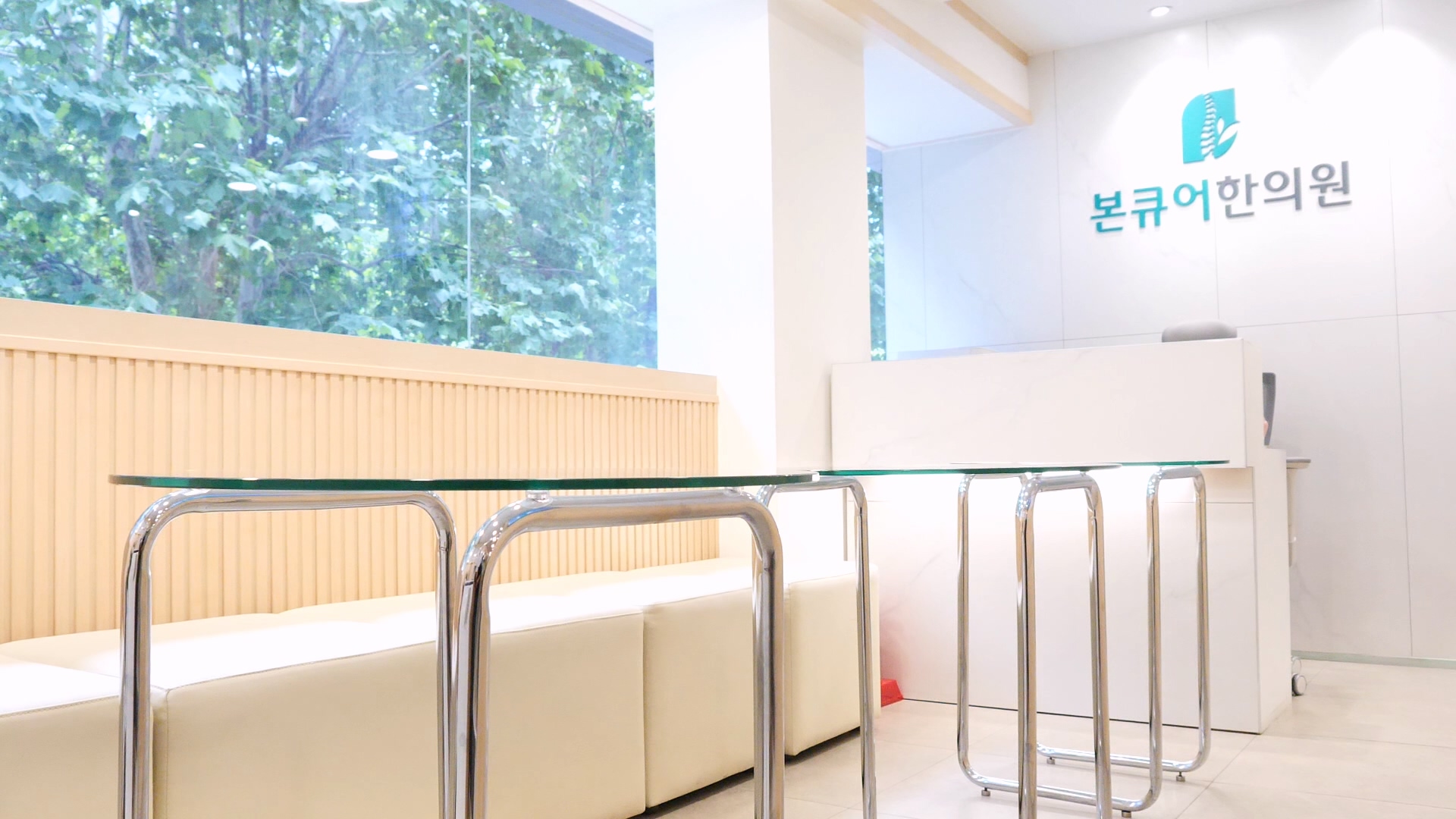
Understanding Tic Disorder and the Role of a Specialized Clinic
A tic disorder is a neurodevelopmental condition involving involuntary motor movements or vocalizations that typically onset during childhood and can persist into adulthood if not managed properly. These symptoms arise from imbalances in the central nervous system, often linked to both genetic factors and environmental stressors that disrupt normal neurological processing.
Defining Tic Disorders and Common Symptom Patterns
Tic disorders are characterized by involuntary movements or sounds that occur repeatedly throughout the day. These symptoms are generally categorized into motor tics, such as eye blinking or shoulder shrugging, and vocal tics, which might include throat clearing or sniffing. While many children experience transient tics that resolve within a year, chronic tic disorders persist for longer periods and can significantly impact a child's quality of life. Understanding these patterns is the first step toward effective management at a specialized clinic. Clinicians often observe that tics wax and wane in severity, frequently exacerbated by factors like stress, excitement, or exhaustion. By identifying the specific nature of these involuntary actions, healthcare providers can tailor interventions to the unique needs of the individual. Early recognition of these symptoms typically occurs when children are between five and seven years old, allowing for timely support before social anxiety or academic challenges develop during these critical growth years.
When to Visit a Tic Disorder Clinic for Professional Assessment
Determining the right time to seek professional help is crucial for long-term neurological health. Parents and individuals should consider a clinical assessment if symptoms persist for more than four weeks or if the tics begin to cause physical pain, such as neck strain from motor movements. Professional intervention is also recommended when tics interfere with academic performance or lead to social withdrawal and emotional distress. A specialized clinic provides a comprehensive evaluation that goes beyond simple symptom observation. This involves checking neurological reflexes, musculoskeletal alignment, and autonomic nervous system balance to identify the underlying triggers. Early intervention during the initial stages of symptom onset can significantly improve management outcomes. By seeking an expert opinion early, families can receive guidance on behavioral modifications and structural supports that prevent the condition from becoming a chronic burden. Professional assessments ensure that every patient receives a diagnosis that accounts for their unique physiological and neurological profile.
The Bonecure Approach: Integrating Structural Balance and Neurological Recovery
At Bonecure, we believe that neurological health is deeply intertwined with the physical structure of the body. Our approach focuses on restoring the balance between the spine and the nervous system to facilitate natural recovery. We utilize advanced diagnostic tools to examine how postural imbalances might be contributing to neurological irritation. By managing the structural imbalances that may contribute to symptoms, we aim to reduce the frequency and intensity of tics while providing a complementary approach to conventional care. Unlike traditional approaches that may require long-term sessions before noticing changes, we focus on treatments where patients can often experience immediate improvement in symptoms. Bonecure provides a personalized treatment plan for each patient, focusing on identifying root causes rather than just temporary symptom relief. This integrative strategy allows for a more comprehensive recovery process, supporting the body's innate ability to maintain equilibrium even under stressful conditions. For more information, you may refer to A 2026 Clinical Guide to Tic Disorder Treatment and Structural Recovery.
Innovative Korean Traditional Medicine for Tic Symptom Management
Innovative Korean Traditional Medicine utilizes time-tested modalities such as specialized acupuncture and herbal formulations to harmonize the body's internal environment and stabilize the nervous system. These methods focus on calming internal tension, which is essential for maintaining emotional and neurological stability in patients with tic disorders.
Acupuncture and Acupressure for Neurological Stability
Acupuncture and acupressure are fundamental tools in Korean medicine for regulating the flow of energy and stabilizing the nervous system. By stimulating specific points on the body, these treatments help to reduce muscle tension and calm the overactive neurological pathways that contribute to tics. Clinical observations suggest that acupuncture can lead to a reduction in tic frequency for certain patient groups, though results vary by individual. While generally safe, some patients may experience minor bruising or localized soreness at the site of treatment. The goal is to modulate the autonomic nervous system, shifting the body from a state of hyper-arousal to one of calm and recovery. Regular sessions help to build neurological resilience, making it easier for patients to manage stressors that typically trigger flare-ups. This natural approach supports stability by addressing the physiological triggers of involuntary movements.
Scalp Acupuncture: Modern Clinical Applications for Motor Tics
Scalp acupuncture is a specialized technique that targets the motor cortex and other brain regions associated with movement control. By applying precise stimulation to the scalp, practitioners can influence the neurological signals that govern motor functions. This modern application of traditional acupuncture has shown promising results in managing complex motor tics that do not respond well to conventional therapies. The procedure is designed to improve blood circulation to the brain and enhance the neuroplasticity required for symptom reduction. Clinical observations indicate that patients undergoing scalp acupuncture often experience improved focus and a decrease in the urge to perform involuntary movements. While individual results may vary, the inclusion of scalp acupuncture in a comprehensive treatment plan provides an additional layer of neurological support. This method is particularly effective for addressing the structural-neurological connection, as it directly engages with the control centers of the central nervous system.
Herbal Medicine and Its Effect on Restoring the Nervous System
Customized herbal medicine plays a vital role in restoring the balance of the nervous system and supporting overall physical health. At Bonecure, we prescribe herbal formulas that are tailored to the specific constitution and symptom profile of each patient. These formulations often include ingredients known for their neuroprotective and calming properties, helping to reduce internal heat and tension. By nourishing the nervous system at a cellular level, herbal medicine supports the structural recovery process and enhances the body's resilience to stress. Evidence suggests that certain herbal combinations can help stabilize the nervous system and restore internal harmony, which is often disrupted in tic disorders. The use of these natural supplements helps to minimize the need for heavy pharmacological interventions, reducing the risk of common side effects like drowsiness. Consistent use of herbal medicine, alongside structural therapy, facilitates a more stable and sustainable recovery path.
Structural Correction: The Link Between Spine Alignment and Tics
Structural correction focuses on the precise alignment of the vertebral column, particularly the cervical spine, to eliminate mechanical interference within the central nervous system. When the spine is properly aligned, nerve signals can flow freely between the brain and the rest of the body, which is essential for motor control.
How Cervical Spine Misalignment Affects Neurological Signals
The cervical spine, especially the C1 and C2 vertebrae, serves as a critical junction for the central nervous system. Structural misalignment in this area can cause significant nerve interference and irritation to the brainstem. This physical stress can lead to the neurological excitability that manifests as tics or other involuntary movements. By examining the curvature and alignment of the neck, clinicians can identify structural abnormalities that may be contributing to the patient's condition. Correcting these misalignments is essential for reducing the sensory input that triggers motor and vocal tics. When the structural foundation of the neck is restored, the nervous system can function more efficiently, leading to a natural decrease in symptom severity. This structural perspective is a key component of a modern tic disorder clinic, as it addresses a tangible physical cause that is often overlooked. Ensuring proper cervical alignment is a fundamental step toward achieving neurological stability and overall wellness.
Chuna Manual Therapy for Enhancing Nerve Function and Posture
Chuna manual therapy is a core treatment at Bonecure designed to correct structural imbalances and improve nerve function through gentle manipulation. This therapy focuses on realigning the joints and relaxing the deep tissues that support the spine. By restoring the natural curvature of the neck and back, Chuna therapy helps to alleviate the mechanical pressure on the spinal cord and peripheral nerves. At Bonecure, we emphasize immediate feedback; many patients report feeling a sense of immediate relief and improved physical mobility following their sessions. Potential side effects are mild and may include temporary muscle soreness or fatigue. The treatment is personalized to the patient's age and physical condition, ensuring that it is both safe and effective. In addition to reducing tics, Chuna therapy promotes better overall posture, which prevents future neurological irritation. You can read more about this in A 2026 Clinical Guide to Tic Disorder Symptoms through Structural Recovery.
Clinical Observations: Structural Integrity and Symptom Reduction
Clinical observations have consistently shown a strong correlation between structural integrity and a reduction in tic symptoms. Patients who undergo a comprehensive program of spinal correction and neurological stabilization often show improvements in both the frequency and intensity of their tics. These observations are backed by objective measurements, such as X-ray imaging and neurological reflex testing. Unlike programs that mandate a set number of months for results, we aim for immediate physiological changes that the patient can perceive. While long-term stabilization varies based on individual chronicity, the trend toward symptom reduction following structural recovery is well-documented. Many patients also experience secondary benefits, such as improved sleep quality and reduced anxiety, which further support the healing process. Consistent monitoring and adjustment of the treatment plan ensure that structural gains are maintained over time.
Comparing Treatment Modalities: Conventional vs. Integrated Care
Comparing treatment modalities involves evaluating various clinical approaches, including behavioral therapy, pharmacology, and integrative structural recovery, to determine the most suitable path for long-term health.
| Feature | Behavioral Therapy | Pharmacological Medication | Integrative Korean Medicine |
|---|---|---|---|
| Focus | Habit reversal and awareness | Neurotransmitter modulation | Structural and energetic balance |
| Side Effects | Minimal | Drowsiness, weight gain | Mild soreness, temporary bruising |
| Approach | Psychological | Chemical | Physiological & Structural |
| Sustainability | Focus on learned skills | Focus on symptom management | Focus on structural balance |
| Duration | Variable | Continuous | Individualized; immediate response |
Advantages of a Holistic Treatment Plan for Long-term Recovery
A holistic treatment plan at Bonecure offers several advantages for patients seeking a comprehensive solution to tic disorders. By integrating structural correction with traditional medicine, we address both the physical and neurological aspects of the condition. One of the primary benefits is the reduction in reliance on long-term medications, which often carry a burden of significant side effects. Instead, the focus is on strengthening the body's natural regulatory systems and improving its overall resilience. A holistic plan also includes education on lifestyle factors that can influence neurological health, such as diet and stress management. This empowers patients and their families to take an active role in their recovery process, leading to more sustainable outcomes. By treating the individual as a whole person, we facilitate a deeper recovery that supports growth and development. This comprehensive care model is designed to provide lasting stability and a higher quality of life. For more details, see A 2026 Guide to Managing Autonomic Dysfunction and Anxiety through Structural Realignment at Bonecure.
Minimizing Side Effects and Promoting Natural Brain Development
One of the most significant concerns for families managing tic disorders is the impact of treatment on a child's developing brain. Conventional pharmacological treatments can sometimes lead to side effects like cognitive dulling. Integrative Korean medicine aims to minimize these risks by utilizing natural interventions that support brain health. By focusing on structural alignment and natural neurological stabilization, we promote an environment where the brain can develop without the interference of heavy chemical suppressants. Structural recovery helps to ensure that the nervous system is free from mechanical stress, allowing for more natural developmental patterns. Furthermore, the use of herbal medicine and acupuncture provides a gentle way to manage symptoms while enhancing overall vitality. By prioritizing safety and natural development, integrative care offers a path that respects the long-term health of the patient.
Lifestyle Integration and Long-term Management at Bonecure
Lifestyle integration refers to the strategic adoption of daily habits and stress management techniques that support the clinical gains achieved during structural recovery sessions. Maintaining a stable environment is essential for preventing symptom flare-ups and ensuring that the nervous system remains balanced over time.
Stress Management and Home Exercises for Tic Prevention
Stress is one of the most common triggers for tic flare-ups, making effective stress management a cornerstone of care. At home, patients are encouraged to practice relaxation techniques such as deep breathing to calm the autonomic nervous system. Additionally, specific home exercises designed to support spinal alignment can help maintain the progress made during clinical sessions. These exercises often focus on strengthening the core and neck muscles, which are vital for maintaining a healthy posture. Consistently performing these movements can make a significant difference in neurological stability. It is also important for patients to identify personal stressors and develop strategies to mitigate their impact. By integrating these practices into daily life, individuals can take proactive steps to prevent tics from worsening during difficult periods.
Dietary Guidelines to Support Neurological Health
Nutrition plays a vital role in supporting the nervous system and reducing inflammation. We recommend a diet rich in magnesium and omega-3 fatty acids, which are known to support nerve function. Reducing the intake of processed sugars and artificial additives is also beneficial, as these substances can sometimes exacerbate tic symptoms in sensitive individuals. Staying well-hydrated is equally important, as dehydration can lead to increased muscle tension and fatigue, both of which are tic triggers. Clinical observations suggest that a balanced, whole-food diet can improve focus and emotional stability. Each patient's nutritional needs may differ, so it is helpful to consult with a professional to create a customized dietary plan. By nourishing the body with the right nutrients, patients can enhance the effectiveness of their clinical treatments.
The Importance of a Supportive Environment and Consistent Care
The success of any treatment plan for tic disorders depends heavily on the support provided by the patient's environment. At Bonecure, we emphasize the importance of a calm household where the patient feels safe and accepted. Excessive focus on the tics themselves can often increase the patient's anxiety, which in turn leads to more frequent symptoms. Instead, we encourage parents to focus on the progress being made in structural recovery and overall well-being. Clinical care at Bonecure is focused on efficiency; we aim for immediate and impactful results during each visit. Regular follow-ups allow the practitioner to adjust the treatment plan as the patient's needs evolve. By maintaining a steady schedule of care and a positive home environment, families can significantly improve the chances of long-term success. Together, we can help each patient achieve a life of greater comfort and confidence.
Key Takeaways
- Tic disorders are neurodevelopmental conditions linked to both neurological excitability and structural spinal misalignments.
- Bonecure utilizes an integrative approach that combines structural correction, Chuna therapy, and specialized acupuncture to address the root causes of tics.
- Early professional assessment at a tic disorder clinic is beneficial, especially if symptoms interfere with daily life or cause social distress.
- Structural integrity is a key factor in neurological health; misalignments in the cervical spine can impact nerve signals and trigger involuntary movements.
- Integrative care offers a natural alternative to pharmacological treatments, focusing on immediate symptom improvement and long-term stability.
Frequently Asked Questions
Q. What exactly is a tic disorder and how is it diagnosed?
A tic disorder involves repetitive, involuntary motor movements or vocalizations that are often triggered by neurological or structural imbalances. At Bonecure, we diagnose tics by comprehensively evaluating the patient's symptoms, spinal alignment through X-rays, and overall physical balance. This approach ensures we understand the physical triggers behind the involuntary actions.
Q. At what age should a child visit a tic disorder clinic?
While tics often first appear between the ages of 5 and 7, early intervention is beneficial as soon as symptoms interfere with daily life. Seeking professional help early can prevent the condition from becoming a chronic burden and helps in stabilizing the nervous system during critical growth phases.
Q. Does Bonecure use medication to treat tics?
We focus on natural recovery and structural stabilization rather than relying solely on psychotropic medications. Our treatments include acupuncture, Chuna manual therapy, and customized herbal medicine to stabilize the nervous system and correct spinal misalignments. This approach aims to reduce symptoms without the side effects often associated with long-term pharmacological use.
Q. How long does a typical treatment course last?
At Bonecure, we prioritize immediate results that the patient can feel during the session. We do not mandate a fixed number of sessions (e.g., "you must come 10 times"). While long-term stabilization depends on the individual's condition and the degree of structural misalignment, our goal is to achieve immediate improvement in every treatment.
Q. Are there any side effects to Korean traditional medicine for tics?
Acupuncture and Chuna therapy are generally safe when performed by experienced experts. Some patients may experience mild bruising, temporary muscle soreness, or minor bleeding at the treatment site. Rare risks include infection or nerve irritation. Individual responses vary, and a thorough consultation is required to assess risks and benefits.
Q. Can spinal correction really help with neurological tics?
Yes, there is a significant link between the structure of the cervical spine and neurological function. Misalignment in the upper neck can cause mechanical interference with nerves, leading to increased neurological excitability. By restoring proper structural balance through techniques like Chuna and acupotomy, we help the nervous system function more efficiently.
Q. What should I do if my child's tics suddenly worsen?
Sudden flare-ups are often triggered by environmental factors such as stress or fatigue. If tics worsen significantly, we recommend a professional consultation to adjust the treatment plan and identify potential triggers. Consistent structural support and a calm environment at home are key to managing these fluctuations.
Consultation and treatment are available through a personalized assessment with our clinical team. We are committed to helping you find the structural balance necessary for a healthier life.
Bonecure / Dr. Song Jung-hyun
FAQ
- What exactly is a tic disorder and how is it diagnosed?
- A tic disorder involves repetitive, involuntary motor movements or vocalizations that are often triggered by neurological or structural imbalances. At Bonecure, we diagnose tics by comprehensively evaluating the patient's neurological symptoms, spinal alignment through X-rays, and overall physical balance. This evidence-based approach ensures we understand the physical triggers behind the involuntary actions.
- At what age should a child visit a tic disorder clinic?
- While tics often first appear between the ages of 5 and 7, early intervention is beneficial as soon as symptoms interfere with daily life or cause social anxiety. Seeking professional help early can prevent the condition from becoming a chronic burden and helps in stabilizing the nervous system during critical growth phases. We provide customized care for both pediatric and adult patients.
- Does Bonecure use medication to treat tics?
- We focus on natural recovery and structural stabilization rather than relying solely on psychotropic medications. Our treatments include acupuncture, Chuna manual therapy, and customized herbal medicine to stabilize the nervous system and correct spinal misalignments. This holistic approach aims to reduce symptoms without the side effects often associated with long-term pharmacological use.
- How long does a typical treatment course last?
- The duration of treatment varies based on the severity and chronicity of the symptoms, as well as the degree of structural misalignment. Many patients begin to see gradual and consistent improvements over a period of 3 to 6 months of integrative care. Regular monitoring is essential to ensure that the structural gains are maintained and the nervous system remains stable.
- Are there any side effects to Korean traditional medicine for tics?
- Acupuncture and Chuna therapy are generally safe and non-invasive when performed by experienced experts. Some patients may experience mild bruising or temporary muscle soreness following a session, but these are typically short-lived and resolve naturally. We prioritize the safety and comfort of our patients, especially children, throughout the entire recovery process.
- Can spinal correction really help with neurological tics?
- Yes, there is a significant link between the structure of the cervical spine and neurological function. Misalignment in the upper neck can cause mechanical interference with the brainstem and nerves, leading to increased neurological excitability. By restoring proper structural balance, we help the nervous system function more efficiently, which often reduces the frequency and intensity of tics.
- What should I do if my child's tics suddenly worsen?
- Sudden flare-ups are common and are often triggered by environmental factors such as increased stress, fatigue, or excitement. If tics worsen significantly, we recommend a professional consultation to adjust the treatment plan and identify potential triggers. Consistent structural support and a calm environment at home are key to managing these temporary fluctuations.