
Post
A 2026 Clinical Guide to Managing Tic Disorder Symptoms through Structural Recovery
Hello. I am Dr. Song Jung-hyun, a practitioner who has long focused on Acupotomy and structural restoration at Bonecure.
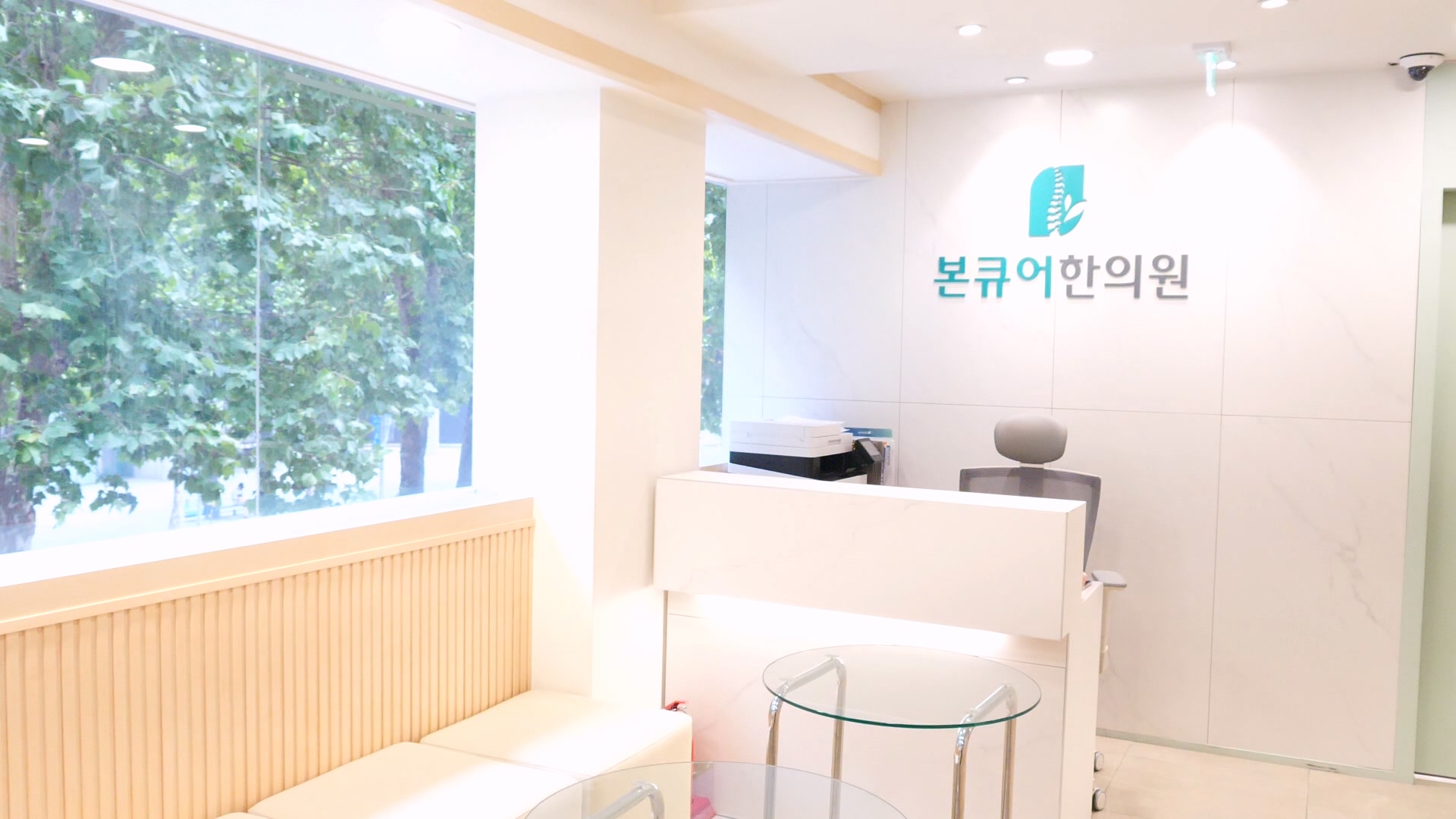
Tic disorder symptoms are defined as repetitive, involuntary movements or sounds that typically emerge during childhood but can persist into adulthood. These manifestations are often the result of complex interactions between neurological pathways and physical tension within the musculoskeletal system. By addressing the underlying structural imbalances that contribute to nervous system irritability, I aim to provide a comprehensive path toward stability. At Bonecure, I prioritize identifying the root cause rather than merely masking symptoms. This guide explores how aligning the body’s framework can help manage these neurological challenges effectively, focusing on immediate physiological changes that patients can feel. My approach combines traditional wisdom with objective diagnostic clarity to ensure every patient regains a balanced daily life. This guide reflects my clinical commitment to precision and rapid recovery.
Understanding Tic Disorder Symptoms and Their Physical Manifestations
Tic disorder symptoms refer to the involuntary and sudden contractions of muscle groups or the production of sounds that occur without a clear purpose. These symptoms are clinically categorized based on their duration, complexity, and the specific muscle groups involved in the movements.
Defining Motor and Vocal Tics in Clinical Practice
Motor tics involve physical movements that can range from simple gestures to complex sequences. Simple motor tics often manifest as rapid eye blinking, nose twitching, or shoulder shrugging, which are frequently the first signs noticed by caregivers. Complex motor tics may involve more coordinated actions such as jumping, hopping, or imitating the movements of others. Vocal tics, on the other hand, involve the respiratory and laryngeal muscles, resulting in throat clearing, grunting, or the repetition of specific words. At Bonecure, I observe that these symptoms often fluctuate in intensity based on environmental stress and internal physical strain. Recognizing the subtle differences between these categories is essential for developing a targeted management plan. Clinical data suggests that early intervention focusing on both neurological and physical factors can lead to better long-term outcomes for patients experiencing these involuntary actions. Understanding the specific presentation of each individual case allows for a more personalized approach to recovery that prioritizes efficiency and impact.
The Relationship Between Neural Sensitivity and Physical Tension
There is a profound connection between the sensitivity of the nervous system and the level of physical tension stored in the body. When the nervous system is in a state of hyper-arousal, the muscles often respond by becoming chronically tight, particularly in the neck and upper back. This physical rigidity can create a feedback loop where the tension itself further irritates the nerves, potentially increasing the frequency of tic disorder symptoms. In my clinical experience, patients often report that their tics become more prominent during periods of high fatigue or physical discomfort. By identifying these areas of adhesion and tension, I can begin to understand how the body's structural state influences neurological output. Managing this tension is not just about relaxation but about changing the physiological environment in which the nerves operate. Reducing this baseline physical stress is a critical component of our comprehensive recovery strategy at Bonecure, helping to calm the overactive signals that trigger involuntary movements and sounds without unnecessary delay.
How Tic Disorder Symptoms Impact Quality of Life
Persistent tic disorder symptoms can significantly affect a person's social, emotional, and physical well-being. Beyond the involuntary movements themselves, individuals often struggle with social anxiety, embarrassment, and physical exhaustion from the constant muscle activity. Chronic tics can lead to localized pain, such as headaches or neck strain, especially when the movements involve the head or shoulders. In some cases, the effort to suppress tics leads to a rebound effect, where symptoms become more intense once the individual is in a private setting. This cycle of suppression and release can be mentally draining, impacting school or work performance and interpersonal relationships. Addressing these symptoms through structural recovery offers a way to reduce the physical burden, potentially improving overall quality of life. By focusing on the root causes of physical irritability, I help individuals gain a sense of control over their bodies, which is vital for their emotional health and social confidence in various environments, allowing them to return to a balanced life.
The Role of Spinal Alignment in Managing Tic Symptoms
Spinal alignment serves as the foundation for a healthy nervous system, as the spine protects the spinal cord and houses the nerve roots that communicate with the entire body. Misalignments in the vertebral column can create mechanical pressure and interference that disrupts these vital signals.
Cervical Spine Integrity and Nervous System Function
The integrity of the cervical spine is particularly important for those experiencing neurological symptoms. The upper neck area, specifically the C1 and C2 vertebrae, is closely situated to the brainstem and the vagus nerve, which regulates the autonomic nervous system. When these vertebrae are misaligned, they can cause subtle but significant interference with neurological regulation, potentially exacerbating tic disorder symptoms. Structural imbalances in this region often lead to increased sympathetic nervous system activity, commonly known as the fight-or-flight response. This heightened state of arousal can make the brain more prone to triggering the involuntary impulses characteristic of tics. By restoring proper alignment to the cervical spine through precise Chuna therapy and Acupotomy, I help normalize the flow of neurological information and reduce the baseline irritability of the system. This structural approach focuses on creating a stable environment for the nervous system to function without unnecessary mechanical stress, which is often the missing link in traditional symptom management strategies.
Identifying Structural Imbalances via Whole Spine X-ray
To accurately address structural issues, Bonecure utilizes Whole Spine X-ray imaging—facilitated through our collaboration with Harrison Hospital—to visualize the entire skeletal framework. This diagnostic tool allows us to see the relationship between the skull, spine, and pelvis, identifying global patterns of compensation that might not be visible on a localized scan. For example, a pelvic tilt can lead to a compensatory curve in the upper back, which in turn affects the positioning of the neck. These systemic misalignments contribute to the overall physical tension that fuels neurological sensitivities. By analyzing these images, I develop a precise plan for structural restoration tailored to each patient's unique anatomy. This objective data is crucial for tracking progress over time, as I can compare follow-up images to the initial baseline. Seeing the physical changes in spinal curvature and joint space provides both the practitioner and the patient with clear evidence of structural improvement, which often correlates with a reduction in the physical intensity of symptoms.
| Category | Common Symptoms | Structural Correlation |
|---|---|---|
| Simple Motor | Eye blinking, nose twitching | Upper cervical tension and C1/C2 misalignment |
| Complex Motor | Jumping, touching objects | Pelvic tilt and global spinal compensatory curves |
| Vocal Tics | Throat clearing, grunting | Diaphragmatic stiffness and lower cervical strain |
| Sensory Precursors | Urge to move, tingling | Localized nerve root irritation and tissue adhesion |
Acupuncture and Specialized Techniques for Chronic Tic Management
Acupuncture and specialized Korean medical techniques offer a unique way to address both the neurological and structural components of chronic conditions. These methods focus on releasing deep tissue obstructions and balancing the body's internal energy to support natural healing processes.
Acurelease Therapy: Releasing Adhesion in Deep Tissues
Acurelease therapy, a specialized form of Acupotomy I use at Bonecure, involves the use of a micro-blade needle to release adhesions in the deep fascia and muscle layers. In chronic cases of tic disorder symptoms, repetitive movements often lead to the formation of dense scar tissue and adhesions that further irritate nearby nerves. Acurelease targets these specific points of tension, breaking down the physical barriers that prevent the muscles from returning to a neutral state. By loosening these tight tissues, I can improve circulation and reduce the mechanical stimulation of the nervous system. This procedure may cause temporary soreness, minor bruising, or very rarely, infection at the site of treatment, but these are typical and short-lived effects. Many patients find that once the deep adhesions are released, the physical urge to perform tics becomes less intense immediately. This technique is particularly effective for those who have not found sufficient relief through lifestyle changes alone, providing a direct physical intervention to reset the musculoskeletal environment.
Acupuncture for Back Pain and Tension Accompanying Tics
Acupuncture is widely recognized for its ability to modulate the nervous system and relieve pain associated with chronic muscle tension. For individuals with tic disorder symptoms, acupuncture can help calm the autonomic nervous system, shifting the body away from hyper-arousal. By stimulating specific points, I encourage the release of neurochemicals that promote relaxation and reduce the perception of physical stress. This is particularly beneficial for managing the secondary tension and back pain that often arise from constant involuntary movements. While traditional pharmacotherapy focuses on chemical neurotransmitters, acupuncture provides a mechanical stimulus that supports the body's self-regulatory mechanisms. It is important to note that results can vary by individual, and chronic conditions often require consistent care. Integrating acupuncture into a broader structural recovery plan helps address immediate physical discomfort while supporting the long-term goal of neurological stability and overall wellness. My goal is always a treatment that is both impactful and efficient for the patient.
Clinical Observations: Structural Correction and Symptomatic Relief
Clinical observations at Bonecure suggest that addressing the physical structure of the body can lead to meaningful changes in neurological expression. By focusing on the root cause rather than just the outward symptoms, I provide a foundation for lasting health.
Individual Case Studies of Postural Improvement and Tic Reduction
In my clinical practice, I utilize Chuna manual therapy and Acupotomy to correct cervical alignment, which helps stabilize the hyper-excited state of the nervous system. A key philosophy at Bonecure is that patients should feel a change in their symptoms immediately after the treatment; I do not believe in telling patients they must wait for ten or more sessions to see a difference. By addressing structural imbalances directly, these treatments aim to alleviate the physical triggers of tics right away. While individual responses to treatment vary and maintaining structural stability in chronic cases may require follow-up visits, the initial restoration of the physical framework provides an immediate foundation for neurological relief. Relieving diaphragmatic tension and correcting neck alignment contributes to lowering the overall physical tension associated with vocal tics. This integrated approach focuses on the body as a whole system to manage symptoms effectively. By restoring the physical framework, I allow the nervous system to operate in a more balanced environment, leading to a natural reduction in the intensity of involuntary movements.
A 2026 Clinical Guide to TMJ Jaw Pain and Structural Recovery at Bonecure
Key Takeaways
- Tic disorder symptoms are involuntary movements and sounds influenced by both neurology and physical tension.
- Structural misalignments, particularly in the cervical spine, can exacerbate neurological irritability and tic frequency.
- Acurelease therapy (Acupotomy) targets deep tissue adhesions to provide immediate reduction in physical strain.
- Objective tools like Whole Spine X-rays help track structural progress and correlate it with symptomatic improvement.
- Bonecure emphasizes treatments that produce immediate physiological changes rather than delayed results.
Frequently Asked Questions
Q. What are the most common initial symptoms of tic disorders?
Initial symptoms often involve simple motor tics such as frequent eye blinking, facial grimacing, or shoulder shrugging. Vocal tics like throat clearing or sniffing may also appear early on. These symptoms can fluctuate in frequency and may be more noticeable during times of stress or excitement.
Q. Can spinal misalignment worsen tic disorder symptoms?
Yes, structural imbalances, particularly in the cervical spine, can increase physical tension and interfere with nervous system regulation. This mechanical stress can potentially exacerbate the frequency or intensity of tics by keeping the nervous system in a state of hyper-arousal. Restoring alignment can help minimize this irritation.
Q. Is acupuncture effective for managing tic disorders?
Acupuncture, particularly specialized techniques like Acurelease (Acupotomy) at Bonecure, helps relieve deep muscle adhesions and calms the nervous system. This can assist in managing the physical strain of tics and reducing the urge to move. However, results vary by individual and depend on the severity of the condition.
Q. How long does it take to see improvement in tics with Korean medicine?
At Bonecure, the goal is for patients to feel an immediate change in their symptoms during the very first session. I do not follow a protocol that requires 10 or 20 sessions before seeing results. While long-term stability in chronic cases involves ongoing care to maintain structural alignment, the impact of the treatment should be felt right away.
Q. Are there side effects to Acurelease or acupuncture treatments?
Common side effects include temporary soreness at the site of treatment, minor bruising, or a small amount of bleeding, which usually resolve within a few days. In rare cases, individuals may experience temporary fatigue or infection. These treatments are safe when performed by a qualified professional who monitors the patient's response.
Q. Can lifestyle changes help reduce tic symptoms?
Stress management, adequate sleep, and maintaining proper posture are crucial for managing symptoms. Reducing external triggers and maintaining a balanced nervous system through structural care can support overall symptom management. A healthy lifestyle provides a necessary foundation for the effectiveness of clinical treatments.
Q. Does Bonecure provide objective data for treatment progress?
Yes, I utilize tools like Whole Spine X-rays and standardized neurological scales to monitor changes in spinal alignment and symptomatic intensity. This allows for an evidence-based approach where progress is measured objectively rather than relying solely on subjective reports of improvement.
Bonecure / Dr. Song Jung-hyun
FAQ
- What are the most common initial symptoms of tic disorders?
- Initial symptoms often involve simple motor tics such as frequent eye blinking, facial grimacing, or shoulder shrugging. Vocal tics like throat clearing or sniffing may also appear early on. These symptoms can fluctuate in frequency and may be more noticeable during times of stress or excitement.
- Can spinal misalignment worsen tic disorder symptoms?
- Yes, structural imbalances, particularly in the cervical spine, can increase physical tension and interfere with nervous system regulation. This mechanical stress can potentially exacerbate the frequency or intensity of tics by keeping the nervous system in a state of hyper-arousal. Restoring alignment can help minimize this irritation.
- Is acupuncture effective for managing tic disorders?
- Acupuncture, particularly specialized techniques like Acurelease at Bonecure, helps relieve deep muscle adhesions and calms the nervous system. This can assist in managing the physical strain of tics and reducing the urge to move. However, results vary by individual and depend on the severity of the condition.
- How long does it take to see improvement in tics with Korean medicine?
- Treatment duration depends on the chronicity and severity of the symptoms. While some individuals experience a reduction in physical tension within a few sessions, chronic cases usually require a consistent, long-term approach for structural stability. A typical course might involve 10 to 20 sessions to see significant structural changes.
- Are there side effects to Acurelease or acupuncture treatments?
- Common side effects include temporary soreness at the site of treatment or minor bruising, which usually resolve within a few days. In rare cases, individuals may experience temporary fatigue or lightheadedness. These treatments are generally safe when performed by a qualified professional who monitors the patient's response.
- Can lifestyle changes help reduce tic symptoms?
- Stress management, adequate sleep, and maintaining proper posture are crucial for managing symptoms. Reducing external triggers and maintaining a balanced nervous system through structural care can support overall symptom management. A healthy lifestyle provides a necessary foundation for the effectiveness of clinical treatments.
- Does Bonecure provide objective data for treatment progress?
- Yes, Bonecure utilizes tools like Whole Spine X-rays and standardized neurological scales to monitor changes in spinal alignment and symptomatic intensity. This allows for an evidence-based approach where progress is measured objectively rather than relying solely on subjective reports of improvement.