
Post
A 2026 Clinical Guide to Tic Disorder Treatment and Structural Recovery
Tic disorder treatment involves a comprehensive approach to managing involuntary motor movements and vocalizations by addressing the underlying neurological and structural imbalances in the body. I am Dr. Song Jung-hyun, and for many years, I have focused on structural recovery through acupotomy to help patients restore their physical and neurological health.
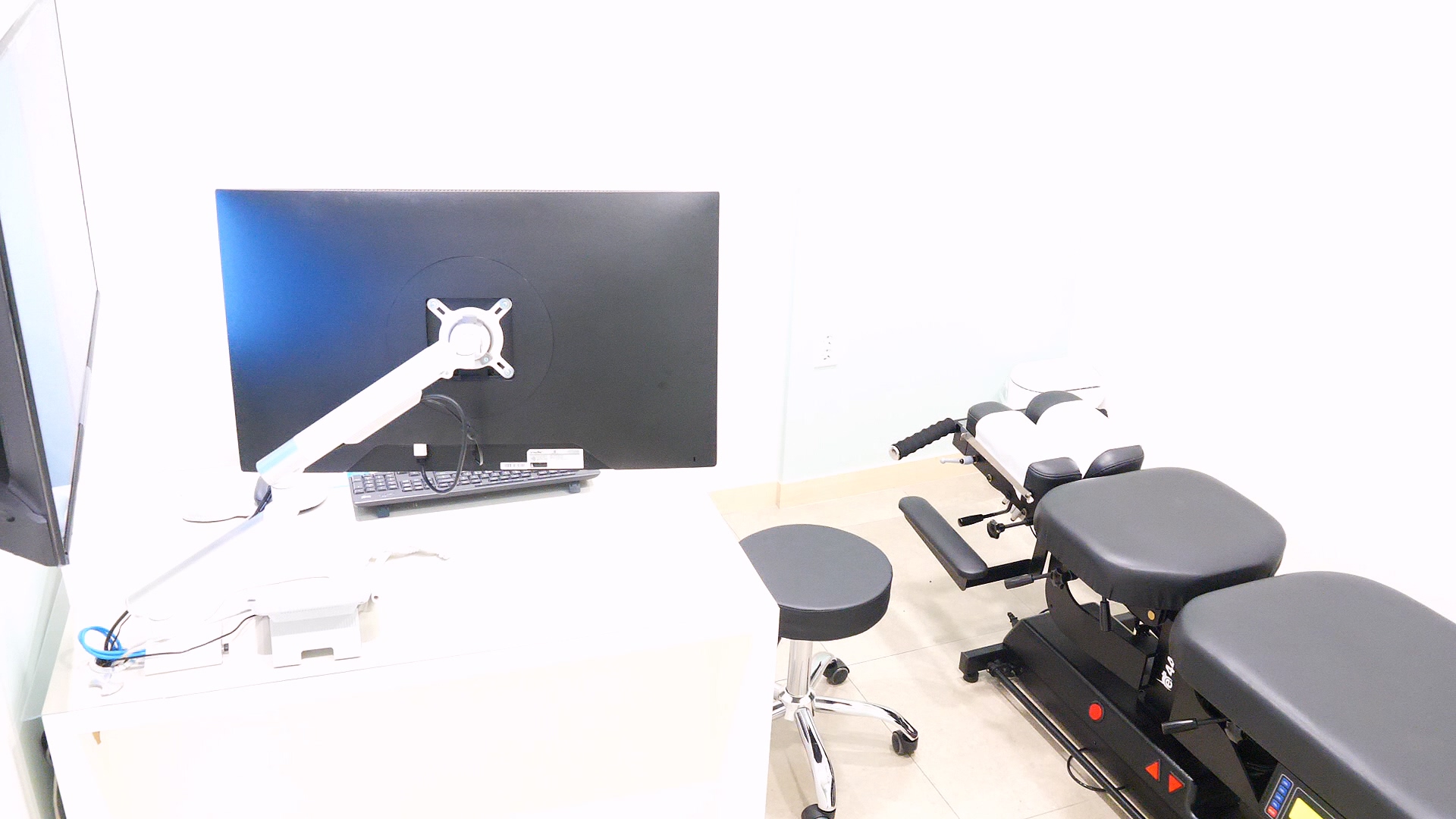
This guide explores the intricate relationship between your spine and your nervous system, offering a path toward stability and recovery in 2026.
Understanding Tic Disorder and the Role of Neuromusculoskeletal Balance
Tic Disorder is defined as a neurological condition characterized by sudden, repetitive, and non-rhythmic motor movements or vocal sounds that individuals often find difficult to suppress. While the etiology is complex and involves neurochemical factors, at Bonecure, we prioritize the physical environment of the nervous system to facilitate better symptom management and overall physiological harmony.
What is Tic Disorder and Why Does it Occur?
Tic disorders are defined by sudden, repetitive, non-rhythmic motor movements or vocalizations that often appear in childhood. While the exact neurobiological cause remains under investigation, clinical evidence suggests a complex interplay between genetic predisposition and environmental triggers. At Bonecure, we observe that physical tension frequently exacerbates these involuntary movements. Many patients presenting with motor tics also display significant musculoskeletal strain, particularly in the upper cervical region. By addressing the physical manifestation of stress, we aim to reduce the overall sensory urge that precedes a tic. Research indicates that approximately 20 percent of school-aged children may experience some form of tic during their development. While many cases are transient, chronic conditions require a comprehensive evaluation of the nervous system. Our approach focuses on stabilizing the physical foundation to support neurological health. We prioritize understanding the unique structural challenges each patient faces to provide personalized care through targeted physical interventions.
The Connection Between Spinal Alignment and Neurological Symptoms
The relationship between spinal alignment and neurological symptoms is a primary focus of our clinical approach. The spine serves as the main conduit for the central nervous system, and any deviation in its natural curvature can create mechanical stress on the surrounding nerves. At Bonecure, we utilize objective imaging, including Whole Spine X-rays, to assess how structural distortions, such as forward head posture or cervical misalignment, might correlate with neurological irritability. Based on our clinical experience with neurological conditions like head tremors (dystonia) and autonomic dysfunction, we have observed that correcting cervical alignment can help modulate the sensory feedback loops that contribute to motor sensitivity. Maintaining the integrity of the vertebral column is essential for ensuring that nerve signals are transmitted without interference. When the structural framework is compromised, the body may respond with increased motor sensitivity. Our methodology emphasizes restoring this balance to alleviate the underlying physical triggers of tic-related movements.
How Structural Imbalance Affects the Autonomic Nervous System
Structural imbalance frequently leads to a state of chronic sympathetic dominance within the autonomic nervous system. This physiological state, often characterized by heightened arousal and stress, can significantly worsen the severity of tic disorder symptoms. At Bonecure, we analyze how misalignments in the pelvic and spinal regions may disrupt the body’s natural ability to regulate stress responses. When the physical body is under constant mechanical strain, the nervous system remains in a heightened state of alertness, making it more susceptible to involuntary motor discharges. Our clinical observations indicate that restoring physical symmetry helps transition the body into a parasympathetic state, which is conducive to healing and neurological calm. By stabilizing the autonomic foundation, we provide a more resilient environment for the brain to process motor signals. This structural approach addresses the systemic impact of physical stress, offering a comprehensive path toward stabilization. Individual outcomes naturally vary based on the duration and severity of the imbalance.
Integrative Approaches: Comparing Traditional Korean Medicine and Standard Care
Integrative care for tic disorders combines the biochemical focus of modern medicine with the structural and systemic approach of traditional modalities to provide a balanced recovery path. By comparing different treatment options, patients can better understand how specific interventions like Chuna therapy and acupotomy complement standard neurological care.
| Category | Standard Western Approach | Integrative Structural Approach |
|---|---|---|
| Primary Focus | Neurotransmitter modulation (Dopamine) | Neuromusculoskeletal alignment and flow |
| Methods | Pharmacotherapy, Behavioral therapy | Acupotomy, Chuna, Herbal medicine |
| Goal | Suppression of involuntary movements | Stabilizing physical triggers and nerve flow |
| Side Effects | Varies by individual and medication type | Minor bruising, temporary localized pain |
| Assessment | Symptom rating scales, Neurological exam | X-ray analysis, Beck Anxiety/Depression scales |
Acupuncture and Pharmacopuncture for Neurological Regulation
Acupuncture serves as a vital component in the integrative management of neurological regulation. This traditional modality works by stimulating specific points on the body to promote blood flow and reduce physical tension. At Bonecure, we adapt these techniques to address the specific neuromuscular needs of patients with tic disorders. While standard care often focuses on pharmacological intervention, acupuncture offers a non-systemic alternative that targets the physical manifestations of neurological stress. We also utilize pharmacopuncture to deliver herbal essences to specific trigger points, further assisting in muscle relaxation. It is important to note that while the procedure is generally safe, some patients might experience minor bruising or temporary localized discomfort at the insertion sites. By integrating these methods with modern structural analysis, we aim to provide a balanced approach that supports both the physical and neurological aspects of recovery. Each treatment plan is customized to the patient’s sensitivity level.
The Synergy of Structural Correction and Herbal Therapy
The synergy between structural correction and herbal therapy creates a robust framework for managing complex neurological conditions. Structural realignment addresses the mechanical causes of nerve irritation, while herbal formulas provide biochemical support to nourish the nervous system and reduce internal inflammation. At Bonecure, we utilize specific herbal prescriptions designed to stabilize the nervous system and promote deep physiological rest. By combining these two modalities, we address both the external framework and the internal environment of the body. For example, a patient receiving Chuna manual therapy may also benefit from herbs that promote muscle relaxation and improve sleep quality. This multifaceted strategy is designed to enhance the body’s innate healing capacity and provide a more comprehensive recovery experience. It is essential to consult with a qualified practitioner to ensure that herbal supplements do not interact with existing medications. Our goal is to create a harmonious physiological state that minimizes the physical and chemical triggers of motor tics.
Bonecure's Clinical Methodology: Acupotomy and Structural Alignment
Bonecure employs a specialized methodology focused on releasing tissue adhesions and restoring the natural alignment of the spine to improve neurological function. Through the precise application of acupotomy and Chuna therapy, we aim to resolve the mechanical stressors that contribute to chronic motor symptoms.
Acupotomy Therapy: Releasing Adhesions for Immediate Feedback
Acupotomy therapy is a specialized technique that involves the use of a flat-headed needle to release physical adhesions in the soft tissues. These adhesions, often formed from chronic strain or injury, can entrap nerves and restrict blood flow, leading to increased neurological irritability. At Bonecure, we apply acupotomy to the paraspinal muscles and cervical regions to restore the natural gliding motion of the tissues. Unlike traditional approaches that may require many sessions to see progress, I focus on achieving noticeable improvement in tension and movement from the very first session. By resolving structural blockages, we facilitate improved nerve transmission. While the procedure involves a distinct sensation that some may find uncomfortable, many patients report a significant reduction in physical stiffness immediately following the treatment. Potential side effects include temporary soreness, minor bleeding, or localized swelling, which typically resolve within a few days. We prioritize safety and precision in every application of this advanced therapeutic tool.
Chuna Manual Therapy and Spinal Re-alignment for Tic Management
Chuna manual therapy focuses on the precise re-alignment of the spine and joints to restore optimal biomechanical function. This hands-on modality allows practitioners to correct subtle displacements in the vertebrae that may be contributing to nervous system dysfunction. At Bonecure, we integrate Chuna with our structural recovery programs to ensure that the skeletal framework supports healthy neurological activity. By applying controlled force to specific segments of the spine, we can alleviate pressure on spinal nerves and improve the overall posture of the patient. Improved alignment not only reduces physical discomfort but also helps normalize the sensory input reaching the brain. Our clinical focus is on immediate structural feedback; we do not rely on fixed long-term packages but rather assess improvement session by session. As with any manual therapy, the effectiveness depends on the patient's individual condition. We strive to empower our patients through better physical alignment, fostering a foundation for long-term neurological stability.
Clinical Observations on Postural Improvement and Symptom Reduction
Clinical observations consistently highlight the correlation between postural improvement and the reduction of motor symptoms. When a patient achieves a more balanced posture, the overall load on the central nervous system is significantly reduced. At Bonecure, we track these changes using objective metrics, including spinal X-rays and standardized tools like the Beck Anxiety and Depression inventories to monitor the patient's internal state. Our clinical approach focuses on stabilizing the physical foundation to support neurological health, aiming to improve spinal alignment and reduce the physical triggers of motor symptoms. While individual results vary, restoring structural symmetry is a key goal in helping patients manage tic frequency. These observations underscore the importance of physical symmetry in managing neurological health. While tics are fundamentally a brain-based condition, the physical environment in which the brain operates plays a crucial role. It is important to remember that results are specific to individual cases and do not guarantee a universal outcome. Continuous monitoring and session-by-session adjustments are essential for achieving the best results.
Long-term Management and Lifestyle Recovery
Long-term management of tic disorders involves more than clinical sessions; it requires a dedicated effort to maintain structural health and stabilize the autonomic nervous system through lifestyle adjustments. Establishing a sustainable environment for recovery ensures that the gains made during treatment are preserved over time.
Focused Structural Care and Autonomic Stabilization
At Bonecure, we focus on identifying and resolving the root causes of pain and neurological irritability rather than simply suppressing symptoms. By combining traditional Korean medicine treatments—including Chuna therapy, pharmacopuncture, and herbal medicine—with modern diagnostic approaches, we design personalized treatment plans. Our goal is to shift the body out of a state of chronic tension and into one of balance. When the structural body is aligned, the nervous system can function more efficiently, reducing the overall burden of involuntary movements. We utilize objective imaging to ensure the treatment is targeted and effective. While the process of structural recovery requires precision, the result is a more resilient physical foundation. Each patient's journey is unique, and we prioritize treatments that are compressed, efficient, and impactful. This structural focus serves as a cornerstone for healing and long-term symptom management.
Stress Management and Autonomic Nervous System Stabilization
Stress management is a critical component of stabilizing the autonomic nervous system and reducing the impact of motor tics. The nervous system is highly sensitive to emotional and environmental stressors, which can trigger an increase in involuntary movements. At Bonecure, we educate our patients on the importance of maintaining a calm physiological state through structural awareness. When the body is aligned, it is naturally more resilient to the effects of stress. We have found that patients who combine structural recovery with mindful ergonomic habits often experience more consistent improvements. By addressing the physical manifestations of anxiety, such as shallow breathing and upper-body tension, we help patients regain control over their body’s stress response. This holistic approach ensures that the benefits of clinical treatment are sustained in the patient’s daily life. Managing the internal environment is just as important as correcting the external structure for achieving lasting neurological balance.
Establishing a Sustainable Environment for Structural Health
Establishing a sustainable environment for structural health involves integrating ergonomic habits and regular maintenance into one's daily routine. Long-term recovery from tic-related symptoms requires more than just clinical intervention; it demands a commitment to preserving the integrity of the spine and nervous system. At Bonecure, we provide comprehensive guidance on workstation ergonomics, sleep posture, and corrective exercises. These lifestyle adjustments are designed to reinforce the structural gains achieved during treatment. For instance, maintaining a neutral spine while sitting can prevent the re-emergence of tissue adhesions and nerve compression. Consistency is key to preventing relapses and ensuring that the nervous system remains in a stable state. We encourage our patients to become active participants in their recovery by monitoring their physical habits. By fostering a lifestyle that prioritizes musculoskeletal balance, patients can enjoy a higher quality of life and better management of their neurological symptoms over time.
A 2026 Clinical Guide to Managing Tic Disorder Symptoms through Structural Recovery
A 2026 Clinical Guide to TMJ Tinnitus and Structural Recovery through Acupotomy
Frequently Asked Questions
Q. What is the primary focus of tic disorder treatment at Bonecure?
At Bonecure, we focus on the structural balance of the spine and neck. By resolving nerve compression and restoring physical alignment through acupotomy and Chuna, we aim to stabilize the nervous system. Our goal is to address the musculoskeletal triggers that exacerbate involuntary movements, aiming for immediate physical changes during each session.
Q. Is acupotomy therapy painful for patients with tic disorders?
While there may be temporary discomfort or minor soreness during the release of tissue adhesions, many patients report a sense of immediate relief in tension afterward. Individual sensitivity differs, but I use a highly efficient and impactful technique to minimize discomfort. Any localized pain usually subsides within a few days.
Q. How long does a typical course of treatment take?
We do not use a fixed "10-session" rule. Our philosophy is to provide treatment that yields immediate results you can feel. The total duration of care depends on the complexity of the spinal condition and the patient's individual neurological response, with progress assessed and confirmed during every single visit.
Q. Are there any side effects to traditional Korean medicine for tics?
Acupotomy can occasionally cause minor bruising, temporary pain, or localized swelling. These are transient and part of the tissue recovery process. We also consider individual differences in response to herbal medicine. We monitor each patient closely to ensure safety and adjust the plan if any sensitivities arise.
Q. Can structural correction help with comorbid symptoms like anxiety?
Yes, correcting spinal alignment can help stabilize the autonomic nervous system. We use objective tools like the Beck Anxiety and Depression scales to monitor these changes. By shifting the body into a parasympathetic state, we promote overall emotional and neurological calm, though individual results vary based on the patient's history.
Q. Do I need to stop my current medications to start treatment at Bonecure?
You should not stop prescribed medications without consulting your prescribing physician. Our structural approach is designed to be integrative and can often be performed alongside standard medical care to enhance the body's physical foundation and support overall recovery.
Q. What scientific evidence supports these treatments?
Our methods are based on clinical experience and case reports regarding spinal alignment, autonomic regulation, and neurological conditions like head tremors and scoliosis. We use objective metrics, such as Whole Spine X-rays and standardized psychological scales (Beck inventories), to track progress and tailor treatments to each patient's needs.
Key Takeaways
- Structural Alignment: Correcting the curvature of the spine, especially the cervical region, is essential for reducing neurological irritability.
- Acupotomy Benefits: Releasing muscular adhesions helps restore nerve flow and aims for immediate symptom relief during each treatment.
- Integrative Care: Combining traditional structural recovery with standard care offers a comprehensive approach to managing involuntary movements.
- Autonomic Stability: Restoring musculoskeletal balance helps stabilize the autonomic nervous system, reducing the impact of stress on tic severity.
- Individualized Progress: Treatment at Bonecure avoids fixed session blocks, focusing instead on achieving immediate, observable improvement in every session.
If you are seeking a structural approach to managing motor symptoms, please contact us for a consultation.
Bonecure / Dr. Song Jung-hyun
FAQ
- What is the primary focus of tic disorder treatment at Bonecure?
- At Bonecure, we focus on the structural balance of the spine and neck. By resolving nerve compression and restoring physical alignment, we aim to stabilize the nervous system, though results vary by individual case. Our goal is to address the musculoskeletal triggers that exacerbate involuntary movements.
- Is acupotomy therapy painful for patients with tic disorders?
- While there may be temporary discomfort or minor soreness during the release of tissue adhesions, many patients report a sense of immediate relief in tension afterward. Individual sensitivity differs, and we take great care to ensure the procedure is as comfortable as possible. Any localized pain usually subsides within a few days.
- How long does a typical course of treatment take?
- Chronic or severe cases often require multiple sessions over several months. We determine the specific frequency and duration after a thorough consultation and structural examination, as each patient's spinal condition and neurological response are unique. Typically, a milestone evaluation occurs after the first ten sessions.
- Are there any side effects to traditional Korean medicine for tics?
- Acupotomy can occasionally cause minor bruising, temporary pain, or localized swelling. These are generally transient and are a natural part of the tissue healing process. We monitor each patient closely to ensure safety and adjust the treatment plan if any unexpected sensitivities arise.
- Can structural correction help with comorbid symptoms like anxiety?
- Yes, correcting spinal alignment can help stabilize the autonomic nervous system, which may assist in managing anxiety or restlessness associated with tics in specific clinical cases. By shifting the body into a parasympathetic state, we promote overall emotional and neurological calm. However, individual results can vary based on the patient's history.
- Do I need to stop my current medications to start treatment at Bonecure?
- You should not stop prescribed medications without consulting your prescribing physician. Our integrative approach can often be performed alongside standard care to enhance overall recovery. We work to support your body's structure while you continue necessary medical management for your symptoms.
- What scientific evidence supports these traditional treatments?
- Our methods are based on clinical case reports involving spinal curvature correction and autonomic nervous system regulation. We use objective scales, such as the YGTSS, and X-ray imaging to track progress for each individual. For example, one patient showed a reduction in symptom scores from 54 to 2 points over a specific treatment period.