
Post
2026 Clinical Guide to TMJ Tinnitus and Structural Recovery through Acupotomy
Hello. I am Dr. Jeong-hyeon Song, a Korean Medicine Doctor who has long specialized in Acupotomy. TMJ tinnitus is a complex condition where jaw joint dysfunction triggers persistent ringing or buzzing sounds in the ears through neural cross-talk.
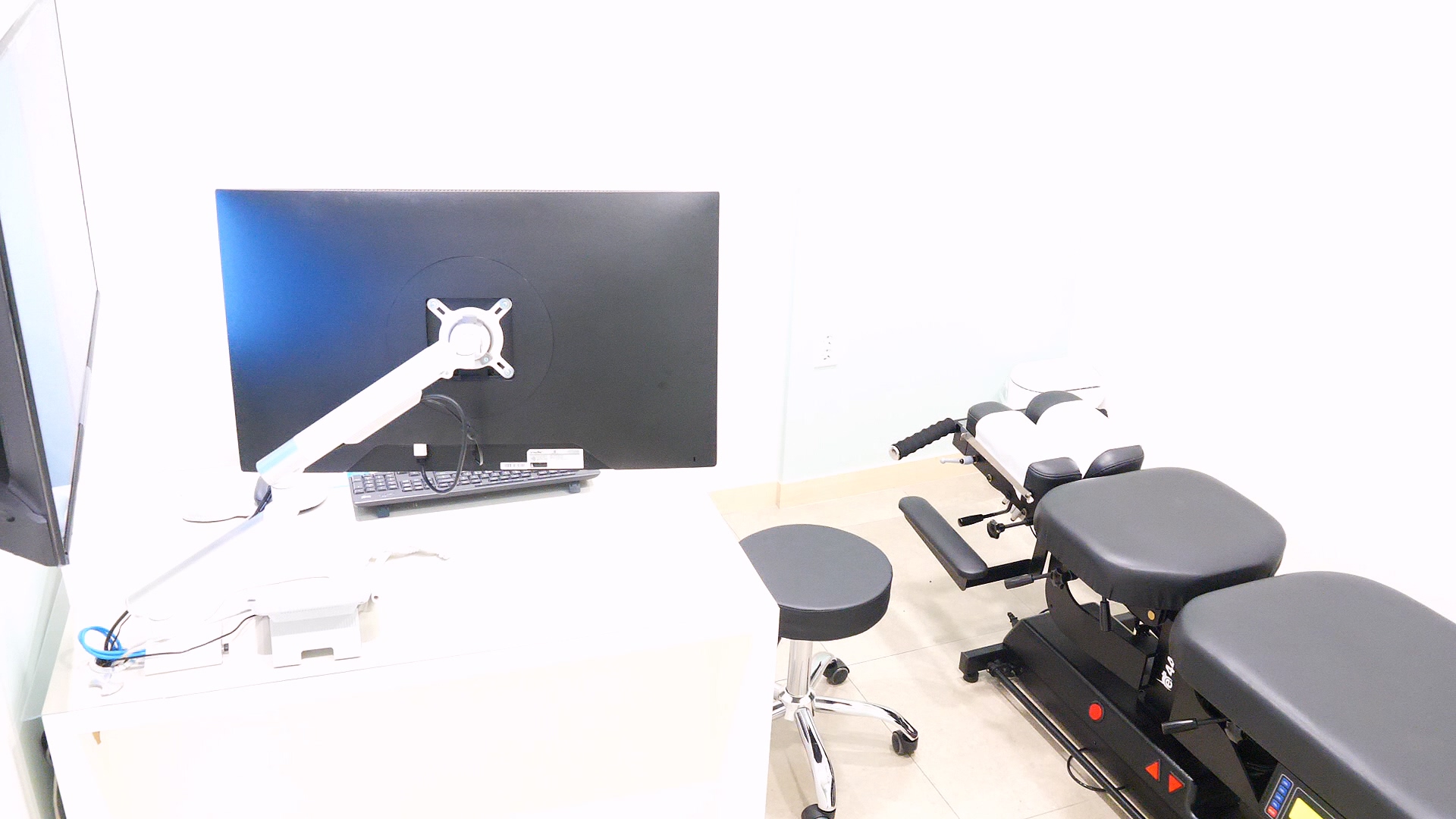
This guide explores how structural realignment and specialized medical techniques offer a pathway to relief by addressing the root mechanical causes rather than just masking auditory symptoms. By understanding the interaction between the musculoskeletal system and the auditory pathways, patients can better navigate their journey toward long term comfort.
Understanding TMJ Tinnitus: The Link Between Jaw Dysfunction and Ear Ringing
TMJ tinnitus refers to a condition where ringing or buzzing in the ears is directly influenced by the temporomandibular joint, often categorized as somatosensory tinnitus. This occurs when sensory signals from the jaw or neck are misperceived by the brain as sound, creating a phantom auditory experience that fluctuates with physical movement.
Defining TMJ Tinnitus and Somatosensory Interaction
TMJ tinnitus is a specialized form of auditory perception where phantom sounds like ringing, buzzing, or clicking originate not from the inner ear, but from structural abnormalities in the jaw joint. This phenomenon, known as somatosensory tinnitus, occurs because the nerves controlling the jaw muscles and those responsible for hearing are closely intertwined within the brainstem. At Bonecure, we recognize that many patients suffer from ear noise that fluctuates in intensity based on jaw movement or teeth clenching. When the temporomandibular joint is misaligned, it sends abnormal signals to the auditory system, creating a persistent ringing sensation. This interaction highlights why treating the ear alone often fails to provide lasting relief. By focusing on the structural relationship between the mandible and the temporal bone, clinical professionals can identify the mechanical triggers that perpetuate these phantom sounds, allowing for a more comprehensive approach to recovery for those seeking a return to a quiet and peaceful daily life.
The Anatomical Connection: Trigeminocervical Complex
The anatomical link between the jaw and the ear is primarily mediated by the trigeminocervical complex, a region in the brainstem where sensory inputs from the face, jaw, and upper neck converge. Because of this convergence, the brain can sometimes confuse signals from the jaw muscles with signals from the auditory nerve. Inflammation or tension in the temporomandibular joint can stimulate these shared pathways, leading to the perception of sound. In many cases, patients may find that their tinnitus changes in pitch or volume when they perform specific actions like yawning or moving their chin from side to side. Understanding this neurological overlap is crucial for developing effective treatment strategies. By addressing the physical tension in the trigeminal nerve pathways, it is possible to reduce the excitatory signals that the brain interprets as ringing. This structural focus ensures that the underlying nerve irritation is managed at its source, rather than simply addressing the ears.
Common Symptoms and Identification
Identifying whether tinnitus is related to the TMJ involves looking for specific physical markers alongside the auditory symptoms. Common signs include clicking or popping sounds in the jaw, facial pain, and difficulty opening the mouth fully. Patients often report that their tinnitus is unilateral, occurring on the same side as their jaw discomfort. In some clinical cases, patients have experienced symptoms for over 18 years before realizing the jaw was the primary contributor. To confirm a somatosensory link, practitioners may use objective metrics like the Tinnitus Handicap Inventory, where a high initial score, such as 54 points, indicates a significant impact on quality of life. If pressing on the jaw muscles or clenching the teeth changes the sound of the ringing, the condition is highly likely to be structural in nature. Recognizing these signs early allows for a more targeted intervention that prioritizes the restoration of joint balance and muscle relaxation, which are essential for reducing auditory phantom signals.
Why Traditional Approaches May Fall Short for Chronic Cases
Traditional ear-focused treatments often overlook the musculoskeletal and structural factors that trigger auditory symptoms through neural cross-talk. When the root cause is mechanical, medications or sound masks only provide temporary relief without resolving the physical tension perpetuating the sound.
Limitations of Symptomatic Ear Treatments
Standard auditory treatments typically focus on the inner ear or the brain's processing of sound, often utilizing hearing aids or white noise machines to mask the ringing. While these can be helpful for noise-induced hearing loss, they rarely address the underlying mechanical dysfunction of the jaw. For patients with TMJ-related tinnitus, these methods are often insufficient because the trigger remains active in the musculoskeletal system. Without resolving the physical pressure on the nerves, the brain continues to receive the signals that generate the phantom sounds. Furthermore, many pharmacological options carry the risk of side effects and do not offer a permanent solution for structural misalignment. Clinical experience shows that relying solely on ear care for a jaw-based problem can lead to frustration and a lack of progress. A more integrative approach that considers the alignment of the jaw and the health of the surrounding tissues is necessary for those who have found little success with conventional auditory therapies.
The Role of Structural Misalignment in the Cervical Spine
The health of the temporomandibular joint is inextricably linked to the alignment of the upper cervical spine, particularly the C1 and C2 vertebrae. When the neck is misaligned, often due to poor posture or trauma, it creates compensatory tension in the muscles surrounding the jaw. This structural chain reaction can exacerbate TMJ dysfunction, which in turn fuels somatosensory tinnitus. At Bonecure, we often observe that patients with chronic ear ringing also present with a loss of the natural cervical curve, as seen on Whole Spine X-rays. Standard treatments that focus solely on the ear ignore this vital musculoskeletal connection. By failing to correct the underlying spinal misalignment, the pressure on the trigeminocervical complex remains, leading to persistent symptoms. Addressing both the jaw and the neck simultaneously is often necessary to reduce the neural irritation that translates into phantom auditory perceptions, providing a more stable foundation for recovery as the body returns to its natural, balanced state.
Comparison: Conventional Physical Therapy vs. Integrative Korean Medicine
| Feature | Conventional Ear Care | Bonecure Structural Recovery |
|---|---|---|
| Primary Focus | Auditory symptoms only | Jaw and cervical alignment |
| Treatment Method | Sound therapy or medication | Acupotomy and Chuna therapy |
| Root Cause Analysis | Inner ear function | Tissue adhesions and joint misalignment |
| Objective Tracking | Hearing tests | THI scores and X-ray analysis |
| Result Stability | Temporary relief likely | Long term structural stability |
For more information on structural approaches, you may read A 2026 Guide to Managing Autonomic Dysfunction through Structural Recovery at Bonecure.
Acupotomy and Structural Realignment: Bonecure's Core Methodology
This methodology at Bonecure combines micro-blade needle therapy with manual spinal correction to address the physical root causes of TMJ dysfunction. By releasing deep tissue adhesions and restoring proper joint mechanics, we aim to reduce the structural triggers that cause ear ringing.
Acupotomy for Adhesive Tissue Release around the TMJ
Acupotomy is a specialized clinical procedure that utilizes a micro-blade needle to address chronic tissue adhesions and fibrosis. In cases of TMJ tinnitus, the muscles and ligaments surrounding the jaw joint often become thickened or stuck due to long term inflammation or repetitive strain. These adhesions restrict normal joint movement and can compress nearby nerves and blood vessels, contributing to auditory symptoms. During the procedure, the practitioner carefully releases these restricted tissues, which helps to restore normal blood flow and reduce mechanical pressure on the auditory pathways. At Bonecure, we utilize this method to provide a form of internal release that traditional manual therapies cannot always reach. While the treatment involves a blade-like instrument, it is performed with high precision to target only the problematic areas. Patients may experience a sense of relief as tension is released, although minor soreness, temporary bleeding, or localized pain may occur for a few days as the tissues begin to heal and reorganize, leading to improved joint mobility and reduced phantom sounds.
Chuna Manual Therapy for Cervical and Jaw Alignment
Chuna manual therapy is a foundational technique used to correct the structural alignment of the spine and the temporomandibular joint. This hands-on approach involves the practitioner applying controlled pressure to realign displaced vertebrae and restore the proper position of the jaw. By correcting the curvature of the neck and the balance of the jaw, Chuna therapy reduces the chronic strain on the muscles and nerves that contribute to tinnitus. This treatment is particularly effective when used in conjunction with Acupotomy, as it ensures that the newly released tissues are supported by a properly aligned skeletal structure. Regular sessions can help stabilize the jaw joint, preventing the recurrence of the mechanical triggers that cause ear ringing. It is important to note that while some patients feel relief quickly, chronic cases often require a structured plan of about 20 sessions to achieve lasting stability. This comprehensive manual approach provides the structural foundation necessary for the nervous system to calm down and the auditory symptoms to gradually fade.
Scientific Evidence: Case Reports on Tinnitus and Spinal Curvature
Scientific evidence in the form of clinical case reports supports the link between structural recovery and the reduction of tinnitus symptoms. In one notable case, a patient with 18 years of chronic ear ringing experienced a significant reduction in THI scores following a course of structural treatment. Please note that results may vary for each patient and this specific outcome does not guarantee the same result for others. These objective metrics provide clear evidence that addressing the jaw and spine can lead to measurable improvements in auditory health. Furthermore, Whole Spine X-ray data often shows a direct correlation between the restoration of the cervical curve and the lessening of somatosensory symptoms. While these results are specific to individual cases and may vary for each patient, they highlight the potential of structural realignment as a viable path for those with chronic conditions. By utilizing 5 main objective scales to track progress, we can monitor how structural changes influence the patient's subjective experience of sound. This evidence-based approach ensures that the treatment plan is continually refined to meet the specific needs of the individual's anatomy.
Clinical Notes: Practical Recovery and Patient Considerations
Objective monitoring of progress is essential for ensuring that structural changes lead to a reduction in symptoms. We use validated scales and imaging to track the recovery of the jaw and the decrease in ear ringing intensity.
The Importance of Objective Metrics: Tinnitus Handicap Inventory (THI)
The Tinnitus Handicap Inventory (THI) is a vital tool used to quantify the impact of tinnitus on a patient's daily life. It consists of a series of questions that assess the emotional, functional, and catastrophic aspects of the condition. By establishing a baseline score at the start of treatment, we can objectively measure the effectiveness of our structural interventions. For instance, a reduction in the score over the course of treatment serves as a clear indicator of progress, even if the ringing has not completely vanished. In addition to the THI, we use physical assessments and imaging to monitor the alignment of the jaw and the health of the cervical spine. These objective metrics help both the practitioner and the patient stay informed about the recovery process. Consistently tracking these numbers allows for adjustments in the treatment protocol, ensuring that the focus remains on the structural improvements that most directly influence the patient's auditory comfort and overall well-being.
Potential Side Effects and Safety Measures of Acupotomy
While Acupotomy is a highly focused and effective procedure for addressing structural issues, it is essential to understand the potential side effects associated with this treatment. Because the procedure involves using a specialized blade-like needle to release deep tissue adhesions around the jaw, patients may experience localized soreness or a sensation of pressure immediately following the session. Minor bruising or slight swelling at the injection site is also possible, though these symptoms typically resolve within 2 to 3 days. At Bonecure, we prioritize patient safety by maintaining strict sterile environments and providing detailed post-care instructions to minimize any risk of infection. It is important to note that while many patients experience significant relief, individual results vary based on the chronicity and severity of the TMJ dysfunction. Chronic cases may require multiple sessions to achieve stable alignment, and some patients might feel temporary fatigue as the body adjusts to structural changes. These minor limitations are a natural part of the healing process as the body reorganizes its internal tissues.
Maintaining Jaw Health and Preventing Recurrence
Preventing the recurrence of TMJ-related tinnitus requires a combination of clinical treatment and proactive lifestyle habits. Patients are encouraged to maintain proper posture, especially when using electronic devices, to avoid placing undue strain on the cervical spine and jaw. Stress management also plays a significant role, as teeth grinding and jaw clenching are often exacerbated by tension, leading to renewed tissue adhesions. Regular follow-up sessions of manual therapy can help maintain the structural alignment achieved during the initial treatment phase. Additionally, performing gentle jaw exercises as recommended by a professional can keep the surrounding muscles flexible and strong. By staying mindful of these factors, patients can protect the progress they have made and reduce the likelihood of their symptoms returning. A long term commitment to structural health is the best way to ensure that the jaw remains balanced and the ears remain quiet. For further reading, see the 2026 Guide to TMJ Disorder and Immediate Structural Recovery through Acupotomy.
Frequently Asked Questions
Q. Can TMJ issues really cause a ringing sound in the ears?
Yes, this is known as somatosensory tinnitus. Because the jaw joint and the auditory system share neural pathways, tension or inflammation in the TMJ can trigger phantom sounds in the ears. Addressing the mechanical joint dysfunction can often lead to a reduction in these auditory symptoms.
Q. How do I know if my tinnitus is related to my jaw?
If your tinnitus changes in pitch or volume when you move your jaw, clench your teeth, or press on your facial muscles, it is highly likely your TMJ is a contributing factor. Other signs include clicking sounds in the jaw joint or restricted mouth opening.
Q. What is Acupotomy and how does it help TMJ tinnitus?
Acupotomy is a specialized treatment using a blade-like needle to release adhesions in the soft tissues around the jaw and upper neck. By restoring blood flow and reducing nerve pressure, it can alleviate structural tinnitus symptoms. This procedure targets deep tissue restrictions that standard needles cannot reach.
Q. Is the treatment painful and is there any downtime?
While the procedure may cause temporary discomfort or pressure, it is generally well-tolerated by most patients. Minor bruising or soreness may occur for 2 to 3 days, but most individuals return to daily activities immediately. We provide instructions to ensure a smooth recovery after each session.
Q. How many sessions are typically required for improvement?
Recovery varies based on the chronicity of the condition. While some notice changes early on, chronic or severe cases typically require a structured plan of about 20 sessions to achieve stable results. Consistency is key to allowing the structural changes to become permanent.
Q. Does Bonecure use scientific data to track progress?
Yes, Bonecure uses scientific data and objective scales such as the Tinnitus Handicap Inventory (THI) and Whole Spine X-rays to monitor structural changes. These metrics allow us to track both subjective symptom reduction and objective physical improvements throughout the treatment process.
Q. Can neck problems also influence TMJ-related tinnitus?
Absolutely. The jaw and the cervical spine are functionally linked through the trigeminocervical complex. Misalignment in the upper neck can exacerbate TMJ dysfunction, which is why we often treat both areas simultaneously to ensure the best possible structural outcome for our patients.
Key Takeaways
- TMJ tinnitus is a somatosensory condition where jaw and neck misalignment trigger ear ringing.
- Standard ear treatments often fail if the underlying cause is mechanical or structural in nature.
- Acupotomy effectively releases deep tissue adhesions around the jaw to reduce nerve irritation.
- Objective metrics like THI scores and X-rays are essential for monitoring recovery progress.
- Individual results vary, and chronic cases typically require multiple sessions for stable realignment.
I hope those suffering from chronic tinnitus find their way back to a peaceful life through structural recovery.
Bonecure Clinic / Director Jeong-hyeon Song
FAQ
- Can TMJ issues really cause a ringing sound in the ears?
- Yes, this is known as somatosensory tinnitus. Because the jaw joint and the auditory system share neural pathways, tension or inflammation in the TMJ can trigger phantom sounds in the ears. Addressing the mechanical joint dysfunction can often lead to a reduction in these auditory symptoms.
- How do I know if my tinnitus is related to my jaw?
- If your tinnitus changes in pitch or volume when you move your jaw, clench your teeth, or press on your facial muscles, it is highly likely your TMJ is a contributing factor. Other signs include clicking sounds in the jaw joint or restricted mouth opening.
- What is Acupotomy and how does it help TMJ tinnitus?
- Acupotomy is a specialized treatment using a blade-like needle to release adhesions in the soft tissues around the jaw and upper neck. By restoring blood flow and reducing nerve pressure, it can alleviate structural tinnitus symptoms. This procedure targets deep tissue restrictions that standard needles cannot reach.
- Is the treatment painful and is there any downtime?
- While the procedure may cause temporary discomfort or pressure, it is generally well-tolerated by most patients. Minor bruising or soreness may occur for 2 to 3 days, but most individuals return to daily activities immediately. We provide instructions to ensure a smooth recovery after each session.
- How many sessions are typically required for improvement?
- Recovery varies based on the chronicity of the condition. While some notice changes early on, chronic or severe cases typically require a structured plan of about 20 sessions to achieve stable results. Consistency is key to allowing the structural changes to become permanent.
- Does Bonecure use scientific data to track progress?
- Yes, Bonecure uses scientific data and objective scales such as the Tinnitus Handicap Inventory (THI) and Whole Spine X-rays to monitor structural changes. These metrics allow us to track both subjective symptom reduction and objective physical improvements throughout the treatment process.
- Can neck problems also influence TMJ-related tinnitus?
- Absolutely. The jaw and the cervical spine are functionally linked through the trigeminocervical complex. Misalignment in the upper neck can exacerbate TMJ dysfunction, which is why we often treat both areas simultaneously to ensure the best possible structural outcome for our patients.