
Post
2026 Guide to TMJ Disorder and Immediate Structural Recovery through Acupotomy
TMJ disorder refers to a condition characterized by dysfunction in the jaw joint and surrounding muscles, requiring a precise structural approach to achieve immediate balance and lasting relief.
Hello. I am Dr. Song Jung-hyun, a Korean medicine doctor specializing in acupotomy (scalpel acupuncture) for many years.
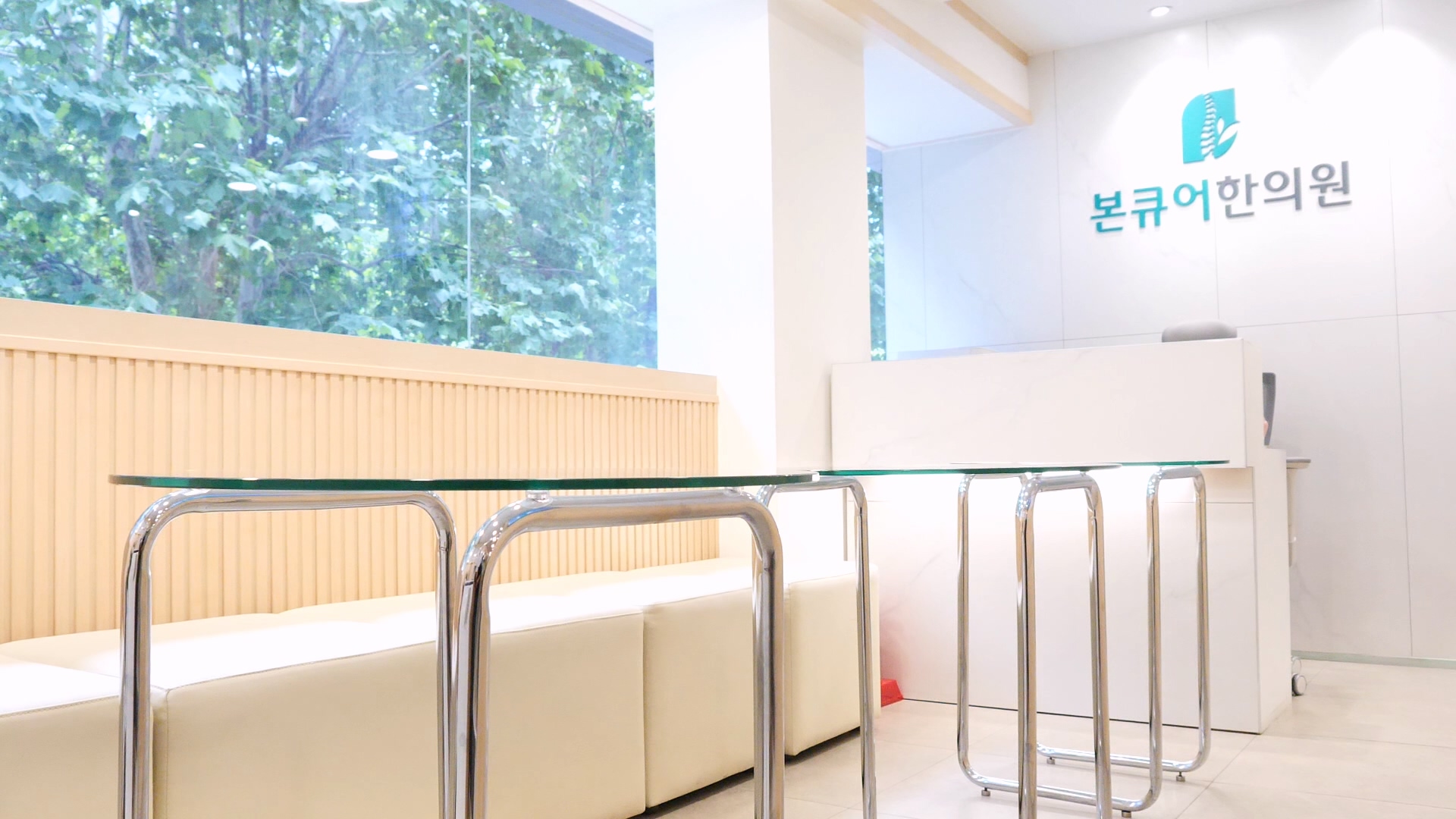
When patients visit Bonecure, they are often exhausted by chronic discomfort affecting their ability to speak, eat, and sleep. Unlike conventional approaches that suggest waiting weeks for results, I focus on the principle that when your bones smile, your life smiles. At Bonecure, we prioritize identifying the root cause of pain and restoring the body’s overall balance through personalized treatment plans that produce perceptible changes from the very first session. This guide explains how we address temporomandibular joint issues by looking beyond the jaw at the entire structural alignment of the body.
Understanding TMJ Disorder and the Jaw Bone Connection
TMJ disorder is defined as a collective term for various pathological conditions involving the temporomandibular joint, the chewing muscles, and the associated ligaments and nerves.
Defining Temporomandibular Joint (TMJ) Dysfunction
Temporomandibular Joint dysfunction represents a complex set of clinical conditions affecting the jaw joint and the masticatory muscles. This condition often manifests as clicking sounds, restricted movement, and localized pain that can radiate toward the ears or temples. At Bonecure, we observe that patients frequently experience these symptoms when the disc within the joint becomes displaced or the surrounding ligaments lose their structural integrity. While dental issues are often suspected, the mechanical dysfunction usually stems from underlying muscular and structural imbalances. We do not believe in "factory-style" treatments where patients are told to wait for 10 or 20 sessions to feel better. Instead, we aim for immediate functional improvement. Understanding the anatomical components of the joint is the first step toward effective management, allowing for a targeted approach in restoring the natural glide and hinge mechanism of the jaw. 
Primary Symptoms: Beyond Simple Jaw Pain
The symptoms of TMJ disorder are varied and can significantly diminish quality of life. Beyond classic sharp pain, many patients report dull facial aching, difficulty opening the mouth, and an alarming lock-jaw sensation. Some individuals also suffer from secondary symptoms such as tension-type headaches, dizziness, and ear-related issues like tinnitus. In my clinical experience, patients with long-term jaw dysfunction often display signs of cervical muscle fatigue and reduced upper body mobility. Popping or grating noises when chewing indicate that the articular disc is not moving smoothly. Identifying these diverse symptoms early is crucial because untreated jaw issues can lead to permanent changes in the joint surface and chronic neurological irritation. Our goal is to provide treatment that causes an immediate reduction in these symptoms, allowing the patient to feel the difference in their range of motion and pain levels immediately after the procedure.
The Structural Link Between Neck Alignment and TMJ Health
A critical aspect of treatment at Bonecure is recognizing the profound structural link between the cervical spine and the jaw. The jaw does not function in isolation; it is intimately connected to the neck and skull through a network of muscles and fascia. For example, the seven cervical vertebrae provide the foundation for head posture, which directly influences how the mandible rests against the skull. If the neck is tilted or the natural curve is lost, it creates asymmetric tension in the muscles controlling jaw movement. This mechanical strain can lead to joint displacement over time. We utilize whole spine X-ray data to analyze how a patient’s jaw position relates to their overall spinal curvature. By addressing these foundational alignment issues, we provide a comprehensive solution that prevents symptoms from recurring due to persistent postural imbalances or neck-related structural stress.
Modern Korean Traditional Medicine Approaches for TMJ
Traditional Korean medicine provides a multifaceted approach to treating TMJ issues by focusing on restoring the physical balance of the body and releasing deep-seated structural obstructions.
Acupotomy for Immediate Release of Muscle Tension
Acupotomy, or scalpel acupuncture, is supported by its ability to physically release overactive muscles and adhesions. When we apply these specialized tools to specific points around the masseter and temporal muscles, it modulates the nervous system and reduces pain perception. Unlike standard acupuncture, which may require many sessions, my approach focuses on providing an impactful, efficient treatment that results in immediate symptomatic changes. This modality works by physically dissecting the adhesions that trap nerves and restrict movement. While individual responses vary, the goal is for the patient to feel an immediate loosening of the jaw. At Bonecure, we combine traditional meridian theory with modern anatomical knowledge to ensure each point effectively releases deep-seated muscle knots. While the procedure involves some temporary discomfort, it is highly effective for those seeking rapid functional recovery rather than long-term, slow-acting therapies.
Structural Correction: Chuna Therapy and Bone Alignment
Chuna therapy at Bonecure focuses on correcting the alignment of the bones and joints to restore proper function immediately. For TMJ patients, this involves precise adjustments to the cervical spine and the jaw joint to alleviate pressure on the surrounding nerves. When the vertebrae are properly aligned, the muscles attached to the jaw can finally relax, allowing the joint to move through its full range of motion without clicking. This structural correction is essential for patients who have developed compensatory postural habits. We use our hands to apply controlled force, helping the body return to its natural state of equilibrium. By improving the physical relationship between the skull and the jaw, Chuna therapy addresses the root mechanical cause. This approach is integrated with acupotomy to ensure that structural changes are supported by flexible, healthy muscle tissue, leading to a visible improvement in alignment and comfort. 
Integrative Care for Enhanced Local Circulation
Supplementary techniques like moxibustion and cupping are used to enhance local circulation and accelerate the body's natural healing processes. Moxibustion applies heat to specific points, warming tissues and improving the metabolic rate of damaged ligaments. This is particularly beneficial for patients whose jaw pain is aggravated by cold or stiffness. Cupping therapy uses suction to draw blood flow to the surface and release stagnant fluids within the fascia. Together, these methods help reduce localized inflammation and promote the delivery of nutrients necessary for tissue repair. While these treatments manage symptoms, they are most powerful when integrated into our broader structural recovery plan. Patients should be aware that cupping may leave temporary marks, which is a normal part of the process. We emphasize that these modalities are part of a holistic effort to revitalize the structures supporting the temporomandibular joint, ensuring the entire system functions in harmony.
The Bonecure Method: Integration of Acupotomy and Science
The Bonecure method combines the precision of acupotomy with rigorous scientific assessments to provide a modern solution for complex structural disorders.
Acupotomy (Miniscalpel) for Tissue Adhesion Release
Scalpel acupuncture is a specialized technique used at Bonecure to treat chronic conditions where scar tissue or adhesions have formed. In TMJ cases, long-term inflammation causes tissues to become stuck together, severely restricting movement. This procedure involves using a very thin, flat-tipped needle to gently release these adhesions and restore the mobility of the joint capsule. By physically breaking down these obstructions, we allow the joint to glide freely and reduce the irritation of nearby nerves. This method is particularly useful for patients who have not responded to conventional physical therapy. It is important to note that since this is an intensive procedure, patients may experience temporary soreness or minor bruising. However, the resulting immediate improvement in jaw function and reduction in pain makes this specialized approach a vital part of our structural recovery journey. We focus on impact and efficiency over long, drawn-out treatment plans.
Objective Assessment: Measuring Improvement via Clinical Scales
To ensure our treatments are effective, we employ objective measurement tools to track progress. We use the Visual Analog Scale (VAS) and clinical indexes to evaluate pain and functional recovery. For instance, in my published research on chronic conditions like 18-year-long tinnitus, I have documented cases where a patient’s discomfort score was reduced from a 54 to 2 points through targeted structural intervention. While this specific data comes from an ear-related case study, the same rigor is applied to TMJ patients to monitor jaw mobility and pain reduction. Additionally, we use diagnostic imaging like whole-spine X-rays to visualize physical changes in bone alignment. By combining objective data with the patient's subjective experience of immediate relief, we provide a transparent, evidence-based roadmap. This scientific rigor ensures every patient receives high-standard care tailored to their specific physiological needs and clinical presentation.
Characteristics of the Bonecure Integrative Approach
The Bonecure approach focuses on whole-spine structural alignment rather than just local muscle relaxation. By utilizing acupotomy and Chuna therapy, we aim to address deep-seated tissue adhesions and restore functional balance immediately. Our diagnostic process incorporates objective tools, including X-ray analysis, to ensure a data-driven plan. Compared to standard physical therapy, which often focuses on surface-level modalities like heat, our approach targets underlying structural adhesions and misalignments. The use of acupotomy allows us to address deep-seated issues that exercise alone cannot reach. We do not just look at the jaw; we treat the entire spinal foundation to ensure the jaw has a balanced platform. This holistic perspective is crucial for chronic sufferers who have found only temporary relief elsewhere. By integrating structural correction with advanced acupotomy, we provide a durable solution that facilitates a comprehensive recovery of function and comfort.
Clinical Evidence and Long-term Management Strategies
Sustainable recovery requires clinical intervention to remove mechanical blocks and proactive lifestyle management to maintain structural integrity.
Case Study Insights: Structural Recovery in Chronic TMJ Patients
Clinical evidence at Bonecure highlights the potential for significant recovery even in patients with long histories of dysfunction. My clinical observations suggest that chronic jaw issues can be managed effectively through a structural approach that prioritizes immediate results. By addressing mechanical obstacles in the joint and cervical spine, patients with long-standing issues experience significant improvements in mobility and a reduction in related symptoms like tension headaches. These results demonstrate the body's capacity for repair when structural obstacles are removed. It is important to emphasize that while such outcomes are encouraging, they are specific to the individual case and do not guarantee the same results for everyone. Factors like the severity of joint damage and patient adherence play a role. However, these insights provide hope and a clear direction for those struggling with long-term dysfunction previously considered permanent. 
Post-Treatment Care and Lifestyle Habits for Jaw Stability
Maintaining structural recovery requires patients to adopt habits that support the stability of the jaw and neck. At Bonecure, we educate patients on proper posture, especially when using computers, to prevent strain. We recommend avoiding excessively hard or chewy foods during the initial phase to allow joint ligaments to strengthen. Stress management is vital, as many unconsciously clench their teeth, leading to muscle tension relapse. Gentle stretching for the neck and jaw helps keep tissues flexible and prevents new adhesions. By taking an active role in their care, patients can extend the life of their treatment results. This collaborative approach between the doctor and the patient is the key to ensuring the "smile" on your bones remains for the long term. We focus on providing the structural foundation, while the patient maintains it through mindful daily habits.
Understanding Potential Risks and Individual Recovery Variations
As with any clinical intervention, it is essential to understand potential risks and recovery variations. Procedures like acupotomy, while effective for releasing tissue adhesions, may result in temporary side effects such as localized pain, swelling, or minor bleeding at the insertion site. These symptoms typically resolve within a few days and are managed with proper post-procedural care. Furthermore, patients with severe degenerative changes or underlying systemic conditions may require a more personalized approach to see significant changes. It is important to have realistic expectations and communicate openly with your practitioner. At Bonecure, we prioritize patient safety and provide thorough screening before any specialized procedure. We also emphasize that chronic or complex cases may necessitate follow-up treatments to stabilize alignment. Understanding these limitations is necessary for making an informed decision about your journey toward better structural health.
2026 Guide to Managing Autonomic Dysfunction and Anxiety through Structural Realignment at Bonecure
Understanding Autonomic Nervous System Disorder and Structural Recovery in 2026
Key Takeaways
- TMJ disorder is primarily a structural issue linked to the alignment of the cervical spine.
- Bonecure uses specialized acupotomy to provide immediate release of chronic tissue adhesions.
- Treatment plans are personalized, focusing on perceptible changes from the first session rather than arbitrary long-term cycles.
- Objective tools like X-rays and clinical scales are used to verify structural improvement.
- Potential side effects like temporary soreness are normal and resolve quickly.
Frequently Asked Questions
Q. What is the primary cause of TMJ disorder according to Bonecure?
At Bonecure, we view TMJ disorder as a structural imbalance rather than just a jaw issue. While stress is a factor, misalignment of the cervical spine often places asymmetric tension on the jaw joints. We focus on correcting this foundational alignment to provide a sustainable, immediate solution.
Q. Can acupotomy effectively reduce jaw clicking and locking?
Yes. Acupotomy is specifically designed to release the physical adhesions and scar tissue in the joint capsule that cause clicking and locking. Unlike standard acupuncture, it provides a more immediate mechanical release, allowing for a rapid improvement in the joint's range of motion.
Q. Is the treatment at Bonecure painful for TMJ patients?
Some procedures, like acupotomy, may involve temporary discomfort or a dull aching sensation as tight tissues are released. However, we prioritize efficiency and impact, and most patients find the temporary sensation well worth the immediate improvement in functional movement and pain reduction.
Q. How many sessions are typically required to see results?
We do not believe in telling patients it will take 10 or 20 sessions to see results. At Bonecure, we aim for immediate, perceptible changes from the very first treatment. The total number of sessions depends on your specific structural state, but you should feel the difference right away.
Q. Are there any side effects to acupotomy for the jaw?
Minor side effects can include temporary soreness, slight bruising, or localized swelling at the site. These are normal inflammatory responses to the release of adhesions and typically resolve within a few days. We provide detailed aftercare instructions to ensure a smooth recovery.
Q. Does Bonecure use X-ray data for TMJ diagnosis?
Yes, we refer to whole-spine X-ray data to analyze how your jaw position relates to your neck and spinal curvature. This ensures we treat the root mechanical cause rather than just the symptoms, providing a more stable foundation for the jaw joint.
Q. Can TMJ disorder cause headaches and ear ringing?
Absolutely. The nerves of the jaw are closely linked to the head and ears. Many patients at Bonecure report improvements in secondary symptoms like tension headaches and tinnitus (ringing in the ears) once their structural balance is restored and neurological irritation is reduced.
For more information or to schedule a consultation regarding your structural health, please contact our clinic. Bonecure / Dr. Song Jung-hyun
FAQ
- What is the primary cause of TMJ disorder according to Bonecure?
- At Bonecure, we view TMJ disorder not just as a jaw issue but as a structural imbalance. While stress and teeth grinding are common factors, misalignment of the cervical spine often places undue tension on the jaw joints and surrounding muscles. We focus on correcting this foundational alignment to provide a more sustainable solution for our patients.
- Can acupuncture effectively reduce jaw clicking and locking?
- Acupuncture for chronic pain is utilized to relax the masseter and temporal muscles which are often in spasm. In particular, our specialized scalpel acupuncture can help release adhesions in the joint capsule that cause clicking and locking. However, the results vary based on the individual's structural condition and the severity of the joint dysfunction.
- Is the treatment at Bonecure painful for TMJ patients?
- Some procedures, such as scalpel acupuncture, may involve temporary discomfort or a dull aching sensation during the release of tight tissues. We prioritize patient comfort and explain each step of the process to ensure you are prepared. Most patients find that the temporary discomfort is well worth the improvement in functional movement and reduction in chronic pain.
- How many sessions are typically required to see results?
- The duration of treatment depends on whether the condition is acute or chronic and the degree of structural misalignment. While some patients experience relief early on, chronic structural issues generally require a series of approximately 20 sessions to achieve stable alignment. We provide a personalized roadmap based on your initial objective assessment and imaging data.
- Are there any side effects to scalpel acupuncture for the jaw?
- Minor side effects can include temporary soreness, slight bruising, or localized swelling at the site of treatment. These are normal inflammatory responses to the release of adhesions and typically resolve within a few days. We provide detailed safety guidelines and aftercare instructions for every patient to ensure a smooth recovery process.
- Does Bonecure use X-ray data for TMJ diagnosis?
- Yes, we often refer to whole spine X-ray data to analyze how your jaw position relates to your neck and overall spinal curvature. This allows us to ensure we are treating the root cause rather than just the symptoms. By looking at the foundation of the neck, we can better understand the mechanical stress being placed on the jaw joint.
- Can TMJ disorder cause headaches and ear ringing?
- Absolutely. The nerves and muscles of the jaw are closely linked to the head and ears through shared anatomical structures. Many patients at Bonecure seeking help for TMJ also report improvements in secondary symptoms like tension headaches and tinnitus. Restoring structural balance often alleviates the neurological irritation that causes these related issues.