
Post
Using Structural Acupuncture-Knife to Resolve Chronic Hamstring Pulls: A 2026 Bonecure Clinical Guide
Hello, I am Dr. Song Jeong-hyeon, a Korean medicine doctor at Bonecure specializing in acupotomy and structural restoration. Many patients come to me frustrated by recurring muscle injuries that seem to defy standard physical therapy and rest.
Structural acupuncture-knife therapy is a precision-based clinical method designed to physically release dense myofascial adhesions and restore normal biomechanical function.
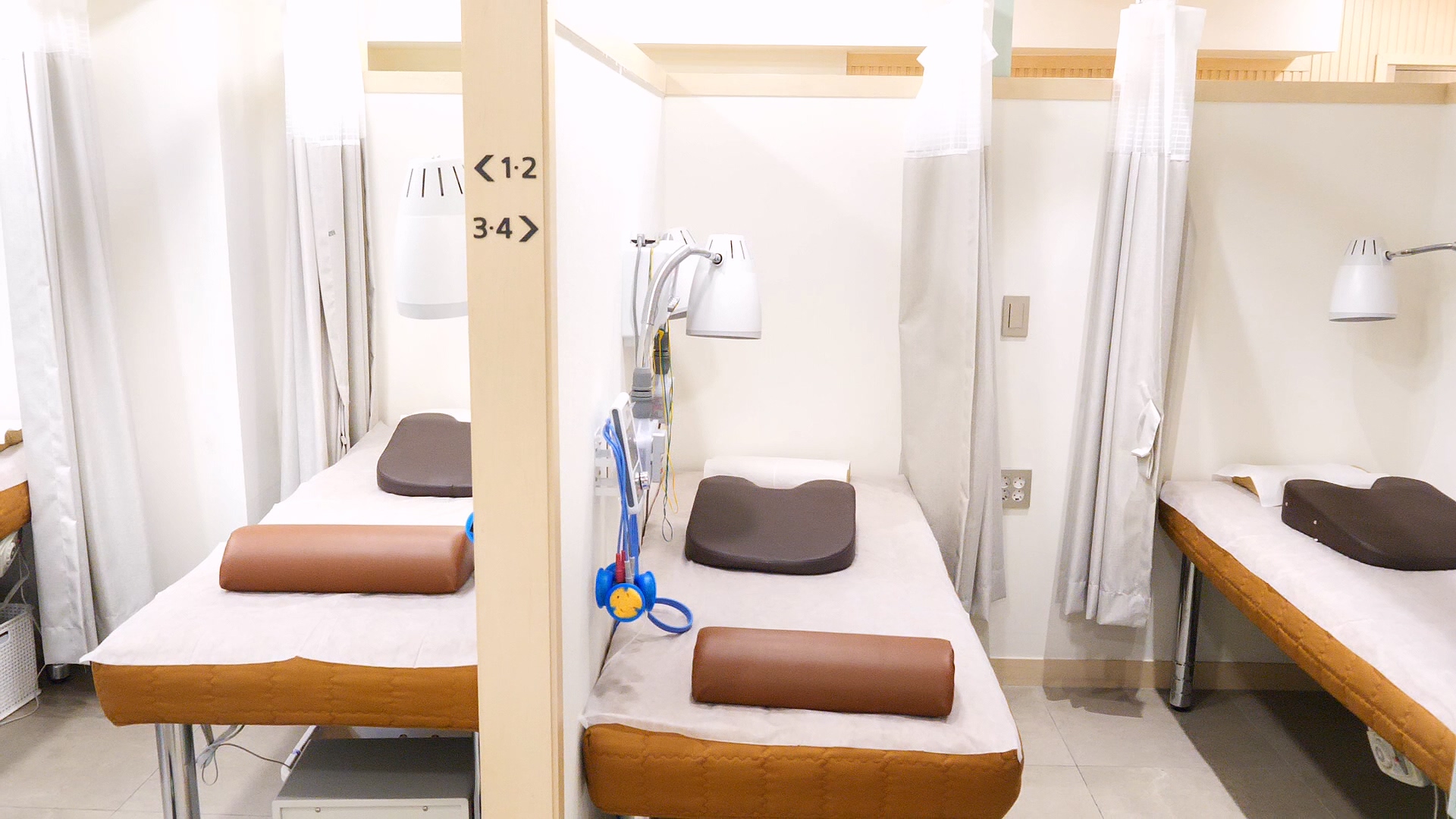
At Bonecure, we utilize this specialized approach to address the root causes of recurring hamstring injuries, providing an alternative structural approach for those with persistent symptoms that have not responded to traditional ice and rest protocols. This guide explores how we use advanced tools to restore muscle health in 2026.
Understanding Chronic Hamstring Pulls and Structural Acupuncture-Knife Therapy
Chronic hamstring pulls are recurrent injuries characterized by persistent micro-tearing and the formation of fibrotic scar tissue within the posterior thigh muscles, often resulting in restricted mobility and pain. These conditions typically arise when the initial healing process is incomplete, leading to structural compromises that make the muscle vulnerable to further injury.
The Challenge of Recurring Hamstring Injuries
Recurring hamstring injuries often stem from a cycle of micro-trauma and improper healing. When a muscle tear occurs, the body quickly lays down collagen to patch the area. However, this repair tissue, commonly known as scar tissue, lacks the organized structure and elasticity of the original muscle fibers. Over time, these fibrotic bands create adhesions that bind the muscle to surrounding fascia and nerves, limiting its ability to lengthen during explosive movements. At Bonecure, we have observed in many clinical cases that these deep-seated adhesions often cannot be resolved through stretching alone. In fact, aggressive stretching on an adhered muscle often leads to further micro-tearing. This structural dysfunction is frequently exacerbated by pelvic tilts or spinal misalignments, which place the hamstring in a state of constant tension. Addressing these underlying mechanical issues is essential for breaking the cycle of re-injury and achieving lasting functional restoration in active individuals.
Defining Structural Acupuncture-Knife Therapy in Modern Practice
Structural acupuncture-knife therapy, also known as acupotomy, is a specialized medical procedure that uses a needle-like tool with a microscopic flat blade at the tip. This tool, which typically measures between 0.4mm and 1.2mm in diameter, allows a practitioner to perform a precision release of internal adhesions without the need for large incisions. Unlike traditional acupuncture, which focuses on energetic flow, this structural approach is purely mechanical and anatomical. It targets the physical 'glue' that keeps muscle layers stuck together, preventing them from sliding smoothly. By physically separating these fibers, we allow the muscle to regain its natural length and contraction capacity. Clinical case reports, such as those documenting the release of chronic myofascial adhesions, indicate that this method can provide significant relief in some cases where traditional conservative treatments have been used for more than six months, though individual results vary. The procedure is performed with high precision to avoid major vessels and nerves, focusing specifically on the pathological tissue that impairs movement and causes chronic pain.
How Bonecure Approaches Muscle Adhesion
At Bonecure, the approach to muscle adhesion is rooted in the principle of structural restoration. We do not simply treat the site of pain; we analyze the entire kinetic chain to understand why the hamstring is being overloaded. Our protocol involves a detailed physical examination to identify the exact location of fibrotic knots and adhesions that are palpable beneath the skin. Once these sites are identified, the structural acupuncture-knife is used to carefully debride the scar tissue. This process initiates a localized healing response, bringing fresh blood and nutrients to the area. In our clinical experience, a significant portion of patients with chronic strains require some level of pelvic realignment to ensure the hamstring is not being pulled by a tilted hip. By combining tissue release with structural alignment, we help patients move more freely and reduce the likelihood of future tears. This comprehensive strategy ensures that the muscle is both physically healthy and mechanically efficient for daily activities.
The Biological Mechanism of Tissue Release and Structural Recovery
The biological mechanism of acupotomy involves the mechanical separation of adhered tissues to stimulate the body's natural regenerative processes and improve local hemodynamics. By breaking down dysfunctional tissue, the body is forced to restart the remodeling phase of healing in a more organized fashion.
Resolving Deep Muscle Adhesion Through Precision Release
Deep muscle adhesions are essentially dense clusters of collagen fibers that have become disorganized and 'stuck' due to inflammation or trauma. When the structural acupuncture-knife enters these areas, it creates a small, controlled micro-injury that physically severs the cross-links between these fibers. This release immediately reduces the internal pressure within the muscle compartment, which often accounts for the 'tight' feeling patients describe. By freeing the muscle from these tethering points, we restore the ability of the fascia to glide. Research into myofascial release suggests that removing these physical blocks can lead to an immediate sensation of improved mobility and restored range of motion, though individual results vary. This physical intervention is often the only way to reach deep-seated fibrotic tissue that is located several centimeters beneath the surface. Once the tension is released, the muscle can finally receive the neural signals required for full contraction and relaxation, restoring its original biological function and athletic potential.
Restoring Proper Blood Flow and Tissue Regeneration
Chronic adhesions often act as a physical barrier to circulation, compressing small capillaries and reducing oxygen delivery to the muscle cells. This state of chronic ischemia leads to the buildup of metabolic waste products, which further irritates pain receptors. When Bonecure practitioners perform a precision release, they effectively 'unlock' the local vascular system. The sudden increase in blood flow, known as hyperemia, triggers a cascade of healing factors, including growth hormones and anti-inflammatory cytokines. This biological influx is necessary for the body to replace old, brittle scar tissue with new, flexible muscle fibers. Based on clinical observations, this regenerative process typically reaches its peak about 48 to 72 hours after the procedure. It is during this window that the tissue begins to reorganize itself in alignment with the natural force lines of the hamstring. Ensuring adequate circulation is a fundamental step in shifting a muscle from a state of chronic degeneration to one of active structural recovery.
Structural Alignment and Pelvic Balance
It is a clinical reality that the hamstrings do not function in isolation; they are deeply connected to the position of the pelvis and the lumbar spine. If the pelvis is tilted forward, the hamstrings are placed in a state of constant, passive stretch, making them highly susceptible to 'pulls' during movement. At Bonecure, we treat the hamstring as part of a larger structural system. We utilize chuna therapy alongside acupotomy to correct pelvic imbalances that may be contributing to hamstring tension. The Importance of Cranial Symmetry in Overall Health and Structural Vitality: A 2026 Guide highlights how symmetry throughout the body affects overall health, and this principle applies directly to the lower limbs. When the pelvis is balanced, the hamstrings can operate at their optimal length-tension relationship. Correcting these structural misalignments ensures that the benefits of the acupuncture-knife treatment are maintained long-term, as the muscle is no longer being forced to compensate for a crooked foundation. This holistic structural view focuses on the interconnectedness of the musculoskeletal system, complementing localized symptomatic treatments.
Comparing Structural Acupuncture-Knife with Conventional Treatments
Comparing therapeutic modalities involves evaluating the depth of penetration, the physical mechanism of action, and the specific target tissues involved in pain management. Understanding these differences allows patients to make informed decisions about which treatment best suits their specific type of chronic injury.
Differences in Treatment Depth and Targeted Precision
While general conservative treatments like standard massage, heat therapy, or superficial acupuncture focus on relaxing the outer layers of the muscle, structural acupuncture-knife therapy is designed to reach deeper adhesions located within the muscle belly or at the attachment points on the bone. The structural acupuncture-knife is uniquely capable of reaching depths of 5cm or more with a tip that can target a specific millimeter of tissue. While a massage therapist can apply pressure, they cannot physically separate internal fibers that have fused together. At Bonecure, we emphasize that for a condition to be truly 'chronic,' there is almost always an internal physical barrier that needs to be addressed directly. By using a tool that bridges the gap between traditional needles and surgical intervention, we can offer a level of precision that is distinct from non-invasive external therapies. This precision approach can be a significant clinical option for patients with long-standing issues who are seeking alternative structural interventions.
Comparative Table of Modern Pain Management Methods
| Feature | Conventional Acupuncture | Physical Therapy (Stretching) | Structural Acupuncture-Knife |
|---|---|---|---|
| Primary Mechanism | Neuromodulation | Mechanical Loading | Physical Adhesion Release |
| Target Depth | Superficial to Mid-layer | Muscle Length/Flexibility | Deep Myofascial Adhesions |
| Tool Type | Fine Filiform Needle | Manual/Exercise | Precision Flat-bladed Tool |
| Recovery Focus | Pain Signal Inhibition | Functional Strengthening | Structural Restoration |
| Typical Frequency | 2-3 times per week | Daily for months | Case-by-case (Immediate Focus) |
| Best For | Acute Pain/Stress | Maintenance/Strength | Chronic/Recurring Scar Tissue |
Why Chronic Cases May Require Deeper Structural Approaches
Surface-level treatments may have limitations in addressing the deep-seated physical causes of restriction, as they often focus on the symptoms of muscle tightness. When a hamstring has been injured multiple times, the resulting scar tissue is incredibly tough and resistant to external pressure. Stretching alone often stretches the healthy parts of the muscle while the 'knot' or adhesion remains unmoved, potentially leading to further strain at the junction between healthy and fibrotic tissue. Bonecure specialists have noted that patients who rely solely on rest often find that their pain returns the moment they resume high-intensity activity. This is because the underlying adhesion was never physically removed; it was only dormant. How Structural Medicine Helps When X-rays and MRIs Look Normal: A 2026 Guide to Lasting Relief at Bonecure explains that many structural issues are invisible on standard imaging but are clearly palpable during a structural exam. By addressing deep-seated physical barriers directly, we offer a specialized approach for chronic pain that targets tissues not always reached by superficial methods.
Clinical Methodology and Patient Safety Protocols at Bonecure
Clinical methodology encompasses the rigorous diagnostic and procedural standards used to ensure patient safety while maximizing the potential for structural restoration. Every procedure is performed with a commitment to medical excellence and evidence-based practice.
The Diagnostic Process for Structural Imbalance
At Bonecure, the diagnostic process begins with a comprehensive structural assessment. We don't just look at where it hurts; we look at how you move. This involves analyzing gait, checking for pelvic asymmetry, and performing manual palpation to locate specific areas of tissue densification. We often use functional testing to see how the hamstring responds under load, which helps us identify the exact stage of the injury. Our practitioners are trained to distinguish between simple muscle soreness and structural bone pain, ensuring the correct treatment path is chosen. Differentiating Between Muscle Soreness and Structural Bone Pain: A 2026 Guide by Bonecure provides further insight into this critical distinction. By identifying the root cause—whether it is an adhesion, a pelvic tilt, or a nerve entrapment—we can create a targeted treatment plan. This thorough investigation ensures that every acupuncture-knife session is directed at the specific tissues causing the dysfunction, rather than a generalized area, maximizing the efficiency of the clinical intervention.
Procedure Safety and Risk Management Standards
The safety of our patients is our highest priority at Bonecure. The structural acupuncture-knife procedure is performed under strict sterile conditions using single-use, disposable medical tools. While the procedure is highly effective, it is important to acknowledge that like any medical intervention, there are potential side effects. Patients may experience localized soreness, minor bruising, or temporary swelling at the site of treatment, which typically resolves within 48 to 72 hours. In rare cases, minor nerve irritation or localized infection could occur, which is why we follow rigorous post-procedure care protocols. Our practitioners undergo extensive training in anatomy and needle-knife techniques to ensure that sensitive structures are avoided. We also provide clear instructions for home care, such as when to apply heat and when to avoid certain movements. By maintaining these high standards, we ensure that the path to recovery is as safe and comfortable as possible for every patient who walks through our doors.
Customized Recovery Plans for Active Lifestyles
Every athlete and active individual has a unique body and a specific set of goals. Therefore, a one-size-fits-all approach is never sufficient for chronic hamstring issues. At Bonecure, we focus on efficient, case-specific treatment plans tailored to individual needs. We aim for visible improvement from the initial stages of treatment, though the timeline for recovery varies by patient. The frequency and duration of treatment are adjusted dynamically based on the patient's individual status, the severity of the scar tissue, and how the body responds to each intervention. Our goal is not just to stop the pain, but to return the patient to their sport or hobby with greater resilience. This tailored, efficient approach ensures that the structural improvements we achieve translate into real-world performance and long-term durability.
Long-Term Management and Preventing Recurrent Strains
Long-term management refers to the integration of corrective movements and structural maintenance to prevent the recurrence of soft tissue injuries. It is a collaborative effort between the practitioner and the patient to maintain the structural integrity of the body.
Integrating Structural Alignment into Daily Movement
Once structural balance has been restored, it is vital to maintain it through mindful daily movement. Many hamstring issues are exacerbated by sedentary lifestyles or poor ergonomic habits, such as sitting for long periods with a posterior pelvic tilt. Bonecure practitioners provide patients with specific cues to help them maintain a neutral pelvis during daily activities. This might include adjusting chair height, learning how to hinge at the hips rather than the spine, and performing brief 'structural resets' throughout the day. By becoming aware of how they hold their bodies, patients can prevent the gradual buildup of new adhesions. Structural health is a dynamic state that requires ongoing attention to how we move and rest. Pelvic Balance and Lower Extremity Nerve Health: A Bonecure Guide offers more detailed strategies for maintaining the alignment that supports healthy leg function and prevents nerve-related complications that can mimic muscle strains.
The Role of Flexibility and Strength in Prevention
Preventing recurrent strains requires a balance between flexibility and strength. A muscle that is flexible but weak is just as prone to injury as one that is strong but tight. At Bonecure, we emphasize 'functional flexibility,' which is the ability of the muscle to remain strong even at its maximum length. We teach patients how to use eccentric strengthening exercises, which are proven to increase the resilience of the hamstring fibers and the surrounding tendons. These exercises help the body lay down new collagen in an organized, linear fashion, rather than the chaotic mess that characterizes scar tissue. Additionally, maintaining a strong core and stable glutes reduces the workload on the hamstrings, allowing them to function as they were intended rather than as primary stabilizers for a weak pelvis. By building a balanced musculoskeletal system, patients can enjoy their favorite activities without the constant fear of 'something popping' in the back of their leg.
When to Consult a Specialist for Chronic Muscle Issues
It is important to know when to seek professional help for a recurring muscle issue. If you have a hamstring 'tweak' that has occurred three or more times in a single year, or if you feel a persistent 'tightness' that does not respond to a month of consistent stretching, it is likely that you have a structural adhesion. Waiting too long can lead to compensatory injuries in the lower back or knees. At Bonecure, we recommend an early consultation to prevent the development of deep fibrotic tissue. While many minor strains heal on their own, chronic issues require a specialized approach to break the cycle of dysfunction. Our team is here to provide a clear diagnosis and a realistic treatment plan based on 2026 clinical standards. By addressing the problem at its structural root, you can move past the 'wait and see' phase and begin the journey toward lasting recovery and peak performance.
Frequently Asked Questions
Q. What exactly is a structural acupuncture-knife and how does it work?
A structural acupuncture-knife, or acupotomy tool, is a specialized medical instrument that combines the characteristics of a needle and a scalpel. It features a tiny, flat blade at the tip that is designed to physically separate internal adhesions and scar tissue that have fused muscle layers together. By releasing these physical blocks, it restores the muscle's natural gliding motion and promotes localized healing.
Q. Why do hamstring pulls become chronic even after several months of rest?
Hamstring pulls often become chronic because the body repairs the initial tear with stiff, disorganized scar tissue rather than flexible muscle fibers. This scar tissue acts like glue, creating adhesions that limit the muscle's ability to stretch and contract properly. Furthermore, underlying issues like pelvic misalignment can keep the muscle under constant stress, leading to a high rate of re-injury when activity is resumed.
Q. Is the structural acupuncture-knife procedure painful for most patients?
Patients generally experience a sensation of heavy pressure or a deep, dull ache when the tool reaches an adhesion. While there is some temporary discomfort during the procedure, many find that the immediate release of muscle tension provides a sense of relief that outweighs the sensation. Local sensitivities vary by individual, and we take every step to ensure the process is as tolerable as possible.
Q. How many sessions are typically required for a chronic hamstring issue?
At Bonecure, we focus on efficient, case-specific treatment plans. While some patients report feeling a difference after their first session, the total number of sessions is determined by your specific rate of recovery and the severity of the scar tissue. The total number of sessions is determined by your specific rate of recovery and the severity of the scar tissue, allowing for a flexible and efficient treatment plan.
Q. Are there any side effects or risks associated with this treatment?
Common side effects include temporary localized soreness, minor bruising, or slight swelling at the treatment site, which usually resolve within a few days. Although very rare, more significant risks like infection or nerve irritation can occur, which is why the procedure is performed under sterile conditions by highly trained specialists. We always discuss these possibilities with you before beginning treatment.
Q. Can I return to my regular sports routine immediately after the session?
We generally recommend avoiding high-intensity exercise or heavy lifting for 24 to 48 hours after a session to allow the tissues to begin the healing process properly. Light movement, such as walking or gentle stretching, may be encouraged depending on your specific case. We will provide you with a customized timeline for your return to full athletic activity based on your progress.
Q. Does Bonecure provide results that are guaranteed for every patient?
In the field of medicine, it is not possible to guarantee a 100 percent success rate for every individual as responses to treatment vary based on age, health history, and injury severity. However, we focus on evidence-based structural restoration and provide realistic expectations based on a thorough clinical assessment. Our goal is to achieve the best possible functional outcome for every patient we treat.
Key Takeaways
- Root Cause Focus: Chronic hamstring pulls are often caused by deep-seated adhesions and scar tissue that physically prevent the muscle from functioning, rather than simple weakness.
- Precision Release: Structural acupuncture-knife therapy at Bonecure provides a targeted, mechanical solution to separate these adhesions where manual therapy often falls short.
- Structural Context: Pelvic alignment and spinal health are critical factors; the hamstring is treated as part of a larger kinetic chain to prevent future injuries.
- Safe Recovery: While minor soreness is common, the procedure follows strict safety protocols and is integrated with customized rehabilitation plans for lasting results.
If you are struggling with a recurring injury that hasn't responded to traditional care, a structural assessment may be the missing piece of your recovery. For personalized consultation and treatment, please visit us.
Bonecure / Dr. Song Jeong-hyeon
FAQ
- What exactly is a structural acupuncture-knife and how does it work?
- A structural acupuncture-knife, or acupotomy tool, is a specialized medical instrument that combines the characteristics of a needle and a scalpel. It features a tiny, flat blade at the tip that is designed to physically separate internal adhesions and scar tissue that have fused muscle layers together. By releasing these physical blocks, it restores the muscle's natural gliding motion and promotes localized healing.
- Why do hamstring pulls become chronic even after several months of rest?
- Hamstring pulls often become chronic because the body repairs the initial tear with stiff, disorganized scar tissue rather than flexible muscle fibers. This scar tissue acts like glue, creating adhesions that limit the muscle's ability to stretch and contract properly. Furthermore, underlying issues like pelvic misalignment can keep the muscle under constant stress, leading to a high rate of re-injury when activity is resumed.
- Is the structural acupuncture-knife procedure painful for most patients?
- Patients generally experience a sensation of heavy pressure or a deep, dull ache when the tool reaches an adhesion. While there is some temporary discomfort during the procedure, many find that the immediate release of muscle tension provides a sense of relief that outweighs the sensation. Local sensitivities vary by individual, and we take every step to ensure the process is as tolerable as possible.
- How many sessions are typically required for a chronic hamstring issue?
- The number of sessions depends on the duration of the injury and the extent of the scar tissue involved. While some patients feel an improvement in range of motion after 1 or 2 sessions, chronic cases typically require 5 to 10 treatments to achieve lasting structural stability. We assess your progress at each visit to ensure the treatment plan remains optimized for your specific recovery speed.
- Are there any side effects or risks associated with this treatment?
- Common side effects include temporary localized soreness, minor bruising, or slight swelling at the treatment site, which usually resolve within a few days. Although very rare, more significant risks like infection or nerve irritation can occur, which is why the procedure is performed under sterile conditions by highly trained specialists. We always discuss these possibilities with you before beginning treatment.
- Can I return to my regular sports routine immediately after the session?
- We generally recommend avoiding high-intensity exercise or heavy lifting for 24 to 48 hours after a session to allow the tissues to begin the healing process properly. Light movement, such as walking or gentle stretching, may be encouraged depending on your specific case. We will provide you with a customized timeline for your return to full athletic activity based on your progress.
- Does Bonecure provide results that are guaranteed for every patient?
- In the field of medicine, it is not possible to guarantee a 100 percent success rate for every individual as responses to treatment vary based on age, health history, and injury severity. However, we focus on evidence-based structural restoration and provide realistic expectations based on a thorough clinical assessment. Our goal is to achieve the best possible functional outcome for every patient we treat.