
Post
Pelvic Balance and Lower Extremity Nerve Health: A Bonecure Guide
Hello. I am Dr. Song Jeong-hyeon, a Korean medicine doctor who has long specialized in structural restoration and acupotomy. At Bonecure, we believe that the foundation of your health begins with the structural integrity of your bones.
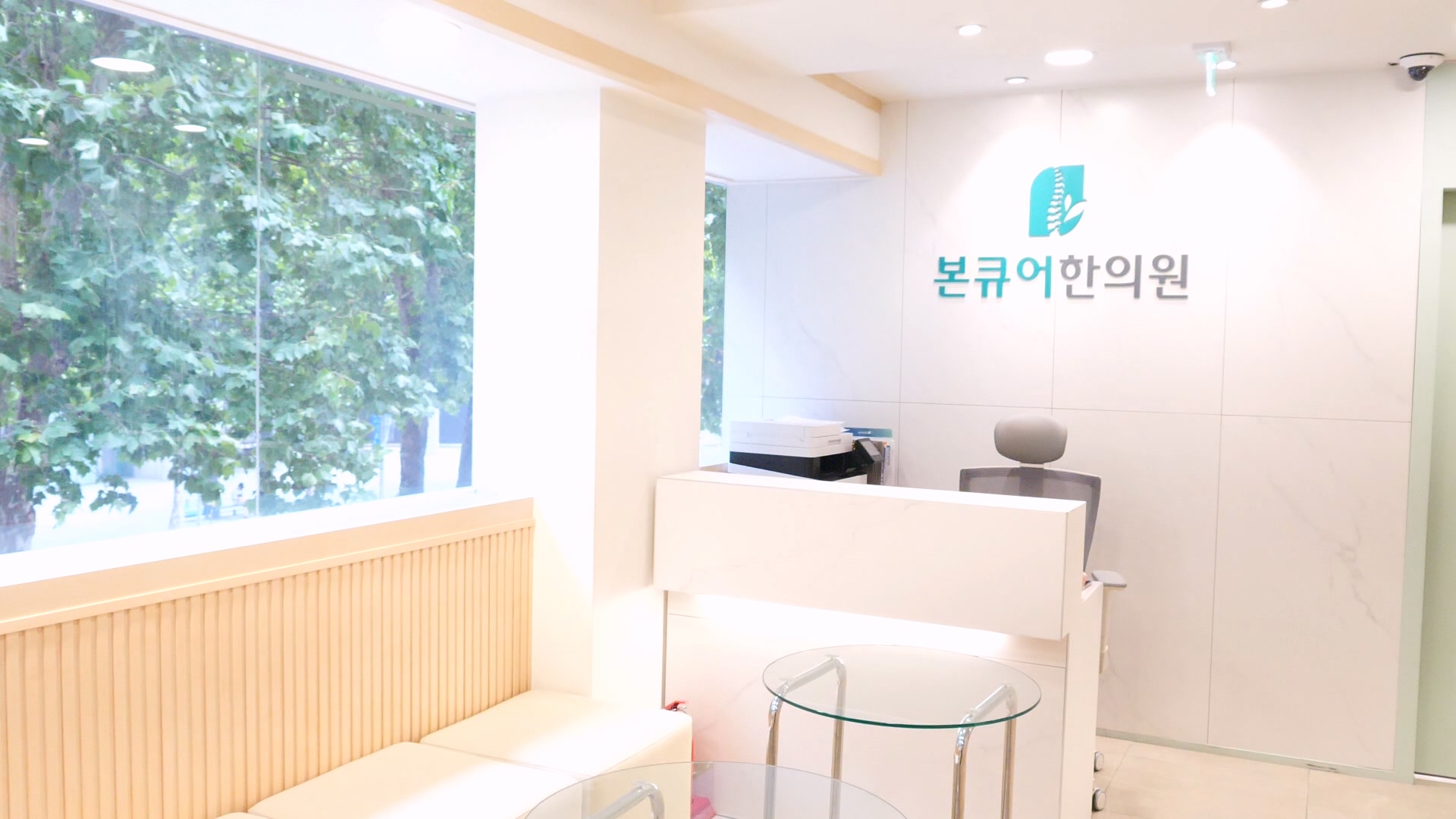
Today, I want to discuss a critical yet often overlooked aspect of lower body pain: the relationship between the alignment of your pelvis and the health of the nerves traveling down your legs. Understanding this connection is the first step toward achieving lasting functional recovery.
Understanding the Foundation: Pelvic Balance and Lower Extremity Nerve Health
Pelvic balance is defined as the optimal alignment of the pelvic bones in relation to the spine and lower limbs, serving as a critical foundation for nerve health. This structural equilibrium ensures that the weight of the upper body is distributed evenly and that the pathways for major nerve bundles remain clear and unobstructed.
The Pelvis as the Structural Hub for Lower Nerve Pathways
The pelvis acts as the primary structural bridge connecting the upper body to the lower limbs, housing essential nerve pathways like the sciatic nerve. When Bonecure evaluates a patient, we look for subtle shifts in this foundation that may create a domino effect on the rest of the body. Persistent leg pain is frequently linked to lateral pelvic tilt or rotation. This structural deviation often places mechanical stress on the lumbosacral plexus, where nerves exit the spinal column. By identifying these misalignments through detailed structural analysis, we can pinpoint where the nervous system is being compromised. It is important to note that structural adjustments may help improve alignment and comfort, though individual results can vary depending on the patient's condition.
Mechanisms of Nerve Entrapment due to Pelvic Tilt
Nerve entrapment due to pelvic tilt occurs when the rotation or inclination of the pelvic bones creates abnormal tension in the surrounding myofascial structures. At Bonecure, we observe that an anterior tilt can shorten the hip flexors while overstretching the hamstrings, compressing the femoral nerve in the process. Clinical observations at Bonecure suggest that many cases involving lower extremity numbness are linked to rotational pelvic asymmetry rather than a direct spinal disc herniation. This suggests that the environment through which the nerve travels is just as critical as the origin of the nerve itself. When muscles like the piriformis become hypertonic due to pelvic instability, they can directly impinge the sciatic nerve, leading to radiating pain. At Bonecure, we aim to help relieve symptoms as quickly as possible by addressing these structural stressors, though the degree and speed of improvement may vary by individual.
Defining Fundamental Structural Balance in Modern Korean Medicine
Defining fundamental structural balance in modern Korean medicine involves integrating traditional meridian theory with contemporary biomechanical analysis to achieve holistic recovery. At Bonecure, this means we do not merely treat the site of pain but instead focus on the root which is often found in the pelvic-spinal junction. Correcting pelvic obliquity may help improve nerve function and alleviate symptoms of compression syndromes in some cases. Our approach utilizes precision tools to identify these imbalances, ensuring that the body’s innate healing mechanisms are supported by a stable skeletal framework. This integration allows for a more comprehensive understanding of how structural integrity influences the autonomic nervous system. Patients should be aware that structural treatments, though effective, can lead to temporary fatigue or localized soreness as the body reorients itself. These minor side effects are a natural part of the restorative process and typically subside within forty-eight to seventy-two hours.
Clinical Manifestations of Pelvic Misalignment and Nerve Compression
Clinical manifestations of pelvic misalignment refer to the various physical symptoms, such as pain or numbness, that arise when the pelvis shifts away from its neutral structural position. These symptoms often present as radiating discomfort that travels from the lower back through the glutes and into the feet.
Identifying Sciatic Nerve Irritation through Gait Analysis
Identifying sciatic nerve irritation through gait analysis involves observing how pelvic instability alters the weight-bearing phase of a patient’s stride. In my clinical experience at Bonecure, I have found that an asymmetric gait often indicates a compensatory mechanism for nerve impingement within the pelvic basin. Patients with chronic pelvic pain often display a significant drop in the contralateral hip during walking, known as a Trendelenburg gait. This movement pattern increases the mechanical load on the sciatic nerve, exacerbating symptoms of sciatica over time. By utilizing gait analysis, we can visualize the functional impact of pelvic misalignment in real-time. This diagnostic step is essential for developing a personalized recovery plan that addresses the specific movement deficiencies of the individual. Postural re-education is also encouraged to help maintain the structural changes achieved during clinical sessions.
How Pelvic Asymmetry Contributes to Chronic Pain
Pelvic asymmetry contributes significantly to chronic pain because it creates a state of perpetual mechanical stress on the lower extremity nerves. When the pelvis is not level, the body’s center of gravity shifts, forcing the muscles of the lower back and legs to work overtime to maintain balance. Pelvic tilt and the resulting leg length discrepancy are major factors in chronic leg fatigue. This fatigue is often a precursor to nerve compression as the overworked muscles eventually tighten and entrap the passing neurological structures. Our treatment focuses on restoring the neutral position of the pelvis to alleviate this systemic tension. It is important to note that structural alignment is a vital piece of the puzzle for chronic pain relief. While many experience immediate and substantial relief, we tailor the number of sessions to the specific needs of each individual’s condition.
Observations from Traditional Medicine Clinical Notes on Lower Extremity Numbness
Observations from our clinical notes highlight the correlation between the sacroiliac joint and nerve function. In documented cases at Bonecure, we have noted that stabilizing the sacroiliac joint can reduce distal numbness in the feet by improving the overall pelvic architecture. Some patients complaining of pins and needles sensations in their toes have reported improvement following targeted pelvic adjustments, but results may vary depending on individual conditions. At Bonecure, we emphasize that patients can often feel the improvement in their symptoms immediately following treatment. By documenting these patterns, we provide a clearer pathway to recovery for those who have found little success with localized treatments. However, patients should be informed that nerve sensitivity can take time to fully normalize, and individual results can vary based on the chronicity of the condition.
The Bonecure Approach: Integrative Treatments for Nerve and Bone Alignment
The Bonecure approach is an integrated treatment methodology that focuses on skeletal realignment and neurological decompression to restore the body's natural functional capacity. By combining specialized acupuncture techniques with structural correction, we address both the soft tissue tension and the underlying bone structure.
Acupuncture and Acupotomy for Decompressing Compressed Nerves
Acupuncture for back pain and acupotomy may help decompress nerve pathways and could potentially reduce inflammation in some cases. At Bonecure, we utilize specialized acupotomy (Chindoyobeop) to release deep-seated muscle adhesions and fibrous tissue in the gluteal and lumbar regions. This technique may be helpful for releasing the piriformis muscle or other tissues that can impinge on the sciatic nerve. Scientific principles suggest that these treatments increase blood flow to ischemic nerve tissues, helping to restore normal sensation. In our clinical experience, some patients report a reduction in radiating leg pain, though the degree and timing of improvement can vary. While the procedure is generally safe, patients may experience minor side effects such as temporary bruising, a dull aching sensation, temporary bleeding, or a rare risk of infection. These reactions are typically short-lived and are considered a standard response to therapeutic stimulation.
The Role of Acupotomy and Chuna in Structural Restoration
The role of acupotomy and Chuna therapy in structural restoration is rooted in their ability to physically release adhesions and realign the skeletal framework. For patients at Bonecure who suffer from nerve-related discomfort or heavy legs, these therapies help by removing the mechanical obstacles to healthy circulation and nerve signaling. Acupotomy involves the use of a specialized blade-like needle to dissect internal adhesions, while Chuna therapy uses manual manipulation to restore proper joint alignment. This dual approach ensures that the improved circulation and nerve flow are not hindered by persistent structural kinks. We aim to help patients notice improvement as soon as possible, but individual experiences may differ. Patients with specific circulatory disorders should consult thoroughly before beginning treatment to ensure the safest possible outcome.
Structural Realignment Techniques for Long Term Functional Recovery
Posture correction therapy and structural realignment techniques focus on the precise manipulation of the pelvic and spinal bones to restore their natural, healthy relationship. At Bonecure, we believe that when your bones smile, your life smiles, emphasizing the connection between skeletal harmony and overall vitality. By correcting the pelvic tilt, we remove the mechanical kinks in the nervous system’s pathway, allowing for smoother transmission of signals to the lower limbs. Our clinical observations indicate that some patients who undergo structural realignment may experience reduced recurrence of nerve pain, but results can vary. This approach requires a thorough understanding of human anatomy and biomechanics to apply the correct amount of force at the right angle. Lasting recovery involves allowing the body's soft tissues to stabilize in their new, corrected positions, ensuring the pelvis remains in a healthy, neutral state.
Comparing Structural Realignment with Conventional Symptomatic Relief
Comparing structural realignment involves analyzing the differences between treatments that target the underlying skeletal causes of pain versus those that primarily address the resulting symptoms. This comparison helps patients make informed decisions about their long-term health strategies.
At Bonecure, our structural restoration approach focuses on the realignment of the pelvic foundation to achieve functional stability. By addressing mechanical entrapment sources through skeletal adjustment and acupotomy, we aim for a fundamental recovery. While patients may experience temporary muscle soreness as the body adjusts, this process is designed to support the body's natural alignment without relying solely on chemical interventions.
Temporary Nerve Block vs. Fundamental Pelvic Correction
Fundamental pelvic correction focuses on addressing the structural environment of the nerve. While various methods exist to manage acute pain signals, our approach at Bonecure emphasizes manual realignment and acupotomy to resolve the physical entrapment itself. Our focus is on the long-term resolution of the entrapment. While nerve blocks are one option for managing acute pain, our approach focuses on addressing the underlying mechanical stress from pelvic misalignment. Structural correction aims for long-term structural stability of the nerve's environment. Patients should understand that while results are often immediate, the stabilization process requires consistency. Furthermore, while structural treatments are non-invasive, they do carry a small risk of temporary soreness as the body adjusts to changes in its center of gravity.
Pros and Cons of Integrated Korean Traditional Medicine Clinic Approaches
The pros and cons of integrated Korean traditional medicine clinic approaches lie in their ability to combine multiple modalities for a more robust recovery. At Bonecure, we offer a synergy of acupuncture, Chuna, and acupotomy, providing a multi-faceted defense against nerve compression. One primary advantage is our clinical focus on treating complex conditions that may not respond to single-method treatments. However, integrated care often requires the patient to be an active participant in their recovery process. Our clinical findings suggest that while the initial commitment to a treatment plan is necessary, the long-term outcomes are superior due to the focus on root causes. Patients should be prepared for a collaborative journey toward health and recognize that individual responses to integrated care can vary based on their unique physiological feedback.
Maintaining Nerve Health through Postural Awareness and Bonecure Protocols
Maintaining nerve health through postural awareness involves educating the patient on how their daily habits influence their pelvic alignment. We emphasize that the work done in the clinic must be supported by bone-healthy behaviors at home and in the office. Patients who follow our ergonomic guidelines often experience smoother recovery and higher levels of daily comfort. This includes practicing proper sitting techniques, using supportive footwear, and performing specific stretching exercises designed to keep the pelvis level. By becoming conscious of how they hold their bodies, patients can prevent the recurrence of nerve entrapment. Postural change is a habit-based process that requires discipline. We provide the structural foundation at Bonecure, but the patient’s commitment to these protocols is what ultimately ensures that the nerves remain free from compression. Even with perfect posture, occasional check-ups may be needed to maintain peak structural integrity.
Frequently Asked Questions
Q. How does an imbalanced pelvis directly affect the nerves in my legs?
The pelvis serves as the exit point for major nerves like the sciatic nerve. When the pelvis tilts or rotates, it can create muscular tension or structural narrowing that compresses these nerves, leading to pain or numbness. Correcting this imbalance at Bonecure is essential to removing the physical pressure on the nervous system.
Q. Can acupuncture for back pain also resolve leg numbness?
Acupuncture may help relieve leg numbness in some cases, but effectiveness can vary by individual. By targeting specific trigger points and releasing tension in the lower back and gluteal muscles, acupuncture reduces the pressure on nerves that travel down into the legs. This improves circulation and nerve signal transmission, which can alleviate the sensation of numbness.
Q. What is the Bonecure philosophy regarding nerve health?
At Bonecure, our philosophy is captured by the phrase, "When your bones smile, your life smiles." We believe that a healthy nervous system requires a perfectly aligned skeletal structure, particularly the pelvis. Our goal is to ensure that the nervous system can function without mechanical interference from misaligned bones.
Q. How long does it take to see improvements in nerve pain through pelvic correction?
At Bonecure, we strive for positive outcomes. Some patients may notice improvement in their symptoms or a change in their structural balance after a treatment session, but the speed and degree of change can vary. While long-term stabilization for chronic issues depends on the individual's condition, the initial sensation of relief is often immediate.
Q. Are there any side effects to the structural treatments at Bonecure?
Treatments like acupuncture or structural correction may cause temporary soreness, minor bruising, or fatigue as the body adjusts to new alignments. These are typically mild and resolve within a few days. We monitor every patient's reaction closely to ensure that the treatment remains within their comfort level and promotes healing.
Q. Is acupotomy effective for nerve-related coldness in the feet?
Acupotomy may help address symptoms like coldness or numbness in the feet in some cases, but results can vary. By releasing these physical obstructions, we help restore normal circulation and nerve signals to the lower extremities, which can result in a warmer and more comfortable sensation.
Q. How do I know if my leg pain is coming from my pelvis or my spine?
A professional evaluation involving postural analysis and physical tests is necessary to determine the root cause. At Bonecure, we look at the entire spinal and pelvic alignment to find the exact source of nerve irritation. Often, the spine and pelvis are both involved, and an integrated approach is needed to achieve full recovery.
Key Takeaways
- Foundational Alignment: The pelvis is the structural hub for lower body nerves, and its balance is crucial for neurological health.
- Immediate Relief: Bonecure focuses on treatments that provide immediate changes in structural alignment and symptom relief that patients can feel right away.
- Root Cause Focus: Effective treatment requires addressing pelvic tilts and rotations through manual Chuna and specialized acupotomy rather than just masking symptoms.
- Integrated Care: Combining acupuncture, acupotomy, and structural realignment provides a comprehensive path to nerve decompression and systemic balance.
- Safe Recovery: While treatments are non-invasive and effective, minor side effects like temporary soreness are a natural part of the structural adjustment process.
Bonecure / Dr. Song Jeong-hyeon
FAQ
- How does an imbalanced pelvis directly affect the nerves in my legs?
- The pelvis serves as the exit point for major nerves like the sciatic nerve. When the pelvis tilts or rotates, it can create muscular tension or structural narrowing that compresses these nerves, leading to pain or numbness. Correcting this imbalance at Bonecure is essential to removing the physical pressure on the nervous system.
- Can acupuncture for back pain also resolve leg numbness?
- Yes, acupuncture can be very effective for resolving leg numbness. By targeting specific trigger points and releasing tension in the lower back and gluteal muscles, acupuncture reduces the pressure on nerves that travel down into the legs. This improves circulation and nerve signal transmission, which can alleviate the sensation of numbness over a course of treatment.
- What is the Bonecure philosophy regarding nerve health?
- At Bonecure, our philosophy is captured by the phrase, "When your bones smile, your life smiles." We believe that a healthy nervous system requires a perfectly aligned skeletal structure, particularly the pelvis. Our goal is to ensure that the nervous system can function without mechanical interference from misaligned bones.
- How long does it take to see improvements in nerve pain through pelvic correction?
- While some patients experience immediate relief after a single session, chronic conditions often require a series of treatments to stabilize the pelvic structure. In our experience, significant and lasting results typically become apparent after three to five sessions. However, the exact timeframe varies based on the individual's physical condition and the duration of their symptoms.
- Are there any side effects to the structural treatments at Bonecure?
- Treatments like acupuncture or structural correction may cause temporary soreness, minor bruising, or fatigue as the body adjusts to new alignments. these are typically mild and resolve within a few days. We monitor every patient's reaction closely to ensure that the treatment remains within their comfort level and promotes healing.
- Is moxibustion therapy effective for nerve-related coldness in the feet?
- Moxibustion is highly effective for treating coldness in the feet caused by nerve issues. It provides thermal stimulation that promotes blood flow and nutrient delivery to the lower extremities. This help by soothing the nervous system and improving peripheral circulation, which often results in a warmer and more comfortable sensation in the feet.
- How do I know if my leg pain is coming from my pelvis or my spine?
- A professional evaluation involving postural analysis and physical tests is necessary to determine the root cause. At Bonecure, we look at the entire spinal and pelvic alignment to find the exact source of nerve irritation. Often, the spine and pelvis are both involved, and an integrated approach is needed to achieve full recovery.