
Post
Posture Correction Therapy Seoul: A Professional Guide to Structural Recovery at Bonecure
Greetings. I am Dr. Jeong-hyeon Song, a Korean medicine doctor who has focused on acupotomy for many years. Posture correction therapy in Seoul is a specialized medical approach designed to realign the skeletal framework and restore physiological balance.
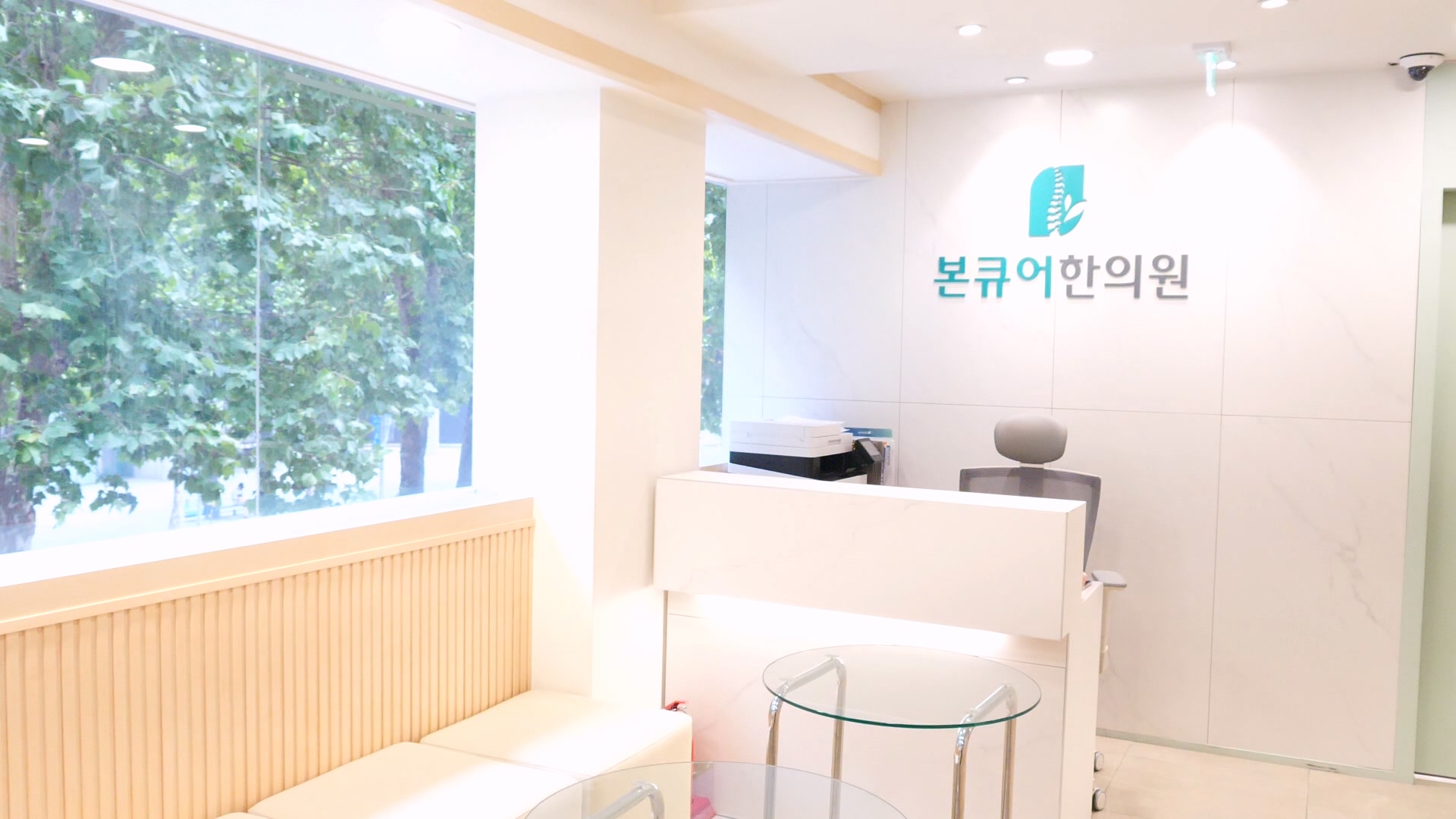
This guide explores how integrating traditional Korean medicine with modern diagnostic collaboration can address the root causes of musculoskeletal misalignment to improve long-term health and mobility. At Bonecure Korean Medicine Clinic, we devote ourselves to identifying the underlying structural deviations rather than simply masking symptoms, ensuring each patient can regain a balanced and healthy daily life.
Defining Posture Correction Therapy in Seoul
Posture correction therapy refers to a comprehensive clinical process aimed at restoring the anatomical symmetry of the spine, pelvis, and limbs to alleviate chronic pain and optimize nervous system function. By identifying structural deviations, clinicians can implement targeted interventions that go beyond temporary relief to support long-term structural stability.
Understanding Body Alignment and Structural Integrity
Body alignment is not merely about standing straight; it is about the balance of bones and soft tissues that support the entire physiological framework. When structural integrity is compromised, it can lead to issues ranging from tension headaches to severe disc herniation. In our clinical observations at Bonecure, we have noted that many patients present with a forward head posture or pelvic tilt that affects their overall gait. According to clinical research, postural imbalances can significantly increase joint pressure in certain areas, leading to accelerated wear and tear. By focusing on the spine's natural curvature, we aim to reduce this mechanical stress. A medical-grade assessment is essential for identifying the specific vertebrae that require adjustment to ensure the treatment is tailored to your unique anatomy. Proper alignment helps ensure that the body’s weight is distributed evenly, which is vital for preventing recurring injuries and maintaining vitality throughout one's life. We emphasize that restoring these structures requires a deep understanding of neuro-muscular pathways.
The Bonecure Approach to Skeletal Balance
At Bonecure, we focus on the importance of structural health and its relationship with physical well-being. Our approach centers on the philosophy that maintaining proper skeletal alignment is a key component of musculoskeletal health. Unlike facilities that offer repetitive, passive packages, we prioritize efficient and high-impact treatment sessions. We utilize specialized techniques to identify areas where the skeletal system has deviated from its optimal axis. Through years of clinical practice, I have found that addressing the bone structure first allows for more effective soft tissue recovery. While our clinic focuses on intensive manual and needle-based interventions, we collaborate with specialized partner hospitals, such as Harrison Hospital, for precise imaging to map out these deviations. Our goal is for patients to perceive immediate symptomatic improvement during their visit. By focusing on the underlying structural imbalances and providing only necessary treatments, we aim to support a clear pathway for recovery. Please note that individual results may vary depending on the patient's condition and severity.
How Modern Korean Medicine Addresses Postural Imbalance
Modern Korean medicine has evolved significantly, integrating traditional wisdom with contemporary physiological science to treat postural issues. At Bonecure, we combine ancient principles of meridian balance with modern anatomical knowledge to release the adhesions that lock the body into poor positions. These adhesions are often the result of chronic inflammation or past injuries that have caused tissues to stick together. By utilizing specialized acupotomy and manual therapies, we can target these deep layers of fascia that are often unreachable by standard massage or general acupuncture. Many patients find that integrating Korean medicine with structural therapy helps improve their range of motion as part of a comprehensive recovery plan. We focus on restoring the flow within the body, ensuring that nerves and blood vessels are no longer compressed by misaligned bones. This holistic view considers how a tilted pelvis might be the true cause of neck pain, allowing us to treat the body as an interconnected whole. This approach can be utilized as a non-surgical alternative for managing chronic discomfort.
Comparing Traditional Korean Medicine and Western Alignment Methods
Comparing different alignment modalities involves analyzing the methodologies of Chuna manual therapy alongside Western chiropractic techniques to determine the most suitable intervention for a patient's specific structural needs. Each discipline offers unique advantages in the management of musculoskeletal health.
A Comparison of Chuna Manual Therapy and Chiropractic Care
Chuna manual therapy and chiropractic care both seek to realign the spine, but they differ in their foundational theories and techniques. Chiropractic care often focuses on high-velocity thrusts to adjust the joints, whereas Chuna, as practiced at Bonecure, utilizes a variety of soft tissue and skeletal techniques. Chuna is deeply rooted in the concept of balancing the body's energy while physically repositioning the bones and harmonizing the internal organs. This method offers a different approach by integrating pharmacopuncture and herbal treatments to support the recovery of surrounding muscles. Our philosophy focuses on efficient treatment plans tailored to the individual; we aim for perceivable changes in structural alignment through precise intervention. Individual results may vary depending on the patient's condition. Both methods have merit; Chuna's emphasis on the harmony between soft tissues and the skeletal frame provides a distinct clinical framework for pursuing long-term stability. It is important to note that results vary, and a thorough consultation is necessary to determine the appropriate course for each individual.
| Feature | Chuna Manual Therapy (Bonecure) | Western Chiropractic Care |
|---|---|---|
| Foundation | Traditional Korean Medicine (TKM) | Western Osteopathic Principles |
| Primary Focus | Soft tissue & skeletal harmony | Joint manipulation & spinal alignment |
| Accompanying Therapies | Acupotomy, Pharmacopuncture | Physical therapy, corrective exercise |
| Technique Style | Varied (gentle to firm) | High-velocity thrusts |
| Goal | Restoring flow and structural balance | Relieving nerve pressure and alignment |
Acupotomy for Targeted Muscle Release and Adhesion Removal
Acupotomy is a cornerstone of the treatment protocols at Bonecure, especially for those suffering from chronic pain and rigid postural habits. By utilizing specialized blade-like needles, we can physically release internal adhesions and fibrotic tissues that have been chronically tight for years. This release is crucial for posture correction because fibrotic muscles often pull the bones out of their proper alignment. For instance, a tight psoas muscle can pull the lumbar spine forward, creating an unhealthy arch. Targeted acupotomy helps reset these muscles by normalizing muscle length, allowing the spine to return to a neutral position. While some may worry about discomfort, this specialized method is designed to provide high impact and immediate functional changes. It is an excellent non-invasive option for managing pain while working on the underlying structural issues. Individual responses vary, and results are optimized when combined with structural alignment. As an expert in acupotomy, I ensure that the treatment is precise and tailored to the patient’s specific anatomical challenges.
Custom Herbal Medicine for Long-Term Stability
Long-term stability in posture correction requires more than just a one-time adjustment; it necessitates a change in the body's internal environment. Korean medicine addresses this by using herbal prescriptions that strengthen the ligaments and tendons supporting the spine. At Bonecure, we focus on strengthening the supporting structures of the spine, which is a critical aspect of maintaining postural alignment. By improving circulation and providing essential nutrients through specialized decoctions, we help the body hold the new, correct alignment. In clinical observations, patients who combine manual therapy with herbal medicine often report a more sustained reduction in pain and better resilience against recurring misalignment. This multi-faceted approach ensures that the recovery is not just a temporary fix but a sustainable improvement in the patient's quality of life. It is important to remember that chronic conditions may require ongoing maintenance to prevent the recurrence of old, unhealthy postural habits. Every prescription is customized according to the individual's constitution and systemic needs.
Advanced Structural Solutions at Bonecure in Gangnam
Advanced treatments at our clinic involve the use of specialized tools and evidence-based methodologies to address deep-seated structural issues. These methods are particularly effective for recalcitrant cases where standard treatments have failed to provide relief.
Precision Acupotomy for Releasing Chronic Tissue Adhesions
Acupotomy is a specialized form of intervention that uses a small, blade-like needle to physically release internal adhesions. This technique is one of the primary tools we use at Bonecure that can be helpful for patients with long-standing postural issues and intractable pain. When tissues are glued together by chronic inflammation, traditional massage may not be enough to free them. Acupotomy allows us to target these exact spots, restoring the sliding motion between muscle layers and fascia. This treatment aims to release chronic adhesions to help restore the body's natural healing environment and improve functional movement. However, because it is an intensive procedure, it may cause temporary soreness, minor bruising, or light bleeding for a few days. Rare risks include infection at the insertion site. It is a powerful method for those who have not found success with other therapies. The precision of this technique helps ensure that only the problematic tissue is targeted, leaving the healthy surrounding structures intact.
Evidence-Based Care for Complex Neuro-Structural Disorders
At Bonecure, we specialize in treating complex conditions such as Parkinsonism, cervical dystonia, and autonomic nervous system dysfunction. These disorders are often linked to misalignments in the upper cervical spine and skull, which can interfere with neurological signals. For patients with Parkinson’s-like symptoms, we focus on upper cervical correction and intensive acupotomy of the suboccipital muscles to improve circulation and reduce tremors or rigidity. While Parkinson’s disease itself is a progressive condition, addressing structural compression can help manage symptoms and improve the patient's quality of life. Our approach involves evaluating the patient's movements and internal functions to create a 밀착(direct-care) treatment plan where I personally perform all structural corrections. We aim for 드라마틱(dramatic) improvements in functional mobility by restoring the body's physical axis. It is important to distinguish between Parkinson’s disease and functional tremors, as the latter often responds very positively to structural realignment. Every case is handled with a rigorous clinical focus to ensure the highest standard of care.
Pharmacopuncture and Targeted Trigger Point Therapy
Pharmacopuncture involves the injection of purified herbal extracts into specific acupuncture points to achieve both chemical and mechanical stimulation. This technique is particularly effective for reducing inflammation in the spinal joints and surrounding soft tissues. At Bonecure, we use pharmacopuncture to supplement Chuna therapy, providing the necessary anti-inflammatory effects that allow for a smoother skeletal adjustment. By targeting trigger points that are resistant to manual pressure, we can accelerate the recovery of damaged ligaments and tendons. Many of our patients find this treatment essential for managing the acute pain that often accompanies postural correction. Increased blood flow to the treated areas also speeds up the healing of micro-tears in the muscles. While it is a supportive therapy, its role in preparing the body for more intensive structural work is significant. It is a safe way to enhance the overall treatment experience, though individual sensitivity to injections may vary.
The Clinical Journey and Patient Expectations
The clinical journey at Bonecure involves a structured process of diagnosis, treatment, and monitoring to ensure that the patient's structural goals are met safely and efficiently. Understanding what to expect can help patients engage more effectively with their recovery plan.
Initial Assessment Using Whole Spine X-ray Imaging
Every successful treatment plan begins with a precise diagnosis. To support diagnostic accuracy, Bonecure collaborates with partner imaging centers, such as Harrison Hospital, to utilize whole spine X-ray imaging and CT/MRI when necessary. This objective data is crucial because external symptoms do not always match the internal reality. For instance, a patient might feel pain in their neck, but the X-ray might reveal that the root cause is a significant tilt in their lumbar spine or pelvis. By analyzing these images, I can create a roadmap for the alignment process that is based on hard evidence. We look for specific markers of spinal health, such as the degree of curvature and the space between the discs. This visual evidence serves as a baseline, allowing us to track progress over time. Seeing the alignment can be very encouraging for patients as they witness their structural improvements through objective data. This scientific approach ensures that every adjustment we make is purposeful and directed toward a specific clinical objective.
Managing Risks and Understanding Individual Treatment Responses
While posture correction therapy is generally safe, it is important for patients to understand that everyone responds differently to treatment. At Bonecure, we prioritize patient safety and transparency. Some individuals may experience temporary soreness as their body adjusts to a new alignment. This is a normal part of the process as muscles that have been inactive for years are suddenly called into action. Potential risks include minor bruising, light bleeding at the acupuncture site, temporary fatigue, or in rare cases, infection following acupotomy. We always conduct a thorough medical history check to identify any contraindications. It is vital to manage expectations; chronic issues that have developed over years may require consistent, although efficient, care to resolve fully. Adhering to the recommended treatment frequency is the most effective way to support long-term recovery. Please note that individual results may vary. If a patient experiences any unusual discomfort, they are encouraged to contact the clinic immediately. Our goal is to provide a supportive and safe environment for your journey toward better structural health.
For more detailed information on specific treatments, you may find these resources helpful:
- Acupuncture for Back Pain: Structural Alignment and Root Cause Recovery
- Advanced Acupotomy in Seoul: Root Cause Pain Relief at Bonecure Korean Medicine Clinic
Key Takeaways
- Posture correction therapy at Bonecure focuses on identifying structural root causes to alleviate chronic pain.
- We combine advanced Chuna therapy with precision acupotomy to release deep tissue adhesions.
- We prioritize efficient, high-impact sessions where patients can perceive immediate structural changes.
- Objective diagnostics, including X-ray collaboration with Harrison Hospital, guide every treatment plan.
- Potential side effects are generally mild, such as temporary soreness or minor bruising, but results vary by individual.
Frequently Asked Questions
Q. What exactly is posture correction therapy in Seoul at Bonecure?
Posture correction therapy at our clinic involves a combination of manual Chuna techniques and specialized acupotomy to realign the spine and joints. We focus on treating the structural root cause rather than just managing symptoms. Dr. Song personally performs these corrections to ensure precision and impact.
Q. Does acupotomy for back pain provide lasting results?
Acupotomy helps physically release adhesions and normalize muscle length, which can provide more sustainable results than traditional treatments. Individual results may vary. While many patients experience significant relief from the first session, long-term stability depends on the severity of the condition and adherence to the recovery plan.
Q. How many sessions are typically required at Bonecure?
Treatment frequency depends on the individual's condition; however, we do not require long-term packages of 10+ sessions before seeing results. We focus on providing high-impact, efficient treatments that aim for structural improvement during every visit, customized to your specific needs.
Q. Why is an X-ray necessary for my posture correction?
An X-ray provides objective data that allows us to see the exact alignment of your vertebrae and pelvis. We coordinate with partner hospitals like Harrison Hospital to obtain these images. This scientific approach ensures that your treatment plan at Bonecure is based on anatomical evidence rather than guesswork.
Q. What is the difference between Chuna and Western chiropractic care?
Chuna is rooted in traditional Korean medicine and integrates acupuncture and soft tissue work along with skeletal manipulation. Chiropractic care traditionally focuses more exclusively on high-velocity joint manipulation. Chuna emphasizes the balance between soft tissues and bones for a more holistic and sustainable recovery.
Q. Is the acupotomy procedure painful?
Acupotomy is an intensive technique that may cause brief discomfort as it releases deep-seated adhesions. Most patients, however, report a feeling of immediate lightness and improved range of motion afterward. We always communicate clearly and work within your comfort level, providing thorough care to manage any temporary soreness.
Bonecure / Dr. Jeong-hyeon Song
FAQ
- What exactly is posture correction therapy in Seoul?
- Posture correction therapy involves a combination of manual techniques, such as Chuna, and specialized acupuncture to realign the spine and joints. It aims to restore the natural symmetry of the body to alleviate pain and improve overall mobility. At Bonecure, we focus on treating the structural root cause rather than just the symptoms.
- Does acupuncture for back pain provide lasting results?
- Acupuncture can be highly effective for releasing muscle tension and reducing inflammation associated with poor posture. While many patients experience significant relief, long-term results depend on the severity of the condition and adherence to a full treatment plan. It is a vital tool for resetting the muscles that pull bones out of alignment.
- Are there any risks associated with traditional Korean medicine treatments?
- Common side effects include temporary soreness, minor bruising, or light bleeding at the site of treatment, which are typically mild and resolve quickly. Patients should always consult with a licensed doctor to discuss their specific health history and any potential contraindications. We prioritize safety and transparency in every clinical session.
- How many sessions are typically required at an acupuncture clinic in Seoul?
- The number of sessions varies significantly based on the individual's condition and history. Mild cases might see improvement in a few visits, while chronic or severe structural issues often require a series of 10 to 20 treatments over several weeks. Consistency is essential for achieving and maintaining the best possible structural results.
- What is the difference between Chuna and Western chiropractic care?
- While both involve manual manipulation to realign the spine, Chuna is rooted in traditional Korean medicine and often integrates acupuncture and herbal protocols. Chuna focuses heavily on the balance between soft tissues and bones to ensure a holistic recovery. Chiropractic care traditionally focuses more exclusively on joint manipulation and nerve pressure.
- Can moxibustion therapy in Seoul help with posture?
- Moxibustion uses therapeutic heat to stimulate circulation and relax rigid muscles that may be resisting alignment. By softening the tissues that pull the skeleton out of place, it serves as a valuable supportive treatment for posture correction. It also helps calm the nervous system, which is beneficial for structural health.
- Is posture correction therapy painful?
- Some techniques, such as acupotomy, may cause brief discomfort as they release tight adhesions within the deep tissue. However, most patients report a feeling of immediate lightness and an improved range of motion following the procedure. We always work within the patient's comfort level to ensure a positive experience.
- Why is an X-ray necessary for posture correction?
- An X-ray provides objective data that allows us to see the exact alignment of your vertebrae and pelvis. It helps us identify the root cause of pain, which may be located in a different area than where the symptoms are felt. This scientific approach ensures that our treatment plan at Bonecure is precise and effective.