
Post
How Structural Medicine Helps When X-rays and MRIs Look Normal: A 2026 Guide to Lasting Relief at Bonecure
Hello, I am Dr. Song Jeong-hyeon, a Korean medicine doctor who has long focused on Acupotomy and structural restoration.
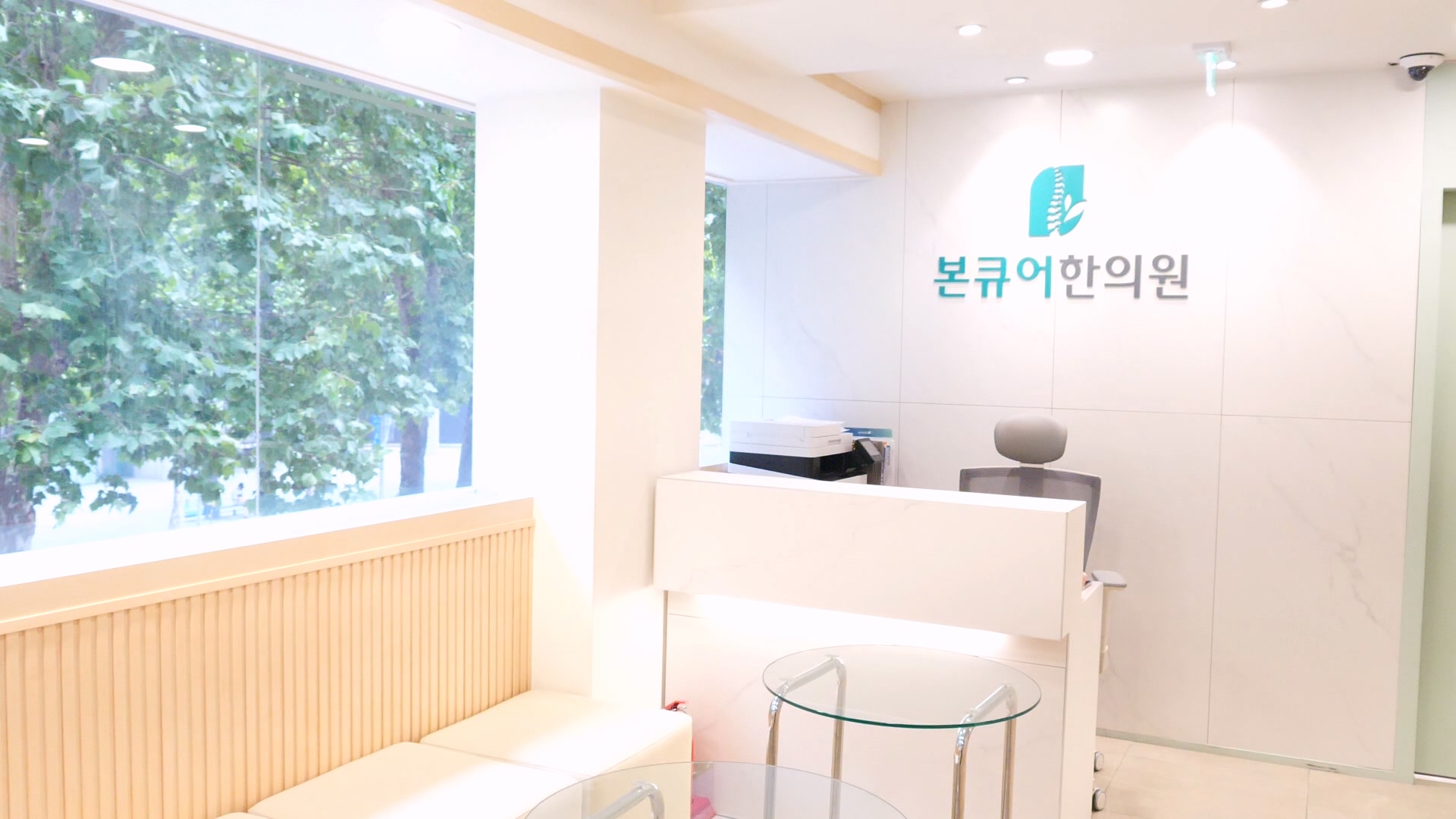
Many patients come to me feeling frustrated because their X-rays and MRIs show no abnormalities, yet they suffer from persistent, debilitating pain. This guide explains why these 'normal' results occur and how we address the underlying structural issues at Bonecure to help you reclaim your daily life.
Understanding Why Pain Persists Despite Normal Imaging Results
Functional pain refers to discomfort arising from dynamic imbalances and soft tissue issues that static imaging like X-rays or MRIs often fails to detect during a standard medical examination. These diagnostic tools are excellent at identifying fractures, tumors, or major disc herniations, but they do not always capture the minute tensions or functional misalignments that trigger the body's pain receptors.
The limitations of static X-rays and MRIs in functional diagnosis
Static imaging captures a single moment in time, often missing the complex interplay of soft tissues and dynamic joint movements. While an MRI can identify major structural damage like a herniated disc, it often fails to detect micro-adhesions in the fascia or subtle functional misalignments that cause significant distress. In my clinical experience at Bonecure, many patients present with normal scans despite suffering from chronic debilitating pain. This discrepancy occurs because pain is frequently a result of soft tissue tension and nerve irritation that does not appear as a physical tear or bone fracture on a screen. By focusing solely on these static images, conventional diagnostics may overlook the root cause of functional impairment. At Bonecure, we look beyond the film to understand how the body moves and where tension is held. Addressing these invisible factors is essential for patients who have found no answers in traditional diagnostic pathways, ensuring a more comprehensive understanding of their unique physical condition and recovery needs. This approach is particularly vital for those with long-standing issues that standard medicine struggles to explain or resolve.
The Bonecure Approach to Restoring Structural Balance
Structural restoration at Bonecure involves using precision techniques to realign the musculoskeletal framework and release physical obstructions to the body's natural healing capabilities. We prioritize identifying the specific points where the structure has deviated from its optimal axis, which often leads to compensatory pain in seemingly unrelated areas of the body.
How structural medicine addresses soft tissue adhesions through Acupotomy
Acupotomy is a specialized Korean medicine technique that uses a blade-shaped needle to physically release hardened soft tissue and adhesions that restrict movement. These adhesions often form as a result of chronic poor posture or repetitive strain, creating a glue-like effect on muscles and ligaments. When tissues are adhered, they can compress nerves and blood vessels, leading to pain that an X-ray cannot visualize. At Bonecure, I utilize this precision tool to break down these barriers, aiming to facilitate rapid functional recovery and restored circulation. For many patients with chronic tinnitus, focused structural release can help manage symptoms by addressing the underlying physical tensions that contribute to the condition. While the procedure involves a distinct sensation, the goal is to trigger the body’s natural regenerative processes. It is important to note that results vary between individuals, and some may experience temporary soreness or minor bruising. However, for many at Bonecure, this structural approach provides the breakthrough needed when traditional acupuncture or medication has reached its limit in effectiveness. By restoring the sliding mechanism of the tissues, we facilitate a return to pain-free movement and structural integrity.
Precision Acupotomy and Its Role in Restoring Joint Mobility: A Professional Guide
The Characteristics of Structural Correction at Bonecure
Structural correction focuses on the long-term restoration of physical integrity through precise corrective measures. Rather than focusing solely on temporary relief, our approach prioritizes the realignment of skeletal and soft tissue structures. By utilizing techniques such as Acupotomy, Chuna, and structural acupuncture, we assess functional balance and address soft tissue adhesions that may not be visible on standard imaging. This methodology aims for fundamental structural stability and physically reduces pressure on neural pathways to support the body's natural healing process.
Clinical Observations on Restoring Mobility and Vitality
Clinical observation in structural medicine focuses on the measurable improvement of spinal alignment and nervous system efficiency over the course of treatment. We look for improvements in range of motion, posture, and the reduction of autonomic symptoms that often accompany chronic structural imbalances.
Improving cervical and lumbar alignment to enhance nervous system function
The alignment of the spine is directly linked to the health of the nervous system, as the vertebral column houses the spinal cord. Even when an MRI shows no major disc issues, a loss of the natural curvature—such as a straight neck or flattened lumbar curve—can place constant stress on the neural pathways. At Bonecure, we focus on restoring these natural curves to alleviate pressure on the autonomic nervous system. This is particularly relevant for conditions like autonomic dysfunction or chronic fatigue, where the structural cause is often hidden from standard imaging. For instance, in our clinical observations, improving cervical alignment has helped patients manage dizziness and headaches by restoring proper structural balance. By realigning the structural framework, Bonecure aims to create an environment where the nervous system can function without interference. Patients often report improved sleep quality and energy levels as their structural integrity is restored. While chronic cases may require multiple sessions over several weeks to stabilize, the focus remains on long-term functional vitality rather than temporary relief. Individual physical states always dictate the specific treatment frequency and expected outcomes. This restorative process is essential for total body wellness.
The Science Behind Rapid Functional Relief After Chuna Therapy: A 2026 Professional Guide
Key Takeaways
- Hidden Causes: Normal X-rays and MRIs often miss soft tissue adhesions and functional misalignments that cause chronic pain.
- Acupotomy: This specialized tool at Bonecure releases hardened tissues to restore movement and nerve function.
- Root Cause Focus: Structural medicine targets the 'why' of your pain rather than just suppressing the symptoms.
- Individualized Care: Recovery plans are tailored to each patient, as chronic conditions often require a series of treatments.
- Safety First: Minor side effects like soreness or bruising may occur, but they are typically transient parts of the healing process.
Frequently Asked Questions
Q. Why do I still feel pain even though my MRI shows no abnormalities?
Pain often originates from soft tissue adhesions, functional imbalances, or minor misalignments that static imaging may not capture. Our approach at Bonecure focuses on these functional aspects to identify the root cause of discomfort. Many patients find relief once these invisible structural stressors are addressed.
Q. What is the difference between Acupotomy and traditional acupuncture?
Acupotomy uses a specialized, blade-like tool to physically release hardened or adhered tissues, whereas traditional acupuncture focuses more on energy flow and nervous system stimulation. We often combine these techniques at Bonecure for comprehensive pain management. This allows for both structural release and neurological regulation.
Q. How many sessions are typically needed to see results?
Treatment duration varies significantly based on the severity and chronic nature of the condition. While some notice changes early, chronic cases often require a consistent series of sessions to achieve stability. We provide a personalized timeline during the initial consultation at Bonecure.
Q. Are there any side effects or risks associated with structural treatments?
Some patients may experience temporary soreness, minor bruising, or fatigue following treatment. While rare, infection or localized pain can occur if post-treatment care is not followed. These risks are minimized through sterile procedures and the expert application used at Bonecure.
Q. Can structural medicine help with non-spinal issues like joint pain?
Yes, we address the entire musculoskeletal framework including shoulders, knees, and ankles. By improving the alignment of the joints and surrounding tissues, we help restore a healthy range of motion across the body. Structural integrity is a full-body requirement for optimal health.
Q. Is this treatment suitable for elderly patients with chronic conditions?
We tailor the intensity and technique to suit each patient's age and bone density. A thorough consultation is always performed first at Bonecure to ensure the treatment plan is appropriate for the individual's physical state. We prioritize safety and comfort for all our senior patients.
Q. How does structural medicine prevent the recurrence of pain?
By addressing the root structural imbalance rather than just masking symptoms, we help the body maintain its natural alignment. Consistent follow-ups and lifestyle adjustments are key to sustaining these results. Bonecure focuses on educating patients to prevent future misalignments.
If you have been told your scans are normal but continue to live in pain, it may be time to look at your structure. We invite you to experience a different approach to healing.
Bonecure / Director Song Jeong-hyeon
FAQ
- Why do I still feel pain even though my MRI shows no abnormalities?
- Pain often originates from soft tissue adhesions, functional imbalances, or minor misalignments that static imaging may not capture. Our approach at Bonecure focuses on these functional aspects to identify the root cause of discomfort. Many patients find relief once these invisible structural stressors are addressed.
- What is the difference between Acupotomy and traditional acupuncture?
- Acupotomy uses a specialized, blade-like tool to physically release hardened or adhered tissues, whereas traditional acupuncture focuses more on energy flow and nervous system stimulation. We often combine these techniques at Bonecure for comprehensive pain management. This allows for both structural release and neurological regulation.
- How many sessions are typically needed to see results?
- Treatment duration varies significantly based on the severity and chronic nature of the condition. While some notice changes early, chronic cases often require a consistent series of sessions to achieve stability. We provide a personalized timeline during the initial consultation at Bonecure.
- Are there any side effects or risks associated with structural treatments?
- Some patients may experience temporary soreness, minor bruising, or fatigue following treatment. While rare, infection or localized pain can occur if post-treatment care is not followed. These risks are minimized through sterile procedures and the expert application used at Bonecure.
- Can structural medicine help with non-spinal issues like joint pain?
- Yes, we address the entire musculoskeletal framework including shoulders, knees, and ankles. By improving the alignment of the joints and surrounding tissues, we help restore a healthy range of motion across the body. Structural integrity is a full-body requirement for optimal health.
- Is this treatment suitable for elderly patients with chronic conditions?
- We tailor the intensity and technique to suit each patient's age and bone density. A thorough consultation is always performed first at Bonecure to ensure the treatment plan is appropriate for the individual's physical state. We prioritize safety and comfort for all our senior patients.
- How does structural medicine prevent the recurrence of pain?
- By addressing the root structural imbalance rather than just masking symptoms, we help the body maintain its natural alignment. Consistent follow-ups and lifestyle adjustments are key to sustaining these results. Bonecure focuses on educating patients to prevent future misalignments.