
Post
Differentiating Between Muscle Soreness and Structural Bone Pain: A 2026 Guide by Bonecure
Hello. I am Dr. Song Jeong-hyeon, a Korean medicine doctor who has long specialized in acupotomy. Understanding whether your discomfort originates from soft tissue or the skeletal structure is the first step toward effective recovery. Differentiating between muscle soreness and structural bone pain allows for a targeted treatment approach that addresses the root cause rather than just the symptoms. At Bonecure Korean Medicine Clinic, we focus on identifying the skeletal misalignments that trigger both localized pain and complex neurological symptoms.
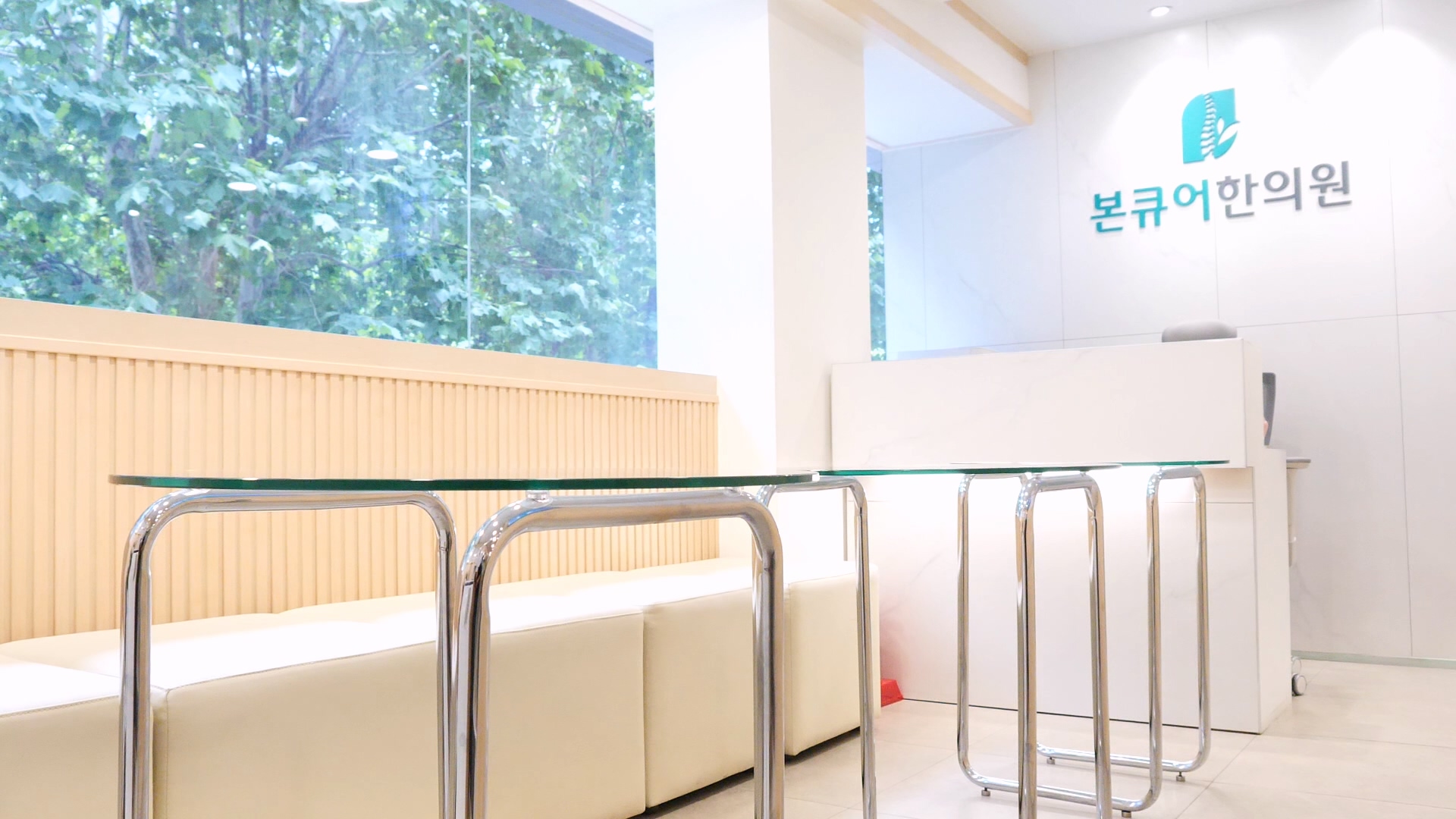
Understanding the Fundamentals: Differentiating Muscle Soreness and Structural Bone Pain
Muscle soreness and structural bone pain are distinct physiological responses to either activity or underlying damage within the musculoskeletal system. Muscle soreness is typically a functional response to exertion, whereas structural bone pain often indicates an issue with the integrity or alignment of the skeletal framework itself.
Defining Muscle Soreness and Delayed Onset Muscle Soreness (DOMS)
Muscle soreness, often called Delayed Onset Muscle Soreness (DOMS), is the discomfort felt after physical exertion. It typically arises from microscopic tears in muscle fibers during unfamiliar or intense exercise. At Bonecure, we observe that patients with DOMS experience a dull, aching sensation that usually peaks within 24 to 72 hours after the activity. This type of pain is generally functional, meaning the body is adapting to a new level of physical intensity or a different movement pattern. While it can be intense, it rarely indicates a permanent structural defect or significant skeletal injury. Instead, it reflects the inflammatory response necessary for muscle repair and strengthening. In most clinical cases, this soreness is transient and responds well to hydration, light movement, and adequate rest. However, if the discomfort persists beyond a week or is accompanied by severe localized swelling, it may indicate a transition into a chronic musculoskeletal issue that requires a professional assessment. Understanding these temporary inflammatory markers is essential to avoid over-treating a natural recovery process.
The Nature of Deep Structural Bone Pain
Deep structural bone pain is characterized by a persistent, often sharp or throbbing sensation that originates from within the skeletal system rather than the surrounding soft tissue. Unlike muscle soreness, which is usually related to specific movements, bone pain can occur even at rest and may feel significantly deeper and more localized. At Bonecure, we frequently find that this type of pain is linked to structural misalignments, stress fractures, or degenerative changes in the bone matrix. Patients often describe it as an internal ache that does not easily dissipate with standard stretching, heat, or topical massage. Because bone tissue is highly vascularized and innervated, any disruption to its integrity can cause significant distress that interrupts sleep or daily activities. It is important to note that bone-related discomfort often requires a more comprehensive diagnostic approach, including structural analysis, to identify the root cause effectively. While muscle pain is frequently a sign of temporary strain, bone pain is often a red flag for deeper misalignment issues.
Why Accurate Differentiation is Critical for Long-term Recovery
Why accurate differentiation is critical for long-term recovery involves ensuring that the treatment matches the underlying pathology to prevent secondary complications. Misidentifying bone pain as simple muscle soreness can lead to delayed treatment for conditions like chronic structural instability or neurological entrapment. Conversely, treating muscle soreness with aggressive structural interventions may be unnecessary. At Bonecure, we prioritize a diagnosis-first approach to ensure every patient receives care tailored to their specific biological needs. When structural issues are overlooked, the body often develops compensatory patterns that can lead to further joint wear and chronic postural imbalances. By accurately identifying the source of pain, we can implement targeted therapies such as Chuna or acupotomy to restore balance. This precision helps in achieving functional restoration and prevents the progression of minor structural bone misalignments into more debilitating conditions. The Long-Term Risks of Ignoring Minor Structural Bone Misalignments: A 2026 Bonecure Guide explains how early detection of these issues is vital for maintaining musculoskeletal health throughout various life stages.
Key Indicators and Clinical Comparison of Pain Types
Clinical comparison of pain types involves analyzing the sensation, duration, and response to physical stimuli to pinpoint the affected tissue. This systematic approach helps clinicians distinguish between temporary inflammatory responses in muscles and persistent structural issues in the bone.
Comparative Analysis: Muscle vs. Bone Pain Sensation
The sensation of muscle pain is often described as a dull, heavy ache that feels tender when the muscle is touched or compressed. In contrast, bone pain feels like a deep, penetrating, or sharp sensation that is difficult to reach via surface pressure. During our clinical evaluations at Bonecure, we distinguish these by the quality of the pain. Muscle pain usually increases when you actively contract or stretch the muscle, while bone pain may be present regardless of muscle activity. For example, a person with a sore calf muscle will feel it mostly while walking or stretching. However, someone with a stress fracture in the tibia might feel a sharp, stabbing sensation every time they put weight on the leg, or even a dull throb while lying down at night. Understanding these subjective sensations is the first clinical step in determining whether we need to focus on soft tissue release or deeper structural realignment to achieve relief. This distinction helps in formulating a precise treatment plan that addresses the specific layer of tissue involved.
Duration and Response to Physical Rest
Duration and response to rest serve as primary diagnostic clues for differentiating these two pain types. Muscle soreness typically follows a predictable timeline, appearing shortly after exercise and resolving within three to seven days as the tissue repairs itself. If the pain subsides with rest and gentle stretching, it is highly likely to be muscular in origin. Structural bone pain, however, is often chronic or persists despite long periods of inactivity. In some cases, bone pain can even worsen at night or during rest, which is a significant clinical indicator that the issue is not merely muscular. At Bonecure, we advise patients that any pain lasting longer than two weeks without improvement should be professionally evaluated. Persistent pain often suggests that the body's natural healing processes are being hindered by a structural misalignment or a more serious skeletal condition. Rest alone is often insufficient for bone pain because the underlying structural cause remains unaddressed until corrective therapy is applied to the misalignment.
Localizing the Source: Surface Tenderness versus Deep Internal Ache
Localizing the source of pain helps determine the depth of the injury. Muscle soreness is usually easy to pinpoint on the surface; you can feel the tender spots or "trigger points" within the muscle belly. This surface tenderness is a hallmark of DOMS or minor muscle strains. Bone pain, however, feels like it is coming from deep inside the limb or torso. It is often a more localized sensation that feels "bone-deep," yet pressing on the skin above it might not increase the pain as much as physical weight-bearing does. At Bonecure, we use structural examinations to see how the alignment of the skeleton contributes to this internal ache. Many patients find that what they thought was chronic muscle tension was actually a secondary response to a deep-seated structural bone issue. Distinguishing between surface-level tenderness and a deep internal ache is essential for selecting the appropriate modality, whether it be superficial acupuncture or deeper, precision-based acupotomy treatments for lasting recovery. This ensures that the therapy reaches the appropriate depth to resolve the core issue.
| Feature | Muscle Soreness (DOMS) | Structural Bone Pain |
|---|---|---|
| Sensation | Dull, tender, aching | Sharp, deep, throbbing |
| Onset | 12–48 hours post-activity | Often sudden or persistent |
| Rest Response | Improves significantly | May persist or worsen at night |
| Duration | Usually 3–7 days | Often lasts weeks or months |
| Localization | Broad, across muscle groups | Highly localized and internal |
| Impact | Temporary stiffness | Potential structural instability |
Integrative Approaches in Traditional Korean Medicine for Chronic Pain
Integrative approaches in Traditional Korean Medicine (TKM) combine time-tested techniques with modern structural insights to manage chronic pain. These methods focus on restoring the flow of energy and blood while physically addressing the tissue adhesions that contribute to persistent discomfort.
Acupuncture for Back Pain and Structural Realignment
Acupuncture for back pain is a well-regarded method for managing both muscular tension and structural discomfort by stimulating the nervous system and improving local circulation. By targeting specific points, it can help reduce the inflammation that often surrounds stressed bone tissue. In my practice at Bonecure, I utilize acupuncture not just for symptom relief, but as a tool to facilitate structural realignment. When muscles are chronically tight due to skeletal imbalances, they pull the spine out of its natural curve. Acupuncture helps release these tight bands, allowing the bones to return to their optimal positions more easily. This dual approach ensures that we are addressing the muscular symptoms while supporting the underlying skeletal framework. While acupuncture is generally very safe, some patients may experience minor, temporary bruising or a dull sensation at the needle site. However, most find that it provides a necessary foundation for more intensive structural corrections, helping the body integrate the changes more effectively over time for sustainable spinal health.
The Role of Oriental Medicine for Chronic Pain and Tissue Regeneration
Oriental medicine for chronic pain encompasses a holistic view that includes herbal therapy to support bone density and tissue regeneration. For many patients, chronic bone or muscle pain is exacerbated by internal imbalances or nutritional deficiencies that slow down the healing process. At Bonecure, we often recommend specific herbal formulations alongside manual therapies to strengthen the body's internal systems, which in TKM is closely associated with bone health. These treatments help provide the biological building blocks necessary for repairing microscopic fractures or regenerating worn cartilage. By improving the systemic environment, we can enhance the effectiveness of physical treatments like Chuna or acupotomy. This comprehensive strategy is particularly beneficial for patients dealing with age-related structural changes or long-standing injuries that have failed to respond to conventional rest alone. We believe that true recovery requires both physical structural correction and internal biological support. This synergy allows for a more sustainable return to activity without the frequent recurrence of pain that characterizes many chronic musculoskeletal conditions.
Moxibustion and Cupping Therapy for Enhancing Circulation
Moxibustion and cupping therapy are supplementary techniques used to enhance circulation and remove metabolic waste from deep within the tissues. Moxibustion uses heat to penetrate deep into the joints, which is especially helpful for bone pain that worsens in cold or damp weather. Cupping therapy, on the other hand, creates a vacuum that pulls fresh blood into areas of chronic stagnation, helping to flush out the inflammatory markers associated with muscle soreness. At Bonecure, these therapies are often used in the initial stages of treatment to prepare the body for more intensive structural work. By reducing the overall inflammatory load, we make the subsequent manual adjustments more comfortable and effective for the patient. It is important to note that cupping can leave temporary circular marks on the skin, which typically fade within a few days. These therapies are excellent for addressing the soft tissue components of pain while also providing a soothing effect on the nervous system, which is often sensitized in cases of chronic structural discomfort.
Bonecure Methodology: Clinical Notes on Structural Bone and Joint Health
The methodology at our clinic focuses on the precision release of adhesions and the restoration of skeletal symmetry. By combining manual techniques with specialized needle therapy, we address the complex relationship between bone alignment and soft tissue health.
Acu-needle Therapy for Releasing Deep Tissue Adhesions
Acu-needle therapy, also known as acupotomy, is a specialized procedure used at Bonecure to release adhesions in the soft tissue and bone-related structures. These adhesions often form as a result of chronic inflammation or past injuries, "gluing" tissues together and restricting movement. This restriction often mimics bone pain because it creates a deep, unyielding tension. During the procedure, a small, flat-headed needle is used to precisely release these fibers. While the treatment is highly effective for chronic conditions, it is important for patients to know that they may experience temporary soreness, minor bruising, or light bleeding at the site of treatment. In rare cases, minor infection or nerve irritation may occur, though we maintain strict sterilization protocols. These symptoms typically resolve within a few days and are part of the body's natural healing response. Individual results may vary based on the patient's condition and the chronicity of the injury. Acupotomy and Structural Restoration: A Guide to Precision Care at Bonecure provides further details on how this technique bridges the gap between traditional acupuncture and surgical intervention for structural relief.
Restoring Balance through Spinal Realignment and Chuna Manual Therapy
Restoring balance through spinal realignment and Chuna manual therapy is at the heart of our structural approach. Chuna is a traditional Korean manual therapy where the practitioner uses their hands or specialized equipment to push and pull the bones back into their correct alignment. Unlike general massage, Chuna focuses specifically on the joints and the spine. At Bonecure, we use Chuna to correct the minor misalignments that cause chronic bone-related pain and nerve irritation. By realigning the spine, we reduce the unequal pressure placed on the discs and bone surfaces, which often provides immediate functional improvement. Chuna vs. Chiropractic: A 2026 Professional Guide to Manual Therapy and Structural Restoration offers a comparative look at how these techniques differ in their approach to skeletal health. While the adjustment itself can sometimes produce a clicking sound, the goal is always a gentle and systematic restoration of the body's natural symmetry. This process not only relieves pain but also improves the overall range of motion, physical coordination, and the health of the nervous system as a whole.
Clinical Case Observations: Improving Mobility and Reducing Bone-related Discomfort
Clinical case observations at Bonecure consistently show that addressing the structural root of pain leads to significantly better outcomes than treating symptoms alone. For instance, I have treated many patients who suffered from what they thought was chronic lower back muscle strain for years. Upon structural examination, we often find that a pelvic tilt or a slight vertebral rotation was the true culprit. In these cases, integrated Chuna and acupotomy may lead to a reduction in pain and support a return to normal activity levels. The number of sessions and the prognosis can vary significantly depending on the patient's symptoms, constitution, and the chronicity of the condition, making a personalized consultation essential. In cases of deep, localized pain in the hip area caused by structural misalignment, a precise diagnosis followed by acupotomy or Chuna therapy can be applied to help facilitate recovery and improve mobility. It is important to remember that every case is unique; while many see rapid improvement, chronic or degenerative conditions may require a longer-term management plan. These observations reinforce my belief that a bone-centered approach is essential for true musculoskeletal vitality and daily function.
When to Visit a Korean Traditional Medicine Clinic in Cheongdam
Choosing when to visit a clinic involves recognizing the signs that your body can no longer heal itself through rest alone. Professional intervention is necessary when pain persists, recurs, or begins to limit your ability to enjoy a normal lifestyle.
Red Flags: Signs that Bone Pain Requires Professional Intervention
Red flags that indicate bone pain requires professional intervention include pain that wakes you up at night, pain that follows a direct trauma, or localized swelling that does not improve with ice and rest. If you experience a sharp, pinpoint sensation that makes weight-bearing impossible, it is crucial to seek a diagnosis to rule out a fracture. At Bonecure, we also look for systemic signs such as unexplained fatigue or fever alongside musculoskeletal pain, as these can indicate deeper issues. Furthermore, if you notice that your posture is visibly changing or that you are developing a "hump" in your upper back, these are structural changes that need immediate attention. Ignoring these signs can lead to permanent damage or the development of chronic pain syndromes that are much harder to treat later. Early consultation at a specialized clinic like ours in Cheongdam ensures that you get an accurate diagnosis and a clear path toward recovery before minor issues become major obstacles. We focus on these critical indicators to provide timely and effective interventions.
Specialized Management for Intractable Neurological and Structural Conditions
Specialized management at Bonecure extends to intractable conditions that often stem from structural misalignments affecting the nervous system. We focus on patients suffering from atypical Parkinsonism, cervical dystonia (spasmodic torticollis), and burning dorsal sensation (Baeyeoljeung). These conditions are frequently characterized by deep, burning sensations or involuntary movements that do not respond to conventional soft-tissue treatments. For instance, burning dorsal sensation is often caused by entrapment of the dorsal scapular nerve or thoracic spinal nerves due to chronic muscle fibrosis and spinal tension. In my clinical experience, targeting the upper cervical spine and releasing adhesions through acupotomy can lead to significant symptomatic relief in these complex cases. We also address autonomic dysfunction, where structural imbalances in the thoracic spine interfere with internal organ regulation, leading to symptoms like indigestion or heart palpitations. Our goal is to provide a unique, targeted approach for patients who have sought help elsewhere without success. By focusing on these difficult-to-treat disorders, we offer a specialized pathway to recovery for those dealing with persistent and debilitating neurological discomfort.
Building a Sustainable Recovery Plan with a Korean Medicine Doctor
Building a sustainable recovery plan with a Korean medicine doctor involves more than just treating the current episode of pain; it is about creating a roadmap for lifelong musculoskeletal health. At Bonecure, we educate our patients on the importance of posture, core strength, and regular structural maintenance. A sustainable plan might include an initial phase of intensive treatment to resolve the primary pain, followed by periodic maintenance to ensure the spine remains aligned. We also provide guidance on ergonomic adjustments for work and exercise routines that support rather than strain the skeletal system. By taking a proactive role in your own health, you can prevent the recurrence of both muscle soreness and deep bone pain. Our approach is designed to help you regain your mobility and confidence so that you can live life to the fullest. Remember, your bones are the foundation of your health; when they are in alignment, the rest of your body can function at its best. I am here to help you navigate that journey with precision and personalized care.
Frequently Asked Questions
Q. How can I tell if my pain is coming from the muscle or the bone?
Muscle pain usually feels like a dull ache or stiffness that worsens during specific movements and improves with rest or light stretching. Bone pain often feels deeper, sharper, and more localized, and it may persist even when you are not moving. While muscle soreness typically resolves within a week, bone-related pain can last much longer and requires professional diagnosis to address skeletal misalignments.
Q. Can acupuncture effectively treat chronic back pain related to bone issues?
Acupuncture is a well-regarded method for managing both muscular and structural discomfort by reducing inflammation and improving blood flow. By targeting specific points, it can help alleviate the secondary muscle tension caused by bone misalignments. However, if the pain is caused by a structural fracture or severe misalignment, acupuncture is used as a complementary therapy alongside comprehensive structural care like Chuna or acupotomy.
Q. How long does it take for muscle soreness to go away?
Typical muscle soreness, or DOMS, usually peaks between 24 to 72 hours after physical activity and subsides within 3 to 5 days. If the pain persists for more than two weeks despite rest, it may indicate a more serious injury or a structural issue that warrants an evaluation. At Bonecure, we recommend a professional check-up for any pain that does not resolve within this typical timeframe.
Q. What are the common causes of deep bone pain in adults?
Deep bone pain can be caused by various factors including structural stress, osteoporosis, infections, or underlying conditions like arthritis and spinal misalignment. At Bonecure, we analyze the structural alignment of the spine and joints to determine if the pain is secondary to postural imbalances or primary structural damage. Identifying the specific cause is necessary for creating an effective treatment plan.
Q. How does Bonecure approach intractable symptoms like a burning sensation in the back?
We categorize these symptoms as 'Baeyeoljeung' (Burning Dorsal Sensation), which is often linked to nerve entrapment or autonomic dysfunction caused by thoracic spine tension. Our approach involves using acupotomy to release fibrotic tissue and Chuna therapy to realign the spine, reducing the nerve compression responsible for the burning sensation. This method targets the neurological root rather than just surface-level discomfort.
Q. Are there any side effects to the Acu-needle (Dochim) therapy used at Bonecure?
Acupotomy is a specialized procedure aimed at releasing adhesions in the soft tissue and bone-related structures. While highly effective, patients may experience temporary soreness, minor bruising, or light bleeding at the site of treatment. There is a very low risk of infection or nerve irritation. These symptoms typically resolve within a few days, and individual results may vary based on the patient's condition and chronicity.
Q. Where can I find an English-friendly Korean medicine clinic in Seoul?
Bonecure is a Korean traditional medicine clinic located in Cheongdam, Seoul, providing professional care for both local and international patients. I, Dr. Song Jeong-hyeon, offer personalized consultations focusing on structural recovery and chronic pain management. Our clinic is equipped to help international visitors navigate their path to recovery using evidence-based traditional methods and personalized treatment plans.
Key Takeaways
- Identify the Sensation: Muscle soreness is usually a dull, surface-level ache, while bone pain is deep, sharp, and often persistent even at rest.
- Monitor the Duration: DOMS typically resolves within 3–7 days; pain lasting longer than two weeks should be evaluated by a professional at Bonecure.
- Address the Root Cause: Effective recovery requires differentiating between soft tissue strain and skeletal misalignments through a structural examination.
- Complex Conditions: Symptoms like burning sensations or tremors often stem from structural nerve entrapment and require specialized acupotomy or Chuna therapy.
- Proactive Maintenance: Sustainable recovery involves regular structural check-ups and ergonomic improvements to prevent the recurrence of chronic pain.
If you are experiencing persistent discomfort and are unsure of the source, I invite you to visit us for a detailed structural consultation.
Bonecure / Dr. Song Jeong-hyeon
FAQ
- How can I tell if my pain is coming from the muscle or the bone?
- Muscle pain usually feels like a dull ache or stiffness that worsens during specific movements and improves with rest or light stretching. Bone pain often feels deeper, sharper, and more localized, and it may persist even when you are not moving. While muscle soreness typically resolves within a week, bone-related pain can last much longer and requires professional diagnosis.
- Can acupuncture effectively treat chronic back pain related to bone issues?
- Acupuncture is a well-regarded method for managing both muscular and structural discomfort by reducing inflammation and improving blood flow. By targeting specific points, it can help alleviate the secondary muscle tension caused by bone misalignments. However, if the pain is caused by a structural fracture, acupuncture is used as a complementary therapy alongside comprehensive structural care.
- How long does it take for muscle soreness to go away?
- Typical muscle soreness, or DOMS, usually peaks between 24 to 72 hours after physical activity and subsides within 3 to 5 days. If the pain persists for more than two weeks despite rest, it may indicate a more serious injury or a structural issue that warrants an evaluation. At Bonecure, we recommend a professional check-up for any pain that does not resolve within this typical timeframe.
- What are the common causes of deep bone pain in adults?
- Deep bone pain can be caused by various factors including structural stress, osteoporosis, infections, or underlying conditions like arthritis. We analyze the structural alignment of the spine and joints to determine if the pain is secondary to postural imbalances or primary structural damage. Identifying the specific cause is necessary for creating an effective treatment plan.
- Does traditional Korean medicine offer specific treatments for women's musculoskeletal health?
- Yes, Korean medicine for women's health focuses on the relationship between hormonal balance and bone density throughout different life stages. Treatments often involve a combination of herbal medicine to strengthen the bones and acupuncture to relieve chronic pain associated with structural changes. This holistic approach helps maintain musculoskeletal integrity and overall vitality.
- Are there any side effects to the Acu-needle (Dochim) therapy used at Bonecure?
- Acu-needle therapy is a specialized procedure aimed at releasing adhesions in the soft tissue and bone-related structures. While highly effective, patients may experience temporary soreness, minor bruising, or light bleeding at the site of treatment. These symptoms typically resolve within a few days, and individual results may vary based on the patient's condition.
- Where can I find an English-friendly Korean medicine clinic in Seoul?
- Bonecure is a Korean traditional medicine clinic located in Cheongdam, Seoul, providing professional care for both local and international patients. I, Dr. Song Jeong-hyeon, offer personalized consultations focusing on structural recovery and chronic pain management. Our clinic is equipped to help international visitors navigate their path to recovery using evidence-based traditional methods.