
Post
Chuna vs. Chiropractic: A 2026 Professional Guide to Manual Therapy and Structural Restoration
Manual therapy encompasses a wide range of clinical techniques designed to improve physical function and reduce pain through the skilled manipulation of the body's musculoskeletal structures.
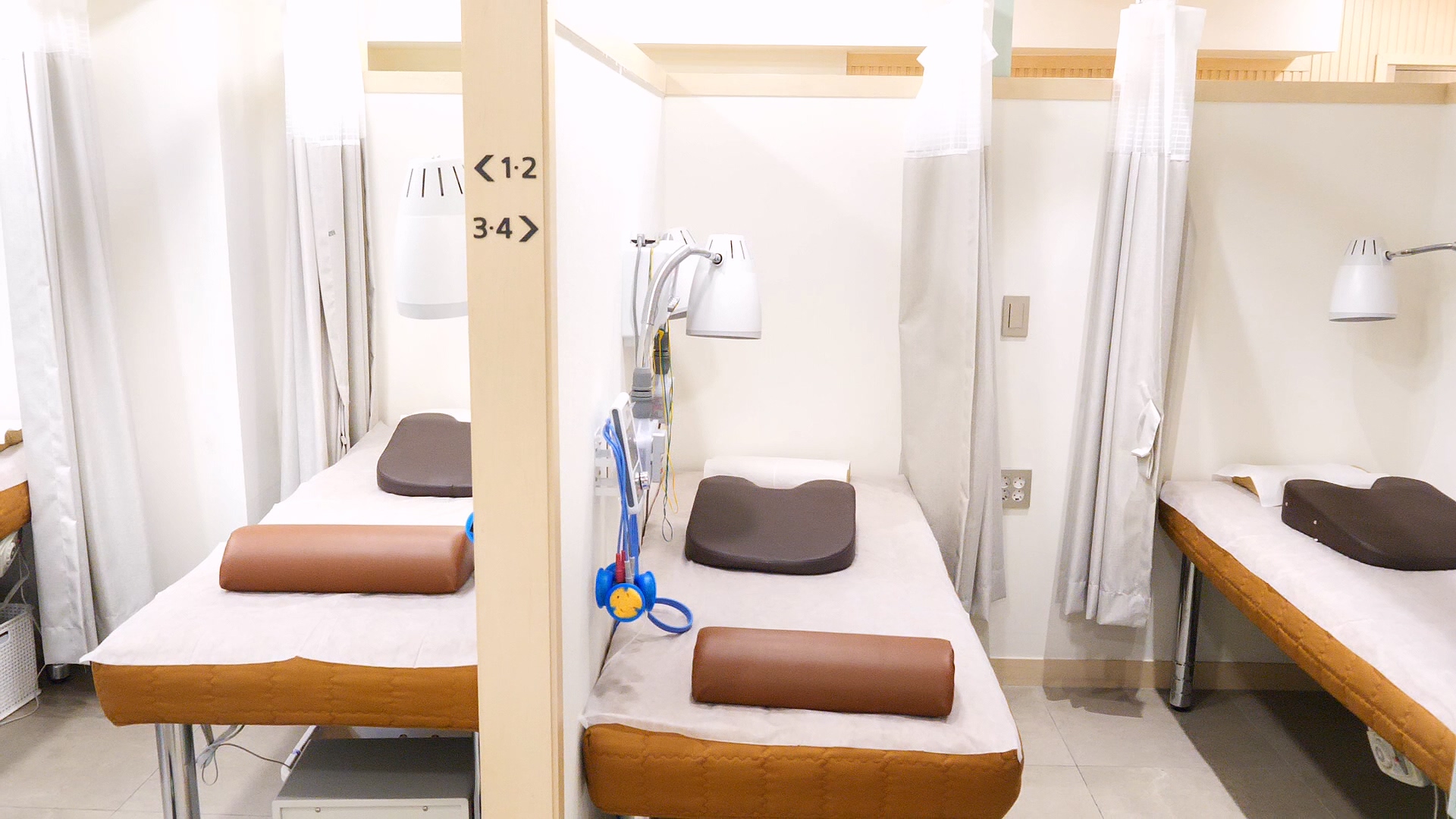
These treatments are often categorized into specific disciplines, with Chuna and Chiropractic being among the most prominent. While both approaches share the objective of restoring structural integrity, they originate from different philosophical backgrounds and employ distinct methodologies to achieve clinical results. In this guide, I will explain the technical nuances that define each practice and how they contribute to long-term health.
Understanding Manual Therapy: Chuna vs. Chiropractic Definitions
Manual therapy is defined as the application of hands-on techniques by a trained professional to diagnose and treat functional impairments within the joints and soft tissues. This clinical approach focuses on improving the range of motion and reducing inflammation by addressing structural deviations. In a professional setting, manual therapy serves as a foundation for rehabilitative care, particularly for individuals suffering from chronic back or neck issues. By manipulating specific anatomical landmarks, practitioners aim to facilitate the body's natural healing processes and restore efficient biomechanical movement across the entire skeletal system.
Defining Chiropractic as a Spinal Centric Approach
Chiropractic is a healthcare discipline that focuses primarily on the relationship between the structure of the spine and the function of the nervous system. Developed in the late 19th century, this practice centers on the concept of spinal subluxation, which refers to minor misalignments that can interfere with neural signaling. Chiropractors use specific adjustments to correct these issues, aiming to optimize the body's innate ability to maintain health without the use of drugs or invasive surgery. In a typical session, the practitioner evaluates the patient's posture and uses specialized tools or manual force to realign vertebrae. Chiropractic focuses on spinal and neurological health, addressing the relationship between the vertebrae and the nervous system. Patients often seek this care for relief from acute headaches and sciatica caused by nerve compression.
Chuna Therapy: A Holistic Korean Traditional Medicine Technique
Chuna therapy is a comprehensive manual treatment rooted in Korean traditional medicine that addresses the body as an interconnected system of bones, muscles, and energy flow. Unlike therapies that focus solely on the hard structures, Chuna emphasizes the restoration of balance between the skeletal frame and the surrounding soft tissues, such as fascia and ligaments. This technique involves varying degrees of pressure and mobilization to release adhesions and improve the body's internal environment. At Bonecure, we utilize Chuna to correct structural imbalances that lead to chronic pain and autonomic dysfunction. Rather than simply relieving symptoms, we focus on identifying the root causes of pain. This holistic perspective allows for a more nuanced treatment plan that addresses both the symptomatic pain and the underlying structural weaknesses. It is particularly beneficial for complex cases involving chronic fatigue or digestive issues linked to spinal misalignment.
The Shared Goal of Restoring Structural Integrity
Despite their different origins, both Chuna and Chiropractic share the ultimate objective of restoring structural integrity to the human frame. Both disciplines recognize that a misaligned skeletal system leads to restricted movement and chronic inflammation. By correcting these deviations, both practices aim to enhance the patient's quality of life. They rely on the practitioner's ability to palpate subtle shifts in the anatomy and apply the appropriate corrective force. Furthermore, both methods emphasize the importance of preventative care, encouraging patients to maintain proper alignment. Whether through high-speed thrusts or intensive mobilization, the target remains the same: a balanced body capable of performing daily activities without pain. By prioritizing structural health, these techniques offer a pathway to recovery that avoids more aggressive medical interventions.
Technical Comparison: Chiropractic Spinal Alignment vs. Chuna Structural Balancing
Technique comparison in manual therapy refers to the analysis of the specific forces, vectors, and speeds used by practitioners to adjust the musculoskeletal system. This involves looking at how much force is applied to a joint and whether the focus is on the hard bone or the surrounding soft tissue. Understanding these technical differences is essential for patients to choose the treatment that best aligns with their physical sensitivity and clinical needs.
The High Velocity Low Amplitude Technique in Chiropractic
Chiropractic care is widely known for the High Velocity Low Amplitude (HVLA) technique, which involves a quick, shallow thrust applied to a specific joint. This maneuver often results in a distinct popping sound, known as cavitation, which is the release of gas bubbles from the joint fluid. The goal of HVLA is to restore joint mobility by overcoming the resistance of restricted segments in the spine. This sudden movement can provide relief from pressure on the spinal nerves. In 2026, research continues to support the efficacy of these targeted adjustments for acute mechanical back pain. However, because of the speed and force involved, this technique requires precise diagnostic mapping to ensure safety. It is generally most suitable for patients with stable bone density who can tolerate rapid structural changes.
Adhesion Release and Intensive Correction in Chuna
Chuna therapy at Bonecure incorporates a broad spectrum of techniques, ranging from soft tissue mobilization to assertive joint corrections. This approach recognizes that muscles and ligaments often hold the memory of poor posture, necessitating their release to ensure structural stability. Our Chuna process is designed to be highly compressed and impactful, focusing on intensive adhesion release and structural alignment. This preparation makes the subsequent skeletal adjustment more effective. Chuna addresses both soft tissue and skeletal alignment simultaneously. This dual focus helps resolve deep-seated adhesions, supporting the stability of the joint after the structural adjustment. Patients with chronic stiffness often find this multi-layered approach to be exceptionally beneficial for their functional restoration. However, it is important to note that results may vary depending on the patient's individual condition.
The Role of Internal Medicine and Energy Flow in Korean Traditions
In the context of Korean traditional medicine, Chuna is never performed in isolation from the patient's overall internal health. The technique is deeply integrated with the concept of the flow of energy through the meridian system. Practitioners believe that structural blockages can impede the flow of energy, leading to internal ailments like indigestion or insomnia. By applying manual therapy with an understanding of these internal connections, the treatment becomes a gateway to systemic health. This integration allows Chuna to incorporate internal health perspectives based on Korean traditional medicine alongside physical structural care. For instance, when treating a patient at Bonecure for neck pain, we also consider the health of the autonomic nervous system. This ensures that the recovery is not just structural but also metabolic. This holistic foundation is what allows for the management of complex disorders through manual intervention.
Comparative Analysis of Chuna and Chiropractic
Comparative analysis involves evaluating the strengths and indications for different therapeutic modalities. By comparing Chuna and Chiropractic, we can identify which provides the most suitable intervention for a specific set of symptoms. Factors such as the chronicity of the pain and the patient's overall constitution all play a role in this decision-making process.
| Feature | Chiropractic | Chuna Therapy |
|---|---|---|
| Origin | United States (Late 19th Century) | Korea (Traditional Roots) |
| Primary Focus | Spinal subluxation and nerves | Structural balance and soft tissue |
| Core Technique | HVLA (High Velocity Low Amplitude) | Impactful pressure and joint mobilization |
| Auxiliary Tools | Drop tables, activators | Acu-needle (Chimdo), herbal medicine |
| Treatment Scope | Mainly musculoskeletal/neurological | Musculoskeletal and internal medicine |
| Philosophy | Biomechanical and neurological | Holistic and meridian-based |
| Typical Sensation | Rapid thrust, audible popping | Intensive stretching and release |
| Clinical Focus | Nerve decompression | Adhesion release and root cause recovery |
Integrated Care: Why Chuna Often Includes Acupuncture for Back Pain
One of the most significant advantages of choosing a Korean medicine clinic for structural issues is the integration of multiple modalities. Acupuncture for back pain: Structural Alignment and Root Cause Recovery is frequently combined with Chuna to enhance the therapeutic effect. While Chuna adjusts the physical frame, acupuncture helps to modulate the nervous system and reduce the local inflammatory response. This synergy allows for a rapid reduction in pain. At Bonecure, we find that patients who receive integrated care often experience immediate changes in their symptoms. This evidence-based combination addresses both the structural and the physiological aspects of healing, providing a comprehensive solution for chronic suffering. Note that for chronic cases, multiple sessions may be required to maintain long-term stability.
Symptom Specific Selection: Which Therapy Suits Your Condition
Choosing between Chuna and Chiropractic often depends on the specific nature of the symptoms. Chiropractic is highly effective for those seeking targeted adjustments for acute spinal issues like a sudden neck crick. On the other hand, Chuna is often preferred for chronic conditions where soft tissue tension and structural deviations are deeply ingrained. Patients suffering from recurring joint mobility issues may benefit from the systemic approach of Chuna. At our Cheongdam-dong Acupuncture Clinic: A 2026 Professional Guide to Structural Recovery at BonCure, we assess each individual to determine the best course of action. It is important to note that results can vary based on individual factors such as age and activity level. Consulting with a qualified professional is the only way to ensure the chosen therapy is safe and effective.
Oriental Medicine for Chronic Pain: Beyond Manual Adjustment
Oriental medicine for chronic pain involves a multi-faceted strategy that goes beyond simple manual adjustments. This system recognizes that pain is often the result of long-term structural decay and systemic imbalances. By utilizing a diverse toolkit, practitioners can address the root causes of pain from multiple angles simultaneously.
Traditional Korean Medicine Treatment and Structural Recovery
Traditional Korean medicine treatment focuses on the restoration of the body's natural state of equilibrium. When structural deviations occur, they create stagnation, which leads to chronic pain. Chuna acts as a primary tool to remove these physical blockages, while other therapies support the metabolic side of recovery. At Bonecure, we emphasize that structural recovery is a process that requires the body to adapt to a healthier configuration. This process is supported by the use of customized herbal formulas that nourish the tendons and ligaments. Patients who receive this type of comprehensive care often report a significant improvement in their overall sense of well-being. Success is measured by the patient's ability to return to the activities they love with minimal discomfort.
The Clinical Application of Acu-needle Therapy for Adhesion
In cases where chronic pain is caused by severe tissue adhesion, we utilize the Acu-needle (Acupotomy/Chimdo). This technique involves a specialized needle with a small flat blade designed to physically release scarred tissues that restrict movement. Adhesions are common in long-term conditions where the body has attempted to heal itself by creating tough, fibrous tissue. Dr. Song Jeong-hyeon uses this precision tool to break down these barriers, allowing Chuna therapy to be much more effective. This intervention is often the key to restoring mobility. For instance, in a case involving 18 years of chronic symptoms, the patient saw significant functional improvements after targeted adhesion release. While this procedure is more intensive than traditional acupuncture, it is highly effective for localized structural restoration. Patients should be aware of potential temporary soreness or minor bruising following this specialized treatment.
Combining Moxibustion and Cupping for Enhanced Circulation
To complement the structural work of Chuna, many practitioners use moxibustion and cupping to further enhance circulation. Moxibustion helps to warm the meridians and dispel coldness that causes muscles to contract. Cupping therapy uses suction to pull blood flow into the muscle layers, effectively flushing out metabolic waste. These techniques are particularly useful for patients with chronic back pain who suffer from persistent muscle knots. By improving the blood supply to the spinal structures, we provide the nutrients necessary for repair. At Bonecure, we integrate these traditional methods to ensure that the structural changes achieved through Chuna are supported by a healthy physiological environment. These supportive therapies help to relax the patient, making the manual adjustments more effective.
Patient Safety and Choosing a Korean Medicine Clinic in Cheongdam
Patient safety in manual therapy is paramount and requires a thorough diagnostic process. Choosing a qualified clinic ensures that the practitioner has the expertise to recognize when a specific adjustment is appropriate. In a professional setting, a detailed health history and physical examination are the first steps toward a safe recovery. This ensures that the patient is an active participant in their own health journey.
Clinical Notes on Structural Deviations and Correction
Maintaining detailed clinical notes is essential for tracking the progress of structural correction. At our facility, we utilize objective imaging such as Whole Spine X-rays to identify specific deviations in the spinal curvature and pelvic alignment. These images provide a roadmap for the Chuna therapy, allowing us to apply force only where it is truly needed. By documenting changes over time, we can adjust the treatment plan based on how the body is responding. When visiting Bonecure in Cheongdam, patients can expect a thorough review of their structural status before each session. This level of precision is a key aspect of professional structural restoration, ensuring that adjustments are targeted to the patient's specific anatomical needs.
Understanding Individual Variability and Potential Side Effects
It is vital for patients to understand that the response to manual therapy can vary significantly between individuals. Factors such as age and the duration of the condition can influence how the body reacts. While Chuna and Chiropractic are generally safe when performed by professionals, there are potential side effects. These can include temporary muscle soreness, mild fatigue, or localized bruising at the site of Acu-needle application. We emphasize that these responses are typically part of the body's natural healing process and should resolve within a few days. At Bonecure, we recommend that patients stay hydrated and engage in light movement following their sessions. Always inform your practitioner of any unusual symptoms or concerns you have during or after the treatment.
What to Expect During Your Consultation with a Korean Medicine Doctor
During a consultation with a Korean medicine doctor, the focus is on a comprehensive evaluation of your structural and internal health. The doctor will perform various physical tests, such as checking your range of motion and postural balance. At Bonecure, we believe in a transparent consultation process where all findings are clearly explained. You will be provided with a customized treatment plan that outlines the recommended frequency of Chuna sessions and supporting therapies. Unlike traditional long-term plans that promise results only after many months, we aim for immediate symptomatic changes while working toward long-term stabilization. This initial consultation is the most important step toward regaining your mobility and living a pain-free life.
Frequently Asked Questions
Q. What is the primary difference between Chuna and Chiropractic?
While both focus on structural alignment, Chiropractic primarily uses high-speed thrusts to adjust the spine. Chuna, a traditional Korean medicine treatment, combines impactful joint mobilization with intensive soft tissue manipulation and Acu-needle therapy to release adhesions and restore the body's overall balance.
Q. Is Chuna therapy effective for chronic back pain?
Yes, Chuna is frequently used to manage chronic back pain by correcting skeletal misalignments and releasing adhesions that cause strain. When combined with acupuncture, it helps release deep-seated muscle tension. Effectiveness depends on individual factors, and a consultation is necessary to determine the appropriate plan.
Q. Can I receive acupuncture and Chuna on the same day?
At Bonecure, patients frequently receive integrated care where acupuncture and Chuna are performed in the same session. This synergy can provide a more comprehensive approach to pain management by addressing both the structural frame and the inflammatory response, often leading to immediate functional improvements.
Q. Does manual therapy have any side effects?
Some patients may experience temporary soreness, mild fatigue, or minor bruising, especially after Acu-needle (Chimdo) sessions. These are normal parts of the healing response as the body adjusts to new alignment and tissue release. It is essential to discuss your medical history with your doctor beforehand.
Q. How many sessions are typically required to see results?
At Bonecure, we do not follow a fixed rule of 10 or 20 sessions. Many patients experience immediate changes in symptoms and movement from the first session. The total duration of care is personalized based on your condition's complexity and your body's response to the initial treatments.
Q. Is Chuna safe for elderly patients?
Yes, Chuna can be adapted for elderly patients by using gentler, yet impactful, mobilization techniques rather than high-force adjustments. The practitioner will assess bone density and overall health to ensure the treatment is safe for managing age-related structural changes.
Q. Should I bring my X-rays to the first consultation?
Yes, if you have recent X-rays or MRI scans, please bring them to your consultation at Bonecure. These images provide objective data about your spinal alignment. If you do not have them, the doctor may recommend imaging to ensure a safe and precise treatment plan is developed for you.
Key Takeaways
- Technical Distinction: Chiropractic focuses on rapid spinal adjustments (HVLA), while Chuna integrates impactful soft tissue work and adhesion release.
- Immediate Improvement: At Bonecure, we aim for immediate changes in symptoms and function rather than long, mandatory session counts.
- Precision and Safety: Professional clinics use objective imaging like X-rays to map out structural deviations before applying corrective force.
- Root Cause Focus: Using tools like the Acu-needle (Chimdo), we address the root causes of chronic pain by releasing deep-seated adhesions.
- Holistic Wellness: Chuna addresses the entire body's functional balance, including internal health and the autonomic nervous system.
I hope this guide has clarified the differences between these two powerful manual therapies. Understanding your options is the first step toward a healthier, more balanced life.
Sincerely, Bonecure / Dr. Song Jeong-hyeon
FAQ
- What is the primary difference between Chuna and Chiropractic?
- While both focus on structural alignment, Chiropractic primarily uses high-speed thrusts to adjust the spine and nervous system. Chuna, a traditional Korean medicine treatment, combines joint mobilization with extensive soft tissue manipulation and often incorporates meridian theories for a more holistic recovery. This means Chuna often takes a more comprehensive approach to the muscles and ligaments surrounding the bone.
- Is Chuna therapy effective for chronic back pain?
- Yes, Chuna is frequently used to manage chronic back pain by correcting the underlying skeletal misalignments that cause strain. When combined with acupuncture, it can help release deep-seated muscle tension and reduce inflammation. However, the effectiveness can vary based on the severity of the condition and the patient's individual physical state.
- Can I receive acupuncture and Chuna on the same day?
- At Bonecure, patients frequently receive integrated care where acupuncture and Chuna are performed in the same session. This combination can often provide a more comprehensive approach to pain management by addressing both the structural frame and the nervous system. Using these two modalities together can often lead to faster functional improvements than using either one alone.
- Does manual therapy have any side effects?
- Some patients may experience temporary soreness, mild fatigue, or slight bruising at the treatment site after a session. These are generally normal parts of the body's healing response as it adjusts to a new alignment. It is always essential to discuss your medical history with your doctor beforehand to minimize any risks.
- How many sessions are typically required to see results?
- Treatment plans vary significantly based on the individual's condition and how long the issue has been present. While some patients notice relief after just one or two sessions, chronic or severe structural issues often require 10 to 20 sessions over several weeks to achieve stable functional restoration. Consistency is key to ensuring the body maintains its new, healthy alignment.
- Is Chuna safe for elderly patients?
- Yes, Chuna can be adapted for elderly patients by using gentler mobilization techniques rather than high-force adjustments. The practitioner will assess bone density and overall health to ensure the treatment is safe and appropriate. It can be very helpful for maintaining mobility and managing the discomfort associated with age-related structural changes.
- Should I bring my X-rays to the first consultation?
- If you have recent X-rays or MRI scans, it is very helpful to bring them to your initial consultation at Bonecure. These images provide valuable objective data about your spinal alignment and any underlying structural issues. If you do not have them, the doctor may recommend imaging to ensure a safe and precise treatment plan is developed for you.