
Post
The Long-Term Risks of Ignoring Minor Structural Bone Misalignments: A 2026 Bonecure Guide
Hello, I am Dr. Song Jeong-hyeon, a Korean Medicine Doctor who has focused on structural restoration through acupotomy for many years.
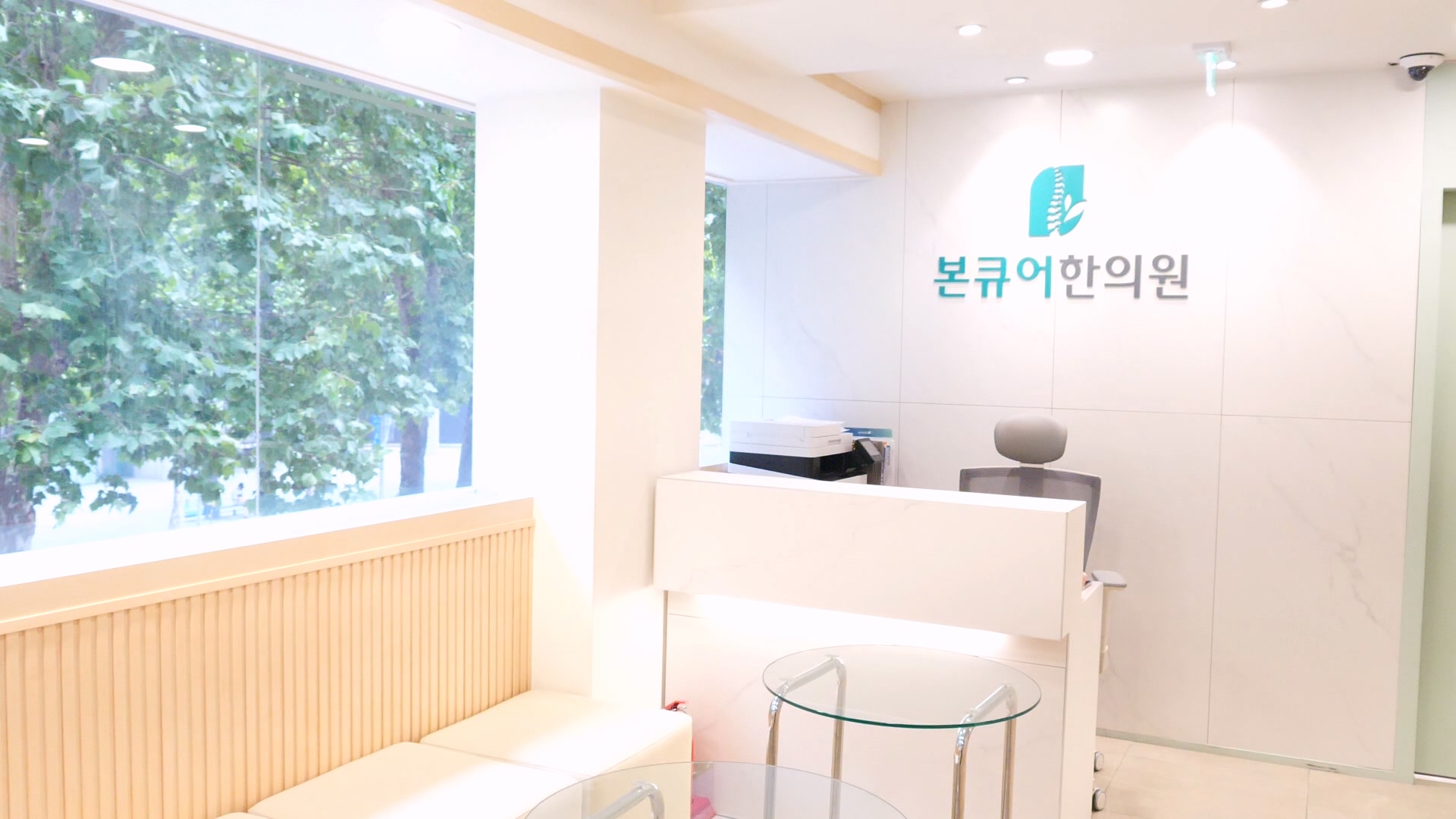
Structural bone misalignment refers to subtle deviations in the skeletal framework that can lead to systemic dysfunction if left unaddressed. This article explores the hidden risks of ignoring these minor shifts and how integrative care can restore balance to your life.
Understanding Structural Bone Misalignment and Its Hidden Dangers
Structural bone misalignment is defined as a deviation from the body’s optimal anatomical axis, which can disrupt the delicate balance between the musculoskeletal and nervous systems. Even when these shifts are too small to be labeled as fractures or dislocations, they alter the way mechanical stress is distributed across the joints and soft tissues.
Defining Subtle Shifts in the Spine and Pelvis
Structural bone misalignment refers to subtle deviations in the skeletal framework that often escape the notice of standard diagnostic imaging but significantly impact bodily function. These minor shifts, particularly in the spine and pelvis, represent a disruption in the body’s architectural integrity. When a single vertebra or the pelvic girdle rotates even a few degrees, it forces the surrounding soft tissues to compensate through abnormal tension. In my clinical experience at Bonecure, I have observed that these deviations frequently originate from repetitive postural habits or old injuries that were never fully addressed. While the body is remarkably resilient, it cannot indefinitely maintain balance when its primary support structure is compromised. A deviation as small as 5 degrees in the pelvic tilt can alter the weight distribution across the knees and ankles, potentially leading to asymmetrical wear on the joints. Understanding these subtle shifts is the first step in preventing a cascade of musculoskeletal issues that could manifest years later.
The Common Misconception of No Pain No Problem
Many patients believe that the absence of acute pain indicates a state of perfect health, yet this is often a dangerous misconception. In the context of structural health, pain is a late-stage signal that the body’s compensatory mechanisms have finally been exhausted. Minor bone misalignments can exist for years, quietly causing micro-trauma to the nervous system and surrounding ligaments without triggering a nociceptive response. In my clinical experience, even long-standing issues like chronic tinnitus can sometimes be linked to persistent cervical structural imbalances that were previously overlooked due to a lack of acute neck pain. By the time symptoms appear, the underlying structural issues are often deeply entrenched. It is crucial to recognize that the lack of discomfort does not guarantee structural stability. Proactive assessment at a specialized clinic allows for the identification of these silent misalignments before they transition into debilitating chronic conditions that are much harder to resolve.
Why Early Intervention Prevents Degenerative Changes
Early intervention may help reduce the risk of degenerative changes that can follow long-term structural neglect, though results may vary. When bones remain misaligned, the constant friction and uneven loading on cartilage lead to premature osteoarthritis and disc degeneration. Based on my clinical observations, a significant number of adults will experience persistent back pain, and a substantial portion of these cases could be mitigated by addressing structural deviations in their early stages. By addressing subtle shifts in the atlas or lumbar spine early on, it may help reduce the risk of developing bone spurs and chronic inflammation over time, though individual results can vary. At Bonecure, we emphasize that restoring alignment early on preserves the longevity of the joints and ensures that the body’s natural healing processes can function without mechanical interference. Investing in structural integrity early may help reduce the risk of future complications, though the effectiveness of non-surgical recovery options can vary depending on individual circumstances.
Long Term Health Risks of Persistent Structural Imbalances
Persistent structural imbalances are not merely local issues; they act as systemic stressors that degrade the body's overall vitality over time. When the framework is skewed, every subsequent movement reinforces a dysfunctional pattern that affects nerves, vessels, and organs.
From Musculoskeletal Tension to Chronic Nerve Irritation
Persistent skeletal deviations inevitably lead to chronic nerve irritation as the surrounding soft tissues tighten to protect the misaligned area. This tension creates a restrictive environment for the peripheral nerves, leading to symptoms like numbness, tingling, or localized weakness. In many cases, what is diagnosed as simple muscle strain is actually a manifestation of the nervous system reacting to structural pressure. My clinical notes often highlight that even a minor rotation in the cervical spine can compress the nerves serving the upper extremities, leading to reduced grip strength or persistent headaches. Over time, this constant irritation can lead to chronic pain syndromes that are resistant to traditional painkillers. By addressing the structural root through integrated care, we can alleviate the mechanical pressure on the nervous system. However, patients must understand that long-standing nerve irritation may require a dedicated series of treatments to achieve functional restoration.
Impact on the Autonomic Nervous System and Internal Vitality
The relationship between spinal alignment and the autonomic nervous system is a cornerstone of structural medicine. The spine houses the central nervous system, and any persistent misalignment can create mechanical pressure on the nerves that regulate involuntary functions such as digestion, heart rate, and sleep cycles. At Bonecure, we frequently see patients who present with unexplained fatigue or digestive distress that is actually a secondary symptom of long-term structural neglect. For example, a chronic deviation in the thoracic spine can interfere with the sympathetic nerve chain, leading to a state of persistent physiological stress. Addressing these imbalances through structural correction has been shown to improve autonomic stability, as seen in cases where patients report better sleep quality after their spinal alignment is restored. It is vital to view the skeleton not just as a mechanical frame, but as a protective housing for the electrical wiring of the entire body, where even minor interference can have widespread consequences.
The Cumulative Effect on Joint Longevity and Cartilage Health
Ignoring minor misalignments creates a cumulative negative effect on joint longevity and the health of articular cartilage. Joints are designed to distribute weight evenly across their surfaces; however, a structural shift of even a few degrees can focus that weight on a very small area, leading to rapid wear and tear. This mechanical imbalance often results in a significant increase in localized joint pressure, significantly accelerating the aging process of the skeletal system. In my experience, patients who ignore these shifts in their 30s often present with advanced degenerative disc disease by their 50s. While the body attempts to repair this damage, the constant mechanical stress outpaces the regenerative capacity of the cartilage. Corrective care focuses on redistributing these forces to help reduce further joint damage, though outcomes depend on individual conditions. It is important to note that while structural restoration can significantly improve joint function, the results depend on the degree of existing wear, making early detection and correction essential for maintaining mobility throughout one's life.
Integrative Solutions for Chronic Pain in Korean Traditional Medicine
Traditional Korean Medicine offers a sophisticated framework for addressing structural issues by combining physical realignment with the restoration of the body's internal energy and circulation.
Utilizing Specialized Acupuncture for Back Pain and Joint Mobility
Specialized acupuncture for back pain plays a critical role in correcting structural issues by addressing the muscular imbalances that pull bones out of their optimal alignment. In many chronic cases, muscles on one side of the spine become hyper-tense, while the opposing muscles become weak, creating a tug-of-war that the skeleton eventually loses. By targeting specific neuromuscular trigger points, we can signal the nervous system to release this chronic tension, allowing the spine to return to its natural position. In my clinical practice at Bonecure, I have utilized these techniques across thousands of cases to facilitate structural recovery. This method is particularly effective when combined with postural retraining, as it clears the physical obstacles to movement. While traditional needles are effective for superficial relaxation, deeper structural issues often require a more comprehensive approach. As with any procedure, there may be temporary soreness, bruising, or other side effects. It is important to note that individual recovery rates vary, and most patients require a consistent treatment plan to achieve lasting results in their structural health.
Synergistic Effects of Chuna Therapy and Pharmacopuncture
While acupuncture addresses the tension, Chuna therapy and pharmacopuncture provide essential synergistic effects by improving alignment and reducing deep-seated inflammation. Chuna therapy uses manual manipulation to encourage bones to return to their optimal positions, which is vital for structural repair. Pharmacopuncture, on the other hand, involves the injection of herbal extracts into specific points to help release the myofascial layers that often become stuck or adhered to the underlying bone. Together, these treatments create an internal environment that is conducive to structural change. However, these treatments may cause temporary soreness or bruising, and individual responses can vary. For patients with long-term imbalances, these therapies help to soften the rigid tissues that otherwise resist alignment efforts. In my clinical observations, integrating these methods can significantly enhance the overall efficiency of structural restoration compared to using single-modality treatments. These time-tested techniques remain foundational to the integrative approach of restoring balance and vitality to the entire body.
The Scientific Basis of Traditional Korean Medicine Treatment
Modern research continues to validate the scientific basis of Traditional Korean Medicine in the realm of structural health. Studies have shown that specific acupuncture points can modulate the release of endorphins and regulate the autonomic nervous system, providing more than just temporary pain relief. By utilizing evidence-based documentation, we can track the measurable progress of structural changes, such as the restoration of the cervical curve or the leveling of the pelvis. In cases of structural restoration, we often see significant improvements in objective health markers, including nerve conduction velocity and inflammatory cytokine levels. At Bonecure, we combine these traditional insights with modern diagnostic tools to ensure a precise and effective treatment strategy. This evidence-first approach allows us to refine our techniques for each individual, ensuring that we are addressing the root structural cause rather than merely managing symptoms. While the path to recovery for chronic misalignments can be complex, the integration of clinical experience and scientific validation provides a reliable framework for achieving long-term health and stability.
Bonecure Structural Approach to Deep Tissue Restoration
Our clinic focuses on the deep-seated adhesions that prevent the body from maintaining a healthy alignment. We move beyond surface treatments to reach the core of structural dysfunction.
| Feature | Traditional Acupuncture | Acupotomy (Dochim) |
|---|---|---|
| Primary Tool | Fine, flexible needle | Blade-tip specialized needle |
| Main Goal | Meridian flow & muscle relaxation | Releasing tissue adhesions (adhesiolysis) |
| Depth of Action | Superficial to Moderate | Deep structural layers |
| Chronic Focus | General pain management | Hardened, fibrotic tissues |
| Treatment Time | Typically 15-30 minutes | Precise, localized application |
The Role of Acupotomy in Releasing Chronic Adhesions
Acupotomy, often referred to as Dochim therapy, is a specialized technique that bridges the gap between traditional acupuncture and surgical intervention. This procedure utilizes a unique, blade-tipped needle designed to release chronic adhesions within the soft tissues that have formed due to long-term structural misalignments. When bones are out of place for extended periods, the surrounding fascia and muscles become fibrotic, effectively locking the skeleton into a dysfunctional position. At Bonecure, we use this precision tool to break down these hardened tissues, which may help improve functional recovery and support structural stability, though individual results may vary. While this method may help improve range of motion, possible side effects include temporary soreness, bruising, or minor bleeding, and results may vary. This specialized approach is designed to address the root cause of structural dysfunction, though the degree of improvement can vary by individual.
Comparing Symptom Management with Structural Correction
There is a fundamental difference between managing the symptoms of a misalignment and correcting the structure itself. Symptom management, such as medication or massage, can be helpful for temporary relief. Structural correction, such as the precision work performed at our clinic, aims to address underlying mechanical factors, and the choice of treatment depends on the patient's specific condition. For instance, in cases where sensory functions are affected by cervical misalignment, the treatment focus is on restoring the structural integrity of the neck to support the body's natural recovery process. Symptom management and structural correction are different approaches, and the choice of treatment depends on the patient's specific condition and goals.
Clinical Insights from a Korean Medicine Doctor Blog
The goal of this Korean Medicine Doctor Blog is to provide patients with evidence-based insights into the intersection of traditional wisdom and modern structural science. Through detailed clinical notes and case studies, we aim to demystify how subtle bone misalignments can lead to complex systemic health issues. For instance, explaining the clinical mechanisms of scoliosis or chronic tinnitus provides better understanding for those seeking non-surgical alternatives for structural restoration. At Bonecure, we believe that education is a vital part of the healing process, empowering patients to take an active role in their recovery. By understanding the long-term risks associated with structural neglect, such as premature joint degeneration or nerve impingement, patients are better equipped to make informed decisions about their care. While every patient’s journey is unique, the common thread in all successful recoveries is a commitment to addressing the root structural cause rather than settling for temporary relief from surface-level symptoms.
Frequently Asked Questions
Q. What exactly qualifies as a minor structural bone misalignment?
Minor misalignments are subtle deviations in the spine or joints that do not immediately cause acute pain but alter the way weight is distributed across the body. These shifts can stem from poor posture or repetitive strain and may eventually lead to chronic tension if left unaddressed. Identifying these early is key to preventing long-term damage.
Q. Can minor misalignments resolve on their own without treatment?
While the body has some capacity to compensate, structural imbalances often worsen over time as muscles tighten to protect the misaligned area. Professional intervention like those offered at a specialized clinic is typically required to restore proper alignment and tissue health. Ignoring them may increase the risk of degenerative changes over time, though individual outcomes can vary.
Q. How does integrated treatment assist in correcting structural issues?
Treatments like Chuna and acupuncture help by relaxing the deep musculature and manually correcting the position of the bones. By reducing inflammation and improving local circulation, it creates an environment where the skeletal structure can return to its optimal state more easily. However, as with any procedure, there may be temporary soreness or other side effects, and individual responses can vary.
Q. What is the Bonecure philosophy regarding bone health?
At Bonecure, we believe that when your bones smile, life smiles. This means focusing on the root structural integrity of the body to ensure that the nervous system and internal organs can function without the interference caused by skeletal pressure. We view the body as an integrated whole, not just a collection of parts.
Q. Are there any risks or side effects associated with acupotomy or Dochim therapy?
As with any clinical procedure, some patients may experience temporary soreness, minor bruising, or light bleeding at the site of treatment. These effects are generally short-lived and are a natural part of the tissue release process. It is important to consult with a qualified professional to discuss your specific health status before beginning treatment.
Q. How many sessions are typically required to see structural changes?
The duration of treatment varies significantly depending on the severity and chronicity of the misalignment. While some patients report immediate relief in mobility, long-term structural restoration often requires a consistent series of treatments based on individual clinical notes. For complex cases, a consistent treatment plan may be discussed based on the individual’s clinical needs.
Q. Why is it important to address the autonomic nervous system during structural treatment?
The spine houses the central nervous system, and when bones are misaligned, they can put pressure on nerves that regulate everything from digestion to heart rate. Addressing these imbalances through integrative medicine can help stabilize the autonomic nervous system and improve overall well-being. This leads to improvements in sleep, energy, and internal vitality.
Key Takeaways
- Silent Progression: Minor bone misalignments often exist without acute pain but lead to cumulative damage and nerve irritation over time.
- Systemic Impact: Structural neglect can disrupt the autonomic nervous system, affecting sleep, digestion, and overall internal vitality.
- Root Cause Focus: Acupotomy, Chuna, and specialized acupuncture address the deep tissue adhesions and muscular imbalances that cause skeletal shifts.
- Early Intervention: Addressing deviations as small as 5 degrees in pelvic tilt can prevent long-term joint degeneration and the need for more invasive procedures.
- Comprehensive Care: Bonecure focuses on structural restoration rather than mere symptom management to ensure sustainable, long-term health.
Bonecure Korean Medicine Clinic / Dr. Song Jeong-hyeon
FAQ
- What exactly qualifies as a minor structural bone misalignment?
- Minor misalignments are subtle deviations in the spine or joints that do not immediately cause acute pain but alter the way weight is distributed across the body. These shifts can stem from poor posture or repetitive strain and may eventually lead to chronic tension if left unaddressed. Identifying these early is key to preventing long-term damage.
- Can minor misalignments resolve on their own without treatment?
- While the body has some capacity to compensate, structural imbalances often worsen over time as muscles tighten to protect the misaligned area. Professional intervention like those offered at a specialized clinic is typically required to restore proper alignment and tissue health. Ignoring them often leads to permanent degenerative changes.
- How does acupuncture for back pain assist in correcting structural issues?
- Acupuncture helps by relaxing the deep musculature that pulls bones out of their natural position. By reducing inflammation and improving local circulation, it creates an environment where the skeletal structure can return to its optimal state more easily. It is an essential part of a comprehensive structural recovery plan.
- What is the Bonecure philosophy regarding bone health?
- At Bonecure, we believe that when your bones smile, life smiles. This means focusing on the root structural integrity of the body to ensure that the nervous system and internal organs can function without the interference caused by skeletal pressure. We view the body as an integrated whole, not just a collection of parts.
- Are there any risks or side effects associated with acupotomy or Dochim therapy?
- As with any clinical procedure, some patients may experience temporary soreness, minor bruising, or light bleeding at the site of treatment. These effects are generally short-lived and are a natural part of the tissue release process. It is important to consult with a qualified professional to discuss your specific health status before beginning treatment.
- How many sessions are typically required to see structural changes?
- The duration of treatment varies significantly depending on the severity and chronicity of the misalignment. While some patients report immediate relief in mobility, long-term structural restoration often requires a consistent series of treatments based on individual clinical notes. For complex cases, a 20-session plan is often recommended for stable results.
- Why is it important to address the autonomic nervous system during structural treatment?
- The spine houses the central nervous system, and when bones are misaligned, they can put pressure on nerves that regulate everything from digestion to heart rate. Addressing these imbalances through integrative medicine can help stabilize the autonomic nervous system and improve overall well-being. This leads to improvements in sleep, energy, and internal vitality.