
Post
A 2026 Clinical Guide to Stress Management: Holistic Therapy and Structural Recovery
Greetings. I am Dr. Song Jeong-hyeon, a practitioner specializing in acupotomy and structural restoration at BonCure Korean Medicine Clinic.
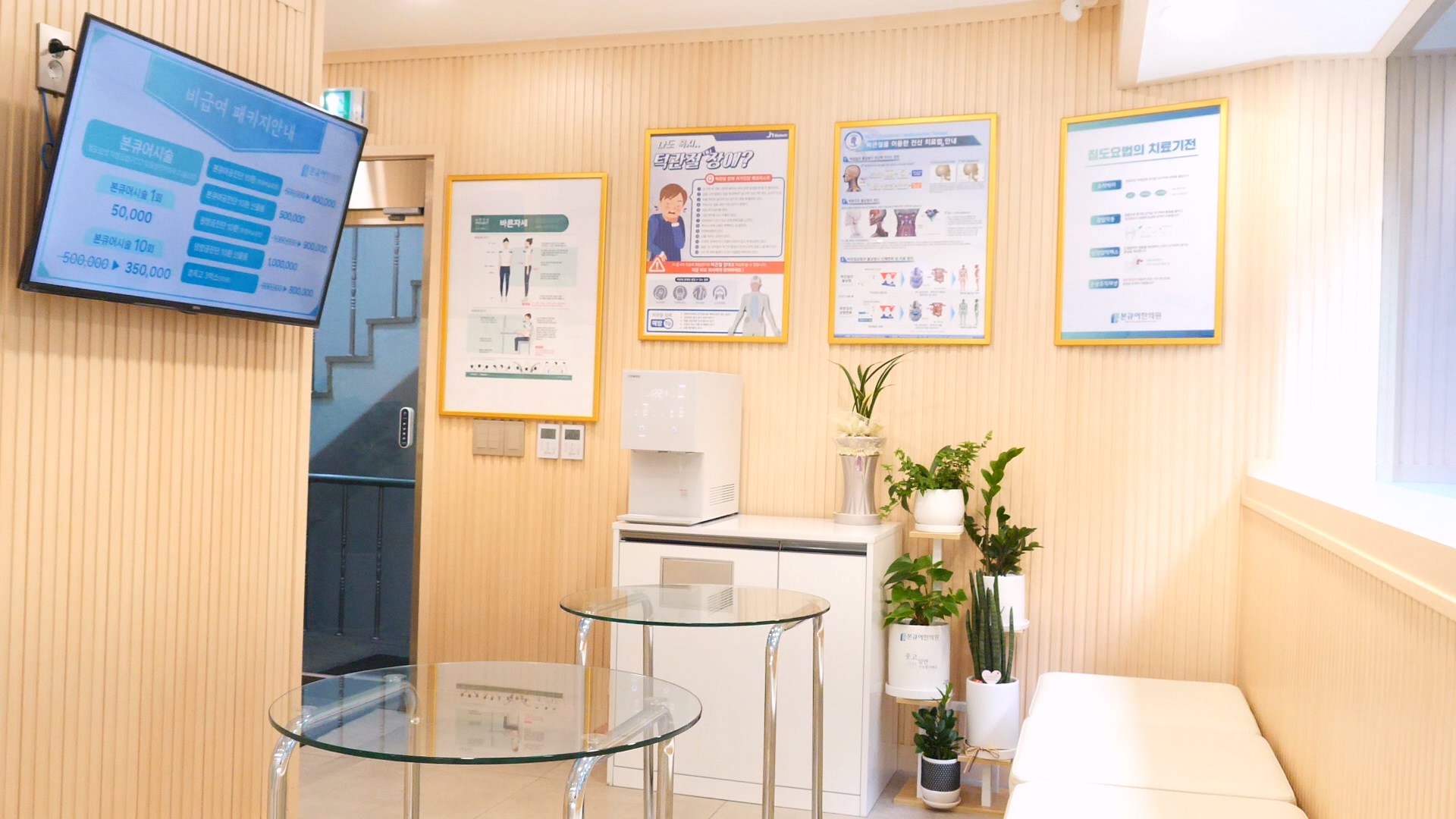
In my practice, stress management is not merely a psychological exercise but a comprehensive effort to restore physical and neurological integrity. Holistic stress management addresses the physiological foundations of chronic tension to improve mental resilience through structural balance.
What is Stress Management Through Holistic Therapy?
Holistic stress care at Bonecure is a therapeutic framework that treats psychological stress as a physical structural imbalance affecting the autonomic nervous system. By focusing on the spine and musculoskeletal system, I aim to release the physical manifestations of chronic stress, such as muscle adhesions and nerve entrapment. Unlike approaches that only address emotional symptoms, my therapy prioritizes the immediate restoration of structural alignment to support the body's internal systems without mechanical interference. It provides a foundation for the nervous system to transition from chronic alarm to restorative balance.
The Connection Between Physical Alignment and Mental Well-being
Stress is often perceived as an abstract emotional state, yet it manifests profoundly within the body's physical structure. When the spine loses its natural curvature, it places mechanical stress on the nervous system, potentially triggering inflammatory responses and neurochemical imbalances. Holistic stress management seeks to rectify these structural deviations. By addressing the physical tension that anchors stress in the body, I work to reduce overall anxiety levels. For instance, in clinical observations of patients with cervical misalignment, restoring the neck's C-curve is linked to improved cerebral blood flow and improved psychological scores. This structural approach ensures that mental well-being is supported by a stable physiological foundation. Structural Alignment and Autonomic Recovery: A 2026 Guide to Integrative Care at BonCure provides further insight into this essential mind-body connection.
Why Structural Health Matters for Stress Resilience
Resilience against modern stressors is heavily dependent on the efficiency of the autonomic nervous system. My therapeutic philosophy emphasizes that a misaligned spine acts as a constant source of physiological stress, depleting energy reserves and lowering the threshold for emotional exhaustion. When structural health is optimized, the body can navigate the 'fight or flight' response more effectively. Research involving spinal biomechanics suggests that deviations from the ideal spinal axis increase the workload on supporting musculature. By correcting these structural inefficiencies, I help restore the body's natural capacity to handle external challenges, promoting long-term health and vitality.
Core Methodologies of the Bonecure Approach
The framework of care at Bonecure focuses on two primary methodologies: Acupotomy and Chuna therapy. These techniques address deep-seated physical changes caused by prolonged tension. Using objective diagnostic tools like whole-spine X-ray analysis, I identify specific areas of structural compromise correlated with autonomic dysfunction. The goal is to create a clear pathway for the body's innate healing mechanisms. This data-driven approach allows for precise interventions tailored to your unique physiological needs.
Acupotomy: Releasing Physical Adhesions from Chronic Stress
Chronic stress leads to sustained muscle contraction, resulting in pathological adhesions and fibrotic changes within the fascia. At Bonecure, I utilize Acupotomy—a specialized treatment involving a blade-tipped needle—to physically release these hardened tissues. This procedure detaches the layers of muscle that entrap nerves and restrict circulation. I focus on immediate structural improvement; I do not follow a philosophy where patients must wait for 10 or more sessions to feel a change. Instead, I aim for immediate symptom relief that the patient can perceive. It is important to note that individual results may vary, and the procedure involves risks such as temporary soreness, minor bruising, or rare instances of localized infection. For more details, see A 2026 Clinical Guide to Acupotomy and Structural Recovery for Chronic Disorders at Bonecure.
Chuna Manual Therapy for Neurological Balance
Chuna manual therapy serves as a cornerstone of my holistic approach by manually repositioning joints and soft tissues. This technique involves precise manipulation to decompress spinal nerves irritated by poor posture or tension. By improving the alignment of the pelvis and craniosacral rhythm, Chuna therapy facilitates a shift toward parasympathetic activation, essential for recovery. Clinical observations indicate that regular structural realignment can improve heart rate variability, a key indicator of autonomic health, in patients presenting with chronic stress symptoms. This therapy actively works to rebalance the communication pathways between the brain and the body, fostering a deeper sense of physical ease.
Holistic Therapy vs. Conventional Stress Management
Comparing holistic therapy to conventional methods reveals a distinction between fundamental structural restoration and temporary symptomatic relief. While conventional management often relies on pharmacological interventions, it may not address the 'trapped stress' in the musculoskeletal system. Bonecure seeks to bridge this gap by correcting the physical distortions that keep the nervous system in a state of hyper-arousal. The following table highlights the differences in a clinical context.
| Feature | Conventional Symptomatic Relief | Bonecure Structural Restoration |
|---|---|---|
| Primary Focus | Neurochemical modulation | Spinal and fascial alignment |
| Target System | Central nervous system | Autonomic and structural systems |
| Mechanism | Medication or behavioral change | Acupotomy and Chuna therapy |
| Physical Goal | Reduced sensation of symptoms | Balanced spinal curvature (C-curve) |
| Recovery Type | Symptom-focused management | Structural-focused resilience |
| Evaluation | Subjective symptom reporting | Objective X-ray and Beck scales |
Long-term Benefits of Restoring Spinal Curvature
The long-term benefits of restoring the natural curvature of the spine go beyond simple pain relief. At Bonecure, I focus on whole-spine alignment to ensure that the gravitational load is distributed evenly, preventing premature wear. A healthy spinal curve acts as a shock absorber for both physical and physiological tolls. Stabilizing the lumbar and cervical curves provides a lasting foundation that prevents the recurrence of stress-related symptoms like chronic fatigue. By investing in the fundamental architecture of the body, individuals can achieve higher mental clarity and resilience even in high-stress scenarios. Completion of the recommended treatment cycle is encouraged to ensure these structural improvements remain stable.
Clinical Observations and Structural Transformations
Clinical observations at BonCure demonstrate that structural transformations are often accompanied by significant improvements in autonomic function. By documenting these changes through objective metrics like spinal angles and symptom scales, I provide evidence-first care. These observations suggest that when physical barriers are removed, the body has a remarkable capacity to regulate its own stress responses. The Clinical Philosophy of Dr. Song Jeong-hyun at BonCure Clinic explains the importance of this approach in managing complex chronic conditions.
Case Study: Parkinsonism and Autonomic Recovery
In my clinical practice, I have seen how structural correction impacts even severe neurological conditions. In July 2023, a patient diagnosed with Parkinson's disease and Parkinsonism, who showed poor response to dopamine medications, sought treatment. My assessment identified significant structural tension in the upper cervical region. I performed intense acupotomy to release adhesions in the suboccipital muscles and C1 transverse process, combined with structural correction. The patient experienced an immediate improvement in bradykinesia (slowness of movement) after just one session. While this case illustrates the power of structural restoration, it is important to remember that these results were specific to this individual and do not guarantee the same outcome for every patient. This case highlights the critical link between spinal alignment and neurological symptoms.
Personalized Treatment Focused on Immediate Results
I believe in providing treatment that is both efficient and impactful. At Bonecure, I do not use a one-size-fits-all protocol or demand a high number of sessions before results appear. I focus on immediate structural changes that the patient can feel during the first visit. I identify the specific areas where the structure is compromised—often where tissues have become fibrotic—and use acupotomy to release them. This systematic approach ensures that structural corrections provide a stable platform for continued mental and physical well-being. Progress is monitored through periodic X-rays and symptom scales to ensure the body is adapting correctly to the restored alignment.
Practical Considerations for Starting Your Journey
Starting holistic stress management involves understanding structural therapy and setting realistic expectations. At Bonecure, I prioritize patient education so you understand the 'why' behind your treatment. The process begins with a diagnostic phase using whole-spine X-rays to map your current state, followed by a corrective phase using targeted interventions. This approach ensures recovery is manageable and effective, allowing you to regain control over your health in a professional clinical environment.
What to Expect and Safety Guidelines
Before starting, it is vital to understand the procedural expectations at Bonecure. During the consultation, I perform a structural assessment and review your autonomic symptom history. When using Acupotomy, patients should be aware that the process involves a focused release of deep tissue, which may cause temporary soreness or mild bruising at the site for one to three days. As with any clinical procedure, there is a minor risk of infection, which we mitigate through strict medical-grade sterilization. My goal is immediate improvement, and I prioritize transparent communication regarding your specific condition and care plan to foster a collaborative environment for long-term health.
Frequently Asked Questions
Q. What exactly does holistic stress management mean at Bonecure?
At Bonecure, I view stress as a physical structural imbalance. My approach involves restoring the body's alignment, particularly the spine, to improve autonomic nervous system function. By aligning the body, I allow the nervous system to recover more effectively from environmental pressures.
Q. How does acupotomy help with stress-related symptoms?
Acupotomy uses a specialized tool to release adhesions in tissues hardened by chronic stress. By restoring normal tissue function and circulation, it helps alleviate physical symptoms like tension headaches. I focus on making structural changes that provide immediate relief that you can feel.
Q. Is the treatment painful, and are there any side effects?
Acupotomy involves a distinct sensation during the release of tissue adhesions, which many describe as a refreshing release. Potential side effects include temporary soreness, minor bruising, or rare instances of localized infection. We use strict hygiene protocols to ensure safety and comfort.
Q. How many sessions are typically required to see an improvement?
I do not prescribe a fixed number of sessions (such as '10 sessions are required'). My goal is for you to feel an immediate improvement in your symptoms and structure from the very first visit. While chronic conditions benefit from continued care to maintain stability, the change should be noticeable right away.
Q. Does structural therapy help with autonomic nervous system disorders?
Yes, clinical observations suggest that correcting spinal alignment can positively impact the autonomic system. By reducing pressure on nerve pathways, patients often report improvements in insomnia, palpitations, and anxiety. These outcomes are specific to each patient and require a professional assessment.
Q. How do you objectively measure the success of the therapy?
I use objective metrics like whole-spine X-ray analysis to track structural changes and standardized scales for symptoms like anxiety or dizziness. This data-driven approach ensures we are monitoring actual physiological progress rather than relying solely on subjective feelings.
Q. Can I combine this holistic therapy with other stress management techniques?
Yes, holistic therapy works best when integrated with a healthy lifestyle. I encourage patients to maintain proper posture and stress-reduction habits at home to complement the structural corrections made at Bonecure. Combining physical restoration with mental health practices often leads to the most lasting results.
Key Takeaways
- Stress manifests as a physical condition requiring structural alignment for comprehensive management.
- I utilize Acupotomy and Chuna therapy to release tissue adhesions and restore neurological balance with a focus on immediate results.
- Objective metrics, including X-rays, are used to track and verify physiological progress.
- Individual treatment plans are tailored to identify and correct the specific root causes of structural dysfunction.
- Safety and transparent communication regarding side effects like temporary soreness are fundamental to my practice.
For a consultation on your structural health and stress resilience, please contact us for professional guidance.
BonCure Korean Medicine Clinic / Dr. Song Jeong-hyeon
FAQ
- What exactly does holistic stress management mean at Bonecure?
- At Bonecure, we view stress not just as a mental state but as a physical imbalance. Our holistic approach involves restoring the body's structural alignment, particularly the spine, to improve autonomic nervous system function and enhance your natural resilience against stress. We believe that by aligning the body, we allow the mind to recover more effectively from environmental pressures.
- How does acupotomy help with stress-related symptoms?
- Acupotomy uses a specialized tool to release adhesions in hardened tissues caused by chronic stress. By restoring normal tissue function and blood flow, it helps alleviate physical manifestations of stress like tension headaches and chronic neck pain. However, it is important to remember that results can vary depending on the individual case and the chronicity of the condition.
- Is the treatment painful, and are there any side effects?
- While acupotomy involves a distinct sensation as it releases tissue adhesions, many patients describe the feeling as a 'refreshing release.' Potential side effects may include temporary soreness at the site, minor bruising, or rare instances of localized infection, which we manage through strict hygiene and sterilization protocols. We always prioritize patient comfort and safety throughout every step of the procedure.
- How many sessions are typically required to see an improvement in stress levels?
- The duration of treatment depends on the severity and chronicity of the individual's condition. While some individuals notice immediate relief in physical tension after just a few sessions, chronic cases involving significant structural misalignment often require a consistent plan over twelve to twenty-four weeks to stabilize the results. We develop a personalized timeline for each patient based on their specific needs.
- Does structural therapy help with autonomic nervous system disorders?
- Yes, our clinical observations and case reports suggest that correcting spinal alignment can positively impact the autonomic nervous system. By reducing structural pressure on nerve pathways, patients often report improvements in symptoms like insomnia, palpitations, and anxiety. However, these outcomes are specific to each patient's condition and require a professional assessment to determine potential efficacy.
- How do you objectively measure the success of the therapy?
- We utilize objective metrics such as whole-spine X-ray analysis to track structural changes and standardized scales for symptoms like dizziness, anxiety, or depression. This data-driven approach ensures that we are monitoring actual physiological progress rather than relying solely on subjective feelings. By comparing pre- and post-treatment data, we can accurately assess the effectiveness of the holistic plan.
- Can I combine this holistic therapy with other stress management techniques?
- Absolutely, as holistic therapy works best when integrated with a healthy lifestyle and other supportive habits. We encourage patients to maintain proper posture and practice stress-reduction techniques at home to complement the structural corrections made during our sessions at Bonecure. Combining physical restoration with mental health practices often leads to the most comprehensive and lasting results.