
Post
Structural Alignment and Autonomic Recovery: A 2026 Guide to Integrative Care at BonCure
Structural alignment therapy is a clinical approach that uses targeted intervention to restore balance within the skeletal system and the autonomic nervous system.
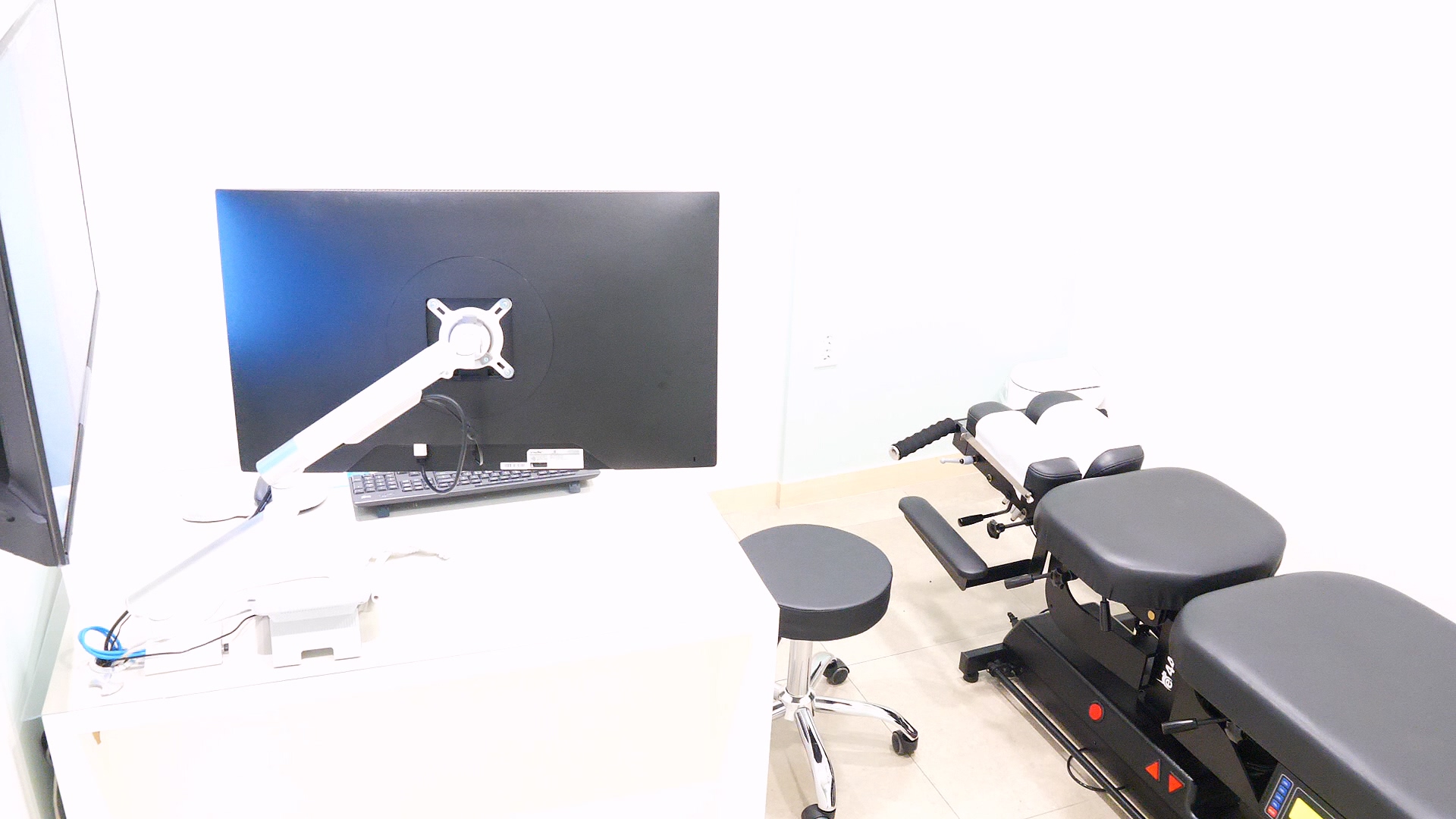
This guide explores how BonCure Korean Medicine Clinic integrates traditional Chuna therapy and modern Acupotomy to address the root causes of chronic pain and dysfunction, providing a sustainable path toward systemic health. By focusing on the precise alignment of the spine and the release of chronic tissue adhesions, patients can experience a method that supports recovery without reliance on temporary chemical solutions.
Understanding Structural Integrity and Nerve Function at BonCure
Integrative treatment at BonCure is a specialized method that focuses on the body's innate ability to maintain balance through the correction of neurological and structural pathways. Unlike symptom-focused therapies, this approach identifies how cranial and spinal misalignments interfere with overall health, facilitating a natural reduction in pain while restoring the body's functional vitality.
The Science of Releasing Adhesions through Acupotomy
Clinical efficiency is not merely a matter of duration but a reflection of precise structural correction. At BonCure, we utilize Acupotomy—a specialized technique using a blade-shaped needle—to release dense fibrous adhesions in the soft tissue that trap the body in a state of chronic tension. Our clinical insights suggest that structural regulation can influence diverse physiological functions, especially in intractable cases where patients have struggled with symptoms for years. It is important to note that case reports represent individual experiences, and results may vary depending on the patient's specific condition.
My treatment philosophy avoids forced multi-session packages. Instead, I focus on immediate structural changes; many patients report an immediate shift in their symptoms after a single, impactful session. While individual physiological responses differ and some chronic conditions may require follow-up care, our goal is to achieve results efficiently. Potential side effects include temporary muscle soreness or minor bruising at the site of Acupotomy, which are part of the tissue's natural healing and reorganization process.
Defining the Role of Structural Health in Autonomic Balance
Structural health serves as the foundation for all physiological processes, including how the nervous system regulates involuntary functions. BonCure focuses on the premise that a misaligned frame can impede neural pathways by compressing nerves and blood vessels. In my clinical experience, restoring the natural curvature of the spine often correlates with improved autonomic function, which is critical for patients suffering from conditions like 자율신경실조증 (autonomic dysfunction). For instance, structural recovery protocols observe how spinal alignment influences the thoracic cavity and internal organ function. While structural correction is a powerful tool, it is a physical process that requires precision. The goal is to create an internal environment where the body no longer struggles against its own mechanical limitations, allowing for an immediate sense of lightness and improved range of motion.
Addressing the Root Cause: Beyond Symptom Relief
Chronic pain is often persistent because conventional methods ignore the underlying adhesions that cause persistent nerve entrapment. BonCure goes beyond superficial treatment by identifying these deep physical blockages. By resolving structural tension, patients often see a measurable improvement in their vitality scores. For example, a patient suffering from Dorsal Burning Sensation (배열증) may find relief as the compressed neural pathways in the thoracic spine are cleared. It is crucial to understand that while this method targets root causes, individual results are influenced by the chronicity of the condition. Providing essential, high-impact treatment is our priority, ensuring that every procedure is necessary and effective for the patient's specific structural needs.
The Structural Connection: Why Alignment Matters for Your Health
Spinal and skeletal alignment serve as the primary conduits for the nervous system, which directly controls the body's ability to heal and maintain homeostasis. When the physical structure is compromised, the resulting nerve interference can lead to metabolic slowdowns and chronic fatigue, making structural correction a vital component of long-term wellness.
How Spinal Alignment Influences the Nervous System
The autonomic nervous system regulates involuntary functions, including digestion and stress response. When the spine is misaligned, it can create mechanical stress that interferes with the signals sent between the brain and the body. At BonCure, we focus on the relationship between the cervical vertebrae and the sympathetic nervous system. Correcting these structural deviations has been shown to assist in balancing the body's stress response. For example, individuals who have suffered from long-term chronic tension might experience a significant shift in their baseline comfort once neural pathways are no longer compressed. These observations are based on clinical cases and do not guarantee the same outcome for every patient. However, the immediate feedback provided during structural assessment allows us to verify the effectiveness of the correction in real-time.
Releasing Nerve Entrapment to Treat Dorsal Burning Sensation
Conditions like 배열증 (Dorsal Burning Sensation) are often accompanied by restrictive tissue adhesions that hinder the function of the dorsal rami of thoracic spinal nerves. BonCure utilizes Acupotomy to break down these dense tissues that cause abnormal heat or burning sensations in the back. By releasing these adhesions, we facilitate better circulation and nerve signaling, which is crucial for the elimination of abnormal sensory symptoms. In my research, I have seen how releasing tension in the fascia can lead to an immediate improvement in local sensation. This process requires a deep understanding of anatomy and precision. Some patients may experience a dull ache as the tissue begins to heal. This structural approach works best when the patient maintains the corrected posture through proper ergonomic habits following their session.
The BonCure Philosophy: When Your Bones Smile, Your Life Smiles
The guiding principle of my practice is that true health begins with a well-aligned skeleton. When your bones are in their proper place, your entire system functions with less effort. BonCure represents a shift toward structural integrity and away from temporary fixes. I, Dr. Song Jeong-hyeon, believe that when your bones smile—meaning they are free from the stress of misalignment and adhesions—your life smiles as well. This philosophy is backed by clinical observations where patients reported a profound shift in their daily quality of life. These improvements are documented through objective indicators, though individual results are subject to personal health factors. Each patient’s journey is unique, and I prioritize intensive, efficient care over prolonged, unnecessary treatment cycles.
A 2026 Clinical Guide to Integrative Pain Management: Restoring Structural Health at BonCure
Principles of Structural Integrity at BonCure
Understanding the unique principles of structural acupuncture is essential for choosing a path that aligns with your health goals. Our approach focuses on neurological and skeletal regulation through individualized care. By releasing tissue adhesions and improving spinal alignment, we aim to support the body's innate homeostasis. While some patients may experience minor bruising or temporary soreness, this method focuses on a holistic health journey without the use of synthetic chemicals.
Synergistic Effects: Combining Structural Therapy with Functional Habits
While structural intervention provides the foundation, its effects are enhanced when combined with proper physical habits. At BonCure, we view therapy as a catalyst that makes it easier for you to maintain a healthy lifestyle. When your body is structurally aligned, you may find that your stamina for physical activity increases and chronic fatigue decreases. It is important to manage expectations; treatment does not replace the need for movement but rather supports the body’s ability to move without pain. As Dr. Song Jeong-hyeon, I guide patients to understand that their active participation in maintaining posture is vital for lasting transformation.
Long-term Sustainability and Preventing Recurrence
The approach at BonCure is designed for sustainability by focusing on the underlying structural causes rather than just temporary symptom suppression. By restoring the body’s natural regulatory systems, we aim to create a stable environment where health can be maintained over time. Clinical case reports suggest that addressing the root cause, such as chronic spinal misalignment or cranial nerve entrapment, helps prevent the body from returning to a state of dysfunction. Maintaining these gains requires ongoing attention to ergonomic health. As with any clinical procedure, results vary, and some individuals may need occasional follow-up to address new adhesions that form due to modern sedentary lifestyles.
Clinical Safety, Potential Side Effects, and Patient Considerations
Ensuring patient safety and providing transparent information are paramount at BonCure. We prioritize a clinical environment where patients can discuss their health history and understand both the potential benefits and the limitations of structural therapy.
Understanding Individual Variations in Treatment Outcomes
Every individual’s body responds differently to structural correction. Factors such as age, medical history, and the duration of existing structural issues all play a role in the speed of recovery. At BonCure, I emphasize that what works for one person may take a different path for another. We use objective measures, such as whole-spine X-rays and range-of-motion assessments, to track progress. Patients should be prepared for a personalized journey. We provide consultations to help manage expectations and tailor the treatment plan to each individual's unique health profile.
Material Risks: Managing Soreness and Minor Bruising
Transparency regarding risks is a cornerstone of the care provided at BonCure. While structural acupuncture is generally safe when performed by a qualified professional, it is not without potential side effects. The most common experiences include temporary muscle soreness or tenderness at the site of Acupotomy. Minor bruising may also occur, which typically resolves within a week. Although rare, more serious complications such as localized infection can occur, which is why we maintain strict sterile protocols. It is important for patients to disclose their full medical history and any medications during the initial consultation to ensure the safest possible treatment path.
Navigating Your Personal Health Journey with Dr. Song Jeong-hyeon
Choosing a structural health journey is a significant step toward well-being. As your provider at BonCure, I, Dr. Song Jeong-hyeon, am committed to guiding you with clinical expertise and personalized attention. Our assessment involves a thorough evaluation of your spinal alignment to create a roadmap for recovery. Whether you require a single high-impact session or a short course for chronic issues, we maintain open communication about your progress. My goal is to empower you with the structural support necessary to achieve a life where your bones and your health are in harmony.
Structural Balance and Chronic Pain Relief at BonCure: A 2026 Clinical Guide to Acupotomy
Key Takeaways
- BonCure focuses on structural alignment and releasing nerve entrapment rather than temporary symptom management.
- Acupotomy is used to release chronic tissue adhesions, which can immediately improve circulation and neurological function.
- We prioritize efficient, impactful treatments, focusing on immediate structural shifts rather than mandatory long-term packages.
- Individual results vary; common side effects include minor bruising and temporary muscle soreness at the treatment site.
- Success is built on the synergy between precise structural correction and the patient's commitment to healthy posture.
Frequently Asked Questions
Q. How does structural acupuncture help with chronic pain?
It works by releasing physical blockages and correcting spinal misalignments that compress nerves. At BonCure, we focus on Acupotomy to break down adhesions that cause chronic tension and pain, allowing the body to return to its natural, pain-free state.
Q. Is the treatment painful?
While we avoid the term "painless," most patients experience only mild, temporary discomfort. You may feel a dull ache or pressure sensation as the Acupotomy releases tight tissues, which is often followed by a sense of immediate relief and lightness.
Q. How many sessions will I need to see a difference?
Many patients notice a significant change after just one session because our treatments are designed to be intensive and efficient. While chronic conditions may require follow-up care, we do not force long-term packages, focusing instead on immediate structural results.
Q. What is Dorsal Burning Sensation (배열증) and can it be treated?
배열증 is a condition where the back feels hot or burns despite no skin issues. It is often caused by nerve entrapment in the thoracic spine. By releasing adhesions around the spinal nerves, we can help normalize these sensations.
Q. Are there any risks involved with Acupotomy?
Common side effects include minor bruising and temporary muscle soreness. We follow strict sterile protocols to minimize any risk of infection. A full consultation is conducted to ensure the procedure is safe for your specific medical history.
Q. Do you use X-rays for diagnosis?
Yes, we emphasize scientific diagnostic approaches. We often refer patients for X-rays to accurately assess the degree of spinal misalignment and create a precise treatment plan for structural correction.
Q. What makes BonCure different from other clinics?
We focus on the root cause—structure. I, Dr. Song Jeong-hyeon, prioritize high-impact, efficient care that corrects the skeletal and neurological foundation, rather than providing repetitive, surface-level treatments.
BonCure Korean Medicine Clinic / Dr. Song Jeong-hyeon
FAQ
- How does natural weight loss acupuncture actually help reduce body weight?
- Acupuncture works by stimulating specific points to regulate hormones, improve digestion, and balance the autonomic nervous system. At Bonecure, we specifically focus on releasing tissue adhesions through acupotomy, which helps restore optimal circulation and metabolic function. This approach addresses the underlying physical barriers to health rather than just symptoms.
- Is the treatment painful or does it involve significant discomfort?
- While we avoid the term painless to remain transparent, most patients experience only mild, temporary discomfort. Acupotomy involves a specialized needle that may cause a dull ache or pressure sensation as it releases tight tissues, which is often followed by a feeling of immediate relief. Any discomfort usually subsides within a few days.
- How many sessions are typically required to see noticeable results?
- Results vary significantly based on an individual's chronic condition and metabolic rate. While some notice changes in energy and digestion within the first 5 sessions, a structured plan usually involves multiple sessions, often up to 20, to achieve structural alignment and lasting metabolic shifts. Consistency is key to achieving your wellness goals.
- What are the potential side effects of acupuncture for weight loss?
- Common side effects include temporary soreness at the site of treatment, minor bruising, or lightheadedness immediately following the session. Although rare, there is a small risk of infection or hematoma, which is why professional care in a sterile clinic environment like Bonecure is essential. We monitor every patient closely to ensure a safe experience.
- Do I still need to follow a strict diet while receiving acupuncture?
- Acupuncture is a supportive therapy that enhances your body's natural efficiency. For the best outcomes, it should be paired with balanced nutrition and healthy habits. The treatment helps manage cravings and stress-eating, making it easier to stick to a healthy lifestyle, but it does not replace the need for proper fuel and hydration.
- How does Bonecure's approach differ from standard acupuncture clinics?
- We prioritize structural restoration as the foundation of health. I, Dr. Song Jeong-hyeon, utilize my research in spinal alignment and acupotomy to treat the physical barriers, such as adhesions, that prevent your body from losing weight naturally and effectively. We focus on the synergy between the skeleton and the nervous system.
- What is the cost of a weight loss acupuncture program?
- The cost depends on the complexity of your structural issues and the number of sessions required for your specific needs. We recommend a personalized consultation to determine the most effective path for your specific health goals and to discuss the value of our specialized care. Each plan is tailored to the individual patient.