
Post
Structural Balance and Chronic Pain Relief at Bonecure: A 2026 Clinical Guide to Acupotomy
Hello, I am Dr. Song Jeong-hyun, an oriental medical doctor at Bonecure Korean Medicine Clinic.
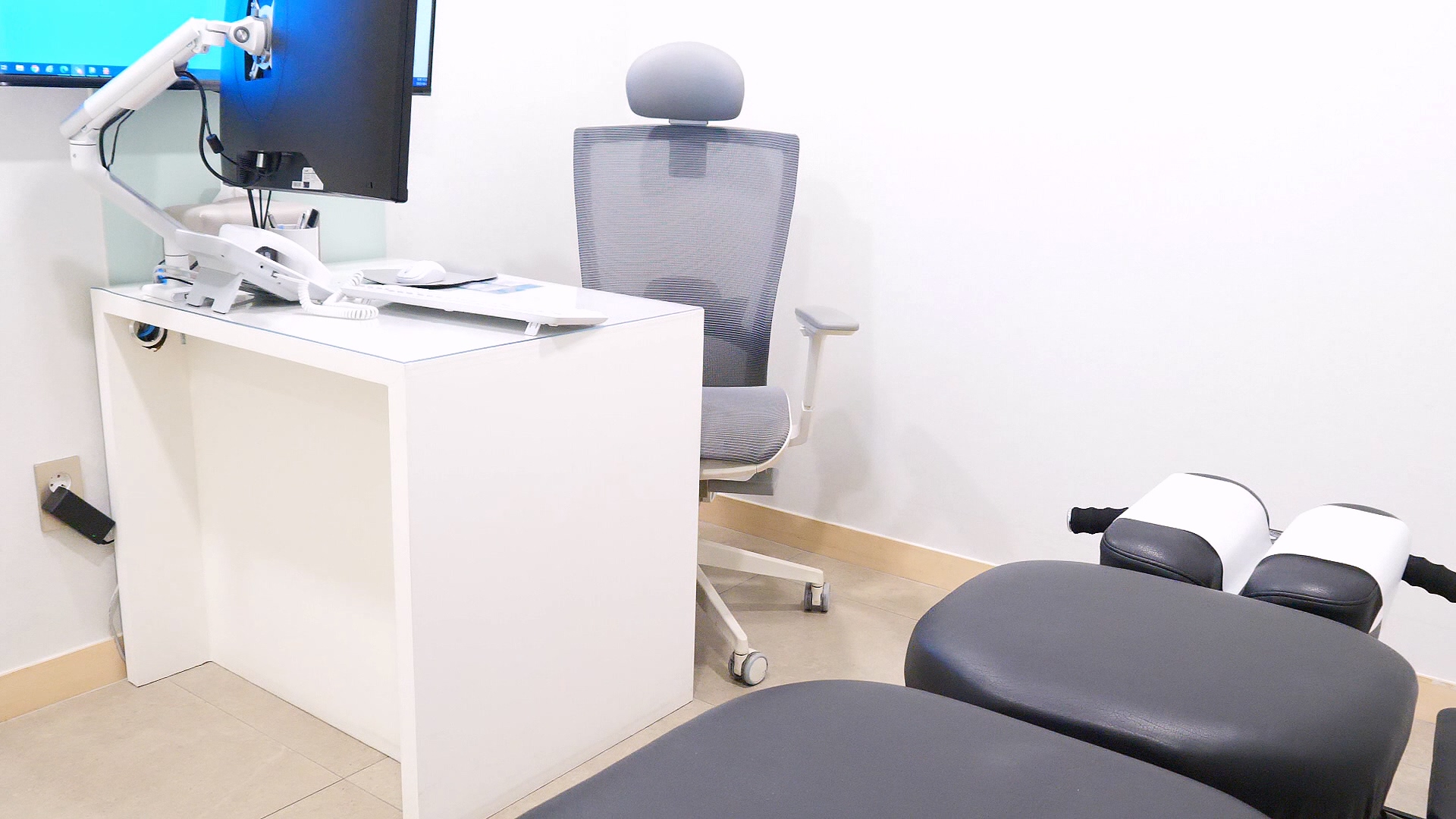
I have dedicated my career to identifying the root causes of pain through structural recovery. Our philosophy, "When your bones smile, life smiles," reflects our commitment to restoring the body’s natural alignment. Unlike conventional clinics that might prioritize volume, I focus on highly efficient, impactful treatments designed to help each patient regain a balanced daily life as quickly as possible. By combining traditional wisdom with modern anatomical insights, we offer a path to recovery that respects both the complexity of the human body and the value of your time.

Understanding Acupuncture for Pain Relief and Modern Korean Medicine
Acupuncture for pain relief at Bonecure is a sophisticated modality that involves precise intervention into anatomical points to modulate the nervous system. We move beyond simple symptom relief, focusing on the mechanical integrity of the musculoskeletal system to ensure sustainable health.
The Science of Adhesion Release Through Acupotomy
At Bonecure, the science of adhesion release centers on resolving fibrotic tissues that trap nerves and restrict movement. When chronic inflammation occurs, the body develops dense myofascial adhesions. I utilize specialized acupotomy—a technique involving a small, knife-like needle—to physically detach these adhesions without surgery. This method is designed for high efficiency; I focus on identifying the exact point of entrapment to provide immediate relief. Unlike standard protocols that might require months of therapy before results appear, my goal is for patients to feel a noticeable change in their symptoms immediately after the procedure. By releasing these rigid structural blockages, we restore natural blood flow and neural transmission. This approach is highly compressed and effective, ensuring that we only perform the necessary interventions to achieve structural freedom. While results vary based on individual physiology, the focus remains on rapid, measurable improvement in range of motion and pain reduction.
Defining Specialized Acupotomy for Nerve Decompression
Specialized acupotomy techniques for nerve decompression involve targeting specific entrapment zones where soft tissue compromises neural pathways. At Bonecure, I integrate structural diagnosis with advanced meridian theory to address symptoms like radiating pain, numbness, and localized weakness. Rather than long, drawn-out treatment plans, I prioritize high-precision needles to reduce pressure on neural pathways immediately. My clinical experience, which includes documenting various case reports on spinal alignment and tinnitus, shows that structural decompression is the foundation for long-term stability. Each session is designed to be impactful, often lasting only 10 to 20 minutes because the focus is on the most critical tension points rather than a broad, unfocused approach. It is important to acknowledge that while acupotomy is highly effective, minor side effects such as localized soreness or temporary bruising can occur. We always conduct a thorough initial assessment to ensure every procedure meets the highest safety standards while delivering the structural changes necessary for recovery.
Acupuncture for Back Pain: Restoring Structural Integrity
When addressing back pain, the objective is to influence the deep structural integrity of the spine rather than just providing superficial muscle relaxation. Chronic discomfort often stems from deep-seated adhesions in the spinal ligaments that traditional massage cannot reach. My protocols for back pain relief target these deep structures to restore the natural curvature of the spine. By addressing the mechanical tension pulling vertebrae out of alignment, we help patients achieve a balanced posture that minimizes recursive strain on the lumbar region. I do not believe in forcing patients into a fixed number of sessions; instead, I focus on the immediate feedback provided by the body. Many patients report their "bones feel lighter" after just one or two targeted sessions. This focus on efficiency means we avoid unnecessary tests or packages, providing only the essential treatments required to resolve the mechanical causes of pain. This ensures a professional and result-oriented experience for those seeking to return to an active lifestyle.

Innovative Pain Management at Bonecure Korean Medicine Clinic in Seoul
Bonecure serves as a bridge between ancient healing arts and modern precision, offering non-surgical alternatives for complex pain disorders. We emphasize personalized recovery protocols that reflect the unique structural needs of every individual who enters our clinic.
Why Cheongdam is a Hub for Advanced Structural Recovery
The Cheongdam district has become a premier destination for those seeking advanced traditional Korean medicine. At Bonecure, located in the heart of Cheongdam, we treat a growing number of patients who travel for our specialized acupotomy and structural alignment services. The expertise found here allows for a unique synergy between traditional methods and modern diagnostic perspectives. Our international patients benefit from a clinical environment that prioritizes efficacy and a sophisticated patient experience. We focus on managing complex chronic conditions—such as long-term tinnitus, scoliosis, or cervical misalignment—by utilizing objective diagnostic metrics. The reputation of Cheongdam clinics like ours is built on the ability to deliver favorable outcomes for difficult cases that have not responded to conventional treatments. We strive to set an international standard for integrative pain management, ensuring that every patient receives focused, one-on-one care from the lead director to achieve the best possible structural health.
Chronic Pain Management: Acupotomy vs. Conventional Physical Therapy
Choosing the right treatment path requires understanding the distinction between specialized acupotomy and conventional physical therapy. While physical therapy focuses on external strengthening, acupotomy at Bonecure provides a direct mechanical intervention to release internal adhesions. The following table highlights our efficient approach compared to traditional modalities:
| Feature | Conventional Physical Therapy | Acupotomy (Bonecure Method) |
|---|---|---|
| Primary Method | Exercise and external modalities | Precision internal tissue detachment |
| Structural Impact | Muscle strengthening | Direct release of nerve compression |
| Treatment Frequency | Multiple times weekly for months | Efficient, response-based sessions |
| Targeted Tissues | Superficial muscle groups | Deep ligaments and fibrotic adhesions |
| Recovery Focus | Functional movement | Immediate mechanical restoration |
My approach is designed to be the catalyst for recovery, especially for patients with significant internal scarring where conventional methods have failed. We focus on providing the most impactful treatment in a compressed timeframe, allowing the body to heal without unnecessary delays.
Comparison of Traditional Filiform Needles and Knife-Shaped Acupotomy
The tools used in Korean medicine are selected based on the specific needs of the patient’s structure. Traditional filiform needles are thin and ideal for energetic regulation or mild tension. In contrast, the knife-shaped needle used in acupotomy at Bonecure is a specialized tool for mechanical work. It allows me to perform precise tissue release without incisions, physically separating tissues that have fused due to chronic inflammation. While traditional acupuncture may require frequent visits for systemic balance, acupotomy is applied strategically to resolve specific structural impediments. In my clinical practice, I have found that this specialized needle is the most effective tool for patients who suffer from sharp, localized pain or restricted movement that has not improved with other therapies. By choosing the right tool for the specific diagnostic findings, I ensure that each patient receives the most direct and effective path toward restoring their natural vitality and structural balance.

Clinical Evidence and Professional Insight from Dr. Song Jeong-hyun
Clinical evidence at Bonecure refers to systematically documented observations and objective data used to validate treatment outcomes. We hold ourselves to high standards of efficacy, ensuring that our traditional therapies are grounded in measurable physical changes.
Analyzing Clinical Notes on Cervical Alignment and Acupotomy
In my clinical notes, I have documented numerous cases where cervical alignment was improved through targeted needle therapy. The cervical spine is critical, as minor misalignments can cause headaches, dizziness, and radiating pain. By focusing on the suboccipital muscles and the ligaments of the C1 to C5 vertebrae, specialized acupotomy helps restore the natural "C-curve" of the neck. For example, in cases of cervicogenic headaches, I have observed immediate reductions in muscle tension and improved vertebral spacing. These insights show that my methods produce measurable changes in the body’s physical architecture. We prioritize these structural improvements because they provide the necessary foundation for the nervous system to function correctly. Every patient receives a customized plan based on their unique X-ray findings and physical presentation. By concentrating on these specific structural landmarks, I can deliver highly efficient care that addresses the root cause of systemic imbalance and discomfort.
Objective Data: X-ray Changes and Pain Scale Improvements
To move beyond subjective reports, we utilize objective data such as Whole Spine X-rays and pain scales. At Bonecure, I track these metrics to ensure that the treatment is facilitating real physical change. While individual results vary, I have observed significant improvements in spinal curvature and pelvic tilt that correspond with a patient's functional recovery. These numbers are not just statistics; they provide a concrete baseline for ensuring we are moving in the right direction. X-ray analysis allows us to see how reducing the mechanical load on intervertebral discs leads to increased daily comfort. It is important to note that these results depend on the patient's specific condition and adherence to the recommended treatment plan. By grounding my practice in objective metrics, I provide a transparent view of the health journey. My goal is to reduce the risk of future injury while maximizing the patient’s current quality of life through precise, evidence-based structural interventions.
Restoring Balance Through Specialized Pulse Diagnosis Consultation
Specialized pulse diagnosis remains a traditional diagnostic pillar that I integrate with modern structural analysis. While X-rays show the bone structure, pulse diagnosis provides insight into the functional vitality and inflammatory state of the patient. Many who visit Bonecure seek this comprehensive consultation to understand why their pain has become chronic. The pulse can reveal patterns of blood stasis or deficiency that may be hindering the physical healing process. By combining these findings, I create a dual-track plan that addresses both physical adhesions and the internal environment. For example, if a patient shows signs of systemic inflammation, I may recommend herbal support to strengthen the bones and ligaments from within. This holistic approach ensures that no aspect of the patient’s health is overlooked. In my practice, I emphasize that pulse diagnosis is a refined skill that provides a nuanced understanding of the patient, allowing for a truly personalized and efficient recovery strategy.
Holistic Recovery and Safety in Chronic Pain Treatment
Holistic recovery at Bonecure addresses the interconnectedness of physical structure and systemic inflammatory responses. This multi-faceted strategy is designed to create a resilient body capable of maintaining its balance against the stresses of everyday life.
The Role of Herbal Medicine in Systemic Inflammation Management
Herbal medicine at Bonecure plays a critical role in supporting the structural changes achieved through acupotomy. While needles address physical blockages, our tailored herbal formulas work systemically to reduce inflammation and nourish the tissues. Many chronic pain cases are exacerbated by poor circulation or high oxidative stress, which can make the nerves more reactive. By prescribing high-quality, verified herbal medicine, I help improve the internal environment, making the body more receptive to structural alignment. In my experience, patients who support their structural treatment with herbal therapy often see more sustainable results. We focus on formulas that support musculoskeletal health and nerve regeneration. It is essential to consult with a qualified practitioner like myself to ensure that these prescriptions are appropriate for your specific constitution. This integrated approach ensures that recovery is deep-seated, addressing the body as a whole rather than just treating a collection of separate symptoms.
Managing Systemic Inflammation for Long-Term Wellness
Reducing systemic inflammation is a cornerstone of effective chronic pain management at our clinic. Instead of generic detox programs, we focus on clinical principles of blood purification and metabolic regulation through targeted herbal decoctions and circulatory therapies. By improving lymphatic drainage and removing metabolic waste, we can reduce the swelling and sensitivity that often accompany chronic spinal conditions. High levels of inflammation can hinder the recovery of nerves, meaning that even small structural improvements might not be felt if the system is overloaded. Our approach is designed to "reset" the internal environment, lowering the baseline of discomfort and allowing structural treatments to be more effective. This is particularly helpful for patients who experience persistent joint stiffness or multiple inflammatory conditions simultaneously. The goal is to create a clean physiological foundation that allows the body to begin its true recovery process, ensuring that the structural gains we make during therapy are preserved long-term.
Safety Guidelines and Potential Side Effects to Consider
Patient safety is the highest priority at Bonecure. Specialized acupotomy involves deeper tissue penetration than standard acupuncture, which may lead to temporary localized soreness, minor bruising, or small hematomas. These reactions are typically mild and subside within 24 to 48 hours. I ensure that every patient is fully informed of these possibilities during their initial consultation. It is also vital for patients to disclose any bleeding disorders or the use of blood thinners, as we adjust our techniques to ensure safety. While our success rate in improving structural alignment is high, results are not guaranteed and can vary based on the severity of the condition and the patient’s overall health. By following our pre- and post-treatment instructions, patients can minimize risks and maximize the potential for a successful, immediate recovery. We encourage open communication throughout the treatment process to ensure comfort and safety at every stage of your structural journey.
Key Takeaways
- Immediate Results: Bonecure focuses on efficient, impactful sessions where patients often feel immediate improvement.
- Root Cause Recovery: We use specialized acupotomy to detach deep adhesions and restore spinal alignment.
- Evidence-Based: Progress is monitored through objective metrics like X-rays and standardized pain scales.
- Systemic Support: Tailored herbal medicine is used to manage inflammation and support tissue repair.
- Personalized Care: Every treatment plan is uniquely designed by the lead director for maximum structural impact.
Frequently Asked Questions
Q. What is the primary mechanism of acupotomy for pain relief?
Acupotomy at Bonecure involves using a specialized knife-shaped needle to physically detach fibrotic adhesions that compress nerves and restrict movement. This mechanical release provides immediate structural recovery, allowing for better mobility and a significant reduction in chronic pressure that traditional acupuncture cannot achieve.
Q. How many sessions will I need to see an improvement?
At Bonecure, we prioritize efficiency. Unlike other clinics that may suggest long-term packages, I focus on providing immediate relief. Many patients feel a noticeable difference after the very first session. The total number of sessions depends on your specific structural needs and is determined during a personalized consultation focused on your body's feedback.
Q. Is the treatment supported by clinical research?
Yes, I have documented various case reports involving 18-year chronic tinnitus, spinal curvature, and autonomic dysfunction that show significant improvement through our methods. While individual results vary, we use objective data like Whole Spine X-rays to validate the structural changes and ensure our therapies meet modern clinical standards.
Q. What are the potential side effects of specialized needle therapy?
Specialized acupotomy is generally safe. Minor side effects can include temporary localized soreness, slight bruising, or minor bleeding at the site of intervention. These typically resolve within a day or two. We always conduct a thorough health screening to ensure the treatment is safe for your specific condition.
Q. Can acupotomy help with severe spinal misalignments?
Yes, acupotomy is specifically designed to address the deep adhesions that pull the spine out of alignment. By releasing these tensions, we can help restore the natural curvature of the neck and back. We always review imaging and perform a physical assessment to determine the most effective and safe approach for your severe condition.
Q. Does your clinic provide services for international patients?
Bonecure, located in Cheongdam, Seoul, provides specialized consultations and treatments for international visitors. We offer efficient, high-impact recovery plans for both acute and chronic pain, ensuring that global patients can receive advanced structural care during their stay in Korea.
Q. How do I maintain the results after the treatment ends?
Maintaining results involves practicing proper posture and following the personalized guidance provided during your sessions. Because we address the structural root cause, the results are designed to be long-lasting. We focus on empowering you with the structural health needed to remain pain-free in your daily life.
Hello. I am Dr. Song Jeong-hyun, a Korean medicine doctor specializing in acupotomy. If you are struggling with chronic pain that hasn't responded to other treatments, I encourage you to experience the immediate and efficient structural recovery we offer at Bonecure.
Bonecure / Dr. Song Jeong-hyun
FAQ
- What is the primary mechanism of acupuncture for back pain relief?
- Acupuncture for back pain relief at Bonecure works by stimulating specific anatomical points to release muscle adhesions and improve blood circulation. In specialized Korean medicine, knife-shaped needles called acupotomy are used to physically detach adhered tissues that compress nerves, facilitating direct structural recovery and alleviating chronic pressure.
- How many sessions are typically required for chronic pain management?
- While some patients experience immediate relief after a single session, chronic conditions often require a more comprehensive series of treatments. In my clinical experience, complex or long-standing cases may need approximately 10 to 20 treatments to achieve stable structural alignment and provide long-term comfort that prevents easy recurrence of pain.
- Is acupuncture for pain relief scientifically proven?
- Numerous clinical studies and case reports, including research on spinal curvature and chronic tinnitus, demonstrate that acupuncture effectively modulates the nervous system and improves physical structures. Objective data from Whole spine X-rays and standardized pain scales often show significant improvement in structural integrity and patient-reported discomfort levels over a treatment course.
- Are there any side effects to specialized acupuncture treatments?
- Specialized acupuncture is generally safe when performed by a qualified professional, but minor side effects may include temporary soreness at the site of treatment, slight bruising, or mild bleeding. These effects are typically short-lived, though patients with specific infection risks or blood disorders should consult thoroughly before proceeding with intensive adhesion release therapies.
- Can I receive acupuncture if I have a severe spinal condition?
- Yes, acupuncture can often be successfully integrated into a treatment plan for severe spinal conditions to help manage pain and improve mobility. However, a detailed pulse diagnosis and imaging review are necessary to determine if a patient is a suitable candidate for intensive acupotomy techniques or if a gentler approach is required.
- Does Bonecure offer consultations for international patients in Seoul?
- Bonecure provides comprehensive consultations for international visitors who seek specialized treatment at our wellness clinic in Cheongdam. Our services include both structural needle therapy and detailed herbal medicine guidance tailored to help global patients manage acute and chronic pain conditions effectively during their stay.
- Will the pain relief be permanent after the treatment course ends?
- The primary goal of our treatment is fundamental recovery by correcting the underlying structural causes of pain. While individual results vary, maintaining proper posture and participating in periodic wellness check-ups helps prevent the recurrence of adhesions, significantly increasing the likelihood of long-lasting comfort and functional stability.