
Post
A 2026 Clinical Guide to Integrative Pain Management: Restoring Structural Health at BonCure
Integrative pain management is a comprehensive clinical strategy that combines conventional diagnostic techniques with specialized structural therapies to address the root causes of chronic physical discomfort. Hello, I am Dr. Song Jeong-hyeon, a practitioner who has dedicated my career to developing advanced acupotomy and spinal correction techniques. At BonCure, we focus on restoring the natural alignment of the skeletal system to ensure that every patient can regain their quality of life.
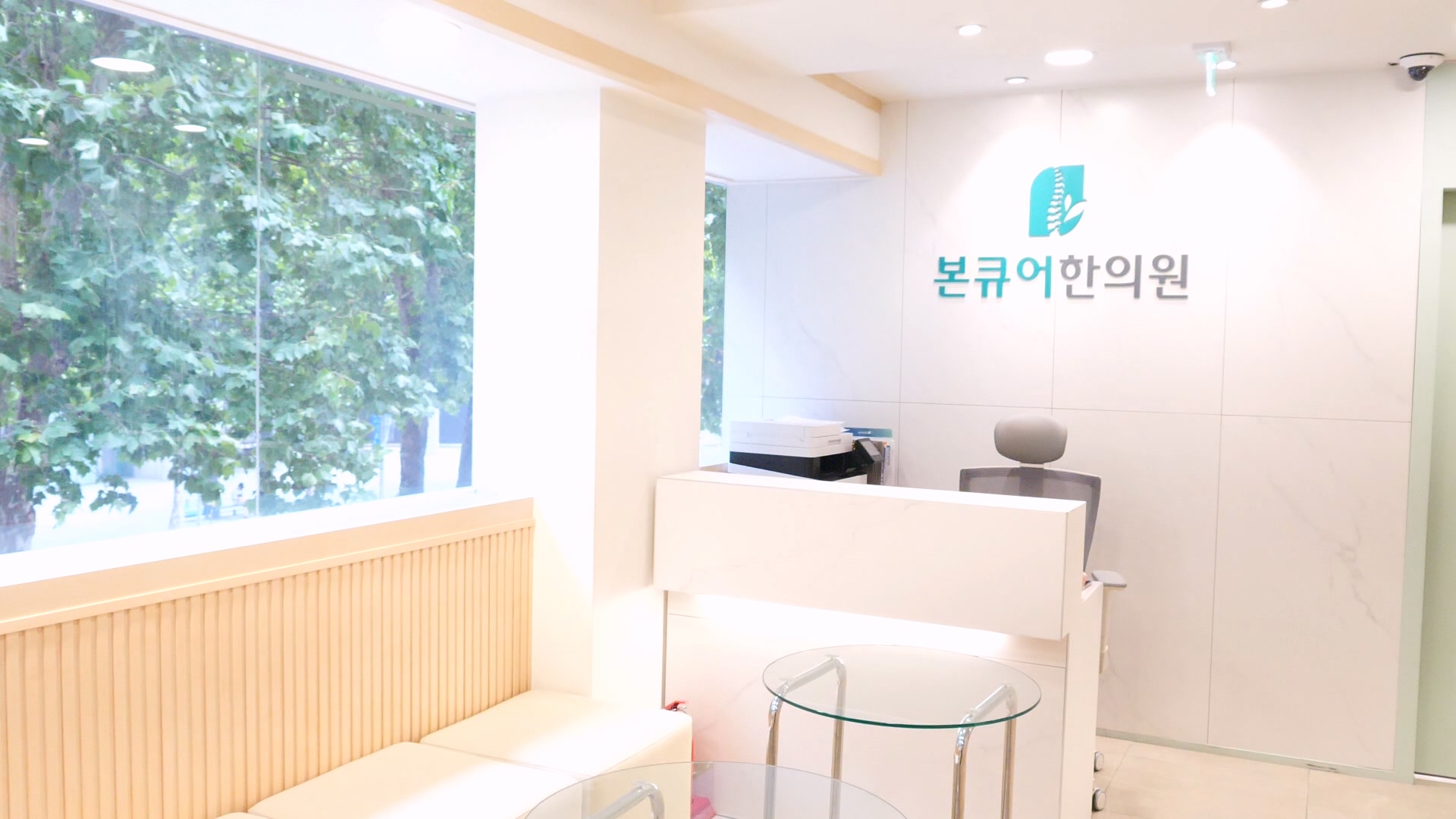
This guide outlines how an integrated approach to pain can provide a path toward long-term recovery and physical vitality in 2026.
What is Integrative Pain Management and How Does It Differ from Traditional Approaches?
Integrative pain management is defined as a holistic medical philosophy that synthesizes multiple treatment modalities to treat the patient as a whole rather than focusing solely on isolated symptoms. This approach acknowledges that chronic pain is often the result of complex interactions between structural misalignments, soft tissue adhesions, and neurological imbalances. By integrating these various perspectives, we can create a personalized recovery plan that addresses the underlying mechanisms of dysfunction.
The Synergy of Conventional Medicine and Specialized Acupuncture
The integration of conventional anatomical understanding with specialized acupuncture techniques represents a significant advancement in modern pain care. In my practice at BonCure, I utilize detailed structural analysis to identify specific areas where soft tissues have become chronically restricted or adhered to the bone. Traditional acupuncture often focuses on energy flow, but our integrative model uses specialized blade-like needles—acupotomy—to physically release these adhesions. This synergy allows us to combine the diagnostic precision of modern medicine with the targeted intervention of acupotomy. By addressing the physical barriers to movement, we help the body initiate its own healing processes more effectively. This dual approach is particularly beneficial for patients who have not found relief through standard medication or physical therapy alone. We aim to bridge the gap between temporary relief and sustainable functional improvement through these combined methods.
Moving Beyond Symptom Suppression to Structural Restoration
Structural restoration is the primary objective of our integrative model, moving far beyond the simple suppression of pain signals through pharmaceuticals. When a patient presents with chronic neck or back pain, the standard response is often to prescribe anti-inflammatory drugs that mask the discomfort without fixing the mechanical issue. At BonCure, we look for the skeletal imbalances, such as a loss of the natural cervical curve or a tilted pelvis, that cause the pain to persist. By restoring the correct alignment of the spine and joints, we alleviate the abnormal pressure on nerves and blood vessels. This process requires a deep understanding of how the bones and muscles interact to support the body's weight. Our goal is to ensure that the skeletal framework is balanced so that movement becomes effortless again. True recovery happens when the physical structure no longer generates the signals of distress that we perceive as pain.
Comparing Integrative Pain Management with Conventional Monotherapy
Integrative pain management provides a multifaceted framework that evaluates the body as an interconnected system, whereas conventional monotherapy often focuses on a single drug or procedure to eliminate a specific symptom. By looking at the relationship between the spine, muscles, and nervous system, we can identify why a particular symptom is occurring. This comparative perspective is essential for developing a treatment plan that offers more than just a temporary pause in discomfort.
Side-by-Side Analysis: Integrative vs. Conventional Models
| Feature | Conventional Monotherapy | Integrative Pain Management at BonCure |
|---|---|---|
| Primary Goal | Immediate Symptom Suppression | Long-term Structural Restoration |
| Main Tools | Medication, Steroid Injections | Acupotomy, Chuna, Structural Correction |
| Focus Area | Localized Pain Site | Global Structural Alignment |
| Patient Role | Passive Recipient | Active Participant in Alignment |
| Sustainability | Often Requires Ongoing Meds | Focuses on Sustainable Structural Stability |
The Role of Structural Alignment in Long-term Recovery
Structural alignment serves as the foundation for any successful long-term recovery strategy because the body cannot function optimally if its framework is distorted. When the spine is out of alignment, it creates a cascade of compensatory patterns that lead to muscle strain and joint wear. In our clinical observations at BonCure, we have seen how improving the global alignment of the spine can significantly redistribute the load across the lumbar discs and surrounding tissues. This structural focus ensures that the results of the treatment are not just fleeting but are built into the very way the patient moves. We utilize specialized manual techniques to gently guide the vertebrae back into their proper positions while simultaneously addressing the tight ligaments that pull them out of place. This comprehensive focus on the skeletal architecture is what allows patients to maintain their progress months and years after their initial treatment sessions are completed.
Why Multi-Modal Interventions Reduce Reliance on Medication
Multi-modal interventions utilize a variety of clinical tools to address pain from different angles, which naturally reduces the patient's need for high-dose medications. By combining acupotomy to release physical adhesions with Chuna therapy for spinal adjustment, we provide a mechanical solution to a mechanical problem. Many patients come to us after years of relying on painkillers that have caused gastrointestinal or renal stress. By offering a physical alternative that addresses the root cause of discomfort, we aim to improve the quality of life for those seeking to reduce their long-term chemical reliance. This shift towards physical restoration is a key indicator of a successful integrative program. Our focus is on empowering the body to function correctly so that external chemical intervention becomes less necessary. It is important to note that every patient's journey is different, and changes in medication should always be managed by a primary care physician. We prioritize the systemic health of every individual throughout this transition.
Core Modalities of Integrative Care at BonCure
The core modalities of integrative care at BonCure are designed to work in harmony to address both the soft tissue and skeletal components of chronic pain. Each procedure is selected based on a thorough assessment of the patient's unique anatomical needs and functional limitations. By using a combination of targeted release and manual realignment, we can provide a level of care that is both precise and comprehensive.
Acupotomy: Precise Adhesion Release for Chronic Stiffness
Acupotomy is a specialized technique involving a flat-headed, blade-like needle designed to release stubborn adhesions in the fascia and ligaments. In cases of chronic stiffness, the soft tissues often become 'glued' together, restricting movement and trapping nerve endings. During a session at BonCure, I precisely target these restricted areas to break down the scarred tissue and restore blood flow to the region. While the procedure may cause temporary localized soreness or minor bruising, the resulting increase in range of motion is often significant. This intervention is particularly effective for conditions like chronic cervical tension or lumbar stiffness where traditional massage cannot reach deep enough. By physically unbinding the tissues, we create the necessary space for the skeletal structure to be realigned. This is a foundational step in our integrative process, ensuring that the body is receptive to further corrective therapies. We monitor each patient closely to manage any immediate post-treatment discomfort.
Chuna Manual Therapy and Spinal Re-alignment Strategies
Chuna manual therapy is a sophisticated corrective technique used to restore the natural balance and symmetry of the spine and joints. Unlike general massage, Chuna involves specific manipulations that target the vertebrae and pelvic bones to correct imbalances identified during our diagnostic phase. At BonCure, we believe that a healthy spine should follow its natural curves to distribute weight evenly across the body. When these curves are lost, such as in 'straight neck syndrome,' it leads to chronic tension and headaches. By applying controlled pressure to specific points, we encourage the bones to return to their optimal positions. This therapy is highly personalized, as every spine has its own unique set of misalignments and compensatory habits. Regular realignment sessions help to reinforce the body's new, healthier posture, preventing the recurrence of pain. We emphasize the importance of consistent care to help maintain structural health. As with any medical intervention, individual results may vary and long-term maintenance is often required.
Neurological Stabilization for Autonomic and Sensory Recovery
Neurological stabilization is an aspect of integrative pain management that focuses on calming the nervous system through the correction of physical stressors. Chronic structural misalignment frequently leads to a state of heightened sensitivity. At BonCure, we address this by performing structural corrections of the upper cervical spine and utilizing acupotomy to physically release deep adhesions in the suboccipital region. This physical approach helps regulate symptoms like dizziness and chronic tinnitus by addressing the structural tension that can affect the autonomic nervous system. We have documented clinical cases where patients found relief after their cervical spine alignment was stabilized and physical compression was reduced. This holistic view recognizes that the brain and nerves must be free from physical interference for the body to recover. By incorporating these stabilization techniques, we offer a more complete recovery that addresses both physical pain and sensory dysfunction. Our approach ensures that the patient feels balanced both structurally and internally.
Evidence-Based Results and Scientific Substantiation in Pain Care
Evidence-based results are the cornerstone of our practice, ensuring that every treatment plan at BonCure is supported by clinical data and objective measurements. We do not rely solely on subjective reports; instead, we use a variety of tools to track progress and validate our methods. This commitment to scientific substantiation provides our patients with the confidence that their recovery is based on verifiable physiological improvements.
Objective Assessment Tools: From Whole Spine X-rays to Functional Scales
We utilize objective assessment tools such as Whole Spine X-rays and standardized functional scales to measure the progress of our patients accurately. At BonCure, we start with a baseline X-ray to identify the exact state of spinal curvature or pelvic tilt. Throughout the treatment process, follow-up imaging allows us to see the physical changes in the skeletal structure. Additionally, we use validated tools like the Beck Anxiety Inventory and various pain scales to track improvements in overall well-being. For example, clinical case reports have documented instances where patients with long-term chronic tinnitus experienced a significant reduction in distress scores following structural treatment of the upper cervical spine. These individual case observations suggest that physical stabilization can be beneficial for such symptoms, though results depend on the individual's condition. These data points provide a clear view of how the treatment is working, allowing us to adjust our protocols to ensure the best possible outcome for each individual case.
Clinical Case Observations: Addressing Complex Tinnitus and Spinal Curvature
Clinical case observations at BonCure provide insights into how integrative care can address complex disorders. I have treated patients with significant spinal misalignments and chronic dizziness who had limited success with other therapies. By focusing on the structural alignment of the upper cervical spine and suboccipital tissues, we have observed improvements in these complex cases. For instance, we have observed cases where patients presenting with symptoms like tinnitus or sudden hearing loss showed improvements in their functional thresholds after a dedicated course of physical and structural therapy. It is important to clarify that these are individual case reports (Case Reports) and do not guarantee the same result for every patient, as chronic conditions require a multifaceted commitment. However, these observations underscore the potential of integrative care to provide relief for intractable symptoms. We continue to document these cases to contribute to the understanding of structural health.
Safety Considerations and Managing Expectations During Treatment
Safety and clear communication regarding treatment expectations are vital components of the patient experience at BonCure. While integrative pain management is generally safe, it is important for patients to understand that procedures like acupotomy involve physical intervention that carries minor risks. Common side effects include temporary localized pain, slight swelling, or bruising at the site of the needle insertion, which typically resolve within a few days. In rare cases, minor infections could occur if post-care instructions are not followed, so we provide detailed guidance on treated area care. Patients should also be aware that a single session is rarely enough to achieve permanent structural change; a series of treatments is usually necessary for chronic conditions. We prioritize an honest dialogue about what can be achieved, ensuring every patient has a realistic understanding of their recovery timeline. Individual results will always vary based on the patient's age and the duration of their condition. We are committed to providing a safe, supportive environment for all.
Professional Guide to Structural Alignment and Acupotomy in Cheongdam-dong (2026) The Clinical Philosophy of Dr. Song Jeong-hyun at BonCure Clinic
Key Takeaways
- Integrative pain management at BonCure combines structural realignment with specialized soft tissue release for long-term recovery.
- Acupotomy is a core tool used to physically break down deep adhesions in the fascia that restrict movement and cause chronic pain.
- Objective tools like Whole Spine X-rays and functional scales are used to track and validate every patient's structural progress.
- While immediate relief is possible, chronic conditions typically require multiple sessions to achieve lasting structural stability.
- Safety is prioritized by disclosing potential side effects like temporary soreness and ensuring realistic expectations for all patients.
Frequently Asked Questions
Q. What exactly is integrative pain management at BonCure?
Integrative pain management at BonCure is a treatment philosophy that combines specialized acupotomy to release tissue adhesions with structural realignment to restore the body's natural balance and function. We address the body as a whole system to find the structural root cause of pain.
Q. How quickly can I expect to feel results from integrative treatment?
Many patients experience an immediate change in mobility and tension following a session, but chronic conditions may require multiple sessions to achieve lasting structural stability. Because every body is unique, results vary significantly by individual.
Q. Are there any side effects associated with acupotomy?
As with any clinical procedure involving needles, minor temporary soreness, slight bruising, or localized swelling may occur at the site of treatment. These side effects are typically mild and resolve quickly within a few days of the procedure.
Q. Is this approach effective for non-musculoskeletal issues like tinnitus or dizziness?
Yes, by addressing upper cervical alignment and physically releasing suboccipital adhesions, integrative care can help manage symptoms like tinnitus and dizziness. We have documented several clinical case reports where structural correction led to symptom improvement.
Q. How does this differ from standard physical therapy or general acupuncture?
BonCure focuses on the 'Acumuscular' release of physical adhesions using specialized blade-like needles that traditional needles cannot reach, paired with corrective therapies to ensure the skeletal structure remains properly aligned.
Q. Is the treatment painful?
Some patients may feel a unique sensation of pressure or dull aching during the release of deep adhesions with the acupotomy needle. However, this is generally followed by a significant feeling of lightness and improved movement in the treated area.
Q. How much does the integrative pain management program cost?
Costs vary depending on the severity of the condition and the specific modalities required for your recovery. We provide a personalized consultation to determine the most effective plan specifically for your structural needs.
BonCure / Dr. Song Jeong-hyeon
FAQ
- What exactly is integrative pain management at Bonecure?
- Integrative pain management at Bonecure is a comprehensive treatment philosophy that combines specialized acupotomy to release tissue adhesions with structural realignment to restore the body's natural balance and function. We look at the body as a whole system to find the root cause of pain.
- How quickly can I expect to feel results from integrative treatment?
- Many patients experience immediate relief in mobility and tension following a session, but chronic conditions may require multiple sessions to achieve lasting structural stability. Because every body is unique, results vary significantly by individual.
- Are there any side effects associated with acupotomy?
- As with any clinical procedure, minor temporary soreness, slight bruising, or localized swelling may occur at the site of treatment. These side effects are typically mild and resolve quickly within a few days of the procedure.
- Is this approach effective for non-musculoskeletal issues like tinnitus or dizziness?
- Yes, by addressing autonomic nervous system imbalances and cervical alignment, integrative care can help manage complex symptoms like tinnitus. We have documented several clinical case reports where structural correction led to significant symptom improvement.
- How does this differ from standard physical therapy or general acupuncture?
- Bonecure focuses on the 'Acumuscular' release of physical adhesions that traditional needles cannot reach, paired with corrective therapies to ensure the bones and joints remain properly aligned. We target the mechanical source of the restriction.
- Is the treatment painful?
- Some patients may feel a unique sensation of pressure or dull aching during the release of deep adhesions with the acupotomy needle. However, this is generally followed by a significant feeling of lightness and improved movement in the treated area.
- How much does the integrative pain management program cost?
- Costs vary depending on the severity of the condition and the specific modalities required for your recovery. We provide a personalized consultation to determine the most effective and value-driven plan specifically for your needs.