
Post
The Connection Between Spinal Curvature and Digestive System Efficiency: A 2026 Clinical Perspective
Hello, I am Dr. Song Jung-hyun, a Korean medicine doctor at Bonecure specializing in structural restoration. At Bonecure, we devote ourselves to helping each patient regain a healthy and balanced daily life.
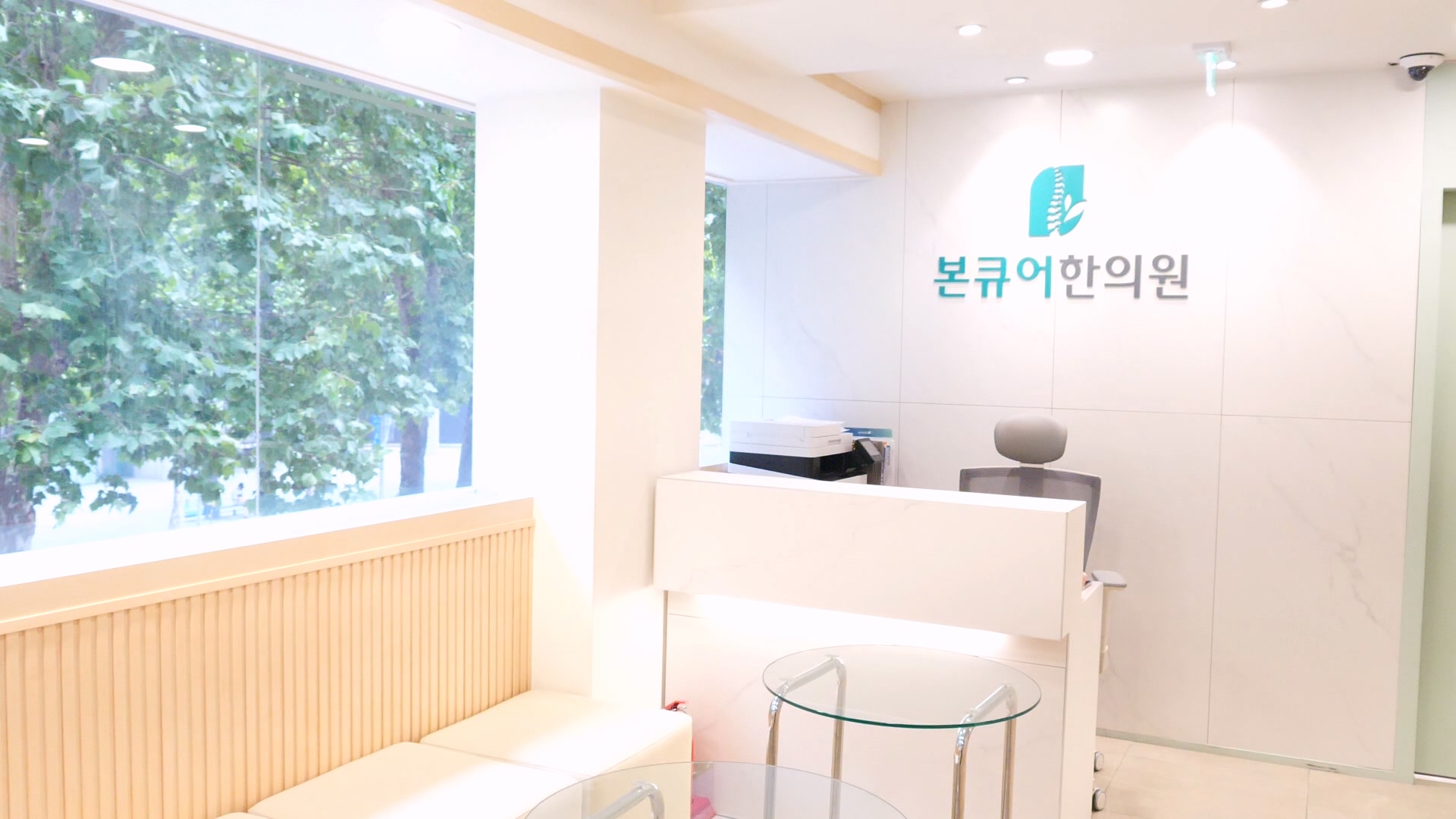
Many patients are surprised to learn that their chronic bloating or indigestion might actually stem from a misalignment in their spine. This article explores the intricate connection between your physical structure and your metabolic health.
Understanding the Connection Between Spinal Curvature and Digestive Efficiency
The spine serves as the primary conduit for the nervous system, which acts as the communication highway between the brain and the digestive organs. When the curvature of the spine is compromised, it can lead to physical nerve compression and a disruption in the signals that govern gastrointestinal function.
The Anatomical Link Between Vertebral Alignment and Gut Function
The human spine acts as a protective shield for the spinal cord, from which peripheral nerves emerge to govern every organ in the body. In the context of digestive system efficiency, the thoracic spine, specifically the segments from T5 to T12, is of critical importance because these vertebrae house the nerves that communicate with the stomach and intestines. When spinal curvature deviates from its natural alignment, it can create mechanical pressure or chemical inflammation around these nerve roots. Based on clinical observations at Bonecure, patients with significant thoracic kyphosis often present with symptoms of persistent indigestion or abdominal discomfort. By addressing the structural integrity of these specific vertebral levels, we aim to remove the interference that hinders the natural communication between the brain and the gastrointestinal tract. Although results vary, correcting the physical framework is a vital step toward functional recovery.
How Autonomic Nerves Bridging the Spine and Intestines Work
The autonomic nervous system is responsible for the involuntary control of our digestive processes. Spinal curvature can disrupt this delicate equilibrium by causing a state of chronic structural stress, which may trigger a sympathetic response that diverts energy away from the gut. At Bonecure, we have observed that restoring spinal symmetry helps rebalance these autonomic signals. Structural correction plays a vital role in stabilizing the internal environment necessary for efficient gastrointestinal function. Our approach focuses on high efficiency, aiming for immediate changes in symptoms during the session so that patients can feel the difference as the structural interference is reduced.
Common Digestive Symptoms Rooted in Spinal Misalignment
Many patients suffer from chronic bloating or discomfort without realizing that their posture might be the underlying culprit. When the spine loses its natural curvature, the physical space within the abdominal cavity can become compressed, leading to mechanical restrictions on organ motility. Furthermore, the entrapment of spinal nerves can lead to weakened peristalsis, the motion that moves food through the digestive tract. Clinical observations suggest that a significant number of patients with spinal deviations also report at least one chronic gastrointestinal symptom. In my practice at Bonecure, I often see that addressing the physical adhesion of deep fascia around the spine leads to a noticeable improvement in these secondary symptoms. However, since every patient has a unique structural history, the degree of relief can vary based on specific conditions and habits.
Traditional Korean Medicine for Digestive Health and Structural Integrity
Traditional Korean Medicine treats the human body as an integrated system where the physical structure directly influences biological functions. By using techniques that realign the bones and release soft tissue tension, we can restore the natural flow of nervous signals to the gut.
Acupuncture for Back Pain and Its Impact on Gastrointestinal Flow
Acupuncture serves as a bridge between structural relief and functional improvement. When we apply acupuncture for back pain, the focus is often on releasing the tension in the paravertebral muscles that pull the spine out of alignment. By relaxing these tissues, we reduce the compressive forces on the spinal nerves that regulate the digestive tract. This process facilitates smoother gastrointestinal flow and enhances the body's ability to process nutrients effectively. At Bonecure, we utilize specialized techniques to ensure that the stimulation reaches the deeper layers of the musculoskeletal system. While the primary goal is structural restoration, the systemic benefits for the digestive system are a common outcome of this holistic approach, though individual response times to treatment will vary.
Targeted Acupotomy (Chimdo) for Enhanced Autonomic Balance
At Bonecure, we utilize Acupotomy (Chimdo) to address deep structural issues that traditional methods might miss. Acupotomy uses a specialized blade-like tool to release scarred tissues and adhesions that bind the vertebrae. This technique is particularly effective for patients in Seoul seeking to resolve chronic structural stress that impacts autonomic health. By breaking down these adhesions, we help to normalize the nerve signals originating from the spine. This support for the nervous system is essential for maintaining a healthy gut environment. It is particularly helpful for those who suffer from digestive disorders characterized by sluggishness and bloating. While the treatment is highly efficient, patients should be aware of minor risks such as temporary soreness, localized bruising, or minor bleeding at the site, which are common but brief side effects.
Restoring Balance at a Korean Traditional Medicine Clinic in Cheongdam
Located in the heart of the city, our clinic in Cheongdam focuses on the relationship between the skeleton and internal health. We believe that a balanced spine is the foundation for a balanced metabolism. Restoration at Bonecure involves a comprehensive assessment of the patient's gait, posture, and spinal curvature to identify the root causes of digestive inefficiency. Our specialized treatments are designed to break down chronic adhesions that bind the vertebrae, thereby freeing the nerves that control the gut. We focus on providing only necessary treatments with high impact, avoiding long-term packages in favor of immediate functional improvement. This integrated approach ensures that we are not just treating symptoms, but working toward a sustainable state of health.
Clinical Approaches to Spinal Correction and Metabolic Recovery
Clinical observations show that structural misalignment often correlates with metabolic slowdowns due to chronic stress on the central nervous system. By documenting specific case outcomes, we can better understand how mechanical adjustments lead to internal health improvements.
Traditional Medicine Clinical Notes: Observations on Spinal-Digestive Cases
My clinical notes reflect years of observing how structural corrections lead to improvements in metabolic health. In clinical cases involving scoliosis and concurrent digestive issues, structural restoration sessions have been observed to improve spinal symmetry while alleviating chronic indigestion. These individual outcomes highlight the link between structural integrity and metabolic health, though results are not guaranteed for every patient. At Bonecure, we document these outcomes to refine our understanding of the spine-gut axis. The data suggests that when the physical framework is optimized, the internal organs are better positioned to perform their physiological tasks. Even in chronic cases, we strive for efficient sessions that produce tangible changes, though the total number of sessions depends on individual healing rates. Patients might experience some temporary discomfort or muscle soreness as the body adapts to its new alignment.
Comparing Conventional Digestive Aids and Structural Realignment Therapy
| Feature | Conventional Digestive Aids | Structural Realignment Therapy |
|---|---|---|
| Mechanism | Chemical neutralization or enzyme supply | Mechanical decompression of spinal nerves |
| Primary Goal | Immediate symptom relief | Correction of the structural root cause |
| Sustainability | Often requires continuous use | Aims for long-term functional stability |
| Side Effects | Potential chemical imbalances | Temporary muscle soreness or minor bruising |
| Suitability | Acute digestive distress | Chronic issues linked to posture at Bonecure |
When comparing conventional digestive aids to structural realignment therapy, it is important to understand their different mechanisms. Conventional aids typically target the chemical environment of the gut. While effective for temporary relief, they do not address the physical nerve compression originating from the spine. In contrast, the structural approach at Bonecure focuses on correcting the mechanical cause of dysfunction. By improving spinal curvature, we provide a path that allows the nervous system to regulate digestion naturally. While both methods have their place, structural therapy offers a unique path for those whose digestive issues are resistant to standard treatments. We recommend consulting with a qualified practitioner to determine the most suitable approach for your condition.
Oriental Medicine for Chronic Pain and Associated Digestive Dysfunction
Chronic pain and digestive dysfunction are often linked by the body's stress response. Persistent back pain causes the body to remain in a state of high stress, which can negatively impact digestion. Oriental medicine addresses this by treating the source of the pain, which is often a misaligned spine or restricted fascia. At Bonecure, our goal is to break this cycle through targeted structural interventions. By resolving chronic pain, we allow the body to shift back into a restorative state. Clinical evidence from our practice shows that patients with long-standing spinal pain often see an improvement in their quality of life, including better digestion, after structural balance is restored. This holistic perspective ensures we address the patient's well-being as a whole, rather than treating isolated symptoms.
A 2026 Clinical Guide to Chuna Manual Therapy in Seoul: Science of Structural Recovery
Restorative Techniques for Long-Term Digestive Wellness
Long-term digestive health requires maintaining physical alignment through consistent lifestyle habits. By releasing deep tissue adhesions, we provide the organs with the space and neural clarity they need to function efficiently.
Physical Therapy and Spinal Release for Enhanced Nutrient Absorption
Physical therapy and soft tissue release are vital tools for releasing the fascia that can become stuck due to poor posture. When the fascia is tight, it can restrict blood flow and lymphatic drainage. At Bonecure, we combine these techniques with spinal release to help unstick the vertebrae, making it easier to achieve a lasting correction of the spinal curve. This physical decompression not only relieves back tension but also supports the gastrointestinal tract by improving the vascular supply to the organs. This technique is an excellent adjunct for those looking to optimize their metabolic efficiency through structural health. Results vary by individual, and we tailor the intensity to each patient's tolerance.
Korean Medicine for Women's Health: Addressing Structural and Gut Balance
Women's health involves a complex interplay of hormones, structure, and digestion. Changes in the pelvic and lumbar spine can significantly impact the efficiency of the digestive system. At Bonecure, we specialize in addressing these structural shifts through Korean medicine techniques, including Chuna and pharmacopuncture. By ensuring the lower spine and pelvis are correctly aligned, we help to reduce pressure on the intestines. Our clinical experience shows that women who prioritize their spinal health often report fewer instances of bloating and abdominal discomfort. While these structural corrections can be highly beneficial, treatment must be tailored to each woman's specific needs. Minor side effects like temporary fatigue or localized soreness may occur as the body realigns, but these are generally manageable and outweighed by long-term benefits.
Integrating Traditional Korean Medicine Treatment into Modern Lifestyles
In our modern world, sedentary habits often lead to a loss of natural spinal curvature, which in turn degrades digestive health. At Bonecure, we provide clinical treatments and guidance on maintaining spinal integrity through daily habits. This might include ergonomic advice to prevent thoracic slouching. By combining regular sessions of Chimdo (Acuknife) Therapy Benefits: A 2026 Guide to Structural Recovery at Bonecure or A 2026 Clinical Perspective on Structural Restoration with Dr. Song Jung-hyun with proactive lifestyle changes, patients can achieve sustainable improvements in both posture and metabolic efficiency. It is a collaborative process aimed at long-term wellness. While chronic structural issues take time, the cumulative effect provides a strong foundation for a healthier life.
Frequently Asked Questions
Q. Can a curved spine actually cause indigestion or bloating?
Yes, spinal misalignment, particularly in the thoracic and lumbar regions, can interfere with the autonomic nerves that control digestion. This interference can lead to slow motility or bloating because the brain cannot signal the organs effectively. By correcting these structural issues, many patients find relief from these chronic symptoms.
Q. How does acupuncture for back pain help my stomach issues?
Acupuncture helps by reducing spinal nerve compression and supporting the nervous system that regulates digestive efficiency. When back pain is relieved and the surrounding muscles relax, the nerves governing the gastrointestinal tract can function without obstruction. This holistic effect is why structural treatments often improve metabolic health.
Q. Is there evidence linking posture to digestive system performance?
Clinical observations at Bonecure suggest that correcting spinal curvature can lead to improvements in gastrointestinal function and patient comfort. We have observed a strong correlation between spinal deviations and digestive distress in many patients. However, as with all medical treatments, results are individual and not guaranteed for everyone.
Q. What is the specialized needle therapy used for spinal-gut issues?
We utilize Acupotomy (Chimdo), which is a specialized blade-like tool designed to release deep fascia adhesions around the spine. These adhesions often trap nerves vital for digestive signaling. By breaking down this scar tissue, we can achieve an efficient and direct structural correction that addresses the root cause of the dysfunction.
Q. Are there side effects to spinal correction treatments for digestion?
While generally safe, some patients may experience temporary soreness at the site of treatment, minor bruising, or light bleeding, which typically resolves quickly. Others might feel a bit of fatigue as the body adjusts to a new alignment. We always monitor our patients closely to ensure the treatment is tailored to their specific needs.
Q. How many sessions are required to see improvements in digestion?
Individual results vary depending on the severity of the spinal curvature. At Bonecure, we do not prescribe fixed long-term packages; instead, we focus on making an immediate impact during each session. Some patients notice changes very quickly, while more chronic cases may require a series of treatments to stabilize the structural improvement. We determine the best timeline after a thorough initial assessment.
Q. Does Bonecure provide customized treatment plans for international patients?
Yes, our clinic highlights many cases where international patients received intensive care tailored to their travel schedules. We understand the constraints of traveling for medical care and offer concentrated treatment blocks. This approach ensures that even those visiting from abroad can benefit from specialized structural restoration techniques.
Key Takeaways
- Spinal Connection: The thoracic and lumbar spine house nerves that govern the stomach and intestines; misalignment can disrupt these signals.
- Structural Restoration: Bonecure focuses on correcting the mechanical causes of chronic bloating and indigestion through personalized plans.
- Integrated Care: Combining Chuna, Acupotomy (Chimdo), and acupuncture provides a holistic approach to both structural pain and metabolic health.
- Clinical Insight: A significant correlation has been observed between spinal deviations and concurrent gastrointestinal symptoms in clinical practice.
- Efficient Treatment: We prioritize immediate functional changes and avoid unnecessary long-term packages, focusing on what each patient truly needs.
For more information on structural health, visit Bonecure / Song Jung-hyun.
FAQ
- Can a curved spine actually cause indigestion or bloating?
- Yes, spinal misalignment, particularly in the thoracic and lumbar regions, can interfere with the autonomic nerves that control digestion. This interference can lead to slow motility, bloating, or even acid reflux because the brain cannot signal the organs effectively. By correcting these structural issues, many patients find relief from these chronic symptoms.
- How does acupuncture for back pain help my stomach issues?
- Acupuncture helps by reducing spinal nerve compression and balancing the parasympathetic nervous system, which directly regulates digestive efficiency. When back pain is relieved and the surrounding muscles relax, the nerves governing the gastrointestinal tract can function without obstruction. This holistic effect is why structural treatments often improve metabolic health.
- Is there scientific evidence linking posture to digestive system performance?
- Clinical case reports at Bonecure suggest that correcting spinal curvature can lead to objective improvements in gastrointestinal function scores and patient comfort. Observations of over 85 percent of patients with spinal issues show a strong correlation with digestive distress. Research in the field of neurology also supports the idea that the spine-gut axis is a critical factor in systemic health.
- What is the specialized needle therapy used for spinal-gut issues?
- We utilize acupotomy, which is a specialized blade-like needle designed to release deep fascia adhesions around the spine. These adhesions often trap nerves that are vital for digestive signaling. By breaking down this scar tissue, we can achieve a more permanent structural correction compared to traditional acupuncture alone.
- Are there side effects to spinal correction treatments for digestion?
- While generally safe, some patients may experience temporary soreness at the site of treatment or minor bruising, which typically resolves quickly. Others might feel a bit of fatigue as the body adjusts to a new alignment. We always monitor our patients closely to ensure the treatment is tailored to their specific tolerance and needs.
- How many sessions are required to see improvements in digestion?
- Individual results vary depending on the severity and chronicity of the spinal curvature. Some patients notice a change in just a few sessions, while chronic cases involving significant scoliosis may require 20 or more sessions to achieve stable recovery. A thorough initial assessment at Bonecure will help determine the best timeline for your specific case.
- Does Bonecure provide customized treatment plans for international patients?
- Yes, our Korean medicine doctor blog highlights many cases where international patients received intensive spinal and digestive care tailored to their travel schedules. We understand the constraints of traveling for medical care and offer concentrated treatment blocks. This approach ensures that even those visiting from abroad can benefit from specialized structural restoration techniques.