
Post
Acupotomy Side Effects and Safety: A 2026 Clinical Guide by Bonecure
Hello. I am Dr. Song Jeong-hyeon, a Korean medicine doctor who has long specialized in acupotomy and structural restoration.
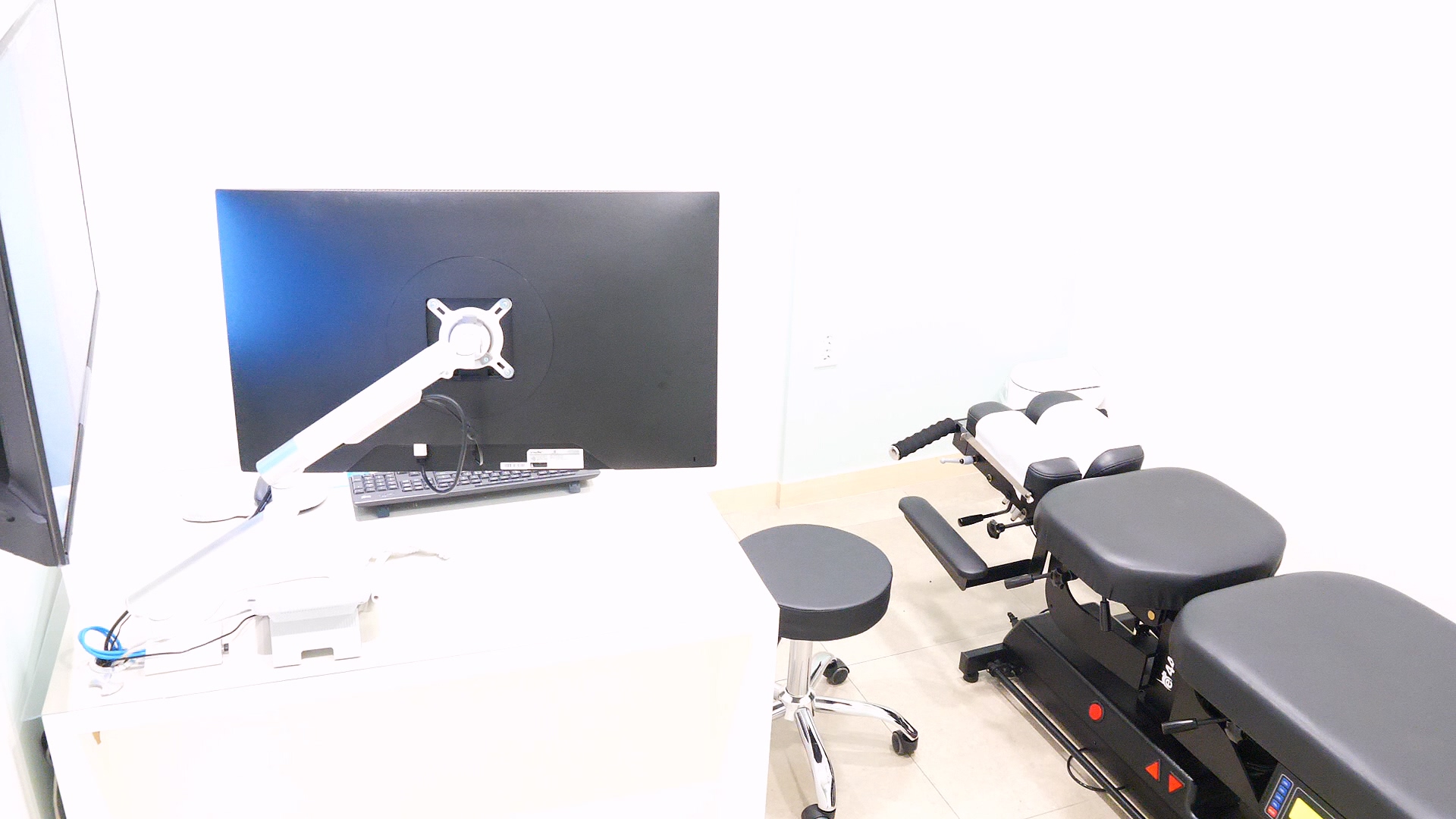
At Bonecure, we focus on the fundamental relationship between spinal alignment and neural health to help patients regain their quality of life. Understanding the risks and benefits of precision procedures like acupotomy (knife-acupuncture) is crucial for any patient seeking lasting relief from chronic pain and nerve entrapment in 2026. Rather than simply masking symptoms, we aim to identify the root causes of dysfunction through specialized diagnostic approaches and personalized treatment plans.
Understanding Acupotomy and Its Role in Nerve Relief
Acupotomy is a specialized clinical procedure used to release nerves that have become compressed or irritated by surrounding tissues, specifically through the physical release of adhesions. This method is particularly focused on identifying the precise 'entrapment point' where structural imbalances or thickened fascia cause persistent neurological symptoms. By addressing these specific sites with a blade-like needle, the treatment aims to restore normal neural signaling and alleviate the cycle of inflammation that often accompanies chronic musculoskeletal conditions. At Bonecure, we believe that restoring the physical space around a nerve is the first step toward lasting functional recovery.
What is Acupotomy (Acupuncture-Knife Therapy)?
Acupotomy, commonly referred to as acupuncture-knife therapy, is a clinical procedure designed to address localized nerve irritation caused by physical compression and tissue fibrosis. Unlike general acupuncture, acupotomy utilizes a specialized tool with a flat, blade-like tip to target the exact point where a nerve may be 'trapped' by hardened fascia, muscles, or ligaments. At Bonecure, we prioritize the identification of these specific entrapment points to facilitate functional restoration without the need for aggressive surgical intervention. This method allows us to physically separate adhered tissues that have become fused due to chronic inflammation or injury. While many patients seek this for acute discomfort, it is also highly effective for chronic conditions like Parkinsonism or spinal stenosis that have not responded well to conventional care. Professional assessment is always required to determine if a patient's structural alignment allows for the full benefit of such a targeted structural treatment.
The Mechanism of Action: Physical Adhesiolysis
The mechanism of action for acupotomy involves manual adhesiolysis, which means using the specialized needle to physically release the nerve from the rigid structures pinching it. This process helps to improve blood flow to the nerve and reduces the mechanical tension that causes pain signals to fire incessantly. In my clinical experience at Bonecure, I have observed that physically breaking down these adhesions can lead to immediate changes in patient-reported pain scores. For instance, when treating chronic back pain or nerve entrapment, we often see symptoms decrease as the structural pressure is lifted. However, the number of sessions and the prognosis vary depending on the patient's condition and the severity of tissue fibrosis. This approach is rooted in the belief that when the physical environment surrounding a nerve is optimized, the body's natural healing processes can take over more effectively. Each patient's anatomical variations mean that the depth and angle of the procedure must be customized to ensure safety and clinical efficacy.
Why Acupotomy is the Core of Bonecure's Philosophy
Acupotomy is the cornerstone of our practice because it bridges the gap between traditional meridian philosophy and modern anatomical precision. Many practitioners find that integrating acupotomy with traditional methods like Chuna allows for a more comprehensive treatment plan. At Bonecure, we utilize these specialized procedures as a part of a broader strategy to restore the body's natural balance and symmetry. Our clinical notes, including those involving chronic tinnitus and nerve-related tremors where patients showed significant functional improvement, highlight the potential of structural-focused interventions. By discussing these precision techniques openly, we provide patients with a clearer understanding of their options for managing complex, recalcitrant pain. This transparency is vital for building trust and ensuring that patients have realistic expectations about their recovery journey. Furthermore, combining acupotomy with manual therapies offers a synergistic effect that addresses both the nerve entrapment and the underlying structural misalignment. For more information on our specific techniques, you may read Dr. Song Jeong-hyeon: Precision Acupotomy and Impactful Structural Recovery at Bonecure.
Potential Side Effects and Safety Considerations for Acupotomy
Safety is the primary concern when performing any procedure involving tissue release, including acupotomy, which requires a high degree of precision to avoid unintended tissue damage. While the procedure is generally considered safe when performed by a qualified specialist like myself, it is important to acknowledge that all medical interventions carry some level of risk. Patients should be informed about common reactions and rare complications to make an educated decision about their care and ensure a smooth recovery process. We emphasize a conservative yet impactful approach to ensure that the structural benefits outweigh any temporary discomfort.
Common Local Reactions: Soreness and Temporary Bruising
The most frequently reported side effects of an acupotomy procedure are localized soreness and temporary bruising at the site of the insertion. These reactions are typical and occur because the specialized needle must pass through several layers of tissue to reach the target adhesion. At Bonecure, we advise patients that this discomfort usually peaks within 24 to 48 hours and then gradually subsides as the tissue heals. Minor swelling or redness may also appear, which is a normal response to the mechanical release of deep tissues. Some individuals might experience a temporary 'treatment flare,' where their original symptoms feel slightly more acute before the relief sets in. These symptoms are generally self-limiting and do not require additional medical intervention. We recommend that patients take it easy for at least 1 or 2 days following the procedure to allow the treated area to stabilize. Maintaining open communication with your provider about these local reactions is essential for monitoring your progress.
Rare Risks and the Importance of Expertise
While rare, more serious risks such as infection, localized nerve irritation, or minor bleeding can occur after acupotomy. These risks are inherent to any invasive procedure but are minimized through sterile techniques and precise anatomical knowledge. At Bonecure, we emphasize that results are not typical for every patient, and individual health factors influence the likelihood of complications. For example, patients with underlying circulatory issues or those with advanced tissue fibrosis may have a different recovery profile. It is also a limitation of the procedure that chronic or severe entrapment may require multiple sessions, as long-standing adhesions often need a series of treatments to fully resolve. We do not guarantee a 100% success rate, as the complexity of the human nervous system means that some cases may only experience partial relief. It is our responsibility to provide a balanced view, ensuring patients understand that while acupotomy is a powerful tool, it is not a 'risk-free' or 'guaranteed' cure for all types of pain.
Managing Post-Procedure Recovery at Bonecure
Recovery after acupotomy involves a combination of rest and gentle movement to encourage the released tissues to heal in a healthy alignment. We often suggest that patients avoid heavy lifting or high-impact exercise for approximately 3 to 5 days to prevent re-irritating the treated area. If a patient experiences significant post-procedure soreness, applying a cool compress can help reduce swelling and provide comfort. At Bonecure, we believe that recovery is an active process that includes monitoring for any unusual symptoms, such as persistent numbness or signs of infection. If any concerning symptoms arise, patients are encouraged to contact our clinic immediately for a follow-up evaluation. We also find that proper hydration and adequate sleep play a supportive role in the body's inflammatory management. By following these simple post-care steps, most patients can return to their normal daily activities within a very short timeframe. This proactive approach ensures that the benefits of the structural release are maximized while minimizing the duration of any temporary discomfort.
Comparing Acupotomy with Conventional Acupuncture
Comparing acupotomy with conventional acupuncture allows patients to understand the different mechanisms available for treating nerve-related pain and structural dysfunction. While standard acupuncture focuses on regulating flow through thin needles, acupotomy uses physical means to achieve structural decompression. Understanding these differences helps in selecting the most appropriate intervention for a patient's specific condition and long-term health goals.
Comparison Table: Acupotomy vs. General Acupuncture
| Feature | Acupotomy (Knife-Acupuncture) | General Acupuncture |
|---|---|---|
| Primary Tool | Blade-like specialized needle | Thin, flexible filiform needle |
| Mechanism | Physical adhesiolysis (releasing adhesions) | Bio-electrical and chemical regulation |
| Focus Area | Hardened scar tissue and fascial entrapment | Acupoints and meridian pathways |
| Recovery Time | Typically 24 to 72 hours for soreness | Immediate to 24 hours |
| Clinical Goal | Structural decompression and tissue elasticity | Pain management and systemic balance |
| Application | Chronic nerve entrapment and severe fibrosis | General pain and internal health balance |
Synergy Between Acupotomy and Structural Chuna
At Bonecure, we often find that the synergy between acupotomy and Chuna manual therapy leads to more sustainable outcomes. For instance, using acupotomy to physically release a trapped nerve can create a window of comfort that allows for more effective Chuna adjustments. When the tissue is no longer tethered by adhesions, the structural adjustments to the spine and pelvis are often better tolerated and more likely to hold. We have observed this integrated approach in various cases, such as our work with spinal misalignments and chronic musculoskeletal stagnation. The combination of targeted physical release and manual structural restoration addresses the problem from multiple angles. This multifaceted strategy is particularly useful for chronic cases where tissue has become both structurally misaligned and neurologically sensitized. By utilizing the strengths of both systems, we aim to provide a comprehensive recovery plan that respects the complexity of the human body. To learn more about these combined methods, check Acupotomy and Structural Restoration: A Guide to Precision Care at Bonecure.
Choosing the Right Approach for Chronic Pain
Choosing the right treatment approach depends on a thorough clinical evaluation of the patient's structural integrity and neural function. Some patients may benefit more from the physical breaking of adhesions through acupotomy, while others might respond better to the systemic balance of herbal medicine or standard acupuncture. At Bonecure, we conduct detailed assessments, often involving structural analysis and movement evaluations, to determine the most effective path forward. It is important to remember that there is no one-size-fits-all solution for chronic pain. A patient who has suffered from long-standing chronic back pain will likely have a different treatment requirement than someone with a minor muscle strain. We emphasize that while these treatments can offer significant relief, they are most effective when combined with postural corrections. The goal of Korean medicine for chronic pain is not just to mask the symptoms but to restore the body to a state of equilibrium. Professional consultation is the only way to ensure that the chosen therapy aligns with your unique health profile.
Clinical Insights: Bonecure's Integrative Approach to Recovery
Bonecure's approach to recovery is built on the philosophy that structural health is the foundation of overall well-being and neural comfort. We believe that 'When your bones smile, life smiles,' which reflects our commitment to restoring the natural alignment and movement of the skeletal system. By integrating precision acupotomy with time-honored traditional wisdom, we provide a pathway for patients to move beyond chronic pain and return to their active lives. Our focus remains on the root cause—the structural imbalances that hinder the body's natural vitality.
Clinical Notes on Structural Nerve Entrapment
From a traditional perspective, nerve entrapment is often viewed as a stagnation caused by structural blocks and tissue hardening. Clinical notes at Bonecure reflect that when the 'flow' is restored through precise physical release of these blocks, the associated symptoms of pain and numbness begin to dissipate. We have documented cases where patients with long-standing issues, such as chronic tinnitus or complex spinal misalignments, have shown improvement after addressing these stagnant points with acupotomy. These observations are recorded as individual case reports and serve to guide our clinical decision-making. It is important to clarify that these reports do not guarantee similar results for all patients, as chronic conditions are influenced by many variables. However, they do provide valuable insights into how structural restoration can impact the nervous system. By documenting these changes, we contribute to evidence-based practices for complex neural conditions. Our clinical focus remains on the precise release of these physical barriers.
When Your Bones Smile: Restoring Balance and Movement
The phrase 'When your bones smile' is more than a slogan; it is the guiding principle at Bonecure for achieving a balanced musculoskeletal system. When the spine is aligned and the joints are moving freely, the pressure on the nerves is naturally reduced, leading to a state of physical ease. We utilize tools like the Whole Spine X-ray to monitor these structural changes and ensure that our treatments are moving the patient toward better alignment. For example, we have seen cases where correcting pelvic tilt has helped resolve recurring nerve pain. This restoration of balance allows patients to engage in activities they may have avoided for years. However, achieving this state often requires patience and multiple sessions, especially if the misalignment has existed for a long time. Our role is to guide you through this process of realignment, ensuring that every step is taken with precision and care. By focusing on the bones, we provide a stable foundation for the rest of the body to flourish. For further reading, see Precision Acupotomy and Its Role in Restoring Joint Mobility: A Professional Guide.
Individual Variance and the Necessity of Professional Consultation
Every human body is unique, meaning that the response to acupotomy or any other structural treatment will vary from person to person. At Bonecure, we have seen patients who report functional improvement quickly, while others may require a full course of 10 to 20 treatments to see lasting changes in chronic conditions. Factors such as age, overall health, and the duration of the condition all play a role in the healing timeline. Because of this individual variance, a professional consultation is absolutely necessary to create a safe and effective treatment plan. We do not offer 'guaranteed' results because medical science must respect the biological differences of each patient. During your consultation, we will discuss the potential benefits and the possible side effects, such as temporary soreness or bruising, to ensure you are fully informed. Our goal is to work with you to find the most appropriate combination of therapies that respect your body's specific needs. If you are experiencing chronic pain, we invite you to consult with us to explore how we can help restore your structural health.
Frequently Asked Questions
Q. What are the most common side effects of acupotomy?
Most patients experience temporary local soreness, redness, or mild bruising at the site where the adhesions were released. These symptoms typically resolve within 24 to 72 hours as the tissue begins to heal. Responses vary based on the patient's unique health condition.
Q. Is there any significant downtime after the procedure?
While there is no mandatory downtime, we generally recommend avoiding strenuous physical activity for at least 48 hours. This allows the treated area to stabilize and reduces the risk of post-procedure irritation. Results and recovery times are not typical for every patient.
Q. How is acupotomy different from regular acupuncture?
Acupotomy uses a specialized blade-like tip to physically release (adhesiolysis) hardened fascia and scar tissue, whereas regular acupuncture uses thin needles to regulate flow. Acupotomy is specifically designed for chronic structural entrapment.
Q. Are there risks of infection or nerve damage with acupotomy?
As with any procedure involving needles, there is a small risk of infection, minor bleeding, or localized nerve irritation. These risks are minimized by having the procedure performed by a licensed professional like Dr. Song using sterile techniques.
Q. How many sessions are typically required to see results?
Chronic or severe cases often require a series of sessions, ranging from 5 to 20 treatments depending on the severity of the tissue fibrosis and structural misalignment. While some report relief early on, consistent treatment is key for stability.
Q. Can acupotomy help with chronic nerve pain that hasn't responded to other treatments?
Yes, acupotomy is specifically aimed at releasing physical adhesions that other treatments may miss. By decompressing the nerve at its source, it can provide relief for long-standing issues, though individual results will vary.
Q. What should I do if the soreness lasts longer than 3 days?
If you experience persistent soreness or any signs of infection (like fever or excessive swelling), contact Bonecure immediately. We provide follow-up evaluations to ensure your recovery is progressing safely and effectively.
Key Takeaways
- Acupotomy is a precision procedure used to physically release (adhesiolysis) nerve entrapment caused by hardened tissues.
- Common side effects include minor soreness and bruising that typically resolve within 1 to 3 days.
- Bonecure integrates acupotomy with structural restoration (Chuna) to address both symptoms and underlying causes.
- Individual recovery timelines vary, and multiple sessions are often necessary for chronic or severe structural issues.
- A professional clinical consultation is required to determine the safest and most effective treatment plan for your specific structural needs.
If you are struggling with persistent nerve pain or structural imbalances, please contact Bonecure for a professional consultation. We are dedicated to helping you achieve a balanced life through precise and evidence-based care.
Bonecure / Dr. Song Jeong-hyeon
FAQ
- What are the most common side effects of a SNEPI (Sneppy) injection?
- Most patients experience temporary local soreness, redness, or mild bruising at the injection site. These symptoms typically resolve within 24 to 48 hours. However, individual responses vary based on the patient's unique health condition.
- Is there any significant downtime after the procedure?
- While there is no mandatory downtime, we generally recommend avoiding strenuous physical activity for 48 hours. This allows the treated nerve area to stabilize and reduces the risk of post-procedure irritation. Results are not typical for every patient.
- Can SNEPI injections be combined with acupuncture for back pain?
- Yes, many practitioners at Bonecure find that combining modern nerve injections with traditional acupuncture for back pain can provide a more comprehensive approach. This synergy helps address both immediate nerve irritation and long-term structural tension.
- Are there risks of infection or nerve damage with SNEPI?
- As with any invasive procedure involving needles, there is a very small risk of infection, bleeding, or localized nerve irritation. It is vital to have the procedure performed by a licensed professional to minimize these rare risks through sterile technique.
- How many sessions are typically required to see results?
- Chronic or severe cases often require multiple sessions, ranging from 5 to 20 treatments depending on the severity. While some patients report relief quickly, others may need a consistent series to achieve stable improvement.
- Is SNEPI considered a permanent cure for chronic pain?
- SNEPI targets nerve entrapment to facilitate healing, but it is not a guaranteed permanent cure. Long-term relief often requires addressing underlying structural issues through traditional Korean medicine and lifestyle changes at Bonecure.
- What is the difference between SNEPI and traditional acupotomy?
- SNEPI focuses on specific nerve points using specialized fluid solutions for hydrodissection. In contrast, acupotomy uses a small blade-like needle to manually release physical adhesions in the tissue. Both are valuable tools for managing chronic pain.