
Post
A 2026 Clinical Guide to Parkinson's Screening Test and Structural Recovery at Bonecure
Hello. I am Dr. Song Jung-hyun, a practitioner who has long focused on acupotomy and structural restoration. A Parkinson's screening test is a comprehensive clinical evaluation designed to identify early motor and non-motor symptoms of neurological decline, such as tremors or rigidity, to facilitate timely intervention.
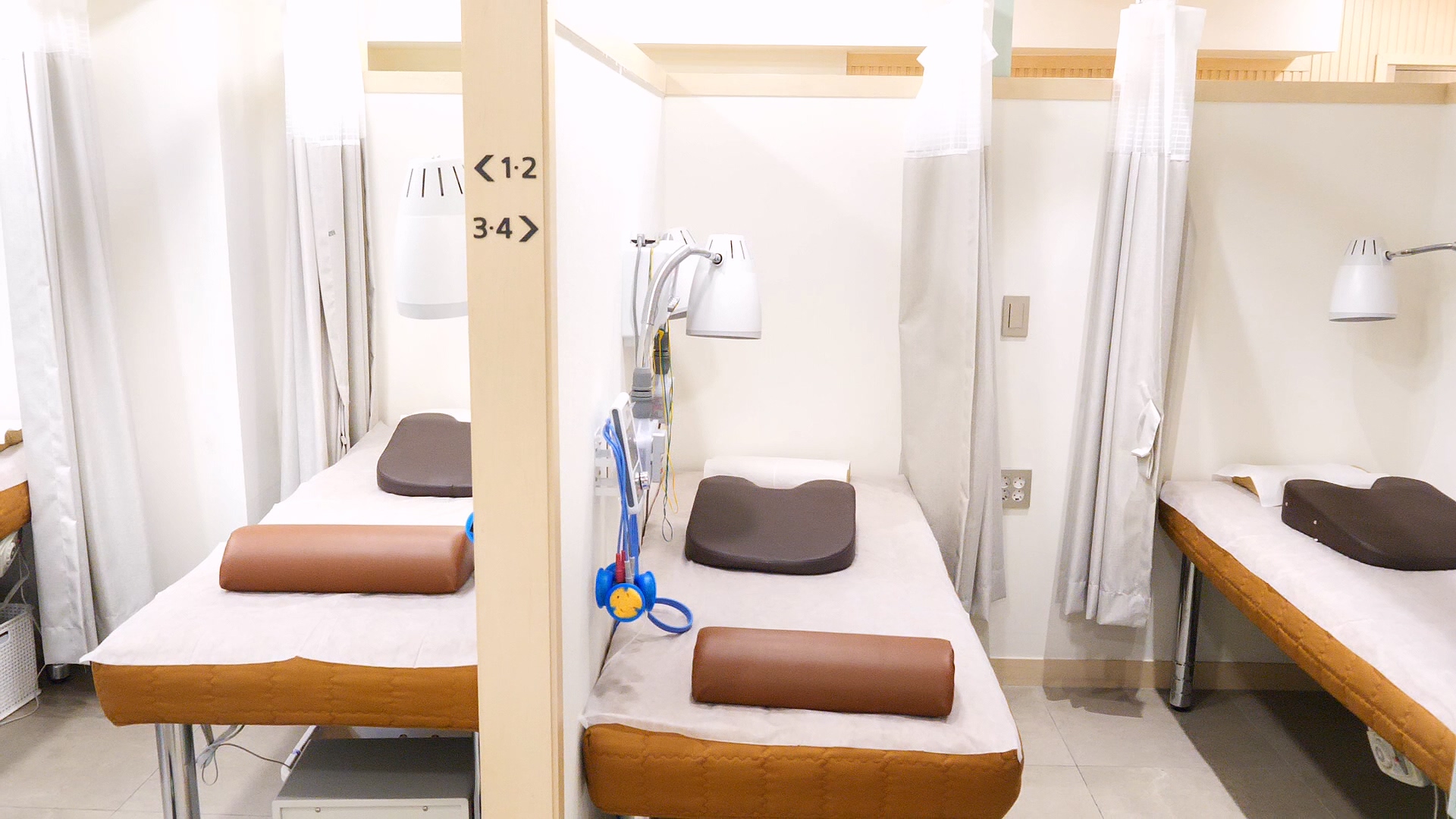
This guide explores how balancing the body's physical framework can support neurological health and symptom management.
Understanding Parkinson's Screening Test and Early Detection
A Parkinson's screening test serves as a foundational diagnostic tool that evaluates a patient's motor functions, cognitive status, and autonomic health to detect signs of neurodegeneration. By utilizing standardized scales and physical examinations, clinicians can identify the subtle onset of bradykinesia or resting tremors. At Bonecure, we integrate these traditional screening methods with a deep analysis of the patient's musculoskeletal alignment to provide a more holistic view of their current health status.
Why Early Detection Matters in Korean Traditional Medicine
Early detection in the context of Korean traditional medicine focuses on identifying subtle imbalances in the body's structural alignment before they manifest as severe motor deficits. At Bonecure, we emphasize that the prodromal phase of neurological conditions can last for over 10 years, offering a critical window for intervention. By conducting a Parkinson's screening test that includes a detailed skeletal analysis, we can identify postural rigidity that often precedes a formal diagnosis. My clinical experience shows that patients who address these structural tensions early often report a better quality of life and improved functional mobility. We utilize objective tools such as the Whole spine X-ray to monitor the 7 cervical vertebrae and their impact on the autonomic nervous system. This evidence-first approach ensures that we are not just observing symptoms but actively working to restore the body's innate balance. Early intervention at a Korean traditional medicine clinic in Cheongdam provides a comprehensive pathway for those noticing early tremors or stiffness through specialized acupotomy and Chuna therapy.
Common Early Warning Signs to Monitor
Recognizing early warning signs is essential for managing the progression of motor disorders through structural therapy and specialized acupuncture. Patients often report non-motor symptoms first, such as a reduced sense of smell or sleep disturbances, long before the classic 4 to 6 Hz resting tremor appears. At Bonecure, we pay close attention to the "masked face" phenomenon and micro-graphia, which are subtle indicators of decreasing dopamine activity. In my published case reports, I have documented how chronic rigidity in the upper neck can exacerbate these symptoms by restricting blood flow to the brainstem. We monitor these signs using a 5-step movement evaluation to provide a clear baseline for future recovery. While these signs do not always guarantee a Parkinson's diagnosis, they serve as vital red flags that warrant a thorough structural and neurological checkup. Addressing these issues through targeted acupotomy in Seoul clinics can further support the autonomic nervous system during this sensitive early stage of symptom development.
Structural Integrity and Parkinson's Symptom Management
Structural integrity refers to the proper alignment and functional harmony of the skeletal system, which is crucial for maintaining the pathways of the central nervous system. When the spine is misaligned, particularly in the cervical region, it can create physical tension that interferes with nerve signaling and blood circulation. At Bonecure, we believe that maintaining a balanced structure is a prerequisite for any neurological recovery, as it ensures that the brain and body can communicate without mechanical interference.
The Role of Spine Alignment in Neurological Health
The relationship between spine alignment and neurological health is a cornerstone of the treatment philosophy at Bonecure. The spine houses the spinal cord, and any deviation in its 33 vertebrae can lead to secondary complications in motor control. For instance, a forward head posture can increase the mechanical load on the spinal cord by up to 30 pounds, potentially worsening the tremors and rigidity associated with Parkinson's. In my clinical studies, I have observed that restoring the natural curve of the neck can help alleviate the internal pressure on the nervous system. By utilizing structural recovery techniques, we aim to reduce the "noise" in the nervous system, allowing for smoother motor execution. We often see that patients feel an immediate difference in their gait stability and a reduction in postural sway, as we focus on delivering high-impact, efficient care that produces visible changes without delay. This structural focus complements conventional neurological care by addressing the physical housing of the brain and spinal cord directly.
Comparing Conventional Screening vs. Structural Assessment
Understanding the differences between conventional medical screenings and the structural assessments provided at Bonecure helps patients choose the most comprehensive care path. While conventional tests focus heavily on biochemical markers and dopamine transporter scans, our structural assessment looks at the physical environment of the nerves. We use a combination of digital postural analysis and manual palpation to find areas of soft tissue adhesion that may be limiting movement. The following table illustrates the key differences between these two essential approaches to managing neurological health.
| Feature | Conventional Screening | Structural Assessment (Bonecure) |
|---|---|---|
| Primary Focus | Dopamine levels & brain imaging | Spinal alignment & tissue adhesion |
| Diagnostic Tool | DaTscan, UPDRS scale | Whole spine X-ray, palpation |
| Goal | Symptom suppression | Restoring physical balance |
| Approach | Pharmacological intervention | Acupotomy & structural recovery |
| Metric | Clinical observation | Objective postural angles |
Acupuncture and Specialized Korean Traditional Medicine for Parkinson's
Specialized Korean traditional medicine utilizes physical interventions like acupotomy to resolve deep-seated muscular adhesions and restore the body's structural flow. Unlike standard treatments that may address surface-level discomfort, these specialized techniques aim to decompress nerves and improve circulation at the source of the rigidity. At Bonecure, we apply these methods with a focus on evidence-based results, ensuring that every session contributes to the patient's overall functional capacity.
Acupuncture for Back Pain and Motor Symptom Relief
Acupuncture for back pain is a widely recognized method for managing the chronic musculoskeletal discomfort that often accompanies Parkinson's disease. As the body loses its ability to move fluidly, the muscles in the lower back and shoulders often become chronically tight, leading to a cycle of pain and further immobility. At Bonecure, we use acupuncture and acupotomy to stimulate specific trigger points that help relax these hyper-tonic muscles, providing much-needed relief for our patients. In my practice, I have found that reducing back pain can significantly increase a patient's willingness to engage in daily physical activities, which is vital for maintaining motor function. My clinical experience shows that patients reporting chronic rigidity often feel an immediate improvement in mobility when we release the paraspinal muscles and address the structural roots. Please note that these are specific clinical observations and individual results may vary based on the patient's condition. By targeting the paraspinal muscles, we help release the tension that pulls the spine out of alignment. This supportive care is an essential component of a holistic management plan at any acupuncture clinic in Seoul.
The Bonecure Approach: Acupotomy and Structural Recovery
The Bonecure approach to managing neurological symptoms involves the use of acupotomy, a specialized tool designed to perform micro-adhesiolysis on thickened ligaments and fascia. This technique is particularly effective for Parkinson's patients who suffer from "frozen" joints or severe neck rigidity that limits their range of motion. Unlike traditional needles, the acupotomy blade can physically release the fibrous bands that keep the body in a state of constant tension. In my clinical practice, I have seen patients with significant motor symptoms experience an immediate improvement in bradykinesia (slowness of movement) following the very first session of targeted acupotomy. Individual results may vary based on the severity of the condition and the patient's overall health status. It is important to note that while this procedure is highly effective, it may cause temporary pain at the site, minor bruising, or very rarely, infection. However, these risks are minimized when the procedure is performed by an experienced practitioner. We combine this with pharmacopuncture and Chuna therapy to support the body's natural healing processes, providing a multi-layered approach to recovery.
Comprehensive Care at Korean Traditional Medicine Clinics in Cheongdam
Comprehensive care at a Korean traditional medicine clinic in Cheongdam involves a personalized treatment plan that addresses both the physical and emotional challenges of chronic illness. These clinics offer a serene environment where patients can receive high-frequency care tailored to their specific structural needs. At Bonecure, we prioritize a scientific and evidence-first approach, using objective data to guide every step of the patient's journey toward improved mobility.
Patient Case Studies: Improving Mobility and Quality of Life
My clinical work at Bonecure has allowed me to document cases where structural intervention provided significant relief for patients struggling with motor disorders. For example, a patient diagnosed with Parkinson's who had shown poor response to dopamine medication visited our clinic. After performing targeted acupotomy on the upper cervical region (suboccipital muscles and C1 transverse process) to resolve deep-seated adhesions, we observed an immediate improvement in the patient's bradykinesia following just one treatment. Another case involved an international patient who traveled to our clinic for intensive acupotomy sessions to address neck rigidity; she reported an immediate feeling of "lightness" and better head control. These results are specific to these individuals, and it is important to remember that individual results may vary based on the duration and severity of the condition. By focusing on the structural roots of dysfunction, we help our patients reclaim their independence. For more information on similar conditions, you may find our guide to dystonia treatment or managing head tremors helpful.
Safety Guidelines and Choosing the Right Acupuncture Clinic in Seoul
When choosing an acupuncture clinic in Seoul for the management of complex neurological symptoms, it is vital to prioritize safety and clinical expertise. Patients should look for facilities that provide a clear diagnosis using objective tools like X-rays and have a proven track record of handling chronic cases. At Bonecure, we adhere to strict safety protocols to ensure that all treatments, including acupotomy and pharmacopuncture, are conducted with the highest level of care. It is important to discuss your full medical history with your practitioner, as certain conditions may require adjustments to the treatment plan. While the goal is always to improve quality of life, patients should understand that chronic conditions often require a long-term commitment to see lasting functional changes, even when immediate relief is felt after sessions. We recommend visiting clinics that offer integrated care plans, combining structural work with traditional therapies for the best possible outcome. For those also dealing with stress-related symptoms, exploring anxiety disorder recovery can be a beneficial addition to your health regimen.
Frequently Asked Questions
Q. What is the primary goal of a Parkinson's screening test?
A Parkinson's screening test aims to identify early motor and non-motor symptoms such as tremors, bradykinesia, or sleep disorders to facilitate early intervention and structural management. By detecting these signs early, clinicians can implement strategies to slow the progression of physical limitations and maintain independence. At Bonecure, we use these tests as a baseline to develop a personalized structural recovery plan.
Q. How soon can I expect to feel improvements after treatment?
At Bonecure, we focus on treatments that provide immediate feedback. Many patients report an immediate improvement in symptoms like rigidity or slowness of movement during or right after the first session. Our goal is to ensure the difference is palpable, though long-term stabilization for chronic conditions may require ongoing care. Individual responses always vary.
Q. Are there any risks associated with acupotomy or specialized acupuncture?
Potential risks include temporary pain at the site, minor bruising, or very rarely, infection; however, these are minimized when performed by an experienced Korean medicine doctor. At Bonecure, we follow rigorous sterilization and procedural standards to ensure patient safety. It is normal to feel some soreness following a session as the tissues begin to heal and realign.
Q. Can Korean traditional medicine cure Parkinson's disease?
While there is no known 'cure' for Parkinson's, traditional Korean medicine focuses on managing symptoms, restoring structural balance, and improving the patient's daily quality of life. Our approach at Bonecure is to maximize functional capacity and reduce the physical burden of the disease through evidence-based structural interventions. We aim for long-term management rather than a one-time fix.
Q. What should I look for in a Korean traditional medicine clinic in Cheongdam?
Look for clinics that provide integrated structural assessments, utilize objective diagnostic tools like X-rays, and offer specialized treatments like acupotomy for neurological symptom management. It is important to find a practitioner who understands the complex relationship between spinal health and neurological function. Bonecure is dedicated to providing this level of sophisticated, data-driven care.
Q. How is acupotomy different from traditional acupuncture?
Acupotomy uses a specialized tool to physically resolve adhesions in the muscles and ligaments, which is particularly effective for the severe rigidity seen in Parkinson's patients. While traditional acupuncture focuses on meridian flow, acupotomy focuses on structural release. This allows for more immediate and impactful changes in movement and posture.
Q. How many sessions are typically required to stabilize my condition?
The frequency varies by individual, but since we focus on immediate results, progress is monitored session by session. While some feel better immediately, a consistent plan is often necessary to prevent regression in chronic neurological cases. At Bonecure, we prioritize necessary, efficient treatments over unnecessary package deals.
Key Takeaways
- Early detection via a Parkinson's screening test is crucial for implementing structural interventions that manage symptom progression.
- Bonecure focuses on spinal alignment to reduce mechanical stress on the nervous system and improve motor control with immediate results.
- Acupotomy and specialized acupuncture help resolve muscle rigidity and improve the range of motion in chronic neurological cases.
- Pharmacopuncture and physical therapy support autonomic health and circulation for a holistic recovery experience.
- Objective diagnostic tools like Whole spine X-rays are essential for monitoring structural changes and ensuring evidence-based care.
For professional consultation and structural assessment regarding motor symptom management, please reach out to our team.
Bonecure / Dr. Song Jung-hyun
FAQ
- What is the primary goal of a Parkinson's screening test?
- A Parkinson's screening test aims to identify early motor and non-motor symptoms such as tremors, bradykinesia, or sleep disorders to facilitate early intervention and structural management. By detecting these signs early, clinicians can implement strategies to slow the progression of physical limitations and maintain independence. At Bonecure, we use these tests as a baseline to develop a personalized structural recovery plan.
- How does acupuncture for back pain benefit Parkinson's patients?
- Acupuncture for back pain can help alleviate the muscle rigidity and postural instability often associated with Parkinson's, improving overall mobility for some individuals. By releasing tension in the paraspinal muscles, it reduces the mechanical stress on the spine, which can help patients move more comfortably and safely. This form of relief is a key part of our supportive care strategy at Bonecure.
- Are there any risks associated with acupotomy or specialized acupuncture?
- Potential risks include temporary pain at the site, minor bruising, or very rarely, infection; however, these are minimized when performed by an experienced Korean medicine doctor. At Bonecure, we follow rigorous sterilization and procedural standards to ensure patient safety. It is normal to feel some soreness following a session as the tissues begin to heal and realign.
- Can Korean traditional medicine cure Parkinson's disease?
- While there is no known 'cure' for Parkinson's, traditional Korean medicine focuses on managing symptoms, restoring structural balance, and improving the patient's daily quality of life. Our approach at Bonecure is to maximize functional capacity and reduce the physical burden of the disease through evidence-based structural interventions. We aim for long-term management rather than a one-time fix.
- What should I look for in a Korean traditional medicine clinic in Cheongdam?
- Look for clinics that provide integrated structural assessments, utilize objective diagnostic tools like X-rays, and offer specialized treatments like acupotomy for neurological symptom management. It is important to find a practitioner who understands the complex relationship between spinal health and neurological function. Bonecure is dedicated to providing this level of sophisticated, data-driven care.
- Is moxibustion therapy effective for Parkinson's related issues?
- Moxibustion therapy in Seoul clinics is often used to improve circulation and support the autonomic nervous system, which can be beneficial for non-motor Parkinson's symptoms. This thermal therapy helps relax deep tissues and can improve the patient's overall sense of well-being. At Bonecure, we often use it as a complementary treatment alongside structural realignment for a holistic effect.
- How many sessions are typically required to see improvements?
- The frequency of treatment varies significantly based on the individual's condition; chronic or severe cases often require a consistent, long-term plan for noticeable functional recovery. Typically, we recommend an initial phase of 10 to 20 sessions to stabilize the structure and evaluate the body's response. At Bonecure, we continuously monitor progress with objective metrics to ensure the treatment remains effective.