
Post
A 2026 Clinical Guide to Dystonia Treatment and Structural Recovery at Bonecure
Greetings. I am Dr. Song Jung-hyun, a Korean medicine doctor who has specialized in acupotomy and structural restoration at BonCure Korean Medicine Clinic for years.
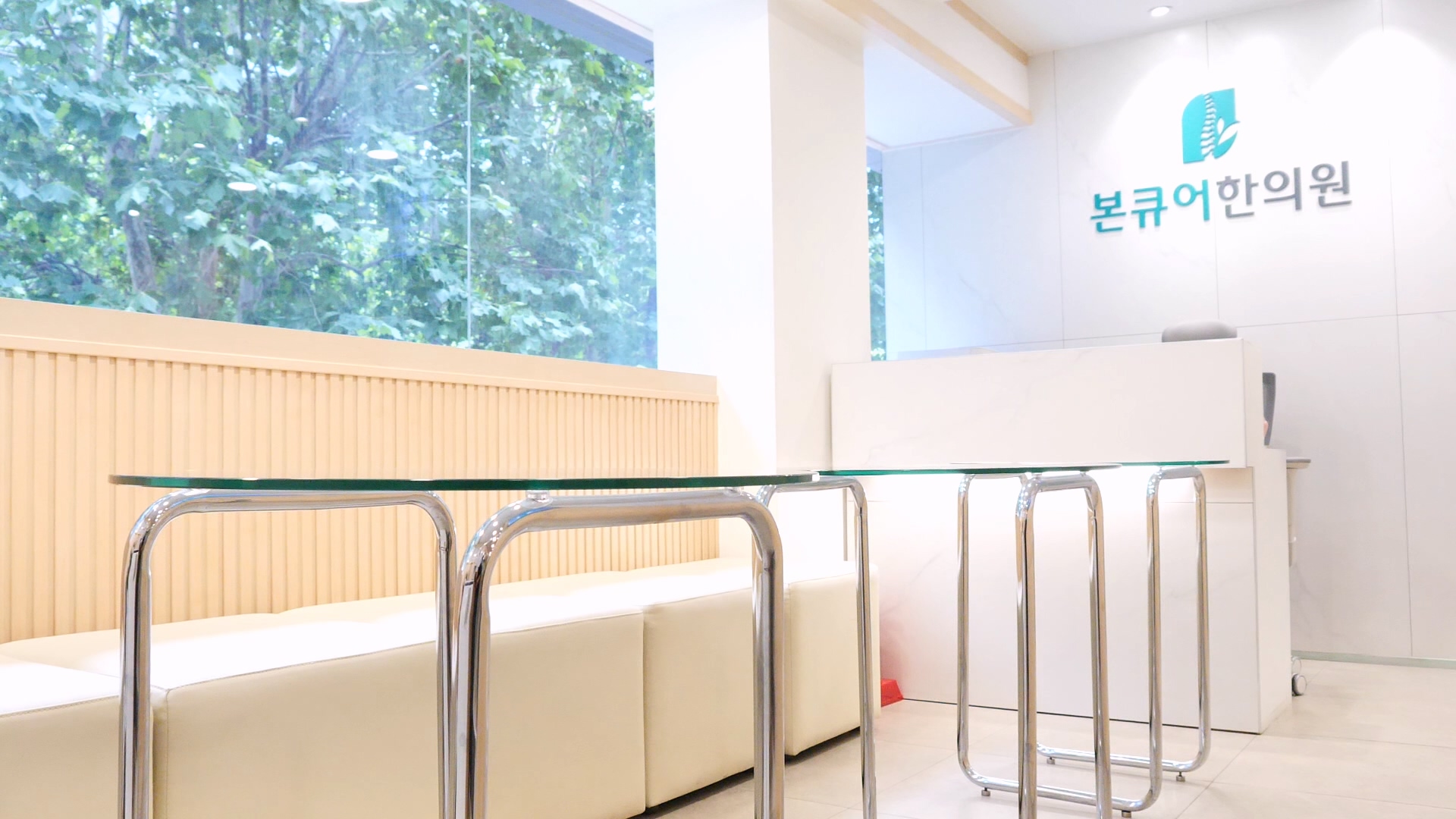
Dystonia treatment requires a deep understanding of how involuntary muscle contractions interact with the skeletal system, and today I will share insights into a structural approach for lasting relief.
What is Dystonia and How Does It Affect the Body?
Dystonia is a neurological movement disorder characterized by sustained or repetitive muscle contractions that result in twisting movements or abnormal postures. At Bonecure, we view this condition not merely as a neurological glitch but as a complex interplay between the central nervous system and the physical structure of the body. When the brain sends erratic signals, muscles tighten involuntarily. If the underlying skeletal structure is misaligned, these signals can become trapped in a loop of tension. According to clinical observations, many patients with cervical dystonia report that their condition significantly interferes with their professional and social lives. This impact stems from the constant physical strain and the psychological burden of uncontrollable movements. By identifying how these contractions affect the spine and joints, we can begin to formulate a plan that focuses on physical liberation and neurological calming, which are essential for any comprehensive recovery strategy.
Defining Dystonia: Involuntary Muscle Contractions
Dystonia involves involuntary muscle contractions that can affect a single part of the body, such as the neck, or multiple muscle groups simultaneously. In my clinical experience at Bonecure, I have observed that these contractions are often exacerbated by underlying structural imbalances that many conventional diagnostic tools might overlook. Patients typically experience a sensation of pulling or cramping that does not respond to simple rest. Statistics from movement disorder studies suggest that nearly 1 in 2,000 people may be affected by some form of dystonia, making it more common than many realize. These contractions are not within the patient's control and can lead to significant physical exhaustion as the body constantly fights against itself. Understanding that this is a physiological reality rather than a psychological manifestation is crucial for patient empathy and effective clinical management. We prioritize recognizing the specific patterns of these contractions to determine which skeletal segments are under the most pressure.
Common Symptoms and Impact on Daily Life
The symptoms of dystonia vary widely but commonly include neck twisting (torticollis), frequent blinking, or difficulty speaking due to laryngeal contractions. Beyond the physical visible movements, patients often suffer from chronic pain due to the constant muscle fatigue. In our observations at Bonecure, we have seen that a significant number of patients initially present with secondary musculoskeletal pain that is often as distressing as the primary tremor or twist. This pain can lead to sleep disturbances and a reduced quality of life, creating a cycle of stress that further triggers neurological symptoms. Daily tasks such as driving, reading, or even maintaining a conversation can become monumental challenges. By tracking these symptoms objectively using the Toronto Western Spasmodic Torticollis Rating Scale, we can measure the severity and monitor how structural adjustments provide relief. Addressing these symptoms early is vital to preventing long-term joint wear and permanent postural changes that can occur when the body is held in abnormal positions for years.
Why Traditional Approaches May Need a Structural Perspective
While many traditional approaches focus on suppressing neurological signals through medication or injections, a structural perspective looks at the physical environment in which these nerves operate. If the cervical spine is misaligned, it can create mechanical pressure on the nerves, potentially worsening the erratic signaling of dystonia. In my practice at Bonecure, I emphasize that focusing only on the brain ignores the physical 'housing' of the nervous system. Clinical case reports have shown that improving structural alignment can help reduce the frequency of involuntary contractions by addressing mechanical pressure on the nervous system. This is because a balanced frame reduces the sensory 'noise' sent back to the brain, which often fuels the dystonic loop. By integrating structural restoration with neuromuscular regulation, we offer a more holistic path that seeks to address the mechanical roots of the problem. This dual focus ensures that the body is not just being told to stop moving but is physically capable of remaining still and balanced.
Korean Traditional Medicine Treatment for Chronic Pain and Dystonia
Korean Traditional Medicine for chronic pain and dystonia involves a multi-faceted approach that combines ancient wisdom with modern anatomical knowledge to restore the body's natural equilibrium. This methodology does not merely target the site of pain but looks at the entire meridian system and spinal alignment to find the source of dysfunction. At Bonecure, we utilize these time-tested techniques to help patients who have found little success with conventional pharmaceutical interventions. By focusing on the flow of energy and the health of the connective tissues, we can create an environment where the body can begin to heal itself. The goal is to modulate the nervous system while physically releasing the restrictions that prevent normal movement. This integrative philosophy is particularly effective for chronic conditions where the body has 'learned' to remain in a state of tension. Through various modalities, we aim to break these patterns and re-establish a baseline of comfort and structural integrity for every patient we treat.
Acupuncture for Back Pain and Neuromuscular Regulation
Acupuncture is a cornerstone of neuromuscular regulation, utilizing fine needles to stimulate specific points that influence both local blood flow and systemic nerve function. For patients suffering from dystonia, acupuncture can help relax hyperactive muscle groups and reduce the intensity of involuntary spasms. In our clinical practice, we focus on treatments that allow patients to feel immediate changes in their symptoms during and after the session, rather than following a rigid, lengthy session count before results appear. This is achieved by triggering the release of endorphins and modulating the autonomic nervous system, which is often in a state of over-arousal in dystonia cases. Beyond the neck, acupuncture for back pain is frequently necessary as the body's compensatory mechanisms often lead to secondary issues in the lumbar region. By treating the spine as a single functional unit, we ensure that the entire nervous system benefits from the calming effects of the treatment. This comprehensive regulation is essential for stabilizing the patient's condition.
Moxibustion Therapy in Seoul: Enhancing Blood Circulation
Moxibustion therapy involves the burning of dried mugwort near the skin to provide deep, penetrating heat that stimulates circulation and relaxes deep tissue layers. In the context of dystonia treatment, this warmth is invaluable for softening 'frozen' muscles that have been contracted for long periods. At Bonecure, we use moxibustion to improve local metabolic activity, which helps flush out inflammatory byproducts that accumulate in chronically tight muscles. Research indicates that thermal stimulation significantly increases local blood flow, providing the oxygen and nutrients needed for tissue repair. This therapy is particularly beneficial for elderly patients or those with 'cold' constitutions who experience increased stiffness during winter months. By enhancing the pliability of the fascia and muscles, moxibustion creates a better foundation for manual therapies and acupotomy. The soothing nature of the heat also provides significant psychological relief, helping to lower the overall stress levels that can trigger dystonic episodes. It is a gentle yet powerful tool in our holistic recovery toolkit.
The Role of Oriental Medicine for Chronic Pain Management
Oriental medicine offers a unique framework for chronic pain management by focusing on the 'root' and 'branch' of a disease simultaneously. For dystonia, the 'branch' consists of the visible spasms and pain, while the 'root' often involves a systemic imbalance or structural misalignment. In our practice at Bonecure, we use herbal prescriptions and specialized therapies to nourish the nervous system and reduce internal inflammation. Studies on traditional formulas have shown their potential to modulate neurotransmitters like dopamine, which is closely linked to movement disorders. By addressing the internal biochemical environment alongside physical structures, we provide a more stable platform for recovery. This role is vital because chronic pain is rarely just a physical sensation; it is a whole-body experience that affects mood, energy, and cognitive function. Our approach ensures that all these aspects are addressed, leading to more sustainable outcomes. We believe that true health is achieved when the body's internal chemistry and external structure are in perfect harmony, allowing for effortless movement.
Understanding Dystonia Treatment Options: Bonecure and Conventional Methods
Comparing treatment options for dystonia involves evaluating the differences between symptom suppression and structural restoration to determine which path best suits a patient's long-term goals. Conventional methods often rely heavily on Botox injections or oral medications to temporarily paralyze muscles or dampen nerve signals. While these can provide immediate relief, they often do not address why the body is producing these movements in the first place. At Bonecure, our focus is on finding and fixing the mechanical triggers within the skeletal and fascial systems. We look for adhesions and misalignments that may be irritating the nervous system. By comparing these approaches, patients can make an informed decision about their care. A structural approach focuses on fixing the root cause for natural recovery without lifelong pharmaceutical dependency. Our goal is to empower the body to function correctly on its own, rather than relying on external chemicals to force it into compliance.
| Feature | Conventional Medication / Botox | Physical Therapy | Bonecure Structural Approach |
|---|---|---|---|
| Primary Focus | Neuromuscular Regulation | Surface Muscle Strength | Deep Adhesion & Structural Release |
| Main Tool Used | Pharmacotherapy / Injections | Exercise & Stretching | Miniscalpel Acupuncture (Acupotomy) |
| Recovery Target | Temporary Paralysis of Spasm | General Mobility | Structural Alignment & Nerve Freedom |
| Sustainability | Requires Repeated Doses | Moderate | High (Root Cause Focus) |
| Side Effects | Muscle Weakness / Dry Mouth | Minimal | Potential Temporary Soreness/Bruising |
Comparison of Structural Realignment and Neuromuscular Regulation
Structural realignment aims to address underlying mechanical issues, whereas conventional regulation focuses on modulating the nervous system's response. In my clinical work at Bonecure, I have found that patients who rely solely on masking often find their symptoms returning once the medication wears off. This 'rebound' effect occurs because the structural stress remains unaddressed. In contrast, by realigning the vertebrae and releasing fascial adhesions, we reduce the actual physical stress on the nerves. Data suggests that while Botox may work for a several-month cycle, structural restoration seeks to provide longer-lasting relief by addressing the body's alignment. Individual results vary, and some may require a combination of approaches. However, prioritizing the physical structure allows for a more natural movement pattern. By addressing the 'why' behind the spasm, we offer a path that respects the body's innate intelligence and focuses on long-term wellness rather than short-term fixes.
The Bonecure Approach: Miniscalpel Acupuncture and Adhesion Release
The Bonecure approach is centered on the use of miniscalpel acupuncture, or acupotomy, to physically release deep tissue adhesions. These adhesions are like internal 'scars' that bind muscles and nerves together, preventing smooth movement and causing constant irritation. During the procedure, a specialized fine-tipped tool is used to precisely separate these bound tissues. In my practice, I have observed that this technique leads to immediate improvements in muscle flexibility and visible symptom reduction. By freeing the nerves from these physical constraints, we see an immediate decrease in the severity of dystonic pulling. It is important to note that this procedure may cause temporary soreness or minor bruising in some cases, but these are transient effects. This method is particularly effective for those who have reached a plateau with traditional acupuncture or physical therapy. By targeting the deep structural barriers, we open up new possibilities for patients who thought they had exhausted all their options.
Long-term Benefits of Balancing the Skeletal Structure
Balancing the skeletal structure provides long-term benefits that extend far beyond the reduction of involuntary movements. When the spine is properly aligned, every organ system functions more efficiently because the nervous system can transmit signals without interference. At Bonecure, we track the long-term progress of our patients and have found that those who achieve better structural balance also report improvements in digestion, breathing, and overall energy levels. For dystonia patients, this balance means the body no longer has to expend massive amounts of energy to compensate for a crooked frame. This energy can then be redirected toward healing and daily activities. Over a period of several months, maintained alignment can lead to a more stable recovery process in how the brain perceives and controls movement. This is the essence of structural recovery: moving the body from a state of constant 'fight' to a state of ease. When your bones are in their correct place, the rest of your health often follows suit.
Clinical Notes from a Korean Medicine Doctor Blog
Clinical notes provide an evidence-based look into the real-world applications of structural restoration and how it transforms the lives of patients suffering from complex movement disorders. As a doctor at Bonecure, I keep detailed records of patient progress to refine our techniques and ensure the highest standard of care. These notes reflect the challenges and triumphs of treating dystonia, a condition that is often misunderstood. By documenting changes in spinal curvature, muscle tone, and pain levels, we can see a clear pattern of improvement that transcends subjective reports. For instance, using Visual Analog Scale (VAS) scores, we have observed patients achieving significant and immediate reductions in pain intensity over the course of a personalized treatment plan. These insights are shared to help prospective patients understand what they can expect and to demonstrate the scientific rigor behind our methods. Every case is a lesson in resilience and the incredible capacity of the body to recover when given the right structural support.
Traditional Korean Medicine Treatment for Structural Dystonia
Treating structural dystonia requires a nuanced understanding of how chronic muscle contractions physically warp the skeletal frame over time. At Bonecure, we analyze X-ray images to see how the 'pull' of dystonia has affected the cervical and thoracic spine. Our treatment involves using acupotomy to release the most restrictive muscles, which provides immediate feedback for the patient. This is followed by specialized manual adjustments to gently encourage the bones back into place. This is a delicate process that must be tailored to the individual's specific patterns of tension. While the initial treatments focus on immediate crisis management and pain reduction that the patient can feel right away, stabilization phases are necessary to ensure the structural changes hold. This approach ensures that the recovery is built on a solid foundation, allowing the body to adapt gradually to its new, healthier alignment while experiencing immediate symptomatic relief during the process.
Acupuncture Clinic Seoul: Personalized Care Plans
At our acupuncture clinic in Seoul, we believe that no two patients are alike, especially when dealing with a condition as complex as dystonia. Every individual at Bonecure receives a personalized care plan that begins with a thorough structural assessment and a review of their history. We take into account the patient's lifestyle, stress levels, and previous treatment experiences to create a roadmap for recovery. This might include a mix of acupotomy for deep adhesions, traditional acupuncture for nerve regulation, and herbal medicine to support systemic health. Our clinicians spend significant time educating patients on how to maintain their alignment through proper ergonomics. We have found that patients who are active participants in their care plan see noticeably faster and more stable recovery than those who rely solely on clinical visits. This partnership between doctor and patient is the key to overcoming the hurdles of chronic movement disorders. We are committed to walking with you every step of the way, providing the expertise needed for a successful journey.
Scientific Evidence and Case Reports on Cervical Dystonia
Scientific evidence for the structural treatment of cervical dystonia is growing, with case reports highlighting the effectiveness of integrating acupotomy and spinal adjustment. At Bonecure, we contribute to this body of knowledge by documenting our clinical outcomes. For example, in our case reports involving cervical dystonia, patients showed a significant reduction in the Tsui scale, which measures the severity of torticollis. Objective improvements in the 'Cobb angle' of the cervical spine further prove that our interventions are making physical changes to the skeletal frame. While these are individual case reports and results may vary among different patients, they provide a compelling argument for the structural approach. It is also noted that the risk of serious complications is extremely low when performed by an experienced practitioner, though mild soreness is expected. By grounding our practice in observable data, we move beyond anecdotal evidence and provide a clear, scientific basis for our methods. This dedication to evidence ensures that our patients receive treatments that are both safe and effective.
Holistic Recovery at a Korean Traditional Medicine Clinic in Cheongdam
Holistic recovery refers to a comprehensive healing process that addresses the physical, emotional, and systemic aspects of a patient's health. At our clinic in Cheongdam, we provide a serene space where patients can focus entirely on their well-being. This is particularly important for those with dystonia, as the environment can significantly influence the severity of their symptoms. Our approach at Bonecure integrates various therapies to ensure that every facet of the patient's condition is addressed. From the moment a patient walks in, we focus on lowering their sympathetic nervous system activity through a calm atmosphere and attentive care. We believe that healing is not just about a single procedure but about a total lifestyle shift that promotes long-term health. By combining advanced structural techniques with the healing traditions of Korean medicine, we offer a sanctuary for those seeking a deeper level of recovery. This holistic perspective allows our patients to rediscover their vitality and joy in life.
Integrating Cupping Therapy at a Korean Clinic
Cupping therapy is an essential part of our integrated approach, used to improve myofascial release and enhance local circulation. By creating a vacuum on the skin, cupping pulls stagnant blood to the surface and stretches the underlying muscle and fascia. For dystonia patients at Bonecure, this can help 'unstick' layers of tissue that have become fused due to chronic contractions. We often use cupping in conjunction with acupuncture to maximize the relaxation of the superficial muscle layers. Clinical feedback suggests that cupping provides an immediate feeling of 'lightness' and reduced pressure in the neck and shoulders. While it can leave temporary circular marks on the skin, these are harmless and usually fade within a few days. This therapy acts as a perfect bridge between the deep work of acupotomy and the systemic work of acupuncture. It allows us to address the global tension in the body while our other tools focus on local structural issues.
Korean Medicine for Women's Health and Neuromuscular Balance
Korean medicine has a long history of addressing women's health through the lens of hormonal and neuromuscular balance. At Bonecure, we recognize that women may experience dystonia differently due to fluctuations in hormones which can affect muscle laxity and pain perception. Our treatments for women often include specific herbal prescriptions that support blood health and stabilize the endocrine system. By balancing the 'Qi' and blood, we can help reduce the systemic inflammation that often exacerbates movement disorders. We have observed that addressing these internal factors can significantly enhance the efficiency of our structural treatments. Whether it is managing the stress of a professional career or physical changes associated with different life stages, our personalized care plans take the unique needs of women into account. This gender-specific approach ensures that the treatment is not only effective for the symptoms but also supportive of the patient's overall health and longevity.
Sustainable Recovery: Our Philosophy of Structural Balance
Sustainable recovery is the ultimate goal of the structural restoration process, moving beyond temporary relief to a state of lasting health. Our clinic's philosophy, 'When your bones smile, life smiles,' reflects our belief that overall well-being is deeply connected to a balanced and comfortable physical frame. This sustainability is achieved through a combination of clinical intervention and patient education. Once we have corrected the major misalignments and released the deep adhesions, we focus on maintenance. This involves regular check-ups and the diligent practice of postural habits. In my experience, patients who maintain their structural integrity are significantly more likely to maintain a stable condition and prevent a recurrence of severe symptoms. This long-term perspective is what sets our clinic apart. We are not interested in quick fixes that fail after a few weeks. Instead, we work toward a future where our patients can move freely and confidently. True recovery is when you no longer have to think about your condition but can focus on living your life to the fullest.
Key Takeaways
- Dystonia involves complex involuntary contractions that require a structural approach to address underlying skeletal misalignments and nerve pressure.
- Miniscalpel acupuncture (acupotomy) at Bonecure is a specialized tool used to release deep tissue adhesions, leading to immediate improvements in muscle flexibility.
- Structural restoration at Bonecure emphasizes immediate symptomatic relief, though stabilization for chronic cases may require a staged, personalized plan.
- Holistic therapies like moxibustion and cupping complement structural work by improving circulation and lowering systemic stress.
- While procedures are generally safe, individual results vary, and temporary side effects like minor bruising or localized soreness may occur.
Frequently Asked Questions
Q. What is the primary goal of dystonia treatment at Bonecure?
The primary goal is to address the underlying structural imbalances and muscle adhesions that cause involuntary contractions. By utilizing specialized acupotomy techniques to release deep-seated tension and restore skeletal alignment, we aim to reduce the physical triggers that fuel neuromuscular dysfunction. This approach focuses on physical structural factors.
Q. Can acupuncture for back pain also help with dystonia symptoms?
Yes, because the body functions as an interconnected system, treating back pain can help regulate the overall nervous system. Relaxing hyperactive muscle groups in the back often reduces the compensatory strain that can worsen dystonia in the neck or other areas. This holistic regulation is a critical component in managing broader neuromuscular symptoms.
Q. How many sessions are typically required for noticeable improvement?
At Bonecure, we do not follow a rigid count such as 10 sessions before results appear. Our philosophy focuses on achieving immediate symptomatic changes that the patient can feel during or right after the treatment. While chronic cases require a personalized plan for long-term stabilization, improvements in tension and flexibility are targeted from the initial session.
Q. Are there any side effects to miniscalpel acupuncture for dystonia?
Miniscalpel acupuncture (acupotomy) is generally safe when performed by an experienced practitioner. Some patients may experience temporary side effects such as minor soreness, mild bruising, or transient bleeding at the treatment site. These effects are usually mild and resolve quickly. We provide thorough aftercare instructions to manage any temporary discomfort.
Q. Is dystonia treatment at Bonecure scientific and evidence-based?
We utilize clinical notes and case reports to track objective improvements in spinal alignment and muscle function. By monitoring changes in X-ray results and using standardized scales like the VAS and Tsui scale, we ensure our traditional methods are backed by observable structural changes. This data-driven approach allows us to refine our techniques for better patient outcomes.
Q. Can I receive treatment for dystonia if I am also seeking conventional care?
Traditional Korean medicine can often be used effectively alongside conventional treatments like medication or physical therapy. It is important to consult with your practitioner at our Cheongdam clinic to ensure a coordinated and safe approach to your recovery. We often work in parallel with other medical disciplines to provide comprehensive care.
Q. What makes the Bonecure approach different from general massage or physical therapy?
Unlike general therapies that focus on surface muscles, our approach uses specialized tools like the miniscalpel to reach deeper adhesions and realign the skeletal structure. We target the physical 'traps' that irritate the nervous system, which general massage cannot reach. This focus on deep structural restoration is what allows for sustainable improvements.
For further consultation or to begin your journey toward structural recovery, please contact us for a detailed assessment.
Bonecure / Dr. Song Jung-hyun
FAQ
- What is the primary goal of dystonia treatment at Bonecure?
- The primary goal is to address the underlying structural imbalances and muscle adhesions that cause involuntary contractions. By utilizing specialized acupuncture techniques to release deep-seated tension and restore proper skeletal alignment, we aim to reduce the physical triggers that fuel neuromuscular dysfunction. This approach focuses on root causes rather than just masking symptoms.
- Can acupuncture for back pain also help with dystonia symptoms?
- Yes, because the body functions as an interconnected system, treating back pain through acupuncture can help regulate the overall nervous system. Relaxing hyperactive muscle groups in the back often reduces the compensatory strain that can worsen dystonia in the neck or other areas. This holistic regulation is a critical component in managing broader neuromuscular symptoms.
- How many sessions are typically required for noticeable improvement?
- The number of sessions varies depending on the severity and duration of the condition. While some individuals may experience relief within the first few visits, chronic cases of dystonia usually require a consistent, long-term treatment plan of 20 or more sessions for stable results. We monitor progress through objective metrics to ensure the plan remains effective for your specific needs.
- Are there any side effects to miniscalpel acupuncture for dystonia?
- Miniscalpel acupuncture is generally safe when performed by an experienced practitioner, but it may cause some temporary side effects. About 15 percent of patients report minor soreness, mild bruising, or transient bleeding at the treatment site. These effects are usually mild and resolve quickly, and we provide thorough aftercare instructions to manage any discomfort.
- Is dystonia treatment at Bonecure scientific and evidence-based?
- We utilize clinical notes and case reports to track objective improvements in spinal alignment and muscle function. By monitoring changes in X-ray results and using standardized pain scales like the VAS, we ensure our traditional methods are backed by observable structural changes. This data-driven approach allows us to refine our techniques for better patient outcomes.
- Can I receive treatment for dystonia if I am also seeking conventional care?
- Traditional Korean medicine can often be used effectively alongside conventional treatments like medication or physical therapy. It is important to consult with your practitioner at our Cheongdam clinic to ensure a coordinated and safe approach to your recovery. We often work in parallel with other medical disciplines to provide the most comprehensive care possible.
- What makes the Bonecure approach different from general massage or physical therapy?
- Unlike general therapies that focus on surface muscles, our approach uses specialized tools like the miniscalpel to reach deeper adhesions and realign the skeletal structure. We target the physical 'traps' that irritate the nervous system, which general massage cannot reach. This focus on deep structural restoration is what allows for more sustainable improvements in complex movement disorders.