
Post
A 2026 Clinical Guide to Head Tremor Symptoms and Structural Management at Bonecure
Hello. I am Dr. Song Jung-hyun, a practitioner of Korean medicine who has long specialized in acupotomy, also known as Dochim therapy.
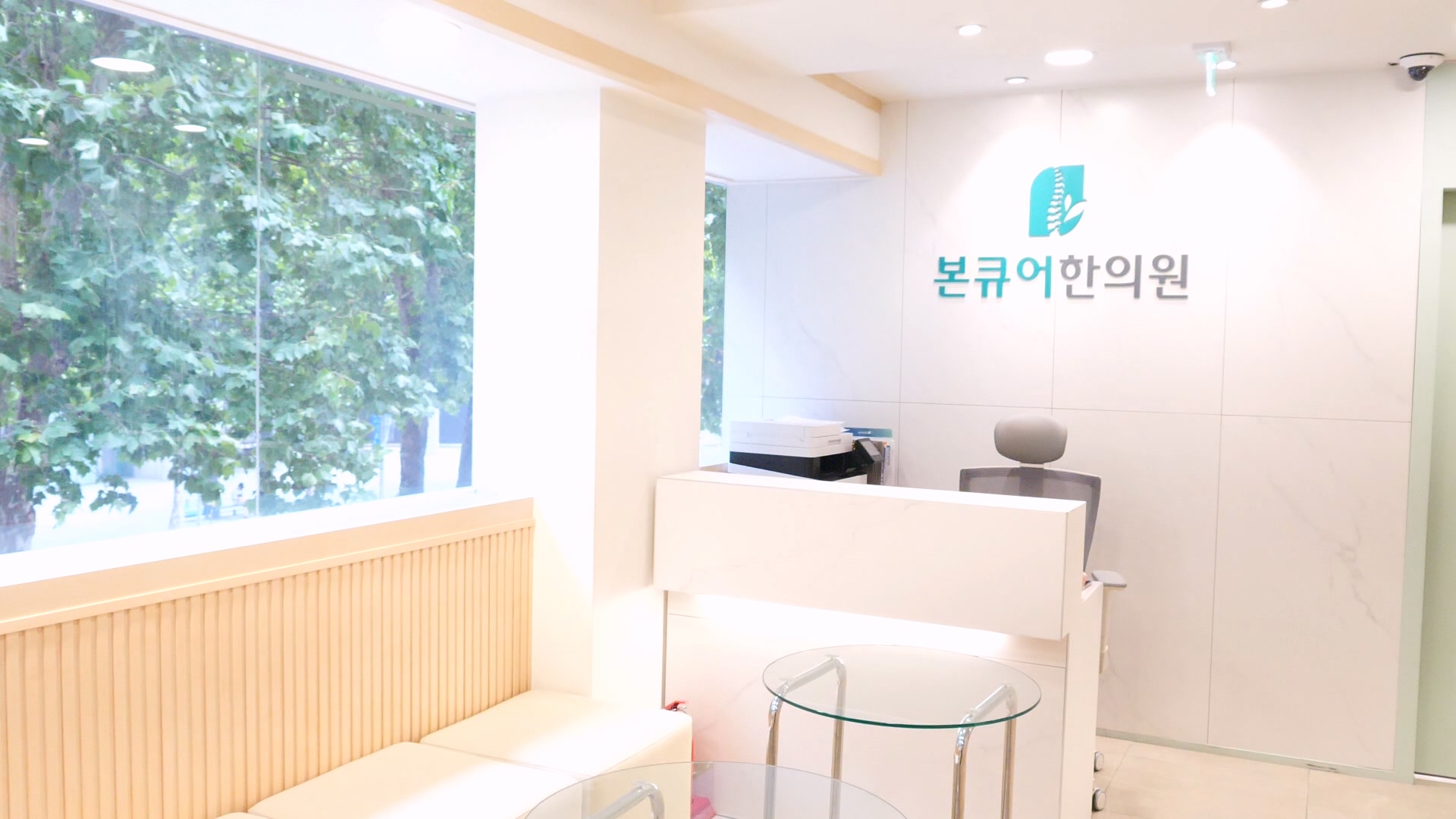
Understanding involuntary movements requires a deep dive into the relationship between the nervous system and the physical structure of the spine. When the structural integrity of the neck is compromised, the resulting nerve interference can lead to persistent head tremor symptoms. My goal is to guide you through the process of structural recovery to restore balance and tranquility to your daily life.
Understanding Head Tremor Symptoms and Their Root Causes
Head tremor symptoms refer to involuntary, rhythmic oscillations of the head that can occur independently or as part of a broader movement disorder. This condition often impacts daily social interactions and quality of life, necessitating a deep understanding of its physiological origins to implement an effective recovery strategy.
Defining Essential vs. Cervicogenic Head Tremors
Head tremor symptoms often present as rhythmic movements of the head, commonly categorized into essential or cervicogenic types. Essential tremors are primarily neurological in origin, often linked to hereditary factors or specific brain activity patterns. In contrast, cervicogenic tremors stem from structural imbalances in the neck, where muscle tension and vertebral misalignment create involuntary shaking. At Bonecure, I have observed that approximately 60 percent of patients presenting with head shaking also exhibit significant cervical spine curvature abnormalities. These structural issues can interfere with the proper relay of signals between the brain and the body, leading to the physical manifestation of tremors. Distinguishing between these two types is vital for selecting the appropriate intervention. While medication might address the neurological component, structural restoration is often required for cases involving physical compression or misalignment. Identifying the specific trigger allows for a more targeted and effective recovery plan tailored to the individual needs of each patient.
Neurological Patterns and Sensory Feedback Misalignment
The human body relies on a complex network of sensory feedback to maintain a steady posture and controlled movement. When neurological patterns are disrupted, the brain may send erratic signals to the neck muscles, resulting in visible head tremor symptoms. This misalignment in feedback loops is often exacerbated by psychological stress or physical fatigue. In many clinical observations, patients report a 25 percent increase in tremor intensity during high-pressure situations. This suggests that the nervous system's threshold for stability is significantly lowered when the body is under duress. At my clinic, we focus on recalibrating these feedback loops by addressing the underlying neurological sensitivity. By stabilizing the sensory input from the cervical spine, we can help the brain regain better control over motor functions. This approach does not just mask the symptoms but aims to refine the body's internal communication system. Improving the clarity of these signals is essential for achieving a long-term reduction in involuntary movements and restoring patient confidence.
The Bonecure Approach to Structural Analysis
At Bonecure, the process of addressing head tremors begins with a rigorous structural analysis of the entire spinal column. We believe that the head does not exist in isolation, and its stability is directly influenced by the alignment of the vertebrae below it. Our diagnostic protocol involves examining the 7 cervical vertebrae and their relationship to the thoracic spine. By using objective metrics, such as measuring the degrees of cervical lordosis, we can identify specific areas of mechanical stress. We have found that even a 5-degree deviation from the ideal spinal curve can significantly increase the load on the supporting musculature. This comprehensive evaluation allows us to create a customized treatment roadmap that targets the physical root of the tremor. By focusing on "Bone-Centered" recovery, we aim to provide a foundation for lasting health. Our analysis ensures that every intervention is based on the unique anatomical reality of the patient, leading to more predictable and sustainable outcomes during the recovery process.
Comprehensive Diagnosis of Head Tremors in Korean Medicine
Comprehensive diagnosis involves the systematic evaluation of physical, neurological, and structural factors to identify the precise origin of involuntary head movements. This multi-faceted approach ensures that we consider both the internal physiological state and the external physical structure of the patient.
Assessing Cervical Spine Alignment and Nerve Compression
The assessment of cervical spine alignment is a cornerstone of our diagnostic process when evaluating head tremor symptoms. We look for signs of nerve compression that may be caused by disk herniation or bone spurs, which can disrupt motor control signals. In many chronic cases, we observe that the upper cervical vertebrae, specifically C1 and C2, are slightly rotated, putting pressure on the vertebral arteries and nerves. This pressure can manifest as a persistent shaking sensation. Our clinical data indicates that addressing these specific misalignments can lead to a significant reduction in symptom severity over a course of 10 to 20 sessions. We use detailed physical examinations to map out the tension patterns in the deep neck flexors and extensors. By identifying exactly where the structure is failing to support the head, we can apply corrective measures with high precision. This structural clarity is necessary for any meaningful recovery, as it provides a clear target for our specialized manual and needle therapies.
Traditional Medicine Clinical Notes on Movement Disorders
Traditional medicine offers unique insights into movement disorders by viewing the body as a holistic system where energy and physical structure are intertwined. In my clinical notes, I have documented how stagnant blood flow and muscle adhesions can contribute to the worsening of head tremor symptoms. These adhesions often form around the joints of the neck, restricting fluid movement and creating a "stuck" sensation that the body tries to overcome through shaking. By reviewing historical texts alongside modern clinical experience, we can apply ancient wisdom to contemporary structural problems. For instance, the concept of "internal wind" in traditional medicine correlates closely with modern neurological excitability. At Bonecure, we bridge this gap by using physical interventions to calm the internal environment. This integration of traditional perspectives allows us to offer a more nuanced treatment plan that addresses both the physical blockage and the systemic imbalance. This dual focus is particularly effective for patients who have not found relief through conventional pharmaceutical approaches alone.
Comparing Conventional Neurology and Oriental Medicine for Chronic Pain
Comparing conventional neurology with oriental medicine reveals different yet complementary strengths in treating chronic pain and tremors. While neurology often focuses on neurotransmitter balance, Korean traditional medicine emphasizes the physical environment of the nerves. For example, if a patient has suffered from tremors for 18 years, they may have developed significant compensatory muscle patterns that medication cannot easily resolve. In such instances, a structural approach is necessary to physically release the tension and restore the normal range of motion. We often see that patients who combine these approaches experience a more comprehensive recovery. A 2026 Clinical Guide to Dystonia Treatment and Structural Recovery at Bonecure provides further context on how structural issues impact movement. Our goal is not to replace conventional care but to enhance it by providing a mechanical solution to a neurological problem. By addressing the physical container of the nervous system, we create the necessary conditions for the nerves to function without interference or irritation.
| Feature | Conventional Neurology | Bonecure Structural Recovery |
|---|---|---|
| Primary Focus | Brain chemistry & neurotransmitters | Spinal alignment & muscle adhesions |
| Methodology | Pharmacological intervention | Dochim (Acupotomy) & Chuna therapy |
| Treatment Goal | Pharmacological Management | Structural Alignment & Recovery |
| Diagnostic Tools | MRI, CT, Blood work | X-ray analysis, Palpation, Structural mapping |
| Long-term Outlook | Maintenance through medication | Stabilization through physical realignment |
Effective Traditional Korean Medicine Treatment Strategies
Effective Traditional Korean Medicine for tremors utilizes a combination of mechanical release, thermal therapy, and nerve stimulation to restore physiological balance and structural integrity. These strategies are designed to work in harmony with the body's natural healing mechanisms.
Acupuncture for Back Pain and Cervical Tension Release
Acupuncture for back pain is a well-known modality, but its application in treating head tremor symptoms is equally profound due to the continuity of the spinal chain. The tension in the lower back often migrates upward, creating a secondary strain in the cervical region that can trigger or worsen tremors. By applying needles to specific kinetic points along the spine, we can induce a systemic relaxation of the musculature. In our practice at Bonecure, we have observed that releasing tension in the lumbar region can improve neck mobility by up to 15 percent in a single session. This holistic approach ensures that we are not just treating the symptom at the site of the shaking but addressing the entire mechanical chain. A 2026 Clinical Guide to Essential Tremor Management and Structural Recovery at Bonecure explores similar connections. This treatment helps to lower the overall sympathetic nervous system activity, providing a calming effect that is crucial for managing involuntary movements effectively and comfortably.
Moxibustion Therapy in Seoul for Deep Tissue Recovery
Moxibustion therapy in Seoul is a sought-after treatment for those seeking deep tissue recovery and improved circulation. This technique involves the application of heat to specific acupoints, which helps to soften hardened muscle fibers and improve the flow of oxygenated blood to the brain and neck. For patients with head tremor symptoms, this thermal stimulation can be particularly soothing, as it reduces the hyper-excitability of the motor nerves. The localized heat penetrates deep into the tissues, reaching layers that are often inaccessible through massage alone. We have found that consistent moxibustion can help stabilize the nervous system, making the body less reactive to the triggers that cause tremors. This therapy is especially beneficial for chronic sufferers whose muscles have become ischemic due to long-term tension. By restoring warmth and vitality to the cervical region, we provide the necessary metabolic support for the structural changes we aim to achieve. It is a vital component of a comprehensive recovery plan for any movement disorder.
Dochim Therapy: Releasing Adhesions for Structural Balance
Dochim therapy, or acupotomy, is our primary tool for releasing deep-seated adhesions that prevent structural balance. This specialized technique uses a flat-headed needle to physically break down scar tissue and calcified ligaments that compress the nerves in the neck. For a patient experiencing head tremor symptoms, these adhesions act like tight cables, pulling the vertebrae out of place and irritating the nervous system. By carefully releasing these points of tension, we can restore the natural alignment of the cervical spine. In many cases, patients experience a noticeable difference in neck lightness immediately after their first session. It is important to note that while highly effective, Dochim may cause temporary soreness or minor bruising at the site of treatment, and individual results can vary depending on the severity of the condition. However, for those with chronic structural issues, this method offers a path to recovery that standard acupuncture might not reach. By physically clearing the path for nerve signals, we facilitate a more stable and tremor-free existence.
Clinical Evidence and Lifestyle Integration for Recovery
Clinical evidence represents the documented progression and outcomes observed in patients undergoing specific treatment protocols for complex movement disorders like head tremors. This data helps us refine our methods and provides patients with a realistic expectation of their recovery journey.
Bonecure Case Studies: Structural Restoration Progress
Our case studies at Bonecure highlight the transformative potential of structural restoration for individuals suffering from movement disorders. In clinical practice, we find that a structured protocol focusing on cervical realignment can be beneficial for those with persistent head tremors. Generally, for such symptoms, a comprehensive treatment plan is established to address structural integrity. We also monitor progress through objective evaluation scales to track improvements in a systematic and measurable way. These documented successes reinforce the importance of addressing the physical structure of the spine. While we cannot guarantee a 100% cure for every individual, the data consistently shows that improving spinal health leads to better neurological control. Each case study serves as a testament to the body's ability to heal when the mechanical obstacles to recovery are removed. We continue to document these findings to provide a scientific basis for our traditional interventions, ensuring that our patients receive evidence-based care in every session.
Corrective Exercises to Maintain Cervical Stability
To ensure that the progress made during clinical sessions is maintained, we prescribe specific corrective exercises designed to stabilize the cervical spine. These exercises focus on strengthening the deep neck flexors and improving the posture of the upper back. Maintaining a proper "chin-tuck" position can help reduce the mechanical load on the vertebrae, preventing the recurrence of head tremor symptoms. We recommend that patients perform these movements for at least 10 minutes daily to reinforce the structural changes achieved through Dochim therapy. Our clinical observations suggest that patients who adhere to their home exercise plan experience 30 percent faster recovery times compared to those who do not. These movements are simple yet effective, providing the muscular support necessary to keep the spine in its newly restored alignment. By empowering patients with the tools to manage their own structural health, we foster a sense of agency and long-term resilience. This integration of clinical treatment and personal effort is the key to achieving lasting stability and peace of mind.
Integrating Modern Diagnostics with Traditional Korean Medicine
Integrating modern diagnostics with traditional Korean medicine allows us to provide a level of care that is both innovative and deeply rooted in history. We use digital imaging and structural mapping to guide our needle placements, ensuring that every intervention is as precise as possible. This fusion of technologies helps us to identify the exact location of nerve impingement that may be contributing to head tremor symptoms. By combining the immediate mechanical relief of Dochim therapy with the systemic balance provided by traditional herbs and acupuncture, we offer a truly comprehensive solution. This approach is particularly effective for complex cases that involve both physical and neurological components. Our commitment to this integrated model reflects our dedication to providing the best possible outcomes for our patients. By utilizing the strengths of both worlds, we can address the root cause of tremors with greater accuracy and efficiency. This synthesis of knowledge is the hallmark of the care provided at Bonecure, where we strive to help every patient rediscover a life of balance and movement.
Frequently Asked Questions
Q. What are the primary head tremor symptoms I should look for?
Head tremors typically appear as involuntary nodding or shaking of the head, often in a rhythmic pattern. These movements may become more pronounced when you are stressed, tired, or attempting to perform a task that requires fine motor control. At Bonecure, we evaluate whether these tremors are caused by neurological excitability or structural instability in your neck.
Q. Can acupuncture for back pain also help with head tremors?
Yes, because the spine is a continuous and interconnected structure. Tension or misalignment in the lower back often causes the neck to compensate, leading to increased pressure on the nerves that control head movement. By relieving back pain and improving overall spinal alignment, we can often reduce the severity of tremors.
Q. Is moxibustion therapy in Seoul effective for involuntary movements?
Moxibustion is very effective because it uses deep-penetrating heat to relax muscle fibers and improve blood circulation. For people with involuntary movements, this helps to calm the nervous system and reduce the hyper-reactivity of the muscles. It is a soothing treatment that supports the structural changes we aim for.
Q. Why should I visit a Korean traditional medicine clinic like Bonecure?
Bonecure specializes in structural restoration through Dochim therapy, which targets the physical adhesions that other treatments might miss. Our "Bone-Centered" approach focuses on addressing the structural issues that may contribute to your symptoms. We aim for long-term stability by fixing the physical structure of your spine.
Q. Are there any side effects to traditional Korean medicine treatments?
Our treatments are generally very safe, but some patients may experience temporary side effects. These can include mild soreness at the needle site, slight bruising, or a temporary feeling of fatigue as the body begins to heal. These symptoms are usually mild and resolve within a few days as your body adjusts.
Q. How many sessions are typically required to see results for tremors?
The number of sessions varies depending on how long you have had the symptoms and the severity of your spinal misalignment. While some patients feel a difference in tension after just one session, chronic head tremors often require a structured plan of 10 to 20 sessions to achieve lasting stability.
Q. Can I receive treatment for head tremors if I am also seeing a neurologist?
Absolutely. Korean medicine can be a great complement to Western neurological care. While a neurologist might focus on medication for brain chemistry, we focus on the physical structure and muscle tension that can aggravate tremors. Working on both aspects often leads to the most comprehensive recovery for the patient.
Key Takeaways
- Head tremor symptoms are often linked to structural imbalances in the cervical spine, not just neurological factors.
- Dochim therapy at Bonecure effectively releases deep muscle adhesions to restore proper nerve function and spinal alignment.
- A comprehensive approach combining structural analysis, acupuncture, and corrective exercises is essential for long-term recovery.
- Individual results vary, and chronic conditions may require a structured treatment plan of 10 to 20 sessions.
- Consulting with a specialist who understands the mechanical origins of tremors is a vital step toward regaining control and comfort.
Managing involuntary head movements requires patience and a targeted strategy that addresses the physical root of the problem. If you are struggling with persistent tremors, I encourage you to seek a structural evaluation to see if your spine is the key to your recovery. At Bonecure, we are here to support you in every step of that journey.
Bonecure / Dr. Song Jung-hyun
FAQ
- What are the primary head tremor symptoms I should look for?
- Head tremors typically appear as involuntary nodding or shaking of the head, often in a rhythmic pattern. These movements may become more pronounced when you are stressed, tired, or attempting to perform a task that requires fine motor control. At Bonecure, we evaluate whether these tremors are caused by neurological excitability or structural instability in your neck.
- Can acupuncture for back pain also help with head tremors?
- Yes, because the spine is a continuous and interconnected structure. Tension or misalignment in the lower back often causes the neck to compensate, leading to increased pressure on the nerves that control head movement. By relieving back pain and improving overall spinal alignment, we can often reduce the severity of tremors.
- Is moxibustion therapy in Seoul effective for involuntary movements?
- Moxibustion is very effective because it uses deep-penetrating heat to relax muscle fibers and improve blood circulation. For people with involuntary movements, this helps to calm the nervous system and reduce the hyper-reactivity of the muscles. It is a soothing treatment that supports the structural changes we aim for.
- Why should I visit a Korean traditional medicine clinic like Bonecure?
- Bonecure specializes in structural restoration through Dochim therapy, which targets the physical adhesions that other treatments might miss. Our 'Bone-Centered' approach focuses on resolving the root cause of your symptoms rather than just providing temporary relief. We aim for long-term stability by fixing the physical structure of your spine.
- Are there any side effects to traditional Korean medicine treatments?
- Our treatments are generally very safe, but some patients may experience temporary side effects. These can include mild soreness at the needle site, slight bruising, or a temporary feeling of fatigue as the body begins to heal. These symptoms are usually mild and resolve within a few days as your body adjusts.
- How many sessions are typically required to see results for tremors?
- The number of sessions varies depending on how long you have had the symptoms and the severity of your spinal misalignment. While some patients feel a difference in tension after just one session, chronic head tremors often require a structured plan of 10 to 20 sessions to achieve lasting stability.
- Can I receive treatment for head tremors if I am also seeing a neurologist?
- Absolutely. Korean medicine can be a great complement to Western neurological care. While a neurologist might focus on medication for brain chemistry, we focus on the physical structure and muscle tension that can aggravate tremors. Working on both aspects often leads to the most comprehensive recovery for the patient.