
Post
Non-Drug Solutions for Severe TMJ Disorders and Chronic Facial Pain in 2026
Hello, I am Song Jung-hyun, a Korean Medicine Doctor who has focused on acupotomy for many years. At BonCure Korean Medicine Clinic, we devote ourselves to helping each patient regain a healthy and balanced daily life.
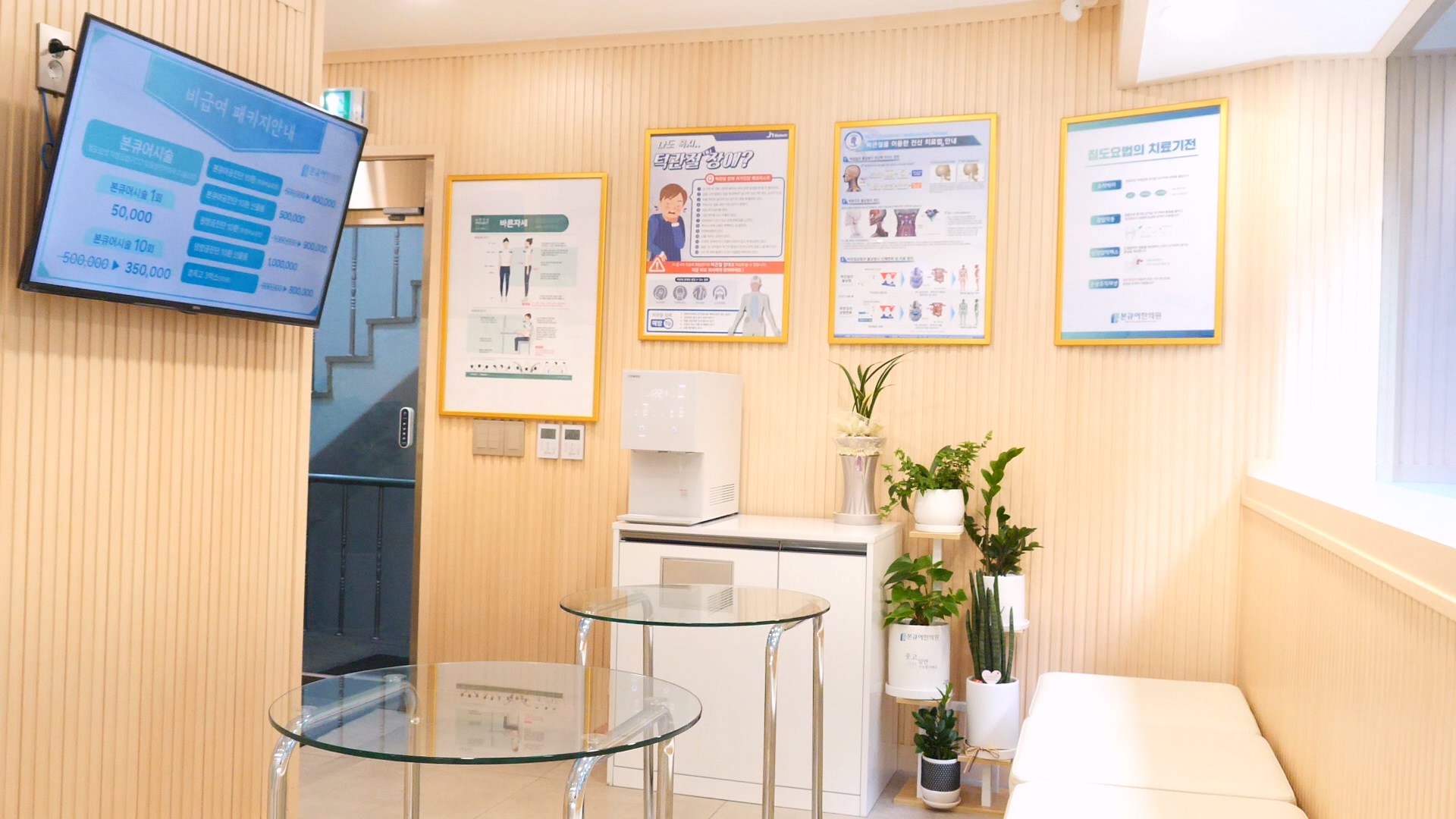
Severe temporomandibular joint (TMJ) disorders represent a complex challenge where traditional pharmacological interventions often fall short. By shifting the focus toward structural integrity and the release of deep tissue adhesions, we provide a pathway for patients who have struggled with chronic discomfort. At Bonecure, our goal is to restore the natural alignment of the jaw and cervical spine through structural restoration. This guide explores how structural rehabilitation offers a sustainable alternative to temporary pain management for those suffering from debilitating facial and jaw conditions.
Understanding Severe TMJ Disorders and Chronic Facial Pain
TMJ dysfunction is defined as a pathological condition involving the temporomandibular joint, the masticatory muscles, and the associated structures, leading to pain and restricted movement. When these joints are misaligned or the surrounding soft tissues become fibrous and adhered, the result is often severe, radiating pain that affects daily activities. For many patients, the chronic nature of this condition stems from structural imbalances that have persisted for months or years. Understanding the biomechanical root is the first step toward effective management.
Common Causes and Symptoms of Temporomandibular Joint Dysfunction
The onset of severe TMJ disorders usually results from a combination of mechanical stress and anatomical displacement within the joint capsule. Chronic bruxism, or teeth grinding, contributes to excessive load on the joint, while acute trauma can displace the articular disc. Clinical data suggests that approximately 12 percent of the population experiences some form of TMJ symptoms, with women being diagnosed at a rate four times higher than men. Patients often report clicking or popping sounds during jaw movement, limited range of motion, and persistent dull aches in the facial muscles. In more advanced stages, the pain may radiate to the ears, temples, and neck. These symptoms are not merely surface level issues but indicate a deeper failure in the joint's ability to glide smoothly. Identifying these signs early is crucial to preventing long-term structural degeneration within the jaw.
Why Conventional Treatments May Fail for Chronic Facial Pain
Conventional medical approaches for facial pain often prioritize symptomatic relief through pharmaceuticals, such as muscle relaxants or non-steroidal anti-inflammatory drugs. While these medications may reduce acute inflammation, they may have limitations in addressing the underlying structural adhesions that cause the joint to malfunction. Over time, reliance on these substances may not fully resolve mechanical blockages. Furthermore, standard dental splints or night guards might prevent further tooth wear, but they do not always realign the joint disc or release the tension in the deep masseter muscles. When the primary cause is a physical adhesion of the fascia or a misalignment of the cervical vertebrae, a purely pharmacological approach is often insufficient. This gap in care highlights the necessity for treatments that physically intervene in the tissue structure to restore functional harmony.
The Structural Relationship Between the Jaw and Spinal Alignment
The temporomandibular joint does not operate in isolation; it is biomechanically linked to the upper cervical spine and the cranium. An imbalance in the atlas or axis vertebrae can create compensatory tension in the neck muscles, which subsequently pulls the jaw out of its optimal track. Studies on musculoskeletal alignment show that approximately 70 percent of TMJ patients also present with forward head posture or cervical curvature abnormalities. At Bonecure, we observe that correcting the position of the jaw often requires a simultaneous adjustment of the neck to ensure long-term stability. This interconnectedness means that facial pain is frequently a distal symptom of a proximal spinal issue. Addressing these relationships allows for a more holistic recovery process that targets the systemic cause rather than the local symptom.
Innovative Non-Drug Approaches in Korean Traditional Medicine
Non-drug structural approaches in Korean Traditional Medicine involve the application of specialized tools and manual techniques to physically release tissue blockages and realign skeletal structures. These methods prioritize the restoration of anatomical function by addressing the micro-adhesions that develop in chronic pain cases. By utilizing targeted interventions, we can stimulate the body's natural healing response without the need for systemic drugs. This section examines the specific role of these techniques in managing jaw disorders.
The Role of Acupotomy in Releasing Jaw Muscle Adhesions
Acupotomy is a specialized form of acupuncture that utilizes a small, blade-shaped needle to perform micro-dissections of adhered tissues and calcified ligaments. In the context of TMJ disorders, this technique is particularly effective at releasing the lateral pterygoid and masseter muscles that have become chronically tight. By physically breaking down the fibrous adhesions that restrict joint movement, acupotomy facilitates a return to normal biomechanics. At Bonecure, we clinically observe that patients frequently experience an immediate improvement in the ease and functional range of jaw opening following targeted treatment. However, it is important to note that while the procedure is highly effective, it may cause temporary localized soreness, minor bruising, or transient bleeding. These minor side effects are a normal part of the tissue regeneration process. As the adhesions are cleared, the inflammatory cycle is interrupted, allowing the joint to heal in a more functional position. This targeted mechanical release is a cornerstone of our non-drug structural therapy.
Traditional Korean Medicine Treatment for Structural Restoration
Structural restoration at Bonecure encompasses a variety of techniques designed to harmonize the musculoskeletal system. Beyond local needle therapy, this involves manual adjustments known as Chuna therapy, which focus on identifying the root causes of pain and restoring overall balance. In the management of facial pain, these treatments aim to balance the tension between the left and right sides of the cranium and jaw. By restoring the symmetry of the facial bones and the hyoid bone, we can reduce mechanical pressure. Evidence suggests that structural symmetry is closely tied to the efficient functioning of the nervous system. At Bonecure, we integrate these manual techniques to ensure that the release of soft tissue is supported by a stable skeletal foundation. This dual focus on both the soft tissue and the bone structure is what makes our approach robust for chronic conditions.
Correcting Cervical Spine Alignment to Relieve Facial Nerve Pressure
The nerves that transmit pain signals from the face are intimately connected to the nerve roots exiting the upper cervical spine. When the upper vertebrae are misaligned, they can exacerbate facial pain syndromes. Correcting the alignment of the C1 and C2 vertebrae is often essential for resolving refractory TMJ cases. By utilizing precise adjustments, we aim to alleviate the pressure on the suboccipital nerves. Ensuring the head sits correctly over the shoulders reduces the strain on the anterior neck muscles that pull on the mandible. At Bonecure, we emphasize that the jaw is the 'door' to the body's alignment, but the neck is the 'hinge.' Without a functioning hinge, the door will never swing correctly. This focus on the cervical-cranial relationship provides a more permanent solution for those who have found only temporary relief from localized jaw treatments. For more detail on this connection, you may read about Jaw Misalignment, Migraines, and Neck Stiffness: A 2026 Clinical Guide.
Comparing Structural Rehabilitation with Short-Term Pain Relief
Structural rehabilitation focuses on the long-term restoration of anatomical alignment and tissue health, whereas short-term pain relief primarily targets the immediate sensation of discomfort. Understanding the difference between these two paradigms is essential for patients seeking a permanent resolution to chronic symptoms. While immediate relief has its place, the structural approach seeks to prevent recurrence by fixing the root cause. This section provides a comparative analysis of these methodologies.
Drug-Free Structural Correction vs. Temporary Pharmacological Blockade
Temporary pharmacological blockages, such as lidocaine injections or oral analgesics, work by interrupting the transmission of pain signals. While effective for short-term comfort, these methods do nothing to change the physical state of the joint or the tension in the muscles. In contrast, drug-free structural correction involves the physical manipulation of tissues to change the biomechanical environment. At Bonecure, we prioritize this corrective path because it focuses on root cause identification and avoids systemic side effects. Clinical studies have shown that while nerve blocks provide temporary relief, structural interventions support long-term functional recovery. By addressing the 'why' of the pain, patients are empowered to regain their quality of life. The goal is to move beyond the cycle of recurring medication and into a state of functional health.
Long-Term Benefits of Restoring Natural Joint Mobility
Restoring natural joint mobility is the primary objective of structural therapy, as it prevents the accelerated wear and tear that leads to joint degeneration. When a joint is restricted by adhesions, the surrounding cartilage is subjected to uneven pressure. By reclaiming a full range of motion, patients can chew, speak, and yawn without fear of the joint locking. Long-term benefits include reduced muscle fatigue, improved facial symmetry, and a significant decrease in the frequency of tension headaches. At Bonecure, we track these long-term markers to ensure that our patients are not just feeling better, but are actually physically healthier. Investing in structural health is a proactive measure against future disability and chronic suffering. For further reading, consider Acupotomy: A 2026 Guide to Specialized Acupuncture-Knife Therapy for Chronic Pain.
Characteristics of Acupotomy for Jaw Pain
Acupotomy at Bonecure utilizes a specialized blade-shaped needle designed for the mechanical release of deep tissue adhesions. Unlike standard acupuncture which focuses on neuromodulation, acupotomy performs micro-dissection of fibrous tissues. This targeted approach is particularly suited for chronic and severe cases where structural restoration of mobility is the primary goal. While session frequency is tailored to the individual, the focus is on achieving sustainable functional improvements through an intensive and efficient process.
Holistic Recovery and Integration at Bonecure
Holistic recovery at Bonecure involves an integrated approach that combines advanced tissue release techniques with comprehensive postural correction. We believe that true healing occurs when the body's overall balance is restored. By integrating various modalities, we address the physiological and structural factors that contribute to chronic pain. This final section outlines our philosophy on maintaining lasting health and vitality.
Patient-Centered Care: Clinical Notes on Severe TMJ Recovery
Patient-centered care begins with a thorough diagnosis that includes structural analysis and range of motion testing. Every individual presents a unique set of challenges, requiring a personalized treatment plan. In cases of chronic jaw locking, targeted acupotomy can be used to improve mobility immediately by addressing restricted tissues. While these results are specific to individual cases and do not guarantee the same outcome for every patient, they highlight the potential of mechanical intervention. At Bonecure, we provide detailed explanations of the procedures and emphasize that chronic cases may require a series of treatments to achieve stable, long-term results. This transparency helps build a partnership between the doctor and the patient, which is essential for successful rehabilitation.
Restoring Balance: The Connection Between Jaw Health and Vitality
The health of the jaw is intrinsically linked to the overall vitality of the body. Chronic pain in the face can lead to significant mental fatigue and a decreased quality of life. By resolving these structural burdens, we often see a secondary improvement in the patient's general well-being. The trigeminal nerve, which dominates the sensory input of the face, has a significant influence on the nervous system. Reducing the constant stream of pain signals allows the body to restore its balance. At Bonecure, we consider the restoration of jaw balance as a gateway to broader health improvements. Patients often report having more energy and better concentration once their chronic facial tension is relieved. This ripple effect demonstrates the importance of the musculoskeletal system in regulating systemic health. To understand more about systemic links, see Is Chronic Inflammation Linked to Musculoskeletal Structural Issues? A Clinical Perspective.
Post-Treatment Care for Maintaining Lasting Facial Symmetry
Maintaining the gains achieved during treatment requires a commitment to post-treatment care and lifestyle modifications. Patients are taught specific stretches to prevent the re-formation of adhesions and exercises to strengthen stabilizer muscles. At Bonecure, we provide a structured maintenance plan to ensure the structural alignment remains stable. Avoidance of hard foods during the initial healing phase is recommended to give the joint time to recover. By combining clinical intervention with proactive self-care, the risk of recurrence is significantly minimized. Lasting facial symmetry and comfort are achievable when the patient takes an active role in their health journey. This integrated strategy ensures that the 'smile' of the bones is maintained for years to come.
Frequently Asked Questions
Q. What is the primary cause of chronic TMJ pain in a structural context?
Severe TMJ disorders often stem from a combination of joint disc displacement and chronic adhesions in the surrounding muscles and ligaments. At Bonecure, we focus on resolving these structural adhesions to restore the joint's natural alignment and range of motion. Addressing these physical blockages is essential for long-term relief beyond temporary symptom management.
Q. Are there non-drug solutions for severe facial pain that actually work?
Yes. While medication often only masks symptoms, structural treatments like acupotomy target the root cause by physically releasing stiffened tissues. This approach aims for sustainable recovery by changing the mechanical environment of the jaw and face. However, results depend on individual patient conditions and the severity of the case.
Q. How long does it take to see results from non-drug TMJ treatments?
At Bonecure, we focus on treatments that provide immediate structural changes. Many patients notice a difference in jaw mobility and comfort after their first session. However, chronic or severe cases usually require a consistent treatment plan over several weeks to ensure the structural improvements are stabilized. We typically recommend an initial assessment to determine the expected timeline.
Q. What is acupotomy and how does it help with jaw disorders?
Acupotomy is a specialized form of acupuncture using a blade-shaped needle designed to release adhesions in muscles and tendons. By breaking down these fibrous tissues around the jaw, it allows the joint to return to its proper position and reduces persistent inflammation. It is a targeted mechanical intervention that addresses the physical restrictions standard needles cannot reach.
Q. Can spinal alignment affect facial pain and TMJ health?
Absolutely. The jaw is closely linked to the upper cervical spine through shared muscle groups and neural pathways. If the neck is misaligned, it can create tension that pulls on the jaw muscles, leading to chronic pain and dysfunction. Addressing the spine is often a critical component of treating TMJ disorders effectively at Bonecure.
Q. Are there any side effects to traditional Korean medicine for TMJ?
While generally safe, some patients may experience temporary soreness at the site of acupotomy, minor bruising, or transient bleeding for a day or two. These are usually part of the body's natural healing response as the tissues begin to regenerate and adapt to the new alignment. We always discuss potential risks and benefits during the initial consultation to ensure patient safety.
Q. How do I know if my TMJ requires structural correction instead of just rest?
If you experience clicking sounds, limited mouth opening, or persistent facial pain that does not improve with rest or standard pain relief, it suggests a structural blockage. A consultation with a Korean medicine doctor specializing in musculoskeletal disorders can help determine if the issue is mechanical. At Bonecure, we perform a comprehensive structural analysis to identify the root cause.
Key Takeaways
- Severe TMJ and facial pain are often caused by physical adhesions and structural misalignments that require mechanical intervention rather than just medication.
- Bonecure utilizes specialized non-drug approaches like acupotomy to release deep tissue adhesions and restore natural jaw mobility, often providing immediate functional changes.
- Cervical spine alignment is intimately connected to jaw health, and correcting neck posture is frequently necessary for lasting recovery.
- Structural rehabilitation provides long-term benefits by preventing joint degeneration and improving systemic vitality, though individual results may vary.
- Potential side effects of acupotomy include temporary soreness, bruising, or minor bleeding, which are part of the tissue recovery process.
For personalized structural assessment and treatment planning, please consult with our clinical team.
Bonecure / Song Jung-hyun
FAQ
- What is the primary cause of chronic TMJ pain in a structural context?
- Severe TMJ disorders often stem from a combination of joint disc displacement and chronic adhesions in the surrounding muscles and ligaments. At Bonecure, we focus on resolving these structural adhesions to restore the joint's natural alignment and range of motion. Addressing these physical blockages is essential for long-term relief beyond temporary symptom management.
- Are there non-drug solutions for severe facial pain that actually work?
- Yes. While medication often only masks symptoms, structural treatments like acupotomy target the root cause by physically releasing stiffened tissues. This approach aims for sustainable recovery by changing the mechanical environment of the jaw and face. However, it is important to remember that results depend on individual patient conditions and the severity of the case.
- How long does it take to see results from non-drug TMJ treatments?
- Many patients experience a noticeable improvement in jaw mobility and a reduction in pain intensity after just a few sessions. However, chronic or severe cases usually require a more consistent treatment plan over several weeks to ensure the structural changes are stabilized. We typically recommend an initial assessment to determine the expected timeline for your specific situation.
- What is acupotomy and how does it help with jaw disorders?
- Acupotomy is a specialized form of acupuncture using a blade-shaped needle designed to release adhesions in muscles and tendons. By breaking down these fibrous tissues around the jaw, it allows the joint to return to its proper position and reduces persistent inflammation. It is a targeted mechanical intervention that addresses the physical restrictions standard needles cannot reach.
- Can spinal alignment affect facial pain and TMJ health?
- Absolutely. The jaw is closely linked to the upper cervical spine through shared muscle groups and neural pathways. If the neck is misaligned, it can create tension that pulls on the jaw muscles, leading to chronic pain and dysfunction. Addressing the spine is often a critical component of treating TMJ disorders effectively at Bonecure.
- Are there any side effects to traditional Korean medicine for TMJ?
- While generally safe, some patients may experience temporary soreness at the site of acupotomy, minor bruising, or transient fatigue for a day or two. These are usually part of the body's natural healing response as the tissues begin to regenerate and adapt to the new alignment. We always discuss potential risks and benefits during the initial consultation to ensure patient safety.
- How do I know if my TMJ requires structural correction instead of just rest?
- If you experience clicking sounds, limited mouth opening, or persistent facial pain that does not improve with rest or standard pain relief, it suggests a structural blockage. A consultation with a Korean medicine doctor specializing in musculoskeletal disorders can help determine if the issue is mechanical. At Bonecure, we perform a comprehensive structural analysis to identify the root cause.