
Post
Jaw Misalignment, Migraines, and Neck Stiffness: A 2026 Clinical Guide
Jaw misalignment is a structural condition where the temporomandibular joint does not align correctly with the skull, often leading to a cascade of neurological and musculoskeletal issues. Understanding the link between craniofacial balance and chronic pain is essential for those seeking long-term relief from persistent migraines and cervical tension. This guide explores how restoring structural integrity can address the root causes of these debilitating symptoms.
Hello, I am Dr. Song Jung-hyun, a Korean medicine doctor who has focused on acupotomy and structural restoration at Bonecure for many years. Many patients come to me after years of searching for the source of their headaches, only to find that their jaw was the silent culprit. In this article, I will explain the complex relationship between your jaw, your neck, and your brain.
Understanding the Connection Between Jaw Misalignment and Migraines
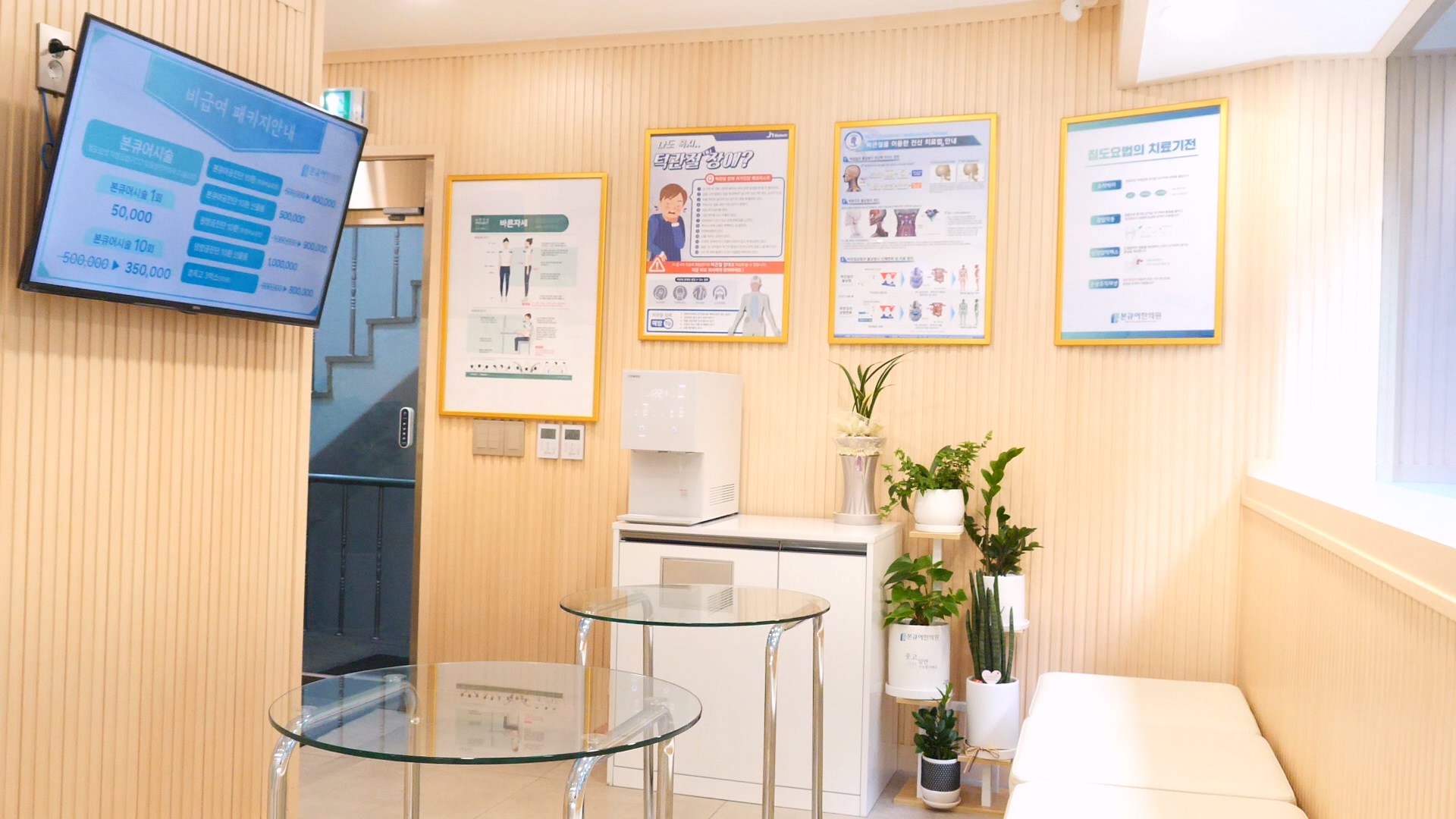
Temporomandibular Joint (TMJ) Disorder and craniofacial balance refer to the functional harmony between the jaw bone, the skull, and the surrounding neuromuscular structures. When this balance is disrupted, it creates systemic stress that manifests as localized pain and referred neurological symptoms across the head and face. Maintaining this equilibrium is vital for preventing chronic inflammatory responses in the upper kinetic chain of the human body.
Defining TMJ Disorder and Craniofacial Balance
Temporomandibular Joint Disorder, commonly referred to as TMD, affects the hinge connecting your jaw to the temporal bones of your skull. Research suggests that up to 12 percent of the population experiences some form of TMD at any given time, though many do not realize it is linked to their frequent headaches. Craniofacial balance is the state where the 22 bones of the skull and the mandible interact without placing undue pressure on the 12 pairs of cranial nerves. At Bonecure, we observe that even a shift of a few millimeters in the jaw's position can disrupt this delicate harmony. This misalignment often stems from dental issues, trauma, or long-term postural habits. When the jaw is out of sync, it forces the muscles of mastication to work harder, creating a state of chronic fatigue and inflammation. This foundational imbalance is often the primary driver behind what patients perceive as simple tension headaches.
The Anatomical Link Between the Jaw and Persistent Migraines
The anatomical connection between the jaw and migraines is primarily mediated through the trigeminal nerve, which is the largest cranial nerve responsible for sensation in the face. When the jaw is misaligned, it can lead to abnormal compression or irritation of the trigeminal nerve branches. This irritation sends distress signals to the brainstem, which can trigger a migraine cascade involving vascular changes and neurogenic inflammation. Statistics show that nearly 80 percent of individuals with TMD also suffer from frequent headaches, illustrating the strength of this link. Furthermore, the constant muscle guarding required to stabilize a misaligned jaw leads to the accumulation of metabolic waste products in the facial tissues. This chemical irritation further sensitizes the nervous system, making the individual more susceptible to migraine triggers. At Bonecure, we focus on identifying these specific anatomical intersections to ensure that treatment addresses the neurological source rather than just the surface pain.
Common Symptoms: From Jaw Clicking to Severe Neck Stiffness
Symptoms of jaw-related structural imbalance often begin subtly before progressing into severe, multi-systemic issues. Many patients report a clicking or popping sound when opening their mouths, which indicates that the articular disc within the joint is displaced. As the condition worsens, this can lead to restricted movement or even a locked jaw. However, the most debilitating symptoms are often distal, such as chronic neck stiffness and severe migraines. Clinical observations at Bonecure indicate that a significant majority of migraine sufferers also report associated cervical tension. This occurs because the muscles that move the jaw are functionally linked to the muscles that stabilize the neck. When one set of muscles is overworked due to misalignment, the other must compensate to keep the head level. This compensation leads to a cycle of stiffness, reduced range of motion, and localized pain. While symptomatic treatments focus on immediate pain relief, our approach emphasizes identifying and addressing these underlying structural causes.
How Structural Imbalance in the Jaw Impacts the Cervical Spine
The cervical spine and the jaw function as a unified kinetic system where the position of the mandible directly influences the curvature and stability of the upper neck. Any deviation in the jaw's resting position creates a mechanical domino effect that necessitates compensatory shifts in the C1 and C2 vertebrae. This structural interdependence means that treating the neck without addressing the jaw, or vice versa, frequently leads to incomplete recovery or rapid recurrence of symptoms.
The Chain Reaction: Jaw Misalignment to Chronic Neck Tension
The chain reaction from jaw misalignment to chronic neck tension is a mechanical necessity for maintaining visual orientation and balance. When the jaw shifts to one side, the center of gravity of the head moves, forcing the suboccipital muscles at the base of the skull to contract continuously. This chronic contraction leads to the development of myofascial trigger points and fibrotic tissue changes over time. At Bonecure, we see patients who have struggled for over 10 years with neck pain that originated from an undiagnosed jaw shift. The constant strain on the cervical ligaments can eventually lead to a loss of the natural lordotic curve, visible on X-ray imaging. This structural degradation further compromises the body's ability to absorb shock and maintain healthy posture. By the time many patients seek help, the tension has radiated down to the shoulders and upper back, creating a complex web of musculoskeletal dysfunction.
Nerve Entrapment and Vascular Pressure Leading to Headaches
Nerve entrapment and vascular pressure are critical components of the migraine-jaw connection that occur when structural shifts compress vital pathways. The vertebral artery, which supplies blood to the brain, passes through the cervical vertebrae and can be affected by the compensatory neck shifts caused by jaw issues. Similarly, the greater occipital nerve can become entrapped by the tightened suboccipital muscles, leading to sharp, radiating pain known as occipital neuralgia. Clinical experience suggests that reducing this structural pressure can lead to a significant decrease in headache frequency and intensity. For instance, many patients at Bonecure have experienced their pain levels dropping to a manageable state that allows for a return to normal daily activities. It is important to realize that the brain is highly sensitive to changes in blood flow and nerve signaling. When the structural environment of the neck and jaw is compromised, the resulting vascular instability and neural irritation provide the perfect environment for persistent migraines to flourish.
Comparative Analysis: Structural vs. Symptomatic Migraine Triggers
To better understand the nature of your pain, it is helpful to compare the characteristics of structural triggers versus common symptomatic triggers. While many people focus on diet or stress, the underlying structural cause is often ignored. The following table provides a comparison based on clinical observations at Bonecure.
| Feature | Structural Trigger (Jaw/Neck) | Symptomatic/Environmental Trigger |
|---|---|---|
| Primary Cause | Joint misalignment and nerve compression | Stress, diet, or light sensitivity |
| Associated Symptoms | Jaw clicking, neck stiffness, ear ringing | Nausea, aura, and photophobia |
| Pain Pattern | Often starts in the neck and moves up | Usually felt behind the eyes or temples |
| Duration | Can be constant or daily for years | Often episodic and lasts 4 to 72 hours |
| Long-term Impact | Leads to spinal curvature changes | Usually does not change physical structure |
| Response to Rest | Often persists despite sleeping | May improve significantly with rest |
Traditional Korean Medicine for Chronic Pain and Structural Recovery
Traditional Korean Medicine addresses chronic pain by viewing the body as an integrated structural system where energy and blood flow are dictated by physical alignment. Rather than simply suppressing pain signals, this approach focuses on releasing physical obstructions and restoring the natural symmetry of the musculoskeletal system. By combining ancient wisdom with modern diagnostic tools, we can achieve profound shifts in patient health that were previously thought impossible through conventional means alone.
Minimally Invasive Tissue Release Using Blade Needle Therapy
Blade needle therapy, also known as acupotomy, is a specialized technique used at Bonecure to treat chronic pain by releasing deep-seated tissue adhesions. This method uses a unique needle with a small, flat tip to physically break down fibrotic scars and thickened fascia that trap nerves and restrict joint movement. Unlike standard acupuncture, blade needle therapy directly addresses the structural barriers to recovery. For patients with jaw misalignment, we target the scarred tissues around the temporomandibular joint and the upper cervical spine. This process allows for immediate decompression of the nerves and improves blood circulation to the affected area. It is important to note that while highly effective, this treatment can cause temporary soreness, minor bruising, or temporary bleeding at the site for 2 to 4 days, and in rare cases, infection may occur, requiring careful management. However, this is a natural part of the healing process as the body begins to remodel the released tissues. Acupotomy vs. Traditional Acupuncture for Chronic Scar Tissue.
Acupuncture for Back Pain and Cervical Realignment
Acupuncture serves as a vital tool for managing the systemic inflammation and muscle guarding associated with jaw and neck issues. By targeting specific meridians and trigger points, we can induce a relaxation response in the autonomic nervous system, which is often stuck in a state of high alert due to chronic pain. For patients suffering from secondary issues like back pain, acupuncture helps to rebalance the entire spinal column. At Bonecure, we integrate these techniques to ensure that the body is receptive to structural realignment. The needles stimulate the release of endorphins and modulate the pain processing centers in the brain, providing a window of opportunity for deeper structural work. Regular sessions can significantly improve the quality of life for those with chronic conditions, though individual results will vary based on the chronicity of the ailment. Traditional Korean Medicine for Chronic Pain: A 2026 Guide to Structural Recovery at Bonecure.
Integrating Structural Correction with Traditional Herbal Medicine
Integrating structural correction with traditional herbal medicine provides a comprehensive approach to recovery by addressing both the internal and external factors of health. While manual therapies like Chuna focus on the physical alignment of the bones and joints, herbal decoctions work to reduce systemic inflammation and strengthen the ligaments. At Bonecure, we customize herbal prescriptions to meet the specific needs of each patient, focusing on improving bone density and muscle resilience. For instance, certain herbs are known to enhance the recovery of nerve tissue that has been compressed by jaw misalignment. This synergistic approach ensures that the structural changes achieved during treatment are stable and long-lasting. It is also helpful for addressing the fatigue and sleep disturbances that often accompany chronic migraines. By nourishing the body from the inside, we create a fertile ground for the physical structure to return to its optimal state. A 2026 Clinical Guide to Chuna Manual Therapy in Seoul.
Patient-Centered Outcomes and Clinical Observations at Bonecure
Patient-centered outcomes at Bonecure are the cornerstone of our clinical practice, allowing us to validate our methods through objective data and real-world results. We believe that every patient deserves a treatment plan tailored to their unique structural profile and history. By tracking progress through detailed X-rays and standardized pain scales, we provide transparency and hope to those who have struggled with chronic pain for years.
Case Study: Resolution of Long-term Migraines via Structural Correction
For patients suffering from chronic migraines, we focus on identifying structural imbalances that may be contributing to the pain. In cases where jaw misalignment affects the cervical vertebrae, we apply blade needle therapy and structural realignment to restore balance. While individual results vary and the number of sessions required depends on the severity of the condition, addressing these structural roots is a core principle of our clinical approach. Our goal is always to find the most direct path to recovery for each individual through personalized therapy.
Scientific Measurement: Using X-ray and Pain Scales to Track Recovery
At Bonecure, we prioritize scientific measurement to ensure that our treatments are producing tangible improvements in the patient's physical structure. We use whole-spine X-ray imaging to assess the alignment of the jaw and the curvature of the cervical spine both before and after treatment. This allows us to see if the jaw has returned to its proper resting position and if the neck has regained its healthy lordotic curve. Additionally, we utilize standardized pain scales, such as the Visual Analog Scale (VAS), where patients rate their pain. In our clinical experience, we have seen patients experience a significant and measurable reduction in their pain scores as their structural alignment improves. These objective metrics provide a clear roadmap for recovery and help patients stay motivated throughout their journey. By grounding our clinical observations in data, we ensure that every adjustment and needle placement is moving the patient closer to a state of balance.
The Limitations of Treatment and Importance of Individual Diagnosis
While our structural approach is highly effective for many, it is essential to acknowledge the limitations of any medical treatment and the necessity of a proper individual diagnosis. Not all migraines are caused by jaw misalignment, and some cases may involve underlying neurological conditions that require different interventions. Furthermore, chronic and severe cases often require a consistent commitment to therapy, as years of structural damage cannot be undone in a single visit. At Bonecure, we emphasize that individual results will vary, and some patients may experience temporary side effects like mild soreness after acupotomy. A thorough consultation with a qualified Korean medicine doctor is necessary to determine the most appropriate course of action. We focus on providing honest assessments and realistic expectations, ensuring that our patients are well-informed and empowered throughout their recovery process. Understanding these boundaries is key to a successful and safe treatment experience.
Frequently Asked Questions
Q. Can jaw misalignment really be the root cause of my daily migraines?
Yes, misalignment of the temporomandibular joint often creates a domino effect. This structural imbalance puts pressure on the trigeminal nerve and cervical muscles, which can trigger chronic migraines and tension-type headaches. Many patients find that addressing the jaw provides relief that medication alone cannot achieve.
Q. Why does my neck feel so stiff whenever my jaw hurts?
The muscles used for chewing are closely connected to the muscles that stabilize the upper neck. When the jaw is misaligned, the neck muscles overcompensate to maintain head balance, leading to persistent stiffness and reduced mobility. This relationship explains why jaw and neck pain often appear together.
Q. What is the Bonecure approach to treating TMJ-related pain?
At Bonecure, we focus on structural realignment. We use specialized techniques like blade needle therapy to release adhesions in the jaw and neck tissues, alongside postural correction to ensure long-term stability and pain relief. Our goal is to fix the underlying physical cause of your symptoms through personalized care.
Q. Is acupuncture for back pain effective for jaw and neck issues too?
Acupuncture is highly effective for systemic pain management. By targeting specific meridians and local trigger points, it helps relax the spastic muscles around the jaw and cervical spine, facilitating faster recovery of the structural alignment. It helps the body return to a state of relaxation and healing.
Q. Are there any side effects to the blade needle therapy used at your clinic?
While highly effective for releasing deep-seated tissue adhesions, patients may experience temporary soreness or minor bruising at the site of treatment. These symptoms typically subside within a few days as the tissue begins to heal. It is a minimally invasive procedure with a high safety profile when performed by experts.
Q. How many sessions are typically required to see an improvement in migraines?
Results vary depending on the severity and chronicity of the misalignment. Unlike clinics that mandate long-term packages, we focus on treatments where patients can often feel immediate changes in their symptoms. The total number of sessions is adjusted based on each patient's unique rate of structural recovery and feedback.
Q. Can I prevent these headaches by just wearing a mouthguard at night?
A mouthguard can protect teeth from grinding, but it often does not address the underlying skeletal misalignment. A comprehensive evaluation by a Korean medicine doctor is recommended to treat the root structural cause rather than just the symptoms. Addressing the bone structure is often necessary for long-term structural stability.
Key Takeaways
- Structural Link: Jaw misalignment (TMJ Disorder) is a primary but often overlooked cause of chronic migraines due to its impact on the trigeminal nerve.
- Cervical Impact: The jaw and neck function together, meaning jaw issues often lead to chronic neck stiffness and compensatory spinal shifts.
- Root Cause Treatment: Bonecure utilizes specialized blade needle therapy (acupotomy) to release tissue adhesions and restore structural balance for targeted relief.
- Objective Progress: Recovery is tracked through scientific metrics like X-rays and pain scales to ensure tangible structural improvements and patient transparency.
- Individualized Care: We focus on immediate symptom feedback and personalized treatment plans, recognizing that results vary and chronic conditions require tailored commitments.
Bonecure / Dr. Song Jung-hyun
FAQ
- Can jaw misalignment really be the root cause of my daily migraines?
- Yes, misalignment of the temporomandibular joint often creates a domino effect. This structural imbalance puts pressure on the trigeminal nerve and cervical muscles, which can trigger chronic migraines and tension-type headaches. Many patients find that addressing the jaw provides relief that medication alone cannot achieve.
- Why does my neck feel so stiff whenever my jaw hurts?
- The muscles used for chewing are closely connected to the muscles that stabilize the upper neck. When the jaw is misaligned, the neck muscles overcompensate to maintain head balance, leading to persistent stiffness and reduced mobility. This relationship explains why jaw and neck pain often appear together.
- What is the Bonecure approach to treating TMJ-related pain?
- At Bonecure, we focus on structural realignment. We use specialized techniques like blade needle therapy to release adhesions in the jaw and neck tissues, alongside postural correction to ensure long-term stability and pain relief. Our goal is to fix the underlying physical cause of your symptoms.
- Is acupuncture for back pain effective for jaw and neck issues too?
- Acupuncture is highly effective for systemic pain management. By targeting specific meridians and local trigger points, it helps relax the spastic muscles around the jaw and cervical spine, facilitating faster recovery of the structural alignment. It helps the body return to a state of relaxation and healing.
- Are there any side effects to the blade needle therapy used at your clinic?
- While highly effective for releasing deep-seated tissue adhesions, patients may experience temporary soreness or minor bruising at the site of treatment. These symptoms typically subside within a few days as the tissue begins to heal. It is a minimally invasive procedure with a high safety profile when performed by experts.
- How many sessions are typically required to see an improvement in migraines?
- Results vary depending on the severity and chronicity of the misalignment. Some patients report immediate relief in muscle tension, while chronic cases may require multiple sessions to achieve stable structural correction and significant migraine reduction. A typical course might involve 10 to 20 sessions for long-standing issues.
- Can I prevent these headaches by just wearing a mouthguard at night?
- A mouthguard can protect teeth from grinding, but it often does not address the underlying skeletal misalignment. A comprehensive evaluation by a Korean medicine doctor is recommended to treat the root structural cause rather than just the symptoms. Addressing the bone structure is often necessary for permanent relief.