
Post
Is Chronic Inflammation Linked to Musculoskeletal Structural Issues? A Clinical Perspective
Hello, I am Dr. Song Jung-hyun, the Director of BonCure Korean Medicine Clinic.
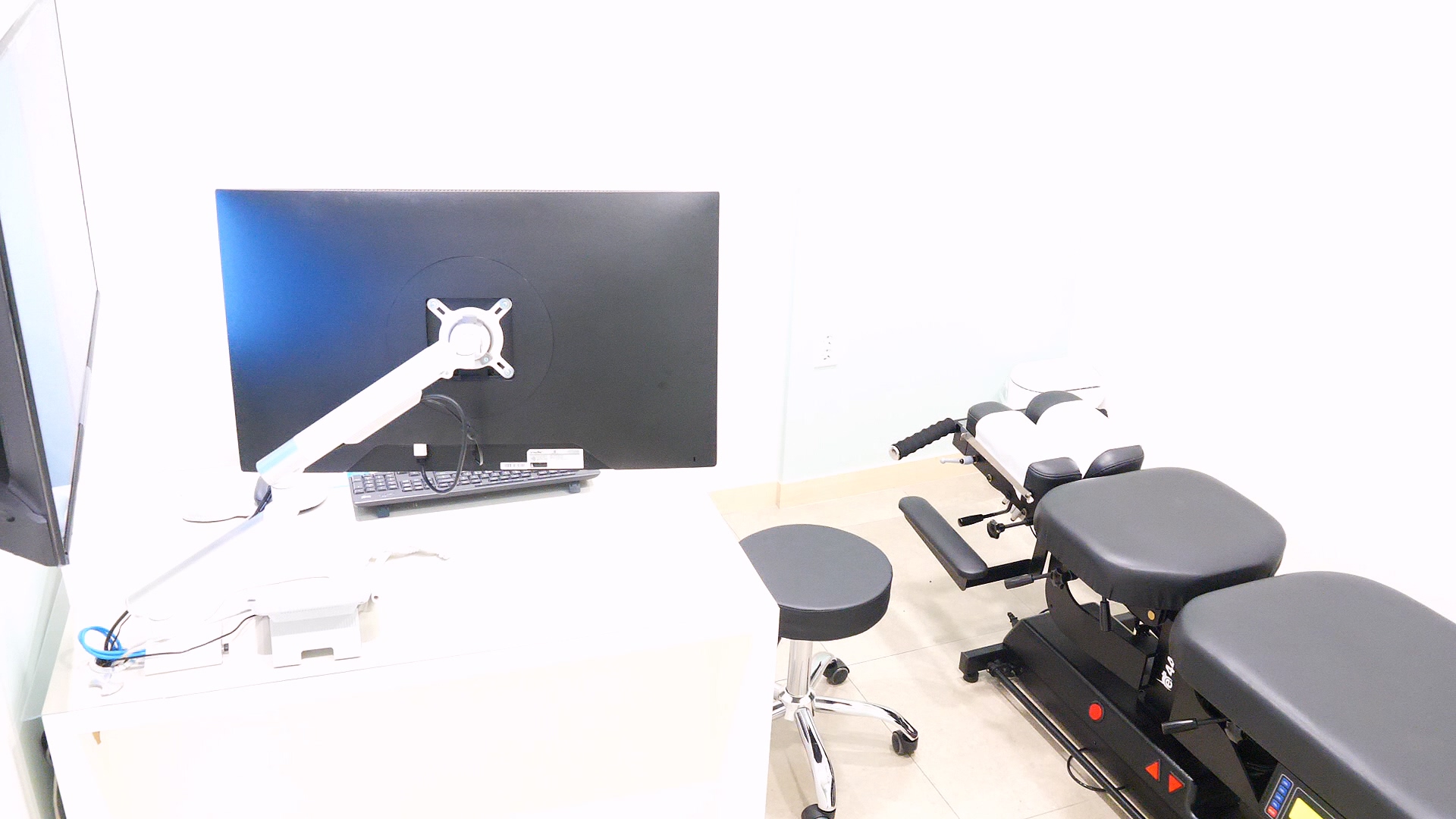
Chronic inflammation and musculoskeletal structural issues are deeply interconnected, forming a complex feedback loop that impacts overall physical health. In my clinical experience, systemic inflammatory processes often contribute to spinal and joint misalignments, while mechanical tension further perpetuates this state. This article explores how structural correction can help break the cycle of persistent pain and restore the body's natural homeostasis.
Understanding the Relationship Between Chronic Inflammation and Musculoskeletal Health
Chronic inflammation in the body is a persistent, low-grade immune response that can last for months or even years. Unlike acute inflammation, which is a necessary part of healing, chronic inflammation is often silent and systemic, gradually damaging healthy tissues and weakening the structural integrity of the musculoskeletal system. By understanding this foundation, we can better address the root causes of chronic pain.
The Nature of Chronic Inflammation
Chronic inflammation is characterized by a prolonged inflammatory response that persists without the obvious signs of acute redness or swelling. In the context of the musculoskeletal system, this state acts as a silent destructive force, slowly altering the cellular environment of muscles and joints. It creates a state of hypersensitivity within the nervous system, leading to widespread pain that is often difficult to localize. At BonCure, we observe that this persistent state often leads to a failure of the body to return to its natural balance. Without intervention, this chemical environment can compromise the structural framework, making it a foundational concern for long-term health and mobility. Addressing this requires a shift from simply masking symptoms to managing the systemic factors that contribute to tissue degradation and functional decline.
Defining Musculoskeletal Structural Issues
Musculoskeletal structural issues refer to the physical misalignments, imbalances, and adhesions within the skeletal system and its supporting soft tissues. These issues often manifest as spinal curvature deviations, pelvic tilts, or joint dysfunctions that hinder the body's natural range of motion. At BonCure, we view these structural problems as complex imbalances of the entire kinetic chain. When a segment of the spine or a major joint is out of alignment, it forces neighboring muscles and fascia to compensate through excessive tension. Over time, these compensations lead to the development of fibrous adhesions—where tissues literally stick together—further locking the structure into a pathological state. Identifying these issues requires a detailed assessment of posture, gait, and biomechanical symmetry to uncover the mechanical triggers of discomfort.
The Biological Link: How Inflammation Affects Alignment
The connection between inflammation and musculoskeletal alignment is a reciprocal process. Chronic inflammation acts as a persistent stressor that can degrade the integrity of ligaments, tendons, and cartilage. This molecular stress weakens the supportive structures of the spine, leading to micro-instabilities that eventually manifest as detectable structural misalignments during physical examinations or X-ray analysis. Consequently, the body attempts to compensate for this instability by shifting its weight, which creates further mechanical stress. This stress then triggers localized tissue reactions, creating a self-sustaining cycle of structural decline. My clinical focus is on breaking this cycle by addressing both the physical mechanical distortions and the underlying tissue tension through personalized treatment plans that prioritize long-term structural harmony and functional recovery.
How Structural Imbalance Triggers a Cycle of Chronic Pain
Structural imbalances occur when the body's skeletal framework deviates from its natural alignment, creating localized areas of high mechanical stress. This physical tension serves as a constant trigger for the nervous system, leading to a state of perpetual signaling that prevents complete tissue recovery. By correcting these imbalances, we can reduce the mechanical burden on the body.
The Impact of Poor Posture on Tissue Health
Poor posture serves as a primary mechanical catalyst for the development of chronic tissue tension. When the body is held in a suboptimal position, such as a forward head posture, it places uneven stress on the ligaments and joints. This constant strain acts as a form of repetitive micro-trauma. In response, the body initiates a localized protective response to stabilize the area. Over time, if the postural habit is not corrected, the affected tissues become fibrotic and less elastic, further reinforcing the bad posture. My clinical observations show that even minor deviations in spinal alignment can significantly increase pressure on intervertebral structures. This leads to sustained discomfort that affects the entire body. Breaking this vicious cycle requires more than rest; it necessitates a physical intervention to restore the body's architectural integrity.
From Mechanical Stress to Persistent Pain Signals
The transition from mechanical stress to persistent pain represents a critical tipping point. When mechanical pressure on a joint exceeds the tissue's capacity for repair, it triggers the activation of pain receptors and the recruitment of inflammatory cells. This chemical environment sensitizes the nerves, making the area more reactive to even minor movements. This phenomenon explains why chronic structural issues often lead to pain that persists even when the patient is at rest. In my practice, I have noted that patients who reach this point often exhibit heightened systemic stress. Breaking this cycle requires a structural intervention that removes the mechanical trigger and allows the nervous system to reset. By physically releasing the source of tension, we facilitate a return to a state where the body can once again heal itself effectively.
Comparison: Acute Injury vs. Chronic Structural Tension
| Feature | Acute Injury | Chronic Structural Tension |
|---|---|---|
| Onset | Sudden and localized | Gradual and systemic |
| Primary Cause | Physical trauma | Mechanical stress and adhesions |
| Healing Duration | Typically 2 to 6 weeks | Months to years |
| Structural Impact | Localized tissue damage | Progressive misalignment |
| Pain Characteristic | Sharp and intense | Dull, aching, and persistent |
Understanding the Differences Between Structural Realignment and Symptom-Based Management
Korean Traditional Medicine Approaches to Structural Recovery
Korean Traditional Medicine offers a holistic perspective on structural health, focusing on restoring the balance of physical alignment to resolve chronic discomfort. By combining ancient techniques like Chuna and acupuncture with a modern understanding of anatomy, we address the deep-seated adhesions that contribute to persistent pain.
BonCure Treatment for Back Pain and Adhesion Release
At BonCure Korean Medicine Clinic, our approach integrates specialized acupuncture and manual techniques designed to modulate the body's response while addressing spinal misalignments. By targeting specific neuro-anatomical points, these therapies help reduce localized tension and improve blood flow. In my clinical observations, patients suffering from chronic back pain often present with physical adhesions that correlate with restricted range of motion and higher pain scores (VAS). We use specialized techniques to reach deeper tissue layers, providing a mechanical stimulus that encourages the restoration of normal circulation to ischemic areas. This improved circulation is essential for flushing out metabolic waste and providing the oxygen necessary for tissue repair. Our structural approach emphasizes the physical release of tension that contributes to mechanical inflammation, supporting the body's innate ability to heal.
Integrating Modern Structural Diagnosis in Seoul
As a specialized clinic in Seoul, BonCure utilizes modern diagnostic tools to bridge the gap between traditional wisdom and contemporary biomechanical science. We employ whole-spine X-ray analysis and objective neurological markers to quantify structural imbalances before initiating treatment. For instance, in cases of spinal curvature anomalies, we have observed that improving pelvic or cervical alignment can lead to measurable changes in functional mobility. Our diagnostic protocol also includes assessing psychological markers through scales like the Beck Anxiety and Depression Inventories, as chronic structural stress often mirrors emotional distress. By documenting these objective markers, we provide patients with a clear baseline to track their recovery. This evidence-based approach ensures that every intervention is tailored to the specific mechanical profile of the individual, fostering a predictable and sustainable recovery environment.
The Role of Moxibustion and Cupping in Circulation
Moxibustion and cupping therapies serve as vital adjunctive treatments for managing the circulation issues often associated with chronic structural tension. These techniques apply thermal and vacuum stimuli to the skin and underlying fascia, which effectively dilates blood vessels and increases local perfusion. When musculoskeletal structures are misaligned, they often compress capillary beds, leading to a state of chronic hypoxia in the muscles. By applying these traditional methods, we can break this cycle of poor circulation. Moxibustion provides a deep, penetrating heat that relaxes hypertonic muscles, while cupping therapy creates negative pressure that helps to lift and separate tight fascial layers. This reduces mechanical pressure on nerves and vessels, and is particularly beneficial for patients who experience persistent stiffness. Integrating these tools allows for a multi-faceted approach to recovery.
Addressing the Root Cause of Sciatica Through Structural Realignment and Acupotomy
Clinical Observations and Structural Correction at BonCure
Clinical success in treating chronic pain depends on the ability to physically release the tissues that have become hardened by long-term stress. Through precise interventions, it is possible to restore the body's natural alignment and significantly improve the patient's quality of life and functional capacity.
Acupotomy: Releasing Adhesions for Structural Repair
Acupotomy is a specialized therapy at BonCure that utilizes a flat, blade-like needle to physically release chronic adhesions and scar tissue within the spine and joints. This technique is specifically designed for cases where long-term tension has caused the fascia to harden, locking the musculoskeletal structure in a misaligned position. By performing micro-dissections of these rigid tissues, we can restore the natural gliding motion of the muscles. My clinical experience suggests that in cases of chronic spinal stiffness, releasing these physical adhesions is crucial for restoring range of motion. However, results can vary significantly between individuals. It is important to note that patients may experience temporary soreness, minor bruising, or localized swelling following treatment. These are natural responses as the body initiates healing. This procedure must be performed by a qualified practitioner to ensure precision and safety.
Evaluating Improvements Through Objective Markers
Evaluating the success of structural correction requires a commitment to objective measurement. In our practice, we utilize whole-spine X-ray imaging to track the physical realignment of the vertebrae throughout the treatment process. This allows us to see how releasing soft tissue adhesions translates into tangible changes in skeletal geometry. Furthermore, we monitor clinical markers such as the Visual Analog Scale (VAS) for pain and various functional mobility tests. For example, clinical case reports have shown instances where improving structural balance helped alleviate systemic symptoms. While such results are specific to the individual and cannot be guaranteed for every patient, they highlight the potential impact of restoring structural harmony. By combining subjective patient reports with objective imaging and neurological testing, we refine our treatment plans to provide a high standard of care for complex musculoskeletal conditions.
Limitations and Safety of Specialized Needle Therapies
While specialized needle therapies like acupotomy offer significant potential, it is crucial to recognize their limitations. These treatments are not a universal cure, and effectiveness varies based on the severity of structural damage and the patient's overall health. Common side effects include localized tenderness, temporary bruising, or a feeling of fatigue immediately following a session. In rare instances, minor bleeding or localized infection could occur if aftercare is not followed. Chronic or severe cases often require a prolonged treatment plan involving multiple sessions to achieve stable results. Furthermore, structural correction is a collaborative process; patients must maintain proper ergonomics and lifestyle habits at home to support the clinical results. It is important to consult with a qualified Korean Medicine Doctor to determine if these specialized therapies are appropriate for your specific condition and to manage expectations realistically.
Key Takeaways
- Chronic tension can lead to physical adhesions that degrade connective tissues and cause measurable musculoskeletal misalignments.
- Mechanical stress from poor posture triggers persistent pain signaling, creating a self-sustaining cycle of structural decline.
- Structural correction through acupotomy at BonCure helps release the chronic adhesions that lock the body into pathological positions.
- Objective diagnostic tools, including whole-spine X-ray and VAS scores, are essential for tracking the progress of structural recovery.
- Successful long-term recovery requires a combination of clinical intervention and consistent postural maintenance by the patient.
Frequently Asked Questions
Q. Does chronic inflammation always cause visible structural changes?
Not immediately. Chronic inflammation often starts at a cellular level, weakening ligaments over time, which eventually leads to detectable misalignment or structural issues in the musculoskeletal system that can be seen on X-rays. This process is gradual and may go unnoticed until functional limitations arise.
Q. How does acupuncture for back pain help reduce systemic tension?
Acupuncture stimulates the nervous system to release natural regulatory substances and improves local blood flow, which helps resolve the physical tension around misaligned joints. By reducing these mechanical and chemical triggers, the treatment supports the body's overall systemic balance and healing potential.
Q. What are the common signs that my pain is linked to chronic structural issues?
Signs include persistent stiffness that lasts more than 30 minutes in the morning, localized heat, and pain that does not resolve with simple rest. These symptoms often indicate a deeper structural trigger or the presence of fibrous adhesions rather than a simple acute muscle strain.
Q. Is BonCure's acupotomy treatment effective for long-standing issues?
BonCure utilizes acupotomy to specifically treat chronic adhesions where tissues have hardened due to long-term stress. By physically releasing these rigid structures, we help restore the body's natural alignment and mobility, though chronic cases typically require a series of sessions for stable results.
Q. What are the risks or side effects associated with specialized acupuncture?
Common side effects at BonCure may include temporary soreness at the treatment site, minor bruising, or localized swelling. These are typically short-lived and are a natural part of the body's response to the tissue release and structural realignment process initiated during the session.
Q. How long does it take to see structural improvements in chronic cases?
Results vary depending on the individual case and the severity of the underlying misalignment. While some patients experience immediate improvements in their mobility, chronic or severe structural issues typically require a comprehensive treatment plan to achieve lasting and stable recovery.
Q. Can lifestyle influence the musculoskeletal tension cycle?
Yes, proper ergonomic habits and a healthy lifestyle support the clinical treatments provided at BonCure. Maintaining these habits helps to prevent the recurrence of mechanical stress, ensuring that structural corrections remain stable over the long term.
BonCure Korean Medicine Clinic / Dr. Song Jung-hyun
FAQ
- Does chronic inflammation always cause visible structural changes?
- Not immediately. Chronic inflammation often starts at a cellular level, weakening ligaments and tendons over time, which eventually leads to detectable misalignment or structural issues in the musculoskeletal system that can be seen on X-rays. This process is gradual and may go unnoticed until functional limitations arise.
- How does acupuncture for back pain help reduce systemic inflammation?
- Acupuncture stimulates the nervous system to release natural anti-inflammatory substances and improves local blood flow, which helps flush out inflammatory cytokines that accumulate around misaligned joints. By reducing these chemical triggers, the treatment supports the body's overall systemic balance and healing potential.
- What are the common signs that my pain is linked to chronic inflammation?
- Signs include persistent stiffness that lasts more than 30 minutes in the morning, localized heat, swelling, and pain that does not resolve with simple rest. These symptoms often indicate a deeper structural or inflammatory trigger rather than a simple acute muscle strain.
- Is Bonecure's acupotomy treatment effective for long-standing structural issues?
- Bonecure utilizes acupotomy to specifically treat chronic adhesions where tissues have hardened due to long-term inflammation. By physically releasing these rigid structures, we help restore the body's natural alignment and mobility, though chronic cases typically require a series of sessions for stable results.
- What are the risks or side effects associated with specialized acupuncture treatments?
- Common side effects at Bonecure may include temporary soreness at the injection site, minor bruising, or localized swelling. These are typically short-lived and are a natural part of the body's response to the tissue release and structural realignment process initiated during the session.
- How long does it take to see structural improvements in chronic cases?
- Results vary depending on the individual case and the severity of the underlying misalignment. While some patients experience immediate improvements in their mobility, chronic or severe structural issues typically require a comprehensive treatment plan to achieve lasting and stable recovery.
- Can diet and lifestyle influence the musculoskeletal inflammation cycle?
- Yes, an anti-inflammatory diet and proper ergonomic habits support the clinical treatments provided at Bonecure. Maintaining a healthy lifestyle helps to prevent the recurrence of mechanical stress and inflammatory flare-ups, ensuring that structural corrections remain stable over the long term.