
Post
A 2026 Guide to Structural Wellness and Acupotomy in Korea: The Bonecure Approach to Systemic Health
Structural wellness in Korea represents a specialized branch of Korean medicine that focuses on restoring anatomical integrity and autonomic harmony to facilitate sustainable health recovery.
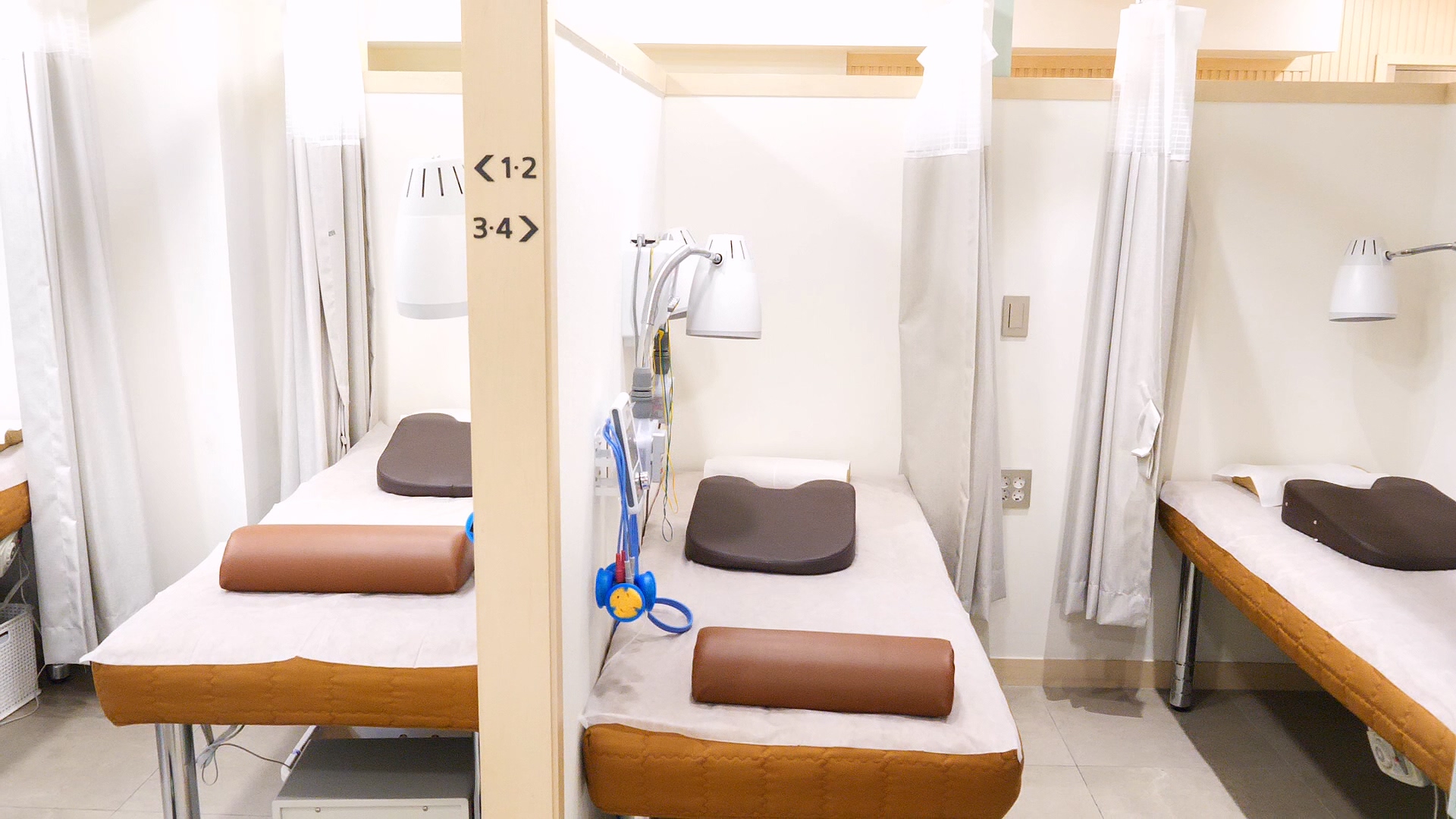
This approach provides a non-pharmacological alternative for individuals seeking to address the root causes of chronic pain and functional disorders, such as neurological misalignments and myofascial adhesions. By combining ancient meridian theory with modern anatomical insights, practitioners help patients achieve a state where the body naturally regulates its internal functions without the need for temporary chemical suppression. At Bonecure Clinic, the focus is on identifying how skeletal deviations affect the nervous system, leading to conditions like atypical Parkinsonism or autonomic dysfunction. Through precise interventions, the goal is to unlock the body's innate healing potential by ensuring that every joint and nerve pathway operates without physical obstruction or chronic tension.
Understanding Structural Wellness and Acupotomy in Korea
Structural wellness in Korea is defined as a therapeutic intervention that utilizes specialized tools like acupotomy to stimulate neural pathways and release constricted connective tissues, thereby regulating the body’s internal energy flow and systemic functions. This method goes beyond simple symptom relief by focusing on the restoration of systemic balance, ensuring that the musculoskeletal system supports optimal neurological health. The integration of structural correction and neuro-stimulation allows for a comprehensive approach to health that addresses both visible postural issues and internal physiological factors. In a clinical setting, this involves a deep dive into the relationship between the spine, the skull, and the autonomic nervous system to ensure long-term stability.
What is Medical Acupotomy Therapy?
Medical acupotomy is a clinical method that utilizes specialized sterile, blade-like needles to influence the body’s structural alignment and nerve conduction. Unlike general acupuncture, this approach targets specific adhesions and fibrotic connective tissues that cause nerve entrapment and restricted movement. Practitioners identify key anatomical points where myofascial layers have become fused, facilitating a physiological environment conducive to tissue regeneration and nerve decompression. At Bonecure, we integrate these traditional principles with contemporary neuroanatomical data to ensure that each intervention serves a precise purpose in restoring muscle length and tension balance. This treatment is not merely about addressing local pain but about optimizing the way the central nervous system communicates with the rest of the body. Patients often observe immediate changes in their range of motion and a reduction in systemic tension, which are critical precursors to sustainable health. While the technique is minimally invasive, it requires a deep understanding of structural anatomy to maximize the therapeutic response across different body types.
How Traditional Techniques Meet Modern Anatomy
The evolution of Korean medicine involves the seamless integration of classical meridian maps with a sophisticated understanding of human musculoskeletal structures and autonomic functions. In the 2026 clinical landscape, we view the body as a complex network where physical blockages in the spine and skull can lead to metabolic and neurological stagnation. By applying traditional techniques to specific anatomical targets such as the C5 nerve root or the dorsal scapular nerve, we can release chronic tension that might be hindering systemic circulation. This hybrid approach allows us to address visceral health while simultaneously correcting the physical frame. For instance, stimulating points near the upper cervical spine can improve autonomic regulation, which is essential for managing conditions like dorsal burning sensation (Baeyeol-jeung). The precision of modern diagnostic tools, including whole spine X-ray evaluations conducted through partner hospitals, ensures that traditional applications are more effective than ever. This synergy creates a robust framework for recovery that respects the body’s natural limits while pushing for optimal health through scientific validation.
The Science Behind Bonecure's Structural Balance Approach
At Bonecure, the philosophy centers on the idea that skeletal alignment is the foundation of systemic health, a concept summarized by the phrase, "When your bones smile, life smiles." Structural misalignments in the spine and pelvis can compress nerves and blood vessels, leading to impaired organ function and chronic neurological symptoms. Our approach involves using acupotomy, a specialized blade-like needle, to release deep-seated adhesions in the soft tissues surrounding the joints, particularly in the cervical and thoracic regions. By focusing on the restoration of natural alignment across the 24 vertebral segments, we aim to facilitate better communication between the brain and the peripheral nervous system. Please note that individual results may vary depending on the patient's specific condition and chronicity. This structural restoration helps in reducing the physical stress on the body, which often manifests as chronic fatigue or sensory abnormalities. We utilize movement assessments and whole spine X-ray data to track these structural changes, ensuring that each patient receives a treatment plan tailored to their unique skeletal geometry and neurological needs.
Mechanisms of Recovery: Neural Flow and Internal Balance
Neural flow and internal balance refer to the complex processes through which the nervous system regulates organ function, as well as the autonomic regulation that maintains homeostasis. In the context of chronic illness, these mechanisms are often disrupted by chronic myofascial tension, poor posture, and structural misalignments. Restoring these processes involves stimulating the body's self-regulatory systems to ensure that nerve signals and nutrient-rich blood reach the tissues efficiently. A balanced internal environment is the primary requirement for any successful recovery program, as it prevents the recurrence of pain and sensory issues seen in chronic cases. At Bonecure, we prioritize the release of the extrapyramidal system's pressure to restore normal motor and sensory signaling.
Improving Systemic Efficiency through Point Stimulation
Improving systemic efficiency involves targeted stimulation of specific bioelectrical points to enhance the rate at which the body repairs damaged tissues and regulates nerve signaling. Through the precise application of acupotomy, we can increase blood flow to stagnant areas and enhance the restorative response of the autonomic nervous system. This process helps in mobilizing the body's healing resources and converting chronic tension into functional mobility more effectively. At Bonecure, we observe that patients receiving consistent stimulation often report a significant improvement in subjective measures of fatigue and sensory discomfort, such as burning sensations in the back. In this specific clinical observation, patients showed a positive trend in recovery, though individual outcomes depend on various health factors and treatment frequency. By clearing nerve blockages along the spinal column, we support the body’s natural detoxification and repair processes. This is not a temporary relief but a gradual recalibration of the body's structural and neurological baseline. Enhanced circulation ensures that oxygen reaches the tissues efficiently, which in turn supports higher vitality levels for daily life.
Autonomic Regulation and Sensory Normalization Strategies
Autonomic regulation is a critical component of health control, as the balance between the sympathetic and parasympathetic systems dictates our internal stress levels and sensory perception. Acupotomy helps to modulate the nervous system by influencing the pathways that transmit pain and sensory data to the brain. By stimulating specific thoracic and cervical points, we can help balance the autonomic response, reducing the frequency and intensity of symptoms like the 'dorsal burning sensation' or internal heat. This natural regulation allows patients to experience a calm physiological state without the psychological strain of chronic discomfort. Furthermore, the treatment helps regulate nerve conductivity, which prevents the abnormal firing of signals that lead to tremors or muscle spasms. We have seen cases where patients with long-term autonomic imbalances achieve significant stabilization after a series of targeted sessions. This holistic strategy addresses the physical triggers of neurological distress, providing a sustainable pathway to health. It is particularly beneficial for managing stress-induced physiological changes, as the release of myofascial adhesions reduces the constant 'fight or flight' signals sent to the brain.
Structural Alignment and its Impact on Neurological Vitality
The alignment of the skeletal system plays a significant role in how the nervous system functions during both rest and activity. A body that is structurally misaligned often suffers from neural compensation, where certain nerve pathways are compressed while others are overstimulated. This inefficiency leads to chronic pain, tremors, and a decrease in overall quality of life. By utilizing structural restoration techniques at Bonecure, we help patients achieve a more efficient posture, which naturally improves neurological vitality. When the spine and skull are properly aligned, the flow of cerebrospinal fluid and nerve signals is optimized, leading to higher systemic energy. We have documented cases where consistent structural therapy led not only to improved posture but also to a noticeable increase in overall movement quality and sensory clarity. While this specific case showed significant progress, the number of sessions required and the resulting improvements can differ for each individual patient. This improvement in biomechanical efficiency means that every movement a patient makes is supported by a stable frame, reducing strain on the nervous system and encouraging a more active, pain-free lifestyle.
Acupotomy vs. Pharmacotherapy: A Comparative Analysis
Comparing acupotomy and pharmacotherapy involves evaluating the differences between structural bio-stimulation and chemical interventions for managing chronic pain and neurological symptoms. While pharmacotherapy often utilizes synthetic compounds to mask pain signals or alter brain chemistry, acupotomy focuses on removing the physical obstructions to healing. Both approaches aim to improve the patient's quality of life, but they differ significantly in their methodology, side effect profiles, and long-term impact on the body’s structural baseline. Understanding these distinctions is vital for patients who wish to choose a path that addresses the root physical causes of their condition rather than just managing symptoms through ongoing medication.
| Feature | Bonecure Acupotomy Therapy | Conventional Pharmacotherapy |
|---|---|---|
| Mechanism | Physical release of adhesions and alignment | Chemical alteration of nerve signals/enzymes |
| Side Effects | Minor bruising or temporary soreness | Nausea, drowsiness, or digestive issues |
| Long-term Impact | Resets structural and neural baseline | Potential for tolerance or symptom rebound |
| Structural Care | Direct postural and skeletal correction | No effect on physical skeletal structure |
| Customization | Based on individual movement/X-ray maps | Often follows standardized dosing protocols |
Natural Stimulation vs. Chemical Intervention
The choice between natural stimulation and chemical intervention represents a fundamental decision in how one approaches chronic health issues. Natural stimulation, such as the acupotomy provided by Bonecure, focuses on activating the body's internal resources to regulate pain and movement. This involves enhancing nerve conductivity and improving the flow of blood through physical tissue release. In contrast, chemical interventions rely on exogenous substances to alter physiological states, which can sometimes lead to a dependency on medication without fixing the underlying physical problem. While drugs may produce rapid symptom relief, they do not address the structural adhesions or skeletal misalignments that caused the dysfunction in the first place. Acupotomy works with the body's innate wisdom, encouraging a gradual and healthy transition to a state of balance. This method respects the complex interdependencies of the body's systems, ensuring that recovery does not come at the expense of other aspects of health, such as mental clarity or organ function. For many, the structural path offers a sense of empowerment, as the changes are driven by their own body's improved mechanical function.
Side Effect Profiles and Long-term Sustainability
Sustainability is a key concern when evaluating any treatment program, especially regarding the side effects associated with different interventions. Acupotomy has a favorable safety profile when performed by a qualified professional like Dr. Song Jeong-hyeon. At Bonecure, we prioritize a non-pharmacological approach that works with the body's natural systems to support structural health. The most common side effects are minor and temporary, such as localized redness, minor bleeding, or soreness at the treatment site, which typically resolve within 2 to 3 days. Rare risks include infection, which is minimized through strict sterile protocols. Because acupotomy aims to reset the structural baseline, the results are often more sustainable than those achieved through temporary chemical masking. Patients at Bonecure frequently find that as their skeletal balance improves, their symptoms naturally diminish without the need for escalating medication doses. This holistic shift makes it easier to maintain health long-term by removing the physical stressors on the nervous system. The focus on root-cause structural recovery ensures that the body remains resilient and balanced, reducing the risk of symptom recurrence.
Cost-Benefit Analysis of Structural Recovery Programs
When conducting a cost-benefit analysis of structural recovery programs, it is important to consider the long-term health savings associated with preventing chronic disability and recurring pain. While the investment in a series of acupotomy sessions may seem significant, the benefits of improved mobility, reduced reliance on medication, and enhanced neurological health are invaluable. Pharmacotherapy often involves recurring monthly costs for medications that may only provide temporary results and potential side effects. In contrast, structural restoration at Bonecure addresses the underlying factors of physical dysfunction, supporting the body's long-term health. We have seen cases where patients with long-term chronic conditions, such as 18-year persistent symptoms, found relief through our integrated approach. By focusing on the body's structural integrity, we aim to help patients improve their physical function and overall quality of life. This functional improvement is a key component of a sustainable wellness strategy for those dealing with complex, treatment-resistant conditions. As with any medical procedure, individual responses to acupotomy can vary based on the severity of the condition and the patient's overall health status.
What to Expect During Your Treatment at Bonecure
Treatment at Bonecure involves a comprehensive and patient-centered process designed to identify and correct the specific structural imbalances contributing to pain and neurological dysfunction. From the initial diagnostic phase to the final post-treatment care, each step is performed with precision to provide effective results tailored to each patient's unique anatomy. Patients can expect a professional environment where their skeletal structure and nervous system health are the primary focus of every clinical decision made by the medical team. This structured approach ensures that every intervention is targeted, efficient, and evidence-based.
Initial Structural Diagnosis and Personalized Mapping
The journey at Bonecure begins with a thorough initial structural diagnosis, which includes a detailed assessment of the patient’s posture, skeletal alignment, and movement patterns. We identify areas of myofascial tension, nerve compression, and joint misalignment through hands-on evaluation. This mapping process is crucial because it allows us to see how structural issues might be contributing to complex symptoms like tremors or autonomic instability. Every patient receives a customized treatment plan that addresses their specific needs, ensuring that no two treatments are exactly alike. We may also incorporate whole spine X-ray data through our referral network to gain a deeper understanding of the internal skeletal frame. This comprehensive evaluation sets the stage for a targeted intervention that goes beyond superficial symptoms. By understanding the unique geometry of each patient's body, we can apply treatments with a level of precision that maximizes the potential for neurological recovery and structural stability. This diagnostic rigor is what distinguishes our approach in the field of advanced Korean medicine.
The Acupotomy Procedure and Sensation Management
The acupotomy procedure is a central part of our treatment protocol, involving the use of a specialized needle to release deep tissue adhesions and fibrotic layers. This technique is particularly effective for treating chronic structural issues that have not responded to conventional acupuncture or physical therapy. During the procedure, the practitioner carefully navigates to the site of the adhesion to perform a precise release, which can help restore normal blood flow and nerve function. While some sensation is expected during the release of these tight tissues, we prioritize sensation management to ensure the patient remains as comfortable as possible. The feeling is often described as a deep pressure or a dull ache, which indicates that the treatment is reaching the necessary depth for structural change. We have documented cases where patients with long-standing neurological symptoms experienced a significant change in their condition after their first few treatments. While the procedure might be more intense than standard acupuncture, the immediate feeling of release and improved mobility is often highly rewarding. We ensure that every step is explained clearly to alleviate any anxiety.
Post-Treatment Care and Potential Reactions
Post-treatment care is essential for maximizing the benefits of the procedure and ensuring a smooth recovery process. After an acupotomy session, it is common to experience some temporary soreness or minor bruising at the treatment site, which is a natural part of the body’s healing and remodeling response. We recommend that patients stay well-hydrated and avoid strenuous activity for the first 24 to 48 hours to allow the tissues to settle and realign. At Bonecure, we provide specific guidance on how to manage these minor reactions, which usually resolve within a few days. It is also important to note that individual results may vary, and chronic or complex conditions typically require multiple sessions for sustainable structural and neurological changes. In some cases, patients may notice an immediate improvement in their range of motion or a reduction in sensory abnormalities like burning sensations. However, we always emphasize that long-term success depends on a combination of clinical treatment and consistent postural habits. We monitor each patient’s progress closely, adjusting the treatment plan as needed to ensure continued improvement in both structural alignment and systemic health throughout the 2026 treatment cycle.
Dr. Song Jeong-hyeon: Advanced Structural Recovery and Acupotomy at Bonecure 2026 A 2026 Clinical Guide to Chuna Manual Therapy for Structural Balance at Bonecure A 2026 Clinical Guide to Korean Traditional Medicine and Structural Alignment of the Skull and Spine
Frequently Asked Questions
Q. What exactly is acupotomy therapy at Bonecure?
Acupotomy is a specialized Korean medicine technique that uses a blade-like needle to release chronic tissue adhesions and structural blockages. Unlike traditional needles, it is designed to physically break down fibrotic tissue that may be compressing nerves or restricting joint movement. At Bonecure, we use it to restore the body's natural alignment and improve neurological function, addressing the root causes of chronic pain and autonomic issues.
Q. Does the procedure involve significant pain or downtime?
Most patients experience a sensation of deep pressure or a dull ache during the procedure, which is generally well-tolerated. There is typically no significant downtime, although minor soreness or bruising at the site is common and usually fades within a few days. Our clinic focuses on efficient, impactful sessions that allow you to return to your daily activities shortly after treatment while following minor care guidelines.
Q. How many sessions are typically required to see structural results?
The number of sessions varies depending on the severity and duration of the condition. While some patients feel an immediate sense of release or improved mobility after one session, chronic structural or neurological issues generally require a series of treatments (often 10 or more) to achieve a stable and lasting correction. We create a personalized plan based on your initial evaluation and X-ray results.
Q. Can acupotomy help with neurological conditions like tremors or atypical Parkinsonism?
Yes, by releasing pressure on the nervous system caused by structural misalignments in the spine and skull, acupotomy can help manage symptoms associated with various neurological conditions. While it is not a cure for degenerative diseases, it aims to slow progression and improve quality of life by normalizing nerve signaling and reducing autonomic distress. We focus on patients who may have not responded well to standard medication.
Q. What is the "dorsal burning sensation" (Baeyeol-jeung), and can you treat it?
Baeyeol-jeung is an abnormal sensory condition where the patient feels intense heat or burning in the back, often without a visible skin issue. It is frequently linked to nerve entrapment in the thoracic spine or autonomic nervous system dysfunction. We treat this by identifying the specific nerve roots being compressed and using acupotomy to release the surrounding tissue, effectively "cooling" the sensation by restoring proper nerve flow.
Q. Are there any side effects or risks I should be aware of?
Common side effects include temporary localized pain, minor bruising, or a small amount of bleeding at the needle site. As with any invasive procedure, there is a very rare risk of infection, which we mitigate using sterile, single-use equipment and professional hygiene standards. Some patients may also feel temporary fatigue as their nervous system recalibrates after the release of chronic tension.
Q. How does Bonecure differ from a standard acupuncture clinic?
Bonecure distinguishes itself through a rigorous focus on structural integrity and neuro-mechanical recovery. We prioritize identifying the root cause through movement assessments and X-ray data, and our treatments are highly concentrated and efficient. Rather than just placing needles for general wellness, we perform targeted procedures to physically change the structure of the body, led by Dr. Song Jeong-hyeon's extensive experience in acupotomy.
Key Takeaways
- Structural wellness focuses on restoring the body's mechanical and neurological balance rather than just masking symptoms.
- Acupotomy is a powerful tool for releasing deep tissue adhesions that cause nerve compression and chronic pain.
- Bonecure specializes in treating complex conditions like autonomic dysfunction and atypical Parkinsonism through structural restoration.
- Skeletal alignment, particularly in the spine and skull, is foundational to systemic health and internal organ function.
- A personalized, evidence-based approach involving whole spine X-rays and precise clinical mapping ensures the most effective long-term outcomes.
Hello. I am Dr. Song Jeong-hyeon, a practitioner of Korean medicine specializing in acupotomy and structural recovery. At Bonecure Clinic, we believe that true health begins when the body's structure is free from obstruction. Only when your bones are in their proper place can your nervous system and metabolism function at their peak. I invite you to experience a new level of vitality through our specialized structural care. If you are struggling with chronic pain or neurological discomfort, please reach out to us for a consultation.
Bonecure Clinic / Director Song Jeong-hyeon
FAQ
- What exactly is natural weight loss acupuncture?
- Natural weight loss acupuncture is a clinical method that uses specialized needles to stimulate metabolic points and correct structural imbalances. Unlike drug-based approaches, it focuses on the body's natural ability to recover and regulate its own energy levels. At Bonecure, we emphasize the connection between skeletal alignment and a healthy metabolism for long-term results.
- Does the procedure involve significant pain or downtime?
- While some sensation is expected during the release of tissue adhesions, most patients do not experience significant downtime. The sensation is often described as a localized pressure or dull ache rather than sharp pain. Minor temporary bruising or soreness may occur at the needle site, but these typically resolve within a few days.
- How many sessions are typically required to see results?
- The number of sessions required varies significantly depending on the individual’s health status and the chronicity of their condition. While some patients notice improved digestion quickly, chronic structural issues generally require multiple sessions for sustainable changes. Consistency is key to achieving a permanent reset of the metabolic baseline.
- Are the results of acupuncture weight loss permanent?
- Acupuncture aims to reset your body's metabolic baseline by improving structural alignment and internal flow. Maintaining these results requires a commitment to a balanced lifestyle and healthy habits. Because the treatment addresses the root causes of weight gain, the results are often more sustainable than those from restrictive diets alone.
- Can this treatment help with localized fat or specific structural issues?
- Yes, by utilizing advanced techniques like acupotomy to resolve tissue adhesions, we can address localized metabolic stagnation. Improving circulation in specific areas can help the body process fat more effectively in those regions. Our focus on structural restoration also helps correct postural imbalances that affect appearance.
- Are there any side effects I should be aware of?
- Common minor reactions include temporary soreness, localized redness, or small hematomas at the needle site. These are standard physiological responses to needle stimulation and typically resolve within a few days. We recommend a full consultation to assess your specific health status and minimize any potential risks.
- How does Bonecure differ from other weight loss clinics in Korea?
- Bonecure distinguishes itself by prioritizing skeletal alignment and internal flow as the foundation for a healthy weight. We use scientific diagnostic tools like whole spine X-rays to guide our structural treatments. Instead of just focusing on calorie restriction, we work to restore the body’s structural integrity for long-term vitality.