
Post
A 2026 Clinical Guide to Natural Anti-Inflammatory Treatments and Structural Restoration
Hello. I am Dr. Song Jung-hyun, a Korean medicine doctor who has focused primarily on acupotomy for many years.
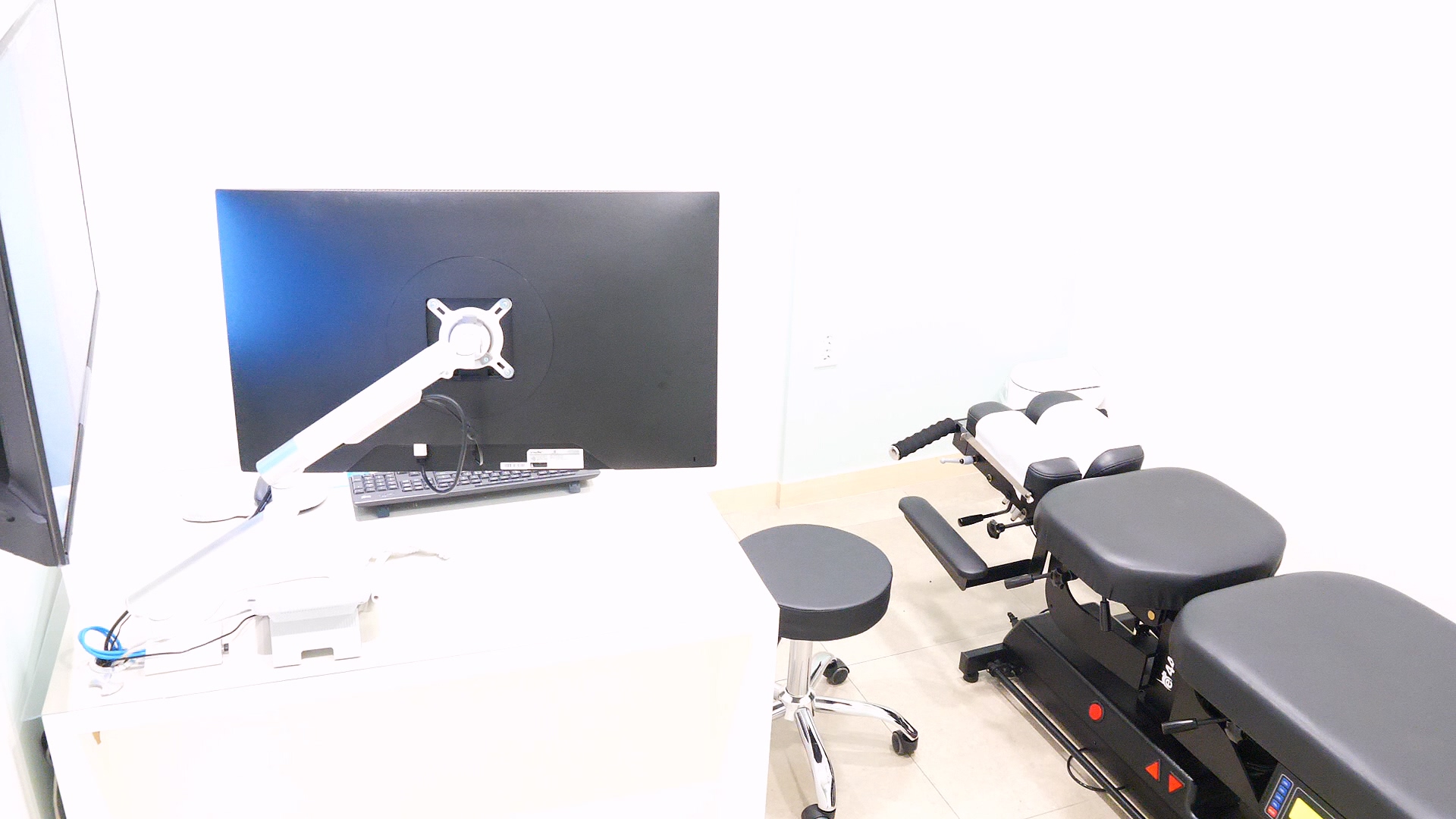
Natural anti-inflammatory treatments refer to non-pharmacological therapies, herbal decoctions, and structural interventions designed to downregulate inflammatory cytokines and accelerate tissue healing. Understanding these methods allows patients to address chronic discomfort safely while supporting the body's innate regenerative capacity. This comprehensive clinical guide explores how restoring proper anatomical alignment can alleviate persistent tissue irritation and improve systemic wellbeing.
Definition and Mechanisms of Natural Anti-Inflammatory Treatments
Natural anti-inflammatory treatments represent clinical strategies aimed at reducing systemic or localized inflammatory markers through biological, structural, and botanical pathways rather than synthetic pharmaceutical agents. These treatments seek to modify the cellular environment to restore tissue homeostasis naturally.
Defining Chronic Inflammation and Its Impact on Musculoskeletal Health
Chronic inflammation in the musculoskeletal system develops when the body fails to eliminate low-grade physical or chemical stressors, leading to persistent tissue damage and structural degeneration. When joint misalignments or mechanical stress overload local tissues, the immune system constantly releases pro-inflammatory cytokines that degrade cartilage and induce soft tissue fibrosis. Over months or years, this ongoing cellular distress alters regional microcirculation, causing painful tissue adhesions and restricted mobility. At Bonecure, clinical experience demonstrates that mechanical dysfunction and chemical inflammation are deeply intertwined, meaning that structural misalignments frequently perpetuate chronic inflammatory states. For example, a patient presenting with an 18-year history of chronic tinnitus or related neuro-vascular symptoms often exhibits profound structural imbalances on objective imaging. Addressing this persistent inflammatory cascade requires a precise understanding of how structural stress affects deep tissues, ensuring that therapeutic interventions target the physical root cause rather than merely masking the painful symptoms.
How Natural Modalities and Biological Pathways Modulate Inflammatory Responses
Natural modalities modulate inflammatory pathways by downregulating pro-inflammatory mediators and promoting the secretion of anti-inflammatory proteins within affected musculoskeletal structures. Clinical interventions such as specialized acupuncture, targeted herbal formulations, and manual structural therapies alter cellular signaling to reduce tissue swelling and accelerate healing. Rather than abruptly blocking specific enzymes, these natural options support the body's endogenous recovery mechanisms by optimizing local blood flow and lymphatic drainage. At Bonecure, therapies are tailored to enhance cellular regeneration, allowing damaged ligaments and muscles to repair without accumulating excessive scar tissue. This biological modulation helps restore cellular health and stabilizes the extracellular matrix surrounding joints. By utilizing these pathways, integrative treatments provide a sustainable method for managing long-term discomfort, helping patients recover functional mobility while minimizing systemic cellular stress. This comprehensive biological approach ensures that tissues return to a balanced state, laying a firm foundation for lasting musculoskeletal stability and structural integrity.
Comparing Conventional NSAIDs and Natural Anti-Inflammatory Alternatives
Comparing conventional medications and natural alternatives involves evaluating their chemical mechanisms, systemic safety profiles, and long-term impacts on structural tissue health. Understanding these differences helps patients make informed, evidence-first decisions regarding chronic pain management.
Clinical assessments of natural structural interventions focus on understanding how mechanical corrections and localized bio-modulation support the body's recovery. These integrative approaches aim to optimize regional microcirculation, preserve tissue integrity, and support endogenous cellular regeneration. By addressing the unique anatomical needs of each individual, structural therapies provide a customized framework designed to alleviate mechanical strain and promote long-term musculoskeletal stability.
Efficacy Profiles and Potential Gastrointestinal Risks of Standard Medications
Conventional non-steroidal anti-inflammatory drugs, commonly known as NSAIDs, provide temporary pain relief by inhibiting cyclooxygenase enzymes to block prostaglandin synthesis. While these medications are effective for acute episodes, their long-term utilization carries significant gastrointestinal risks, including mucosal erosion, peptic ulcers, and potential renal or cardiovascular complications. Research indicates that prolonged usage can suppress the natural tissue remodeling process, occasionally leading to weakened ligaments and accelerated joint degeneration over time. In contrast, integrative functional interventions focus on relieving mechanical irritation while supporting long-term tissue viability. By avoiding synthetic chemical suppression, natural alternatives preserve gastric mucosal integrity and support hepatic function. This makes them highly suitable for individuals requiring extended care for chronic conditions. Evaluating these therapeutic profiles allows clinicians to develop strategies that prioritize patient safety, focusing on sustainable systemic health and preventing the adverse side effects frequently associated with standard pharmaceutical regimens.
The Structural and Holistic Advantages of Integrative Functional Interventions
Integrative functional interventions offer distinct structural advantages by correcting the mechanical faults that trigger chronic inflammatory pathways. Rather than treating pain as an isolated chemical event, this holistic framework addresses the altered kinematics and structural misalignments that place abnormal pressure on joints. At Bonecure, clinical protocols focus on restoring precise anatomical alignment to eliminate repetitive physical micro-trauma in deep soft tissues. For those seeking comprehensive recovery, integrating these modalities supports internal balance and musculoskeletal longevity. For additional insights, patients can refer to A 2026 Clinical Overview of Traditional Korean Medicine: The Evidence-First Approach to Structural Restoration to understand these foundational concepts. By combining precise mechanical corrections with natural anti-inflammatory treatments, this methodology helps resolve deep-seated tissue irritation. This dual focus on structural restoration and biochemical modulation enhances overall physical vitality, allowing patients to regain comfortable, unrestricted movement during daily activities.
Acupotomy as a Root-Cause Structural Intervention for Deep Tissue Inflammation
Acupotomy is a specialized structural intervention utilizing a microscopic, flat-bladed therapeutic instrument to release deep tissue adhesions, relieve structural entrapment, and restore local microcirculation. This evidence-first procedure bridges the gap between traditional meridian theory and modern anatomical science.
Micro-Debridement of Adhesions to Restore Microcirculation and Tissue Regeneration
Acupotomy performs precise micro-debridement of chronic tissue adhesions that develop from long-standing mechanical stress, trauma, or prolonged inflammation. The specialized blade gently separates fibrotic, contracted tissues, instantly relieving mechanical pressure on adjacent nerves and blood vessels. This mechanical release restores healthy microcirculation, allowing oxygen and essential nutrients to reach damaged areas while facilitating the removal of accumulated metabolic waste. At Bonecure, this procedure is utilized to stimulate the body's natural regenerative responses, transforming chronic, non-healing lesions into healthy, vascularized tissue. While the process involves localized stimulation, it effectively facilitates the long-term remodeling of tendons and ligaments. Resolving these deep structural obstructions helps alleviate persistent tension and restores normal joint kinematics. This targeted structural intervention ensures that deep soft tissues regain their optimal elasticity, providing a reliable pathway for patients suffering from complex, intractable musculoskeletal conditions.
Objective Clinical Tracking Through Whole Spine X-Rays and Standardized Evaluation Scales
Objective clinical tracking ensures that therapeutic outcomes are measured accurately through advanced imaging and standardized diagnostic evaluation scales. Utilizing whole spine X-rays allows clinicians to observe structural changes and spinal alignment modifications before and after a treatment course. In my published clinical case reports, objective evaluation scales are utilized to systematically observe and record changes in patient symptoms, providing a structured method to track clinical progress over time. Furthermore, the treatment duration and frequency for complex conditions vary significantly depending on the severity and chronicity of each individual's symptoms, and a personalized plan is established only after a precise clinical evaluation. Patients can read more about tracking protocols in A 2026 Clinical Guide to Dr. Song Jung-hyun's Structural Restoration at Bonecure. Tracking these metrics provides an evidence-first validation of recovery, ensuring each plan is adjusted to the patient's objective structural data.
Patient Considerations, Safety Guidelines, and Clinical Expectations
Patient considerations and safety guidelines encompass the essential clinical parameters, potential physiological risks, and post-treatment protocols necessary to maximize therapeutic efficacy and protect patient well-being. A transparent understanding of these factors ensures realistic clinical expectations and safe treatment delivery.
Managing Outcome Variations and Acknowledging Individual Biological Responses
Managing clinical expectations requires recognizing that outcome variations occur due to distinct individual biological responses, chronological age, and the overall duration of the underlying condition. While some individuals experience rapid relief from localized tension within 1 session, chronic or severe structural misalignments typically necessitate a structured, multi-session treatment plan to achieve lasting stability. It is important to emphasize that clinical results vary between patients, and identical outcomes cannot be guaranteed for every individual. At Bonecure, every treatment protocol is customized to accommodate the specific structural, metabolic, and lifestyle factors of the patient. For those exploring their initial clinical consultation, reviewing A 2026 Guide to Your First Oriental Medical Clinic Appointment: Preparing for Structural Restoration offers valuable guidance on what to expect. Acknowledging these individual variations helps maintain an evidence-first approach, ensuring that therapy progresses at a safe and effective pace tailored to the body's unique healing capacity.
Potential Procedural Reactions and Critical Post-Treatment Safety Measures
Potential procedural reactions must be fully understood, as specialized interventions like acupotomy carry inherent clinical limitations and mild side effects. Patients may experience temporary localized soreness, minor bruising, or transient bleeding at the insertion site, which generally resolve within a few days. Although rare when strict sterile protocols are maintained, secondary infections or localized inflammation remain minor possibilities that require careful monitoring. Critical post-treatment safety measures include keeping the treated area clean, avoiding strenuous physical exertion, and refraining from hot baths or saunas for at least 24 hours following the procedure. If prolonged discomfort or unusual swelling occurs, patients should immediately contact the clinic for professional guidance. Outlining these material risks ensures a balanced, transparent perspective on care, enabling individuals to support their recovery safely while undergoing intensive structural restoration.
Key Takeaways
- Natural anti-inflammatory treatments address chronic musculoskeletal discomfort by downregulating pro-inflammatory cytokines and correcting foundational mechanical stress.
- Unlike conventional NSAIDs that carry gastrointestinal and systemic risks, integrative structural therapies offer a sustainable, evidence-first alternative for long-term health.
- Acupotomy targets deep tissue adhesions through precise micro-debridement, helping restore healthy microcirculation and accelerating natural tissue remodeling.
- Objective tracking via whole spine X-rays and standardized evaluation scales ensures clinical outcomes are measured accurately and customized to individual needs.
- Patient safety involves acknowledging individual outcome variations and adhering to post-treatment guidelines to manage mild reactions like temporary soreness.
Frequently Asked Questions
Q. What defines natural anti-inflammatory treatments in modern clinical practice?
Natural anti-inflammatory treatments encompass non-pharmacological interventions, herbal formulations, and specialized structural procedures designed to downregulate inflammatory cytokines. These modalities promote tissue healing without relying on synthetic chemicals. They work by supporting the body's natural cellular recovery pathways.
Q. How does structural alignment at Bonecure address chronic inflammatory conditions?
Structural alignment corrects mechanical stress on joints and deep musculoskeletal tissues. By utilizing targeted structural therapies, it relieves localized mechanical pressure and improves regional blood flow. This elimination of physical irritation halts the chronic inflammatory cascades that cause persistent pain.
Q. Can natural therapies substitute for prescription anti-inflammatory drugs entirely?
For many individuals, natural options provide a highly viable alternative to manage chronic inflammatory symptoms. However, specific treatment plans depend heavily on individual severity and chronological health factors. Patients should always consult a qualified clinician before altering any prescribed medication regimen.
Q. What are the primary safety considerations or potential side effects of acupotomy?
Acupotomy is safe when performed by an experienced clinical practitioner using strict sterile protocols. Potential side effects include temporary localized soreness, minor bruising, or transient bleeding at the insertion site. Severe complications like secondary infection are rare but require monitoring.
Q. How long do patients typically undergo therapy before seeing objective clinical improvements?
Response times vary based on the chronicity, underlying severity, and history of the condition. Some individuals notice a reduction in physical discomfort within 1 session of treatment. Measurable structural changes on X-rays typically require a structured course over several weeks.
Q. What factors influence the overall financial investment and value of these specialized procedures?
The overall financial cost is determined by the complexity of the structural misalignment and the required frequency of sessions. The integration of complementary herbal therapies also plays a role. Detailed pricing structures are always provided during individualized clinical consultations.
Q. Are natural anti-inflammatory methods appropriate for chronic joint and spinal disorders?
Yes, these methods are highly suited for managing chronic spinal and joint issues. By addressing both chemical inflammation and structural mechanical wear, they help restore restricted mobility. This comprehensive approach facilitates long-term soft tissue recovery and joint health.
For personalized guidance or to arrange a clinical evaluation, please contact our office directly to schedule a private consultation.
Bonecure / Dr. Song Jung-hyun
FAQ
- What defines natural anti-inflammatory treatments in modern clinical practice?
- Natural anti-inflammatory treatments encompass non-pharmacological interventions, herbal formulations, and specialized structural procedures designed to downregulate inflammatory cytokines. These modalities promote tissue healing without relying on synthetic chemicals. They work by supporting the body's natural cellular recovery pathways.
- How does structural alignment at Bonecure address chronic inflammatory conditions?
- Structural alignment corrects mechanical stress on joints and deep musculoskeletal tissues. By utilizing targeted structural therapies, it relieves localized mechanical pressure and improves regional blood flow. This elimination of physical irritation halts the chronic inflammatory cascades that cause persistent pain.
- Can natural therapies substitute for prescription anti-inflammatory drugs entirely?
- For many individuals, natural options provide a highly viable alternative to manage chronic inflammatory symptoms. However, specific treatment plans depend heavily on individual severity and chronological health factors. Patients should always consult a qualified clinician before altering any prescribed medication regimen.
- What are the primary safety considerations or potential side effects of acupotomy?
- Acupotomy is safe when performed by an experienced clinical practitioner using strict sterile protocols. Potential side effects include temporary localized soreness, minor bruising, or transient bleeding at the insertion site. Severe complications like secondary infection are rare but require monitoring.
- How long do patients typically undergo therapy before seeing objective clinical improvements?
- Response times vary based on the chronicity, underlying severity, and history of the condition. Some individuals notice a reduction in physical discomfort within 1 session of treatment. Measurable structural changes on X-rays typically require a structured course over several weeks.
- What factors influence the overall financial investment and value of these specialized procedures?
- The overall financial cost is determined by the complexity of the structural misalignment and the required frequency of sessions. The integration of complementary herbal therapies also plays a role. Detailed pricing structures are always provided during individualized clinical consultations.
- Are natural anti-inflammatory methods appropriate for chronic joint and spinal disorders?
- Yes, these methods are highly suited for managing chronic spinal and joint issues. By addressing both chemical inflammation and mechanical wear, they help restore restricted mobility. This comprehensive approach facilitates long-term soft tissue recovery and joint health.