
Post
A 2026 Clinical Guide to Dr. Song Jung-hyun's Structural Restoration at Bonecure
Greetings. I am Dr. Song Jung-hyun, a practitioner of Korean medicine who has focused on acupotomy as a primary therapeutic modality for structural restoration and chronic pain management.
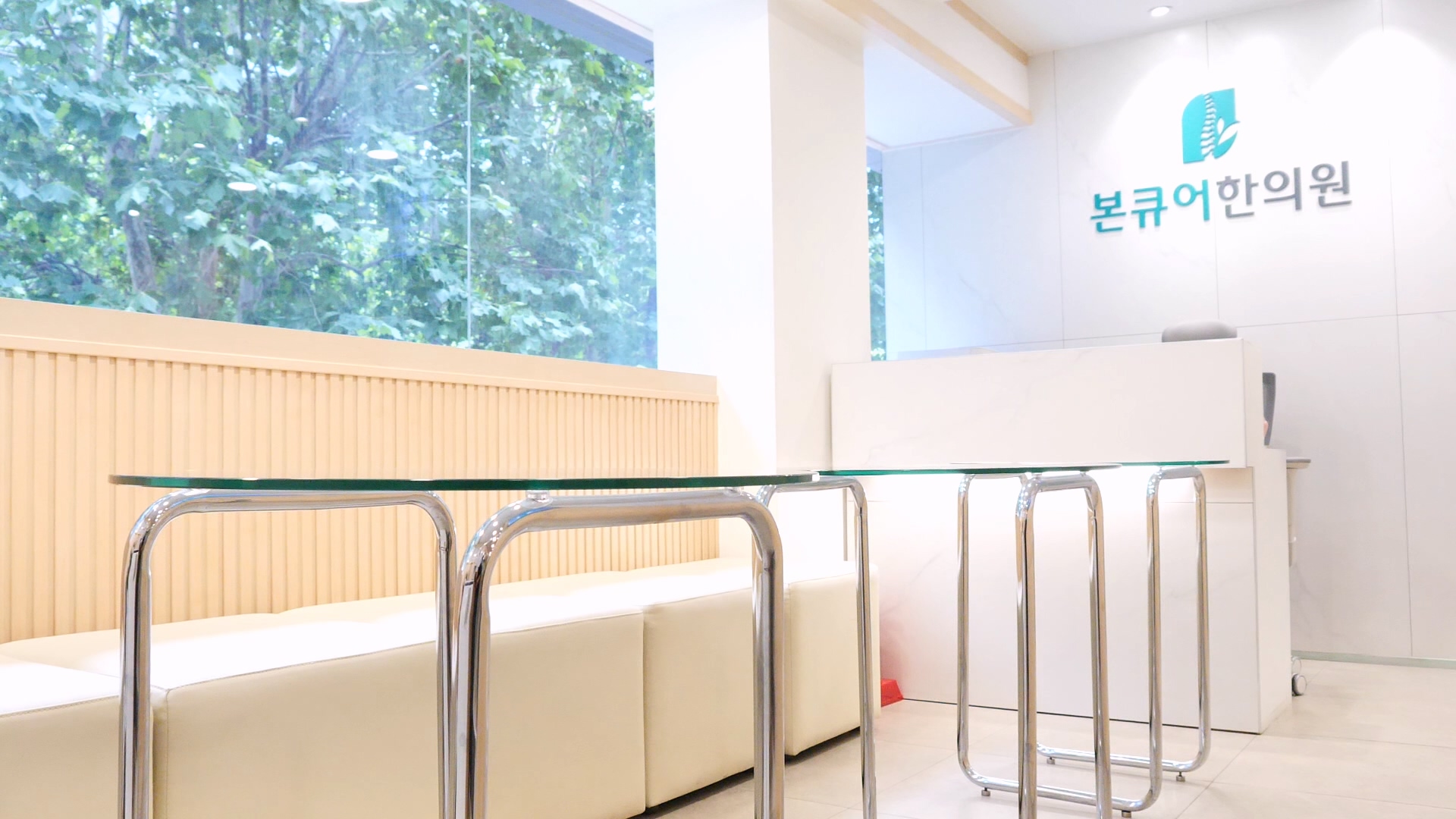
At Bonecure, we believe that when your bones smile, life smiles, which means achieving deep alignment allows the body to express its full functional potential. This guide provides an evidence-first exploration of how modern structural alignment can resolve long-standing, intractable physical symptoms.
Introduction to Dr. Song Jung-hyun and the Bonecure Treatment Approach
Dr. Song Jung-hyun is an experienced practitioner specializing in advanced acupotomy and structural integration to address chronic, treatment-resistant musculoskeletal conditions. At Bonecure, the primary objective is to move past superficial symptom suppression and instead target the structural core of bodily dysfunction. By realigning the skeletal architecture and restoring the surrounding soft tissue networks, this clinical methodology helps individuals regain pain-free mobility and long-term physical autonomy. Every therapeutic intervention by Dr. Song Jung-hyun is customized based on objective physical metrics, ensuring that the structural roots of discomfort are systematically identified and corrected to support long-term physiological recovery.
The Core Philosophy of Structural Balance and Restored Vitality
Structural balance serves as the absolute baseline for total systemic health and long-term physical vitality. When the spinal column or peripheral joints experience chronic misalignment, the surrounding muscles, fascia, and ligaments are forced to compensate, creating abnormal mechanical tension. This prolonged structural distortion can result in localized nerve entrapment, restricted circulatory pathways, and a gradual decline in daily functional capacity. Dr. Song Jung-hyun focuses on precisely identifying these biomechanical deviations to systematically re-establish proper skeletal symmetry. Through targeted structural interventions, the primary mechanical stressors are removed, which can help the body initiate its own natural healing mechanisms. This restorative process goes far beyond simple pain management, facilitating a comprehensive return of everyday physical performance and standard vitality. Patients often observe that when their global spinal alignment is corrected, secondary constitutional issues improve naturally. For deeper insights into this clinical philosophy, you can explore the A 2026 Clinical Overview of Traditional Korean Medicine: The Evidence-First Approach to Structural Restoration.
Understanding Acupotomy as a Specialized Modality for Tissue Regeneration
Acupotomy is a specialized, micro-scalpel tipped therapeutic needle procedure designed to precisely target, segment, and release chronically adhered soft tissues. Over years of chronic inflammation, poor posture, or traumatic injury, the body frequently develops thick, restrictive scar tissue and deep fascial adhesions. These hardened structural boundaries trap nearby neurovascular structures, leading to persistent discomfort and severely limited mobility. Dr. Song Jung-hyun utilizes this specialized structural instrument to perform precise micro-delamination of these pathological adhesions, physically freeing the restricted tissue fibers. This mechanical release instantly improves local microcirculation and decreases deep intra-tissue pressure, providing an ideal physiological environment for healthy cellular regeneration. While the deep tissue release can induce temporary local soreness, it serves as a necessary mechanical stimulus to transform chronically degenerated fibers into healthy, functional tissue. This advanced approach makes it a highly valuable tool for treating complex, structural pain syndromes that fail to respond to standard surface therapies.
The Three Essential Pillars of Clinical Care at Bonecure
The clinical care methodology implemented by Dr. Song Jung-hyun at Bonecure is built upon three essential pillars: root cause resolution, immediate functional relief, and objective scientific verification. This structured framework guarantees that every single patient receives an evidence-first, highly reproducible treatment plan designed for their unique anatomical presentation. By combining physical structural alignment with precise soft tissue manipulation, this approach systematically addresses both the mechanical and neurological components of chronic pain.
Root Cause Resolution via Mechanical Adhesion Release
Root cause resolution requires the physical elimination of deep mechanical obstructions within the musculoskeletal framework. Chronic pain is rarely an isolated phenomenon; it is almost always driven by deep anatomical adhesions that lock joints into dysfunctional patterns. Dr. Song Jung-hyun uses specialized structural instruments to directly access these deep, hyper-toned tissue contractures that standard non-invasive therapies cannot reach. By physically releasing these dense structural restrictions, the underlying mechanical stress on the spine and peripheral joints is effectively alleviated. This deep tissue release allows the joint surfaces to return to their optimal, neutral positions, effectively ending the cycle of chronic compensation. Addressing these deep structural issues at their source helps prevent the progressive joint wear and degeneration that typically occurs when structural misalignments are left untreated over long periods. To understand how these principles are applied globally in the capital, see the Integrated Pain Management Seoul: A 2026 Guide to Structural Restoration at BonCure.
Achieving Immediate Relief and Functional Mobility Restoration
Restoring functional mobility and providing immediate physical relief are critical priorities in the clinical approach used at Bonecure. When thick anatomical adhesions are mechanically liberated, patients frequently report an immediate reduction in deep, localized pressure and a noticeable increase in joint range of motion. Dr. Song Jung-hyun focuses on releasing key structural fulcrums, which can help restore natural movement patterns right after the treatment session. Removing these physical restrictions eliminates abnormal tension on surrounding nerve pathways, which can help alleviate acute muscle spasms and sharp neurological discomfort. This rapid restoration of joint mobility allows individuals to resume normal daily activities without the constant fear of sudden mechanical catching or severe pain flare-ups. However, because chronic structural conditions involve deep tissue remodeling, the long-term stabilization of this newfound mobility typically requires a structured series of multi-session treatments over several weeks. Each sequential session builds upon the last, gradually reinforcing a stable, balanced musculoskeletal architecture.
Scientific Verification Using Objective Diagnostics and Structural Metrics
Scientific verification forms the operational backbone of every diagnosis and treatment strategy performed by Dr. Song Jung-hyun. At Bonecure, clinical decisions are never based on subjective guesswork or vague patient descriptions alone. Instead, global skeletal alignment is carefully evaluated using objective diagnostic metrics, including whole-spine X-ray imaging, postural symmetry analysis, and standardized functional mobility tracking. These precise structural measurements allow for an accurate pre-treatment assessment and provide an undeniable visual record of skeletal changes over time. Furthermore, subjective symptom tracking is strictly quantified using validated clinical metrics, including standardized questionnaires for headaches, dizziness, gastrointestinal function, and psychological well-being. By matching these objective diagnostic tools with standardized symptom scores, the clinical team can scientifically track every patient's structural and constitutional progress. This data-backed approach ensures that every step of the therapeutic process is completely transparent, verifiable, and aligned with international evidence-first medical standards.
Comparative Analysis: Acupotomy Versus Standard Acupuncture Protocols
Understanding the operational differences between various therapeutic options is essential for patients seeking effective structural care. While both modalities utilize specialized needles, they target entirely different anatomical depths and serve unique clinical functions.
Structural Variance in Instrument Design and Target Depth
The structural differences between standard acupuncture and advanced acupotomy are distinct, dictating how each instrument interacts with human tissue. Standard acupuncture utilizes extremely fine, filiform needles designed primarily to stimulate superficial neurovascular zones and regulate general physiological pathways. In contrast, the specialized instrument utilized by Dr. Song Jung-hyun features a flat, micro-scalpel tip crafted for deep anatomical intervention. This unique structural design allows the practitioner to navigate through superficial layers and safely enter deep, hardened soft tissue zones. Standard needles are typically designed to slide between tissue fibers to stimulate neurovascular points, whereas the micro-scalpel tip is engineered to physically segment dense, fibrotic adhesions. This specific mechanical capability allows for the targeted treatment of deep structural contractures that may not be fully reached by traditional, finer needles.
Efficacy Differences in Releasing Chronic Soft Tissue Adhesions
When managing long-standing, chronic soft tissue adhesions, standard acupuncture and advanced acupotomy deliver vastly different clinical outcomes. Traditional acupuncture can help modulate localized pain signals and improve superficial blood flow, but it lacks the structural design required to divide dense, fibrotic scar tissue. Advanced acupotomy functions as a specialized, micro-invasive structural intervention that physically cuts through hardened anatomical tethers. This direct mechanical release is necessary when treating chronic conditions where muscles and fascia have become permanently bound together. By physically separating these restricted tissue layers, Dr. Song Jung-hyun can instantly reduce deep intra-muscular tension and relieve chronic pressure on adjacent peripheral nerves. This structural intervention provides a direct mechanical solution for severe, long-standing joint restrictions that fail to improve with superficial therapies alone.
| Feature | Standard Acupuncture Protocols | Advanced Acupotomy at Bonecure |
|---|---|---|
| Instrument Tip Design | Fine, round-pointed filiform needle | Flat, micro-scalpel therapeutic edge |
| Primary Clinical Focus | Neurovascular stimulation & pain modulation | Physical detachment of dense structural adhesions |
| Anatomical Target Depth | Superficial to moderate muscle layers | Deep fibrotic tissues, fascial junctions, & periosteum |
| Tissue Structural Impact | Parts tissue fibers temporarily without cutting | Physically segments and releases hardened scar tissue |
| Average Recovery Window | Zero downtime; immediate return to activity | Mild localized soreness lasting 24–72 hours |
Clinical Insights and Individual Case Studies by Dr. Song Jung-hyun
Reviewing specific clinical case reports provides valuable insight into how structural alignment can influence complex, chronic medical presentations. Dr. Song Jung-hyun has compiled multiple clinical case reports focusing on structural rehabilitation and its broader systemic impacts. These recorded observations serve as the foundation for the evidence-first practices utilized daily at Bonecure.
Spinal Curvature Correction and Structural Realignment Observations
Severe spinal misalignments, such as chronic loss of cervical lordosis or idiopathic scoliosis, present significant challenges due to deep structural adaptations in the supporting soft tissues. When addressing spinal alignment deviations such as scoliosis or loss of cervical lordosis, structural acupotomy is applied to release chronic, unilateral fascial contractures and deep mechanical restrictions. By targeting these tight soft tissues, the procedure helps alleviate uneven mechanical loading across the spinal segments. Clinical observations indicate that realigning these deep structures can support improved spinal symmetry and a more balanced distribution of mechanical weight. This structural decompression frequently leads to a reduction in chronic back pain and enhanced functional mobility, although individual clinical responses vary depending on the patient's underlying condition and structural history.
Addressing Autonomic Nervous System Dysregulation and Intractable Symptoms
Chronic structural misalignments in the upper cervical spine can frequently lead to autonomic nervous system dysregulation, resulting in complex symptoms like cervicogenic vertigo, chronic headaches, and severe tinnitus. Dr. Song Jung-hyun has investigated these intricate neurological connections in several published clinical case reports. When managing upper cervical tension and associated neurovascular symptoms, clinical approaches focus on addressing mechanical compression and tissue adhesions around the upper cervical vertebrae. By utilizing advanced acupotomy to target deep cervical hyper-tonacities, practitioners aim to reduce mechanical stress on adjacent autonomic pathways. This structural release helps restore localized neurovascular function, which can alleviate chronic tension and support the management of related symptoms like tinnitus. While individual outcomes depend heavily on the duration and severity of the condition, addressing these deep physical structures provides a targeted approach to supporting autonomic nervous system balance. This case highlights how correcting deep physical structures can assist in resolving complex, autonomic symptoms, although identical clinical outcomes cannot be guaranteed for every individual condition.
Understanding Patient Variability and Clinical Safety Limitations
While advanced acupotomy is a highly effective procedure for structural restoration, it is a specialized medical intervention that carries specific clinical limitations and potential side effects. Patients must understand that individual therapeutic outcomes vary significantly based on the duration, severity, and overall chronicity of their underlying structural condition. Common post-treatment side effects include localized muscular soreness, minor subcutaneous bruising, or temporary local bleeding at the treatment site, which typically resolve naturally within 24 to 72 hours. While rare, localized infection remains a minimal risk, which Dr. Song Jung-hyun mitigates through strict sterile protocols and precise anatomical mapping. Furthermore, severe, long-standing structural distortions or advanced joint degeneration always require a comprehensive, multi-session treatment series over several weeks to achieve long-term mechanical stability. A detailed physical evaluation by a licensed Korean medicine practitioner is always mandatory to determine if this specialized approach is appropriate for a patient's specific health profile.
Key Takeaways
- Comprehensive Structural Focus: Dr. Song Jung-hyun provides target-specific structural care utilizing advanced acupotomy to address the root causes of chronic musculoskeletal pain.
- Evidence-First Verification: Every treatment plan at Bonecure is guided by objective diagnostic metrics, including whole-spine X-ray imaging and validated clinical symptom scales.
- Deep Soft Tissue Release: Acupotomy physically segments dense, fibrotic adhesions, providing a distinct mechanical approach compared to standard superficial acupuncture protocols.
- Systemic Health Restoration: Correcting deep spinal and cervical misalignments can help alleviate secondary autonomic symptoms, including cervicogenic headaches and structural tinnitus.
- Patient-Specific Outcomes: Individual treatment timelines and results vary, and potential side effects such as temporary local soreness must be managed through professional clinical care.
Frequently Asked Questions
Q. Who is Dr. Song Jung-hyun and what is the core mission of Bonecure?
Dr. Song Jung-hyun is an experienced practitioner of Korean medicine specializing in advanced acupotomy and deep structural restoration. At Bonecure, the primary clinical mission is driven by the philosophy that when your bones smile, life smiles. The practice focuses on correcting deep skeletal misalignments and releasing chronic soft tissue adhesions to restore natural, pain-free mobility and long-term vitality.
Q. What exactly is acupotomy and how does it function?
Acupotomy is a specialized structural procedure that utilizes a micro-scalpel tipped therapeutic needle to target and release chronically adhered soft tissues. This instrument allows the practitioner to access deep, hardened scar tissue and safely segment the fibrotic bands that trap nerves and restrict movement. This deep release improves local circulation and creates an optimal environment for healthy tissue regeneration.
Q. How does acupotomy differ from standard acupuncture treatments?
Standard acupuncture protocols utilize extremely fine, round-tipped needles designed primarily to stimulate superficial neurovascular points and modulate pain signals. Advanced acupotomy utilizes a specialized micro-scalpel edge designed for direct mechanical intervention in deep tissue layers. It physically divides dense anatomical adhesions, making it a structural solution for chronic joint and spinal restrictions.
Q. Is the acupotomy treatment performed by Dr. Song Jung-hyun painful?
Because advanced acupotomy directly targets deep, hardened soft tissue contractures, patients typically experience a temporary sensation of localized pressure or sharp discomfort during the procedure. This brief mechanical discomfort is usually followed by immediate structural relief and an improved range of motion. However, individual pain thresholds and post-treatment experiences vary based on the condition.
Q. What are the primary risks and side effects associated with acupotomy?
The most common side effects of advanced acupotomy include temporary post-treatment muscular soreness, minor local bruising, or transient bleeding at the site of intervention. These mild symptoms are part of the natural tissue response and typically resolve within 24 to 72 hours. While rare, localized infection remains a minimal risk, which is mitigated through strict sterile protocols.
Q. How many treatment sessions are generally required to see measurable results?
Acute musculoskeletal conditions may show initial structural improvement within a few sessions, while severe, chronic spinal distortions typically require a structured multi-session series over several weeks. Each clinical case is unique, and long-term stabilization depends on a detailed physical examination. Dr. Song Jung-hyun customizes the exact frequency and duration of care based on objective tracking metrics.
Q. Can acupotomy successfully treat conditions like sudden hearing loss or severe tinnitus?
Dr. Song Jung-hyun has compiled and published specific clinical case reports demonstrating notable symptom reduction in individual patients suffering from cervicogenic tinnitus and related inner ear disturbances. These improvements are achieved by releasing severe mechanical compressions in the upper cervical spine. However, these reports represent specific clinical outcomes and do not serve as a definitive guarantee of identical results for all patients.
For personalized clinical insights regarding your specific structural alignment and chronic pain needs, please schedule a comprehensive evaluation at our clinic.
Bonecure / Dr. Song Jung-hyun
FAQ
- Who is Dr. Song Jung-hyun and what is the core mission of Bonecure?
- Dr. Song Jung-hyun is an experienced practitioner of Korean medicine specializing in advanced acupotomy and deep structural restoration. At Bonecure, the primary clinical mission is driven by the philosophy that when your bones smile, life smiles. The practice focuses on correcting deep skeletal misalignments and releasing chronic soft tissue adhesions to restore natural, pain-free mobility and long-term vitality.
- What exactly is acupotomy and how does it function?
- Acupotomy is a specialized structural procedure that utilizes a micro-scalpel tipped therapeutic needle to target and release chronically adhered soft tissues. This instrument allows the practitioner to access deep, hardened scar tissue and safely segment the fibrotic bands that trap nerves and restrict movement. This deep release improves local circulation and creates an optimal environment for healthy tissue regeneration.
- How does acupotomy differ from standard acupuncture treatments?
- Standard acupuncture protocols utilize extremely fine, round-tipped needles designed primarily to stimulate superficial neurovascular points and modulate pain signals. Advanced acupotomy utilizes a specialized micro-scalpel edge designed for direct mechanical intervention in deep tissue layers. It physically divides dense anatomical adhesions, making it a structural solution for chronic joint and spinal restrictions.
- Is the acupotomy treatment performed by Dr. Song Jung-hyun painful?
- Because advanced acupotomy directly targets deep, hardened soft tissue contractures, patients typically experience a temporary sensation of localized pressure or sharp discomfort during the procedure. This brief mechanical discomfort is usually followed by immediate structural relief and an improved range of motion. However, individual pain thresholds and post-treatment experiences vary based on the condition.
- What are the primary risks and side effects associated with acupotomy?
- The most common side effects of advanced acupotomy include temporary post-treatment muscular soreness, minor local bruising, or transient bleeding at the site of intervention. These mild symptoms are part of the natural tissue response and typically resolve within 24 to 72 hours. While rare, localized infection remains a minimal risk, which is mitigated through strict sterile protocols.
- How many treatment sessions are generally required to see measurable results?
- Acute musculoskeletal conditions may show initial structural improvement within a few sessions, while severe, chronic spinal distortions typically require a structured multi-session series over several weeks. Each clinical case is unique, and long-term stabilization depends on a detailed physical examination. Dr. Song Jung-hyun customizes the exact frequency and duration of care based on objective tracking metrics.
- Can acupotomy successfully treat conditions like sudden hearing loss or severe tinnitus?
- Dr. Song Jung-hyun has compiled and published specific clinical case reports demonstrating notable symptom reduction in individual patients suffering from cervicogenic tinnitus and related inner ear disturbances. These improvements are achieved by releasing severe mechanical compressions in the upper cervical spine. However, these reports represent specific clinical outcomes and do not serve as a definitive guarantee of identical results for all patients.