
Post
A 2026 Clinical Overview of Traditional Korean Medicine: The Evidence-First Approach to Structural Restoration
Greetings. I am Song Jeong-hyeon, an Oriental Medical Doctor who has focused on acupotomy for a long time to restore natural physical balance. Traditional Korean Medicine represents a time-tested, evidence-first medical system designed to realign the structural components of the body and restore natural internal harmony. This comprehensive guide outlines how specialized, non-surgical interventions provide a clinical pathway toward structural restoration and long-term functional recovery.
Understanding Traditional Korean Medicine and Its Core Principles
Traditional Korean Medicine is defined as a holistic diagnostic and therapeutic framework that emphasizes the interdependence of bodily structures, metabolic systems, and natural self-regulatory capacities.
The Philosophy of Balance and Natural Healing
Traditional Korean Medicine views the human body as an integrated ecosystem where optimal health depends on dynamic equilibrium. When external stress or physical trauma disrupts this balance, internal pathways become obstructed, leading to localized discomfort and systemic dysfunction. The primary objective is to activate the body’s innate self-healing capabilities by eliminating these underlying blockages. Rather than focusing solely on isolated symptoms, clinicians analyze the global state of the individual to identify constitutional vulnerabilities. This approach prioritizes long-term vitality over temporary relief, encouraging tissues to regenerate naturally through balanced energetic circulation. By reinforcing the physiological foundation, the body becomes resilient against recurring structural and metabolic stressors. Every diagnostic assessment seeks to uncover why the system drifted from its natural state, establishing a personalized pathway back to functional stability and holistic harmony.
How Modern Traditional Korean Medicine Integrates Scientific Evidence
Modern clinical applications of Traditional Korean Medicine increasingly rely on objective validation to confirm therapeutic efficacy. Clinicians utilize diagnostic tools, including whole-spine X-ray imaging through clinical cooperation alongside detailed structural and movement evaluations, to measure structural shifts precisely. Objective evaluation metrics such as 5 distinct standardized questionnaires for headaches, dizziness, gastrointestinal function, anxiety, and depression provide quantifiable data to track patient progress. For example, in a documented case report tracking an individual patient with an 18-year history of chronic complex symptoms who underwent a structured protocol of 20 clinical sessions, measured adjustments in spinal curvature and improvements in functional mobility scores were observed. These clinical insights help guide treatment by providing objective data rather than relying on subjective assumptions. While these findings support the clinical framework, individual results vary, and identical outcomes cannot be guaranteed for every patient. This evidence-first framework respects traditional knowledge while meeting rigorous scientific standards for safety and predictability.
The Focus on Structural Alignment and Whole-Body Function
The structural configuration of the spine and joints directly dictates the efficiency of the autonomic nervous system and overall internal organ function. Misalignments in the skeletal framework can create mechanical tension, compressing adjacent nerve pathways and restricting vital microcirculation. At Bonecure, clinical attention is directed toward correcting these structural distortions to alleviate chronic pain and restore proper systemic communication. When the physical framework is precisely aligned, the surrounding soft tissues, muscles, and ligaments experience minimized mechanical stress, preventing premature degradation. This structural focus bridges the gap between musculoskeletal integrity and internal physiological balance, ensuring that the entire body operates efficiently. Individuals dealing with chronic, stubborn alignment issues and desk-bound professions often require these specialized protocols to counteract repetitive strain and structural imbalances.
Structural Restoration Through Acupotomy and Chuna Manual Therapy
Structural restoration through specialized conservative modalities refers to the targeted release of mechanical restrictions and the manual correction of spinal subluxations to re-establish physiological mobility.
Releasing Chronic Tissue Adhesions with Specialized Acupotomy
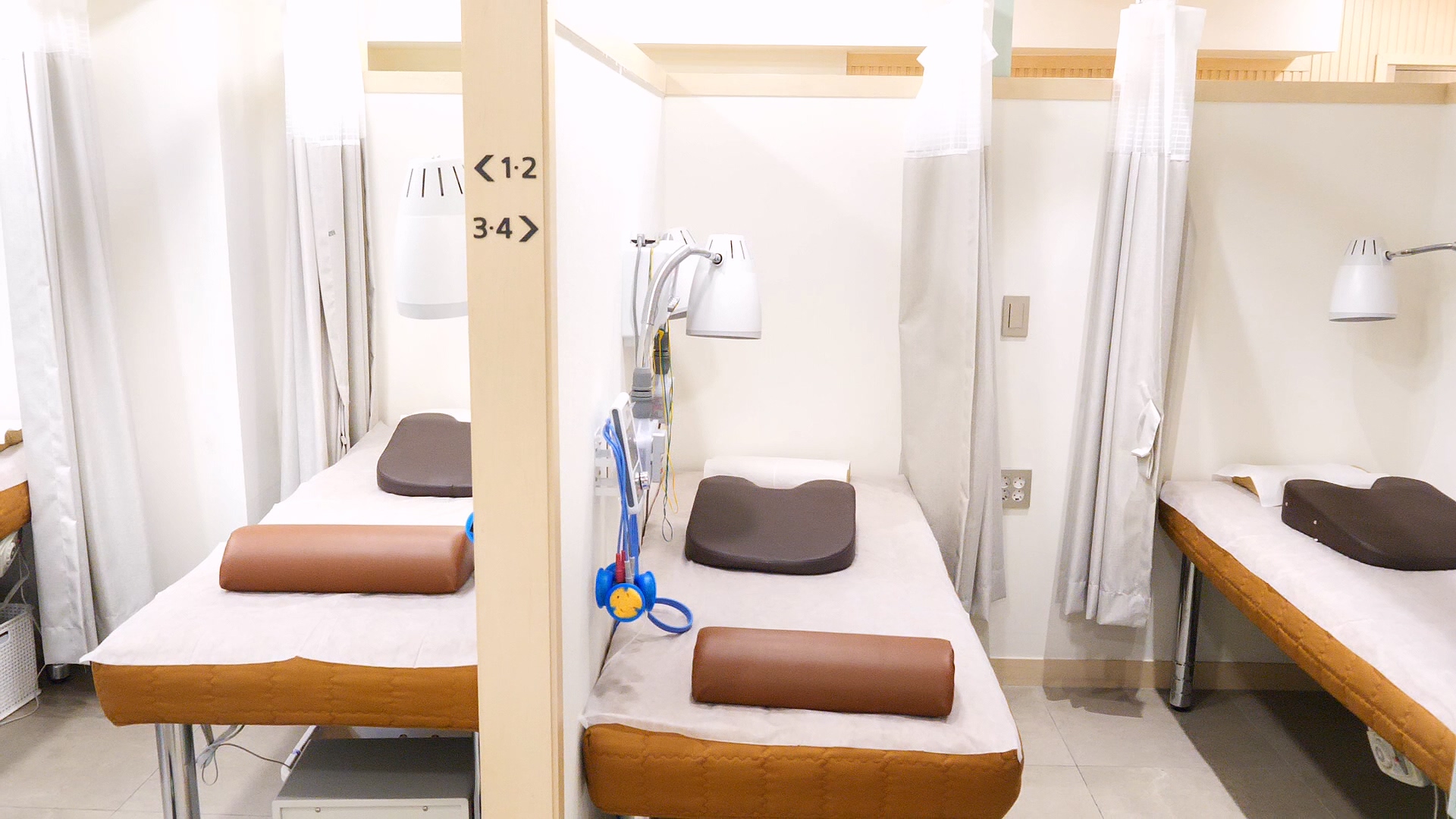
Chronic musculoskeletal disorders frequently involve the development of dense, rigid adhesions within deep fascial layers and muscle bundles. Acupotomy functions as a specialized conservative intervention utilizing a unique micro-blade therapeutic needle designed to mechanically release these stubborn restrictions. By precisely dividing scar tissue and fused fibers, this procedure relieves direct nerve compression and normalizes local tissue pressure. Although highly effective, patients should note that minor side effects such as temporary localized soreness, mild bleeding, or bruising can occur at the treatment site. These reactions are typically transient, resolving within 2 to 3 days post-intervention. For complex structural cases, a single session may provide immediate mechanical release, but long-standing chronic conditions typically require 6 to 10 structured sessions to achieve stable tissue remodeling. This targeted anatomical release allows trapped structures to move freely, establishing the necessary conditions for comprehensive spinal rehabilitation.
Correcting Spine and Joint Alignment for Enhanced Mobility
Achieving lasting physical mobility requires pairing deep soft tissue release with the precise manual mobilization of the skeletal framework. Chuna manual therapy represents a core structural intervention where practitioners apply controlled, low-amplitude forces to realign subluxated joint structures. This specialized technique restores the normal joint biomechanics, reduces asymmetric muscular tension, and re-establishes a balanced weight distribution across the weight-bearing joints. Patients often observe a visible improvement in their range of motion and a reduction in postural fatigue following sequential treatments. For those managing long-term spinal imbalances, reviewing a Chuna Therapy for Chronic Pain Guide can offer deeper insights into how manual adjustments support structural restoration. When utilized systematically alongside acupotomy, this dual approach addresses both the hard skeletal framework and the soft connective tissues, creating a stable environment for long-term physical recovery and unhindered daily movement.
Clinical Approaches to Severe and Persistent Musculoskeletal Conditions
Managing severe, intractable musculoskeletal conditions requires a systematic clinical protocol that goes beyond surface-level symptom management. Severe spinal distortions, chronic disc herniations, and multi-joint degenerative changes often present with complex multi-layered tissue adhesions that lock the joints in abnormal positions. Clinicians address these challenging presentations by mapping the entire structural chain, from the craniosacral mechanism down to the pelvic foundation. Treatment plans are highly individualized, frequently spanning 12 to 24 consecutive clinical visits depending on the chronicity and structural rigidity of the condition. While individual recovery variations exist and identical outcomes cannot be guaranteed for every patient, clinical tracking shows that progressive structural interventions help decompress nerve pathways and stabilize compromised joint segments. This specialized care pathway is crucial for individuals who have experienced limited progress with standard general therapies, providing a focused strategy for deep-seated physical recovery.
Comparing Traditional Korean Medicine with Conventional Medical Options
Comparative medical analysis involves evaluating the therapeutic mechanisms, clinical targets, and specific rehabilitation timelines of different clinical frameworks to optimize patient outcomes.
Key Differences in Treatment Mechanisms and Recovery Goals
Understanding the distinction between conventional symptom management and structural restoration is essential for patients selecting a rehabilitation pathway. Conventional interventions often focus on managing acute inflammation and localized pain signals to provide immediate comfort. Traditional Korean Medicine approaches rehabilitation by focusing on structural alignment and tissue mobility to support the long-term restoration of joint mechanics and systemic balance. Rather than addressing symptoms in isolation, this approach aims to manage the underlying structural imbalances that contribute to mechanical strain and tissue discomfort. This framework recognizes that lasting comfort is only achievable when the physical structures are returned to their proper anatomical positions. By targeting the root cause, this methodology helps prevent future degenerative cycles, ensuring the body maintains its structural integrity over time.
A Comprehensive Breakdown of Therapeutic Interventions
To assist individuals in evaluating their care options, a clear comparison of common therapeutic approaches highlight distinct clinical characteristics. The following table provides an objective, neutral overview of how different modalities operate within a patient's recovery pathway, noting their primary focuses, tools, and typical application frequencies.
| Therapeutic Modality | Primary Focus | Primary Tools Used | Typical Clinical Setting |
|---|---|---|---|
| Acute Medical Care | Acute pain management and inflammation control | Pharmaceuticals, topical agents | Acute care facilities |
| Acupotomy | Releasing deep tissue adhesions | Micro-blade therapeutic needle | Specialized structural clinics |
| Chuna Therapy | Skeletal alignment correction | Manual mobilization, drop tables | Integrative rehabilitation |
| General Acupuncture | Local circulation enhancement | Standard fine filiform needles | General wellness centers |
Selecting the appropriate sequence of these interventions is determined during thorough clinical assessments, ensuring that each technique matches the specific phase of tissue healing.
Combining Modalities for Optimal Patient Rehabilitation Pathways
Clinical experience demonstrates that combining complementary therapeutic modalities yields more stable outcomes than relying on a single isolated procedure. For instance, utilizing acupotomy to release rigid soft tissue adhesions creates an optimal environment for Chuna manual therapy to realign the skeletal structure without facing extreme resistance. Furthermore, standard acupuncture can be integrated within the same session to stimulate localized microcirculation and accelerate the natural healing of remodeled tissues. For a comprehensive overview of how these combined treatments function, patients can consult an Acupuncture for Chronic Pain Guide to understand the modern clinical evidence supporting integrated care. This synchronized multi-modality approach ensures that both structural misalignments and soft tissue restrictions are corrected simultaneously. By addressing the musculoskeletal system from multiple operational angles, practitioners can design highly efficient rehabilitation pathways that support sustainable, long-term physical recovery.
Patient-Centered Care and Vital Clinical Considerations at Bonecure
Patient-centered care within structural medicine at Bonecure consists of customizing clinical protocols based on objective spinal imaging, patient history, and individual physiological responses to treatment.
Safe Clinical Practices and Managing Potential Minor Side Effects
Patient safety remains the absolute cornerstone of all advanced structural treatments performed at Bonecure. Every invasive procedure, including acupotomy, is conducted under strict sterile protocols utilizing single-use, disposable medical instruments to minimize the risk of infection. Practitioners undergo extensive clinical training to navigate complex anatomical structures safely, minimizing the disruption to adjacent blood vessels and nerves. As with any physical intervention that penetrates the dermal layer, minor material risks include temporary localized soreness, minor bleeding, or superficial bruising. These expected physiological responses are typically mild and self-limiting, resolving spontaneously within a few days. Patients receive detailed post-treatment care instructions, including recommendations to rest the treated area for 24 to 48 hours to optimize tissue recovery. Maintaining transparent communication regarding these potential minor side effects ensures that patients feel fully informed and secure throughout their structural rehabilitation journey.
Long-Term Structural Maintenance and Individual Recovery Variations
The ultimate success of a structural restoration program depends on long-term maintenance and consistent postural habits. While specialized clinical interventions at Bonecure resolve deep-seated structural restrictions, patients must actively participate in protecting their corrected alignment through ergonomic adjustments and prescribed stabilization exercises. It is vital to recognize that individual recovery timelines exhibit substantial variation based on age, lifestyle factors, and the chronicity of the spinal distortion. Mild or acute alignment issues may stabilize within 4 to 6 sessions, whereas deep-seated chronic conditions often necessitate an extended course of care to achieve sustainable structural stabilization. Regular follow-up evaluations allow clinicians to monitor joint mobility and intercept minor imbalances before they develop into painful blockages. By combining expert clinical treatments with proactive daily maintenance, individuals can successfully preserve their physical structural health, ensuring long-term mobility and a comfortable, active lifestyle.
Key Takeaways
- Traditional Korean Medicine focuses on treating the structural root causes of chronic pain rather than merely masking superficial symptoms.
- Advanced modalities like acupotomy mechanically release chronic deep tissue adhesions, though mild temporary soreness or bruising can occur.
- Combining targeted soft-tissue release with manual Chuna skeletal alignment provides a highly stable foundation for long-term physical rehabilitation.
- Individual recovery timelines vary depending on individual health status, requiring customized session planning and proactive ergonomic habits.
Frequently Asked Questions
Q. What exactly is Traditional Korean Medicine and how does it approach chronic pain?
Traditional Korean Medicine focuses on restoring the natural balance and structural integrity of the body. Rather than simply suppressing localized pain, it identifies root causes such as spinal misalignment and soft tissue adhesions to promote natural healing and long-term functional recovery.
Q. What is acupotomy and how does it assist in structural treatment?
Acupotomy is a specialized treatment utilizing a unique micro-blade therapeutic needle. It works by precisely releasing rigid adhesions and scar tissue that lock joints and compress nerves. This process helps restore normal tissue circulation and allows the spine and joints to return to their correct alignment.
Q. Are there any side effects or material risks associated with acupotomy?
As with any invasive physical intervention, minor side effects can occur. Patients may experience temporary soreness at the treatment site, mild bleeding, or bruising. Rare risks include localized infection, which is minimized at Bonecure through strict sterile protocols and personalized post-treatment care.
Q. How is the cost and overall value of these specialized treatments determined?
The investment required for treatment depends entirely on the severity of the structural misalignment and the chronicity of the condition. While customized plans are detailed during 1 individual clinical consultation, our focus remains on providing lasting structural rehabilitation rather than temporary relief.
Q. Can Traditional Korean Medicine be safely combined with conventional western medical treatments?
Yes. Combining conservative western diagnostic methods or physical therapies with Traditional Korean Medicine often enhances overall recovery. We carefully evaluate your current medical history to ensure all therapeutic modalities complement each other safely and effectively.
Q. How many sessions are typically required to notice significant structural improvement?
Recovery timelines vary significantly based on individual health status, age, and chronic conditions. Some individuals report relief from restricted movement early in care, while severe spinal distortions or long-standing chronic cases require 10 or more sessions to achieve stable, lasting realignment.
Q. Who is an ideal candidate for the structural therapies offered at Bonecure?
Individuals suffering from persistent back pain, neck strain, joint stiffness, or complex autonomic symptoms related to poor posture are excellent candidates. Anyone looking for a non-surgical, evidence-based approach to restore structural health can benefit from a detailed evaluation.
To receive a personalized structural assessment and understand the options available for your specific condition, please contact us to book a detailed clinical consultation.
Bonecure / Dr. Song Jeong-hyeon
FAQ
- What exactly is Traditional Korean Medicine and how does it approach chronic pain?
- Traditional Korean Medicine focuses on restoring the natural balance and structural integrity of the body. Rather than simply suppressing localized pain, it identifies root causes such as spinal misalignment and soft tissue adhesions to promote natural healing and long-term functional recovery.
- What is acupotomy and how does it assist in structural treatment?
- Acupotomy is a specialized treatment utilizing a unique micro-blade therapeutic needle. It works by precisely releasing rigid adhesions and scar tissue that lock joints and compress nerves. This process helps restore normal tissue circulation and allows the spine and joints to return to their correct alignment.
- Are there any side effects or material risks associated with acupotomy?
- As with any invasive physical intervention, minor side effects can occur. Patients may experience temporary soreness at the treatment site, mild bleeding, or bruising. Rare risks include localized infection, which is minimized at Bonecure through strict sterile protocols and personalized post-treatment care.
- How is the cost and overall value of these specialized treatments determined?
- The investment required for treatment depends entirely on the severity of the structural misalignment and the chronicity of the condition. While customized plans are detailed during 1 individual clinical consultation, our focus remains on providing lasting structural rehabilitation rather than temporary relief.
- Can Traditional Korean Medicine be safely combined with conventional western medical treatments?
- Yes. Combining conservative western diagnostic methods or physical therapies with Traditional Korean Medicine often enhances overall recovery. We carefully evaluate your current medical history to ensure all therapeutic modalities complement each other safely and effectively.
- How many sessions are typically required to notice significant structural improvement?
- Recovery timelines vary significantly based on individual health status, age, and chronic conditions. Some individuals report relief from restricted movement early in care, while severe spinal distortions or long-standing chronic cases require 10 or more sessions to achieve stable, lasting realignment.
- Who is an ideal candidate for the structural therapies offered at Bonecure?
- Individuals suffering from persistent back pain, neck strain, joint stiffness, or complex autonomic symptoms related to poor posture are excellent candidates. Anyone looking for a non-surgical, evidence-based approach to restore structural health can benefit from a detailed evaluation.