
Post
A 2026 Clinical Guide to Chuna Therapy for Chronic Pain: Structural Restoration at Bonecure
Chuna therapy is a non-surgical manual treatment designed to realign the skeletal structure and balance soft tissues, providing a comprehensive solution for chronic musculoskeletal discomfort.
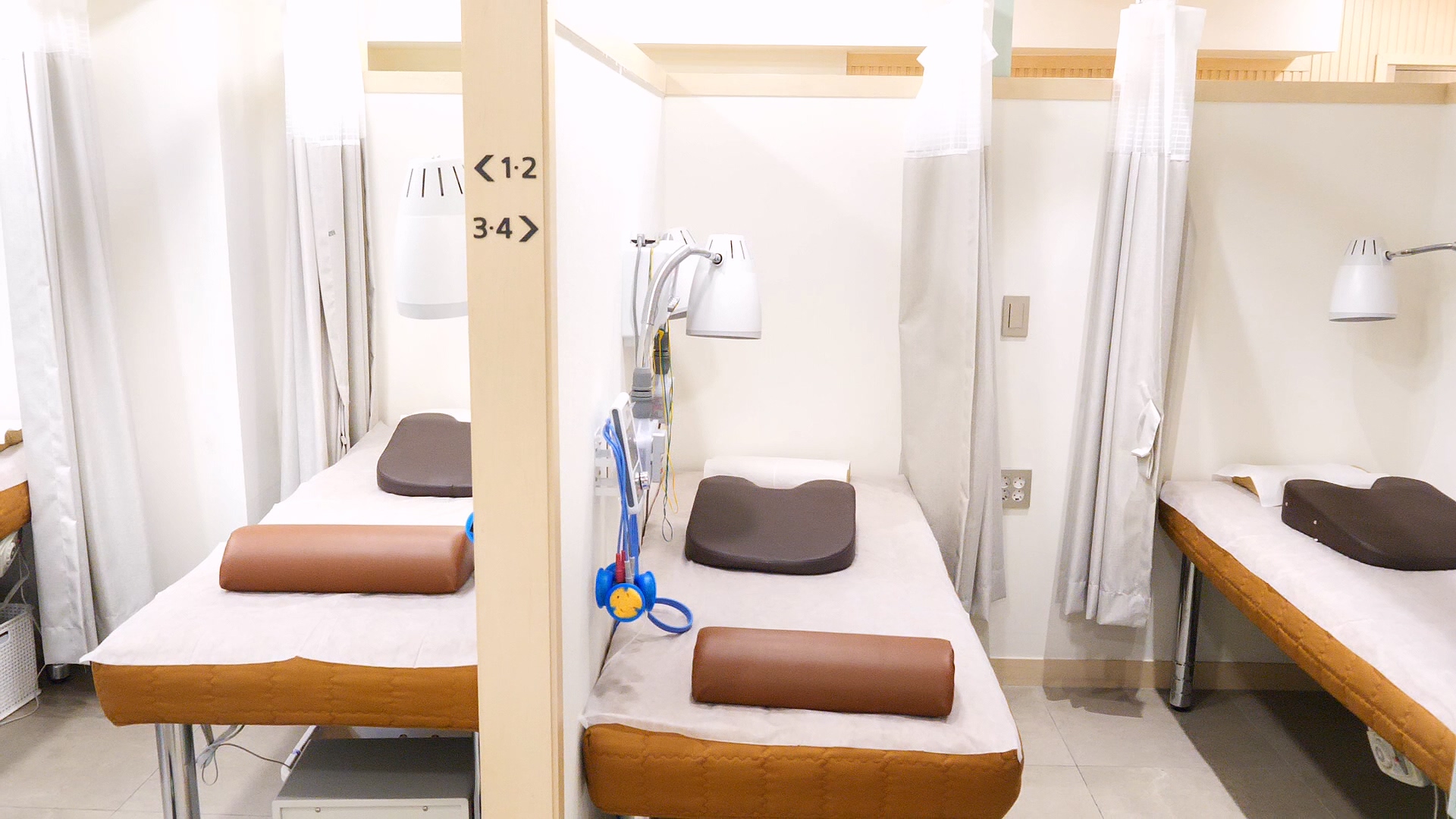
This guide explores how structural restoration addresses the root causes of pain to improve long-term mobility and quality of life.
What is Chuna Therapy for Chronic Pain? Understanding the Fundamentals
Chuna therapy is a traditional manual procedure that involves the structural correction of the body's skeletal system through hands-on manipulation by a specialized doctor. It integrates anatomical knowledge with physical force to restore the natural harmony of the spine and joints.
Defining Chuna Therapy and Its Holistic Mechanism
In my clinical experience at Bonecure, I have observed that structural imbalances are often the precursor to systemic dysfunction. Chuna therapy addresses this by utilizing pushing and pulling techniques to realign subluxated vertebrae and joints. This is not merely a physical adjustment but a holistic restoration of the flow within the nervous system. By correcting the 24 mobile segments of the spine, we aim to alleviate the pressure on surrounding nerves and tissues. Clinical observations of numerous lower back pain cases suggest that restoring this structural integrity can lead to significant functional improvements, though results vary by individual. The mechanism relies on the synchronization of joint movement with muscular relaxation, ensuring that the body returns to its natural, balanced state. This integrated approach ensures that we are not just masking symptoms but addressing the structural foundation of health.
How Chuna Addresses the Root Causes of Chronic Musculoskeletal Pain
Chronic pain is frequently the result of prolonged structural tension or adhesion within the soft tissues. At Bonecure, we focus on identifying these underlying factors that standard diagnostics might overlook. When bones are misaligned, the body compensates by tightening certain muscle groups, leading to a cycle of chronic inflammation and discomfort. Chuna therapy breaks this cycle by applying targeted pressure to specific anatomical landmarks, thereby releasing the tension that traps nerves. In my clinical experience at Bonecure, I have observed that many patients with chronic tension headaches report a reduction in symptom frequency after four weeks of structured manual therapy. Furthermore, we often see improvements in posture among long-term sufferers, though these results are based on individual cases and may vary depending on the patient's condition. By restoring the proper alignment of the cervical and thoracic spine, we allow the body to heal itself more effectively. It is important to note that while many patients find relief, those with severe osteoporosis or acute fractures must be evaluated carefully.
Comparing Chuna Therapy, Chiropractic Care, and Physical Therapy
Comparing manual therapeutic modalities requires understanding the philosophical and technical differences in how they approach musculoskeletal dysfunction. Each method offers unique benefits depending on the patient's specific diagnostic needs and structural status.
| Feature | Chuna Therapy | Chiropractic Care | Physical Therapy |
|---|---|---|---|
| Primary Focus | Structural and Soft Tissue Balance | Spinal Joint Alignment | Muscle Strength and Rehabilitation |
| Technique Type | Manual Manipulation and Stretching | High-Velocity Thrusts | Exercises and Modalities |
| Root Theory | Traditional and Modern Biomechanics | Nervous System Interference | Functional Movement |
| Scope | Spine, Joints, and Meridians | Primarily Spinal Columns | Specific Muscle Groups |
Structural Alignment Variations Across Modalities
Understanding the differences between Chuna, chiropractic care, and physical therapy is essential for patient education. Chiropractic care often focuses heavily on high-velocity, low-amplitude thrusts to correct spinal subluxations. In contrast, the approach at Bonecure utilizes a more diverse range of techniques, including mobilization and rhythmic stretching, which provides a gentle alternative for patients who prefer a gradual application of force. Physical therapy typically emphasizes rehabilitative exercises and modalities like ultrasound to strengthen muscles. While all three share the goal of pain reduction, Chuna therapy distinguishes itself by integrating traditional anatomical theories with modern biomechanics. In clinical settings, we often see that combining these manual adjustments with internal medicine principles provides a more comprehensive recovery path. For instance, in my clinical practice, I have observed that integrated manual therapy can be highly effective in supporting a return to daily activities, although the rate of recovery depends significantly on the individual's physical state and adherence to the treatment plan. However, every patient’s anatomy is unique, and the choice of modality should follow a professional diagnosis.
Soft Tissue Integration and Balanced Manipulation in Chuna
One of the defining characteristics of Chuna therapy is its profound emphasis on the relationship between hard structures and soft tissues. While some manual therapies prioritize the bone, the emphasis at Bonecure is the importance of releasing muscular contractures to ensure the bones stay in their new, correct positions. If the surrounding fascia and muscles remain tight, the skeleton will inevitably revert to its misaligned state. During a session, we incorporate stretching and kneading techniques that target specific meridians and muscle chains. This dual focus helps in reducing the rebound effect where pain returns shortly after an adjustment. Clinical case studies and my own observations suggest that addressing soft tissue adhesions can help stabilize the skeletal structure, potentially reducing the necessity for frequent adjustments over time, though individual responses to treatment vary. It is this balance between structural manipulation and soft tissue mobilization that allows for a more stable recovery. Patients should be aware that this process can sometimes cause temporary soreness.
Choosing the Right Modality for Joint and Muscle Realignment
Selecting the most appropriate treatment for chronic pain involves a careful analysis of the patient's specific biomechanical needs. For individuals suffering from chronic joint stiffness, the gentle mobilization techniques inherent in Chuna may offer a safer and more comfortable alternative to more aggressive manipulations. At Bonecure, we assess factors such as bone density, inflammatory markers, and range of motion before recommending a specific course of action. While chiropractic care is excellent for acute spinal alignment, and physical therapy is vital for post-surgical recovery, Chuna offers a middle ground that addresses both the structure and the energetic balance of the body. Clinical observations suggest that individuals who receive personalized manual therapy tailored to their specific posture often see improvements in long-term mobility and flexibility. These outcomes are based on specific clinical cases and are not a guarantee of identical results for every patient. However, it is crucial to remember that no single therapy is a panacea for all patients.
The Bonecure Approach to Chronic Pain Relief and Structural Restoration
The Bonecure approach is centered on the principle of Structural Restoration, which seeks to return the spine and joints to their optimal anatomical positions. This method combines deep clinical insight with precise manual techniques to achieve sustainable health outcomes.
Personalized Assessment of Spine and Joint Biomechanics
Before any manual intervention begins, a comprehensive assessment of the patient's biomechanics is mandatory. The assessment at Bonecure utilizes whole-spine X-ray analysis and functional movement screenings to map out the exact points of structural failure. We look for subtle deviations in the pelvic tilt or cervical curve that may be contributing to chronic pain elsewhere in the body. For example, a pelvic imbalance of just a few degrees can cause compensatory scoliosis, leading to persistent shoulder pain. In our clinical experience, analyzing spine images shows that a significant portion of chronic pain cases involve some degree of structural asymmetry. This detailed diagnostic phase ensures that the Chuna therapy is not applied generically but is targeted at the specific mechanical roots of the patient’s discomfort. By understanding the unique map of your body, we can provide care that is both safe and scientifically grounded, avoiding the risks associated with undirected manipulation.
Integrating Manual Chuna Manipulation with Advanced Acupotomy
A unique aspect of our methodology at Bonecure is the synergy between Chuna and advanced acupotomy. Acupotomy involves the use of a specialized, blade-like needle to release deep-seated adhesions in the ligaments and tendons that manual therapy alone cannot reach. When these thick, scarred tissues are loosened, the manual Chuna adjustments become significantly more effective and long-lasting. Think of it as clearing the debris before realigning a foundation. Clinical observations of patients with chronic disc herniation indicate that this combination can significantly improve range of motion and help manage localized inflammation. While these integrated strategies are effective for many, results are specific to each case and require a professional diagnosis. This strategy allows us to treat complex, stubborn cases that have not responded to conventional treatments. While acupotomy is a minimally invasive procedure, patients may experience localized pain at the treatment site, temporary bleeding, bruising, or in rare cases, infection. Proper post-treatment care is essential to minimize these risks. This approach is designed for comprehensive structural restoration.
Restoring Balanced Movement for Long Term Structural Health
The ultimate goal of structural restoration is to empower the patient with balanced movement that persists long after they leave the clinic. A 2026 Clinical Guide to Spine and Joint Rehabilitation: The Bonecure Structural Approach highlights how we focus on educating patients about their posture and providing specific corrective exercises to maintain the alignment achieved during Chuna sessions. Long-term health is not just about correcting a bone. It is about retraining the nervous system to hold that bone in place. In my clinical experience, patients who engage in supplementary corrective exercises alongside their manual therapy tend to have a lower recurrence rate of chronic back pain compared to those who do not, highlighting the importance of patient participation in long-term recovery. We monitor progress through follow-up assessments, ensuring that the structural improvements are translating into real-world functional gains. It is important to acknowledge that chronic conditions developed over years will not disappear in a single day. Consistency and patient participation are vital to achieving a state where the risk of future injury is naturally minimized.
What to Expect During and After Your Chuna Therapy Sessions
Preparing for a Chuna session involves understanding both the procedural steps and the physiological responses your body will undergo during the healing process. Knowledge of the process helps reduce anxiety and enhances the overall therapeutic outcome.
Step by Step Breakdown of a Standard Treatment Session
A typical session at Bonecure begins with a brief re-evaluation of your current pain levels and mobility. The patient is usually asked to wear comfortable, loose-fitting clothing to allow for a full range of motion. The practitioner then uses their hands or specialized tables to apply controlled force to specific areas of the spine and joints. You may hear audible pops or clicks, which are simply gases being released from the joint capsules. These cavitation sounds are a normal part of the adjustment and are generally not a cause for concern. The practitioner will use a combination of pushing, pulling, and oscillating movements tailored to your comfort level. Each session lasts approximately 10 to 20 minutes, depending on the complexity of the alignment needed. While the procedure is therapeutic, it is important to communicate any sharp pain to your doctor immediately to ensure safety.
Understanding Post Treatment Sensations and Recovery Timelines
After a Chuna session, it is common to experience a variety of sensations as the body begins to integrate the structural changes. Many patients report an immediate sense of lightness, while others feel treatment soreness similar to an intense workout. This soreness typically peaks within 24 hours and should dissipate by the second day. Some first-time patients experience this temporary discomfort as their muscles adjust to new postural positions. The recovery timeline for chronic pain is cumulative. While initial relief may occur, significant structural stabilization usually requires a series of 10 to 12 sessions over a six-week period. It is essential to follow post-treatment advice, such as staying hydrated and avoiding heavy lifting, to maximize the benefits. If any unusual symptoms occur, such as increased numbness, patients should contact their provider at Bonecure for a follow-up consultation.
Critical Precautions and Contraindications for Chronic Pain Patients
While Chuna therapy is widely considered safe, there are specific conditions where manual manipulation must be approached with caution. Acupuncture for Chronic Pain: An Evidence-First Guide to Structural Recovery notes that individuals with advanced osteoporosis are at a higher risk for fractures and may require gentler mobilization. Similarly, those with acute inflammatory arthritis or unstable fractures should not undergo manual structural therapy until stabilized. A 2026 Clinical Guide to a Korean Medical Wellness Clinic: Structural Restoration at BonCure emphasizes that adverse events are rare when proper screening is conducted. We advise patients who are pregnant or have recently undergone spinal surgery to disclose their full medical history. Potential side effects can include temporary dizziness or localized bruising. By adhering to strict safety protocols and acknowledging the limitations of manual therapy, we ensure that every patient receives care that is both effective and appropriately matched to their physiological state. Individual results may always vary.
Key Takeaways
- Chuna therapy utilizes manual manipulation to restore structural balance and alleviate chronic pain.
- It differs from chiropractic care by integrating soft tissue mobilization and traditional biomechanical theories.
- Structural restoration at Bonecure involves personalized assessments, often combining Chuna with advanced acupotomy for stubborn cases.
- Patient participation in corrective exercises is a key factor in reducing the likelihood of pain recurrence.
- Temporary soreness is a common side effect, and specialized screening is required for those with bone density issues.
Frequently Asked Questions
Q. What exactly is Chuna therapy for chronic pain, and how does it work?
Chuna therapy is a traditional manual procedure where a doctor uses their hands to apply controlled pressure and manipulation to the musculoskeletal system. It works by realigning misaligned vertebrae and joints, which reduces nerve compression and restores balanced movement. This process addresses the mechanical root of chronic pain rather than just treating the symptoms.
Q. Who is an ideal candidate for Chuna therapy, and can it treat severe spinal conditions?
Ideal candidates include individuals suffering from chronic neck and back pain, postural imbalances, or joint stiffness. While it can help manage symptoms of many spinal conditions, severe cases like advanced osteoporosis or unstable fractures are contraindications. A detailed biomechanical assessment is necessary to determine if a patient is suitable for manual manipulation.
Q. How is Chuna therapy different from Western chiropractic adjustments?
While both involve spinal manipulation, Chuna therapy comprehensively integrates structural adjustments with soft tissue mobilization and stretching. It often employs a wider variety of techniques tailored to individual tissue tension, whereas chiropractic care frequently focuses on high-velocity joint thrusts. Chuna also incorporates traditional meridian theories to balance the body's internal environment.
Q. Is Chuna therapy painful, and what are the potential side effects?
The therapy is designed to be therapeutic, but it can cause mild discomfort, especially in areas with significant inflammation or stiffness. Common side effects include temporary muscle soreness, localized bruising, or slight dizziness immediately following the session. These sensations usually resolve within 24 to 48 hours as the body adapts to its new alignment.
Q. How many Chuna therapy sessions are typically required to see noticeable improvement?
Most patients require a structured plan of 10 to 12 sessions over several weeks to achieve significant structural stabilization. While some individuals report immediate relief after one or two visits, long-term chronic issues generally take longer to resolve. Consistency in attendance and adherence to corrective exercises are key factors in the speed of recovery.
Q. What factors influence the cost of Chuna therapy, and is it covered by insurance?
The cost is influenced by the complexity of the structural misalignment and whether the treatment is combined with other modalities like acupotomy. Many health insurance plans provide partial coverage for manual therapies, but the specifics vary by provider and plan. We recommend a direct consultation at Bonecure to discuss your specific coverage and treatment needs.
Q. What precautions should I take before and after undergoing a Chuna therapy session?
Before a session, wear loose clothing and avoid heavy meals to ensure comfort during manipulation. Afterward, it is important to stay well-hydrated and avoid strenuous exercise for at least 24 hours to allow the tissues to settle. Following the specific postural advice and corrective exercises provided by your doctor will help maintain the structural changes achieved.
As an Oriental medicine doctor, I have dedicated my career to the science of structural restoration. I hope this guide helps you understand the potential of Chuna therapy in your journey toward a pain-free life.
Bonecure / Dr. Song Jung-hyun
FAQ
- What exactly is Chuna therapy for chronic pain, and how does it work?
- Chuna therapy is a traditional manual procedure where a doctor uses their hands to apply controlled pressure and manipulation to the musculoskeletal system. It works by realigning misaligned vertebrae and joints, which reduces nerve compression and restores balanced movement. This process addresses the mechanical root of chronic pain rather than just treating the symptoms.
- Who is an ideal candidate for Chuna therapy, and can it treat severe spinal conditions?
- Ideal candidates include individuals suffering from chronic neck and back pain, postural imbalances, or joint stiffness. While it can help manage symptoms of many spinal conditions, severe cases like advanced osteoporosis or unstable fractures are contraindications. A detailed biomechanical assessment is necessary to determine if a patient is suitable for manual manipulation.
- How is Chuna therapy different from Western chiropractic adjustments?
- While both involve spinal manipulation, Chuna therapy comprehensively integrates structural adjustments with soft tissue mobilization and stretching. It often employs a wider variety of techniques tailored to individual tissue tension, whereas chiropractic care frequently focuses on high-velocity joint thrusts. Chuna also incorporates traditional meridian theories to balance the body's internal environment.
- Is Chuna therapy painful, and what are the potential side effects?
- The therapy is designed to be therapeutic, but it can cause mild discomfort, especially in areas with significant inflammation or stiffness. Common side effects include temporary muscle soreness, localized bruising, or slight dizziness immediately following the session. These sensations usually resolve within 24 to 48 hours as the body adapts to its new alignment.
- How many Chuna therapy sessions are typically required to see noticeable improvement?
- Most patients require a structured plan of 10 to 12 sessions over several weeks to achieve significant structural stabilization. While some individuals report immediate relief after one or two visits, long-term chronic issues generally take longer to resolve. Consistency in attendance and adherence to corrective exercises are key factors in the speed of recovery.
- What factors influence the cost of Chuna therapy, and is it covered by insurance?
- The cost is influenced by the complexity of the structural misalignment and whether the treatment is combined with other modalities like acupotomy. Many health insurance plans provide partial coverage for manual therapies, but the specifics vary by provider and plan. We recommend a direct consultation at Bonecure to discuss your specific coverage and treatment needs.
- What precautions should I take before and after undergoing a Chuna therapy session?
- Before a session, wear loose clothing and avoid heavy meals to ensure comfort during manipulation. Afterward, it is important to stay well-hydrated and avoid strenuous exercise for at least 24 hours to allow the tissues to settle. Following the specific postural advice and corrective exercises provided by your doctor will help maintain the structural changes achieved.