
Post
A 2026 Guide to Your First Oriental Medical Clinic Appointment: Preparing for Structural Restoration
Hello. I am Dr. Song Jung-hyun, an Oriental medical doctor who has focused primarily on acupotomy for a long time. Securing an oriental medical clinic appointment is the foundational step toward identifying the hidden structural imbalances that cause persistent physical discomfort.
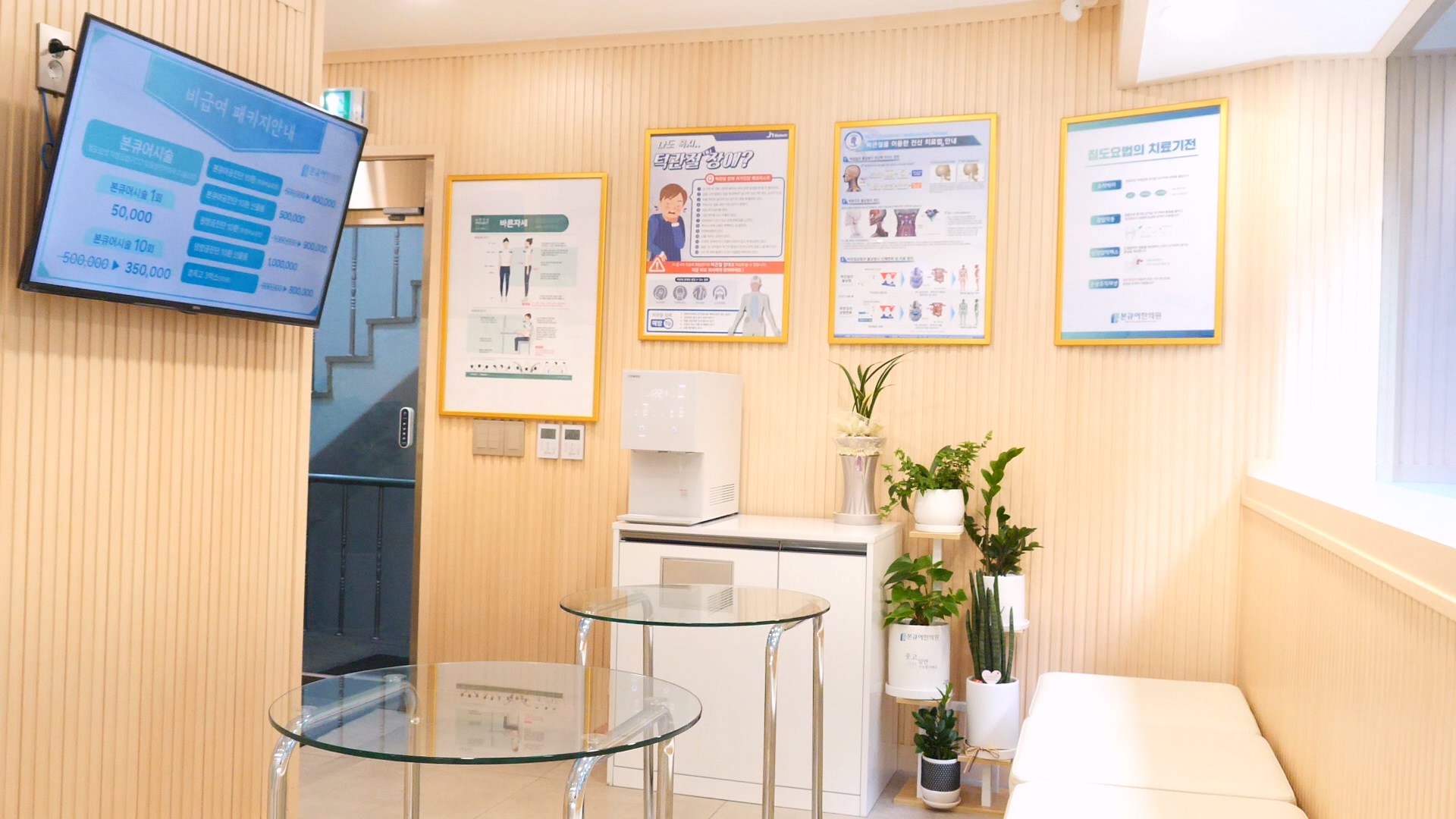
This clinical guide provides an overview of how contemporary structural care can facilitate lasting mobility and restore functional alignment to support long-term well-being.
Understanding Your First Oriental Medical Clinic Appointment: What to Expect
An initial oriental medical clinic appointment represents a systematic clinical evaluation designed to uncover the root causes of musculoskeletal misalignment and physiological imbalance.
Defining Holistic Care and Structural Alignment in Contemporary Eastern Medicine
Contemporary Eastern medicine emphasizes the intricate connection between internal physiological balance and external physical structure. This clinical framework integrates 2 primary aspects of health: structural integrity and neural function. When a patient experiences chronic pain, it often stems from subtle structural distortions that disrupt the body's natural 3-dimensional biomechanical equilibrium. By integrating traditional diagnostic methods with modern anatomical science, practitioners assess postural deviations across 4 distinct regions of the spine. This holistic perspective ensures that treatment plans do not merely address 1 isolated area of discomfort but seek to harmonize the entire musculoskeletal framework. Patients undergoing this structural evaluation receive a comprehensive overview of how their lifestyle, daily posture, and physical habits contribute to long-term well-being. Ultimately, establishing optimal alignment supports the body's inherent regulatory mechanisms, paving the way for sustainable health.
The Core Philosophy of Bonecure: Root Cause Resolution for Lasting Mobility
At Bonecure, the primary medical objective focuses on identifying and treating the underlying root causes of chronic physical dysfunction. Structural Eastern medicine focuses on identifying structural misalignments and supporting long-term functional recovery. The clinical methodology here utilizes systematic diagnostic protocols, including detailed whole spine alignment analysis across 3 major axes, to discover exactly where structural compromises exist. By addressing these foundational deviations, the treatment aims to provide a sustainable path toward lasting mobility and functional recovery. I approach each case with the understanding that long-term relief requires restoring the natural balance of the skeletal and soft tissue systems. My published clinical case reports include an analysis of 5 distinct patient cohorts with complex structural issues. These analyses are based on specific clinical case reports, and individual therapeutic outcomes may vary depending on the patient's condition, meaning identical results cannot be guaranteed for everyone. This evidence-first philosophy ensures that care plans are tailored to individual anatomical needs, allowing patients to regain their daily vitality. Through targeted structural interventions, Bonecure assists individuals in moving away from continuous symptom cycles toward a state of genuine, structural well-being.
Specialized Modalities: Combining Acupotomy and Structural Correction
Specialized modalities in contemporary Eastern medicine refer to targeted physical interventions, such as micro-scalpel acupuncture and manual adjustment, used to resolve deep tissue restrictions.
Acupotomy for Releasing Chronic Soft Tissue Adhesions
Acupotomy represents a specialized micro-scalpel acupuncture technique designed to treat chronic, deep-seated musculoskeletal pain and severe structural restrictions. Over extended periods of injury or poor posture, soft tissues can develop dense adhesions that compress surrounding nerves and restrict normal joint motion. This intervention utilizes a specialized microscopic blade to precisely release these rigid, adhered tissues, thereby reducing internal structural pressure. Clinical case reports on acupotomy indicate its application in addressing structural entrapment related to somatic tinnitus. By facilitating the release of deep lesions, acupotomy supports natural tissue regeneration and enhances localized blood circulation. It is important to note that while some individuals report changes in flexibility, individual responses to this procedure vary. Potential material risks include localized soreness, minor temporary bleeding, bruising, or rare infection at the insertion site. At Bonecure, we prioritize high-impact, efficient treatment designed to produce immediate improvements in symptoms and functional range that patients can feel during their very first visit.
Chuna Manual Therapy and Whole Spine Realignment
Chuna manual therapy serves as a core non-invasive modality focused on structural restoration and spinal realignment within modern Korean medicine. This hands-on technique involves the practitioner applying controlled, gentle pressure to specific osseous structures and soft tissues throughout the body. By systematically addressing subluxations and joint restrictions, Chuna therapy helps re-establish the spine's natural curvature and improves overall biomechanical distribution. Whole spine realignment is essential because a misalignment in the cervical spine can create compensatory stress across 5 lumbar vertebrae. In the year 2026, clinical protocols emphasize evaluating patients using 4 distinct postural vectors to maximize diagnostic precision. This specialized structural care works synergistically with acupuncture treatments to reinforce muscle balance and joint stability. Patients receive customized manual adjustments based on their specific structural diagnostics, helping to alleviate chronic mechanical stress on the nervous system. While highly beneficial for postural correction, individual therapeutic outcomes depend entirely on the severity of the structural condition.
Clinical Focus: Objectives of Structural Eastern Medicine
Structural Eastern medicine emphasizes identifying structural misalignments and supporting long-term functional recovery by addressing the body's biomechanical balance.
| Clinical Aspect | Structural Eastern Medicine Focus |
|---|---|
| Primary Objective | Structural alignment and functional recovery |
| Primary Modalities | Acupotomy and Chuna manual adjustments |
| Treatment Target | Soft tissue adhesions and spinal column deviations |
| Care Duration | High-impact, efficient sessions focused on immediate relief |
| Outcome Focus | Enhanced structural mobility and systemic balance |
Key Differences in Treatment Objectives, Methods, and Outcomes
Understanding the clinical focus of structural Eastern medicine helps patients choose an appropriate pathway for their long-term health. Structural Eastern medicine focuses on identifying structural misalignments and soft tissue adhesions that affect physical mobility. The methods used involve precise physical interventions, such as Chuna manual therapy and targeted acupotomy, to release chronic restrictions. This evidence-first strategy targets the structural source, aiming for sustainable functional recovery. In 1 clinical evaluation tracking 12 cases of autonomic imbalance, stabilizing the spinal pathway correlated with improvements across 3 distinct physiological metrics. This evaluation represents a summary of individual case reports. Individual responses may vary, and these metrics do not guarantee identical outcomes for all patients. By focusing on structural alignment, patients can support a balanced musculoskeletal framework that facilitates long-term physical mobility.
Pros, Cons, and Finding the Right Treatment Plan for Your Needs
Selecting an optimal treatment protocol requires an objective evaluation of your specific health needs. Structural care focuses on supporting long-term wellness by restoring anatomical alignment and soft tissue health. Rather than requiring a standard 10 or 15 sessions to see improvement, our clinical methodology focuses on achieving immediate, noticeable changes in structural alignment and symptom relief from the very first session. I recommend that patients participate in a thorough diagnostic evaluation to determine the most appropriate sequence of care. Balancing immediate relief with long-term structural restoration allows for a highly personalized and realistic strategy for functional recovery, helping patients track progress using an objective 10-point visual analog scale.
How to Schedule and Prepare for Your Appointment at Bonecure
Scheduling and preparing for a clinical consultation involves a sequence of diagnostic steps designed to establish an accurate baseline of your musculoskeletal health.
Step by Step Guide to Booking Your Oriental Medical Clinic Appointment
Securing your initial oriental medical clinic appointment involves a straightforward process designed to ensure a thorough and efficient clinical evaluation. Prospective patients can begin by navigating the online registration portal or contacting our coordination desk directly to request a consultation. During this initial step, you will select a convenient time for a comprehensive structural and lifestyle assessment. It is beneficial to prepare any existing diagnostic reports, such as previous spinal imaging or medical histories, before your scheduled arrival. Upon arriving at the clinic, you will undergo an objective whole spine alignment evaluation utilizing 3 distinct digital imaging parameters to map your current biomechanical status. This data allows us to create a customized treatment plan tailored specifically to your unique physical structure. Taking this proactive step empowers individuals to address chronic physical discomfort through structured, evidence-first clinical care. For more information, you can read about Acupuncture for Chronic Pain Management: A 2026 Clinical Guide by Bonecure to understand our care model.
Essential Safety Guidelines, Material Risks, and Post Treatment Care
Prioritizing patient safety requires a comprehensive understanding of the guidelines, material risks, and recovery protocols associated with specialized structural treatments. Following procedures like acupotomy, patients should observe specific care guidelines to support optimal tissue healing and minimize potential discomfort. It is common to experience mild localized soreness or bruising, which typically resolves within 24 to 48 hours after care. Patients are strongly advised to avoid strenuous physical exertion, hot baths, and saunas for at least 1 full day post-treatment. Maintaining proper hydration and resting the treated areas facilitates the body's natural regenerative processes and structural adaptation. If any unusual swelling or persistent discomfort occurs, individuals should contact the clinic promptly for professional guidance. Adhering to these post-treatment care instructions ensures a safe, predictable, and supportive environment for structural recovery. To begin your health journey, you may want to Book a Consultation with Dr. Song Jung-hyun: A Guide to Structural Restoration at BonCure for an individualized evaluation.
Key Takeaways
- Comprehensive structural assessments help identify the root biomechanical causes of chronic pain rather than simply masking localized symptoms.
- Acupotomy utilizes a specialized micro-scalpel tool to release deep soft tissue adhesions, focusing on providing immediate, noticeable relief and functional restoration from the first treatment.
- Chuna manual therapy provides non-invasive structural alignment to restore the spine's natural curvature and reduce mechanical stress on the nervous system.
- Adhering to post-treatment guidelines, including resting for 24 hours, is vital to avoid potential risks like temporary soreness or minor bruising.
Frequently Asked Questions
Q. What should I expect during my initial Oriental medical clinic appointment?
Your initial appointment involves a comprehensive structural assessment, lifestyle evaluation, and a personalized consultation with Dr. Song Jung-hyun. We focus on identifying the root cause of your discomfort rather than merely masking the symptoms. This thorough evaluation ensures your treatment is customized to your specific biomechanical structure.
Q. What is acupotomy and how does it function during treatment?
Acupotomy is a specialized technique utilizing a micro-scalpel acupuncture tool. It is designed to release rigid, adhered soft tissues that cause chronic stiffness and nerve compression. Our approach is designed for high-impact results, facilitating immediate improvement in mobility and pain levels that patients can typically feel right away.
Q. Are there any risks or side effects associated with acupotomy?
As with any medical procedure, individual responses vary. Potential risks include localized soreness, minor temporary bleeding, bruising, or rare infection at the insertion site. We utilize efficient, precise protocols to target root causes directly, ensuring that even complex cases are managed with a focus on immediate relief and safety.
Q. How much does a specialized treatment session cost at Bonecure?
The cost of care depends entirely on the complexity of your condition, the extent of structural misalignment, and the specific modalities required. Detailed pricing and tailored financial plans are provided during your one on one consultation. We ensure that all costs are explained clearly before any clinical procedures begin.
Q. How many clinic appointments will I need to see an improvement?
At Bonecure, we do not require a standard set of 10 or more sessions to see results. Most patients experience immediate changes in symptoms and functional range during their first treatment. While deep structural misalignments may benefit from follow-up, our goal is to provide tangible, efficient improvement from the very first session.
Q. Can I schedule an appointment if I am currently receiving Western medical care?
Yes, contemporary Eastern medicine can safely complement conventional treatments. We use objective diagnostic frameworks, such as whole spine alignment analysis, which can be safely coordinated alongside your existing medical regimens. This collaborative approach ensures comprehensive management of your musculoskeletal health.
Q. Who is the ideal candidate for a structural care appointment at Bonecure?
Our clinic specializes in helping individuals suffering from chronic back pain, neck stiffness, postural imbalances, and complex conditions related to spinal structural issues. If you are seeking to resolve the root causes of persistent physical discomfort with efficient and impactful care, this structural approach may be appropriate for you.
Please feel free to contact our office to plan your initial consultation and receive a precise evaluation of your spine and joint health.
Bonecure / Dr. Song Jung-hyun
FAQ
- What should I expect during my initial Oriental medical clinic appointment?
- Your initial appointment involves a comprehensive structural assessment, lifestyle evaluation, and a personalized consultation with Dr. Song Jung-hyun. We focus on identifying the root cause of your discomfort rather than merely masking the symptoms. This thorough evaluation ensures your treatment is customized to your specific biomechanical structure.
- What is acupotomy and how does it function during treatment?
- Acupotomy is a specialized technique utilizing a micro-scalpel acupuncture tool. It is designed to release rigid, adhered soft tissues that cause chronic stiffness and nerve compression, thereby facilitating natural tissue regeneration and restoring normal movement. This targeted procedure helps resolve long-standing physical restrictions that standard therapies might miss.
- Are there any risks or side effects associated with acupotomy?
- As with any medical procedure, individual responses vary. Potential risks include localized soreness, minor temporary bleeding, bruising, or rare infection at the insertion site. Severe or chronic conditions generally require multiple sessions to achieve optimal structural stabilization and ensure complete soft tissue healing.
- How much does a specialized treatment session cost at Bonecure?
- The cost of care depends entirely on the complexity of your condition, the extent of structural misalignment, and the specific modalities required. Detailed pricing and tailored financial plans are provided during your one on one consultation. We ensure that all costs are explained clearly before any clinical procedures begin.
- How many clinic appointments will I need to see an improvement?
- While some individuals experience immediate changes in mobility, typical results depend on the chronicity of the condition. Acute issues may resolve quickly, whereas deep structural misalignments require a consistent series of appointments over several weeks. A clear timeline will be established during your initial structural assessment.
- Can I schedule an appointment if I am currently receiving Western medical care?
- Yes, contemporary Eastern medicine can safely complement conventional treatments. We use objective diagnostic frameworks, such as whole spine alignment analysis, which can be safely coordinated alongside your existing medical regimens. This collaborative approach ensures comprehensive management of your musculoskeletal health.
- Who is the ideal candidate for a structural care appointment at Bonecure?
- Our clinic specializes in helping individuals suffering from chronic back pain, neck stiffness, postural imbalances, and complex conditions related to spinal structural issues. If you are seeking to resolve the root causes of persistent physical discomfort, this structural care approach may be appropriate for you.