
Post
Managing Ringing in the Ears: A 2026 Guide to Structural Restoration at Bonecure
Hello. I am Dr. Jeong-hyeon Song, a Korean medicine practitioner who has focused on acupotomy therapy for many years.
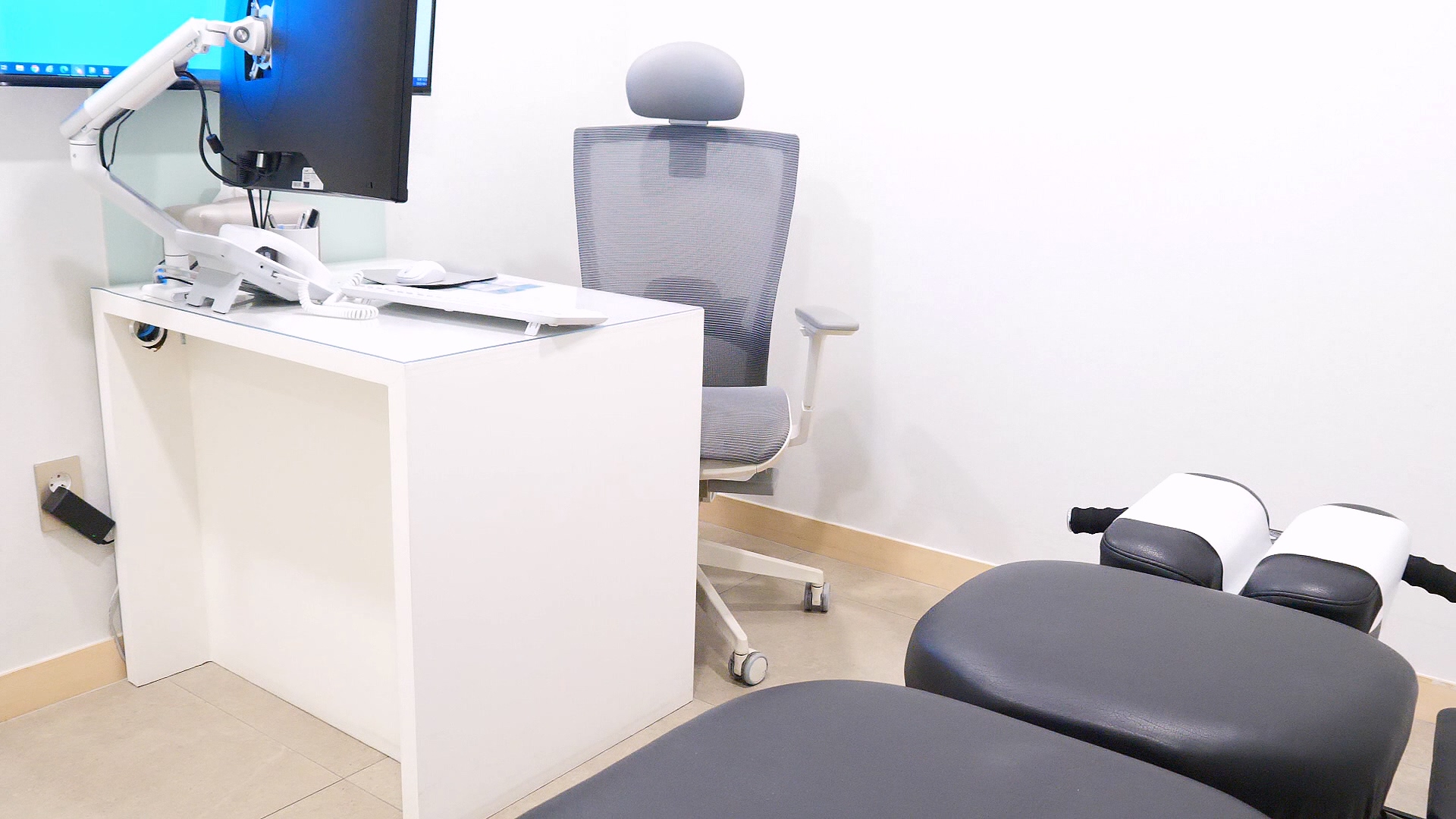
Ringing in the ears, or tinnitus, is a persistent auditory perception that often stems from complex structural imbalances rather than just ear damage. This guide explores how structural medicine and restorative therapies can help you regain your quality of life in 2026.
Understanding Ringing in the Ears and Its Structural Causes
Ringing in the ears is defined as the perception of sound when no external noise is present, often manifesting as buzzing, hissing, or whistling. While many associate this condition with hearing loss, it is frequently a secondary symptom of neurological irritation caused by physical misalignments in the upper cervical spine or temporomandibular joint. At Bonecure, we analyze these structural links to identify the root cause of auditory disturbances.
Defining Tinnitus and Common Symptoms
Tinnitus affects millions of individuals worldwide, manifesting as various phantom sounds that range from high-pitched whistles to low-frequency hums. Patients often report that these sounds become more pronounced in quiet environments, leading to significant sleep disturbances and increased anxiety levels. Beyond the noise itself, common symptoms include ear fullness, dizziness, and a decreased tolerance for external sounds. Many patients who visit Bonecure have struggled with these issues for years, often finding that standard auditory tests show no physical damage within the inner ear itself. This discrepancy suggests that the problem may lie in the nervous system’s processing of sound or in the structural integrity of the surrounding tissues. Identifying whether the sound is pulsatile or continuous is a crucial first step in our clinical assessment. We focus on how the patient’s lifestyle and posture might contribute to the persistence of these phantom auditory signals during our initial consultation.
The Link Between Cervical Alignment and Auditory Signals
The relationship between the cervical spine and the auditory system is a critical focus of modern structural medicine. The upper neck area, specifically the C1 and C2 vertebrae, houses vital nerve pathways that communicate directly with the brainstem and the auditory cortex. When these vertebrae are misaligned, even by a few millimeters, they can exert mechanical pressure on the vestibulocochlear nerve. This pressure often results in distorted signals that the brain interprets as ringing in the ears. Clinical observations at Bonecure suggest that many patients with chronic tinnitus also exhibit significant postural issues, such as forward head carriage or a loss of the natural cervical curve. By utilizing Whole spine X-ray analysis, we can visualize these misalignments and understand how they interfere with the body's natural signaling. Correcting the alignment of the neck is not just about relieving pain; it is about restoring the clear transmission of neurological data to the brain.
How Chronic Nerve Compression Triggers Phantom Sounds
Chronic nerve compression occurs when surrounding tissues, such as muscles, ligaments, or fascia, become hardened and apply constant pressure to the nervous system. In the context of the auditory system, this compression often happens at the base of the skull where the cranial nerves exit. When a nerve is subjected to long-term pressure, it may begin to fire spontaneously, creating the sensation of sound where none exists. At Bonecure, we focus on cases where somatosensory influence is a factor—where movements of the neck or jaw can change the intensity of the sound. Many patients experience symptoms aggravated by stress or poor ergonomics, which further tightens the connective tissues. This persistent irritation keeps the auditory system in a state of high alert, preventing the brain from filtering out unnecessary noise. Releasing this physical tension is essential for calming the overactive nerves and reducing the perceived volume of the ringing.
Advanced Oriental Medicine for Chronic Ear Issues at Bonecure
Advanced structural Korean medicine at Bonecure involves the use of specialized tools and manual techniques to restore the body’s physical balance and neurological health. This approach goes beyond symptom suppression by focusing on the physical restoration of tissues and the correction of skeletal misalignments that contribute to chronic conditions. By integrating traditional wisdom with modern diagnostic tools, we provide a comprehensive framework for managing persistent auditory issues.
Acupotomy Therapy for Releasing Tissue Adhesions
Acupotomy is a specialized form of treatment that utilizes a blade-like needle to physically release adhesions and thickened scar tissue within the musculoskeletal system. Unlike traditional acupuncture, which focuses on energy points, acupotomy at Bonecure targets the physical barriers that prevent normal nerve function and blood circulation. For patients suffering from ringing in the ears, we often focus on the dense connective tissues surrounding the upper cervical vertebrae and the jaw. By carefully breaking down these microscopic adhesions, we can reduce the mechanical pressure on the nerves responsible for auditory processing. While the procedure involves a brief period of discomfort, our goal is to achieve immediate changes that patients can feel shortly after treatment. It is important to note that some temporary soreness, minor bruising, or a risk of infection may occur at the site of the procedure. These side effects are generally mild and resolve within a few days as the tissue begins its natural healing process.
Restoring Circulation via Chuna Structural Correction
Chuna therapy is a manual manipulation technique used to realign the spine and improve the functional movement of the joints. At Bonecure, we utilize Chuna to address the underlying skeletal distortions that often accompany chronic ear issues. When the cervical spine is properly aligned, blood flow to the inner ear and the brain improves significantly, which is vital for tissue repair and nerve health. Poor circulation in the vertebral arteries can lead to a lack of oxygen in the auditory system, potentially worsening tinnitus symptoms. By applying precise pressure to the joints, we help the body return to its natural state of equilibrium. This restoration of balance allows for better drainage of lymphatic fluids and a reduction in localized inflammation. Patients often feel a sense of lightness and improved range of motion in their neck following a Chuna session. Consistent structural correction is key to maintaining long-term improvements in both posture and auditory clarity for our diverse patient population.
Traditional Korean Medicine Clinical Notes on Auditory Recovery
Clinical practice in Korean medicine emphasizes the holistic connection between the spine, the nervous system, and sensory organs. At Bonecure, our approach is designed to produce palpable, immediate changes rather than requiring dozens of sessions to notice a difference. In our clinical experience, many patients see a decrease in sound intensity when the structural causes are addressed. We monitor progress through clinical assessments and standardized surveys, such as anxiety and depression scales, to track the patient's overall well-being. These results highlight the importance of physical restoration, though individual outcomes vary based on the patient's condition. While every individual's recovery timeline is unique, we prioritize removing physical obstructions to facilitate the body's innate ability to heal. Our clinical approach also considers the role of herbal medicine in supporting nerve regeneration and reducing systemic inflammation.
Comparing Conventional Care and Bonecure Structural Therapy
Comparing different medical approaches is essential for patients to make informed decisions about their health and well-being. Conventional care often focuses on sound therapy or medication to manage the psychological impact of tinnitus, while structural therapy at Bonecure targets the physical misalignments that may trigger the symptoms.
| Feature | Conventional Care (Management) | Bonecure Structural Therapy (Restoration) |
|---|---|---|
| Primary Goal | Focus on sound habituation and psychological management | Physical realignment and nerve decompression |
| Methodology | Sound machines, counseling, or medication | Acupotomy, Chuna, and structural acupuncture |
| Target Area | Auditory cortex and psychological response | Cervical spine, jaw, and connective tissues |
| Focus | Reducing the perception of noise | Addressing the physical cause of nerve irritation |
| Duration | Often lifelong management | Goal-oriented sessions for structural stability |
| Side Effects | Medication-related or minimal | Temporary soreness, minor bruising, or localized pain |
The Benefits of Combining Acupuncture for Chronic Pain with Structural Realignment
Combining targeted acupuncture with structural realignment offers a synergistic effect that addresses both the immediate pain and the underlying skeletal issues. At Bonecure, we find that treating the myofascial triggers alongside the bony misalignments leads to more stable results. When muscles are chronically tight, they can pull the vertebrae back out of alignment even after a successful adjustment. Therefore, using needles to relax these muscles ensures that the structural corrections made through Chuna and acupotomy remain effective for longer periods. This integrated approach is particularly beneficial for those who suffer from comorbid conditions, such as chronic headaches or neck pain, alongside their ear ringing. By addressing the entire upper body unit, we help the nervous system transition from a state of chronic stress to one of recovery. You may find more information on this in our guide on Acupotomy Side Effects and Safety.
Long-Term Outcomes in Traditional Medicine Clinical Practice
Long-term outcomes in traditional Korean medicine are often characterized by stable improvement in functional health. Unlike quick-fix solutions that may only provide temporary relief, the structural focus at Bonecure aims for lasting changes. We monitor our patients' progress using objective measures, such as Whole spine X-ray imaging. While many patients experience immediate relief or a noticeable change in symptoms after their first few sessions, a course of treatment may be recommended to ensure structural stability. It is important to recognize that results can vary significantly based on the age of the patient and the duration of their condition. Chronic issues that have persisted for decades may require periodic maintenance to prevent the recurrence of tissue adhesions. Our goal is to empower patients with the knowledge and physical health needed to maintain their results independently. For more on structural balance, read about Restoring Balance: A 2026 Structural Guide to Managing Vestibular Migraine.
The Role of Bonecure in Managing Persistent Tinnitus
Bonecure plays a pivotal role in providing an alternative pathway for patients who have not found success through traditional auditory treatments. Our clinic focuses on the intersection of skeletal alignment and neurological function, offering a unique perspective on chronic sensory issues. We believe that a healthy spine is the foundation for a healthy nervous system, which in turn leads to better sensory processing.
Insights from our Korean Medicine Doctor Blog
Our Korean medicine doctor blog serves as a resource for patients to understand the deeper connections between their symptoms and their physical structure. We frequently share insights on how the 'wait and see' approach can sometimes lead to the worsening of structural spinal issues. By educating the public on the importance of early intervention for cervical misalignments, we hope to prevent the transition of acute ear ringing into a chronic condition. The articles on our blog emphasize the scientific basis of our therapies, moving away from mystical explanations toward evidence-based structural restoration. We often discuss the physiological mechanisms of acupotomy and how it facilitates tissue regeneration at the microscopic level. For those interested in deeper neurological health, we recommend checking out A Guide to Autonomic Nervous System Dysfunction and Structural Restoration.
Clinical Case Reports on Tinnitus and Meniere Symptoms
Case reports from Bonecure provide valuable evidence of how structural therapy can support recovery for complex conditions like Meniere's disease or sudden hearing loss. Our clinical observations suggest that addressing C1-C2 misalignments can be a key factor in managing symptoms for patients experiencing both dizziness and ringing in the ears. These reports are presented as individual clinical experiences and do not guarantee identical outcomes for every patient, as individual health factors always play a role. However, they do illustrate the potential for recovery when the focus is shifted toward the cervical spine and blood flow restoration. For those with a long history of Meniere's symptoms, improving neck alignment may support a reduction in the frequency of vertigo episodes as part of a comprehensive recovery plan.
Safety Guidelines and Potential Side Effects of Acupotomy
Safety is our top priority at Bonecure, and we adhere to strict clinical guidelines to ensure the well-being of our patients. Acupotomy is a specialized procedure, and as such, it carries certain inherent risks that patients must be aware of. The most common side effects include localized pain at the treatment site, minor bleeding, or temporary swelling, all of which typically resolve within a few days. In rare cases, more significant bruising or infection could occur. We ensure that all tools are sterilized and that the procedure is performed with precision to minimize these risks. It is also important to understand that the effectiveness of the treatment may vary, and severe cases often require multiple sessions to achieve a stable outcome. We provide each patient with detailed aftercare instructions to support the healing process. Transparency regarding these limitations is essential for maintaining the trust and safety of those we treat.
Frequently Asked Questions
Q. What is the primary cause of ringing in the ears treated at Bonecure?
While tinnitus has various triggers, we focus on structural misalignments in the neck and jaw that interfere with nerve signals. By correcting these physical imbalances, we aim to reduce the intensity of the ringing and improve overall neurological function. Our approach is based on the understanding that the cervical spine plays a vital role in auditory health.
Q. How does acupotomy differ from standard acupuncture for ear issues?
Standard acupuncture primarily focuses on energy flow and superficial nerve stimulation, whereas acupotomy uses a specialized tool to physically release hardened adhesions and scar tissue. This structural approach is designed for chronic cases that require physical decompression of the nerves affecting the ear.
Q. Are there any side effects associated with acupotomy for tinnitus?
As with any invasive procedure, some patients may experience temporary soreness, minor bruising, or slight bleeding at the site. Infection is a rare but possible risk. These symptoms typically resolve quickly, but results can vary based on individual health status. We discuss these possibilities before starting treatment.
Q. Is the treatment at a Korean medicine clinic covered by international insurance?
Coverage depends on your specific insurance provider and plan. Bonecure provides the necessary medical documentation for reimbursement claims, though patients should verify their benefits beforehand. We recommend contacting your representative regarding 'Oriental Medicine' or 'Acupuncture' coverage.
Q. How many sessions are typically required to notice a change in ear ringing?
At Bonecure, we prioritize treatments that offer immediate results, and many patients feel a change after their first session. However, to achieve long-term structural stability and lasting symptom reduction, a plan typically involving multiple sessions is recommended depending on the severity of the case.
Q. Can structural alignment help with sudden hearing loss or Meniere's disease?
Our clinical case reports suggest that improving cervical spine alignment and blood flow to the inner ear can support the recovery process for these conditions. However, these results are specific to individual cases and do not guarantee the same outcome for every patient.
Q. Is Bonecure therapy a permanent cure for all types of tinnitus?
We do not claim to offer a 100% cure for every patient. Our goal is significant symptom reduction and improved quality of life through structural restoration. Factors such as posture, lifestyle, and underlying health issues can influence long-term success.
Key Takeaways
- Structural Root Causes: Ringing in the ears is often linked to misalignments in the upper cervical spine (C1-C2) and tissue adhesions.
- Acupotomy Benefits: This specialized therapy at Bonecure physically releases adhesions that compress nerves and restrict blood flow to the ear, often providing immediate relief.
- Integrated Care: Combining Chuna manual therapy with acupotomy ensures both skeletal and soft tissue issues are addressed for better stability.
- Objective Monitoring: Using Whole spine X-rays and standardized clinical surveys allows for tracking patient progress and structural improvement.
- Individualized Treatment: While many experience immediate changes, the total number of sessions for full recovery varies based on the individual's condition.
Bonecure / Dr. Jeong-hyeon Song
FAQ
- What is the primary cause of ringing in the ears treated at Bonecure?
- While tinnitus has various triggers, we focus on structural misalignments in the neck and jaw that interfere with nerve signals. By correcting these physical imbalances, we aim to reduce the intensity of the ringing and improve overall neurological function. Our approach is based on the understanding that the cervical spine plays a vital role in auditory health.
- How does acupotomy differ from standard acupuncture for ear issues?
- Standard acupuncture primarily focuses on energy flow and superficial nerve stimulation, whereas acupotomy uses a specialized tool to physically release hardened adhesions and scar tissue. This structural approach is often more effective for chronic cases that have not responded to traditional needles because it addresses the physical barriers to healing. It is a more direct way of decompressing the nerves affecting the ear.
- Are there any side effects associated with acupotomy for tinnitus?
- As with any invasive procedure, some patients may experience temporary soreness, minor bruising, or slight bleeding at the site. These symptoms typically resolve quickly, but results can vary based on individual health status and the complexity of the condition. We always discuss these possibilities with our patients before starting the procedure to ensure they are fully informed.
- Is the treatment at a Korean medicine clinic covered by international insurance?
- Coverage depends entirely on your specific insurance provider and plan. Bonecure provides the necessary medical documentation for reimbursement claims, though patients should verify their benefits beforehand. We recommend contacting your insurance representative to see if 'Oriental Medicine' or 'Acupuncture' is included in your policy's out-of-network benefits.
- How many sessions are typically required to notice a change in ear ringing?
- The duration of treatment depends on the severity and chronicity of the condition. While some notice changes early, chronic cases involving structural damage often require a consistent course of 10 to 20 sessions to achieve stable results. We create a personalized treatment plan for every individual based on their initial assessment and X-ray results.
- Can structural alignment help with sudden hearing loss or Meniere's disease?
- Our clinical case reports suggest that improving cervical spine alignment and blood flow to the inner ear can support the recovery process for these conditions. However, these results are specific to individual cases and do not guarantee the same outcome for every patient. We focus on creating the best physical environment for the body's natural recovery to take place.
- Is Bonecure therapy a permanent cure for all types of tinnitus?
- We do not claim to offer a 100% cure for every patient. Our goal is significant symptom reduction and improved quality of life through structural restoration. Persistent lifestyle factors, such as poor posture or high stress, and underlying health issues can influence the long-term success of the treatment.