
Post
A Guide to Autonomic Nervous System Dysfunction and Structural Restoration
Hello. I am Song Jeong-hyun, the Director of BonCure Korean Medicine Clinic.
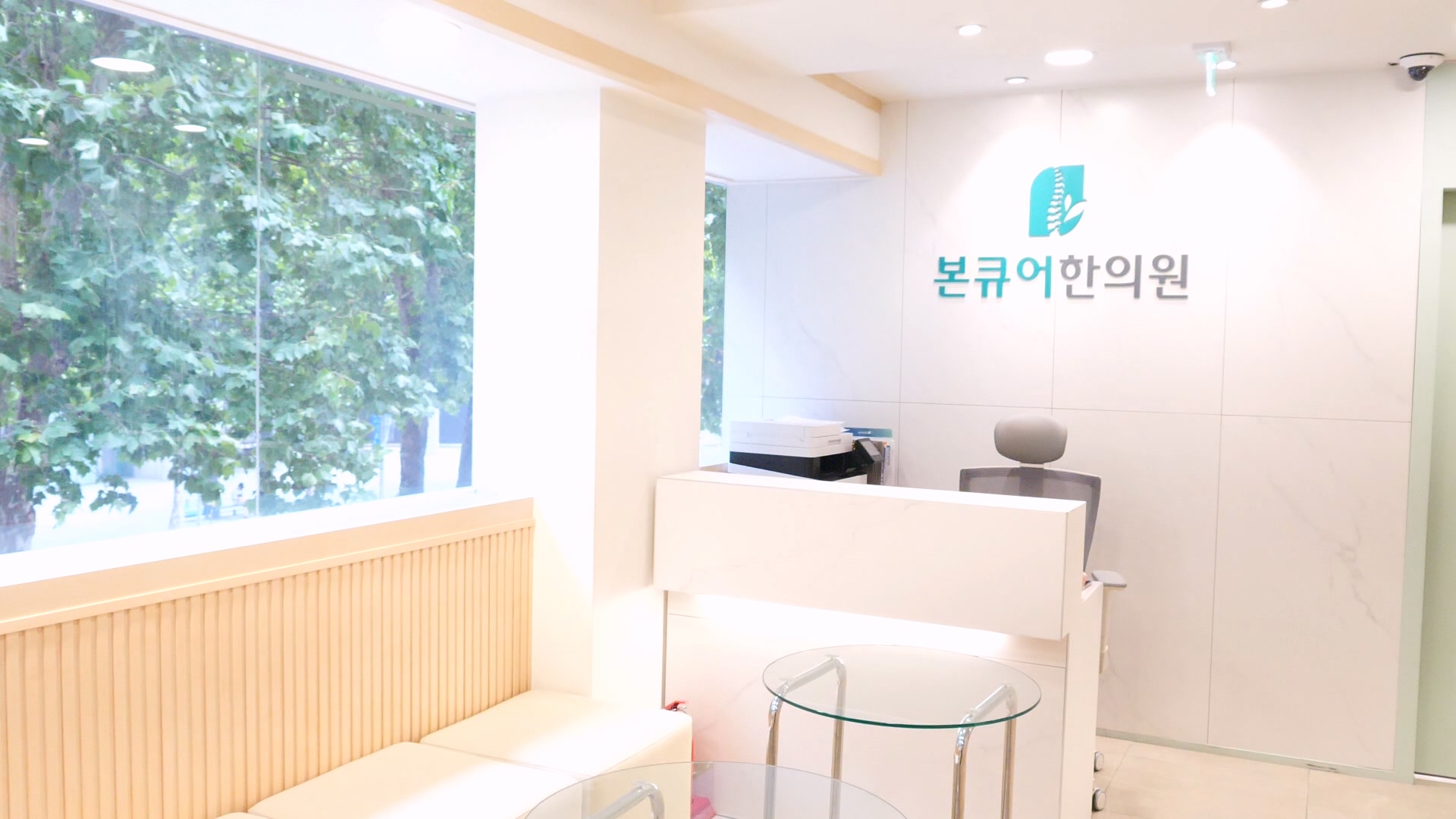
I have dedicated my practice to acupotomy and structural restoration, focusing on identifying the root causes of pain and neurological imbalance. Conditions like Autonomic Nervous System (ANS) dysfunction and Dorsal Burning Sensation (Baeyeol-jeung) often feel like a losing battle with temporary medications, leading many to seek deeper clinical interventions. This guide explores the intersection of conventional symptom management and the deep structural imbalances that frequently underlie chronic sensory discomfort and autonomic instability.
Understanding Autonomic Dysfunction and Conventional Management
Conventional management for autonomic dysfunction and chronic sensory issues often focuses on suppressing symptoms through pharmaceutical interventions like nerve blocks or various systemic medications. While these can provide temporary relief for persistent discomfort, they may not address the mechanical or structural triggers that impair the nervous system's ability to self-regulate. The primary goal of any intervention should be to maintain the body's overall balance and prevent the long-term deterioration of neurological function caused by chronic tension and structural misalignment.
Common Symptom Management for Severe Sensory Discomfort
When standard lifestyle changes fail to provide relief for conditions like Dorsal Burning Sensation—where the back feels as if it is on fire despite no external heat—patients often turn to pain management clinics. These clinical approaches may involve local anesthetic injections or neuromodulators to dampen the overactive sensory signals. In complex cases involving physical tremors or cervical dystonia (Sagyung-jeung), more invasive procedures or Botox injections are sometimes utilized to paralyze the hyper-responsive muscles. These procedures generally target the symptoms by interrupting the signaling pathway rather than addressing why the nervous system was sending those signals in the first place. Clinical reports suggest that while some patients feel immediate relief, a significant portion may find that the effects wear off, or they experience secondary discomfort due to the lack of structural correction. It is important to remember that individual anatomical differences and the degree of nerve entrapment play a significant role in the outcome of any conventional treatment.
Assessing the Risks and Limitations of Chemical Interventions
Chemical interventions offer the benefit of rapid symptom reduction, which can be vital for patients in extreme distress. However, they are not without limitations. Potential side effects of long-term medication use can include systemic fatigue, digestive issues, and localized irritation at injection sites. Furthermore, some procedures are designed only for temporary relief, meaning the underlying structural cause remains unaddressed, potentially leading to a recurrence of symptoms once the treatment wears off. Clinical observations indicate that some patients require a more holistic evaluation of their nerve and blood flow function to achieve lasting stability. This highlights why a thorough assessment of the structural integrity of the spine and cranium is essential before relying solely on chemical suppression. While conventional methods provide a vital service, they often work best when the body's natural regulatory capacity is also being supported through systemic health and structural alignment, which is where specialized Korean medicine can offer a distinct advantage.
Traditional Korean Medicine for Autonomic and Sensory Vitality
Traditional Korean Medicine at BonCure focuses on a holistic and systemic approach that aims to restore the innate function of the nervous system and stabilize sensory perception. Rather than simply masking the sensation of heat or pain, this method looks at why the body's internal feedback loops are misfiring. By addressing blood circulation and structural balance, we aim to revitalize the tissues responsible for neurological health from the deep fascia to the central nervous system.
How Acupotomy for Chronic Pain Restores Nerve Function
Acupotomy has long been recognized for its ability to modulate the autonomic nervous system, which is the master controller of our involuntary functions. By targeting specific points related to the upper cervical area and the dorsal spine, we can release the physical pressure on the nerves that often leads to autonomic instability. Clinical settings utilize objective indicators such as Heart Rate Variability (HRV) and the Beck Anxiety/Depression Inventories to track progress, showing meaningful clinical improvement in patients who previously felt overwhelmed by their symptoms. This treatment does not just cover the pain but encourages the body to recalibrate its sensory thresholds. At BonCure, we often see that patients suffering from chronic burning sensations also present with underlying tension in the spinal muscles. Releasing this tension through specialized needle stimulation helps restore the natural flow of nutrients and signals, providing a sense of relief that is both functional and sustainable, though results can vary depending on the patient's condition.
Acupotomy and Nerve Decompression: Releasing Structural Barriers
Acupotomy, a specialized form of Korean medicine using a blade-type needle to release micro-adhesions, is a core strength of BonCure. This technique is designed to release adhesions in the fascia and deep tissues that may be restricting blood flow and compressing nerves in the head, neck, and back. When the tissues around the upper neck become chronically tight, they can impede the micro-circulation required for the nervous system to heal. By carefully releasing these structural barriers, we allow for improved oxygenation and the restoration of proper nerve signaling. Please note that acupotomy may cause temporary pain, minor bleeding, or bruising at the site, and results vary by individual. In our clinical experience, releasing these adhesions has been observed to help reduce '이상감각' (dysesthesia) in some patients. While the procedure involves a momentary sensation of pressure, many of my patients report a sense of lightness and clarity afterward. This approach treats the body as an interconnected structural network that requires free movement and optimal blood supply to function correctly, focusing on the root cause rather than just the surface sensation.
The Structural Connection: Cervical Alignment and Autonomic Balance
This structural approach examines the link between the integrity of the upper cervical spine and the autonomic regulation of the entire body. The nerves that control our internal organs and sensory perception originate or pass through the spinal column, making the alignment of the vertebrae a critical factor in overall health. When the spine is misaligned, it can create neurological 'static' that disrupts the body's ability to stay in a balanced, parasympathetic state.
Why Upper Neck Alignment Matters for Neurological Clarity
The relationship between the neck and the nervous system is primarily governed by the autonomic nervous system and the vertebral artery. Misalignment in the C1 and C2 vertebrae can put pressure on these vital structures, leading to a state of chronic sympathetic dominance. This 'fight or flight' state often contributes to symptoms like brain fog, anxiety, and abnormal sensations such as Dorsal Burning Sensation. In clinical observations at BonCure, we have noted that patients with significant forward head posture often report a higher incidence of autonomic fatigue and sensory irritation. By correcting the structural position of the neck through Chuna therapy, we remove the mechanical stress on the nerves, allowing the parasympathetic system to resume its role in rest and repair. This is why many people find that after a structural adjustment, their physical tension and sensory hypersensitivity diminish significantly. Correcting the foundation of the neck is often the missing piece in managing chronic, intractable conditions that do not respond to standard pain relief.
BonCure's Approach to Restoring Structural Balance
At BonCure, we utilize a combination of Chuna therapy and precision acupotomy to restore the natural curve and alignment of the spine. Our protocol begins with a detailed assessment of the whole spine, recognizing that an imbalance in the pelvis can eventually manifest as a tilt in the neck. By using these specialized techniques, we target the deep structural issues that imaging like MRIs might overlook. For example, in cases where patients have suffered from long-standing chronic symptoms like cervical dystonia, we focus on the gradual release of scar tissue and the realignment of the jaw and neck. Understanding the Autonomic Nervous System Test for Structural and Neurological Health is a vital part of our diagnostic process, as it allows us to quantify the level of stress on the body using HRV scores. This evidence-first approach ensures that we are working to restore the balance required for the nervous system to heal itself naturally. We prioritize treatments where patients can feel immediate changes in their mobility and comfort levels.
Comparative Analysis: Conventional Care vs. Structural Restoration
Comparing conventional paths and structural restoration helps patients choose the most sustainable recovery route based on the root cause of their autonomic or sensory issues. While conventional medicine is often focused on symptom suppression, our structural approach aims to improve the internal environment by addressing cervical alignment and nerve signaling. Understanding these different philosophies is key to making an informed medical decision for long-term health.
A Side by Side Comparison of Recovery and Sustainability
Conventional care for ANS issues often focuses on immediate chemical stabilization. At BonCure, our structural treatments focus on supporting the body's physiological functions through mechanical alignment. While medications have their place in acute crises, our non-surgical structural restoration focuses on releasing the physical adhesions that maintain chronic stress states. Clinical observations at our clinic suggest that patients who combine structural correction with traditional care often report higher satisfaction regarding their overall 'neurological comfort.' At BonCure, we do not follow a fixed rule of '10 sessions'; instead, we focus on treatments where patients can feel immediate changes in their range of motion and sensory levels. While many notice significant improvement after the first session, chronic cases involving nerve fiberization or severe misalignment may require a tailored follow-up plan to ensure the structural and nervous systems remain balanced over time.
| Feature | Conventional Symptom Management | BonCure Structural Therapy |
|---|---|---|
| Primary Mechanism | Chemical suppression of signals | Structural alignment and nerve decompression |
| Typical Recovery Time | Rapid onset, but temporary | Immediate feedback with gradual stabilization |
| Treatment Approach | Symptom-based (pharmaceutical) | Cause-based (Chuna & Acupotomy) |
| Potential Side Effects | Fatigue, digestive issues, irritation | Temporary soreness, minor bruising, or bleeding |
| Long-term Sustainability | Requires continuous dosing | Aims for long-term physiological recovery |
Traditional Medicine Clinical Notes on Long Term Recovery
From the perspective of Traditional Korean Medicine, the longevity of neurological health depends on the balance of 'Qi' and blood flow, which in modern terms translates to optimal nerve signaling and vascular health. Based on our clinical observations, many patients have maintained improved stability even months after concluding treatment, provided they maintained their structural posture. This suggests that the body can 'relearn' to maintain its own balance once the mechanical impediments are removed. At BonCure, we emphasize that treating a sensory symptom like a burning back is not just about the skin; it is about the entire environment of the spine and autonomic system. In clinical practice, we have observed that correcting a C2 misalignment can have a positive impact on sensory clarity and autonomic resilience. Can Correcting Your Posture Help Reduce Brain Fog? explains more about how these corrections influence overall neurological health.
Integrating Holistic Care: Insights from a Korean Medicine Doctor
Holistic care focuses on lifestyle and autonomic balance to maintain the results achieved through BonCure treatments. Structural restoration provides a foundation, but daily habits and the state of the nervous system determine whether that relief will be permanent. We believe in empowering patients with the knowledge to manage their internal stress levels and physical environment.
Lifestyle Adjustments to Complement BonCure Treatments
To support the structural work we do at BonCure, we advise patients to implement 'postural intervals.' For every hour of stationary work, a 5-minute movement break can prevent the accumulation of fascial tension. Additionally, maintaining proper hydration and mineral balance ensures your nerves can conduct signals effectively. We recommend specific neck and jaw stretches that keep the suboccipital muscles relaxed, preventing the return of misalignments that cause autonomic distress. Clinical evidence shows that patients who adhere to these lifestyle adjustments see more efficient and sustainable stabilization of their nervous system. Simple changes, such as adjusting monitor height or practicing diaphragmatic breathing, can prevent the cervical strain that often triggers a relapse of ANS symptoms or sensory discomfort.
Managing Autonomic Balance to Prevent Symptom Recurrence
The autonomic nervous system acts as the bridge between your environment and physical symptoms. If you are in a state of high stress, your body prioritizes immediate survival over long-term repair. Therefore, managing stress through mindful movement is a clinical necessity for recovery. At BonCure, we monitor progress not just by physical alignment, but by overall autonomic resilience using HRV assessments. We have observed that when HRV scores improve, sensory symptoms often follow suit as the body enters a parasympathetic 'rest and digest' mode. While individual results may vary, the goal is always to move the body toward self-regulation. By combining structural medicine with autonomic awareness, we provide a pathway to recovery that addresses both the physical barriers and the functional signals of the body.
Frequently Asked Questions
Q. Is structural restoration a permanent solution for ANS dysfunction?
While Chuna and acupotomy can provide significant relief by removing mechanical pressure on nerves, long-term success depends on maintaining proper posture and managing stress. Combining clinical treatments with lifestyle adjustments offers the most sustainable path to recovery.
Q. What are the common risks associated with acupotomy?
Acupotomy is a specialized procedure that may cause temporary soreness, minor bruising, or slight bleeding at the site. It is essential to receive treatment from a skilled professional like those at BonCure, as we prioritize precision to minimize any risks.
Q. How does Traditional Korean Medicine help with Dorsal Burning Sensation?
We focus on 'Baeyeol-jeung' by identifying the specific nerve entrapment points in the spine. By using acupotomy to release adhesions and Chuna to realign the vertebrae, we restore normal sensory signaling and blood flow to the affected area.
Q. Can neck problems actually cause brain fog or anxiety?
Yes, misalignment in the upper cervical spine (C1-C2) can disrupt autonomic signaling and blood flow to the head, leading to sympathetic dominance. This often manifests as brain fog, anxiety, and other autonomic symptoms that improve once the structure is balanced.
Q. How long does it take to see results from these treatments?
Results vary by individual, but many patients at BonCure observe immediate changes in their comfort and mobility after the first session. Chronic or complex cases may require a tailored follow-up plan to fully stabilize the nervous system and structural foundation.
Q. Is acupotomy painful for those with sensitive nervous systems?
Acupotomy involves a momentary sensation of pressure or a deep ache as adhesions are released. While there is brief discomfort, most patients tolerate it well because of the immediate sense of 'lightness' and relief that follows the procedure.
Q. Should I choose medication or structural therapy first?
Every patient's situation is unique, but we recommend exploring non-surgical structural treatments first to see if the root cause is mechanical. If structural alignment can restore natural nerve function, it may reduce or eliminate the need for long-term medication.
Key Takeaways
- Autonomic Dysfunction and sensory issues like Dorsal Burning Sensation are often rooted in structural misalignments of the spine and cranium.
- Acupotomy and Chuna therapy at BonCure target the root causes by releasing fascial adhesions and restoring proper vertebral alignment to decompress nerves.
- Objective diagnostics like HRV scores and X-ray analysis are used to track neurological and structural progress, ensuring an evidence-first approach.
- Immediate feedback is a hallmark of BonCure’s treatment, focusing on functional changes that patients can feel from the very first session.
- Holistic maintenance involving lifestyle changes and stress management is essential for preventing the recurrence of autonomic and sensory symptoms.
BonCure Korean Medicine Clinic / Director Song Jeong-hyun
Note: Acupotomy may cause temporary pain, bruising, or minor bleeding at the site. Individual results of structural therapy may vary, and chronic conditions may require multiple sessions to achieve stability.
FAQ
- Is dry eye surgery a permanent solution for chronic irritation?
- While procedures like punctal plugs or ductal cauterization can provide significant relief by retaining tears, they do not always address the underlying cause of tear deficiency. In many cases, patients find that combining clinical interventions with structural or autonomic nervous system treatments offers more sustainable comfort by restoring the body's natural production capacity.
- What are the common risks associated with surgical dry eye procedures?
- Surgical risks may include infection, excessive tearing if the duct is closed too tightly, or localized irritation from the plug material. It is essential to discuss all potential side effects with a specialist before proceeding with any invasive method, as some procedures like cauterization are irreversible.
- How does Traditional Korean Medicine treatment help with dry eyes?
- Traditional Korean Medicine focuses on improving blood circulation and balancing the autonomic nervous system. At Bonecure, we look at cervical alignment and use specialized acupotomy to release fascial adhesions, stimulating the lacrimal glands to improve natural, high-quality tear production rather than just blocking drainage.
- Can neck problems actually cause symptoms of dry eye?
- Yes, misalignment in the upper cervical spine can impede nerve signaling and blood flow to the head and eyes, often leading to a sympathetic-dominant state that inhibits tear production. Correcting these structural issues through Chuna therapy or acupotomy may alleviate ocular pressure and dryness for many patients by restoring nerve function.
- How long does it take to see results from non-surgical alternatives?
- Results vary depending on the individual and the severity of the condition, though some notice improvements in ocular moisture after a few sessions. Chronic cases often require consistent treatment over several weeks (typically 10 to 20 sessions) to fully stabilize the tear film and restore proper nerve-to-gland signaling.
- Is acupotomy painful when used for eye-related issues?
- Acupotomy involves a specialized blade-type needle to release adhesions in the neck and jaw tissues, which can be sensitive. While there may be a momentary sensation of pressure or a dull ache during the procedure, most patients tolerate it well and report a sense of immediate lightness and improved clarity in their vision afterward.
- Should I choose surgery or Bonecure treatments first?
- Every patient's situation is unique, but we generally recommend exploring non-surgical, structural treatments first to see if natural tear production can be restored. If structural alignment and autonomic balancing do not provide sufficient relief, surgical options remain a viable next step to be discussed with your ophthalmologist.